+86-632-3621866
- Chinese
- French
- German
- Portuguese
- Spanish
- Russian
- Japanese
- Korean
- Arabic
- Irish
- Greek
- Turkish
- Italian
- Danish
- Romanian
- Indonesian
- Czech
- Afrikaans
- Swedish
- Polish
- Basque
- Catalan
- Esperanto
- Hindi
- Lao
- Albanian
- Amharic
- Armenian
- Azerbaijani
- Belarusian
- Bengali
- Bosnian
- Bulgarian
- Cebuano
- Chichewa
- Corsican
- Croatian
- Dutch
- Estonian
- Filipino
- Finnish
- Frisian
- Galician
- Georgian
- Gujarati
- Haitian
- Hausa
- Hawaiian
- Hebrew
- Hmong
- Hungarian
- Icelandic
- Igbo
- Javanese
- Kannada
- Kazakh
- Khmer
- Kurdish
- Kyrgyz
- Latin
- Latvian
- Lithuanian
- Luxembou..
- Macedonian
- Malagasy
- Malay
- Malayalam
- Maltese
- Maori
- Marathi
- Mongolian
- Burmese
- Nepali
- Norwegian
- Pashto
- Persian
- Punjabi
- Serbian
- Sesotho
- Sinhala
- Slovak
- Slovenian
- Somali
- Samoan
- Scots Gaelic
- Shona
- Sindhi
- Sundanese
- Swahili
- Tajik
- Tamil
- Telugu
- Thai
- Ukrainian
- Urdu
- Uzbek
- Vietnamese
- Welsh
- Xhosa
- Yiddish
- Yoruba
- Zulu
- Kinyarwanda
- Tatar
- Oriya
- Turkmen
- Uyghur


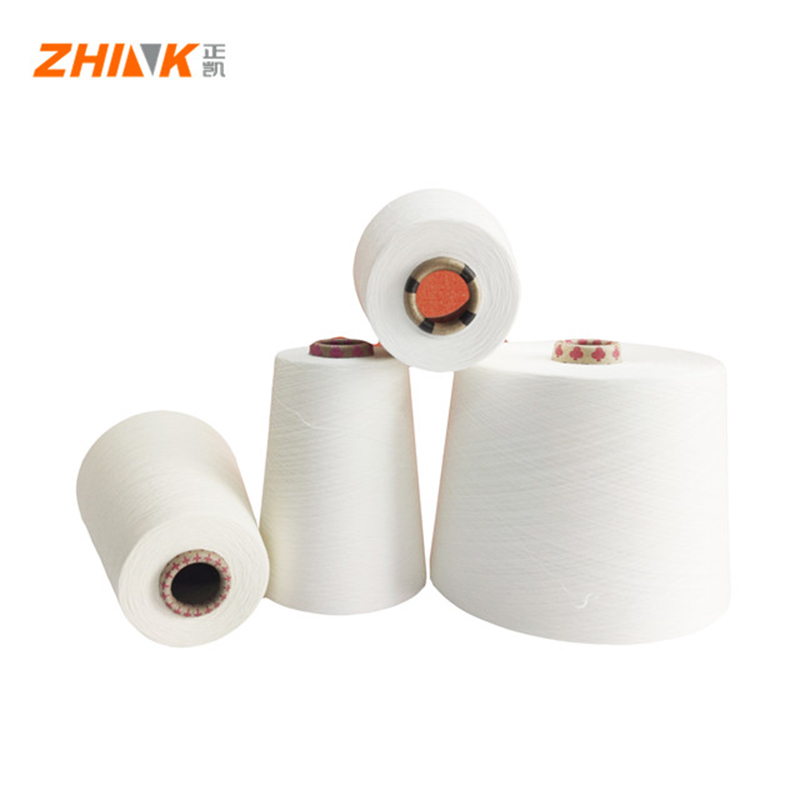
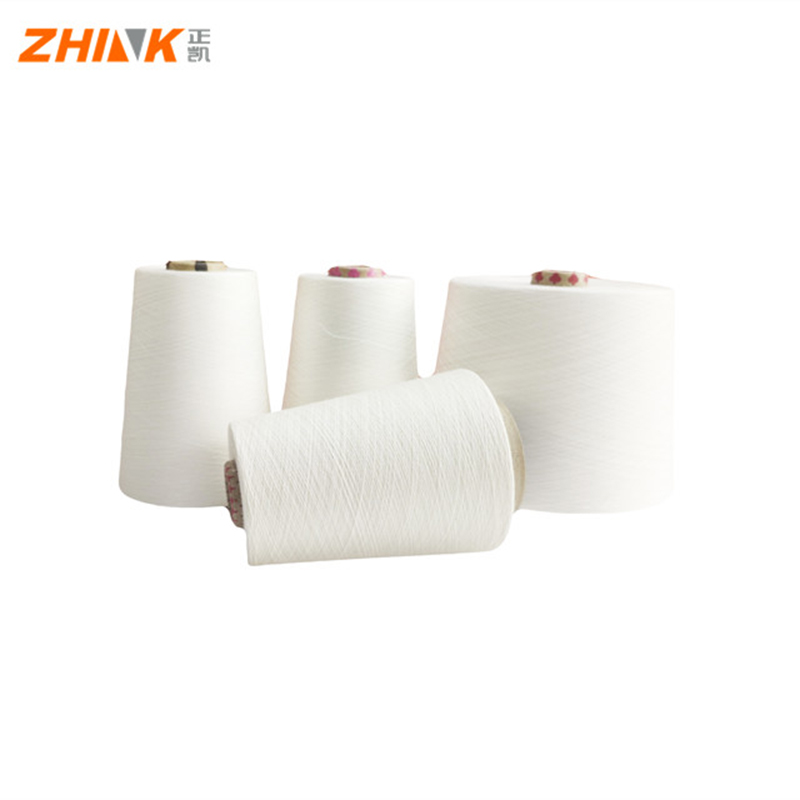
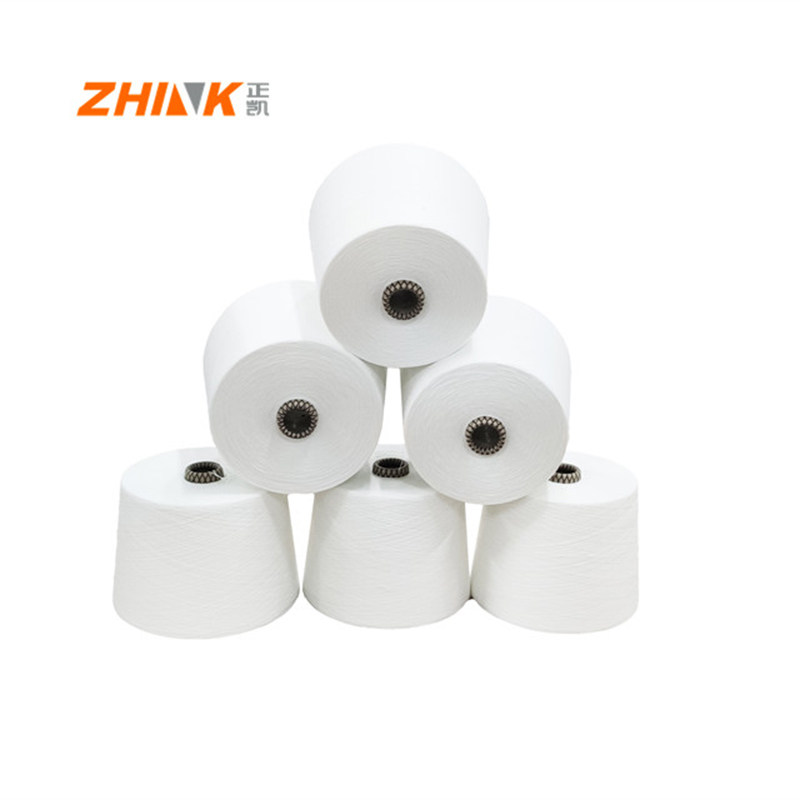
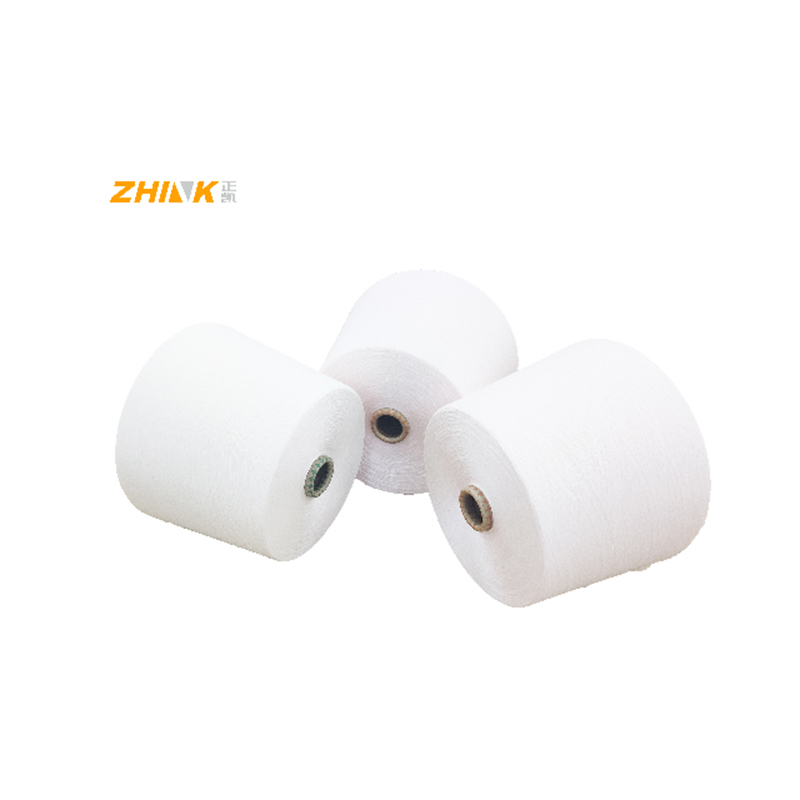
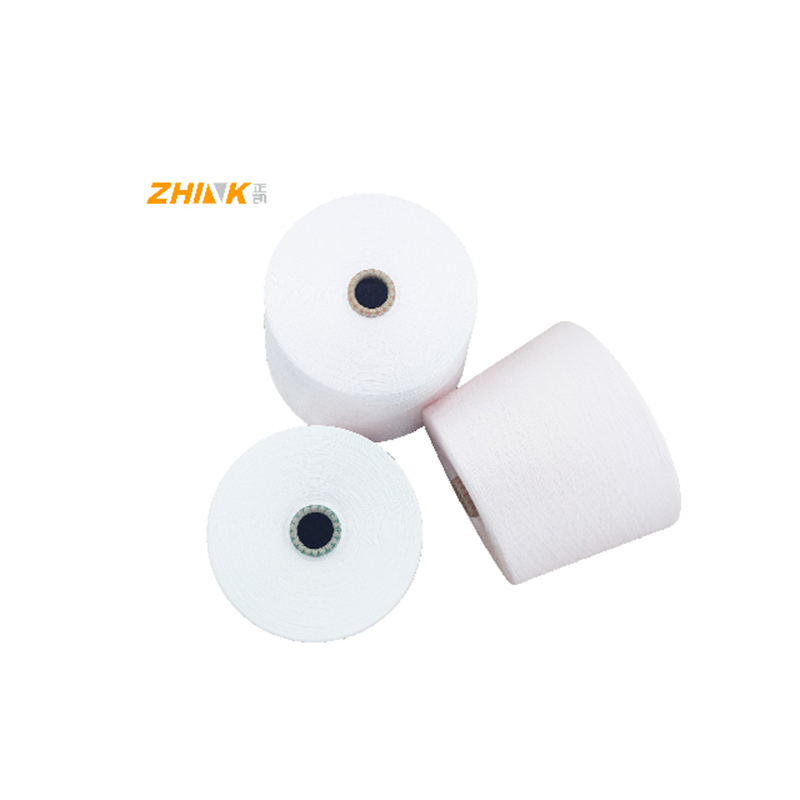
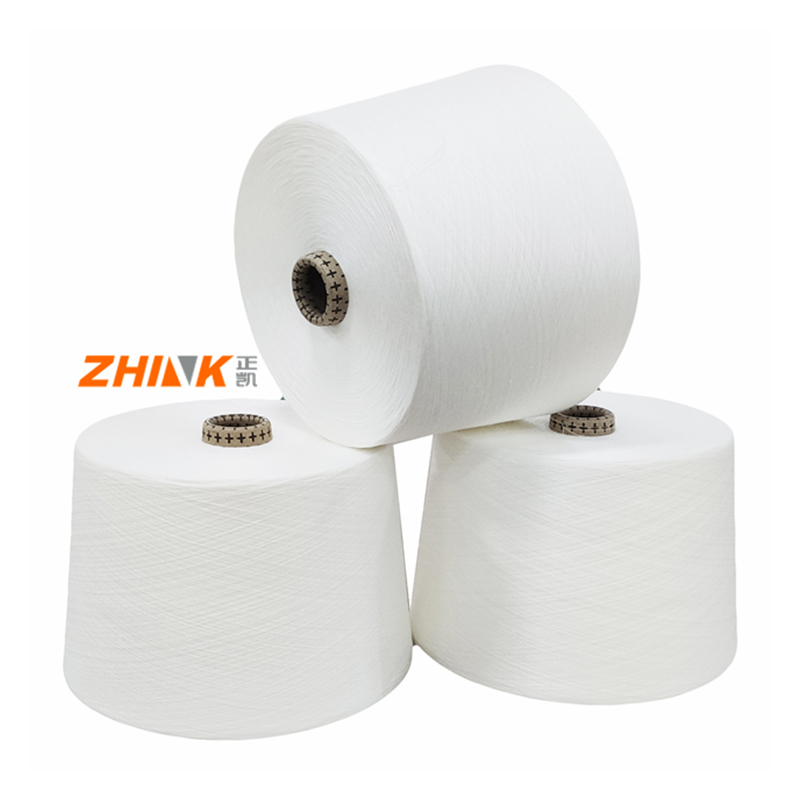
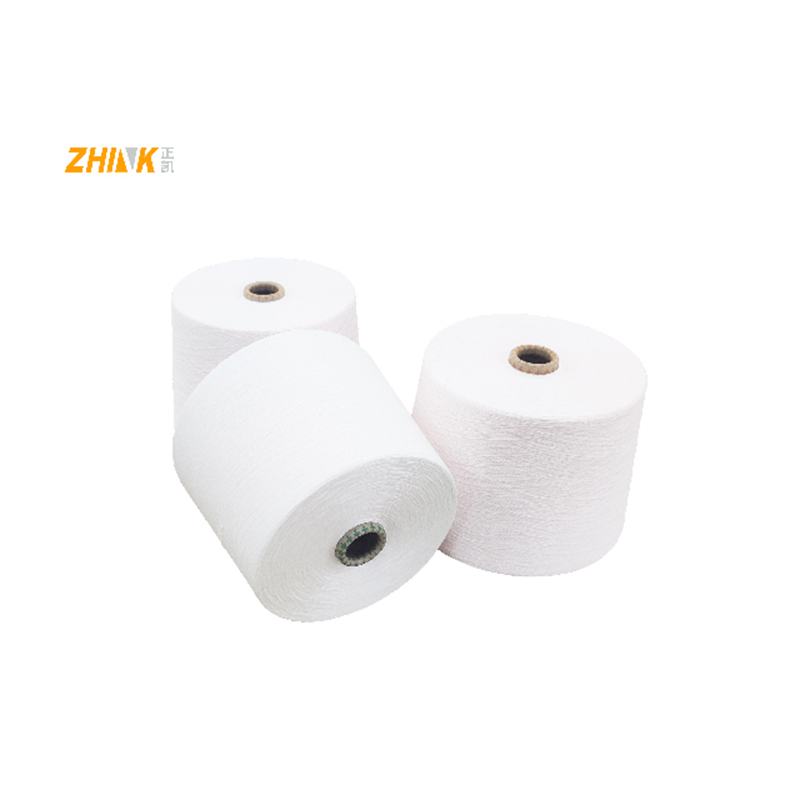
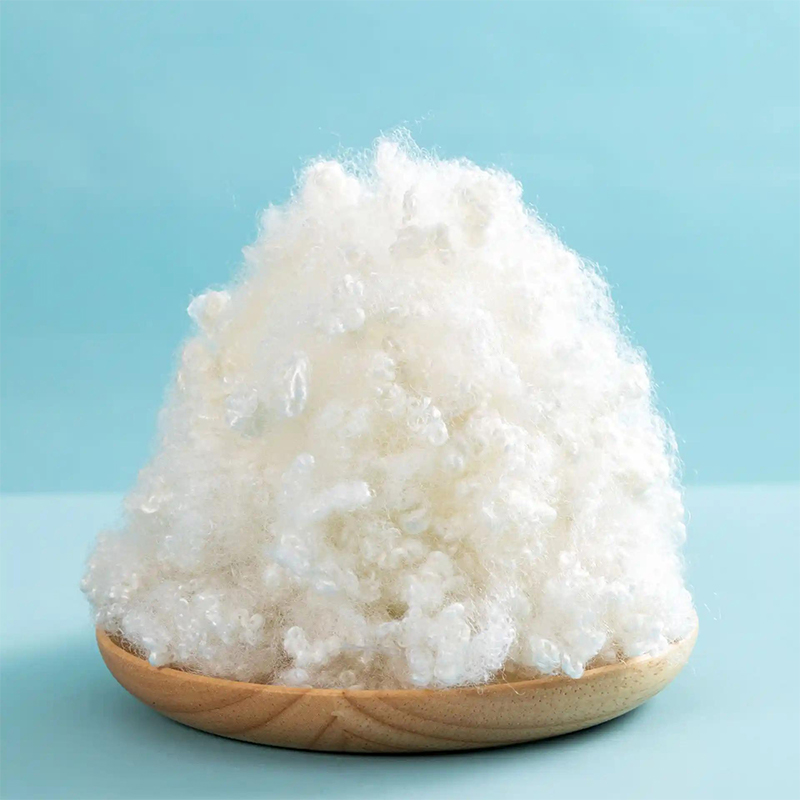
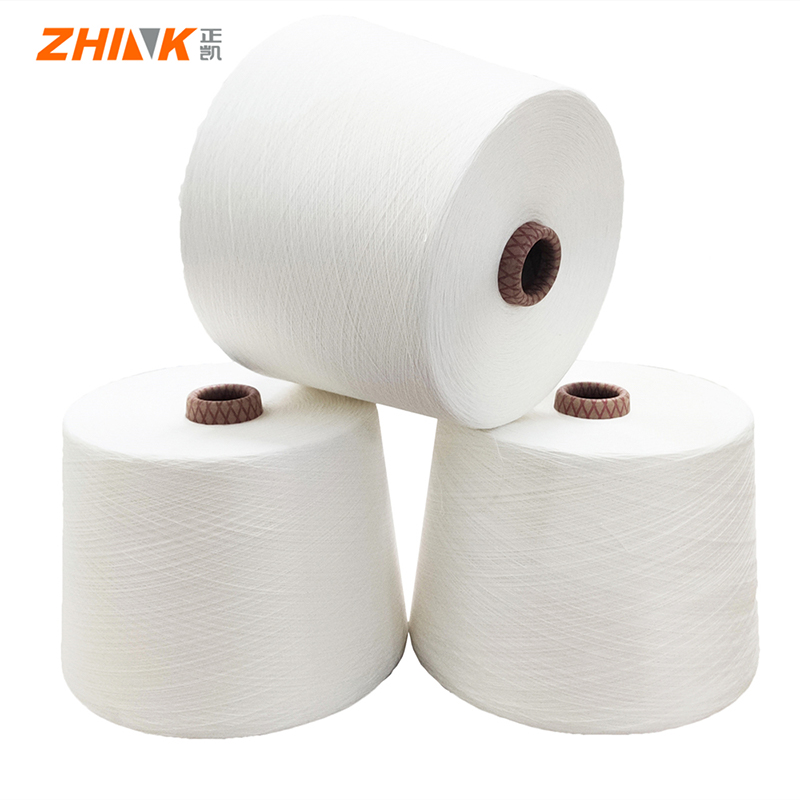
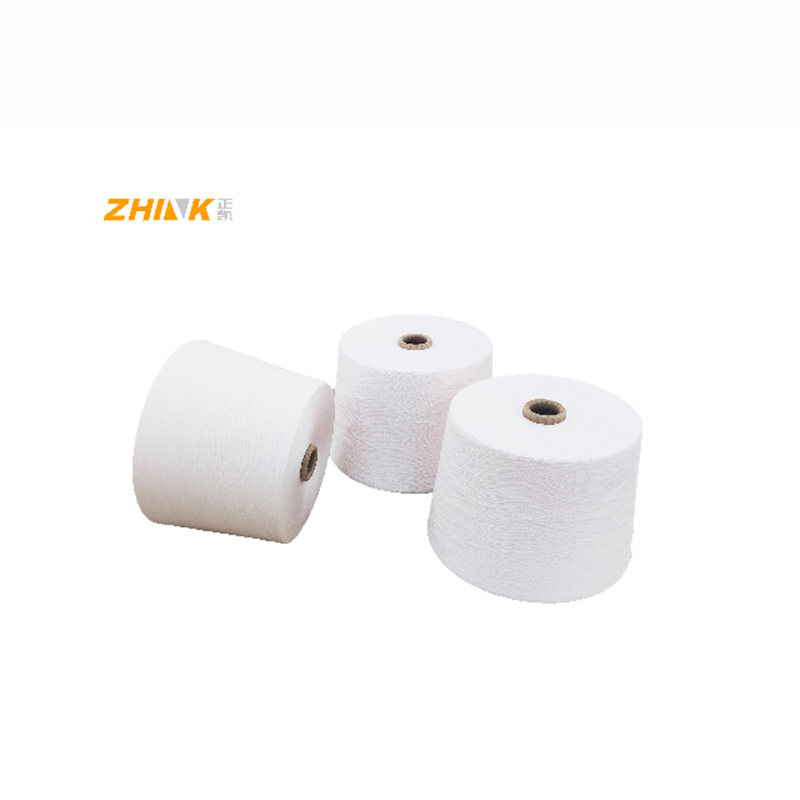
micro Recycled polyester yarn
Exploring the Practicality of Micro Recycled Polyester Yarn
When it comes to sustainable textiles, the term micro recycled polyester yarn often surfaces with a mix of enthusiasm and skepticism. This material promises eco-friendly credentials but its usability and effectiveness can vary. In this article, we'll look beyond the buzzwords and share insights drawn from hands-on experience.
Understanding Micro Recycled Polyester Yarn
At first glance, micro recycled polyester yarn seems like the perfect solution to textile waste. It’s derived from post-consumer plastic bottles, offering a closed-loop option that seems to tick all the boxes for sustainability. Yet, while the theory is compelling, actual performance in textile applications warrants deeper exploration.
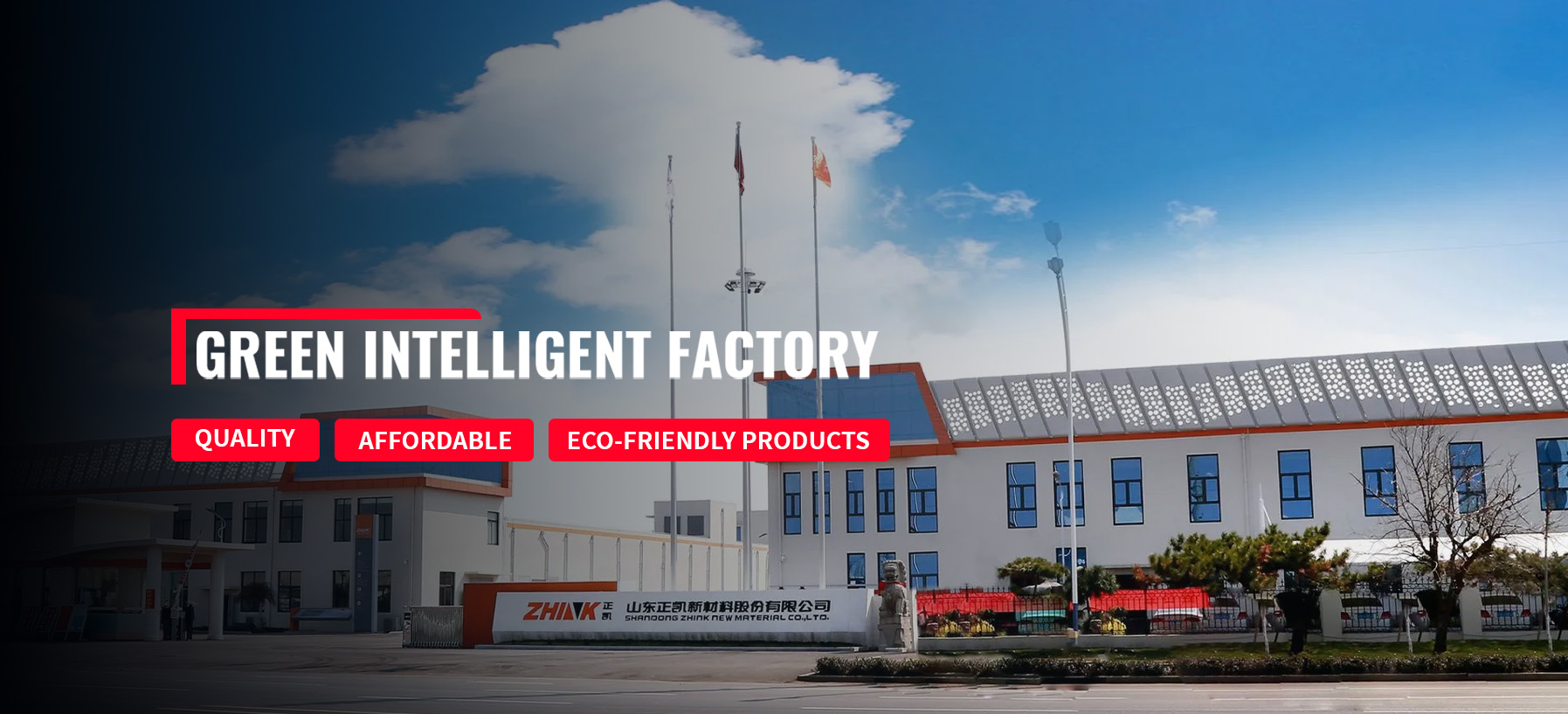
One challenge I’ve encountered is the consistency of quality. Recycling processes can vary significantly, affecting yarn uniformity. This is where companies like SHANDONG ZHINK NEW MATERIAL CO., LTD, known for their industry expertise, play a crucial role. Their website, Zhink Yarn, highlights their R&D prowess in ensuring quality output, but not all producers maintain such standards.
And then there's the question of cost. The production process of micro recycled yarn is more demanding compared to conventional fibers, often resulting in higher initial costs. However, the long-term environmental benefits and potential savings from using recycled materials can justify the investment for many companies.
Handling Practical Challenges
In practice, micro recycled yarns come with their own set of challenges. Take dyeability, for example. Recycled fibers, especially those derived from a variety of sources, can have different affinities for dyes, leading to potential color inconsistency. This is an area where ongoing refinement and collaboration with material scientists and dye manufacturers are crucial.
We also have to consider mechanical performance. Recycled fibers can sometimes be weaker due to the breakdown of PET in their previous life cycle. Practical testing and feedback loops are vital to overcoming these limitations, ensuring the yarn can be woven or knitted without compromising fabric integrity.
From my experiences, involving transparent partnerships with suppliers like those at ZHINK is essential. Their commitment, detailed in their company profile, to innovation and quality can make a significant difference in the final product.
Applications and Innovations
Despite the hurdles, there are numerous success stories where micro recycled polyester yarn has exceeded expectations. Activewear brands are increasingly adopting these materials due to their moisture-wicking properties and sustainability appeal, perfectly aligning with consumer demands for eco-friendly athletic wear.
Further, innovations are burgeoning. SHANDONG ZHINK NEW MATERIAL CO., LTD is exploring new blending techniques, aiming to enhance fiber strength and performance. This highlights the sector’s dynamic evolution, showcasing potential paths for future development.
More companies are focusing on reducing the ecological footprint at each stage of the textile lifecycle. Leveraging renewable energy in production and prioritizing recyclability not just at the yarn stage, but for entire garments, reflect tangible commitments to sustainability.
Sustainability and Market Dynamics
The shift towards sustainability isn’t just a buzzword—it’s becoming a market expectation. The textile industry’s pivot to initiatives like waterless dyeing and energy-efficient manufacturing processes illustrates a broader commitment to environmental stewardship.
Market dynamics, however, play a crucial role. While consumers increasingly favor sustainable options, the willingness to bear added costs varies. Here, governmental incentives and subsidies could tilt the scales, encouraging broader adoption of sustainable materials like micro recycled polyester yarn.
Collaboration is key, particularly between textile manufacturers, brands, and policymakers. Each has a role in driving standardization and ensuring sustainable practices become the industry norm rather than the exception.
Final Thoughts on the Journey
The journey with micro recycled polyester yarn is ongoing. It’s filled with both challenges and opportunities, each pushing the envelope of what’s possible in sustainable textiles. The key is continuous innovation and an open, collaborative approach to problem-solving.
For professionals in the industry, staying informed through platforms like Zhink Yarn can be invaluable. Their focus on cutting-edge R&D and quality assurance provides a model that others in the sector can follow to ensure the potential of recycled yarns is fully realized.
Ultimately, it's about striking a balance—between sustainability and practicality, tradition and innovation—guided by a genuine commitment to leaving a smaller carbon footprint in the world of textiles.
Related Products
Related Products