+86-632-3621866
- Chinese
- French
- German
- Portuguese
- Spanish
- Russian
- Japanese
- Korean
- Arabic
- Irish
- Greek
- Turkish
- Italian
- Danish
- Romanian
- Indonesian
- Czech
- Afrikaans
- Swedish
- Polish
- Basque
- Catalan
- Esperanto
- Hindi
- Lao
- Albanian
- Amharic
- Armenian
- Azerbaijani
- Belarusian
- Bengali
- Bosnian
- Bulgarian
- Cebuano
- Chichewa
- Corsican
- Croatian
- Dutch
- Estonian
- Filipino
- Finnish
- Frisian
- Galician
- Georgian
- Gujarati
- Haitian
- Hausa
- Hawaiian
- Hebrew
- Hmong
- Hungarian
- Icelandic
- Igbo
- Javanese
- Kannada
- Kazakh
- Khmer
- Kurdish
- Kyrgyz
- Latin
- Latvian
- Lithuanian
- Luxembou..
- Macedonian
- Malagasy
- Malay
- Malayalam
- Maltese
- Maori
- Marathi
- Mongolian
- Burmese
- Nepali
- Norwegian
- Pashto
- Persian
- Punjabi
- Serbian
- Sesotho
- Sinhala
- Slovak
- Slovenian
- Somali
- Samoan
- Scots Gaelic
- Shona
- Sindhi
- Sundanese
- Swahili
- Tajik
- Tamil
- Telugu
- Thai
- Ukrainian
- Urdu
- Uzbek
- Vietnamese
- Welsh
- Xhosa
- Yiddish
- Yoruba
- Zulu
- Kinyarwanda
- Tatar
- Oriya
- Turkmen
- Uyghur



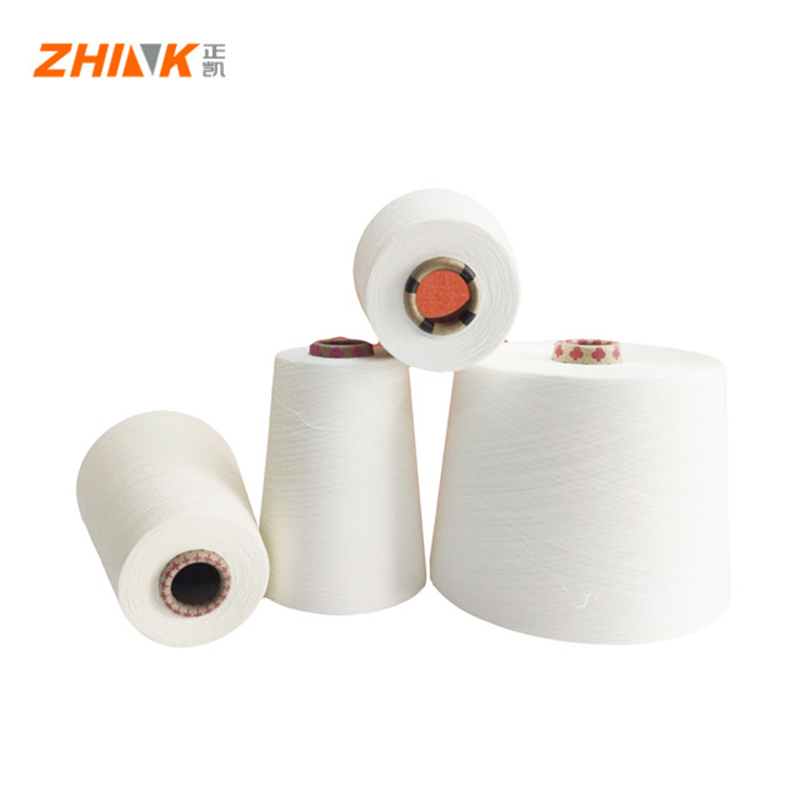
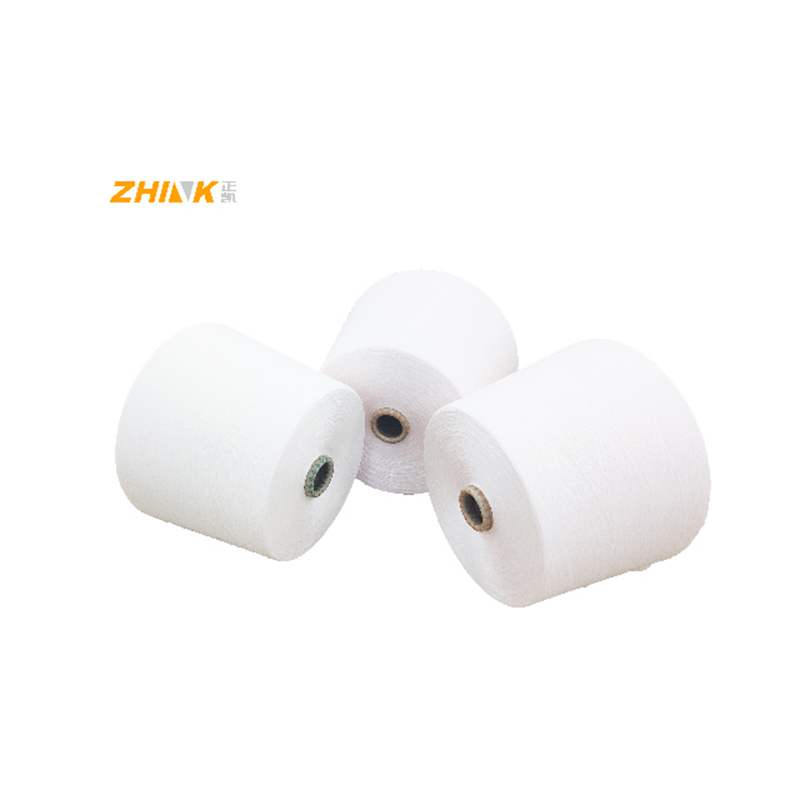
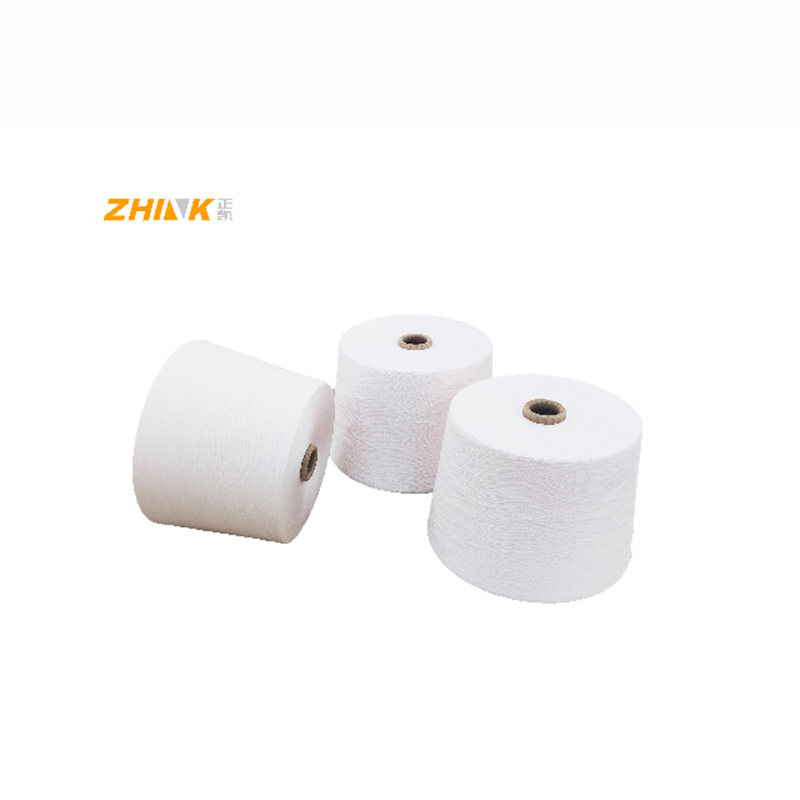
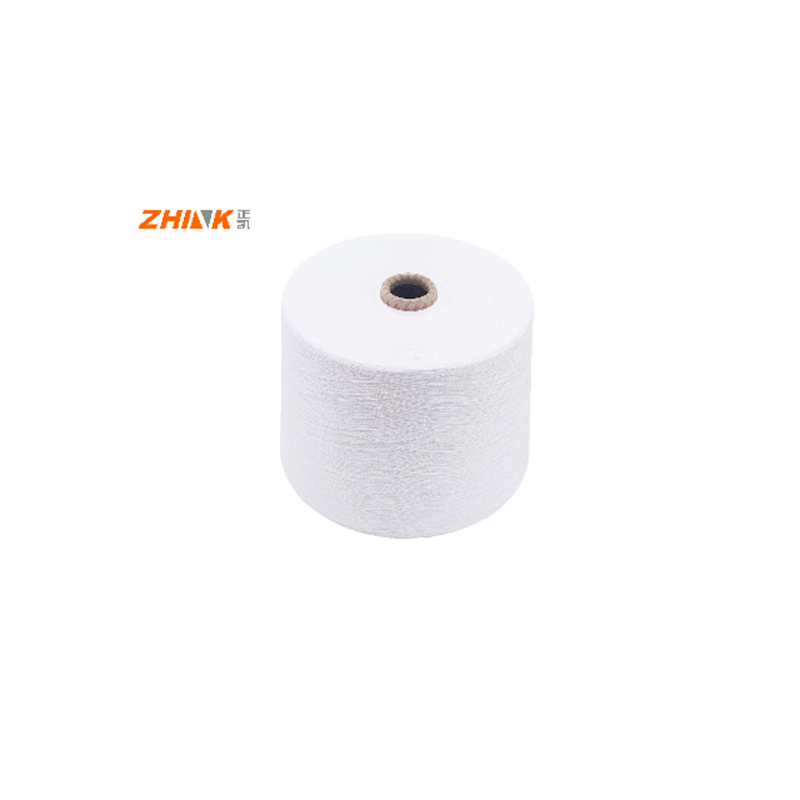
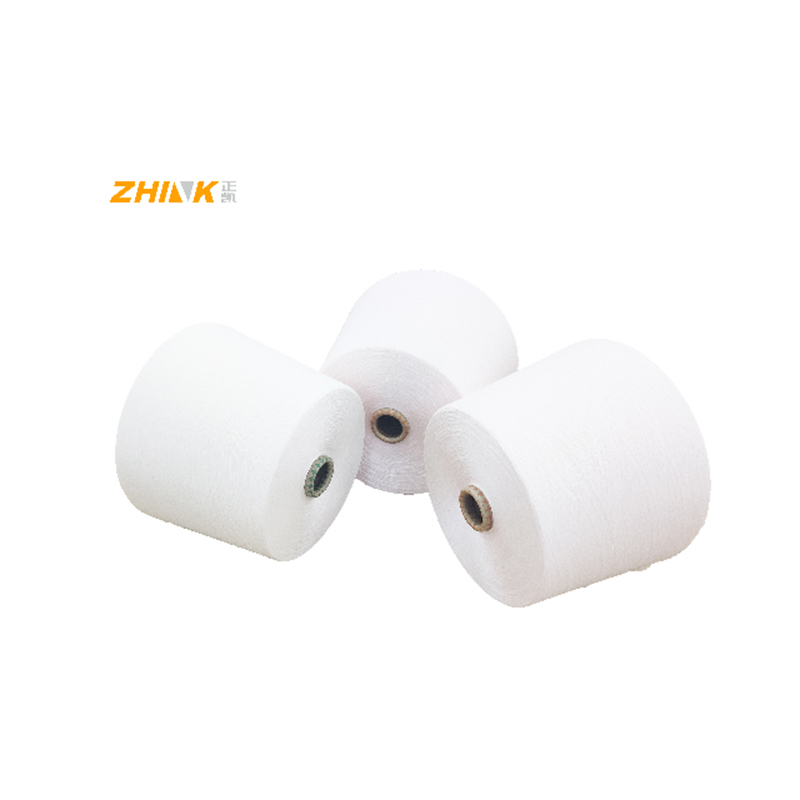
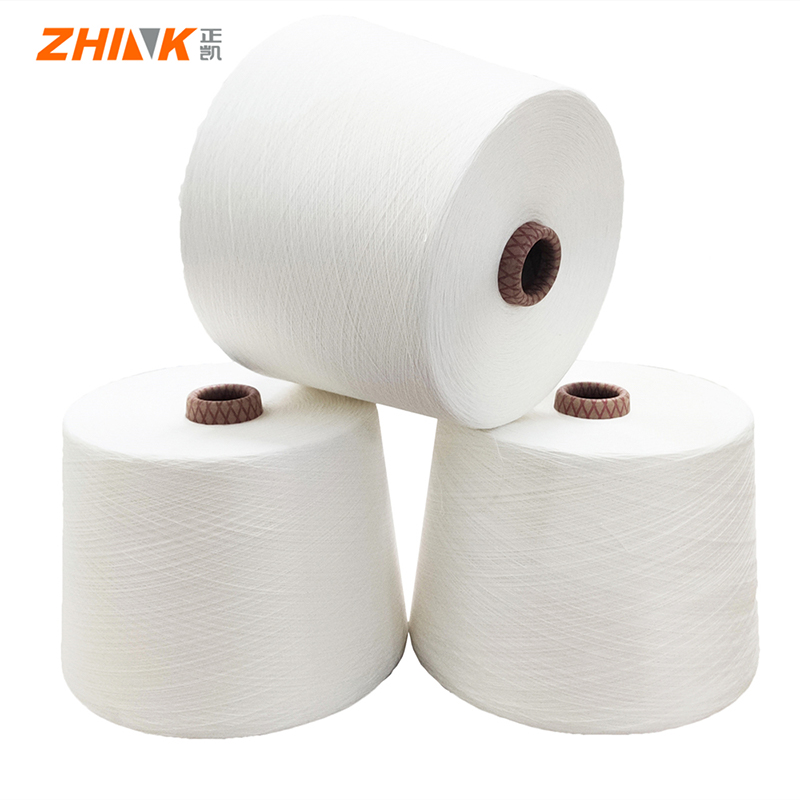
Modal blended yarn for knitting
Understanding Modal Blended Yarn for Knitting
When it comes to knitting, modal blended yarn is a strong contender appreciated for its softness and durability. Yet, misconceptions about its performance in different environments abound. Let’s delve into the nuances of this textile, drawing insights from my own experiences and challenges in the field.
A Closer Look at Modal Yarn
Modal yarn, derived from beech tree pulp, offers unique advantages in knitting applications. Often mistaken as just another synthetic fiber, its natural origins are crucial. This blend brings together the best of botanical and synthetic worlds, offering breathability coupled with resilience.
My journey with modal began with its soft touch. It was fascinating to discover how easily it could be blended with other fibers. This versatility was evident when I started integrating it with cotton. It produced a fabric that not only felt good but wore well too. The experiments were not without trials, as finding the right ratio to maintain its signature qualities was challenging.
In one case, while working with a twist on the yarn composition, I noticed the knitting tension needed adjustments. Modal, being soft, can sometimes require a gentle hand to avoid limp final products. It's a small detail, but it makes all the difference in texture and appearance.
The Blending Process
Modal is often blended with fibers like cotton or polyester to enhance its performance metrics. It's not just about improving the tactile experience but also about increasing its strength and usability. A practical blend to consider is 50% modal with 50% cotton. This balance between fibers is a sweet spot for sustaining fabric integrity through washes.
Working with blends involves the art and science of yarn production. At SHANDONG ZHINK NEW MATERIAL CO., LTD, a key player in textile innovation, they focus on perfecting these blends. Their research underscores the impact of temperature on modal's elasticity, ensuring a consistent texture throughout.
While engaging with their resources (available at their website), I realized the importance of understanding how different environments can affect yarn behavior. It’s not always obvious but crucial for effective application in design projects.
Application in Knitting Patterns
Modal blended yarn shines in applications requiring a balanced drape. Think of lightweight sweaters or intricate knitwear. Its construction helps maintain shape while offering a luxurious feel on the skin. A strong candidate for items that demand longevity and appeal.
However, I've encountered occasions when the yarn didn't behave as expected during pattern formation. Take lace patterns, for instance. Modal's smooth surface can make it tricky; it slips more easily compared to other fibers, requiring patience and an adjusted knitting strategy.
Such quirks are reminders that even with a powerful yarn, understanding its intrinsic properties is key to unlocking its potential. Practical experience, trial and error—these are non-negotiables in mastering modal blends.
Lessons from the Field
Utilizing modal blended yarn effectively comes down to hands-on experimentation. For new knitters, diving straight into projects with this yarn can teach adaptability. A notable insight from industry peers is about anticipating shrinkage. Modal blends, much like any natural fiber, can shift slightly post-wash. It's a detail often overshadowed by its softness but should be factored into sizing.
Further, maintaining a stable tension consistently tests one's knitting acumen. Here, experiences from other knitters underscore a slight increase in needle size to counteract modal's inherent stretchiness. It's subtle, yes, but it adds to the detail-savvy approach that undoubtedly yields better results.
Drawing from available research and practical attempts, the consensus is clear: modal requires a bespoke approach, encompassing flexibility in technique and an understanding of its idiosyncrasies.
Future of Modal Blends
Considering my experiences and ongoing developments from companies like Zhink New Material, the future of modal blended yarn looks promising. As we push for materials with better environmental credentials, modal provides a fiber that's both sustainable and highly functional.
Looking ahead, it's exciting to see what innovations emerge. Modal blends have the potential to set new standards in comfort and durability for knitwear. Yet, continuous refinement is essential, ensuring that consumer needs and environmental responsibilities align seamlessly.
For those interested in exploring this versatile yarn, engaging with textile experts and resources can be invaluable. Visit ZHINK NEW MATERIAL CO., LTD for pioneering insights and potential collaborations that might just transform the way knitwear is crafted.
Related Products
Related Products