+86-632-3621866
- Chinese
- French
- German
- Portuguese
- Spanish
- Russian
- Japanese
- Korean
- Arabic
- Irish
- Greek
- Turkish
- Italian
- Danish
- Romanian
- Indonesian
- Czech
- Afrikaans
- Swedish
- Polish
- Basque
- Catalan
- Esperanto
- Hindi
- Lao
- Albanian
- Amharic
- Armenian
- Azerbaijani
- Belarusian
- Bengali
- Bosnian
- Bulgarian
- Cebuano
- Chichewa
- Corsican
- Croatian
- Dutch
- Estonian
- Filipino
- Finnish
- Frisian
- Galician
- Georgian
- Gujarati
- Haitian
- Hausa
- Hawaiian
- Hebrew
- Hmong
- Hungarian
- Icelandic
- Igbo
- Javanese
- Kannada
- Kazakh
- Khmer
- Kurdish
- Kyrgyz
- Latin
- Latvian
- Lithuanian
- Luxembou..
- Macedonian
- Malagasy
- Malay
- Malayalam
- Maltese
- Maori
- Marathi
- Mongolian
- Burmese
- Nepali
- Norwegian
- Pashto
- Persian
- Punjabi
- Serbian
- Sesotho
- Sinhala
- Slovak
- Slovenian
- Somali
- Samoan
- Scots Gaelic
- Shona
- Sindhi
- Sundanese
- Swahili
- Tajik
- Tamil
- Telugu
- Thai
- Ukrainian
- Urdu
- Uzbek
- Vietnamese
- Welsh
- Xhosa
- Yiddish
- Yoruba
- Zulu
- Kinyarwanda
- Tatar
- Oriya
- Turkmen
- Uyghur



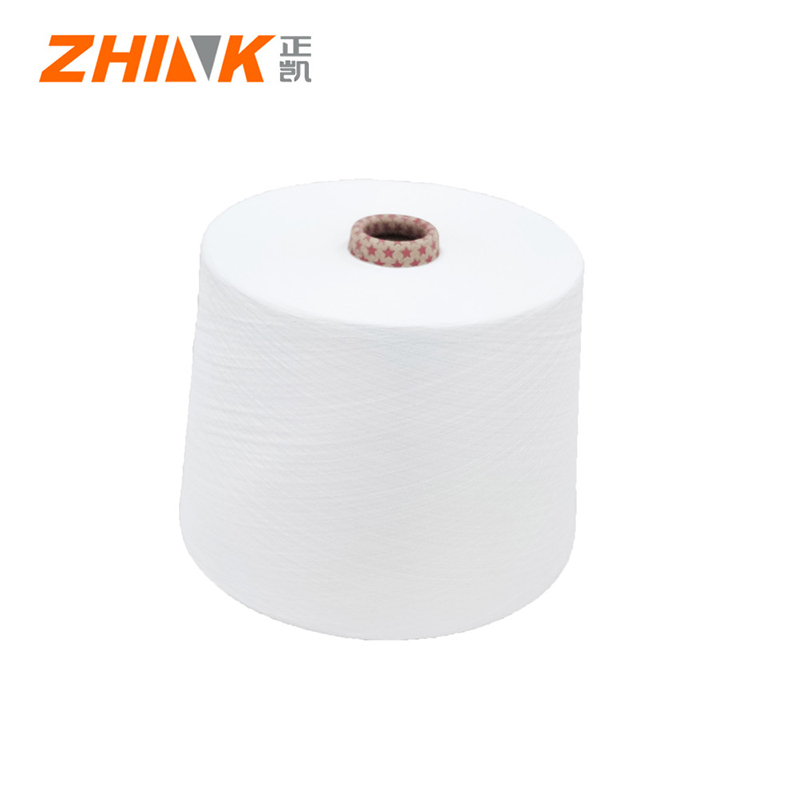
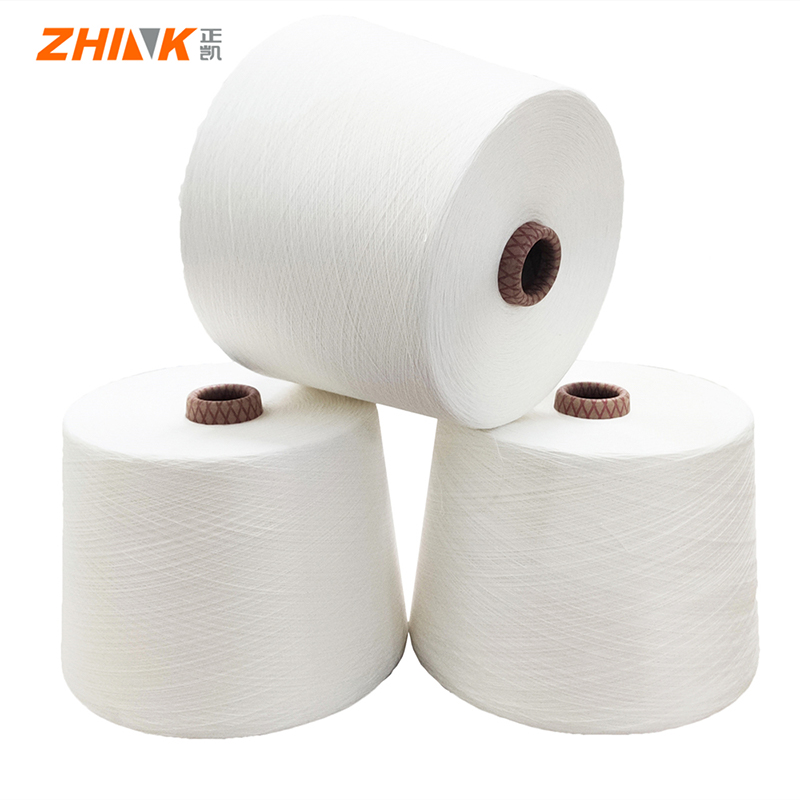
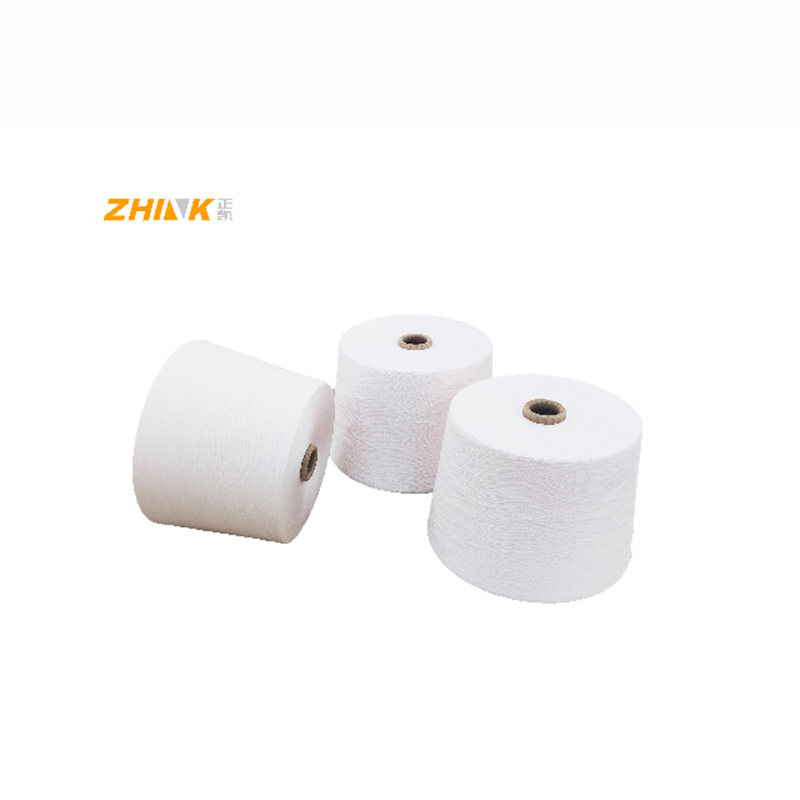
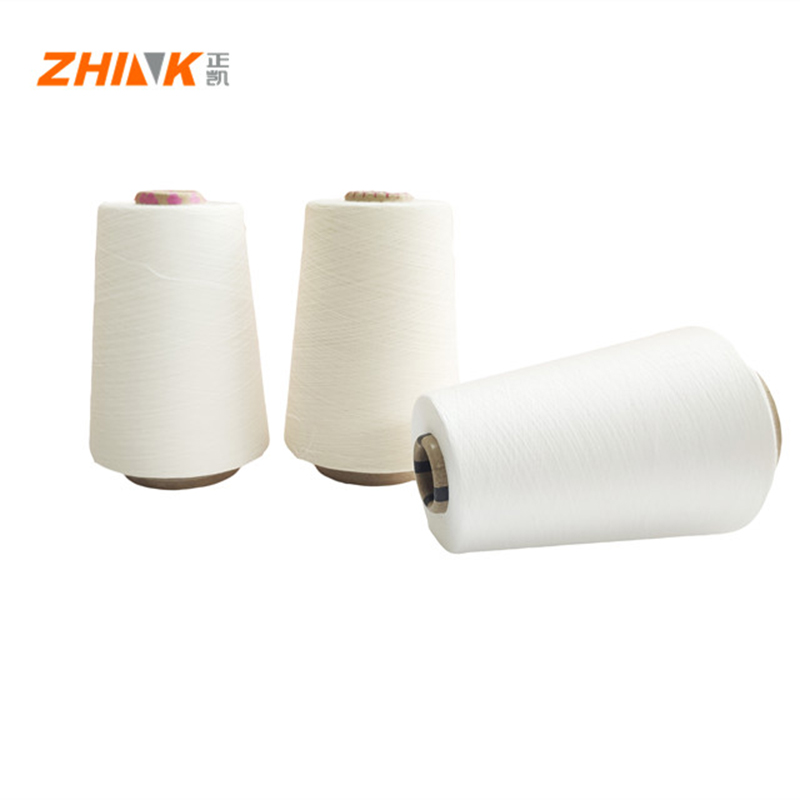
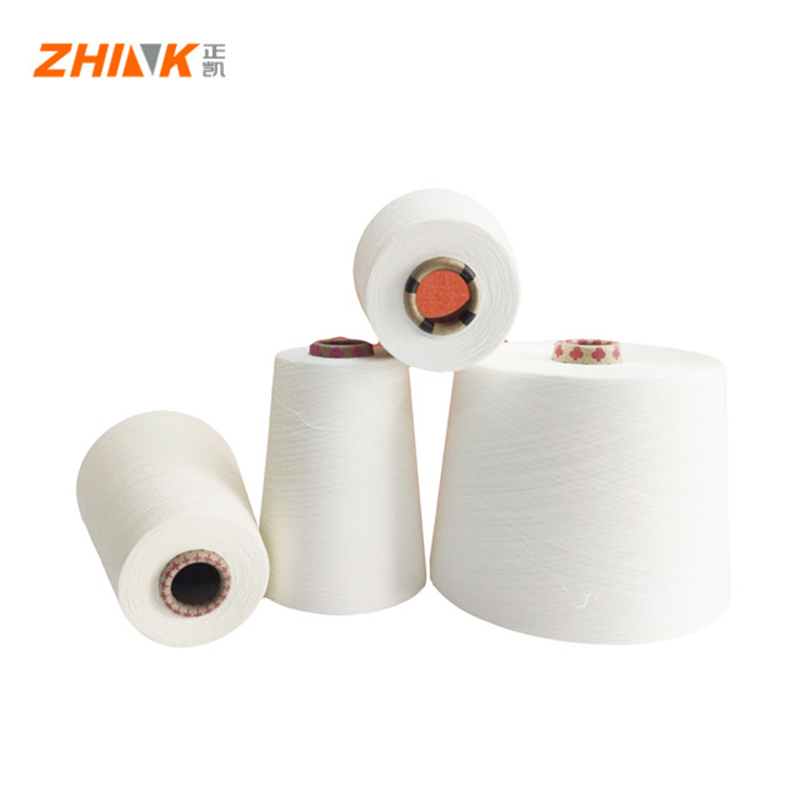
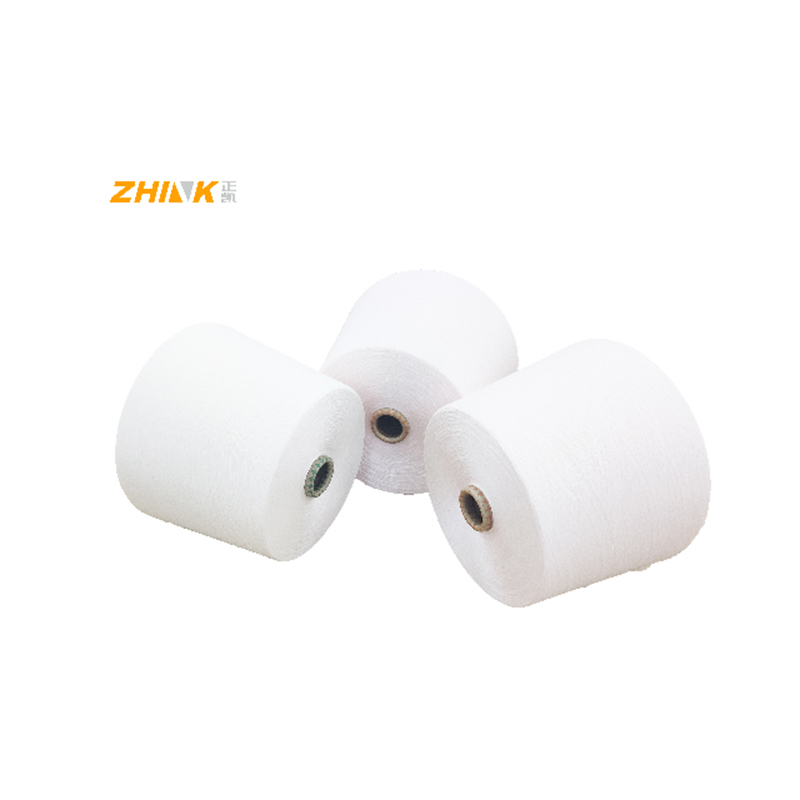
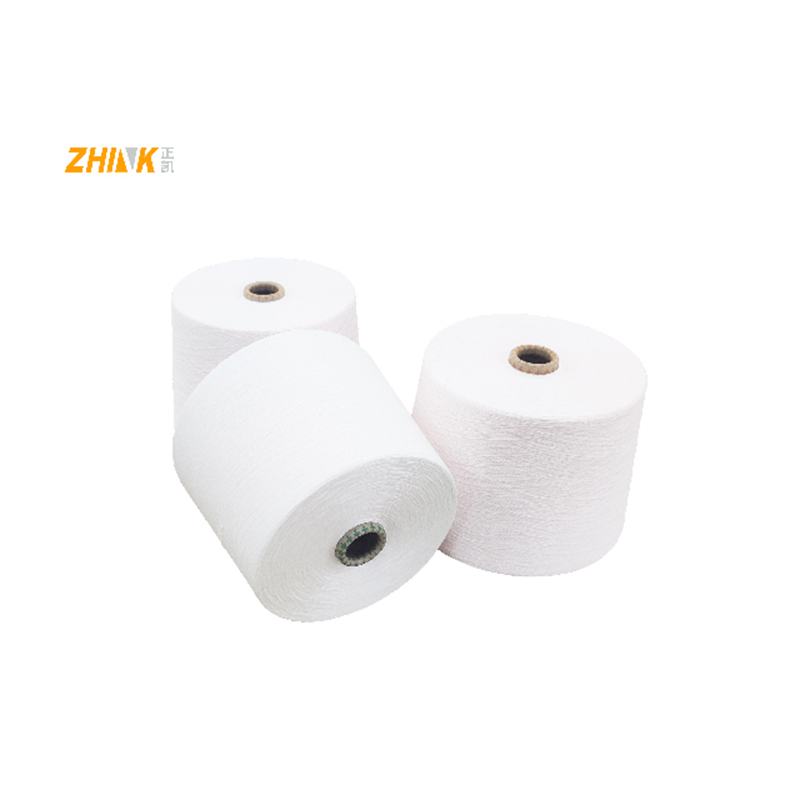
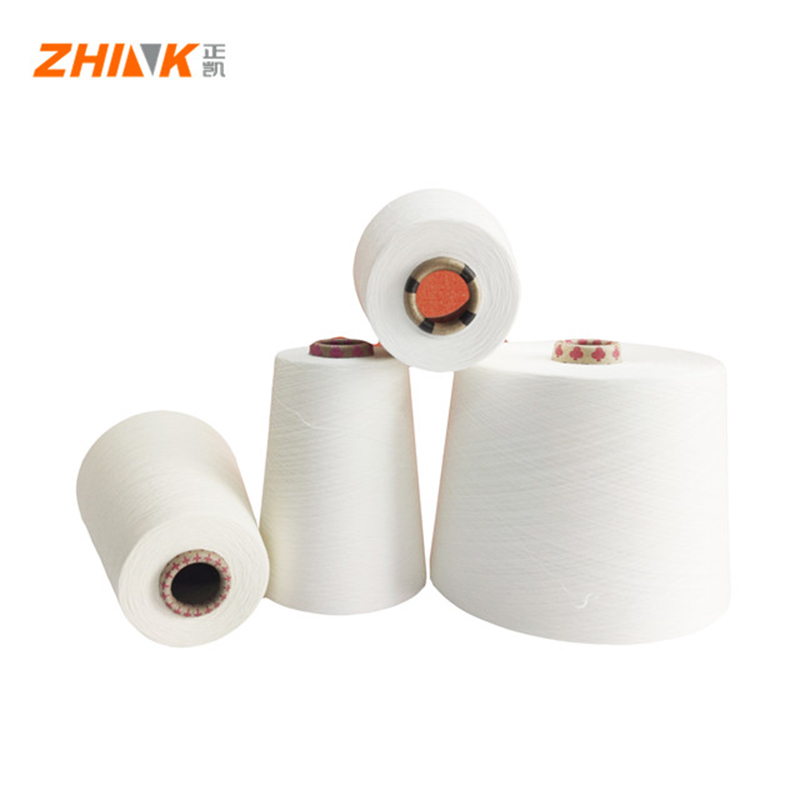
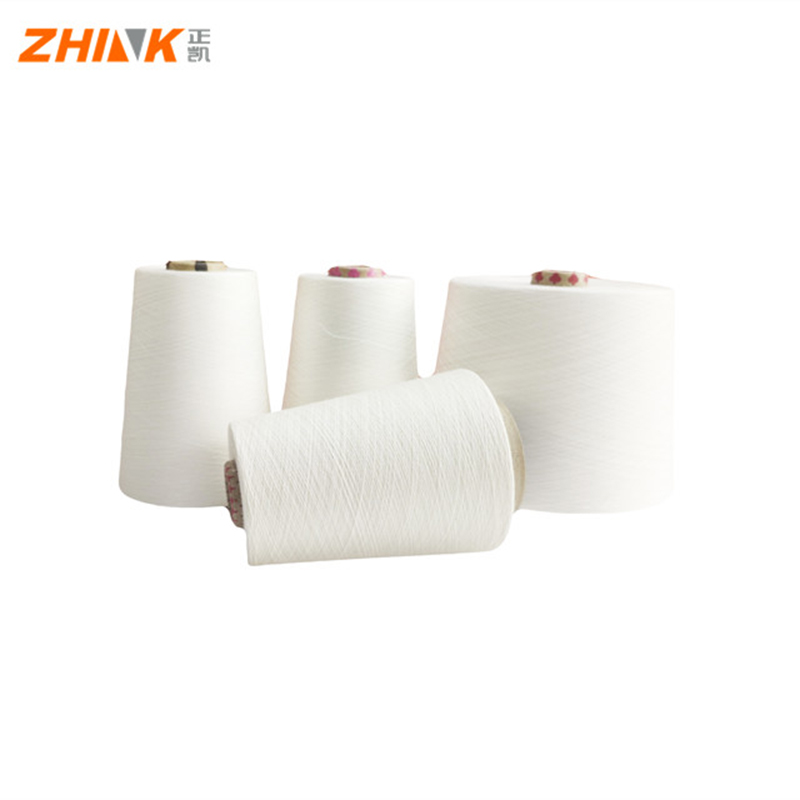
modal/cahsmere 90/10 yarn
The Craft and Complexity of Modal/Cashmere 90/10 Yarn
In the ever-evolving world of textiles, Modal/Cashmere 90/10 yarn stands out for its luxurious feel, durability, and the subtle complexities involved in its creation. This article delves into the nuanced balance required to produce such a yarn, highlighting insights from industry professionals and real-world applications.
The Intricate Balance of Blending
Producing a yarn with 90% Modal and 10% Cashmere might seem straightforward, but achieving the right balance is crucial. Modal, derived from beech trees, offers exceptional softness and moisture control, whereas cashmere, sourced from goats, is all about luxury and warmth. Combining these fibers seamlessly requires a deep understanding of their individual properties. I've often seen beginners underestimate how Modal's tendency to shine can overshadow the subtlety of cashmere if not blended carefully.
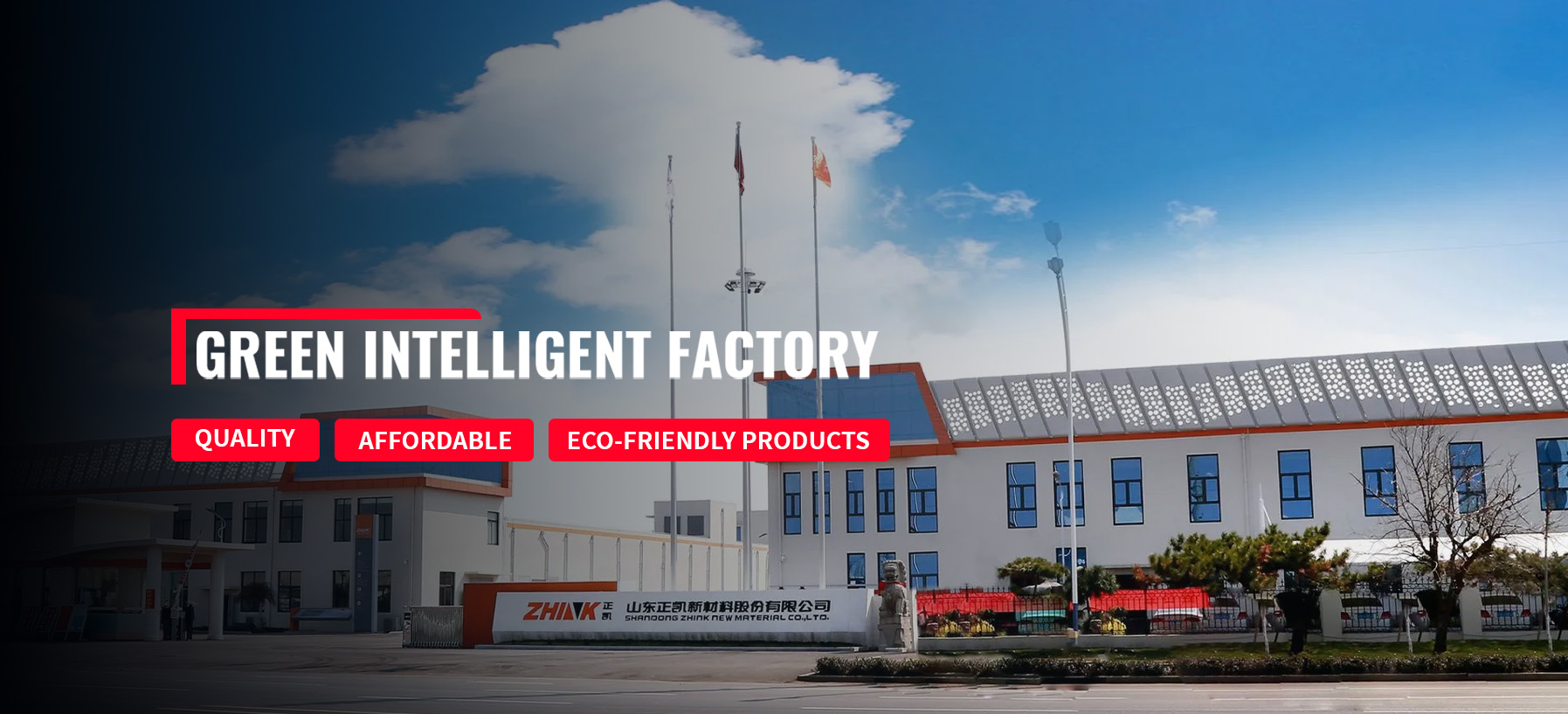
In my early attempts at producing this blend, the yarn often ended up too 'slippery' and lacked the desired texture. It was only through trial and error, adjusting blends, and sometimes even mixing in other natural fibers, that the right formula was found. This is a common struggle in textile businesses like SHANDONG ZHINK NEW MATERIAL CO., LTD, which you can find more about at Zhink Yarn. They specialize in innovative textile solutions, constantly working on balancing properties to meet specific industry demands.
The delicate process doesn't end there. Consistency across batches is another hurdle. If you have worked with raw materials in different climates or seasons, you'd know their minor variances can subtly affect the final product. It’s this unexpected variability that keeps the job interesting—and occasionally frustrating.
Innovations and Technology
Recent advancements in machinery have made it easier to produce Modal/Cashmere 90/10 yarn more consistently. High-precision spinning machines adjust tension and speed, allowing for greater control in blending. At Zhink New Material, they employ state-of-the-art technology to streamline production, yet human expertise remains irreplaceable in quality assurance.
Even with all these technological aids, human intervention is often necessary to adjust settings based on real-time feedback—an insightful machine operator's intuition can be a game-changer. I've often found that technology gives us the tools, but the eye for quality is cultivated through experience and patience.
Additionally, sustainability has pushed innovation even further. With Modal being a more eco-friendly fiber than many synthetics, it contributes to a more sustainable textile production approach. This is increasingly becoming a selling point in the industry, compelling companies to innovate responsibly.
Applications and Market Trends
The versatility of Modal/Cashmere 90/10 yarn lends itself to varied applications. From cozy sweaters and high-end fashion to luxury home textiles, this blend is cherished for its comfort and elegance. The market has shown a keen interest, especially in regions with colder climates, where warmth doesn't come at the expense of breathability or style.
Consumer trends show an increasing demand for ethically sourced and sustainably produced fibers, a fact well embraced by companies like Zhink New Material. Their strategic focus on sustainable and innovative textile solutions positions them well in the global market. As customer preferences shift, the flexibility and adaptability of the industry follow suit.
However, the market demands are not without their challenges. The pressure to reduce cost while maintaining quality is ever-present. It requires constant research and strategic sourcing of materials. This is where Zhink’s expertise shines, as they consistently balance quality with affordability.
Challenges in Production
The journey of creating Modal/Cashmere 90/10 yarn naturally involves hurdles. One significant challenge is sourcing high-quality cashmere, which can be inconsistent in availability and often dictates the final product's pricing. The global supply chain issues have only compounded these difficulties, requiring smart logistics and sometimes even contingency planning to avoid production delays.
Furthermore, maintaining a skilled workforce is vital. Training staff to handle the specifics of mixing and operating advanced machinery is a persistent challenge, and it’s one that Zhink New Material is committed to overcoming through targeted training and investment in human capital.
Finally, there is the question of scalability. Some companies manage by diversifying their offerings, while others like Zhink focus on honing their specific expertise in advanced blends. Each strategy comes with its trade-offs, and no single approach fits all. It’s about finding what aligns best with your operational strengths and market positioning.
Quality Control and Future Prospects
A crucial aspect of producing high-quality Modal/Cashmere 90/10 yarn lies in rigorous quality control. Every batch undergoes multiple checks for yarn consistency, strength, and color fastness. This ensures that products meet the expected standards, preserving the reputation of the brand.
Looking ahead, the future of modal and cashmere blends seems promising. As consumer awareness and demand for comfort and sustainability grow, these blends will likely gain an even firmer foothold in the market. Companies like Zhink New Material are well-placed to lead this charge, given their commitment to innovation and quality.
In conclusion, while crafting Modal/Cashmere 90/10 yarn involves a combination of art and science, it is the dedication to continuous improvement that truly defines success. The journey is as intricate as the fibers themselves.
Related Products
Related Products