
+86-632-3621866
- Chinese
- French
- German
- Portuguese
- Spanish
- Russian
- Japanese
- Korean
- Arabic
- Irish
- Greek
- Turkish
- Italian
- Danish
- Romanian
- Indonesian
- Czech
- Afrikaans
- Swedish
- Polish
- Basque
- Catalan
- Esperanto
- Hindi
- Lao
- Albanian
- Amharic
- Armenian
- Azerbaijani
- Belarusian
- Bengali
- Bosnian
- Bulgarian
- Cebuano
- Chichewa
- Corsican
- Croatian
- Dutch
- Estonian
- Filipino
- Finnish
- Frisian
- Galician
- Georgian
- Gujarati
- Haitian
- Hausa
- Hawaiian
- Hebrew
- Hmong
- Hungarian
- Icelandic
- Igbo
- Javanese
- Kannada
- Kazakh
- Khmer
- Kurdish
- Kyrgyz
- Latin
- Latvian
- Lithuanian
- Luxembou..
- Macedonian
- Malagasy
- Malay
- Malayalam
- Maltese
- Maori
- Marathi
- Mongolian
- Burmese
- Nepali
- Norwegian
- Pashto
- Persian
- Punjabi
- Serbian
- Sesotho
- Sinhala
- Slovak
- Slovenian
- Somali
- Samoan
- Scots Gaelic
- Shona
- Sindhi
- Sundanese
- Swahili
- Tajik
- Tamil
- Telugu
- Thai
- Ukrainian
- Urdu
- Uzbek
- Vietnamese
- Welsh
- Xhosa
- Yiddish
- Yoruba
- Zulu
- Kinyarwanda
- Tatar
- Oriya
- Turkmen
- Uyghur


modal/cahsmere blended yarn
The Art and Science of Modal/Cashmere Blended Yarn
Combining the strength of modal with the luxury of cashmere—modal/cashmere blended yarn is a game-changer. It’s not just about the touch; it’s the whole experience. Here's what you need to know.
Demystifying Modal/Cashmere Blends
When it comes to textiles, blending fibers is an artform. A modal/cashmere blended yarn promises the best of both worlds: the softness of cashmere paired with the durability and sheen of modal. But achieving the right balance is crucial. A common misconception is that any mix will do—wrong. Even small variations in the blend ratios can dramatically alter texture and performance.
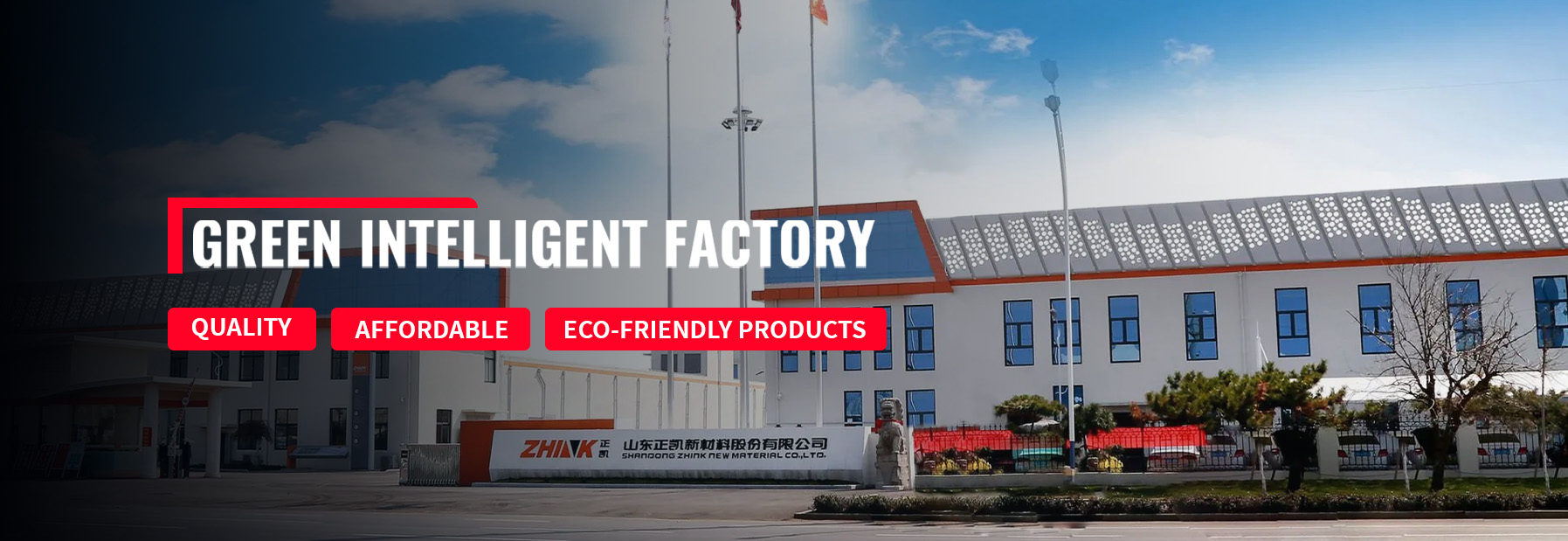
From my experience, working with partners like SHANDONG ZHINK NEW MATERIAL CO., LTD, it’s evident that R&D is key. Their commitment to innovation, as noted on their site Zhink New Material, ensures that each yarn produced meets specific quality benchmarks.
In practice, striking the right modal-to-cashmere ratio requires both scientific precision and intuitive understanding. Physical touch—feeling the yarn between your fingers—offers insights machines sometimes miss.
The Production Journey
Producing modal/cashmere blended yarn involves several critical steps. Starting with high-quality raw materials, the selection process is rigorous. Cashmere fibers are carefully sourced for their length and softness, while modal is chosen for strength and consistency.
The spinning process is where magic happens. Consistency is key, especially when blending. Uneven tension can lead to yarn that doesn’t maintain form during knitting or weaving. Precision engineering and quality control, such as those implemented by companies like Zhink, ensure that every spool is up to standard.
I've seen projects scrapped because the yarn didn’t drape correctly or lost its shape after washing. It’s the attention to pre-production testing that often saves these designs from failure.
Real-world Applications and Challenges
On the front lines of production, we often deal with client expectations versus yarn behavior. A designer might envision a lightweight sweater, but if the blend doesn't hold the pattern or texture post-weave, redesigns are necessary.
One particular challenge is colorfastness. Cashmere fibers, being natural, sometimes behave unpredictably during dyeing. Modal, on the other hand, is more consistent. Balancing these tendencies requires both experience and technical know-how, something Zhink New Material emphasizes in their development stages.
It’s not just the final product that matters—it’s how it wears over time. Durability tests might seem repetitive, but they’re essential in predicting long-term satisfaction.
Market Trends and Consumer Insights
Consumers today are more informed; they demand transparency about materials. They seek the luxurious feel of cashmere but also want the practicality that modal offers. This blend is ideal for the eco-conscious, blending natural and semi-synthetic fibers.
Incorporating customer feedback is a continuous process. Real-time reviews and textile expos often reveal whether the yarn lives up to its expectations. Trends tend to shift rapidly, but the fundamental need for quality remains constant.
The website of Zhink New Material provides a detailed insight into how they stay ahead by listening to market trends and innovating in real-time, reiterating their focus on customer satisfaction and sustainability.
Conclusion: The Perfect Blend?
Perfecting a modal/cashmere blended yarn is a continuous journey. Achieving balance between luxury and utility sounds simple, but any professional in the field knows it’s anything but.
There are countless successes and occasional failures, each teaching important lessons. Whether it's the subtle sheen brought out in a final garment or the disappointment of a misunderstood drape, the journey of the yarn from concept to completion is full of learning.
As the industry evolves, so too must our practices. Companies like Zhink New Material, with their emphasis on R&D, play a pivotal role in pushing this evolution. Their website provides a window into how modern technology meets traditional artistry in the world of textiles.
Related Products
Related Products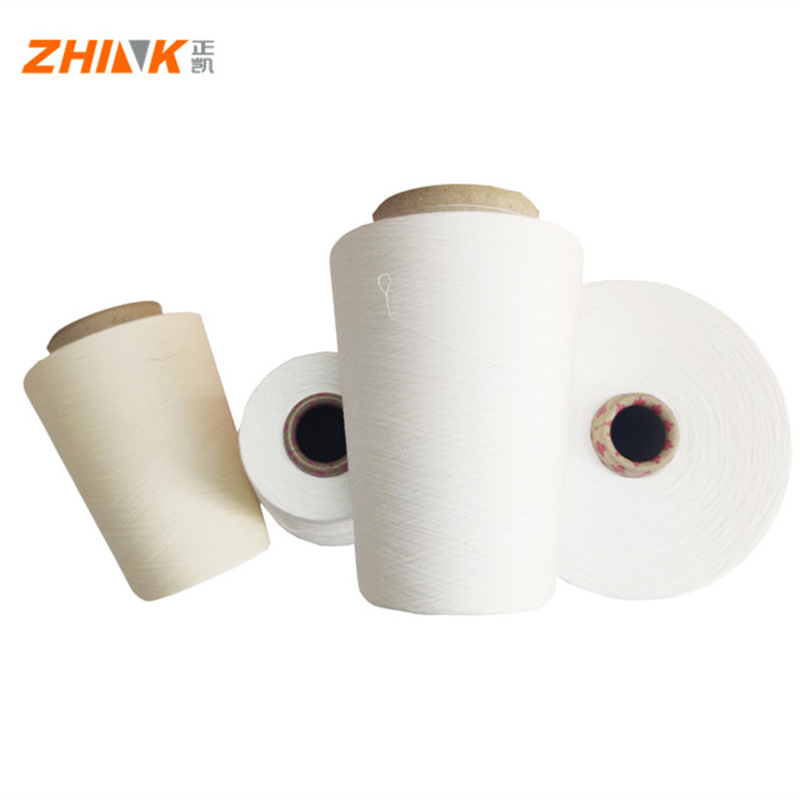

Best Selling Products
Best Selling Products
Related Search
Related Search- Recycled polyester/bamboo 70/30 yarn
- Recycled polyester/bamboo ring spun yarn
- merino linen yarn
- Solid acrylic /viscose blended yarn
- Acrylic/viscose 50/50 yarn
- Recycled polyester/Modal 50/50 yarn
- Recycled polyester/Modal mvs yarn
- 100 polyester yarn
- 100% Lyocell yarn for knitting
- Bamboo blended yarn for weaving