+86-632-3621866
- Chinese
- French
- German
- Portuguese
- Spanish
- Russian
- Japanese
- Korean
- Arabic
- Irish
- Greek
- Turkish
- Italian
- Danish
- Romanian
- Indonesian
- Czech
- Afrikaans
- Swedish
- Polish
- Basque
- Catalan
- Esperanto
- Hindi
- Lao
- Albanian
- Amharic
- Armenian
- Azerbaijani
- Belarusian
- Bengali
- Bosnian
- Bulgarian
- Cebuano
- Chichewa
- Corsican
- Croatian
- Dutch
- Estonian
- Filipino
- Finnish
- Frisian
- Galician
- Georgian
- Gujarati
- Haitian
- Hausa
- Hawaiian
- Hebrew
- Hmong
- Hungarian
- Icelandic
- Igbo
- Javanese
- Kannada
- Kazakh
- Khmer
- Kurdish
- Kyrgyz
- Latin
- Latvian
- Lithuanian
- Luxembou..
- Macedonian
- Malagasy
- Malay
- Malayalam
- Maltese
- Maori
- Marathi
- Mongolian
- Burmese
- Nepali
- Norwegian
- Pashto
- Persian
- Punjabi
- Serbian
- Sesotho
- Sinhala
- Slovak
- Slovenian
- Somali
- Samoan
- Scots Gaelic
- Shona
- Sindhi
- Sundanese
- Swahili
- Tajik
- Tamil
- Telugu
- Thai
- Ukrainian
- Urdu
- Uzbek
- Vietnamese
- Welsh
- Xhosa
- Yiddish
- Yoruba
- Zulu
- Kinyarwanda
- Tatar
- Oriya
- Turkmen
- Uyghur



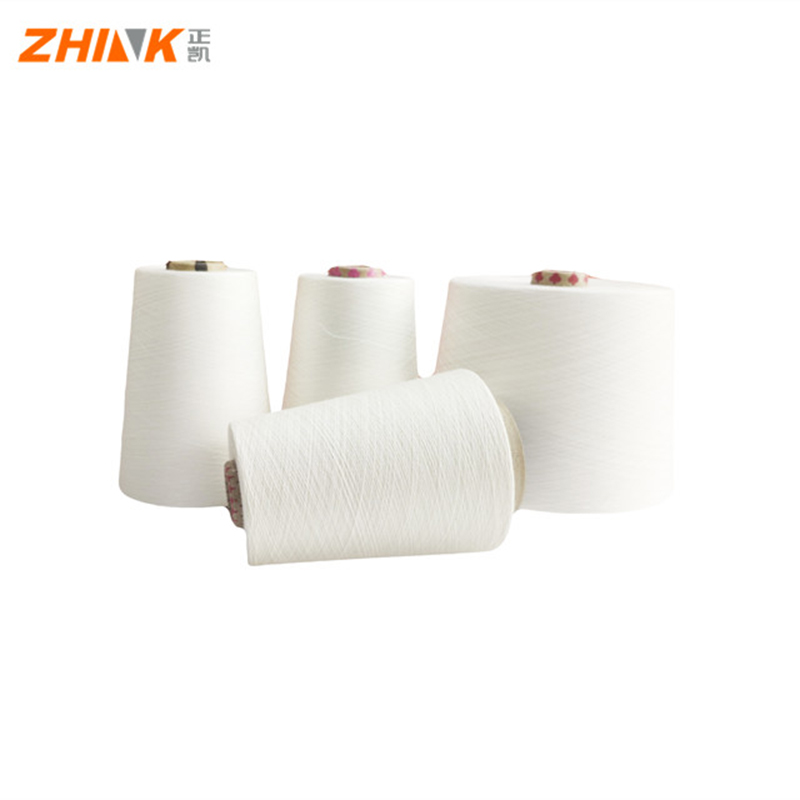
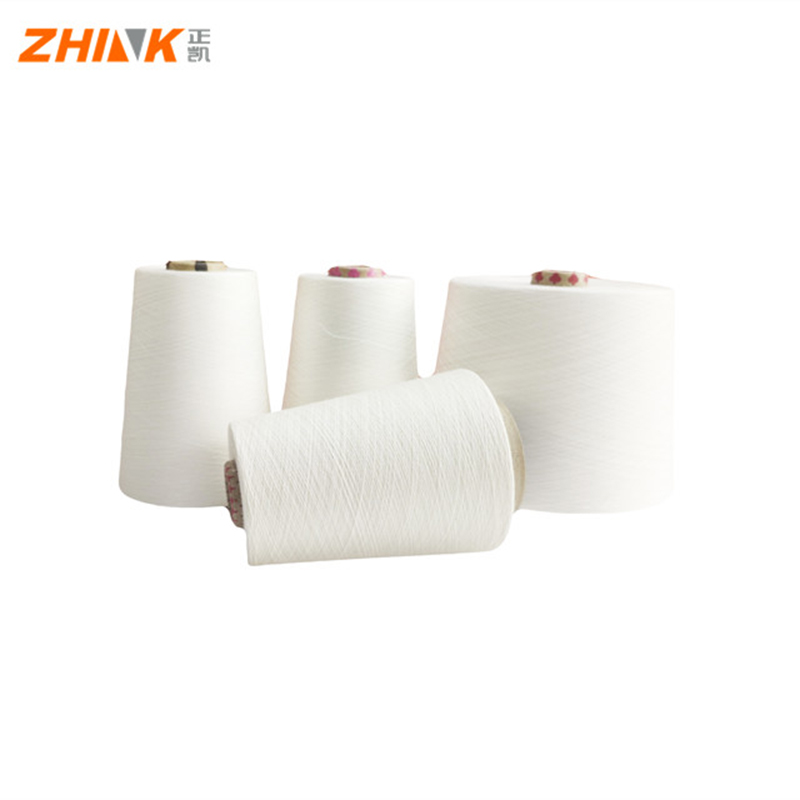
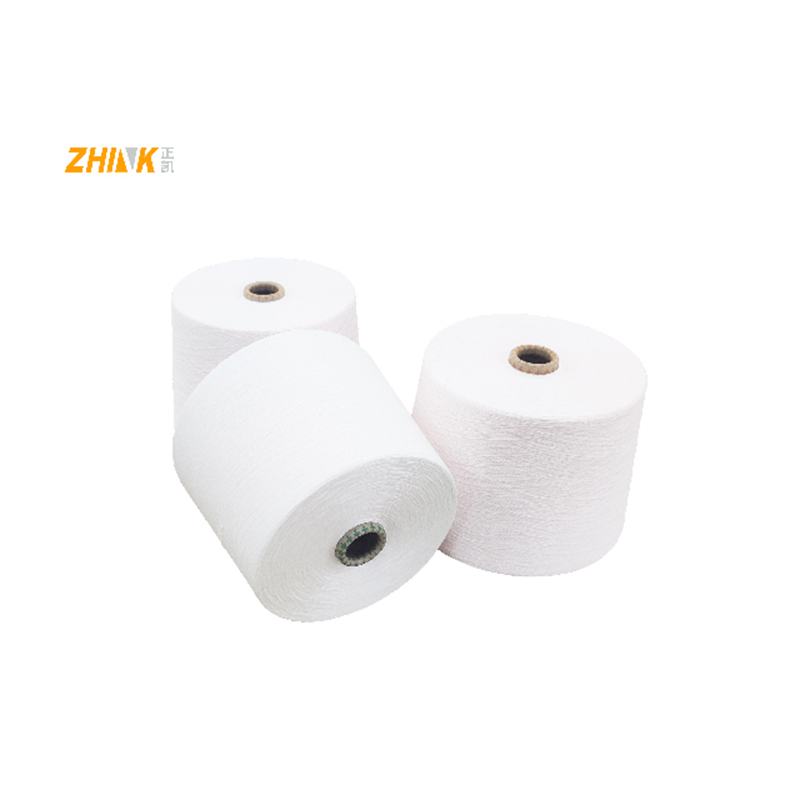
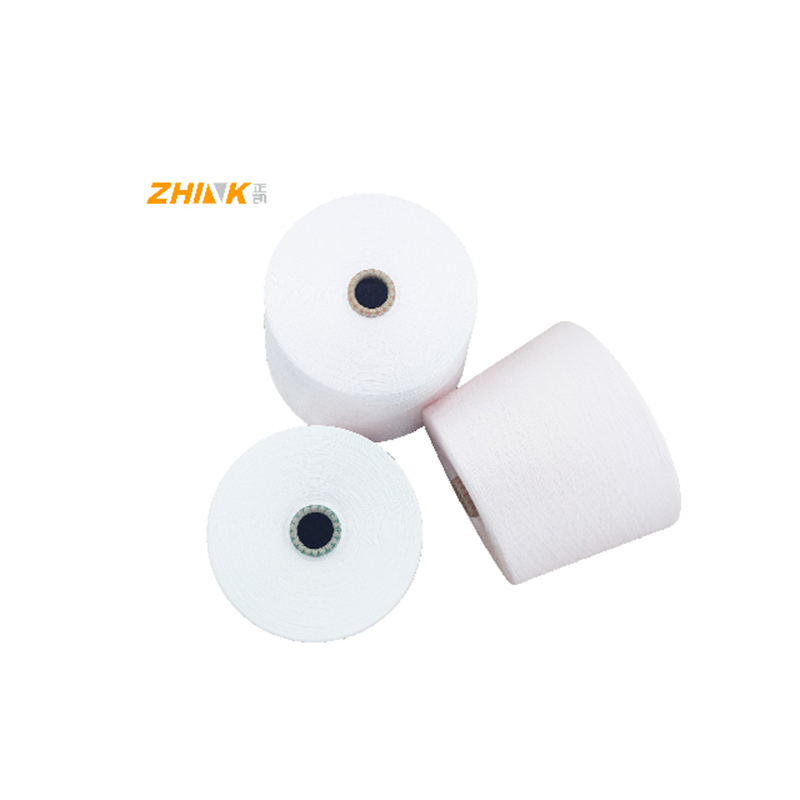
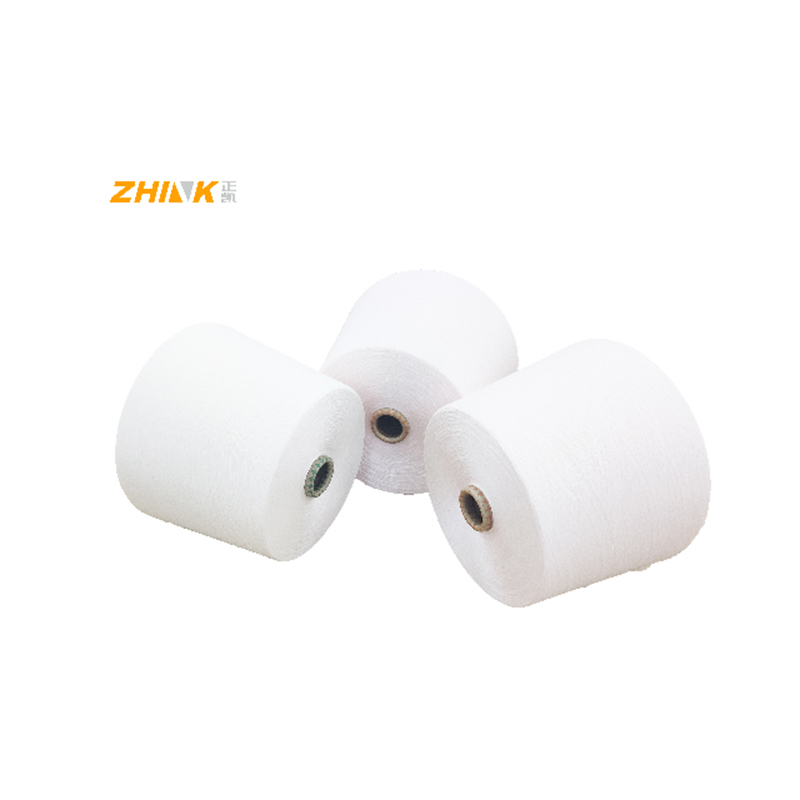
modal/cahsmere blended yarn for knitting
The Versatility and Challenges of Modal/Cashmere Blended Yarn for Knitting
Blending modal with cashmere creates a unique yarn that’s both luxurious and sustainable. However, the interplay of these fibers can be trickier than expected. Delve into the world of this modal/cashmere blended yarn for knitting to discover its nuances and potential pitfalls.
The Allure of Modal and Cashmere Blend
Initially, the idea of combining modal—a beech tree-derived fiber known for its softness and environmental credibility—with the timeless luxury of cashmere seems like a match made in textile heaven. I've seen firsthand how this blend can produce a yarn that offers a silky feel while retaining warmth, making it a favorite for many garment projects among my peers. Yet, the journey from concept to skein isn’t always straightforward.
Working with modal/cashmere blended yarn for knitting demands an understanding of each fiber's characteristics. Modal contributes a smooth drape and resistance to shrinking, attributes highly valued in everyday clothing. Cashmere, on the other hand, offers unparalleled softness and warmth, but is notorious for its delicacy. Marrying these qualities doesn’t automatically yield success; it involves a careful balancing act.
Often, I hear knitters discussing the pilling issues that arise from this blend. While modal brings durability, it can't fully eliminate the natural pilling that cashmere experiences. Regular wear tests during development phases become crucial, as seen in some projects at SHANDONG ZHINK NEW MATERIAL CO., LTD—a company that's making significant strides in textile innovations.
R&D Insights: Trials and Innovations
My visits to production facilities have shown that one of the biggest challenges is achieving the right balance in the blend. It’s not just about getting the percentage mix right—there’s also the aspect of refining spinning techniques to ensure uniformity in the yarn’s final characteristics. This is where companies like Zhink New Material excel, using innovative spinning technologies to achieve consistently high-quality yarns.
Another concern arises during the dyeing process. Modal, with its cellulose nature, tends to absorb dyes differently compared to protein-based cashmere, sometimes leading to uneven shades. A rigorous testing and adjustment phase is crucial here. Those at Zhink have developed proprietary processes that improve dye uptake, mitigating inconsistencies.
Of course, sustainability is always a key concern, especially with modal's environmentally friendly reputation. Ensuring that production methods align with eco-friendly practices without compromising on the luxury feel is a complex endeavor but one that’s increasingly in demand. I’ve seen shifts in consumer preferences steering manufacturers towards more sustainable practices.
Knitting with Confidence
From a knitter’s perspective, handling this yarn requires a subtle understanding of tension and stitch types. Cashmere has a bit of a stretch, while modal can sometimes feel too slick, leading to inadvertent tension issues. I remember working on a scarf where adjusting needle sizes became a constant task, a reminder of the intricacies involved.
I’ve had discussions with fellow knitters who suggest blending in stabilizing yarns like merino to aid stitch definition without sacrificing the desired softness. This resonates with my experience and highlights the importance of experimentation. The resulting fabric can have a beautiful structure while maintaining that luxurious hand-feel.
But beyond the technicalities, the true joy comes from wearing something crafted from this blend. It's an experience of comfort and style that justifies the intricate work involved in creating it.
Real-World Applications
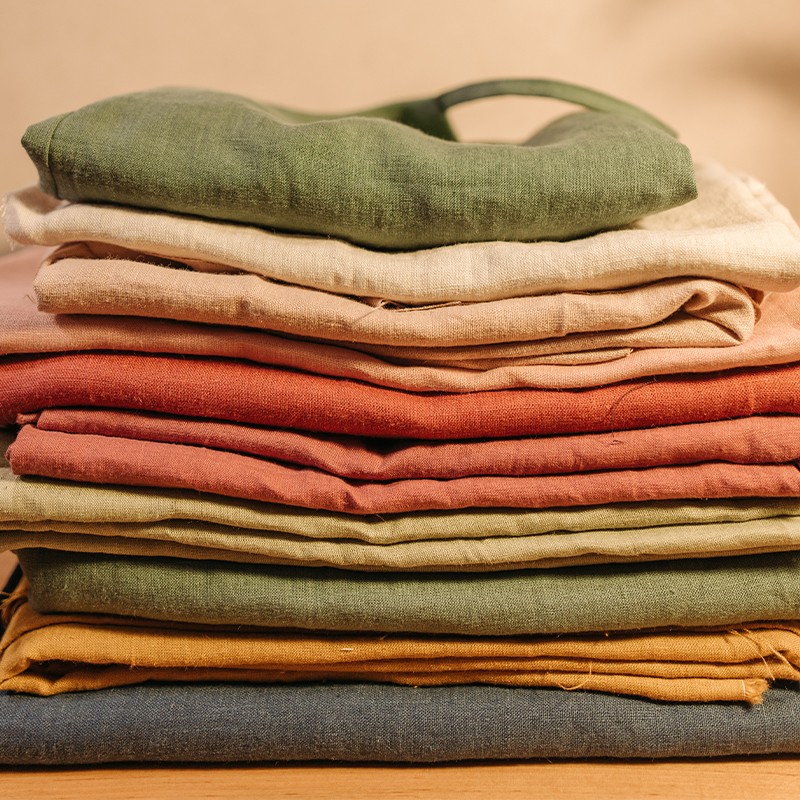
The market for this blend is expanding. People want everyday luxury, and this yarn delivers, from sweaters that feel like a hug to delicate shawls that can transform an outfit. I’ve seen and worked on projects that range from high fashion to cozy homeware, each leveraging the unique properties of modal/cashmere blended yarn for knitting.
At SHANDONG ZHINK NEW MATERIAL CO., LTD, there’s a focus on not only meeting but anticipating these market demands. The ability to pivot and develop new fiber blends is key to staying relevant in a rapidly evolving textile industry.
For many, the real surprise lies in the durability of garments made from this blend. With proper care, they offer a longevity that defies their luxurious tactile sensation—a testament to the meticulous R&D efforts that back them.
Conclusion: Balancing Innovation and Tradition
In closing, while the modal/cashmere blended yarn for knitting presents challenges, its potential in both design and comfort terms is immense. Drawing on the latest techniques in textiles, as seen with Zhink, can unlock new possibilities. For every misstep in development or occasional knitting mishap, there’s the unparalleled joy of crafting something truly special.
As a knitwear enthusiast and textile professional, embracing this blend means continually learning and adapting, much like the yarn itself—fluid, resilient, and just a little bit luxurious.
The magic of this yarn lies in its dual nature: soft yet strong, traditional yet modern. And that's probably why it holds such a special place in both the market and my own crafting projects.
Related Products
Related Products