+86-632-3621866
- Chinese
- French
- German
- Portuguese
- Spanish
- Russian
- Japanese
- Korean
- Arabic
- Irish
- Greek
- Turkish
- Italian
- Danish
- Romanian
- Indonesian
- Czech
- Afrikaans
- Swedish
- Polish
- Basque
- Catalan
- Esperanto
- Hindi
- Lao
- Albanian
- Amharic
- Armenian
- Azerbaijani
- Belarusian
- Bengali
- Bosnian
- Bulgarian
- Cebuano
- Chichewa
- Corsican
- Croatian
- Dutch
- Estonian
- Filipino
- Finnish
- Frisian
- Galician
- Georgian
- Gujarati
- Haitian
- Hausa
- Hawaiian
- Hebrew
- Hmong
- Hungarian
- Icelandic
- Igbo
- Javanese
- Kannada
- Kazakh
- Khmer
- Kurdish
- Kyrgyz
- Latin
- Latvian
- Lithuanian
- Luxembou..
- Macedonian
- Malagasy
- Malay
- Malayalam
- Maltese
- Maori
- Marathi
- Mongolian
- Burmese
- Nepali
- Norwegian
- Pashto
- Persian
- Punjabi
- Serbian
- Sesotho
- Sinhala
- Slovak
- Slovenian
- Somali
- Samoan
- Scots Gaelic
- Shona
- Sindhi
- Sundanese
- Swahili
- Tajik
- Tamil
- Telugu
- Thai
- Ukrainian
- Urdu
- Uzbek
- Vietnamese
- Welsh
- Xhosa
- Yiddish
- Yoruba
- Zulu
- Kinyarwanda
- Tatar
- Oriya
- Turkmen
- Uyghur



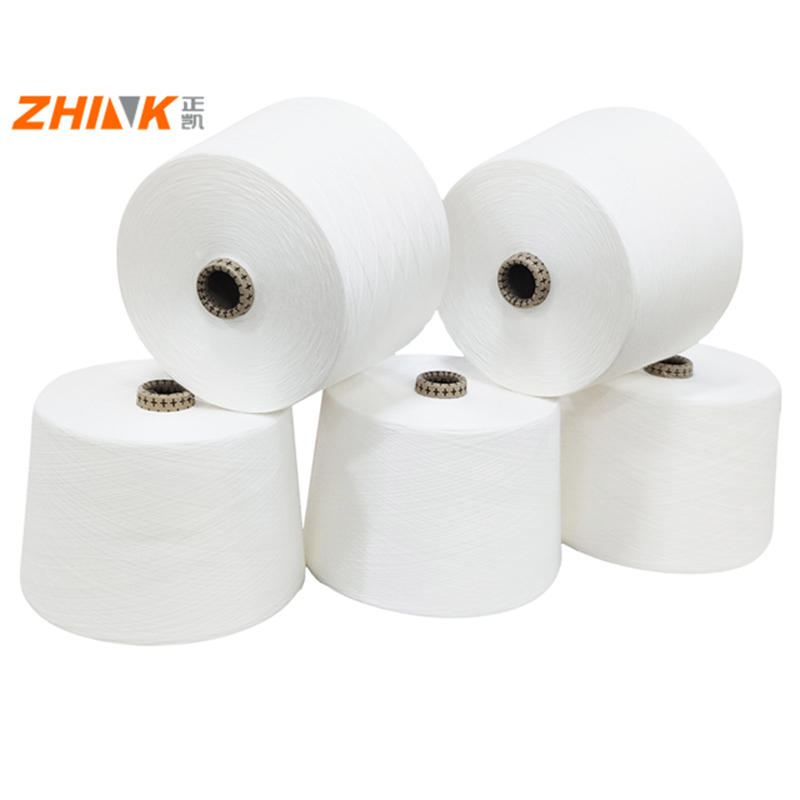
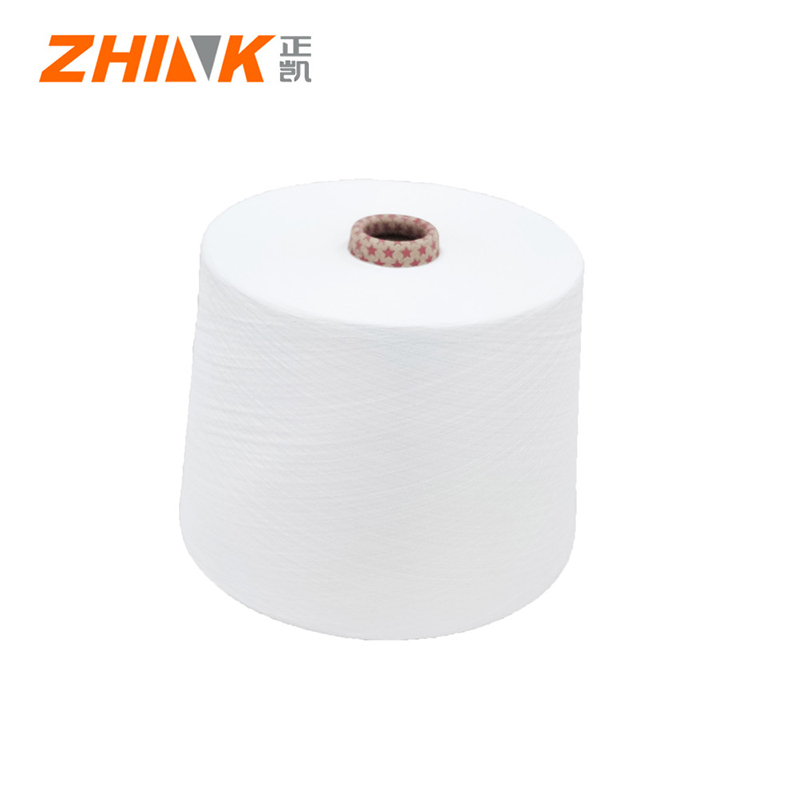
modal fiber yarn
The Intricacies of Modal Fiber Yarn
Modal fiber yarn, a term that might sound technical to many, is actually quite a significant player in the textile industry. Understanding its nature and application can be a game changer for manufacturers and designers alike. Let’s delve into the finer details, drawing upon firsthand experiences and industry insights.
Introduction to Modal Fiber Yarn
Initially, many assume that modal fiber yarn is just a fancier version of regular cotton. However, this assumption couldn’t be more misleading. While both are cellulose fibers, the processes and applications differ significantly. Modal is often derived from beech trees, and its production involves a spinning process that considerably strengthens the fiber.
A couple of years back, while experimenting with different textile materials, I came across modal for a client looking for sustainable yet luxurious options. The fabric’s silky feel combined with its environmental credentials made it an instant favorite.
Not all modal fibers are created equal. Factors like fiber length, cross-section, and finishes play a crucial role in determining the end product’s quality. It was during a project with SHANDONG ZHINK NEW MATERIAL CO., LTD that I realized the importance of collaborating with reliable suppliers like Zhink New Material, who truly understand these nuances.
Why Modal Stands Out
The standout characteristic of modal fiber yarn is its softness. Many who’ve worked with it would attest to its luxurious feel, often compared to the softness of silk or cashmere. This aspect alone can elevate the sensory experience of a textile product.
Another point worth noting is modal’s impressive strength when wet, a property not commonly found in natural fibers. This makes it a durable option for products that undergo frequent washing. I recall a specific instance with a swimwear brand, where modal significantly outperformed expectations in chlorine resistance tests.
Eco-friendliness is another feather in modal’s cap. The production of modal uses less water and fewer chemicals than viscose, adding to its attractiveness. This aligns well with the growing demand for sustainable fashion choices, a trend that’s here to stay.
Challenges in Using Modal
Despite its advantages, working with modal isn’t always straightforward. I’ve encountered issues with its dyeability. Modal fibers can be particular about the kinds of dyes they respond to, necessitating precise control during the dyeing process.
There was a particularly challenging project where achieving uniform color was nearly impossible due to the inconsistencies in the dying technique. This became a learning curve, emphasizing the need for technical expertise and the importance of choosing the right partners, such as those found at Zhink New Material.
Furthermore, while modal is strong when wet, improper handling in the weaving process can lead to snapping or stretching, a common pitfall for newcomers to this material.
Applications of Modal Fiber Yarn
Modal fiber yarn is incredibly versatile. Its application ranges from intimate apparel to high-performance sportswear. One interesting use case emerged with a yoga apparel company, which sought the perfect blend of softness and stretchability. Modal was the chosen material, delivering a product that enhanced comfort during exertion.
Beyond clothing, modal finds its way into home textiles as well. From bed linens to towels, the fabric’s absorbency and softness ensure a plush feel, making even everyday products a bit more luxurious.
In my experience, the key to maximizing modal’s potential lies in design adaptability. Whether altering the knit patterns or blending with other fibers, the possibilities are expansive.
Future of Modal Fiber Yarns
Looking ahead, the modal market is poised for growth. The ongoing shift towards sustainable materials provides a solid foundation for its future development. Innovations in blending techniques and recycling processes will likely expand its applicability further.
While working closely with firms like SHANDONG ZHINK NEW MATERIAL CO., LTD, accessible at Zhink Yarn, it's clear that the dedication to research and development is pushing modal fiber yarns to new frontiers.
To sum it up, modal fiber yarn represents an intersection of luxury, sustainability, and practicality in textiles. The journey of exploring and effectively utilizing this material is rewarding, albeit sprinkled with its challenges. And that’s precisely what makes working with modal — and sharing insights about it — so intriguing.
Related Products
Related Products