+86-632-3621866
- Chinese
- French
- German
- Portuguese
- Spanish
- Russian
- Japanese
- Korean
- Arabic
- Irish
- Greek
- Turkish
- Italian
- Danish
- Romanian
- Indonesian
- Czech
- Afrikaans
- Swedish
- Polish
- Basque
- Catalan
- Esperanto
- Hindi
- Lao
- Albanian
- Amharic
- Armenian
- Azerbaijani
- Belarusian
- Bengali
- Bosnian
- Bulgarian
- Cebuano
- Chichewa
- Corsican
- Croatian
- Dutch
- Estonian
- Filipino
- Finnish
- Frisian
- Galician
- Georgian
- Gujarati
- Haitian
- Hausa
- Hawaiian
- Hebrew
- Hmong
- Hungarian
- Icelandic
- Igbo
- Javanese
- Kannada
- Kazakh
- Khmer
- Kurdish
- Kyrgyz
- Latin
- Latvian
- Lithuanian
- Luxembou..
- Macedonian
- Malagasy
- Malay
- Malayalam
- Maltese
- Maori
- Marathi
- Mongolian
- Burmese
- Nepali
- Norwegian
- Pashto
- Persian
- Punjabi
- Serbian
- Sesotho
- Sinhala
- Slovak
- Slovenian
- Somali
- Samoan
- Scots Gaelic
- Shona
- Sindhi
- Sundanese
- Swahili
- Tajik
- Tamil
- Telugu
- Thai
- Ukrainian
- Urdu
- Uzbek
- Vietnamese
- Welsh
- Xhosa
- Yiddish
- Yoruba
- Zulu
- Kinyarwanda
- Tatar
- Oriya
- Turkmen
- Uyghur


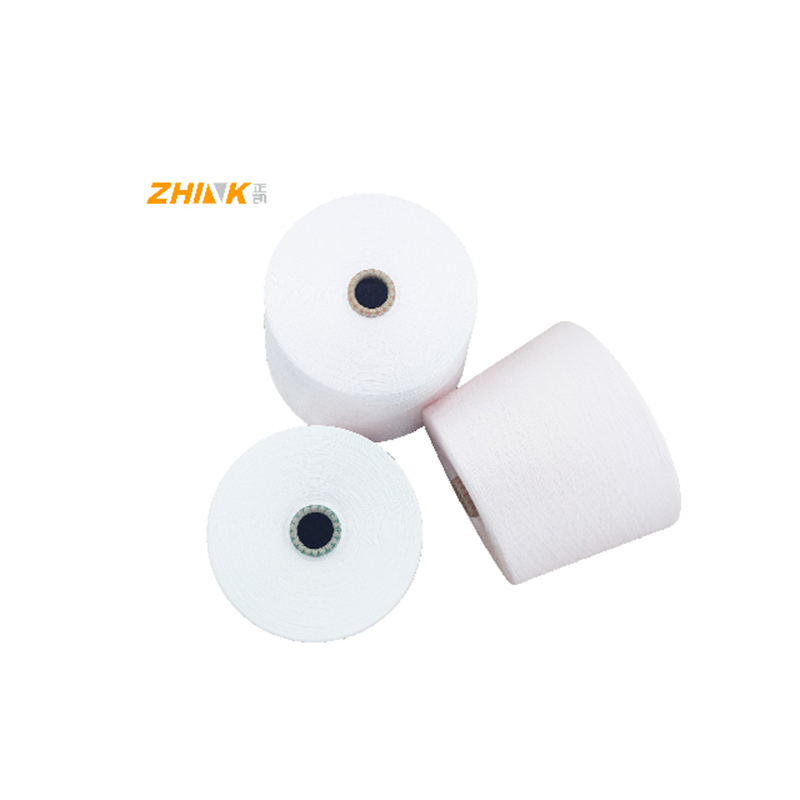
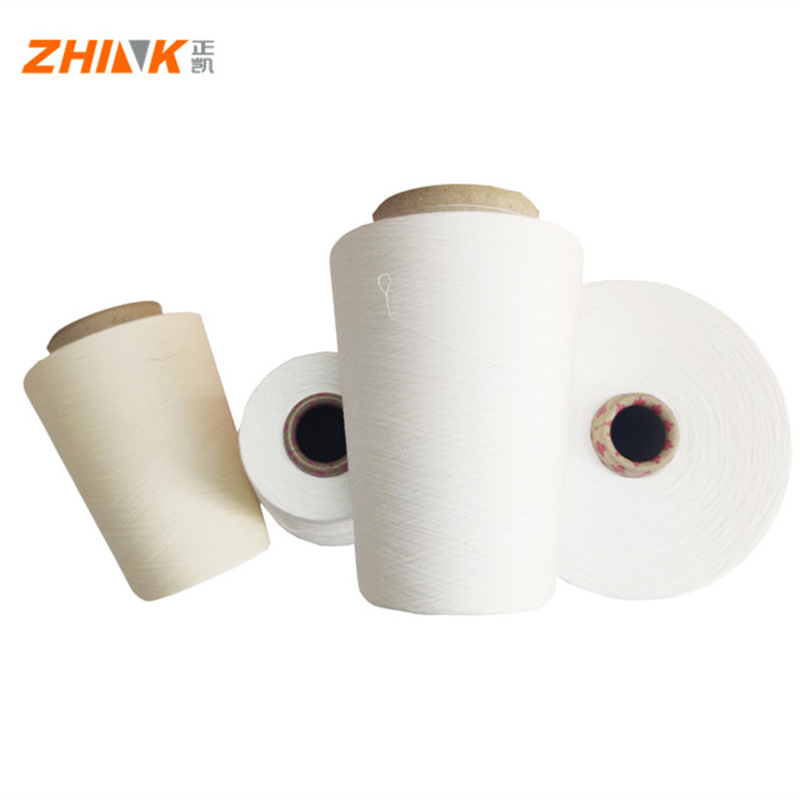
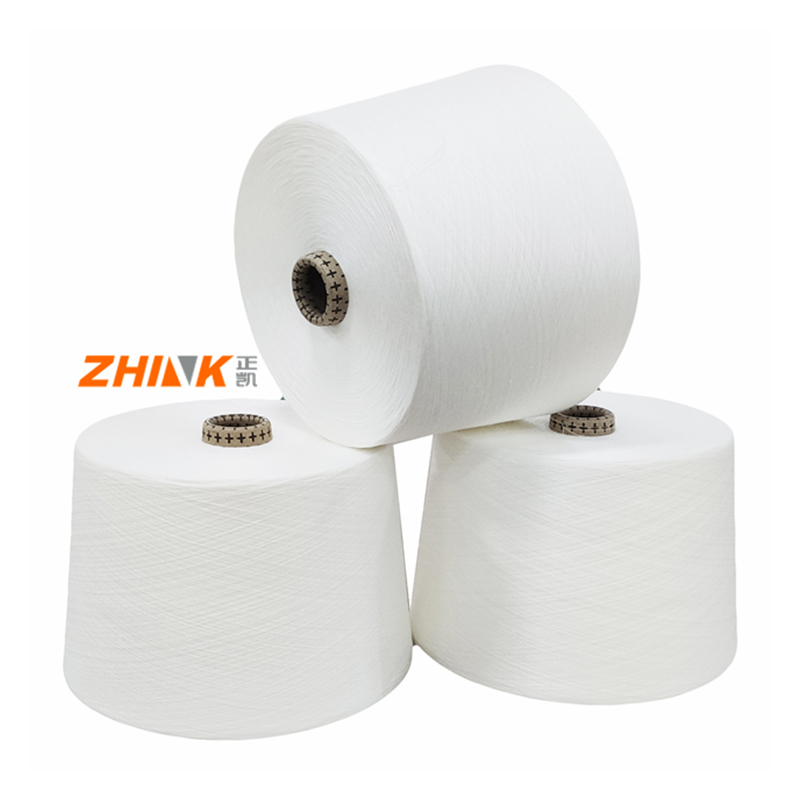
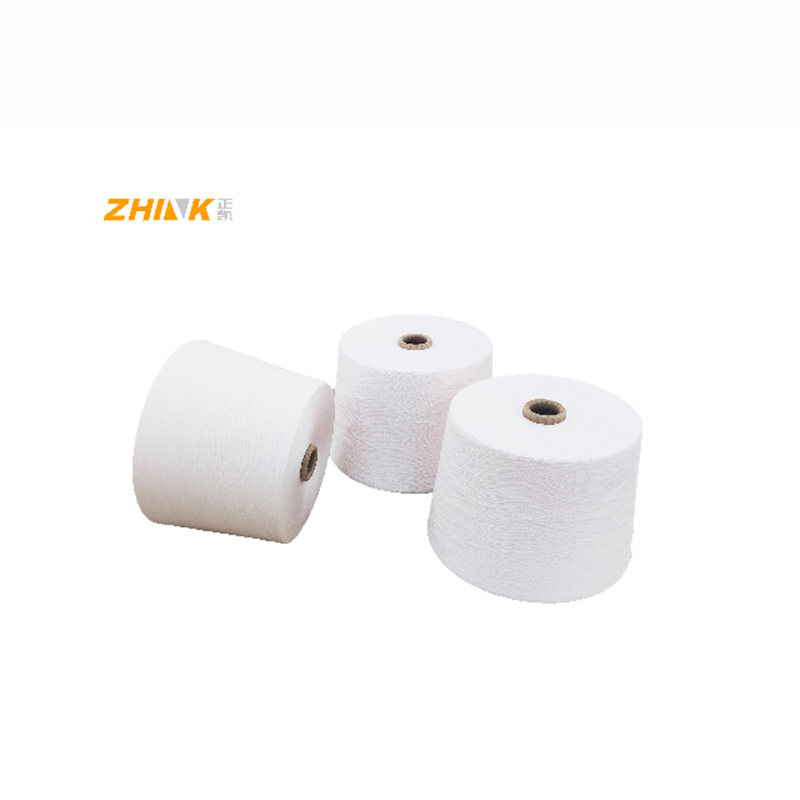
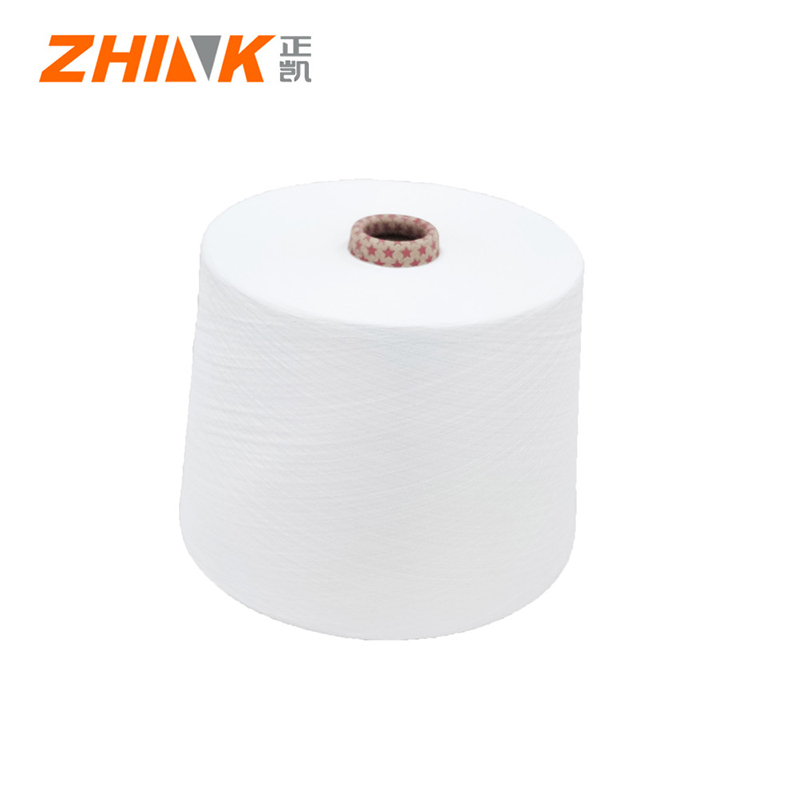
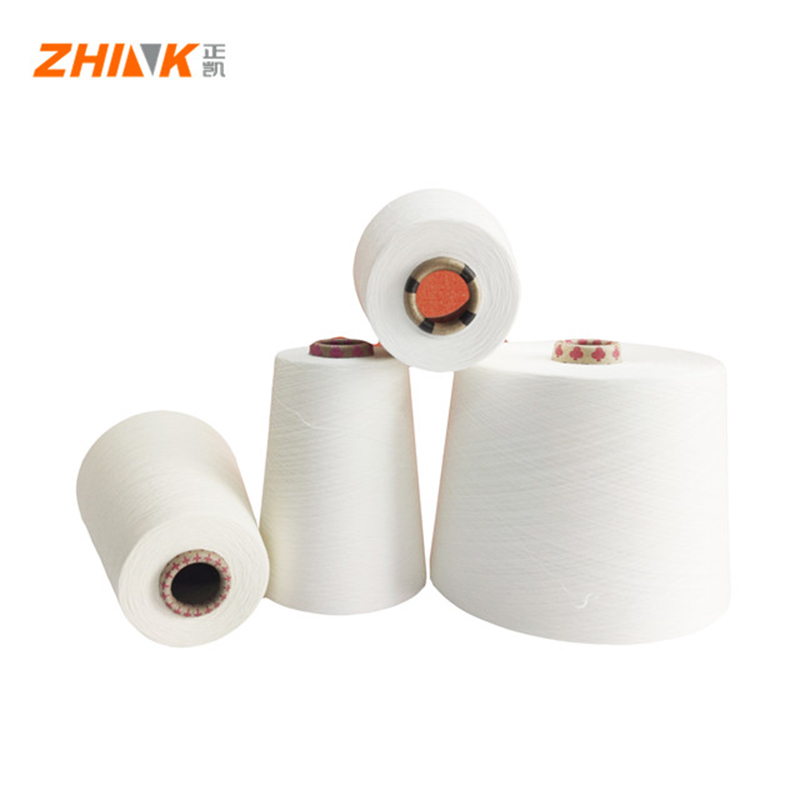
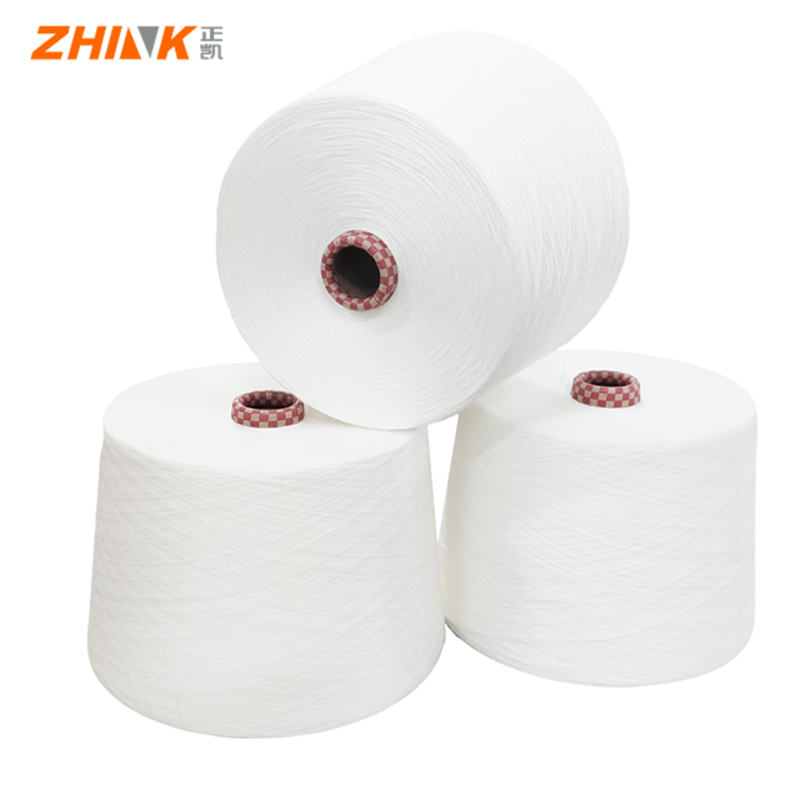
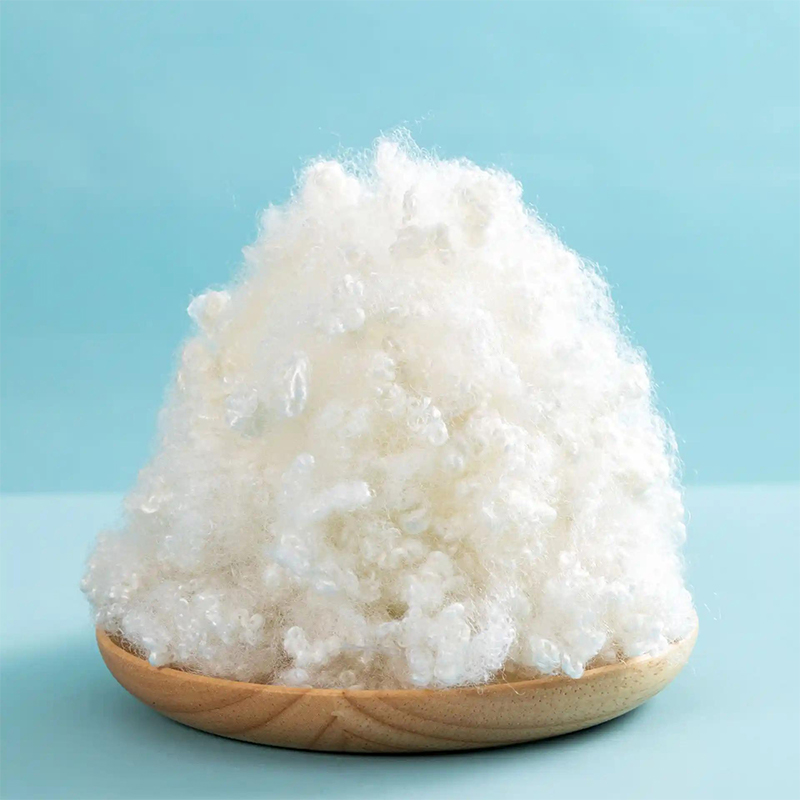
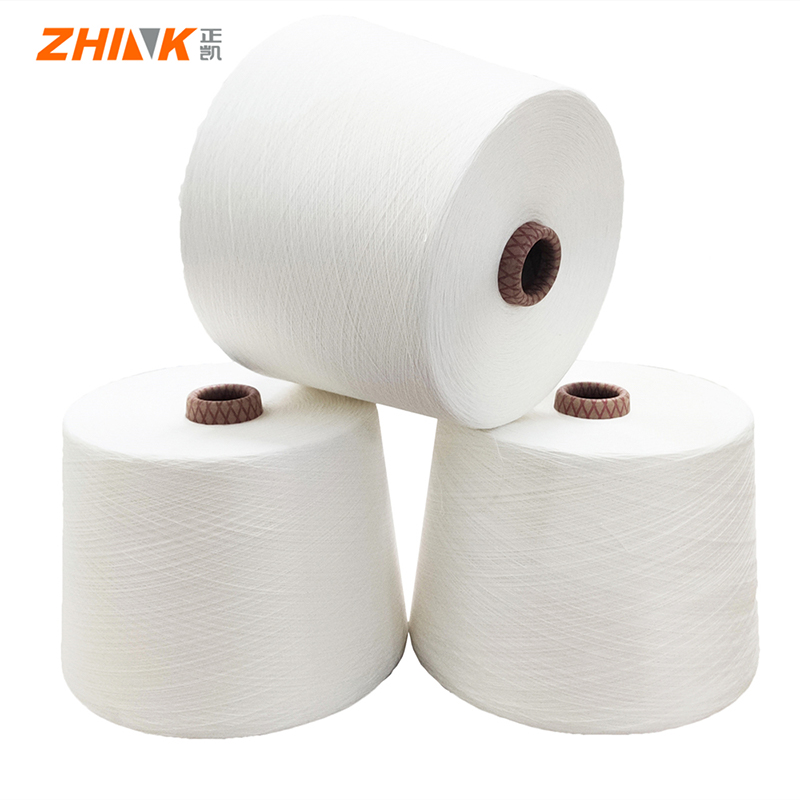
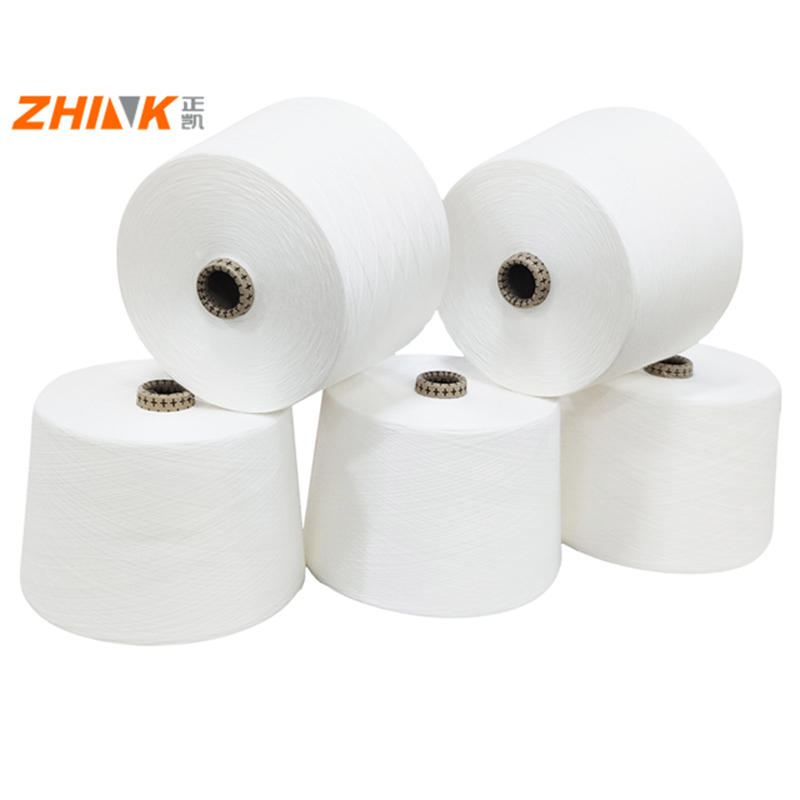
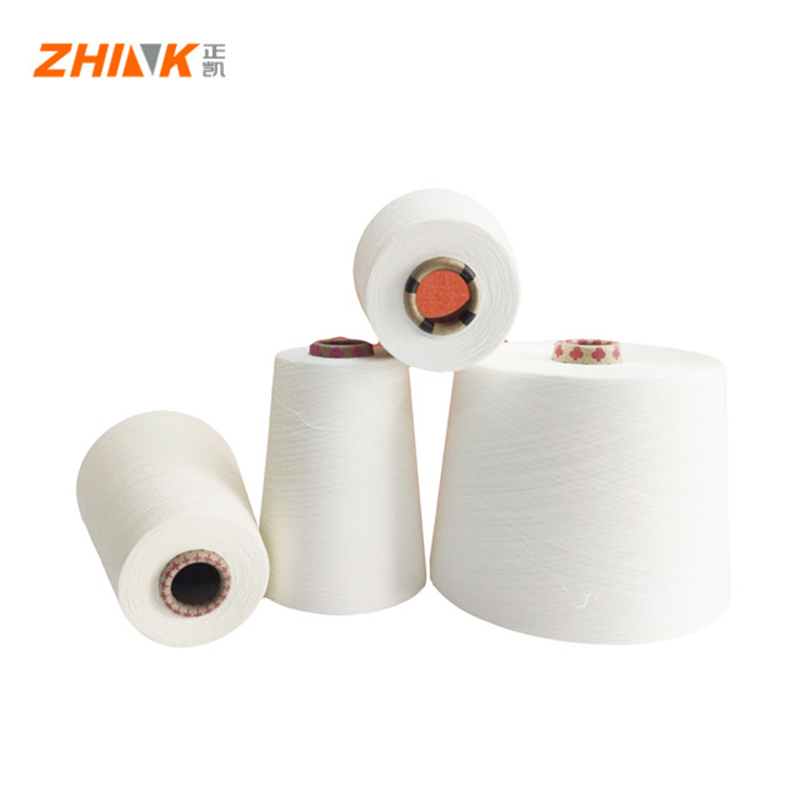
modal short fiber yarn
Understanding the Intricacies of Modal Short Fiber Yarn
Modal short fiber yarn is often misunderstood in textile circles. While it’s celebrated for its softness and durability, there are layers of complexity when it comes to its production and application. Let's navigate the subtleties and clarify common misinterpretations.
The Misconceptions
Modal short fiber yarn is frequently lauded as a simple upgrade over traditional cotton, but it’s more nuanced. While its cellulose origin provides a soft touch, achieving its renowned durability is a nuanced process that involves precise chemical treatments and fiber engineering.
Furthermore, people often assume that modal fibers are always eco-friendly. While it's derived from renewable resources, the production process can vary greatly in terms of environmental impact. This is where companies like SHANDONG ZHINK NEW MATERIAL CO., LTD come into play, focusing on sustainable practices in the production process.
Another pitfall is believing that all modal yarns are created equal. The quality can differ based on the manufacturing process and the technology employed, which is a critical consideration for industry experts.
Production Nuances
Creating modal short fiber yarn involves intricate processes beginning with beech wood pulp. The fibers, which are spun into yarn, go through rigorous chemical and mechanical treatments to achieve the desired qualities.
Key to this process is maintaining a balance between strength and softness. Companies like Zhink New Material employ advanced technologies to ensure fibers retain their structural integrity without sacrificing comfort. This balance is crucial, particularly in fashion and home textiles where longevity matters.
Interestingly, it’s the short fibers that present challenges in spinning due to their length. Using specialized equipment and controlled environments, manufacturers can easily overcome these hurdles. The machinery and techniques used directly impact the yarn’s overall quality.
Real-World Applications
In my experience, modal short fiber yarn finds itself well-suited for various applications—think luxury bed linens and high-performance activewear. Its ability to absorb dye efficiently means vibrant colors are more achievable, making it favored in fashion.
However, sewing with modal presents its own set of challenges. The fabric's softness can lead to difficulties in handling, requiring skilled labor and tailored machinery to navigate.
Despite these challenges, the end product often justifies the means. The fabric's feel, combined with its moisture-wicking properties, makes it a popular choice for upscale products.
Technical Challenges
Every production batch can unveil new issues. One challenge I’ve encountered involves uniformity in yarn thickness. Achieving this entails a meticulous attention to technical specifications and environmental conditions during fiber processing.
There’s also the issue of pilling, a common problem in softer fibers. Anticipating and addressing these during the yarn’s development stage can greatly enhance the product’s lifespan, something Zhink New Material excels at.
The technical challenges often push the boundaries of production capabilities, fostering innovation and development within the industry.
Looking Forward
The future of modal short fiber yarn seems promising with ongoing advancements in materials science. The push towards sustainability is leading to greener production methods, even in modal fiber preparation.
Collaborations between companies and research institutions are pivotal in this evolution. Continuous improvements in manufacturing techniques can potentially lower costs, making modal yarns more accessible for a variety of textile applications.
Ultimately, those within the industry must remain vigilant and adaptive, consistently evaluating and refining processes to meet both consumer demands and environmental expectations. Companies like SHANDONG ZHINK NEW MATERIAL CO., LTD, with their commitment to innovation and sustainability, are likely to be leaders in this space.
Related Products
Related Products