+86-632-3621866
- Chinese
- French
- German
- Portuguese
- Spanish
- Russian
- Japanese
- Korean
- Arabic
- Irish
- Greek
- Turkish
- Italian
- Danish
- Romanian
- Indonesian
- Czech
- Afrikaans
- Swedish
- Polish
- Basque
- Catalan
- Esperanto
- Hindi
- Lao
- Albanian
- Amharic
- Armenian
- Azerbaijani
- Belarusian
- Bengali
- Bosnian
- Bulgarian
- Cebuano
- Chichewa
- Corsican
- Croatian
- Dutch
- Estonian
- Filipino
- Finnish
- Frisian
- Galician
- Georgian
- Gujarati
- Haitian
- Hausa
- Hawaiian
- Hebrew
- Hmong
- Hungarian
- Icelandic
- Igbo
- Javanese
- Kannada
- Kazakh
- Khmer
- Kurdish
- Kyrgyz
- Latin
- Latvian
- Lithuanian
- Luxembou..
- Macedonian
- Malagasy
- Malay
- Malayalam
- Maltese
- Maori
- Marathi
- Mongolian
- Burmese
- Nepali
- Norwegian
- Pashto
- Persian
- Punjabi
- Serbian
- Sesotho
- Sinhala
- Slovak
- Slovenian
- Somali
- Samoan
- Scots Gaelic
- Shona
- Sindhi
- Sundanese
- Swahili
- Tajik
- Tamil
- Telugu
- Thai
- Ukrainian
- Urdu
- Uzbek
- Vietnamese
- Welsh
- Xhosa
- Yiddish
- Yoruba
- Zulu
- Kinyarwanda
- Tatar
- Oriya
- Turkmen
- Uyghur


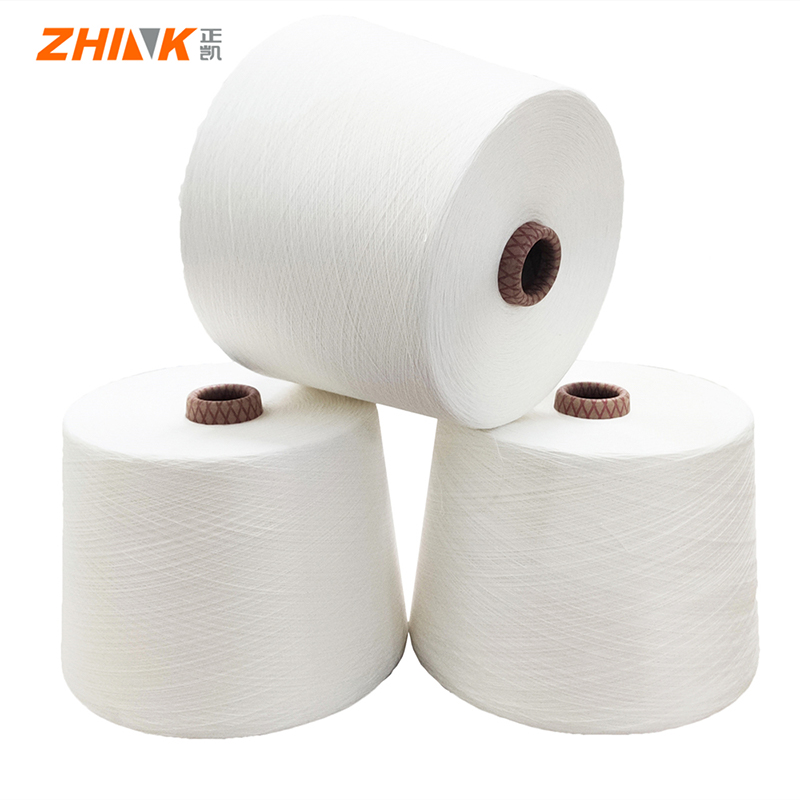
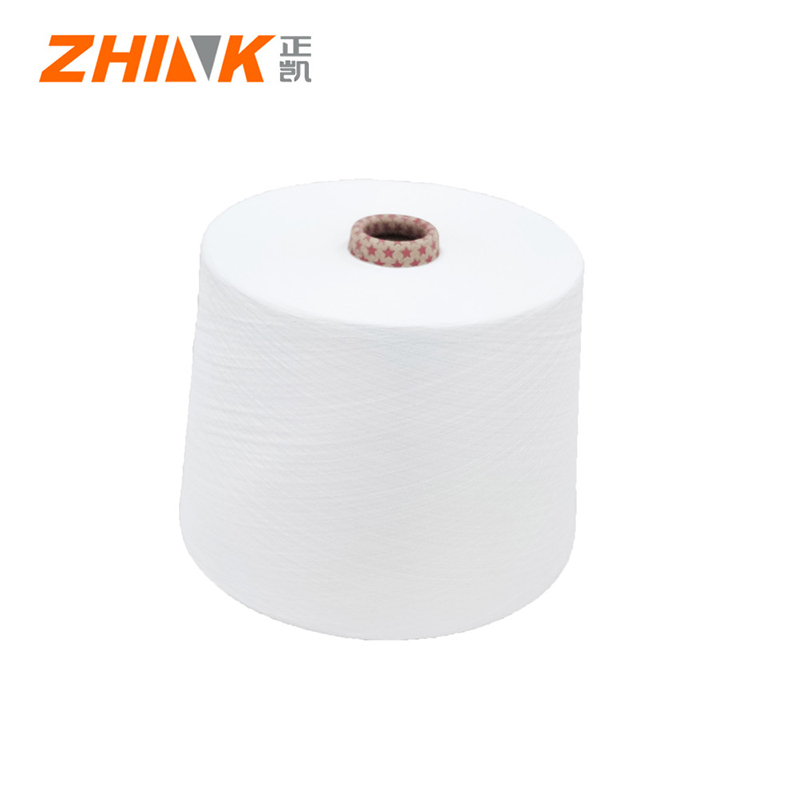
modal staple fiber yarn
The Unseen Advantages of Modal Staple Fiber Yarn
Modal staple fiber yarn is a versatile and sustainable textile option gaining traction for its soft touch and eco-friendly attributes. But what’s the real story in the industry? Here, we dive into real experiences, the highs and lows, and the practical aspects of working with this fascinating material, letting you in on tips not found in textbooks.
Understanding Modal Staple Fiber Yarn
It’s tempting to group Modal staple fiber yarn with other eco-fabrics like bamboo or lyocell, but that’s a simplification. The material comes from beech trees, offering a silky feel that many in the textile sector, including us at SHANDONG ZHINK NEW MATERIAL CO., LTD, hold in high regard. Modal's unique ability to hold dyes gives it a vibrancy that end-users love, and its breathability is second to none.
One common pitfall I’ve seen is underestimating its stretchability. While modal is resilient, it behaves differently under stress compared to cotton or polyester. Many early attempts to substitute it directly didn’t quite succeed due to improper handling during the knitting or weaving process. A bit of foresight and understanding of the fabric's nature goes a long way.
In practical terms, our team often focuses on modal’s potential in blends. Combine it with cotton, and you bridge the gap between softness and strength. But blending isn’t just mixing; it requires precise ratios and testing to maintain that luxurious feel without compromising durability.
Production Insights
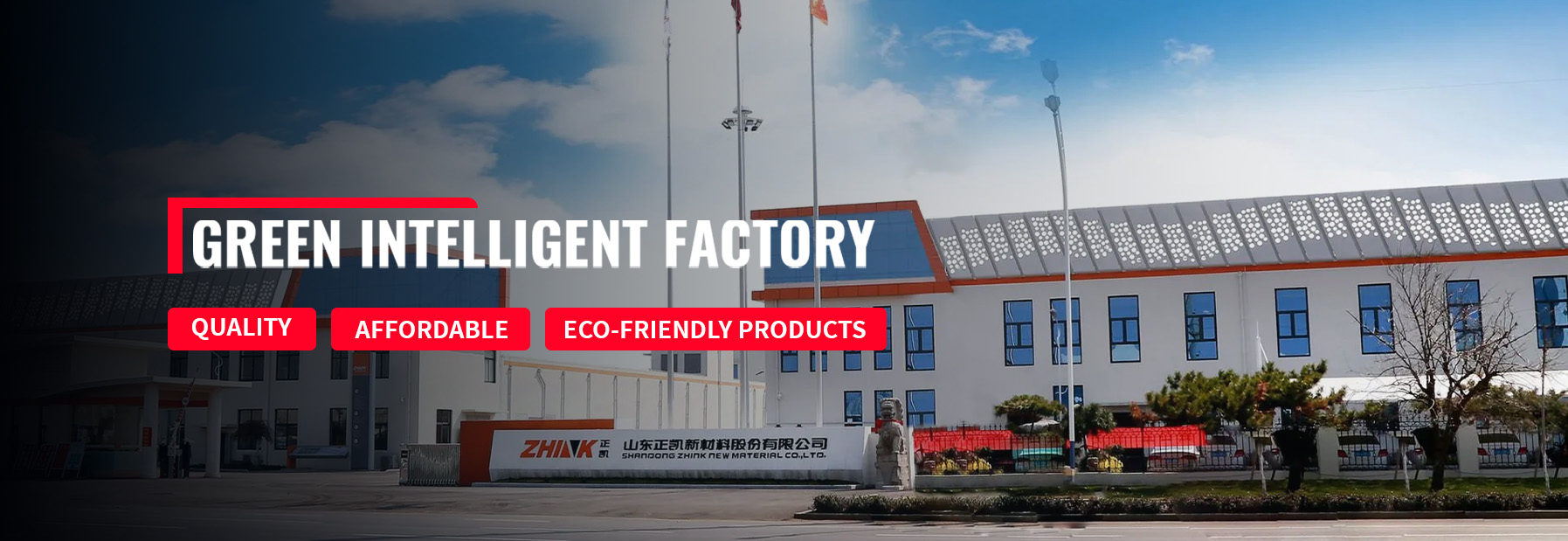
From my experience at SHANDONG ZHINK NEW MATERIAL CO., LTD, the production journey of modal staple fiber yarn is a study in precision. The raw material demands consistent quality checks, something we've prioritized from the start. The fibers need to be refined to a specific standard, ensuring that each batch meets rigorous expectations, as detailed on our website.
During one production run, we faced an unexpected issue: differential shrinkage. It took a while to pinpoint the cause, as small variations in humidity during the setting process can play havoc with end results. The solution lay in adjusting our approaches and ensuring the environment remained consistent throughout.
These experiences taught us the value of stringent process checks and balancing innovative practices with tried-and-true methods. It’s about learning continuously, leveraging both failures and triumphs.
Modal Impressions in the Market
There's no denying modal's appeal in the retail space. Customers consistently report satisfaction with its softness and drape, which continue to set it apart. It’s not just about comfortable garments; modal's reputation for eco-friendliness has grown, too, as consumers become more conscientious.
I’ve observed brands utilizing modal not just in clothing but in sectors like home textiles—think bedsheets and curtains. The positive reception relates directly to qualities like moisture wicking, which outperforms many synthetic alternatives. These properties make a difference not just in marketing but in establishing actual long-term consumer trust.
However, it’s important to manage expectations. The premium nature of modal staple fiber yarn means it comes at a price. Brands that communicate the benefits and justify this investment effectively see greater returns, whereas those that don’t often struggle against cheaper counterparts.
Technical Challenges and Solutions
Working with modal isn’t just a matter of following a set formula; it involves tackling hurdles, which come unexpectedly. Ones like fibrillation can dampen its advantages if not managed. Experience has shown that enzyme treatments can mitigate this, but they require careful implementation.
A curious case in point: in one particular batch, unexpected pilling occurred, and it set off alarms. Our review traced it back to slightly modified environmental conditions in the production facilities, underscoring again the role of meticulous environmental control. It’s the nitty-gritty details that often decide the outcome.
Through partnerships and knowledge sharing, notably visible on platforms like our own, https://www.zhinkyarn.com, we’ve been able to fine-tune processes. It's a continual learning curve, but those willing to adapt find great success.
The Future of Modal in Textiles
Modal staple fiber yarn isn’t just a transient trend. It promises sustainability and performance, two pillars upon which the future of textiles stands. Manufacturing practices are evolving, and as the industry leans greener, modal’s role will only enlarge. Embracing such innovations is crucial for forward-thinking companies.
At SHANDONG ZHINK NEW MATERIAL CO., LTD, our focus is on advancing these materials while staying true to their roots in quality and sustainability. As research develops, we’re excited to witness the new possibilities modal could unlock, from technical textiles to more traditional uses.
Before diving in, I’d suggest taking a deep look at your current supply chain and production capabilities. There’s a delicate balance between adopting a new material and ensuring it fits within existing frameworks. Once integrated, modal’s benefits could indeed redefine what we expect from textiles today.
Related Products
Related Products