+86-632-3621866
- Chinese
- French
- German
- Portuguese
- Spanish
- Russian
- Japanese
- Korean
- Arabic
- Irish
- Greek
- Turkish
- Italian
- Danish
- Romanian
- Indonesian
- Czech
- Afrikaans
- Swedish
- Polish
- Basque
- Catalan
- Esperanto
- Hindi
- Lao
- Albanian
- Amharic
- Armenian
- Azerbaijani
- Belarusian
- Bengali
- Bosnian
- Bulgarian
- Cebuano
- Chichewa
- Corsican
- Croatian
- Dutch
- Estonian
- Filipino
- Finnish
- Frisian
- Galician
- Georgian
- Gujarati
- Haitian
- Hausa
- Hawaiian
- Hebrew
- Hmong
- Hungarian
- Icelandic
- Igbo
- Javanese
- Kannada
- Kazakh
- Khmer
- Kurdish
- Kyrgyz
- Latin
- Latvian
- Lithuanian
- Luxembou..
- Macedonian
- Malagasy
- Malay
- Malayalam
- Maltese
- Maori
- Marathi
- Mongolian
- Burmese
- Nepali
- Norwegian
- Pashto
- Persian
- Punjabi
- Serbian
- Sesotho
- Sinhala
- Slovak
- Slovenian
- Somali
- Samoan
- Scots Gaelic
- Shona
- Sindhi
- Sundanese
- Swahili
- Tajik
- Tamil
- Telugu
- Thai
- Ukrainian
- Urdu
- Uzbek
- Vietnamese
- Welsh
- Xhosa
- Yiddish
- Yoruba
- Zulu
- Kinyarwanda
- Tatar
- Oriya
- Turkmen
- Uyghur


modal yarn price
html
Understanding the Dynamic Landscape of Modal Yarn Pricing
The journey of understanding modal yarn price isn't just about crunching numbers. It's an exploration of market trends, production intricacies, and a touch of intuition that comes from years in the textile industry.
The Intricacies of Modal Yarn
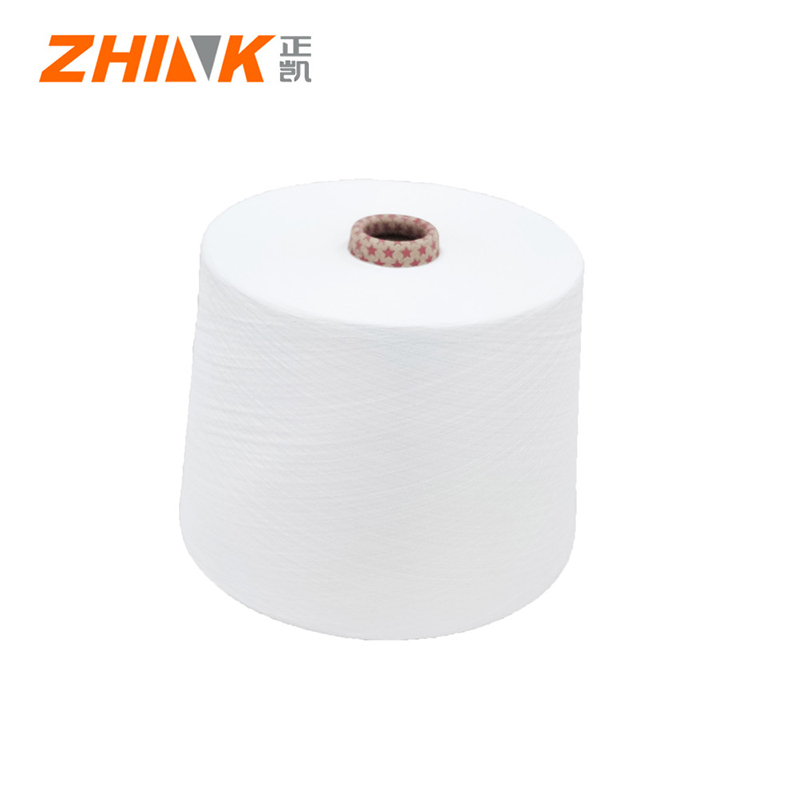
Modal yarn, celebrated for its softness and high absorbency, has carved a niche in the textile market. But with its popularity comes the inevitable ebb and flow of pricing. Those new to the game might assume it's driven solely by demand, but there's more beneath the surface.
One common mistake is underestimating the role of production costs. Modal yarn, derived from beech trees, involves harvesting, processing, and spinning—all steps subject to environmental factors. A dry season in Europe, for example, can push prices in unexpected directions.
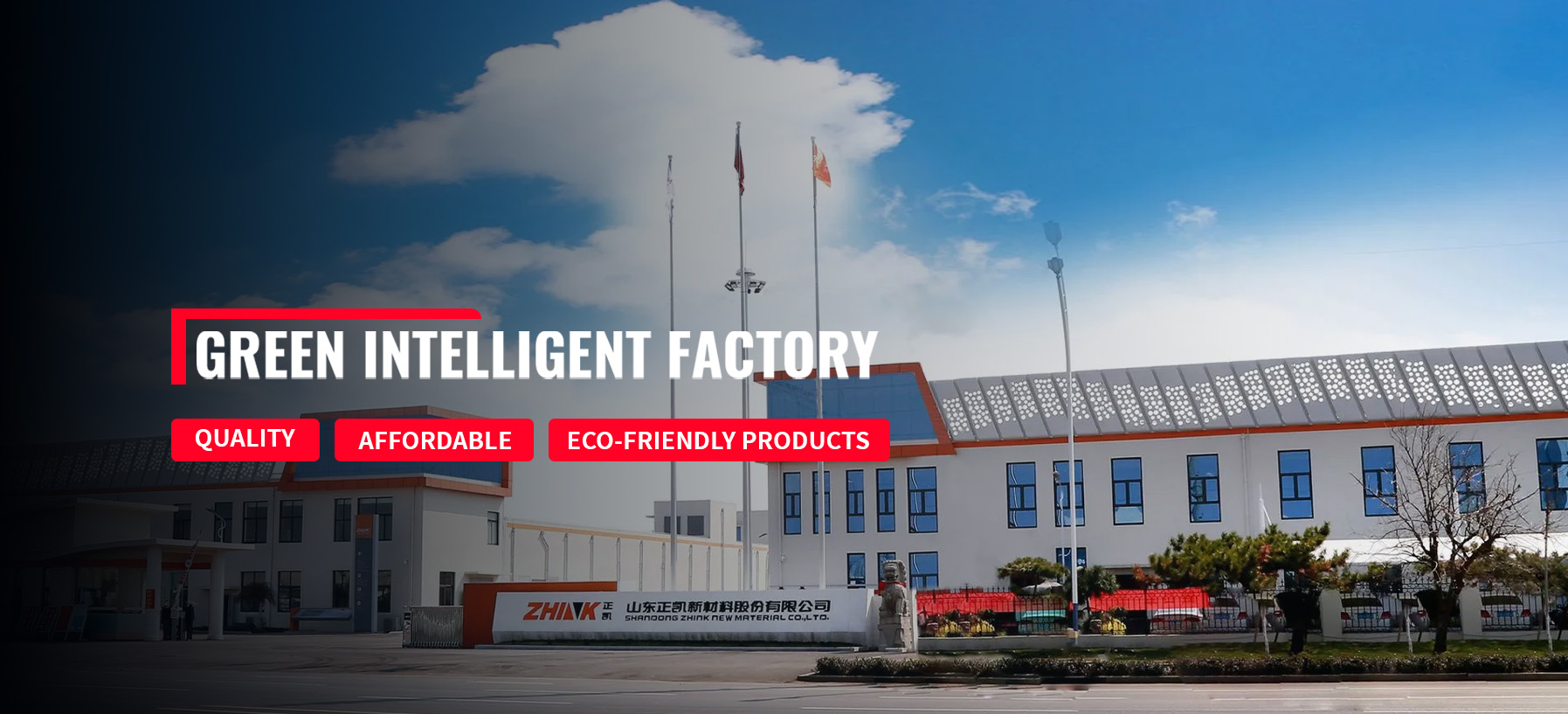
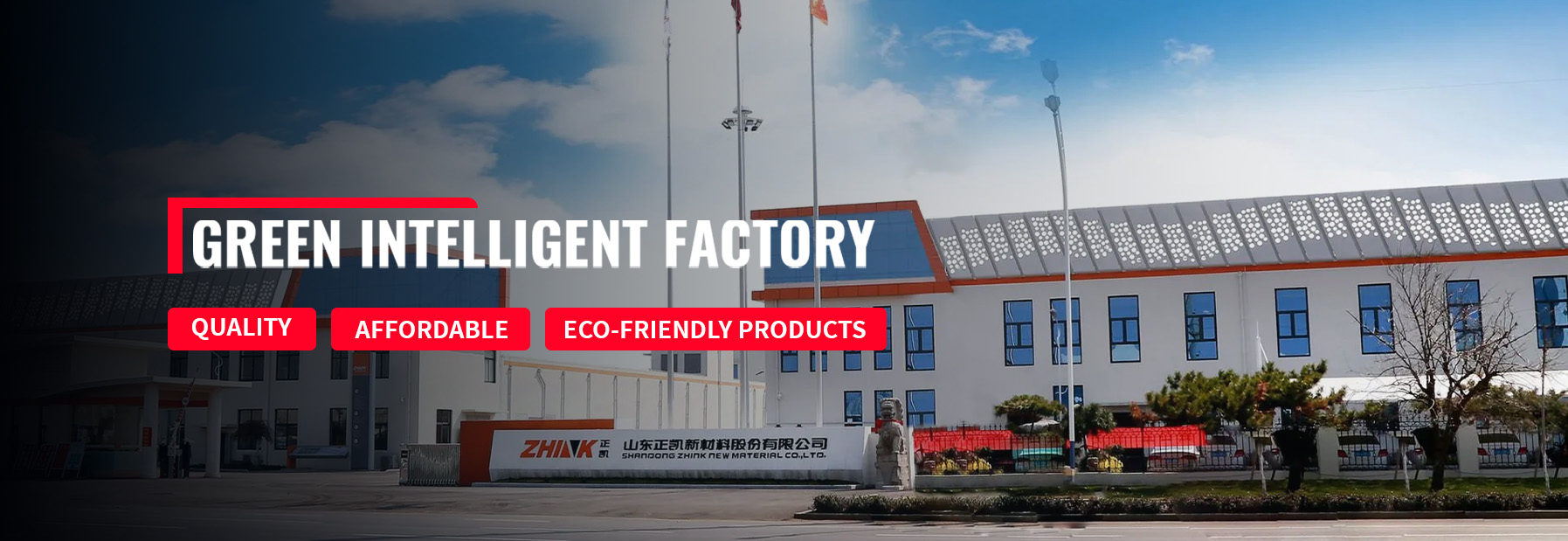
Then there's the technological aspect. As companies like SHANDONG ZHINK NEW MATERIAL CO., LTD invest in research—details found on their website, here—innovations can streamline processes, impacting the overall cost structure of modal yarn production.
Market Dynamics and Their Influence
The market isn't just about supply and demand. Geopolitical factors, such as trade tariffs, can sway prices significantly. A recent instance was when supply chains were disrupted due to international trade tensions, prompting a temporary surge in costs.
Moreover, consumer trends can’t be ignored. As more brands pivot towards sustainable materials, demand for modal yarn has surged. This isn’t merely a trend—it's a seismic shift in how consumers and companies view sustainability.
Companies that adapt quickly by securing stable supply chains and investing in sustainable practices find themselves ahead of the curve. That's where the foresight of firms like Zhink New Material comes into play, demonstrating a keen understanding of these market forces.
Practical Challenges in Pricing
Setting the right price for modal yarn is an art as much as it is science. One might think that simply calculating the cost of production and adding a margin suffices, but currency fluctuations and local taxation can throw a spanner in the works.
Consider a time when a sudden tax policy shift caught many unprepared, pushing businesses to renegotiate contracts on short notice. Those with flexible pricing strategies were able to navigate the waters more smoothly.
For an industry player, staying nimble is crucial—adapting pricing models to encompass potential future fluctuations helps mitigate shocks.
Innovations and Sustainability
Innovation in production processes can lead to cost savings, but it’s not always linear. Sometimes, experimental techniques don't pan out, leading to temporary setbacks. The key is resilience and learning from failures.
At Zhink New Material, consistent R&D efforts aim to achieve breakthroughs, further optimising the cost structure. Their commitment to sustainable practices also adds value, appealing to eco-conscious markets.
Sustainability isn’t just a buzzword; it's becoming an industry standard. As a result, cost structures inevitably shift, aligning more with long-term environmental goals than short-term profits.
Looking Forward
As we gaze towards the future, the landscape of modal yarn price continues to evolve. It's influenced by technology, environmental factors, and global market dynamics. Understanding this complexity requires more than a spreadsheet—it demands an industry-seasoned eye.
While challenges undoubtedly lie ahead, so do opportunities. The key takeaway for those in the business, or considering entering it, is to remain adaptable and informed. Companies like SHANDONG ZHINK NEW MATERIAL CO., LTD set an example by continuously advancing their knowledge and infrastructure.
In essence, navigating the world of modal yarn pricing is akin to steering a ship through ever-changing waters. With the right tools, knowledge, and a dose of intuition, it's a journey well worth embarking on.
Related Products
Related Products