+86-632-3621866
- Chinese
- French
- German
- Portuguese
- Spanish
- Russian
- Japanese
- Korean
- Arabic
- Irish
- Greek
- Turkish
- Italian
- Danish
- Romanian
- Indonesian
- Czech
- Afrikaans
- Swedish
- Polish
- Basque
- Catalan
- Esperanto
- Hindi
- Lao
- Albanian
- Amharic
- Armenian
- Azerbaijani
- Belarusian
- Bengali
- Bosnian
- Bulgarian
- Cebuano
- Chichewa
- Corsican
- Croatian
- Dutch
- Estonian
- Filipino
- Finnish
- Frisian
- Galician
- Georgian
- Gujarati
- Haitian
- Hausa
- Hawaiian
- Hebrew
- Hmong
- Hungarian
- Icelandic
- Igbo
- Javanese
- Kannada
- Kazakh
- Khmer
- Kurdish
- Kyrgyz
- Latin
- Latvian
- Lithuanian
- Luxembou..
- Macedonian
- Malagasy
- Malay
- Malayalam
- Maltese
- Maori
- Marathi
- Mongolian
- Burmese
- Nepali
- Norwegian
- Pashto
- Persian
- Punjabi
- Serbian
- Sesotho
- Sinhala
- Slovak
- Slovenian
- Somali
- Samoan
- Scots Gaelic
- Shona
- Sindhi
- Sundanese
- Swahili
- Tajik
- Tamil
- Telugu
- Thai
- Ukrainian
- Urdu
- Uzbek
- Vietnamese
- Welsh
- Xhosa
- Yiddish
- Yoruba
- Zulu
- Kinyarwanda
- Tatar
- Oriya
- Turkmen
- Uyghur


Modified fiber
Understanding the Impact of Modified Fiber on Modern Textiles
The world of textiles is constantly evolving, with modified fiber at the forefront of innovation. These fibers are changing the game, but not everyone fully grasps their potential. They are often misunderstood or overlooked, yet they hold the key to sustainability and performance.
The Basics of Modified Fiber
Modified fibers are essentially designed to enhance specific properties of traditional fibers. This might involve strengthening, improving moisture-wicking abilities, or even making them resistant to fire. I’ve seen countless products at trade shows that boast these characteristics, yet the conversation always circles back to the balance between practicality and cost.
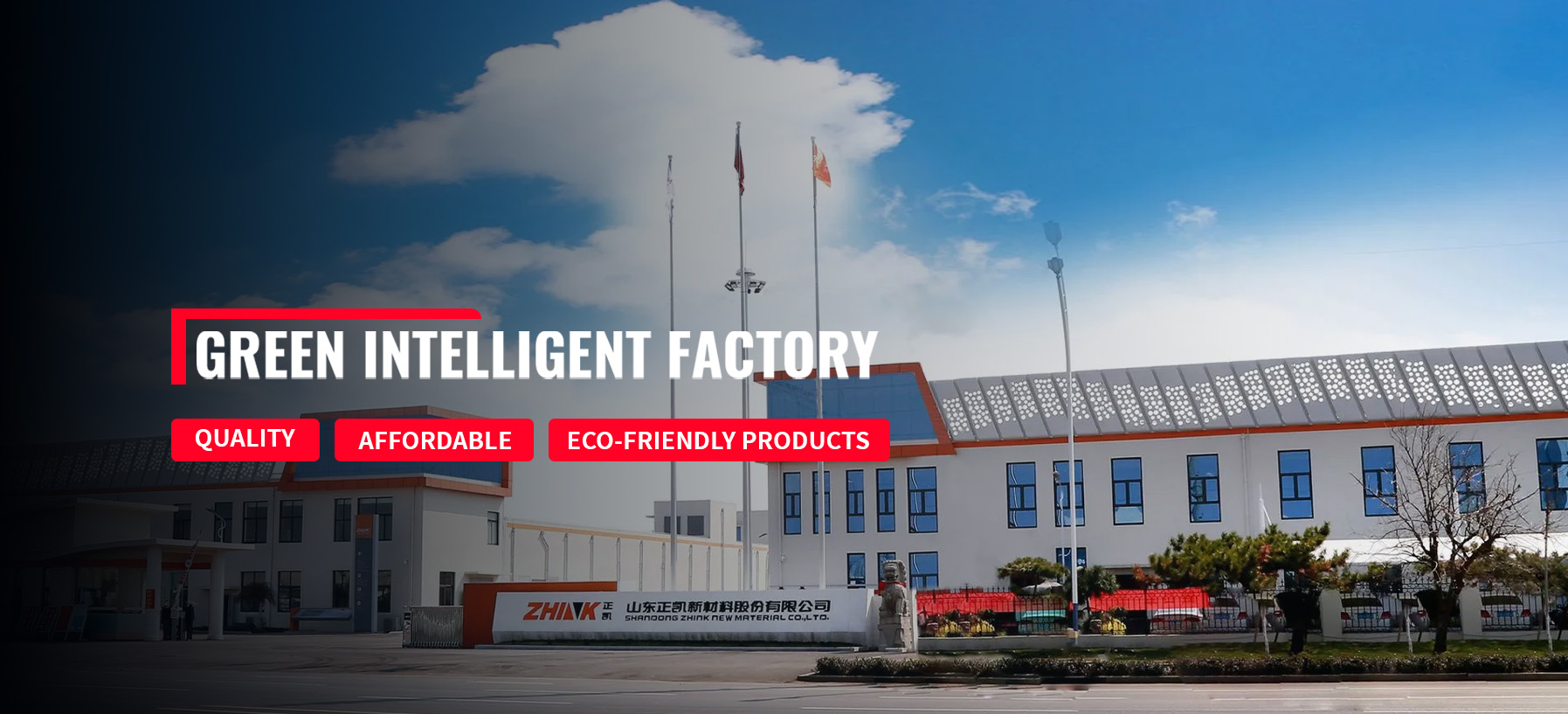
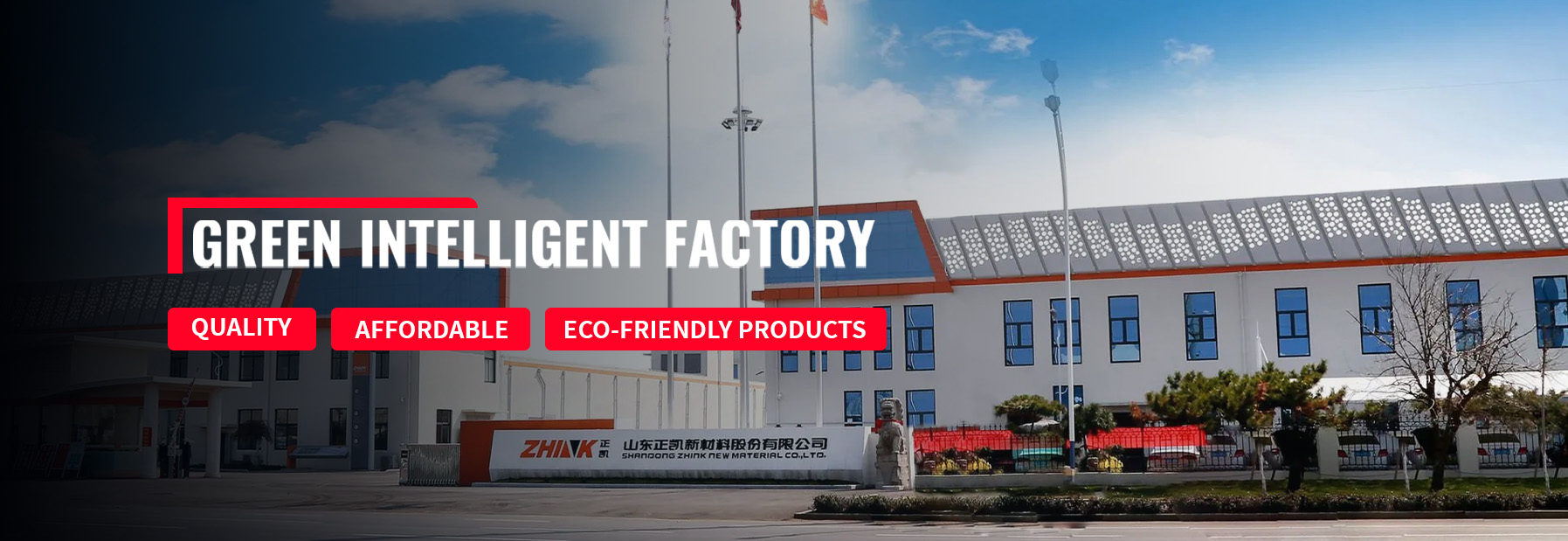
For example, during my visit to a textile fair last year, I noticed that many manufacturers were focusing on eco-friendly production. Interestingly, companies like SHANDONG ZHINK NEW MATERIAL CO., LTD are leading this charge by innovating in modified fiber that aligns with both durability and environmental goals.
The challenge remains in communicating the benefits without overwhelming the buyer with technical jargon. People want performance but are wary of perceived complexity. At one point, I had to explain how modified fibers could enhance product lifespan without necessarily increasing cost—a delicate balance.
Practical Applications and Real-World Examples
I recall a project where we used modified fibers in sportswear. The objective was to create a lightweight yet robust fabric that could withstand rigorous activity. We sourced materials from several suppliers, including those specializing in innovative textiles like Zhink New Material, due to their focus on research and development.
The results were fascinating. The fabric was not only more durable but noticeably more comfortable during usage. This wasn’t just my observation; feedback from athletes provided real-world validation. This experience reinforced the importance of partnering with companies that prioritize cutting-edge material science.
However, challenges arose in the production phase. The integration of these fibers into existing manufacturing processes was far from seamless, necessitating adjustments at various stages. This underscores the reality that innovation often comes at the price of rethinking traditional workflows.
Navigating Market Trends and Consumer Expectations
Keeping up with market trends is crucial, particularly as consumer expectations evolve. Modified fibers are often at the center of discussions around sustainable fashion. Consumers are increasingly aware of the lifecycle of the products they purchase, pushing the industry towards transparency.
Companies like SHANDONG ZHINK NEW MATERIAL CO., LTD, highlighted for their sustainable practices, have become exemplars in offering products that align with these consumer values. It's not just about fiber modification for performance but doing so with an eye on sustainability.
The transition towards a more environmentally responsible textile industry is complex but necessary. Here, modified fibers present a viable solution by aiding in reducing waste during the production cycle and enhancing material recyclability.
Challenges in Fiber Modification
Despite their benefits, modified fibers pose certain challenges. Cost remains a pivotal factor. Research and development can be expensive, and these costs can deter companies from pursuing modified fibers extensively.
During a recent discussion with colleagues, we debated the feasibility of large-scale adoption. While the upfront costs are high, the long-term savings and benefits in customer satisfaction and brand differentiation are compelling arguments for implementation.
Another issue is consistency. Achieving uniform quality in modified fibers requires stringent control over raw materials and processes. This can be daunting for manufacturers and necessitates close collaboration with suppliers who understand these requirements, such as Zhink New Material.
The Future of Modified Fiber
Looking ahead, the role of modified fiber in textile innovation shows no signs of slowing down. There is potential for further breakthroughs as technology advances. I foresee increased functionality, such as smart fibers that can adapt to environmental changes or provide feedback about wear and tear.
For companies at the cutting edge, like SHANDONG ZHINK NEW MATERIAL CO., LTD, the path forward is rich with opportunity and the potential to redefine the textile landscape. By continuing their focus on new material development and sustainability, they set a benchmark that others in the industry can strive to meet.
Thus, as we continue to innovate, the goal should be to maintain a balance between technological advancement and practical application, ensuring that these fibers remain accessible and beneficial across the board.
Related Products
Related Products