+86-632-3621866
- Chinese
- French
- German
- Portuguese
- Spanish
- Russian
- Japanese
- Korean
- Arabic
- Irish
- Greek
- Turkish
- Italian
- Danish
- Romanian
- Indonesian
- Czech
- Afrikaans
- Swedish
- Polish
- Basque
- Catalan
- Esperanto
- Hindi
- Lao
- Albanian
- Amharic
- Armenian
- Azerbaijani
- Belarusian
- Bengali
- Bosnian
- Bulgarian
- Cebuano
- Chichewa
- Corsican
- Croatian
- Dutch
- Estonian
- Filipino
- Finnish
- Frisian
- Galician
- Georgian
- Gujarati
- Haitian
- Hausa
- Hawaiian
- Hebrew
- Hmong
- Hungarian
- Icelandic
- Igbo
- Javanese
- Kannada
- Kazakh
- Khmer
- Kurdish
- Kyrgyz
- Latin
- Latvian
- Lithuanian
- Luxembou..
- Macedonian
- Malagasy
- Malay
- Malayalam
- Maltese
- Maori
- Marathi
- Mongolian
- Burmese
- Nepali
- Norwegian
- Pashto
- Persian
- Punjabi
- Serbian
- Sesotho
- Sinhala
- Slovak
- Slovenian
- Somali
- Samoan
- Scots Gaelic
- Shona
- Sindhi
- Sundanese
- Swahili
- Tajik
- Tamil
- Telugu
- Thai
- Ukrainian
- Urdu
- Uzbek
- Vietnamese
- Welsh
- Xhosa
- Yiddish
- Yoruba
- Zulu
- Kinyarwanda
- Tatar
- Oriya
- Turkmen
- Uyghur


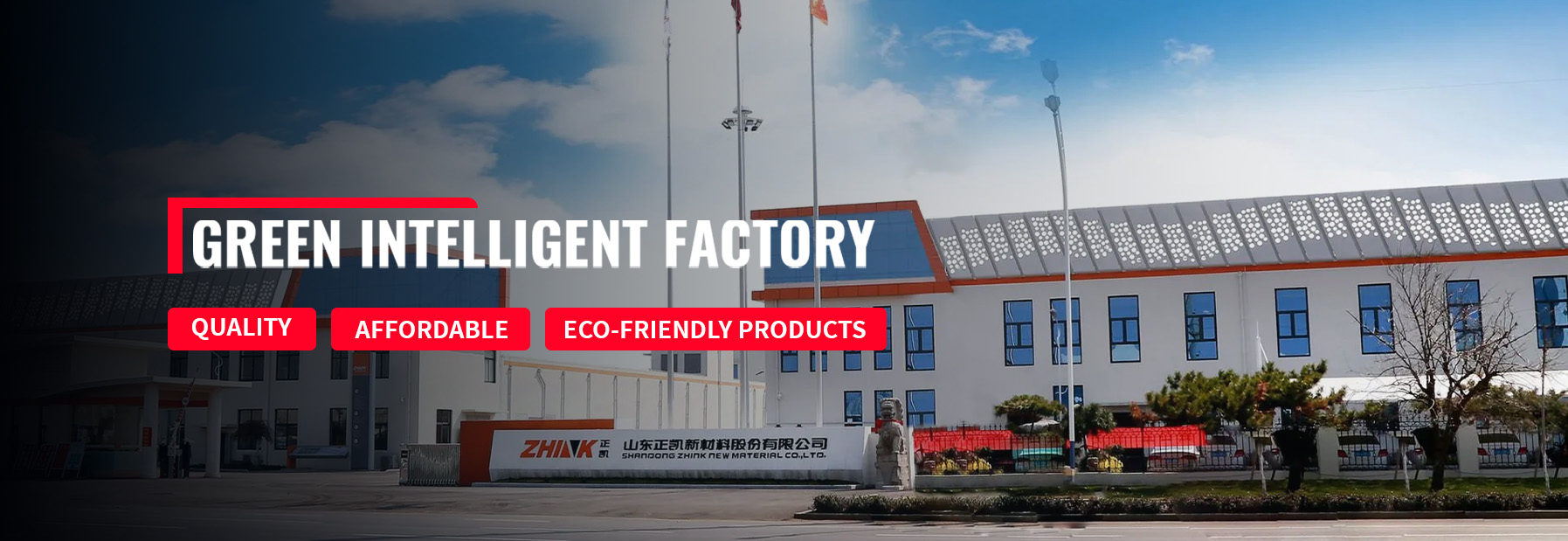
Mountain brown polyester fiber
Understanding the Versatility of Mountain Brown Polyester Fiber
Mountain brown polyester fiber has become a staple in innovative textile applications. Whether in athletic wear, outdoor gear, or eco-friendly textiles, the fiber stands out for its unique qualities. Yet, misconceptions about its properties and uses still linger, often leading to suboptimal applications. Breaking through the usual marketing hype, this article dives into what makes this fiber a true contender in modern material science.
An Introduction to Mountain Brown Polyester Fiber
At first glance, mountain brown polyester fiber might seem just another variant in the expansive world of synthetic fibers. Yet, it offers specific advantages that go beyond the standard benefits of polyester, like moisture-wicking and durability. This fiber's earthy tones and environmental adaptability have created new chapters in textile manufacturing, capturing the interest of designers and manufacturers alike.
One of the main attractions is its remarkable color fastness, a critical trait for products exposed to sunlight or harsh conditions. In use, the color remains vibrant, reducing the frequency of replacement or dyeing, translating to cost savings over time. These characteristics have been explored by companies like SHANDONG ZHINK NEW MATERIAL CO., LTD, known for their pioneering work with new textile materials.
A common misconception, however, is assuming all polyester fibers are largely similar; in reality, the nuanced differences can lead to varied performance. Engineers and designers often have to re-evaluate their understanding when faced with these unique fibers.
Applications and Benefits
Real-world applications for mountain brown polyester fiber are as varied as they are fascinating. From lightweight, high-durability backpacks to weather-resistant outerwear, the fiber is indispensable. In my experience, its use in the outdoor industry has been particularly transformative. It enables the creation of products that are not only robust but also visually appealing.
Its adaptability is another major plus. The fiber handles various weaving techniques well, offering designers a spectrum of textures and finishes to work with. This opens up creative avenues previously unavailable with standard fiber types. I recall a project involving hiking gear where the fiber's performance surpassed expectations by maintaining shape and comfort over challenging terrains.
Despite these benefits, challenges remain, particularly in ensuring consistent quality during production. Manufacturers are continually working on refining processes to mitigate these issues, as seen at SHANDONG ZHINK NEW MATERIAL CO., LTD, where ongoing research drives innovation.
Competing with Traditional Fibers
In terms of competition, mountain brown polyester fiber faces strong contenders from both natural fibers like cotton and advancements in other synthetic materials. Yet, its unique characteristics, particularly in sustainability, give it an edge. From lower water usage in processing to reduced chemical dependency, it speaks to the growing eco-conscious market.
I once participated in a workshop that compared synthetic fibers, and mountain brown polyester was a standout. Its performance in rigorous testing, especially against environmental and sustainable metrics, cemented its reputation amongst participants.
Comparisons with traditional fibers also highlight the aesthetic versatility of this polyester. Unlike some rigid alternatives, it blends seamlessly with diverse designs, proving its worth in a competitive landscape.
Challenges in Implementation
Like any material, working with mountain brown polyester fiber isn't without its hurdles. During one particular development phase, a noticeable issue was achieving a uniform texture during mass production. Such challenges often push industry players to innovate solutions, which ultimately benefits the sector as a whole.
Technical hiccups like these can be frustrating, yet they foster deeper expertise. Companies such as Zhink New Material have faced similar challenges, redirecting efforts to refine processes through meticulous R&D, ensuring end-product quality is never compromised.
Additionally, the integration of this fiber with advanced textile technologies, like smart fabrics, poses exciting yet complex opportunities. The opportunities for synergy here are limitless, encouraging further exploration and experimentation.
Future Outlook
The future of mountain brown polyester fiber in the textile industry looks promising. With growing attention towards sustainable materials, its role is set to broaden. We may soon see applications extending beyond outdoor and sports apparel, especially as customization and niche markets expand.
Continuing education and adaptation will be key. Stay updated on progress from companies like SHANDONG ZHINK NEW MATERIAL CO., LTD, as their strides in material science shape industry trends. Their expertise offers valuable insights into what the next wave of textile innovation might hold.
Overall, it’s a material with potential we’ve only just begun to unlock. Future developments will likely unveil unforeseen uses and advantages, making it a staple in the toolkit of forward-thinking designers and manufacturers.
Related Products
Related Products