+86-632-3621866
- Chinese
- French
- German
- Portuguese
- Spanish
- Russian
- Japanese
- Korean
- Arabic
- Irish
- Greek
- Turkish
- Italian
- Danish
- Romanian
- Indonesian
- Czech
- Afrikaans
- Swedish
- Polish
- Basque
- Catalan
- Esperanto
- Hindi
- Lao
- Albanian
- Amharic
- Armenian
- Azerbaijani
- Belarusian
- Bengali
- Bosnian
- Bulgarian
- Cebuano
- Chichewa
- Corsican
- Croatian
- Dutch
- Estonian
- Filipino
- Finnish
- Frisian
- Galician
- Georgian
- Gujarati
- Haitian
- Hausa
- Hawaiian
- Hebrew
- Hmong
- Hungarian
- Icelandic
- Igbo
- Javanese
- Kannada
- Kazakh
- Khmer
- Kurdish
- Kyrgyz
- Latin
- Latvian
- Lithuanian
- Luxembou..
- Macedonian
- Malagasy
- Malay
- Malayalam
- Maltese
- Maori
- Marathi
- Mongolian
- Burmese
- Nepali
- Norwegian
- Pashto
- Persian
- Punjabi
- Serbian
- Sesotho
- Sinhala
- Slovak
- Slovenian
- Somali
- Samoan
- Scots Gaelic
- Shona
- Sindhi
- Sundanese
- Swahili
- Tajik
- Tamil
- Telugu
- Thai
- Ukrainian
- Urdu
- Uzbek
- Vietnamese
- Welsh
- Xhosa
- Yiddish
- Yoruba
- Zulu
- Kinyarwanda
- Tatar
- Oriya
- Turkmen
- Uyghur



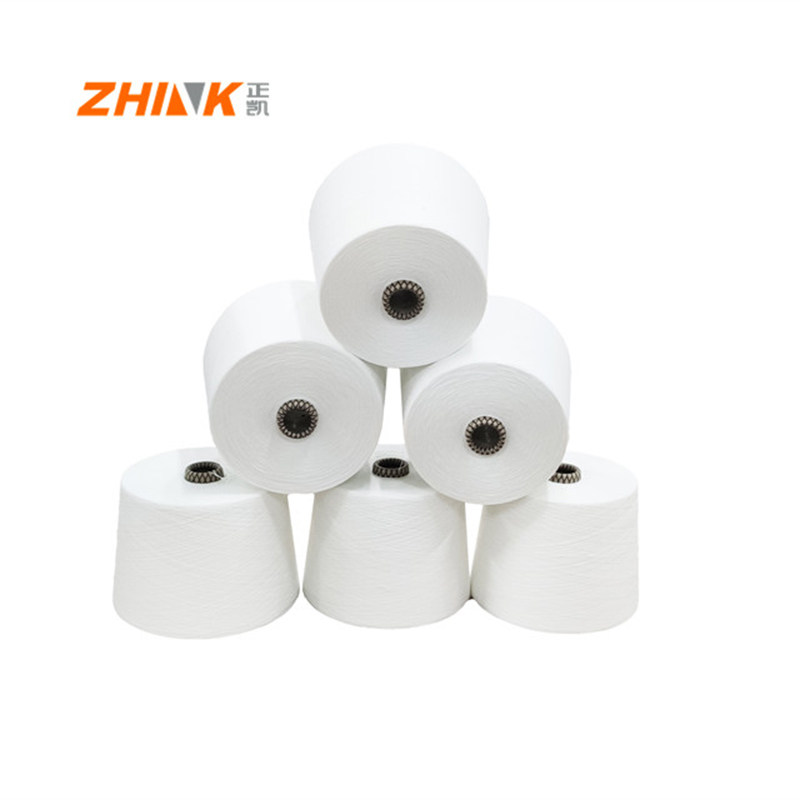
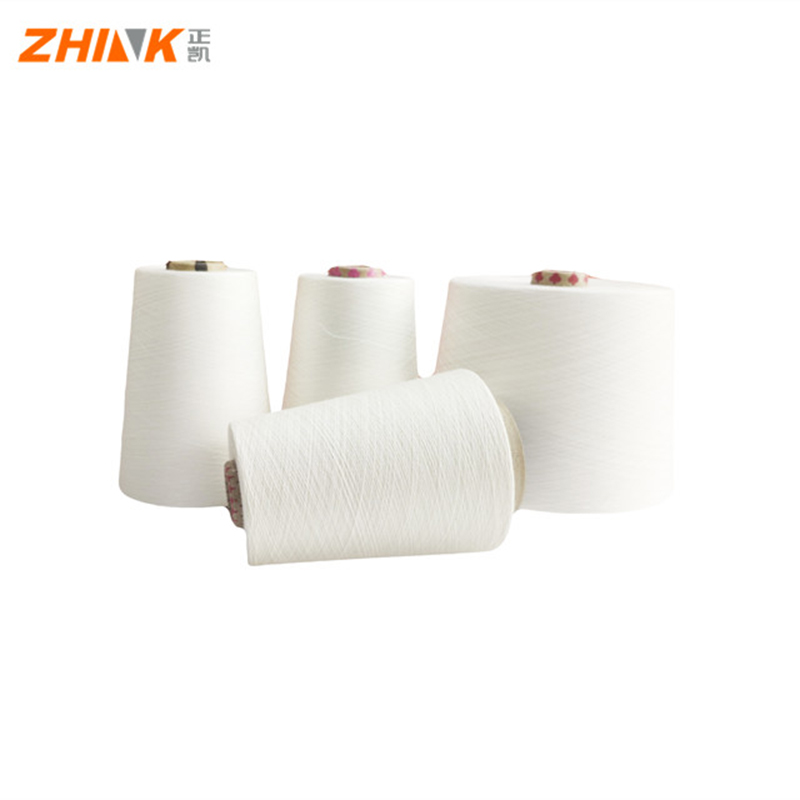
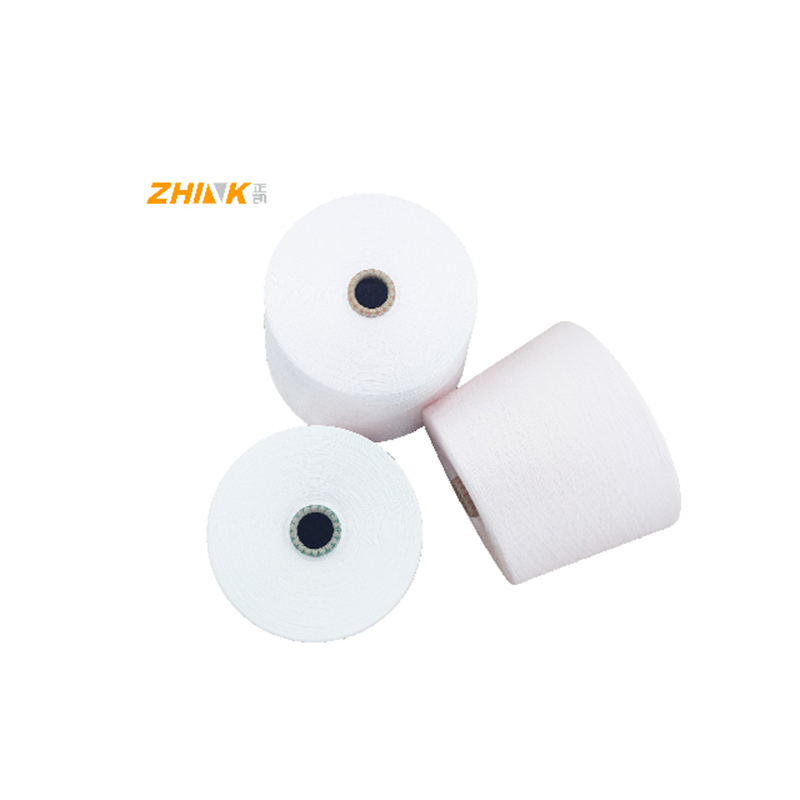
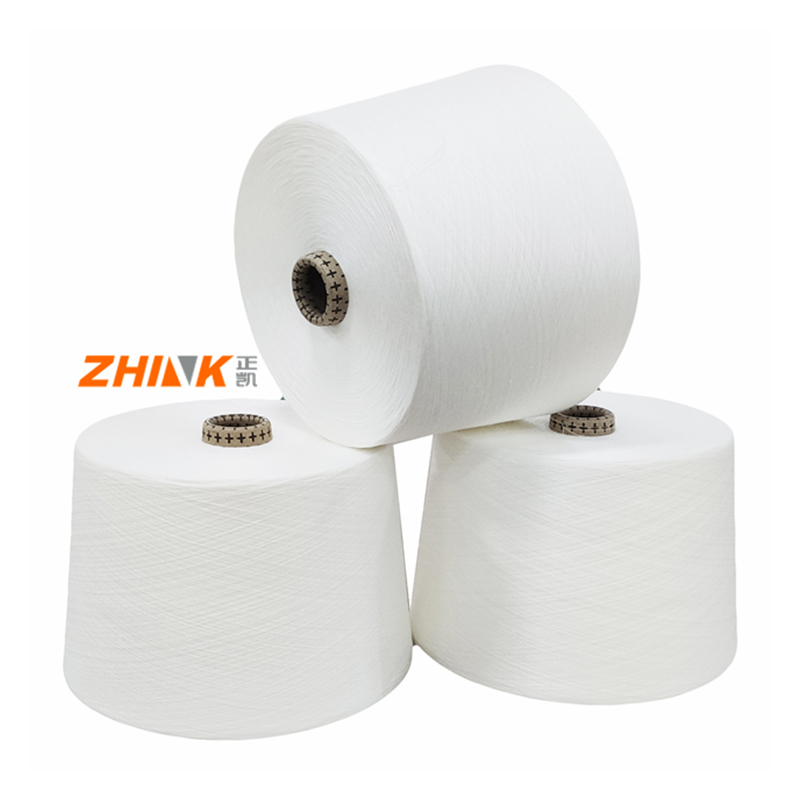
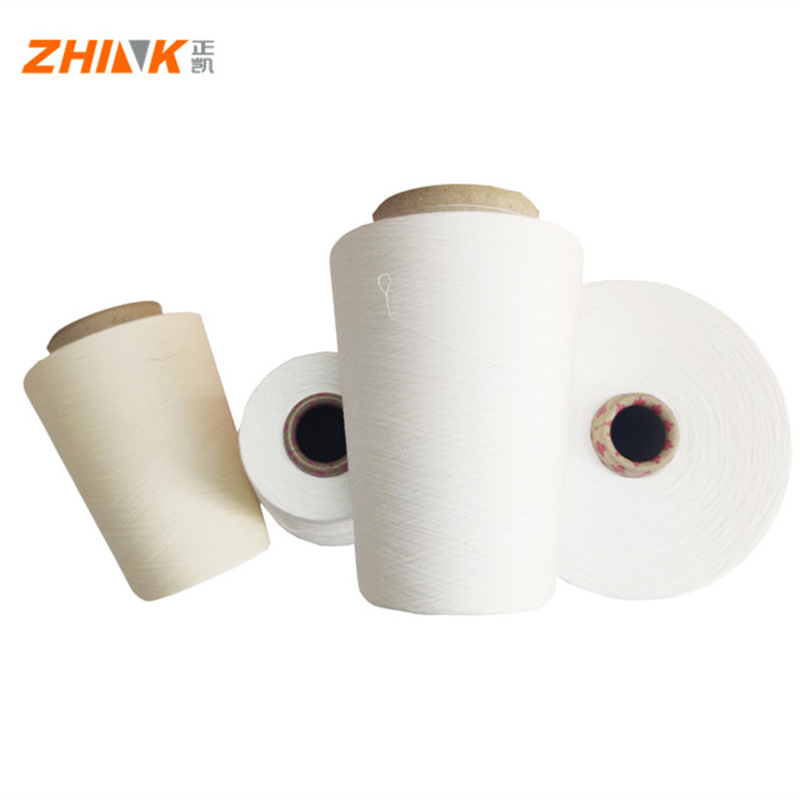
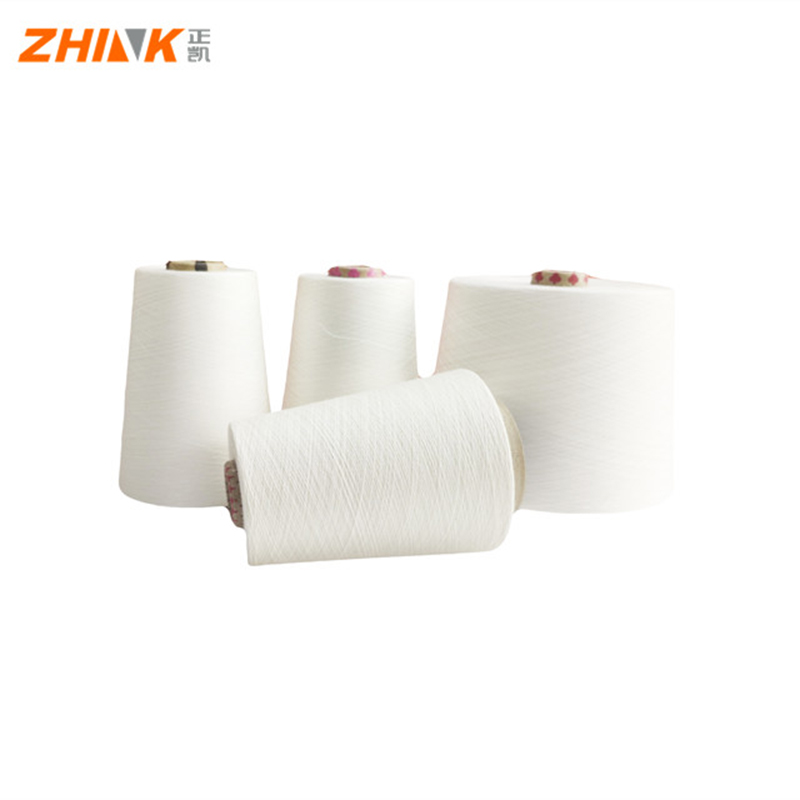
mulberry silk yarn
html
The Allure of Mulberry Silk Yarn
When it comes to mulberry silk yarn, most people might think of its luxurious texture and soft sheen. But exploring beyond the obvious reveals a vast world of fascinating details that keep textile enthusiasts and professionals alike captivated. Let’s delve into the nuances of this remarkable material.
Understanding the Basics of Mulberry Silk Yarn
At the surface, mulberry silk yarn is often celebrated for its unparalleled softness and luster. Derived from the bombyx mori silkworms fed exclusively on mulberry leaves, the resultant fibers are exceptionally smooth. This, in turn, allows for the production of yarns that are not only visually appealing but also durable.
Interestingly, this type of silk yarn is considered a benchmark for quality in the textile world. It provides an incredibly consistent texture, a factor that is paramount for high-quality textile production. From my experience, having uniform threads plays a huge role when creating garments that need to not only look good but also perform under various conditions.
However, what often goes unmentioned is the effort involved in ensuring such consistency. The raising of silkworms and the meticulous process of harvesting the threads require attention to every tiny detail. It’s not just about feeding them mulberry leaves; the environment, the handling—all add up to the final quality of the yarn.
The Production Challenges
In practice, working with mulberry silk yarn has its unique set of challenges. For one, its delicate nature demands careful handling even at the production stage. Accidental stretching or compressing can alter its properties, something many new producers learn the hard way.
Years ago, I recall a project where a minor oversight led to a substantial batch of compromised yarn. The resilience of mulberry silk under tension wasn’t properly tested. It was an expensive lesson but also a valuable one that highlighted the importance of experience and attention to detail in handling this material.
Another critical factor is the expertise involved in spinning the yarn. It's not enough to have high-quality fibers; the machinery and technique matter significantly. The spinner plays a pivotal role in determining the yarn's final texture and strength. It’s like a dance; one misstep and the harmony of the process is disrupted.
The Role of Innovation in Silk Yarn
Innovation in textile materials has led companies like SHANDONG ZHINK NEW MATERIAL CO., LTD to explore new horizons. This company, available at Zhink Yarn, dedicates itself to the development of new textile materials, often incorporating technology and tradition in unique ways.
With mulberry silk yarn, research and development can push the boundaries of what's possible. Innovations in dyeing techniques, for instance, have expanded the color palette significantly without compromising the yarn’s quality. That's transformative not just for aesthetics, but for functional wear as well.
One can't ignore the environmental considerations either. Companies are increasingly looking at sustainable methods of production. The commitment to eco-friendly practices can shape the industry's future, influencing not only the market but global textile standards.
Sustainable Practices and Mulberry Silk
Some might argue that eco-friendliness and luxury don't go hand in hand, but that's changing. Sustainable practices in the production of mulberry silk yarn involve several measures. For instance, water consumption and waste management are crucial areas.
Adopting organic farming techniques for mulberry cultivation is gaining traction. By minimizing pesticides and synthetic fertilizers, the resultant impact on the environment is reduced significantly. This approach aligns well with the premium nature of the silk itself, merging ethics with aesthetics.
Moreover, responsible sourcing of raw materials is also becoming a consumer demand. People want to know the story behind what they wear. Proclaiming transparency in production not only builds brand trust but enhances customer engagement with the product.
The Global Market and Future Prospects
Globally, the demand for mulberry silk yarn continues to grow, despite shifts in the textile industry landscape. Consumers today are more informed and seek authenticity and quality, which is the perfect playground for superior materials like mulberry silk.
What’s fascinating is the blend of tradition and modernity. While the foundational methods of production remain similar, advancements in technology are paving new avenues. The future might see a hybrid approach, where traditional expertise meets cutting-edge innovations.
In conclusion, while challenges persist, the potential and allure of mulberry silk yarn remain undiminished. It's a world where the beauty of tradition dances with the promise of innovation, and one where expertise, like that fostered by institutions such as Zhink New Material, plays a crucial role.
Related Products
Related Products