+86-632-3621866
- Chinese
- French
- German
- Portuguese
- Spanish
- Russian
- Japanese
- Korean
- Arabic
- Irish
- Greek
- Turkish
- Italian
- Danish
- Romanian
- Indonesian
- Czech
- Afrikaans
- Swedish
- Polish
- Basque
- Catalan
- Esperanto
- Hindi
- Lao
- Albanian
- Amharic
- Armenian
- Azerbaijani
- Belarusian
- Bengali
- Bosnian
- Bulgarian
- Cebuano
- Chichewa
- Corsican
- Croatian
- Dutch
- Estonian
- Filipino
- Finnish
- Frisian
- Galician
- Georgian
- Gujarati
- Haitian
- Hausa
- Hawaiian
- Hebrew
- Hmong
- Hungarian
- Icelandic
- Igbo
- Javanese
- Kannada
- Kazakh
- Khmer
- Kurdish
- Kyrgyz
- Latin
- Latvian
- Lithuanian
- Luxembou..
- Macedonian
- Malagasy
- Malay
- Malayalam
- Maltese
- Maori
- Marathi
- Mongolian
- Burmese
- Nepali
- Norwegian
- Pashto
- Persian
- Punjabi
- Serbian
- Sesotho
- Sinhala
- Slovak
- Slovenian
- Somali
- Samoan
- Scots Gaelic
- Shona
- Sindhi
- Sundanese
- Swahili
- Tajik
- Tamil
- Telugu
- Thai
- Ukrainian
- Urdu
- Uzbek
- Vietnamese
- Welsh
- Xhosa
- Yiddish
- Yoruba
- Zulu
- Kinyarwanda
- Tatar
- Oriya
- Turkmen
- Uyghur


Navy blue polyester fiber
Navy Blue Polyester Fiber: Insights from the Field
Navy blue polyester fiber is more than just a common textile material—it's a staple in various industries. This article peels back the layers of complexity, unraveling the real-world applications and challenges of working with this versatile material.
The Versatility of Polyester Fiber
When you think about navy blue polyester fiber, the first thing that comes to mind might be its color or durability. But beyond that, it’s about the versatility it offers. From clothing to industrial applications, its use is extensive. Having worked in textiles for years, I’ve seen how brands leverage this material for diverse needs. Polyester stands resilient against wear and tear, making it ideal for high-use environments.
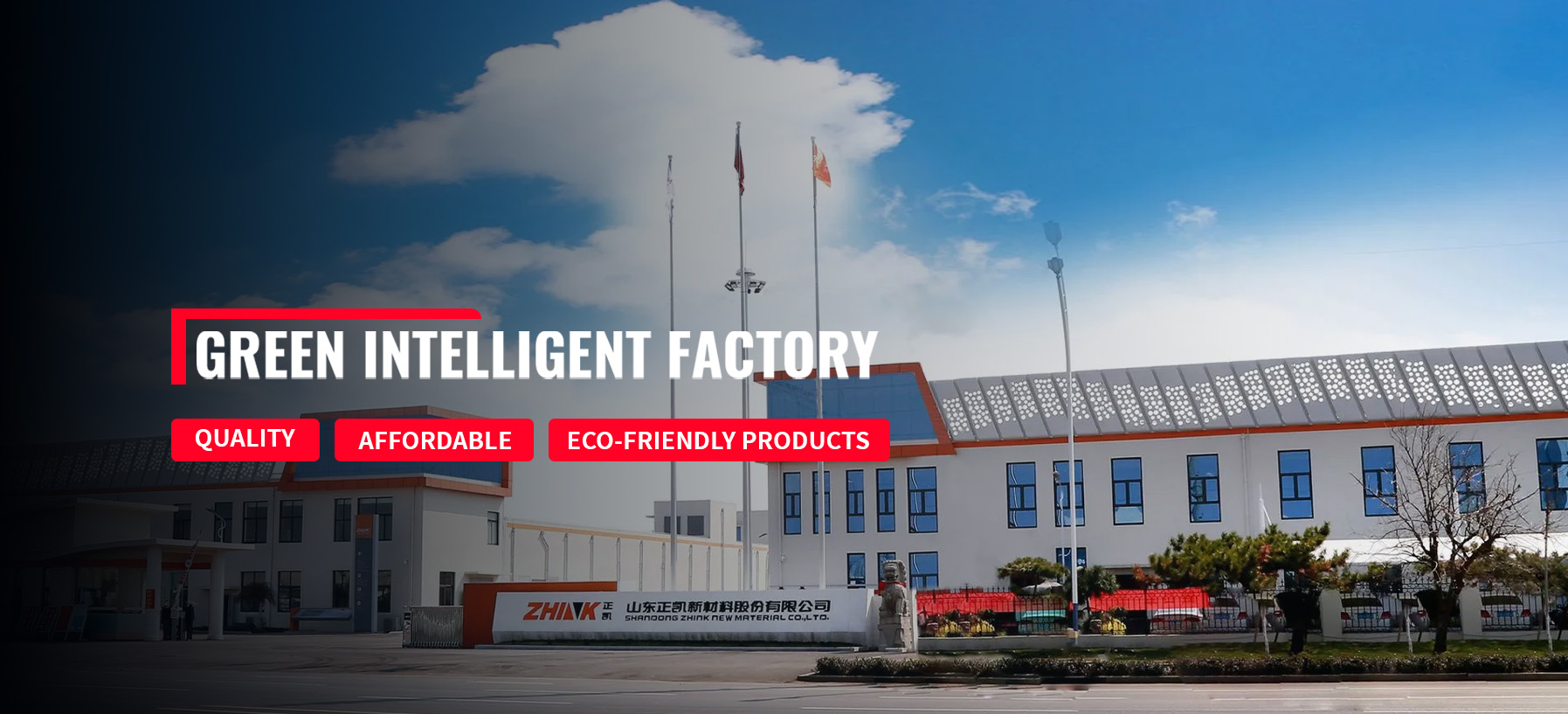
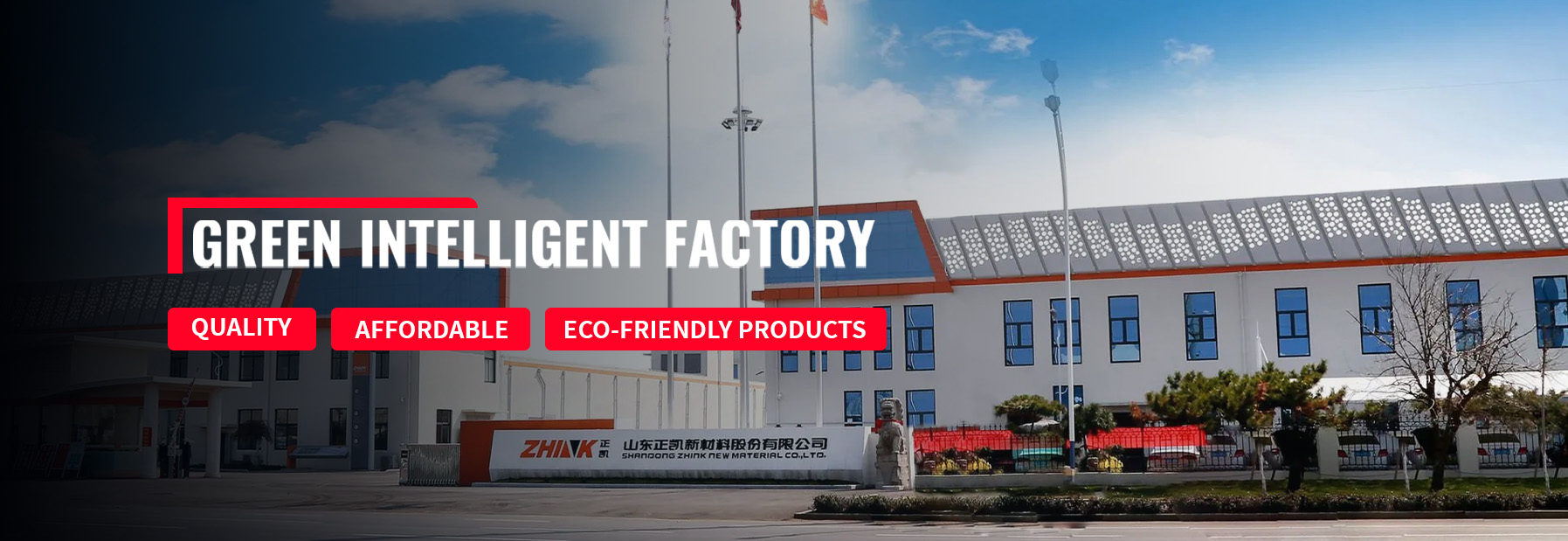
Companies like SHANDONG ZHINK NEW MATERIAL CO., LTD are at the forefront, bringing innovation to textile production. They constantly strive to enhance properties like breathability and softness, ensuring polyester remains competitive with natural fibers.
From a practical standpoint, using polyester involves understanding its strengths—like moisture resistance—and working around its limitations. A failure to appreciate this balance can result in issues, especially when expecting it to mimic the feel or warmth of natural fibers without proper treatment.
Challenges in Dyeing and Production
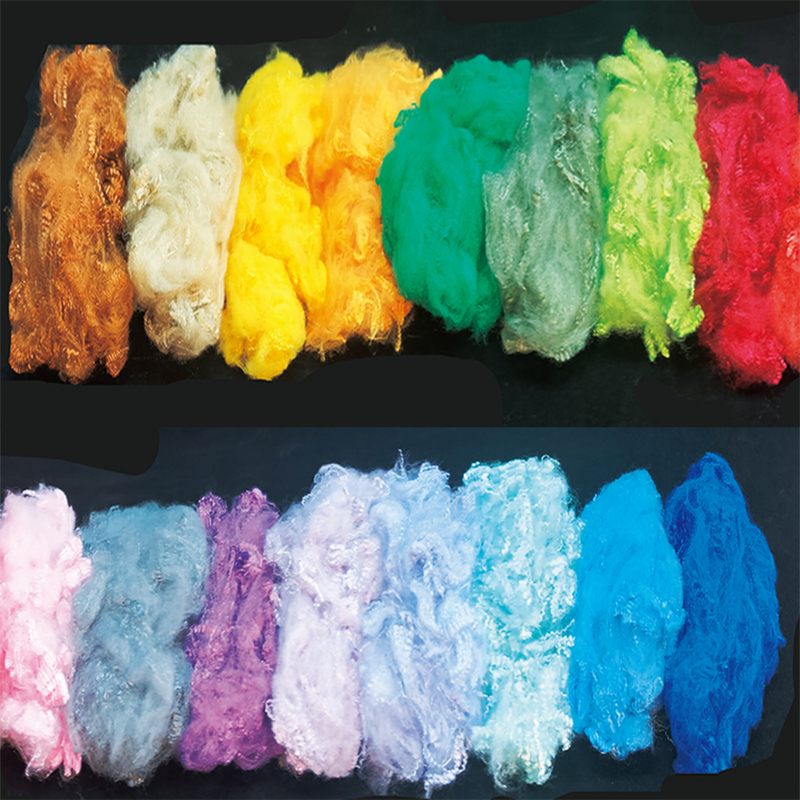
Dyeing polyester, particularly in deep shades like navy blue, can be tricky. The synthetic nature of the fiber means it doesn’t take dye as naturally as cotton or wool. I've encountered issues where inconsistent dye uptake resulted in unsatisfactory batches, especially when new to the process without adequate experience.
Consistency in dyeing is paramount. At Zhink New Material, they use advanced techniques to ensure uniformity in color. Their focus on research and development, as highlighted on their website (https://www.zhinkyarn.com), is a testament to their commitment to quality.
Failures in achieving the desired hue can often be traced back to inadequate preparation or incorrect temperature settings during the dyeing process. Small margins of error can lead to large discrepancies in final output.
Applications in Various Industries
Perhaps the most exciting aspect of navy blue polyester fiber is its wide array of applications. In my experience, its use ranges from sportswear, where its moisture-wicking properties shine, to home textiles like upholstery, which benefit from its durability.
Working closely with manufacturers, I've observed the ever-evolving demands of industries that rely on polyester. The adaptability of the material makes it a favorite for customization. Zhink New Material's approach to meeting these demands by developing and selling innovative textile solutions puts them ahead in the industry.
Listening to feedback from end-users is crucial. The remarks about polyester's comfort and appearance have driven significant improvement efforts, ensuring it meets modern requirements.
Sustainability Concerns
An ongoing discussion I find essential to highlight is the environmental impact of polyester production. As a synthetic fiber, its production process and non-biodegradable nature raise sustainability questions. Industry leaders, including those at Zhink New Material, are actively researching more sustainable methods.
Recycling polyester is one avenue being explored. The ability to produce recycled fibers that maintain the properties of virgin polyester is key to reducing environmental footprints.
While some companies hesitate due to cost implications, those investing in sustainable practices often find it pays off in brand value and long-term viability.
Future Trends and Innovations
Looking ahead, the landscape for navy blue polyester fiber is bound to evolve. Innovations in fiber technology are already pushing boundaries, creating materials that are not only more sustainable but also enhance performance.
At SHANDONG ZHINK NEW MATERIAL CO., LTD, the focus is clearly on future-ready solutions. Their dedication to pushing the envelope with advanced textile materials suggests we're only scratching the surface of what's possible.
As the industry shifts towards greater efficiency and reduced environmental impact, the role of intelligent design and material science cannot be understated. Staying informed and adaptable is crucial for anyone involved with textiles.
Related Products
Related Products