
+86-632-3621866
- Chinese
- French
- German
- Portuguese
- Spanish
- Russian
- Japanese
- Korean
- Arabic
- Irish
- Greek
- Turkish
- Italian
- Danish
- Romanian
- Indonesian
- Czech
- Afrikaans
- Swedish
- Polish
- Basque
- Catalan
- Esperanto
- Hindi
- Lao
- Albanian
- Amharic
- Armenian
- Azerbaijani
- Belarusian
- Bengali
- Bosnian
- Bulgarian
- Cebuano
- Chichewa
- Corsican
- Croatian
- Dutch
- Estonian
- Filipino
- Finnish
- Frisian
- Galician
- Georgian
- Gujarati
- Haitian
- Hausa
- Hawaiian
- Hebrew
- Hmong
- Hungarian
- Icelandic
- Igbo
- Javanese
- Kannada
- Kazakh
- Khmer
- Kurdish
- Kyrgyz
- Latin
- Latvian
- Lithuanian
- Luxembou..
- Macedonian
- Malagasy
- Malay
- Malayalam
- Maltese
- Maori
- Marathi
- Mongolian
- Burmese
- Nepali
- Norwegian
- Pashto
- Persian
- Punjabi
- Serbian
- Sesotho
- Sinhala
- Slovak
- Slovenian
- Somali
- Samoan
- Scots Gaelic
- Shona
- Sindhi
- Sundanese
- Swahili
- Tajik
- Tamil
- Telugu
- Thai
- Ukrainian
- Urdu
- Uzbek
- Vietnamese
- Welsh
- Xhosa
- Yiddish
- Yoruba
- Zulu
- Kinyarwanda
- Tatar
- Oriya
- Turkmen
- Uyghur


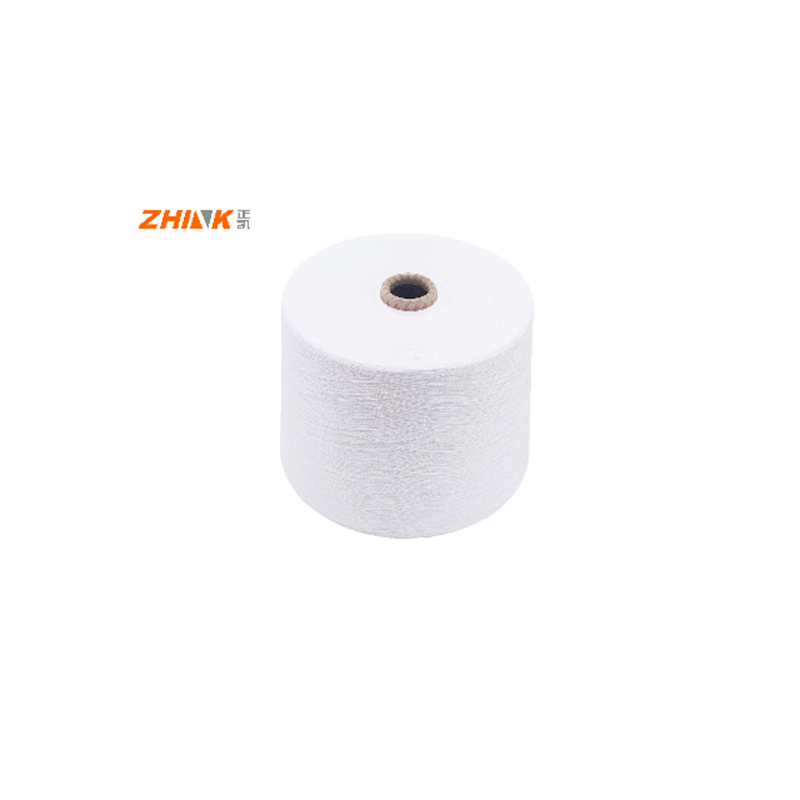
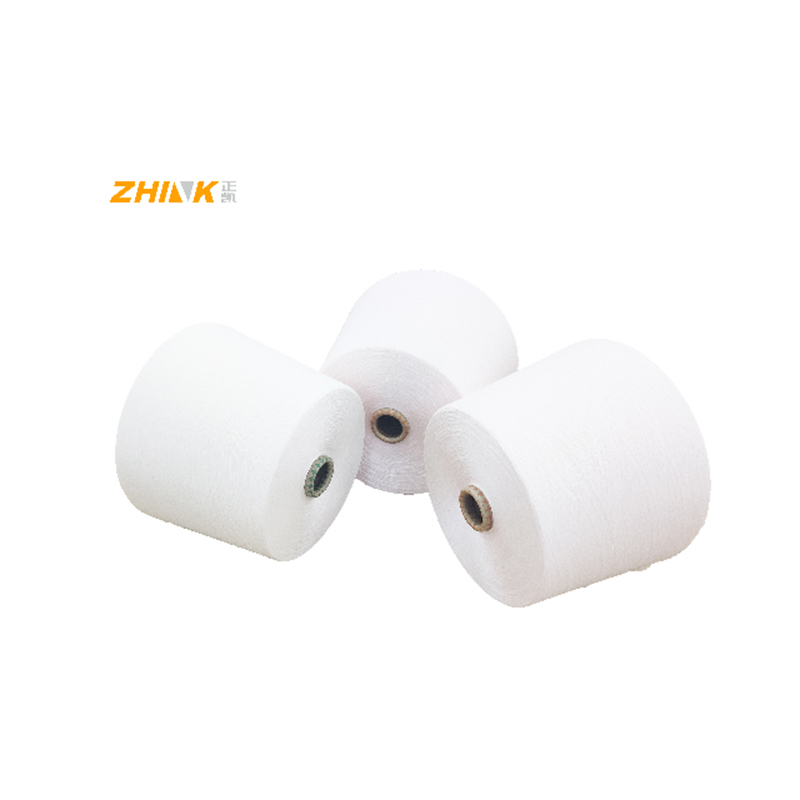
NE10 Flame retardant polyester yarn
Understanding NE10 Flame Retardant Polyester Yarn
In the textile industry, the need for advanced materials that provide both functionality and safety is ever-present. NE10 flame retardant polyester yarn stands out as a critical innovation, offering remarkable fire resistance without sacrificing quality. This yarn has become increasingly popular for applications where safety regulations are stringent. But what exactly makes it unique, and how does it integrate into various industries?
The Science Behind Flame Retardancy
Understanding the makeup of flame retardant polyester yarn requires delving into its structural properties. The 'NE10' aspect often refers to a specific denier count, which is crucial for determining the yarn's thickness and strength. The integration of flame retardant chemicals into the polyester fibers is where the real technology lies. These chemicals can either be incorporated during the polymerization process or applied as a finish. It's crucial to maintain a balance to ensure the yarn remains effective while retaining its inherent flexibility and durability.
One common approach involves using phosphorus-based compounds, recognized for their fire-inhibiting properties. These compounds enhance the thermal stability of the polyester, effectively reducing the rate of ignition and flame spread. From my experience, ensuring that these chemicals are evenly distributed during manufacturing is crucial. Uneven application can lead to weak spots where flammability is heightened, undermining the yarn's purpose.
Working with such materials requires precision and careful quality checks. At SHANDONG ZHINK NEW MATERIAL CO., LTD, as explicitly detailed on their website (https://www.zhinkyarn.com), a strong emphasis is placed on quality assurance through rigorous testing protocols to ensure consistency and safety. This attention to detail is what sets quality manufacturers apart in the textile industry.
Applications Across Industries
The versatility of NE10 flame retardant polyester yarn is evident in the varied industries it serves. Whether in automotive, construction, or fashion, the demand for materials that combine fire resistance with aesthetic appeal is growing. Automotive industries leverage this yarn for seat covers and interior trim. In construction, it's used in curtains and upholstery fabrics, where fire safety is mandatory.
My firsthand encounter with this yarn was during a project involving hospital textiles. Here, fire resistance isn't just beneficial—it's a necessity. The close quarters and high occupancy rates require materials like flame retardant polyester to mitigate fire risks. However, integrating such materials isn't without challenges. Issues like color matching and maintaining fabric breathability are common hurdles, often requiring bespoke solutions tailored to specific needs.
The aviation industry is another significant user, driven by regulations that demand stringent safety standards. Upholstery and seat covers in airplanes benefit from flame-retardant properties, reducing the potential for fire-related incidents. This adherence to safety without compromising comfort is a delicate balancing act that companies like Zhink New Material navigate through meticulous R&D.
Challenges and Considerations
Working with flame retardant polyester yarn isn't without its challenges. The inclusion of flame retardant chemicals can impact the recyclability of polyester, posing environmental considerations. With the growing emphasis on sustainability, finding ways to maintain fire resistance while ensuring recyclability is a pressing issue.
Another challenge lies in maintaining the textural quality of the polyester. Adding chemicals can sometimes alter the feel and elasticity of the yarn, which can be a dealbreaker for applications where comfort is essential. Achieving the right formula is a complex process, reliant on experience and extensive testing. At SHANDONG ZHINK NEW MATERIAL CO., LTD, emphasis is placed on continuous research to overcome these challenges, as highlighted on their site.
During one project, achieving the desired level of softness in hospital linens while maintaining fire retardancy required tweaking the chemical blend and processing techniques. The solution came from innovative heat treatment processes that balanced flame retardancy with fabric quality, a testament to the evolving capabilities in textile technology.
Real-World Insights and Future Directions
Reflecting on the real-world applications and challenges of NE10 flame retardant polyester yarn, it's clear that the industry is in constant evolution. The push towards greener alternatives without sacrificing safety is driving research. Companies that stay at the forefront, like Zhink New Material, position themselves well in a competitive market.
Looking ahead, advances in bio-based flame retardant chemicals could revolutionize this sector. These innovations aim to curb the environmental impact while enhancing the biodegradability of textile products. While still in developmental stages, they present promising avenues for future industry standards.
The journey with NE10 flame retardant yarn is ongoing. By combining our knowledge gained through practical endeavors with emerging technologies, we can continue to develop safer, more sustainable textile solutions. Sharing these insights helps in building a community focused on safety and innovation, drawing from the dedicated work of companies like SHANDONG ZHINK NEW MATERIAL CO., LTD.
Related Products
Related Products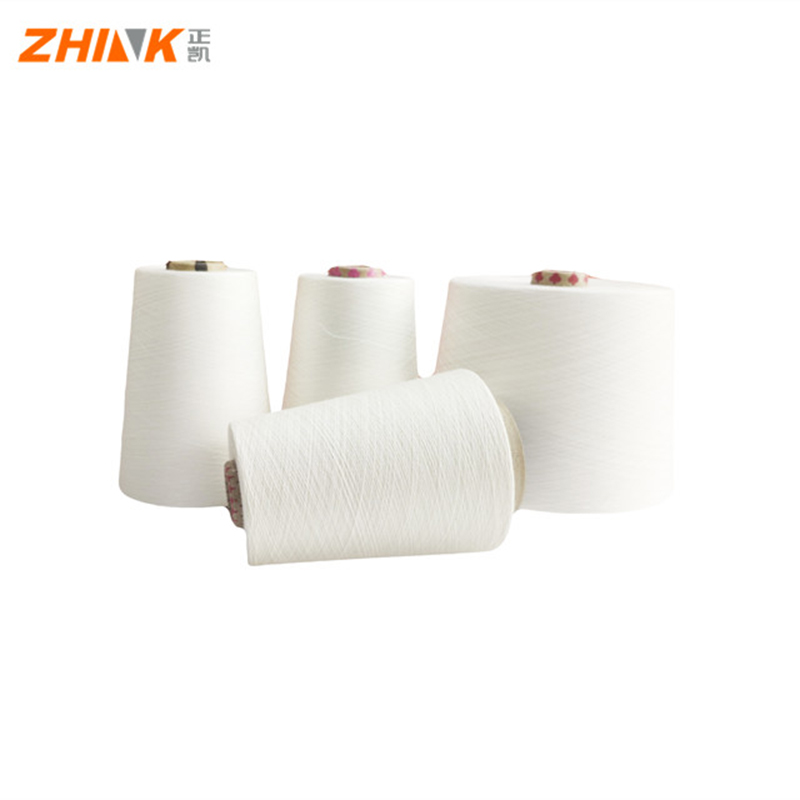
Best Selling Products
Best Selling Products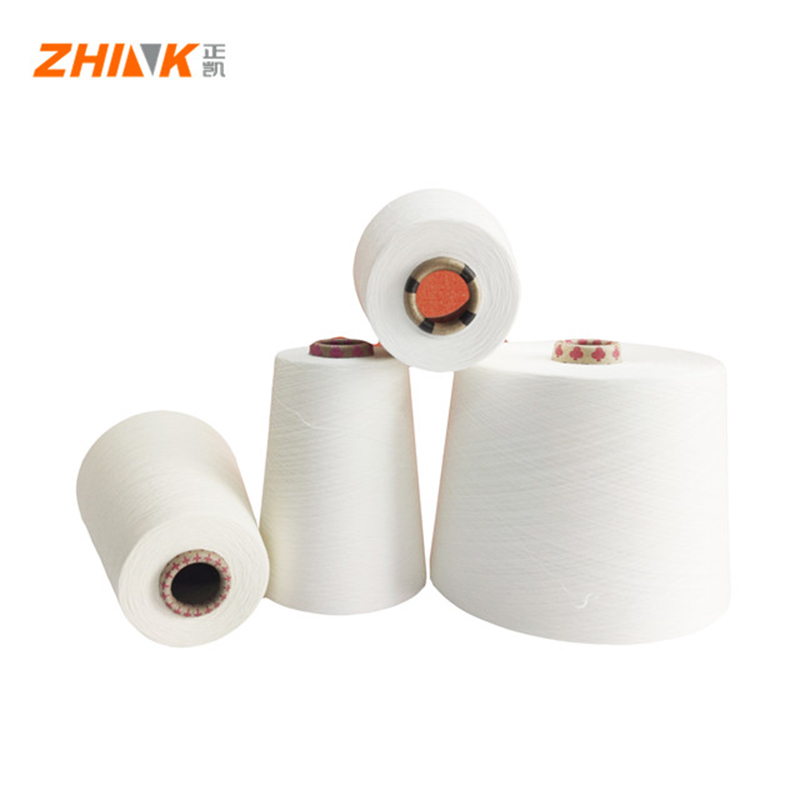

Related Search
Related Search- polyester/tencel/wool 70/20/10 32S
- 55 cotton 45 acrylic yarn
- 100% Flame retardant polyester siro
- 100% bamboo siro
- 25S/1 Hollow polyester/ viscose SIRO
- Flame retardant acrylic staple fiber yarn
- Solid acrylic TFO yarn
- Lyocell staple fiber yarn
- 25S/1 Hollow polyester/ viscose slub yarn
- acrylic staple fiber yarn