+86-632-3621866
- Chinese
- French
- German
- Portuguese
- Spanish
- Russian
- Japanese
- Korean
- Arabic
- Irish
- Greek
- Turkish
- Italian
- Danish
- Romanian
- Indonesian
- Czech
- Afrikaans
- Swedish
- Polish
- Basque
- Catalan
- Esperanto
- Hindi
- Lao
- Albanian
- Amharic
- Armenian
- Azerbaijani
- Belarusian
- Bengali
- Bosnian
- Bulgarian
- Cebuano
- Chichewa
- Corsican
- Croatian
- Dutch
- Estonian
- Filipino
- Finnish
- Frisian
- Galician
- Georgian
- Gujarati
- Haitian
- Hausa
- Hawaiian
- Hebrew
- Hmong
- Hungarian
- Icelandic
- Igbo
- Javanese
- Kannada
- Kazakh
- Khmer
- Kurdish
- Kyrgyz
- Latin
- Latvian
- Lithuanian
- Luxembou..
- Macedonian
- Malagasy
- Malay
- Malayalam
- Maltese
- Maori
- Marathi
- Mongolian
- Burmese
- Nepali
- Norwegian
- Pashto
- Persian
- Punjabi
- Serbian
- Sesotho
- Sinhala
- Slovak
- Slovenian
- Somali
- Samoan
- Scots Gaelic
- Shona
- Sindhi
- Sundanese
- Swahili
- Tajik
- Tamil
- Telugu
- Thai
- Ukrainian
- Urdu
- Uzbek
- Vietnamese
- Welsh
- Xhosa
- Yiddish
- Yoruba
- Zulu
- Kinyarwanda
- Tatar
- Oriya
- Turkmen
- Uyghur


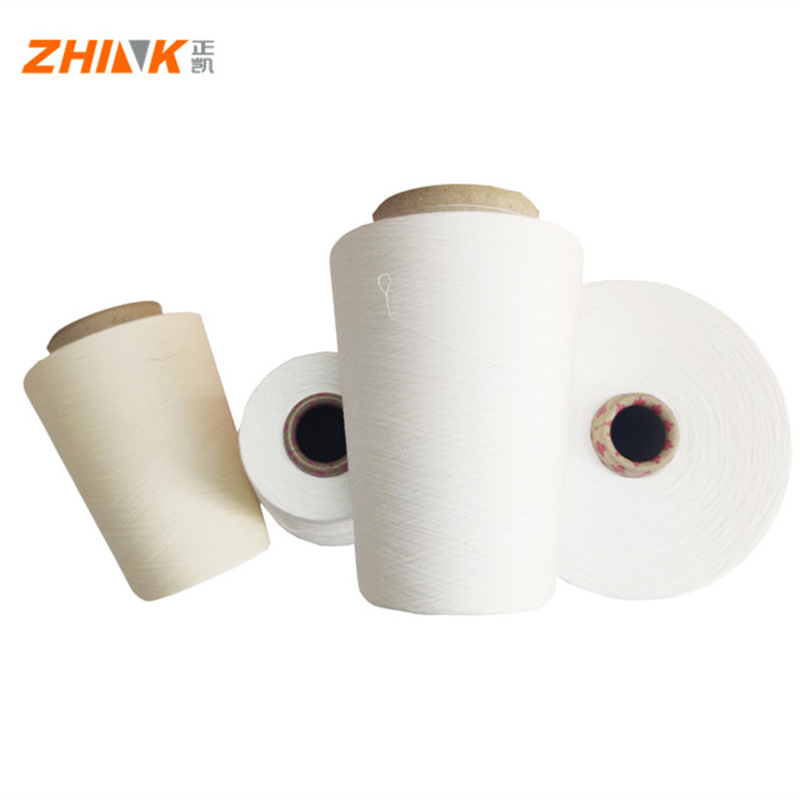
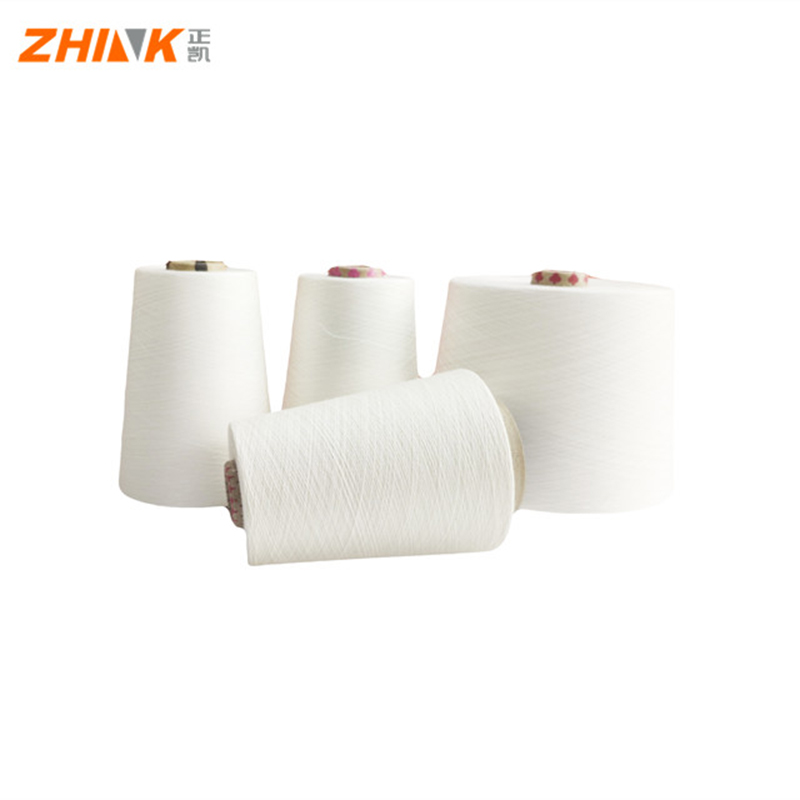
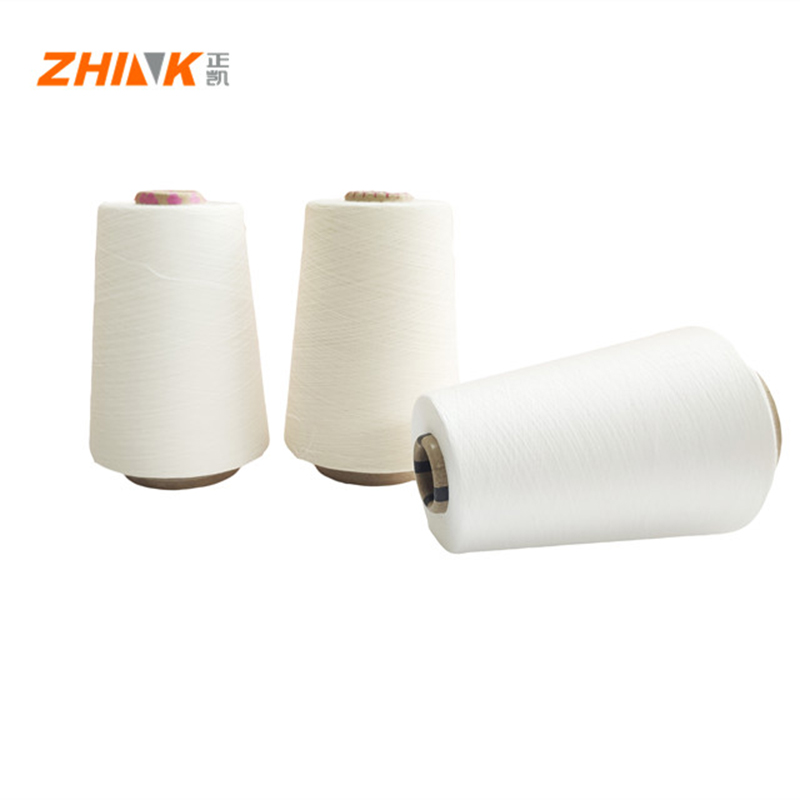
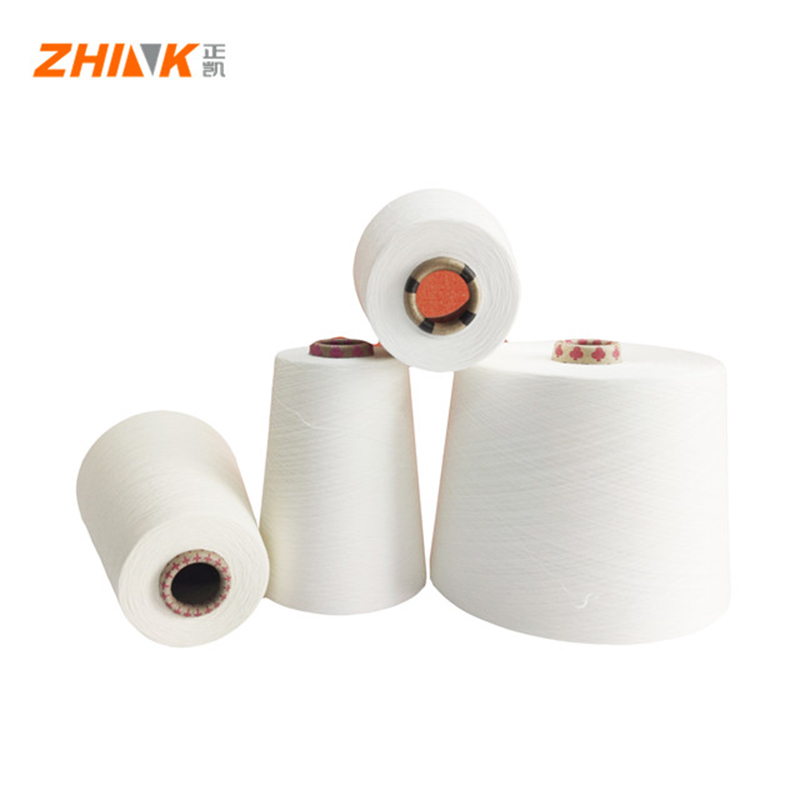
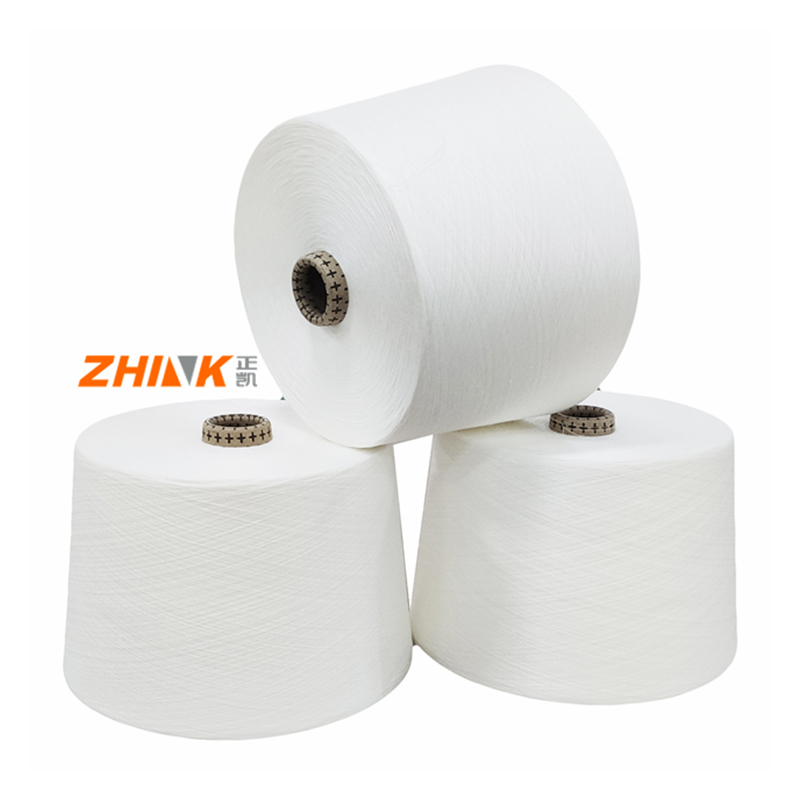
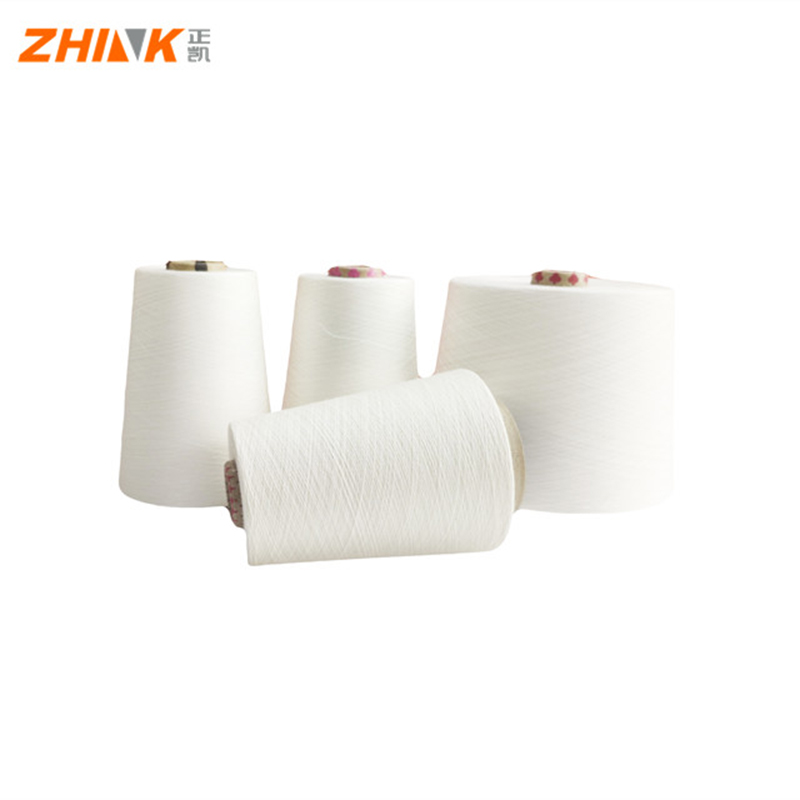
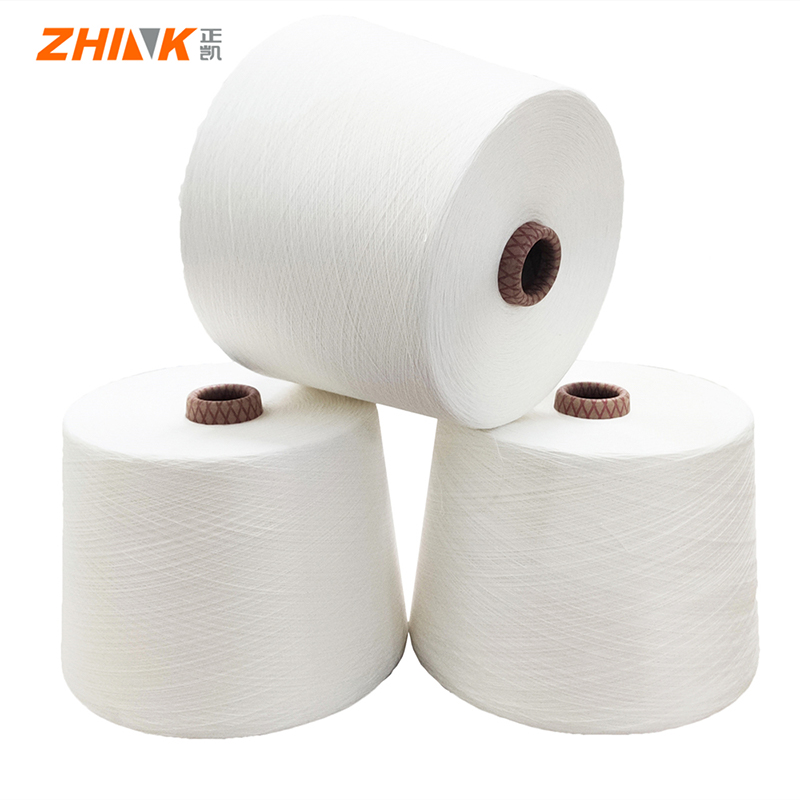
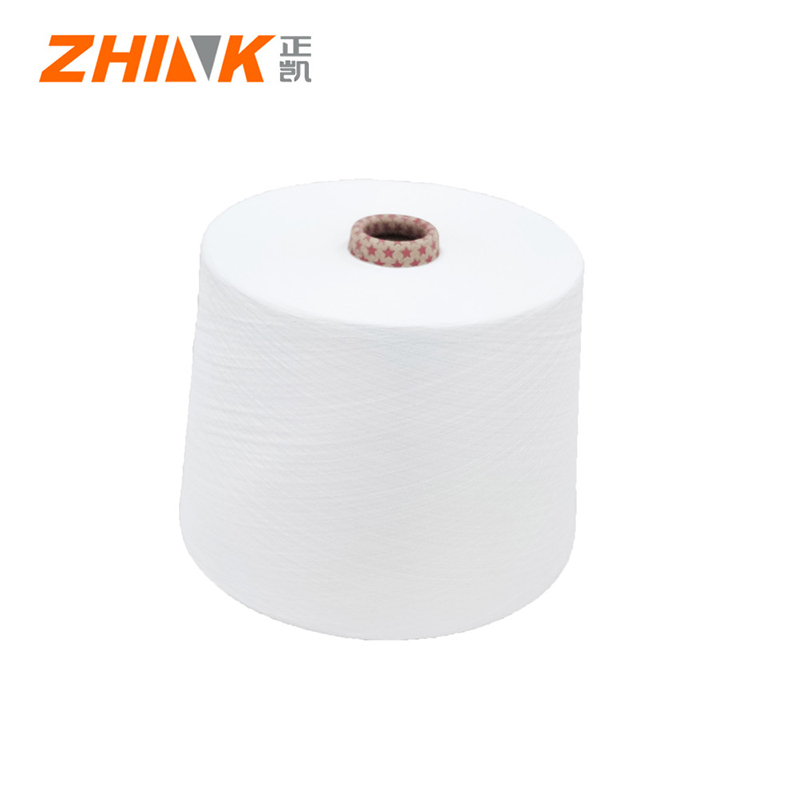
NE30 bamboo yarn
NE30 Bamboo Yarn: Balancing Sustainability and Performance
NE30 bamboo yarn is more than just a sustainable choice; it's a bridge between eco-conscious production and the high-performance textile demands of today. But, how does it fare in practical application, and what should you watch for in the process?
Understanding NE30 Bamboo Yarn
When we talk about NE30 bamboo yarn, the first thing that comes to mind is its environmental pedigree. Bamboo, as a rapidly renewable resource, has gained traction for its sustainability credentials. But using bamboo isn't just about being green; it's about the yarn’s qualities. NE30, a specific yarn count, gives a clue to its thickness and suitability for certain types of textiles, from clothing to specialized fabrics.
Now, let's address a common misconception. Many believe that bamboo yarn is inherently softer than cotton or cheaper synthetics, but that's only partially accurate. The softness often depends on the processing methods and spinning techniques employed. I’ve seen NE30 yarns that vary significantly in feel, which can alter the end textile's touch and durability.
I've had occasions where enthusiastic designers, swayed by the sustainability tag, overlooked the importance of combining NE30 yarn with other materials for strength. This can cause issues in wear and tear if not properly managed. The lesson here? Balance the eco-aesthetic with practical functionality.
Production Challenges and Considerations
During production at Zhink New Material, a company specializing in innovative textiles (visit them at their website), certain challenges are observed with bamboo yarn, particularly during spinning. The natural fibers require careful handling to maintain integrity and avoid breakage, something that can be a bit tricky with NE30's finer count.
It's often a test of experience to determine the optimal spinning conditions. Moisture control, for instance, becomes crucial. Bamboo yarn is particularly sensitive to humidity levels, affecting its tensile strength. Real-world application tests have shown failures when this factor isn't calibrated precisely. That's why many companies keep a keen eye on environmental control during production.
Another point of note is the dyeing process, which can sometimes lead to color variability due to bamboo’s natural fibers. This was initially a headache, but with time, we've discovered pre-treatments that stabilize color absorption, leading to more consistent results. But yes, that learning curve can be steep without the right expertise.
Blending Bamboo with Other Fibers
Another layer of complexity arises when you start blending NE30 bamboo yarn with other materials. The reasons for doing this are multifaceted: to enhance strength, modify texture, or even reduce costs. Blending can maximize the yarn's unique properties while compensating for its weaknesses.
From my own experiments, combining bamboo with a touch of organic cotton or even recycled polyester can yield impressive textiles. However, the resulting fabric properties differ dramatically based on percentages and processing methods. It's something that designers and fabric developers need to prototype carefully before large-scale production.
The interplay between fibers often results in unexpected outcomes. For instance, a client project that aimed for a lightweight, breathable fabric ended up too delicate for intended outdoor use due to underestimating the impact of moisture-swelling in blended yarns. It's a tangible reminder that practical evaluations trump theoretical calculations any day.
The Environmental Edge
What makes NE30 bamboo yarn appealing is not just its fiber properties but what it represents in the bigger picture of sustainable textile production. Bamboo’s growth rate far surpasses that of conventional cotton, requiring less water, no pesticides, and yielding more fiber per acre.
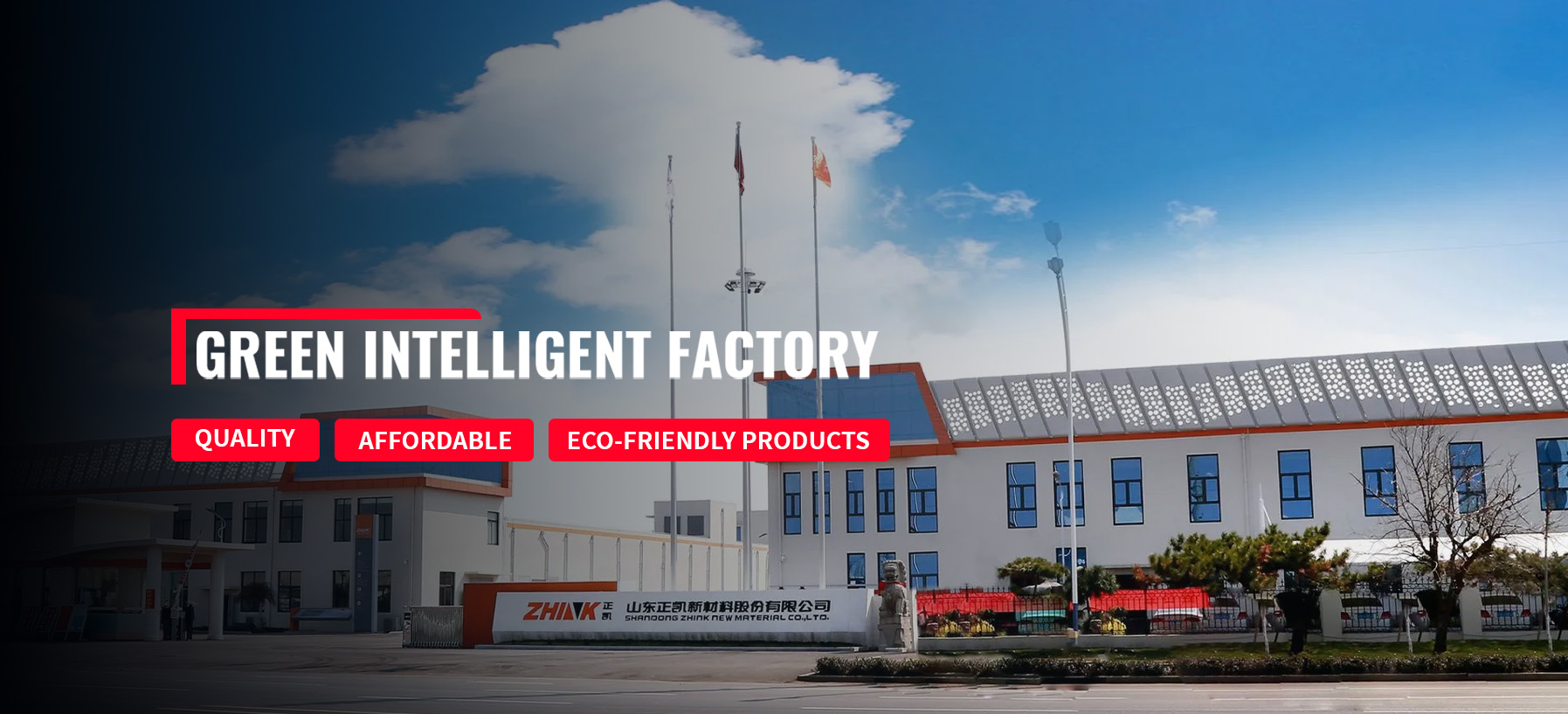
In collaboration with industry partners like SHANDONG ZHINK NEW MATERIAL CO., LTD, commitments to R&D ensure that the bamboo yarn we produce isn't just eco-friendly but also advanced in its performance. They are pushing boundaries by developing treatments that enhance fiber integrity without compromising on environmental standards.
The goal is always to move beyond mere sustainability slogans and embed it deeply into every step of the production process. And while cost remains a challenge—sustainable production isn't always the cheapest route—consumer awareness and demand are slowly but steadily steering the industry towards these greener pastures.
Future Horizons in Bamboo Yarn
Looking ahead, the potential of NE30 bamboo yarn is vast. Innovations in textile technology may soon overcome existing limitations, making this yarn a staple in not just sustainable fashion but also in technical textiles and smart fabrics. The intersection of sustainability and technology is promising.
Continuous dialogue within the industry, from developers to end-users, is paramount. Lessons learned from hands-on trials shape the iterative process of textile creation, enabling each new batch to learn from its predecessor's strengths and weaknesses. This ethos is central to the work at Zhink New Material, where they constantly push for enhancements based on real-world feedback.
Ultimately, the future of bamboo yarn lies not just in its ecological benefits but in its ability to consistently deliver quality, performance, and innovation. Its success will be measured not only in environmental impact but also in how widely and effectively it can be integrated into a vast array of applications, from fashion to function.
Related Products
Related Products