+86-632-3621866
- Chinese
- French
- German
- Portuguese
- Spanish
- Russian
- Japanese
- Korean
- Arabic
- Irish
- Greek
- Turkish
- Italian
- Danish
- Romanian
- Indonesian
- Czech
- Afrikaans
- Swedish
- Polish
- Basque
- Catalan
- Esperanto
- Hindi
- Lao
- Albanian
- Amharic
- Armenian
- Azerbaijani
- Belarusian
- Bengali
- Bosnian
- Bulgarian
- Cebuano
- Chichewa
- Corsican
- Croatian
- Dutch
- Estonian
- Filipino
- Finnish
- Frisian
- Galician
- Georgian
- Gujarati
- Haitian
- Hausa
- Hawaiian
- Hebrew
- Hmong
- Hungarian
- Icelandic
- Igbo
- Javanese
- Kannada
- Kazakh
- Khmer
- Kurdish
- Kyrgyz
- Latin
- Latvian
- Lithuanian
- Luxembou..
- Macedonian
- Malagasy
- Malay
- Malayalam
- Maltese
- Maori
- Marathi
- Mongolian
- Burmese
- Nepali
- Norwegian
- Pashto
- Persian
- Punjabi
- Serbian
- Sesotho
- Sinhala
- Slovak
- Slovenian
- Somali
- Samoan
- Scots Gaelic
- Shona
- Sindhi
- Sundanese
- Swahili
- Tajik
- Tamil
- Telugu
- Thai
- Ukrainian
- Urdu
- Uzbek
- Vietnamese
- Welsh
- Xhosa
- Yiddish
- Yoruba
- Zulu
- Kinyarwanda
- Tatar
- Oriya
- Turkmen
- Uyghur


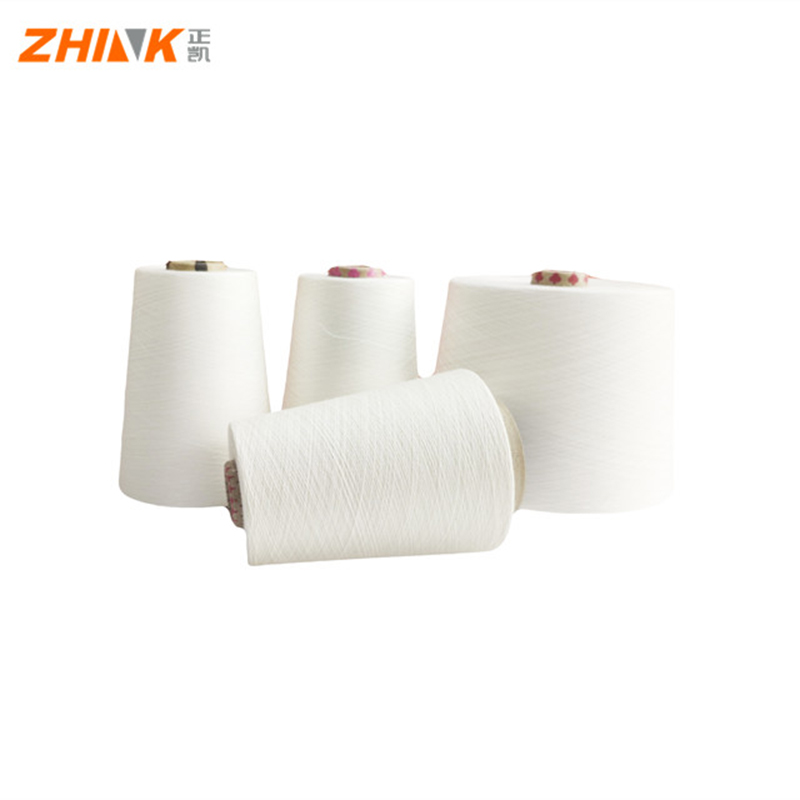
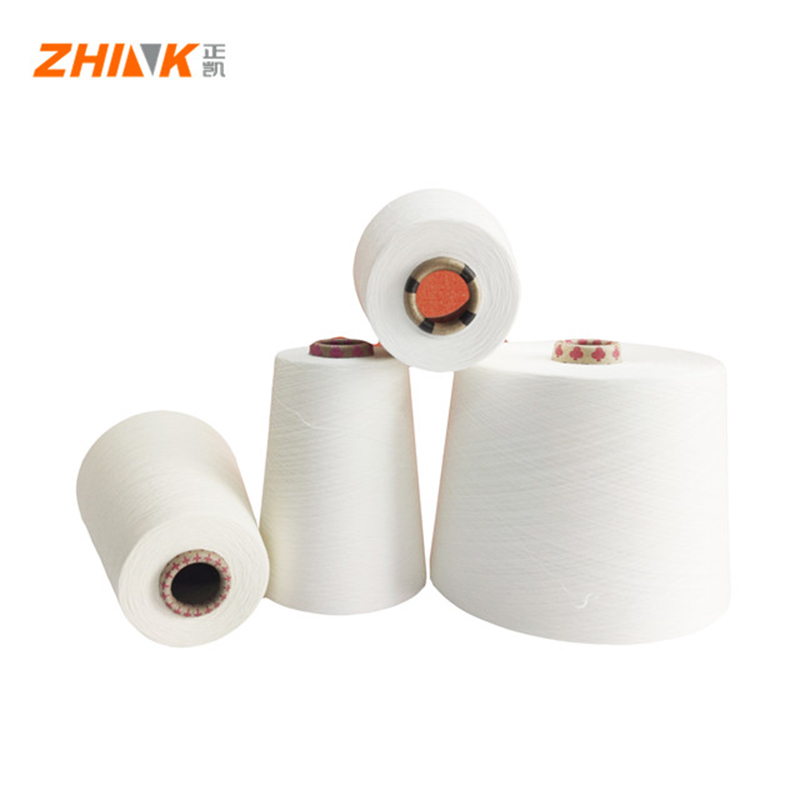
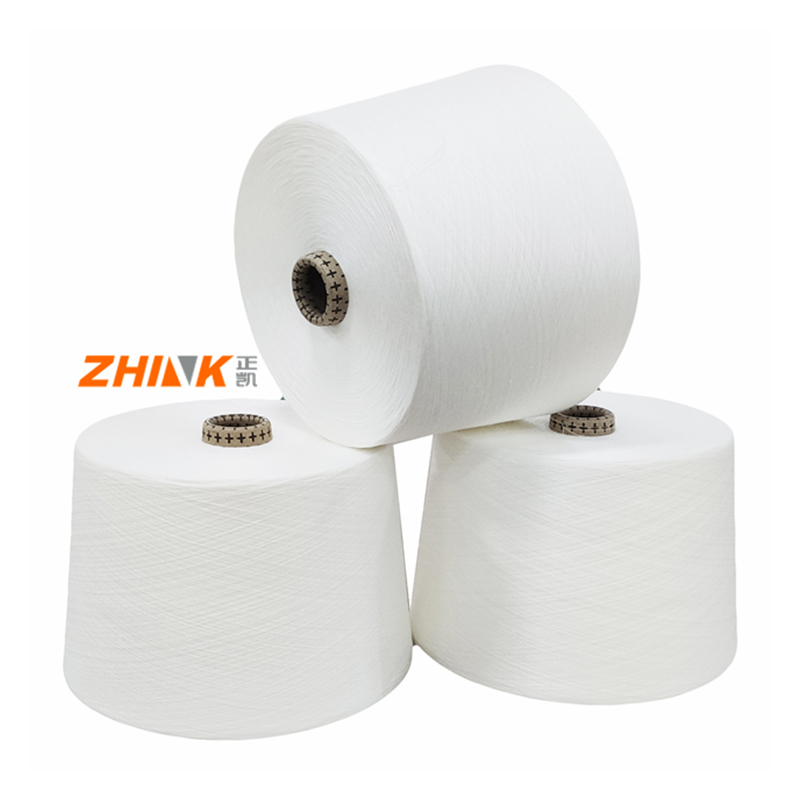
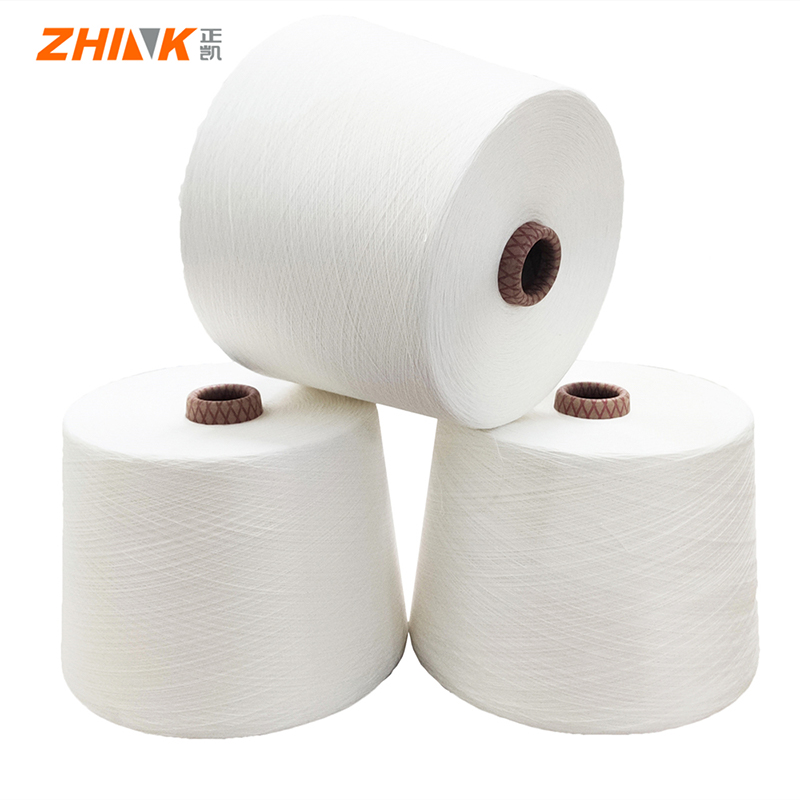
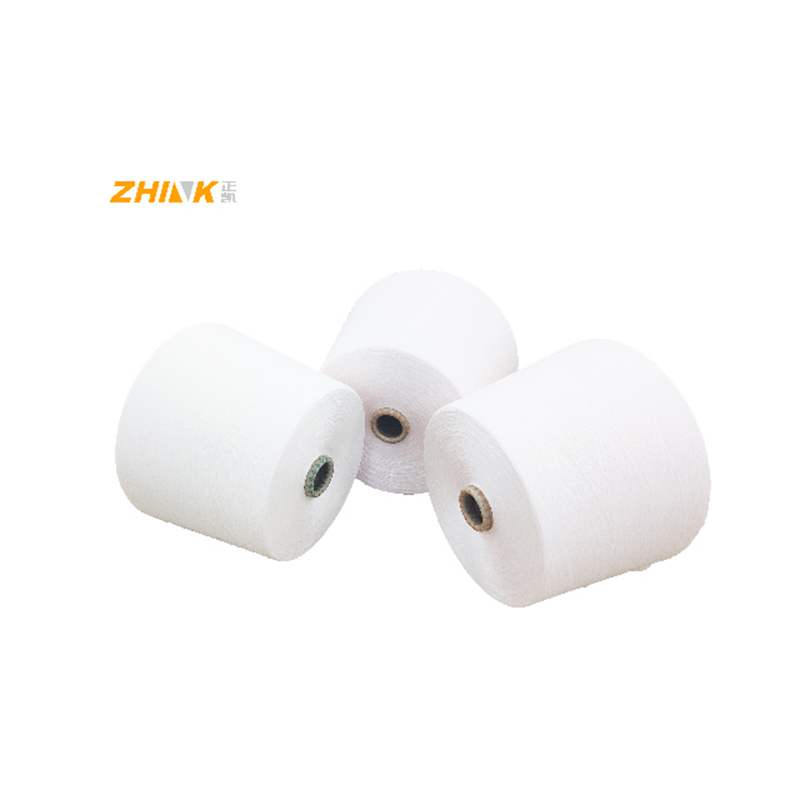
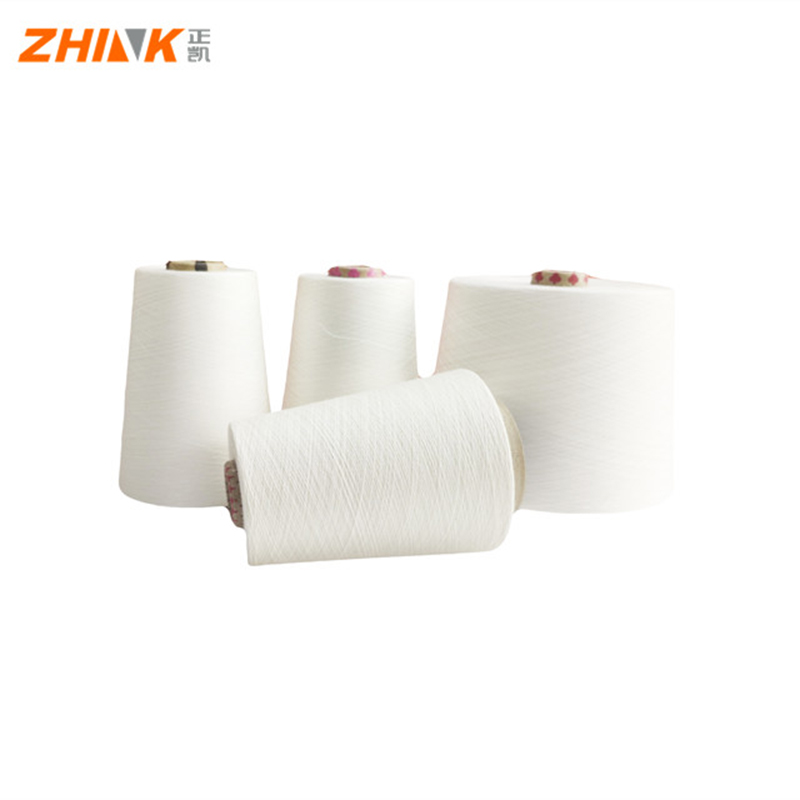
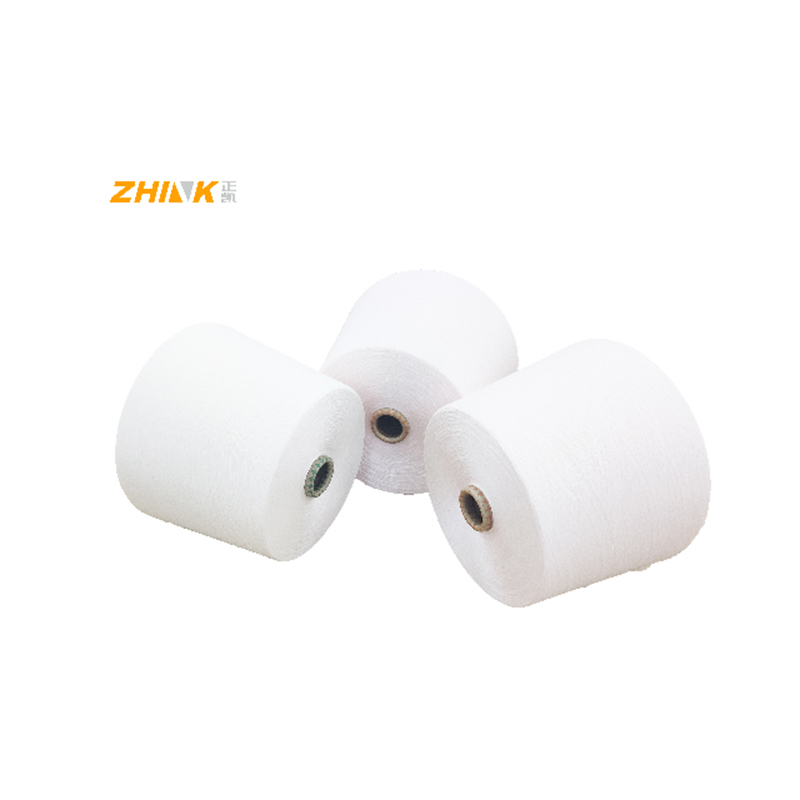
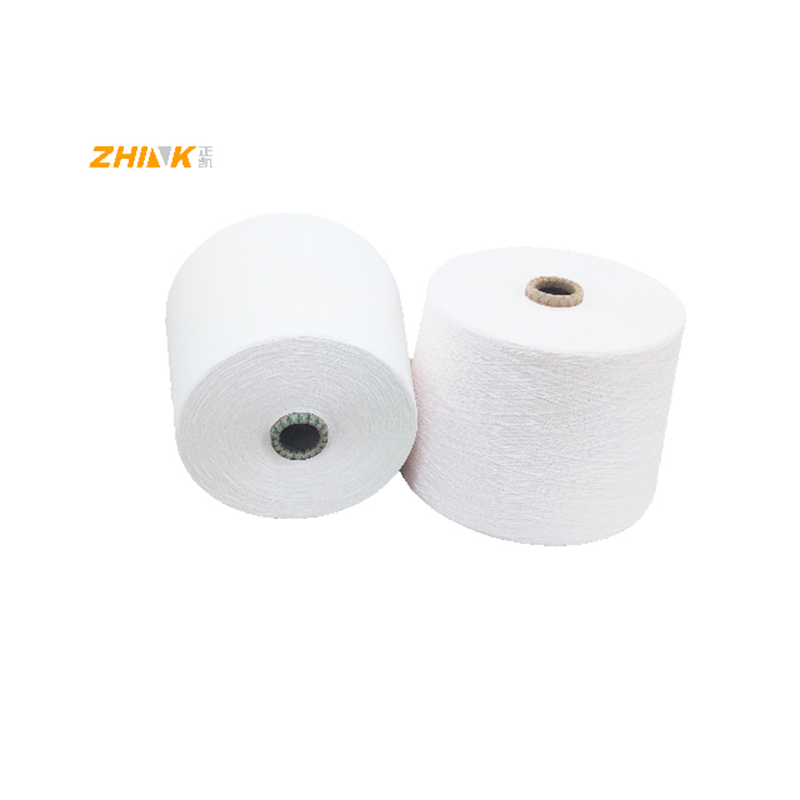
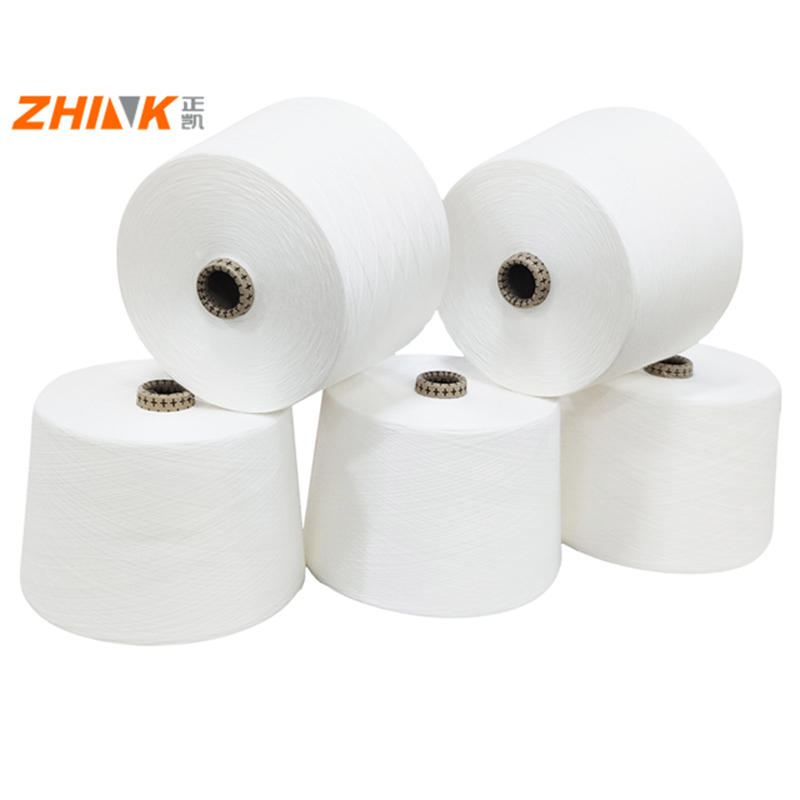
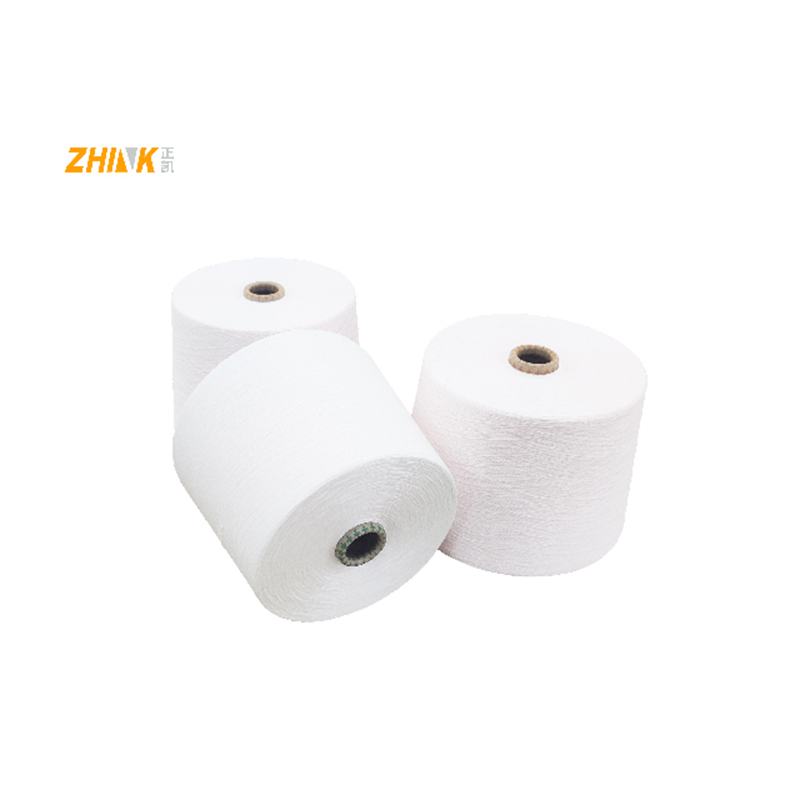
NE30 Cationic polyester yarn
The Complex World of NE30 Cationic Polyester Yarn
NE30 Cationic polyester yarn—it's a term you might have stumbled upon if you're diving into the textile industry. Yet, even for seasoned manufacturers, understanding its nuances can be a challenge. Let me share what I've gleaned from my own ventures into this specialized material.
A Quick Overview
This particular yarn stands out due to its cationic dyeable properties, paving the way for brilliant color vibrancy that’s hard to achieve with traditional polyesters. At SHANDONG ZHINK NEW MATERIAL CO., LTD, we’ve delved into its capabilities deeply, uncovering both its potential and its quirks.
What's fascinating is how the cationic properties play a crucial role. They significantly improve dye affinity, which allows for a broader range of bright colors. Nevertheless, these benefits come with their set of challenges. Achieving the perfect dyeing could be tricky—temperature, time, and pH levels all require precision. Miss the mark, and you're courting inconsistency.
In the lab, I’ve seen that the fiber structure itself mandates a meticulous approach. Those new to processing NE30 might find the learning curve steep. You can’t rush the refining process. Patience—and a good eye—is everything.
Practical Uses and Limitations
One of the most common applications for NE30 Cationic yarn is in high-end textile products where color consistency is crucial. At Zhink New Material, our focus has been predominantly on how these yarns perform under different weaving techniques. Textured, soft, yet incredibly resilient fabrics emerge when executed correctly.
However, scalability is a hurdle. Anyone in production knows that scaling a new material often unveils unforeseen issues. With NE30, maintaining color uniformity at scale can become rather complicated, leading to increased waste and costs.
We once attempted an upscale for a client in fashion design, only to face color irregularities. Adjustments in the process didn't come easy, but they taught us invaluable lessons about flow and precise control methods.
The Influence of Technology
The adoption of advanced technology plays a pivotal role in harnessing the full potential of these yarns. At our facility, integrating AI-powered dyeing systems allowed us to improve accuracy when managing the delicate balance NE30 requires.
Yet, technology isn't the panacea. The human touch, experience, and intuition still drive success. Automation aids, sure, but understanding the material needs more than just machines.
It's this balance of tech and human ingenuity that’s catapulting companies like ours to the forefront of textile innovation. For instance, working closely with seasoned engineers proved just as crucial as the technology guiding them.
Market Demand and Trends
The textile industry's appetite for vibrant, high-performance yarns means that demand for NE30 isn't waning. But here's the catch—meeting those demands involves constant innovation, and a keen eye on emerging trends.
I’ve watched as demand sometimes outpaces technological advancements. Staying ahead hinges on proactive research and development efforts. For our part, SHANDONG ZHINK NEW MATERIAL CO., LTD, keeps a pulse on consumer trends, deriving new ideas from market insights.
Furthermore, sustainability concerns shape ongoing trends. We aim to optimize environmental impact while delivering top-notch products, a balance we constantly strive to maintain via sustainable practices.
Lessons from Experience
In retrospect, NE30 Cationic polyester yarn is as much about its unique properties as it is about how well these characteristics are managed. Whether aligning fancy dyeing processes or mending supply chain hiccups, the key is adaptability.
Reflecting on our journey, flexibility and a willingness to adapt stood out as crucial lessons. The unpredictability along the way often led to breakthroughs not just in processes but also in team dynamics.
Ultimately, it’s clear: understanding NE30 is tantamount to understanding its ecosystem. From initial trials to present-day implementations, each step fuses knowledge, observation, and adaptability—an ongoing journey for those of us in the ever-evolving world of textiles.
Related Products
Related Products