+86-632-3621866
- Chinese
- French
- German
- Portuguese
- Spanish
- Russian
- Japanese
- Korean
- Arabic
- Irish
- Greek
- Turkish
- Italian
- Danish
- Romanian
- Indonesian
- Czech
- Afrikaans
- Swedish
- Polish
- Basque
- Catalan
- Esperanto
- Hindi
- Lao
- Albanian
- Amharic
- Armenian
- Azerbaijani
- Belarusian
- Bengali
- Bosnian
- Bulgarian
- Cebuano
- Chichewa
- Corsican
- Croatian
- Dutch
- Estonian
- Filipino
- Finnish
- Frisian
- Galician
- Georgian
- Gujarati
- Haitian
- Hausa
- Hawaiian
- Hebrew
- Hmong
- Hungarian
- Icelandic
- Igbo
- Javanese
- Kannada
- Kazakh
- Khmer
- Kurdish
- Kyrgyz
- Latin
- Latvian
- Lithuanian
- Luxembou..
- Macedonian
- Malagasy
- Malay
- Malayalam
- Maltese
- Maori
- Marathi
- Mongolian
- Burmese
- Nepali
- Norwegian
- Pashto
- Persian
- Punjabi
- Serbian
- Sesotho
- Sinhala
- Slovak
- Slovenian
- Somali
- Samoan
- Scots Gaelic
- Shona
- Sindhi
- Sundanese
- Swahili
- Tajik
- Tamil
- Telugu
- Thai
- Ukrainian
- Urdu
- Uzbek
- Vietnamese
- Welsh
- Xhosa
- Yiddish
- Yoruba
- Zulu
- Kinyarwanda
- Tatar
- Oriya
- Turkmen
- Uyghur



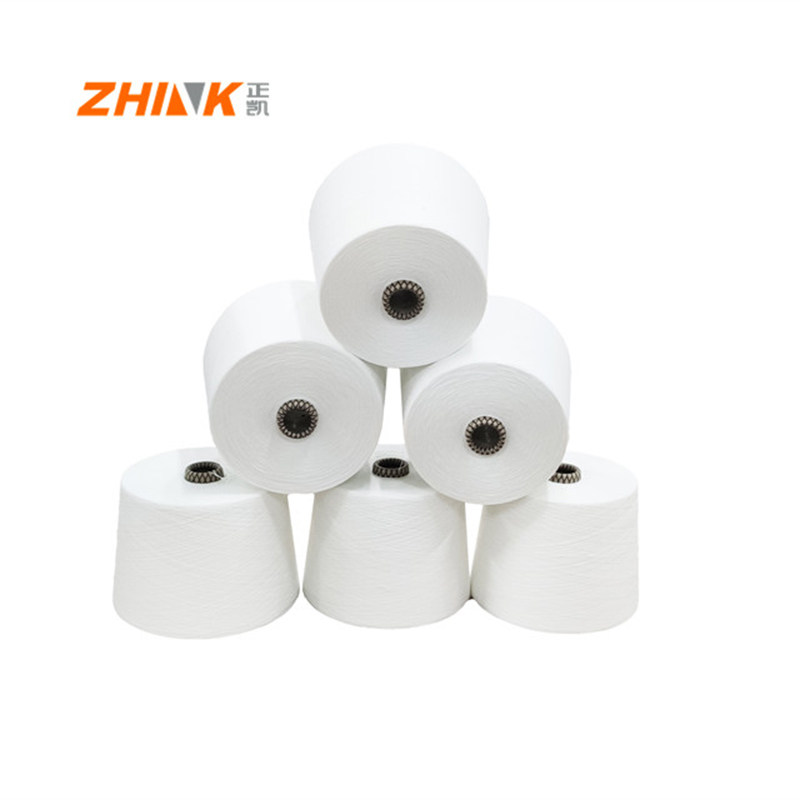
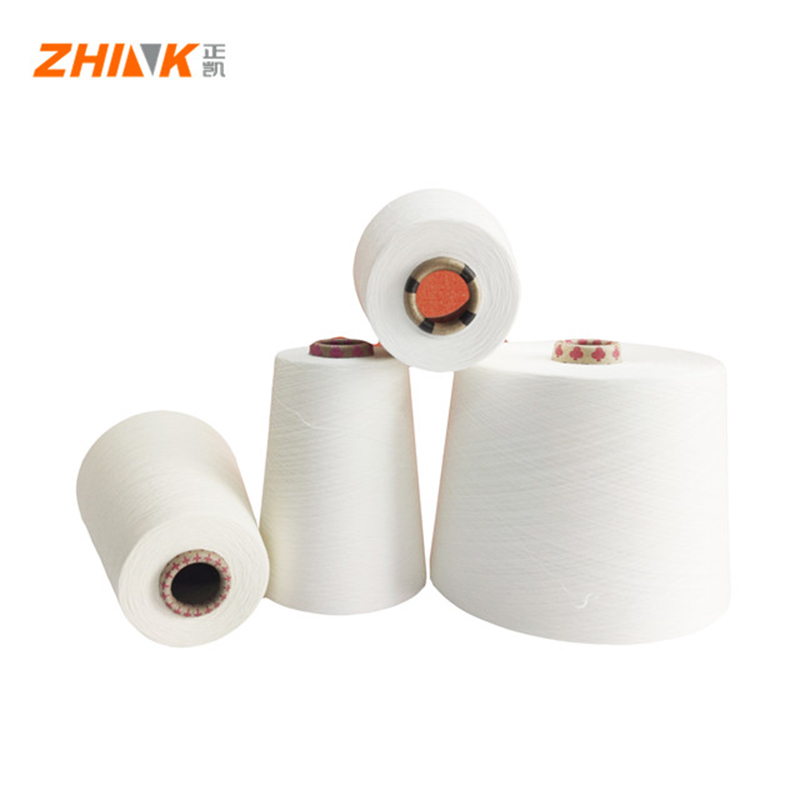
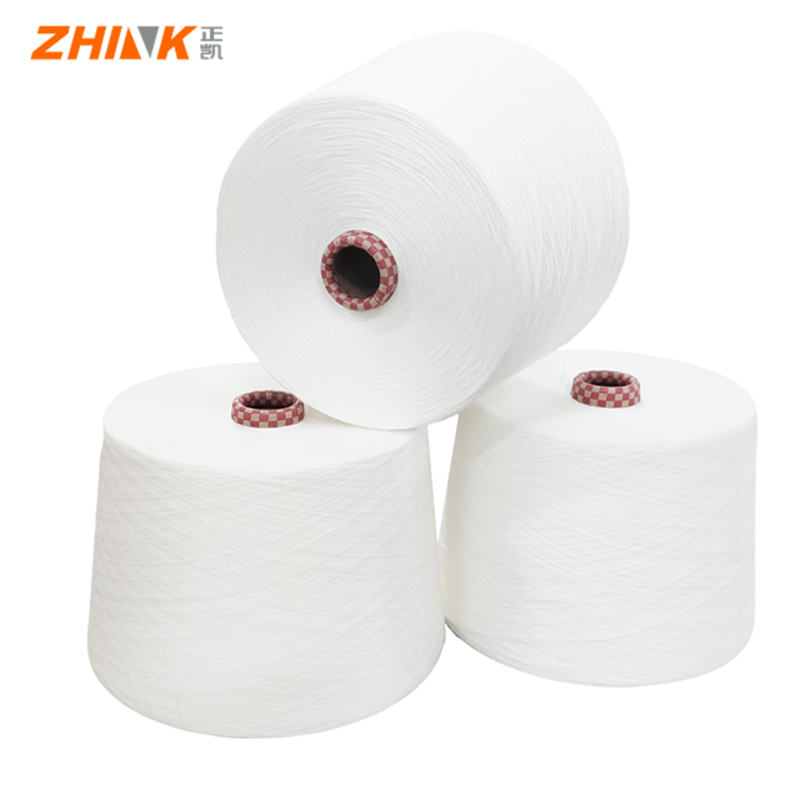
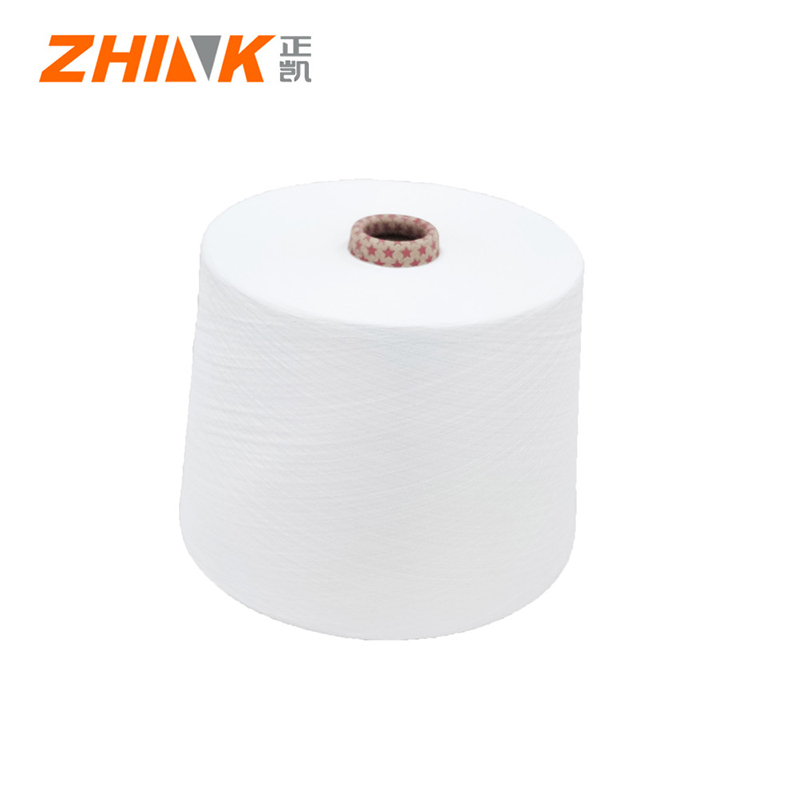
NE30 Flame retardant acrylic yarn
Exploring the Versatility of NE30 Flame Retardant Acrylic Yarn
Innovative, reliable, and indispensable in various industries—these are just a few words to describe the NE30 Flame Retardant Acrylic Yarn. This article delves into its substantial role, application challenges, and industry impact, drawing from firsthand experiences and insights.
Understanding the Basic Composition
The essence of flame retardant acrylic yarn lies in its composition. It’s intriguing how the blend of modified acrylic fibers alters conventional perceptions. In industry terms, NE30 refers to the yarn count, a crucial spec affecting performance and end-use. Sounds trivial, unless you’ve dealt with mismatched counts that led to an entire production line halt—costly mistake, yet a priceless lesson.
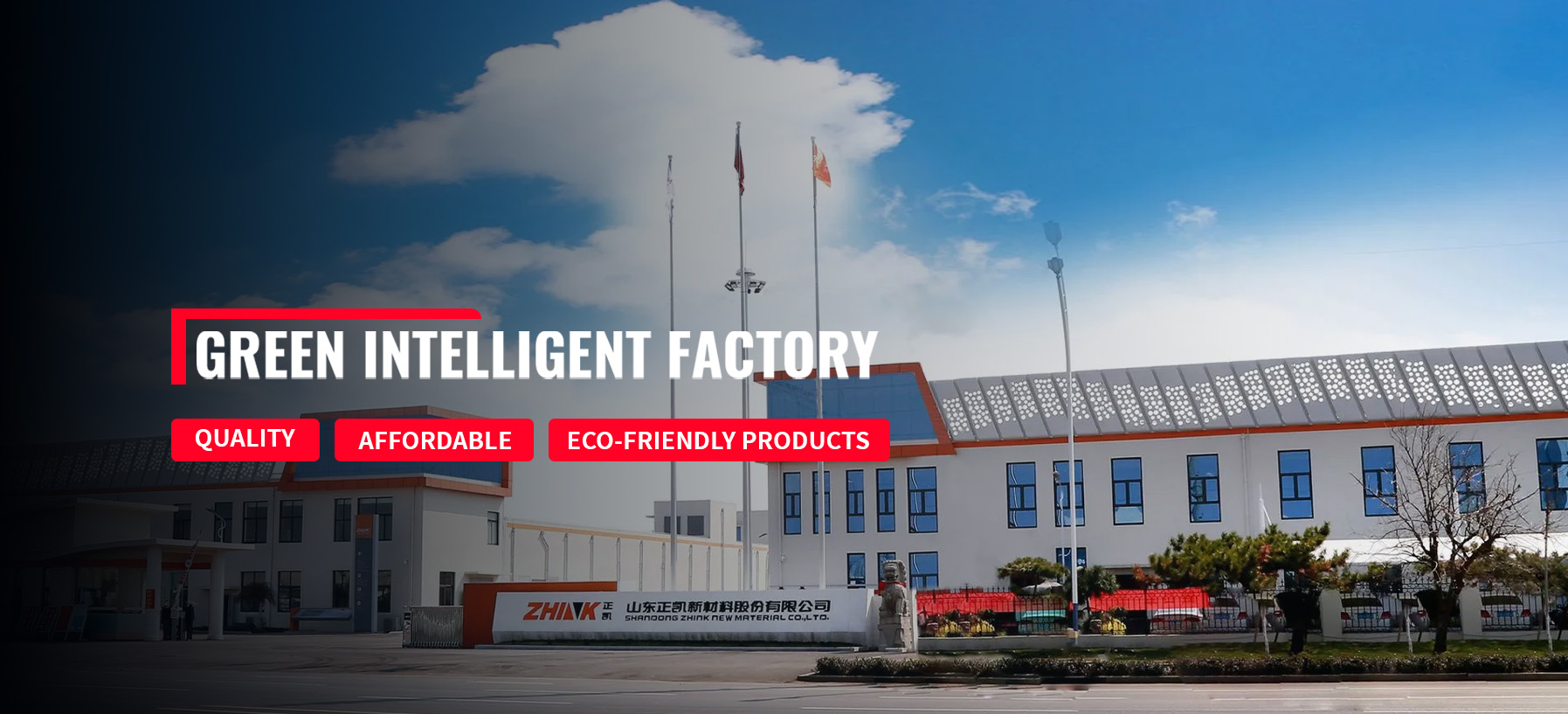
Not all flame retardant yarns are created equal. SHANDONG ZHINK NEW MATERIAL CO., LTD, accessible via their site, offers a meticulous breakdown of composition on their products. Their research-driven approach continuously pushes the boundaries of safety standards, a fact many just skim over but is felt deeply during a material audit.
From firsthand, blending challenges present themselves where flexibility meets regulations. It’s a dance of sorts—balancing the right feel and drape without compromising on safety. Recall a project from last year; selecting NE30 turned out to be the linchpin for passing fire safety protocols at a fraction of prior projected costs.
Application in Various Sectors
The multitude of uses for flame retardant acrylic yarn can be overwhelming. We see prominent applications across household, industrial, and automotive sectors. Each of these has its unique demands and pitfalls, particularly when not synchronized with client expectations.
Take automotive interiors for example. It’s not merely about meeting specs but also ensuring that the tactile experience aligns with luxury aspirations. I once had to swap entire batches, twice, due to a subtle oversight on yarn texture impacting brand perception, reinforcing the lesson that technical specs are only half the story.
This brings us to the question of environmental adaptability. Inconsistent environmental testing led us to adopt a more rigorous, region-specific testing methodology—something ZHINK’s resources allude to but often glossed over in initial planning phases.
Challenges in Production
On the production line, real-time issues can challenge even seasoned teams. It’s the subtle things—the humidity on a rainy day impacting tension consistency, or a sudden shift in order specs requiring immediate recalibration of machines.
It’s applicable to NE30 flame retardant acrylic yarn—maintaining uniform tension and minimizing knotting are the order of the day. Once, a misalignment meant losing hours and resulted in additional quality checks, driving home the need for robust process reviews.
Interestingly, the challenge of maintaining dye consistency can’t be overlooked. That vibrant hue clients crave? It demands a deft hand and keen eye, particularly when dealing with bespoke requirements that push conventional dye limits.
The Importance of Compliance and Testing
Anyone with experience knows that compliance is more than just ticking boxes. It’s seeing the relief on a client's face knowing their standards are met without compromising functionality or safety.
Testing becomes your anchor. It’s about internal benchmarks often far exceeding regulatory demands—a philosophy quite prevalent at SHANDONG ZHINK NEW MATERIAL CO., LTD. Their approach is, consider the impact of repeated testing instances and how they reinforce yarn’s stability in varying conditions.
Lessons from failed tests harbor more depth. They aren’t setbacks but diagnostic keys, guiding next iterations with enriched insight. Every non-compliance issue tackled often yields a fresh perspective on production dynamics and material behavior.
Future Trends in Textile Innovation
Looking ahead, evolving demands push continual innovation. The conversation around sustainable flame retardant solutions adds layers to the already complex interplay of yarn manufacturing.
Those dibbling in R&D appreciate the ripple effect that discovery in polymer chemistry can have. Collaborative initiatives such as those seen at ZHINK showcase the potential for neutralizing environmental impact while retaining material integrity.
The practical implications involve tighter integrations with component developers and end-users. Forward-thinking players frame yarn development around broader ecological narratives, once niche but now moving mainstream.
This textured exploration of NE30 Flame Retardant Acrylic Yarn from a professional lens aims at a nuanced appreciation rather than a mere academic glance. It's a dynamic field, demanding agility as well as steadfast adherence to craft—an ongoing journey for any textile professional.
Related Products
Related Products