
+86-632-3621866
- Chinese
- French
- German
- Portuguese
- Spanish
- Russian
- Japanese
- Korean
- Arabic
- Irish
- Greek
- Turkish
- Italian
- Danish
- Romanian
- Indonesian
- Czech
- Afrikaans
- Swedish
- Polish
- Basque
- Catalan
- Esperanto
- Hindi
- Lao
- Albanian
- Amharic
- Armenian
- Azerbaijani
- Belarusian
- Bengali
- Bosnian
- Bulgarian
- Cebuano
- Chichewa
- Corsican
- Croatian
- Dutch
- Estonian
- Filipino
- Finnish
- Frisian
- Galician
- Georgian
- Gujarati
- Haitian
- Hausa
- Hawaiian
- Hebrew
- Hmong
- Hungarian
- Icelandic
- Igbo
- Javanese
- Kannada
- Kazakh
- Khmer
- Kurdish
- Kyrgyz
- Latin
- Latvian
- Lithuanian
- Luxembou..
- Macedonian
- Malagasy
- Malay
- Malayalam
- Maltese
- Maori
- Marathi
- Mongolian
- Burmese
- Nepali
- Norwegian
- Pashto
- Persian
- Punjabi
- Serbian
- Sesotho
- Sinhala
- Slovak
- Slovenian
- Somali
- Samoan
- Scots Gaelic
- Shona
- Sindhi
- Sundanese
- Swahili
- Tajik
- Tamil
- Telugu
- Thai
- Ukrainian
- Urdu
- Uzbek
- Vietnamese
- Welsh
- Xhosa
- Yiddish
- Yoruba
- Zulu
- Kinyarwanda
- Tatar
- Oriya
- Turkmen
- Uyghur


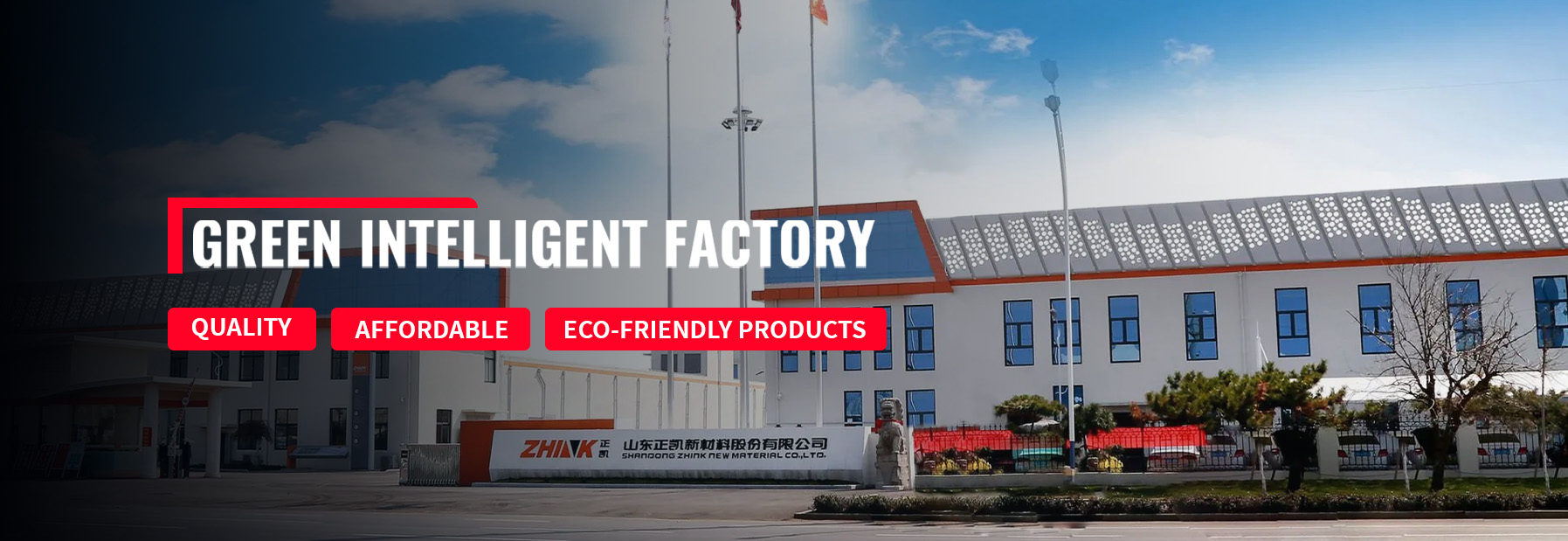
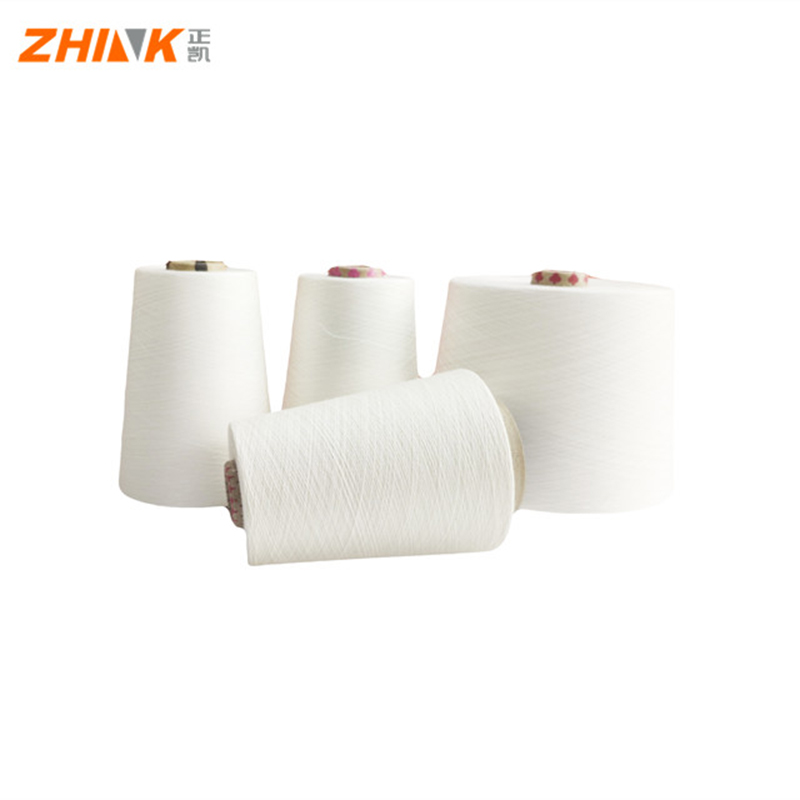
NE30 Recycled polyester yarn
The Rise of NE30 Recycled Polyester Yarn
NE30 Recycled Polyester Yarn is more than just a buzzword in the textile industry—it's a testament to how sustainability is woven into the very fabric of modern manufacturing. But there are misconceptions and challenges that linger, even among seasoned professionals. Is it as straightforward as it seems to create sustainable yarn that meets the demands of today's market?
Understanding NE30 Recycled Polyester Yarn
Diving into the world of NE30 Recycled Polyester Yarn, one quickly realizes that it is not merely about recycling plastic bottles into yarn. It's about crafting a consistent, durable, and aesthetically pleasing product that can compete with traditional materials. The fiber length, tensile strength, and dyeability are all crucial factors that affect its applicability in various textile products.
I remember an early attempt at using such polyester yarn in a high-performance sportswear line. The project promised sustainability but faced issues with moisture-wicking functionality. The recycled fibers, while eco-friendly, interacted differently with sweat than their virgin counterparts, leading to intensive R&D investments to match the specification requirements.
This illustrates how experimentation is an ongoing necessity in the field. Every application, from fashion to home textiles, requires a tailored approach to get the best out of recycled materials while maintaining environmental credentials.
The Role of SHANDONG ZHINK NEW MATERIAL CO., LTD
So where does SHANDONG ZHINK NEW MATERIAL CO., LTD fit into this? As a key player operating at the forefront of the industry, their website, www.zhinkyarn.com, is a rich resource for understanding how the NE30 yarn is developed and marketed. Zhink New Material excels in producing textile materials that marry sustainability with high-performance characteristics.
They leverage their extensive R&D capability to address some of the challenges mentioned, ensuring that recycled polyester yarn is not only eco-friendly but also competitive. This is crucial in a market where customer expectations are continually evolving, and the definition of 'premium' is not stationary.
What's intriguing about Zhink's approach is their focus on transparency. They openly discuss challenges—such as quality control during the recycling process—and the steps they're taking to mitigate these. This openness isn't just marketing savvy; it's an acknowledgment of the complexities involved in producing truly sustainable materials.
Navigating Industry Challenges
Creating NE30 Recycled Polyester Yarn isn't without its hurdles. There are ongoing debates about the energy efficiency of recycling processes compared to creating virgin polyester. These discussions often overlook practical manufacturing considerations, such as the economies of scale that can make recycled options more viable.
During one factory tour, I witnessed firsthand the balancing act manufacturers perform. Energy consumption is meticulously monitored, and process optimization is a relentless target. One engineer admitted that while recycled yarns are a step forward, they require as much vigilance and technological investment as any other advanced textile material.
Moreover, the logistical aspects of sourcing post-consumer plastics globally can introduce variability in the raw material quality—an aspect that must be diligently managed to ensure product consistency. This task is challenging but not insurmountable, with advances in technology continually providing new methods to overcome these barriers.
Environmental Impact and Market Perception
The push towards sustainability has certainly amplified interest in recycled yarns. NE30 Recycled Polyester Yarn is often at the center of these discussions due to its practicality and marketing potential. Consumers increasingly seek out products with a reduced environmental footprint, but there’s still a gap between perception and reality.
Navigating consumer expectations requires more than just labeling. It involves educating about the benefits—and limitations—of recycled materials. Brands need to engage in genuine dialogue rather than superficial claims of 'going green'. This is a recurring theme that I've experienced in client consultations.
Ultimately, the success of recycled yarns like NE30 will hinge on this educational process. As awareness grows, so will consumer demand, which in turn will pressure the industry to innovate further. SHANDONG ZHINK NEW MATERIAL CO., LTD, with their commitment to excellence, is well-placed to lead this change.
Future Prospects
Looking ahead, the expansion of NE30 Recycled Polyester Yarn in the market is poised for rapid growth. Industry insiders anticipate advancements that will significantly refine material properties, making them more competitive across various applications. Sustaining this momentum will require ongoing collaboration between manufacturers, brands, and consumers alike.
If my experiences are anything to go by, engagement at all levels—from innovation in recycling technologies to end-user education—will be fundamental. It's about creating a harmonious cycle where recycled materials are not just a trend, but an integral part of the textile industry.
In conclusion, as we continue to address the challenges and opportunities within NE30 Recycled Polyester Yarn, one thing's clear: the potential is vast, but it requires a concerted effort from all stakeholders involved. This makes the journey exciting yet demanding—an adventure for the industry's pioneers.
Related Products
Related Products

Best Selling Products
Best Selling Products-
 Polyester blended yarn
 -
 Flame retardant polyester spun yarn
 -
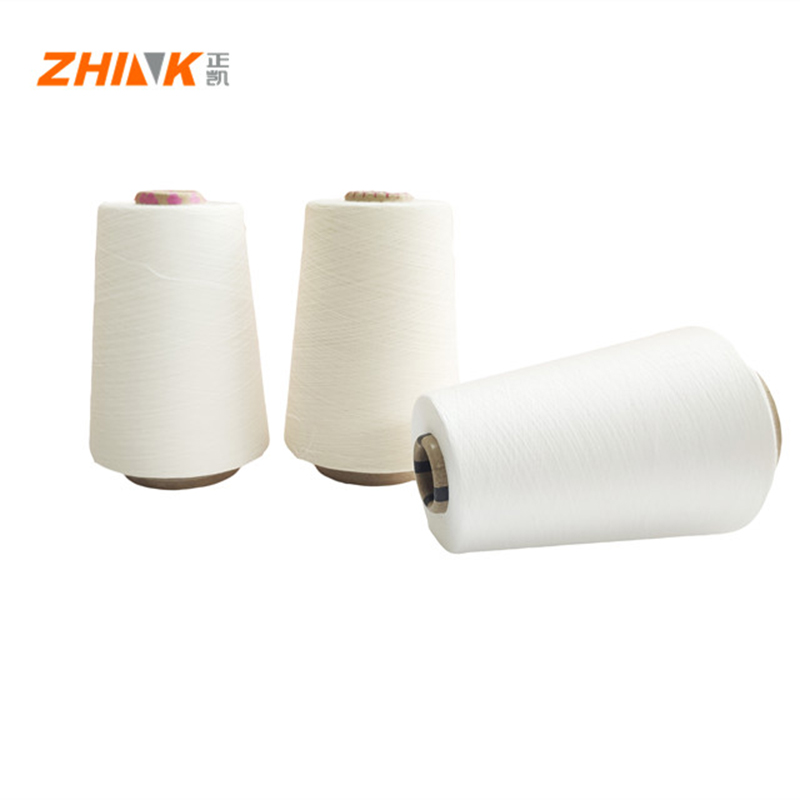 Flame retardant acrylic yarn
 -
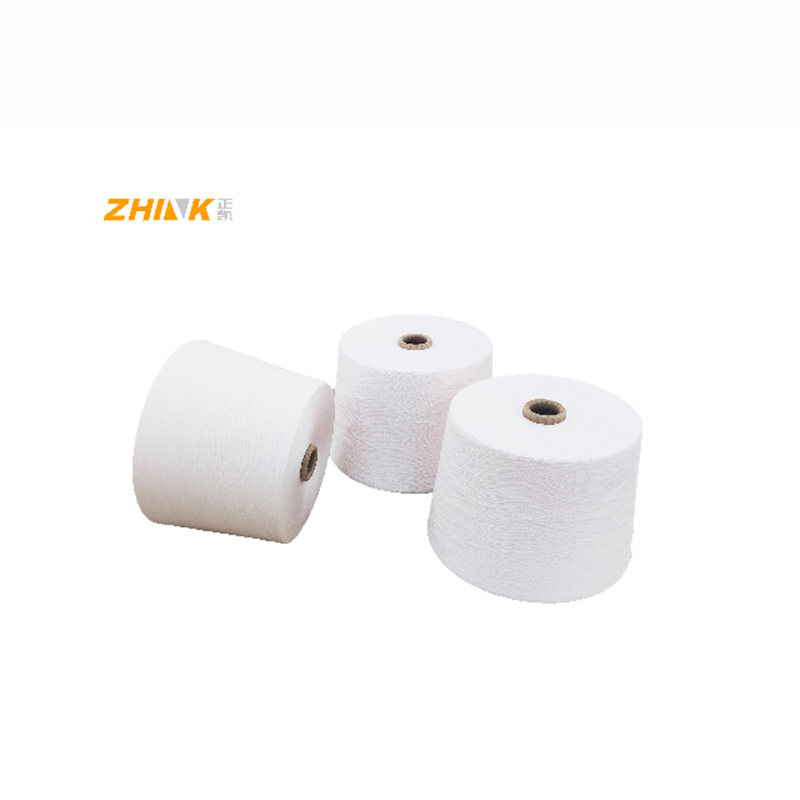 Recycled polyester spun yarn
 -
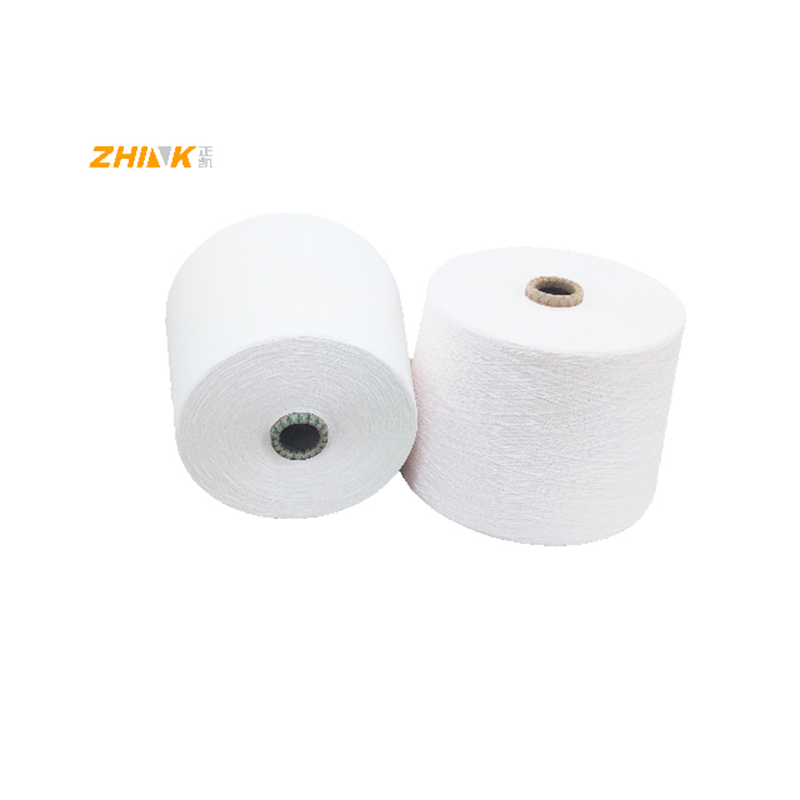 Cationic polyester yarn
 -
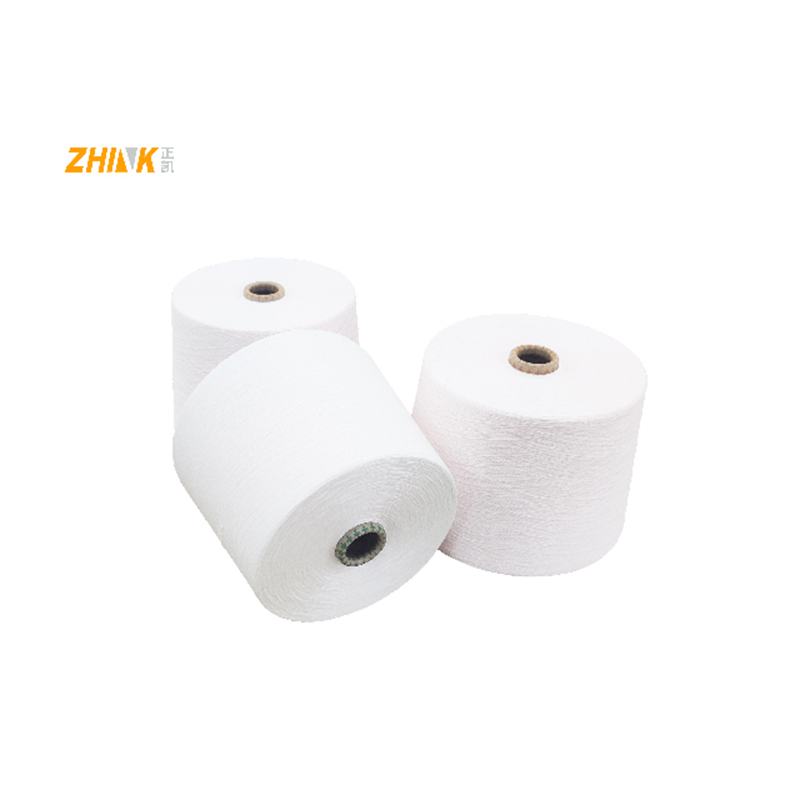 100% Viscose Yarn
 -
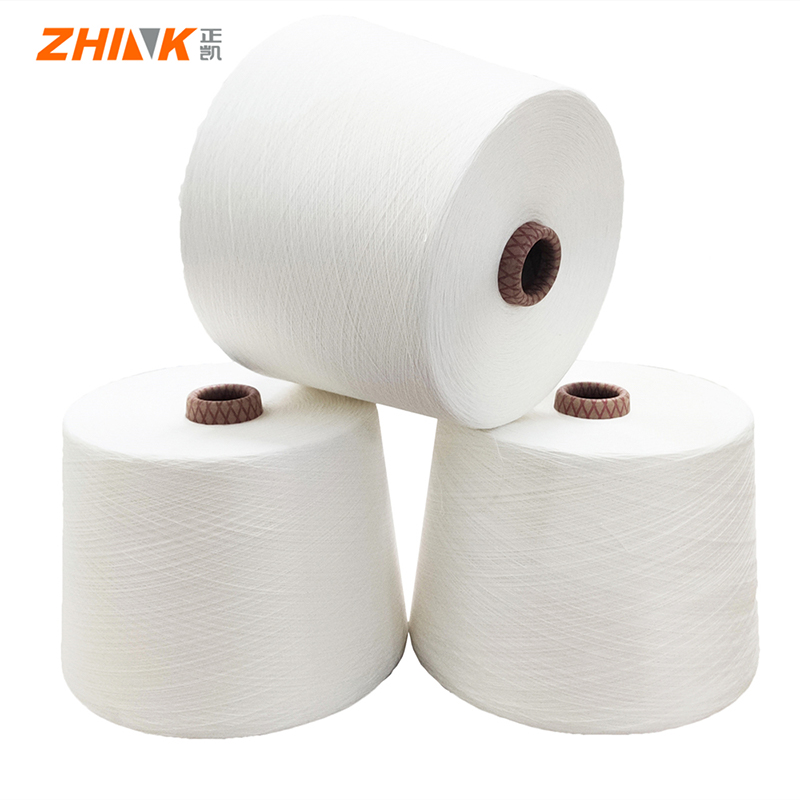 Bamboo Blended Yarn
 -
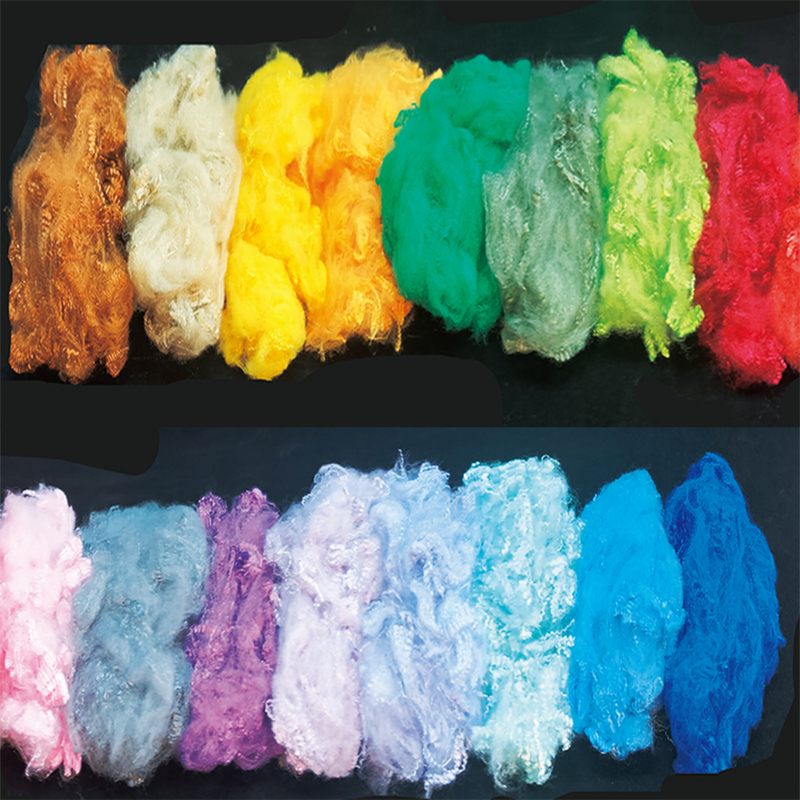 COLORED POLYESTER FIBER
 -
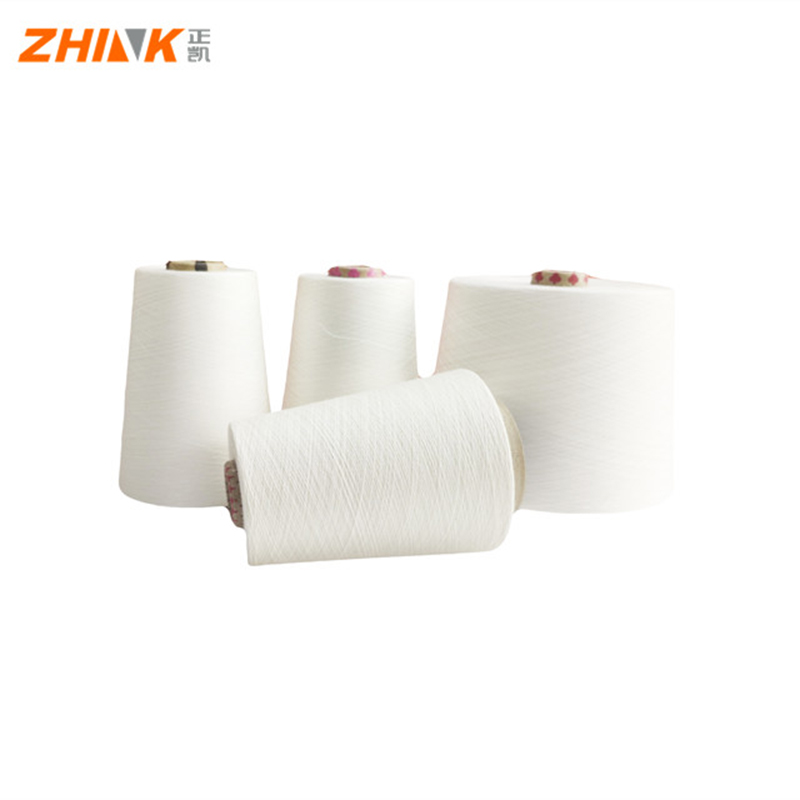 Wool & Cashmere Blended Yarn
 -
 100% polyester spun yarn
 -
 Silk Blended Yarn
 -
 RAW WHITE POLYESTER FIBER