+86-632-3621866
- Chinese
- French
- German
- Portuguese
- Spanish
- Russian
- Japanese
- Korean
- Arabic
- Irish
- Greek
- Turkish
- Italian
- Danish
- Romanian
- Indonesian
- Czech
- Afrikaans
- Swedish
- Polish
- Basque
- Catalan
- Esperanto
- Hindi
- Lao
- Albanian
- Amharic
- Armenian
- Azerbaijani
- Belarusian
- Bengali
- Bosnian
- Bulgarian
- Cebuano
- Chichewa
- Corsican
- Croatian
- Dutch
- Estonian
- Filipino
- Finnish
- Frisian
- Galician
- Georgian
- Gujarati
- Haitian
- Hausa
- Hawaiian
- Hebrew
- Hmong
- Hungarian
- Icelandic
- Igbo
- Javanese
- Kannada
- Kazakh
- Khmer
- Kurdish
- Kyrgyz
- Latin
- Latvian
- Lithuanian
- Luxembou..
- Macedonian
- Malagasy
- Malay
- Malayalam
- Maltese
- Maori
- Marathi
- Mongolian
- Burmese
- Nepali
- Norwegian
- Pashto
- Persian
- Punjabi
- Serbian
- Sesotho
- Sinhala
- Slovak
- Slovenian
- Somali
- Samoan
- Scots Gaelic
- Shona
- Sindhi
- Sundanese
- Swahili
- Tajik
- Tamil
- Telugu
- Thai
- Ukrainian
- Urdu
- Uzbek
- Vietnamese
- Welsh
- Xhosa
- Yiddish
- Yoruba
- Zulu
- Kinyarwanda
- Tatar
- Oriya
- Turkmen
- Uyghur



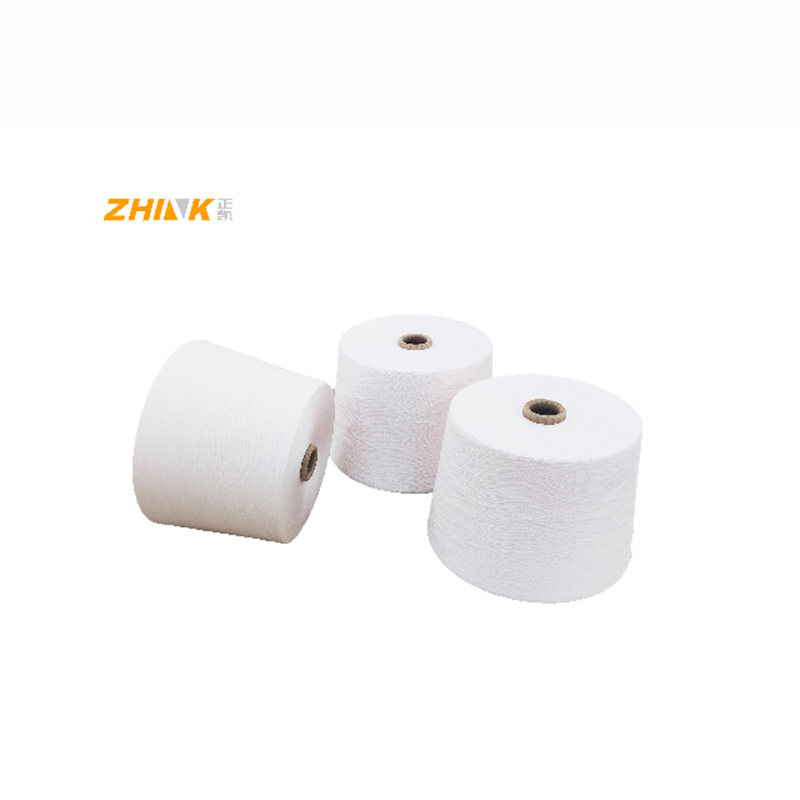
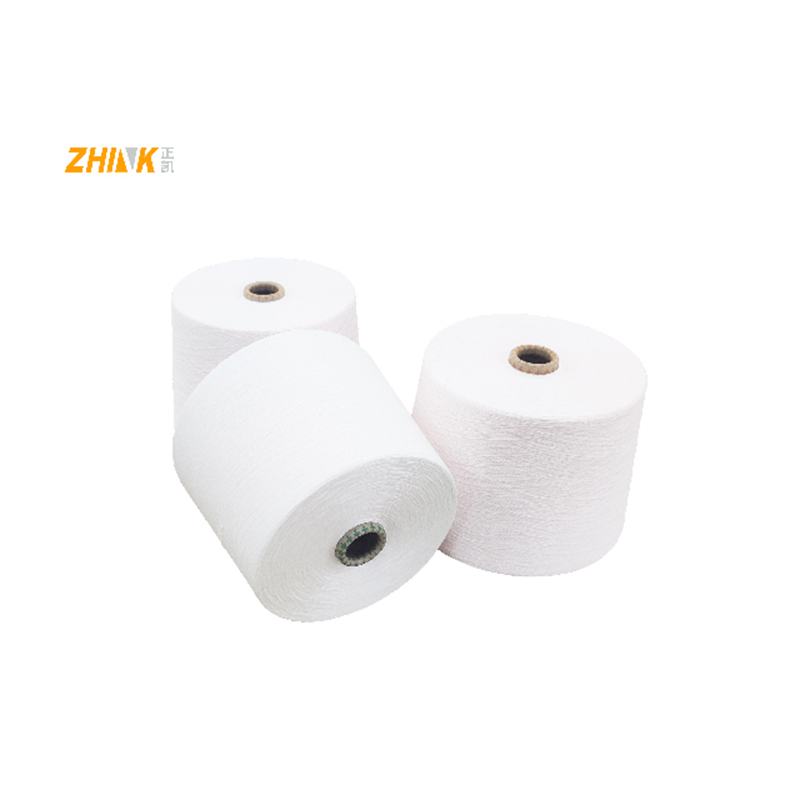
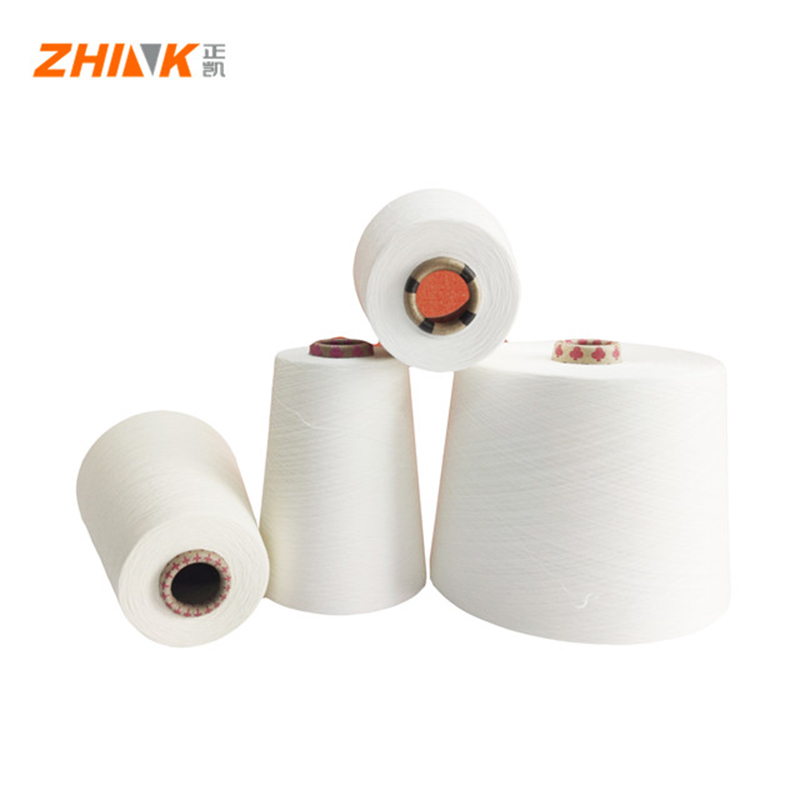
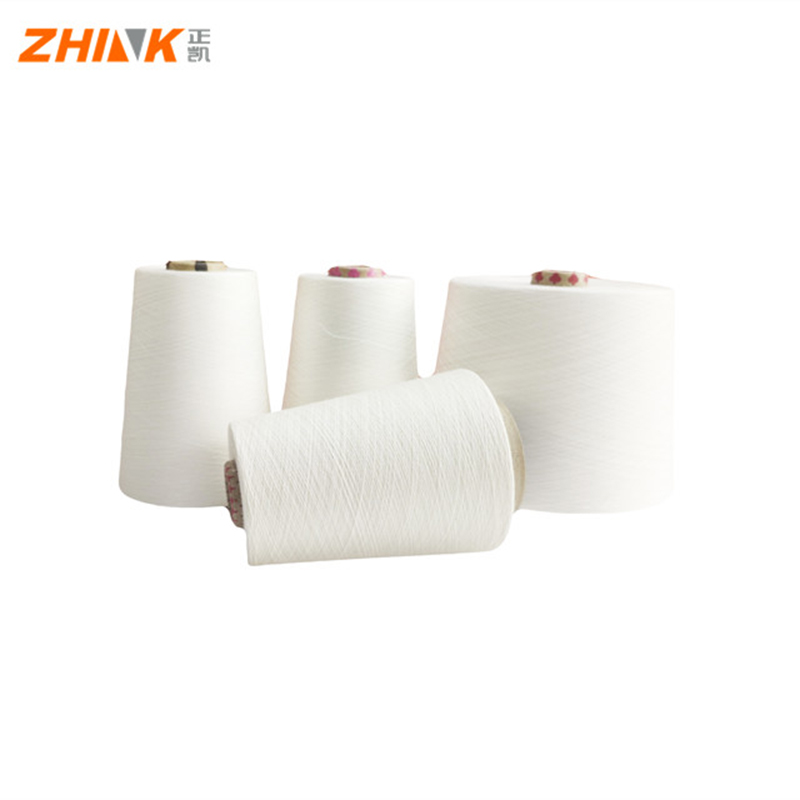
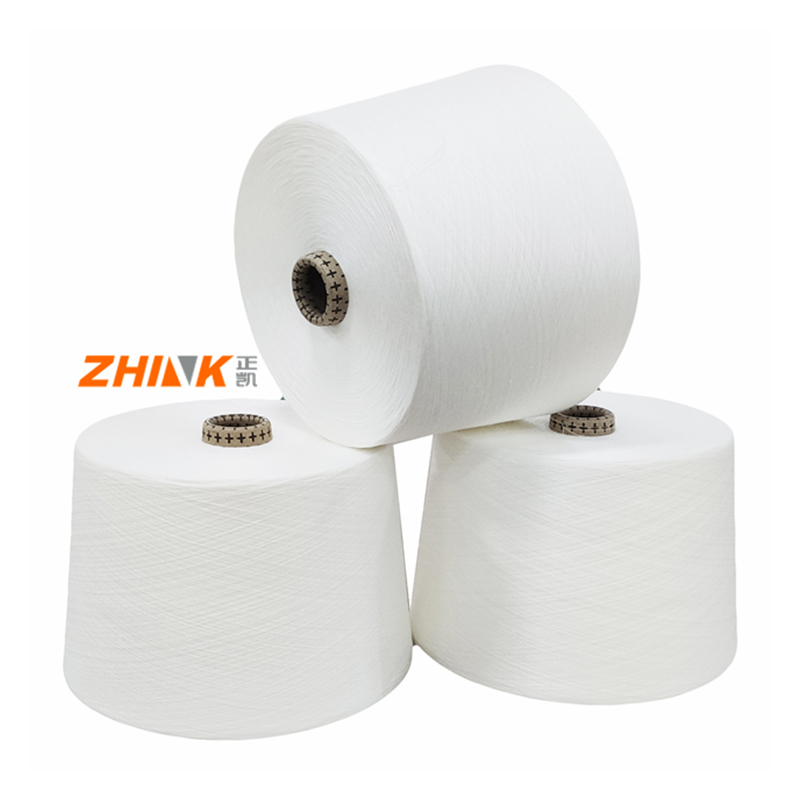
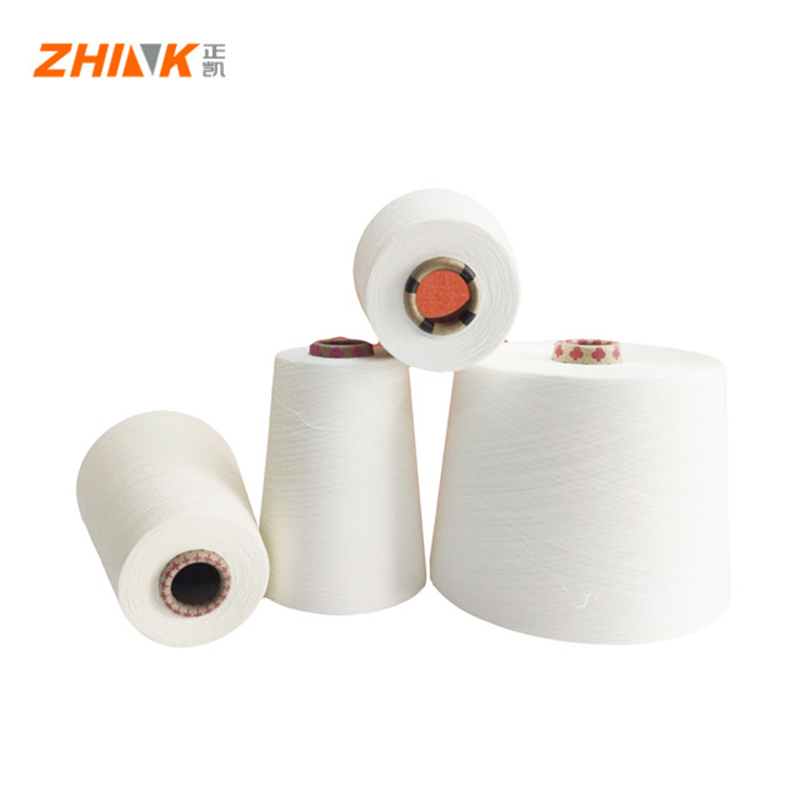
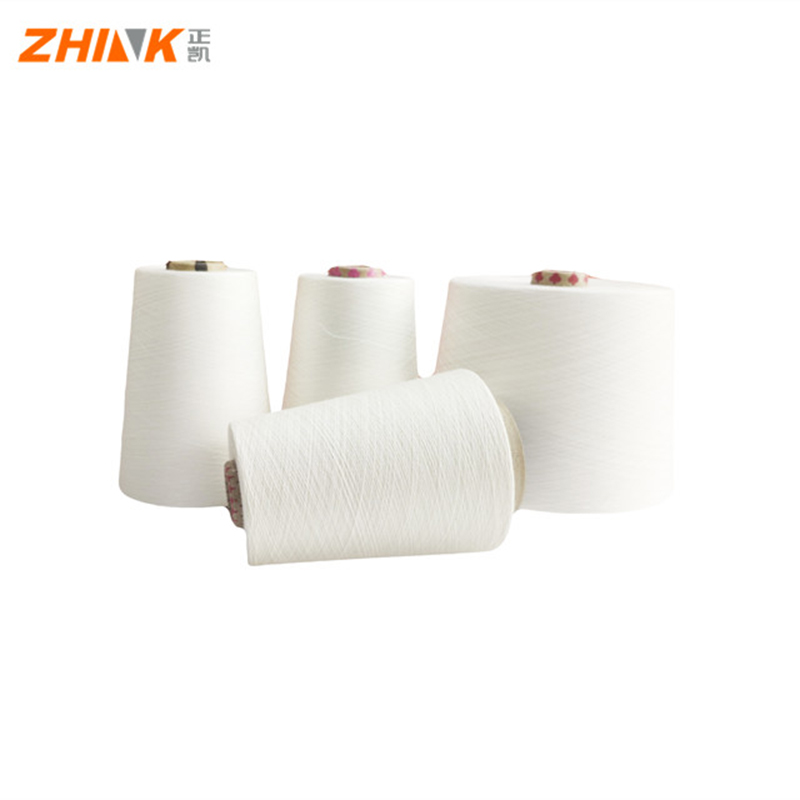
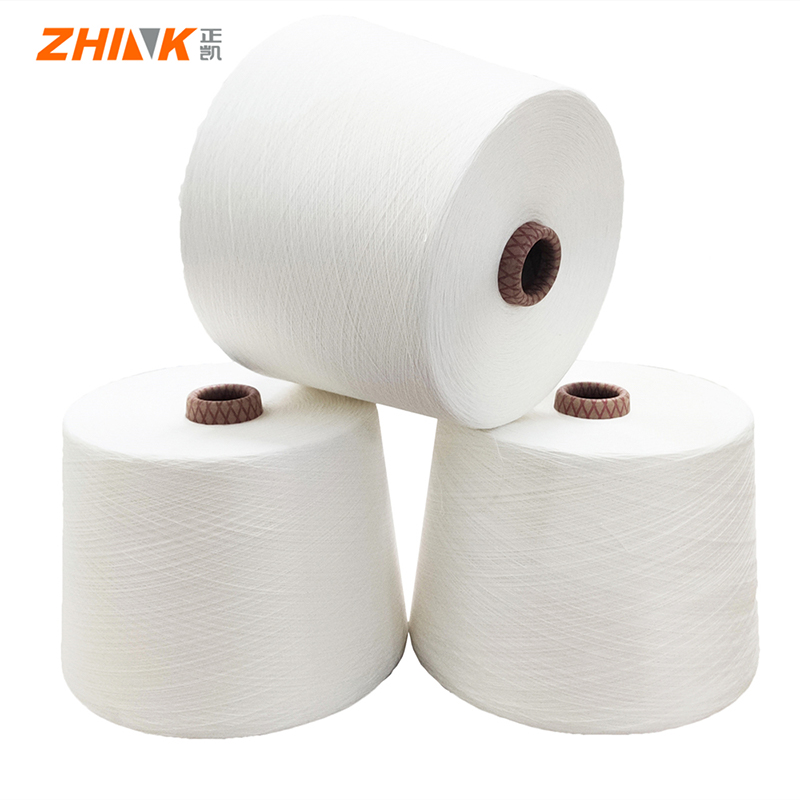
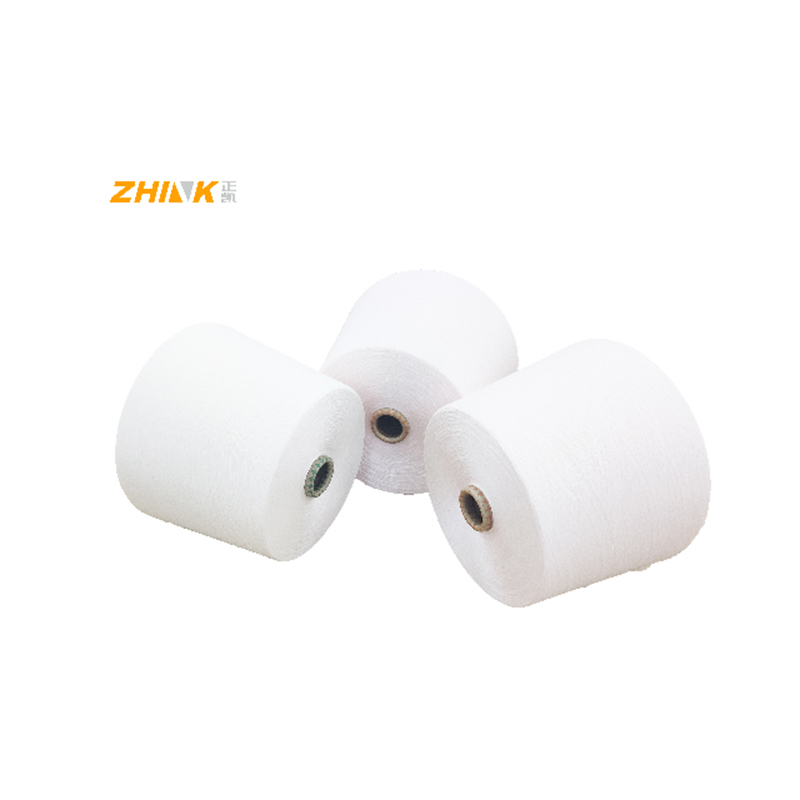
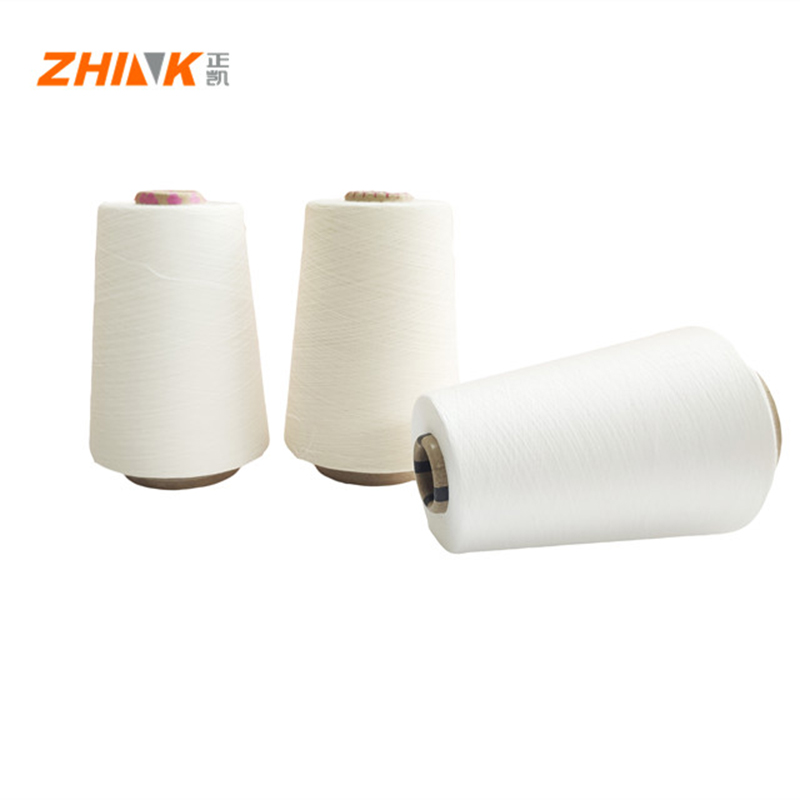
NE30 viscose yarn
Understanding NE30 Viscose Yarn: A Practical Insight
NE30 viscose yarn often appears straightforward, but delve a bit deeper, and you'll find nuances that any textile professional should know. It's not just about twisting fibers; it's a story of balance between usability and innovation.
The Basics of NE30 Viscose Yarn
When we talk about NE30 viscose yarn, we're really getting into the heart of textile versatility. The 'NE' refers to the English count, translating to yarn that is mid-range in thickness, right between finesse and sturdiness. Viscose, meanwhile, offers a silk-like quality at a more accessible price point. It sounds simple, yet the crafting process involves an intricate dance of chemistry and mechanical spinning.
A common oversight in the industry is underestimating viscose's sensitivity to moisture. From my experience, a bit of unexpected humidity can transform a neat spool into a mess. It's this unpredictability that makes handling and storing NE30 viscose yarn a challenge worth mastering.
I recall a time working on a batch where a slight variation in spinner tension resulted in inconsistent outputs. It taught me the importance of precision in every step—from raw material sourcing to machine calibration. The beauty of viscose lies in its adaptability, but it demands respect for its delicate nature.
Applications and Adaptability
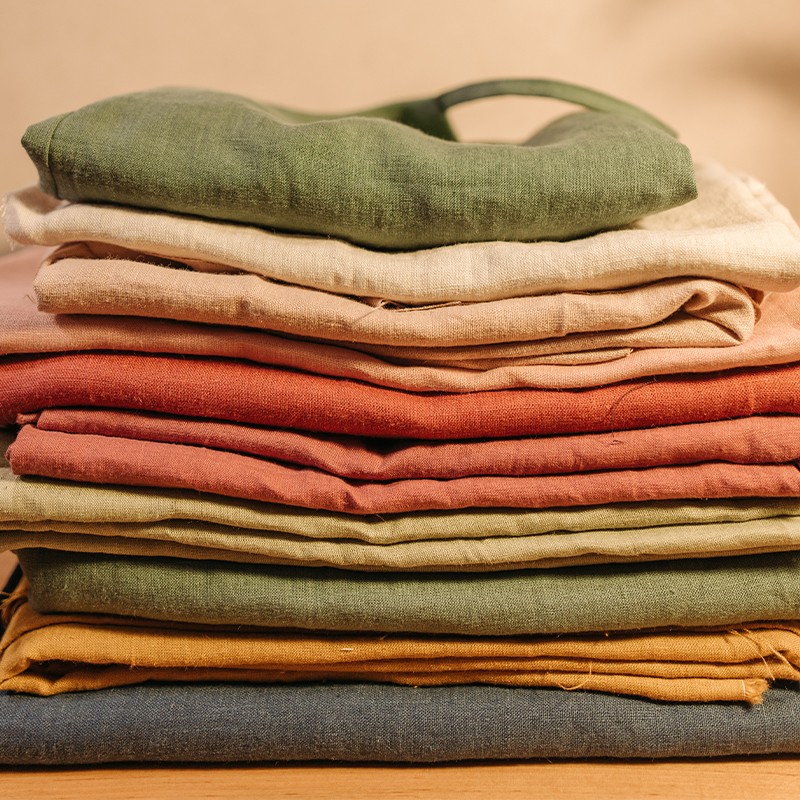
NE30 viscose yarn shines in a range of applications, boasting versatility that makes it a favorite in the fashion and upholstery industries. Its texture offers comfort, and when dyed, it yields vibrant hues. But, like any material, it has its quirks. It's crucial to keep in mind that while viscose is soft, it may lack durability when wet compared to cotton.
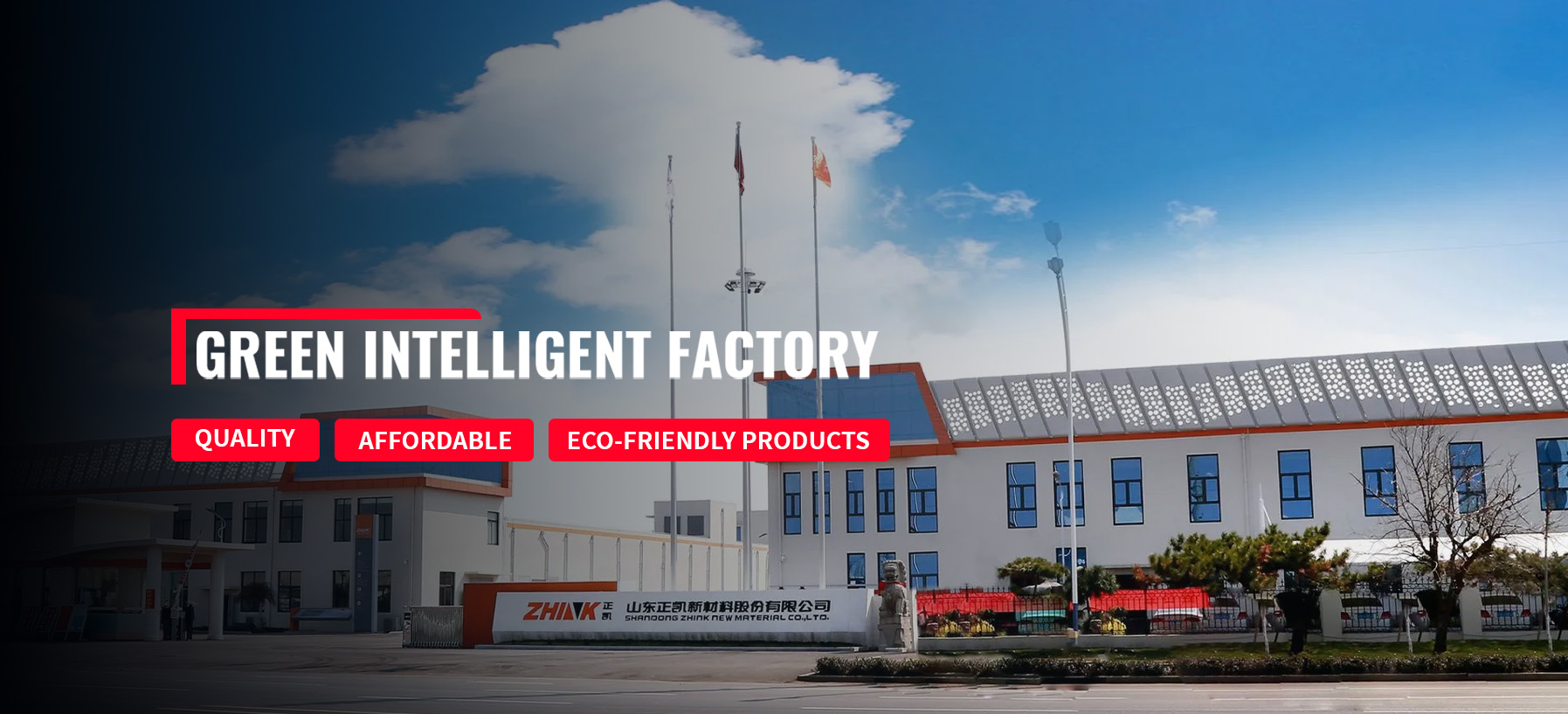
Working as a consultant for SHANDONG ZHINK NEW MATERIAL CO., LTD (visit: website), I've observed the company's focus on innovation. They have consistently honed techniques to improve viscose's resilience, pushing the envelope on how this yarn can be used. The blend of research and real-world application they exercise is impressive.
Using NE30 in garments means planning for care. Customers love the softness, but they often need reminding that gentle washing is essential. Designing with this yarn involves not just creativity, but also anticipating consumer behavior.
Challenges in Production
As straightforward as NE30 viscose yarn might seem, production isn't without hurdles. The spinning process requires precise environmental control. Heat and humidity need constant monitoring. It reminds me of a project where the air conditioning failed—a simple mishap turned into a cascade of adjustments to get back on track.
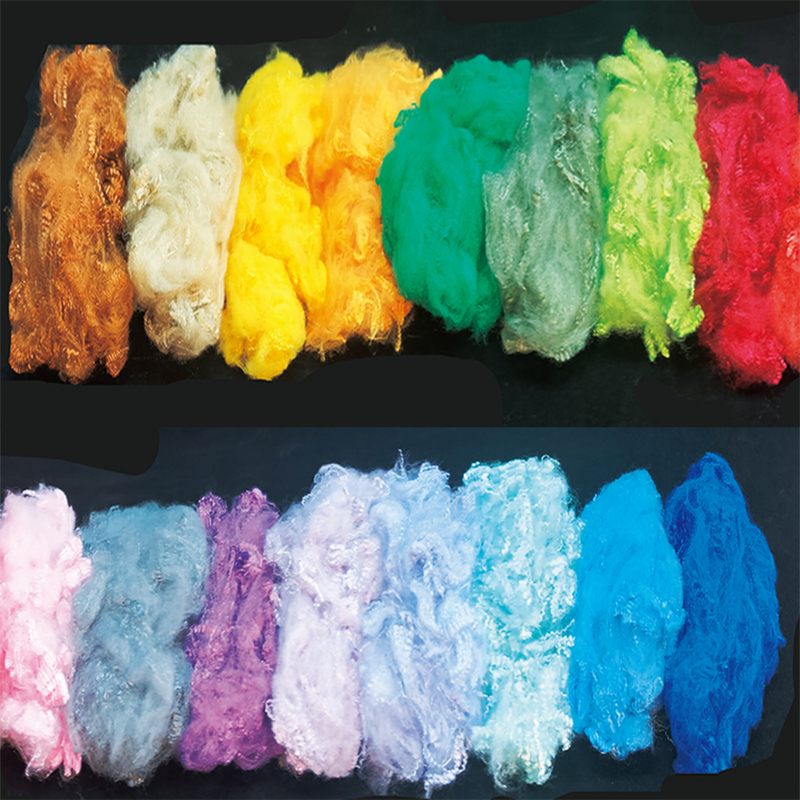
Color consistency is another tricky part. Viscose absorbs dyes well, but achieving uniformity is a mix of art and science. At SHANDONG ZHINK NEW MATERIAL CO., LTD, the dye technicians use a keen eye and advanced technology to meet this challenge.
Moreover, quality control can't be overemphasized. Each batch is sample-tested for strength, elasticity, and shade matching. It’s a rigorous process, but essential to maintain the yarn’s reputation in the market.
Advantages Over Other Yarn Types
So, why opt for NE30 viscose over other yarns? That soft, breathable quality makes it ideal for lightweight clothing and summer wear. Its adaptability allows designers to experiment with patterns and drapes that are hard to achieve with other materials.
That said, it's important to remember viscose's limitations. It's more sustainable than fully synthetic fibers, but less so than organic cotton. Yet, companies like SHANDONG ZHINK are actively improving production practices to boost its eco-friendly profile.
From sweaters that transition between seasons to lounge sets that offer comfort without sacrificing style, NE30 viscose yarn offers an option that balances aesthetics with performance.
Forward-Looking Perspectives
The future of NE30 viscose yarn seems promising, particularly with ongoing advancements in textile technology. Efforts are on to enhance its moisture resistance and durability, areas that have historically been viewed as weaknesses.
At SHANDONG ZHINK, there’s a palpable excitement around these innovations. The integration of high-tech manufacturing processes means that what we once saw as limitations are evolving into new possibilities. Staying ahead in the market involves embracing these shifts and continually adapting.
Ultimately, working with viscose is a journey of constant learning. It's a material that offers rewards to those who spend the time to truly understand its character. As more companies invest in this field, the potential applications for NE30 viscose yarn continue to expand, promising a dynamic future for textile design and production.
Related Products
Related Products