+86-632-3621866
- Chinese
- French
- German
- Portuguese
- Spanish
- Russian
- Japanese
- Korean
- Arabic
- Irish
- Greek
- Turkish
- Italian
- Danish
- Romanian
- Indonesian
- Czech
- Afrikaans
- Swedish
- Polish
- Basque
- Catalan
- Esperanto
- Hindi
- Lao
- Albanian
- Amharic
- Armenian
- Azerbaijani
- Belarusian
- Bengali
- Bosnian
- Bulgarian
- Cebuano
- Chichewa
- Corsican
- Croatian
- Dutch
- Estonian
- Filipino
- Finnish
- Frisian
- Galician
- Georgian
- Gujarati
- Haitian
- Hausa
- Hawaiian
- Hebrew
- Hmong
- Hungarian
- Icelandic
- Igbo
- Javanese
- Kannada
- Kazakh
- Khmer
- Kurdish
- Kyrgyz
- Latin
- Latvian
- Lithuanian
- Luxembou..
- Macedonian
- Malagasy
- Malay
- Malayalam
- Maltese
- Maori
- Marathi
- Mongolian
- Burmese
- Nepali
- Norwegian
- Pashto
- Persian
- Punjabi
- Serbian
- Sesotho
- Sinhala
- Slovak
- Slovenian
- Somali
- Samoan
- Scots Gaelic
- Shona
- Sindhi
- Sundanese
- Swahili
- Tajik
- Tamil
- Telugu
- Thai
- Ukrainian
- Urdu
- Uzbek
- Vietnamese
- Welsh
- Xhosa
- Yiddish
- Yoruba
- Zulu
- Kinyarwanda
- Tatar
- Oriya
- Turkmen
- Uyghur



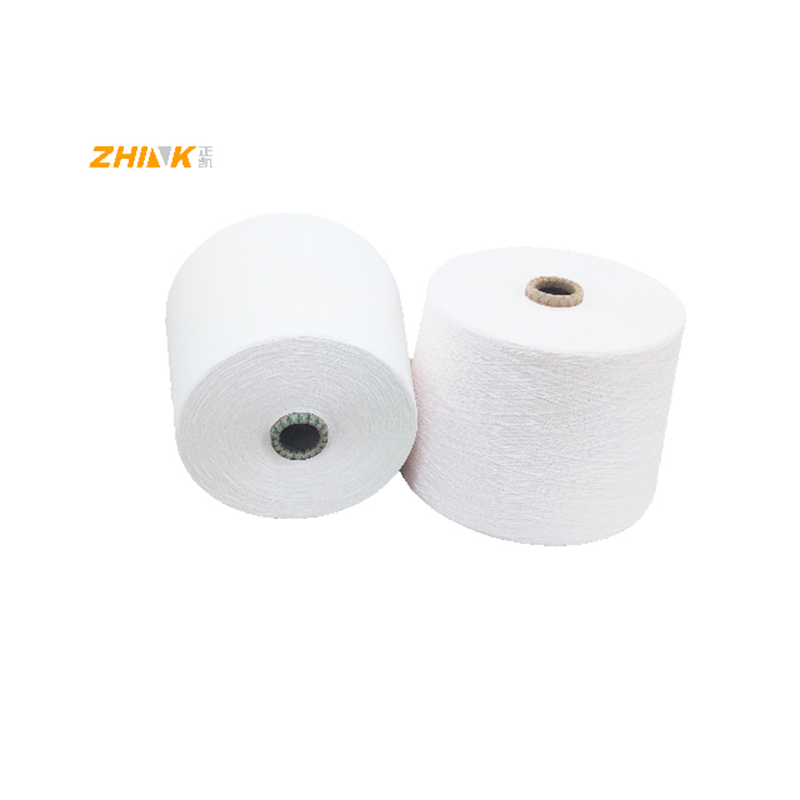
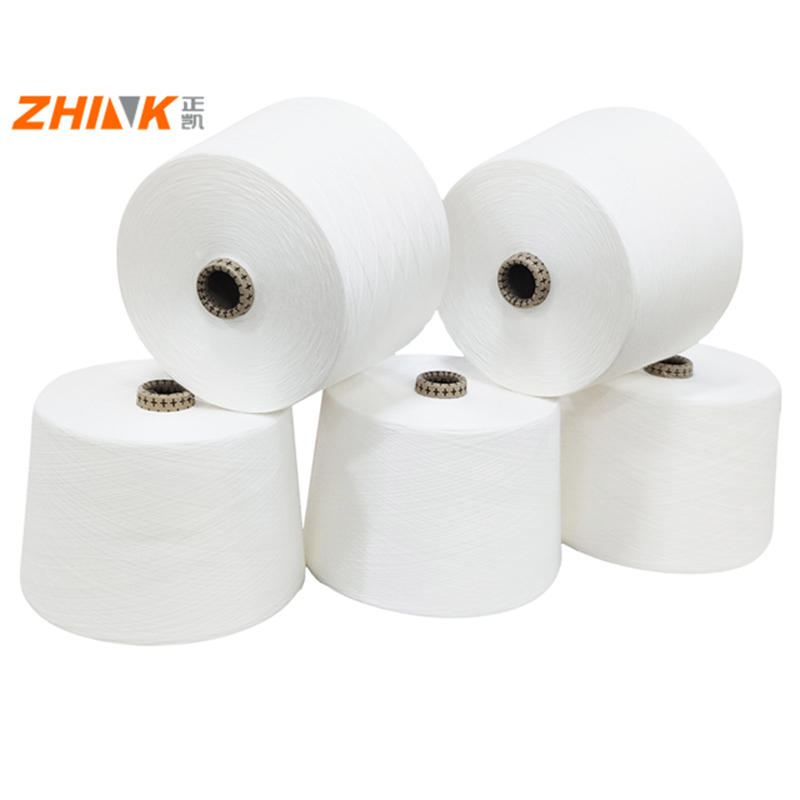
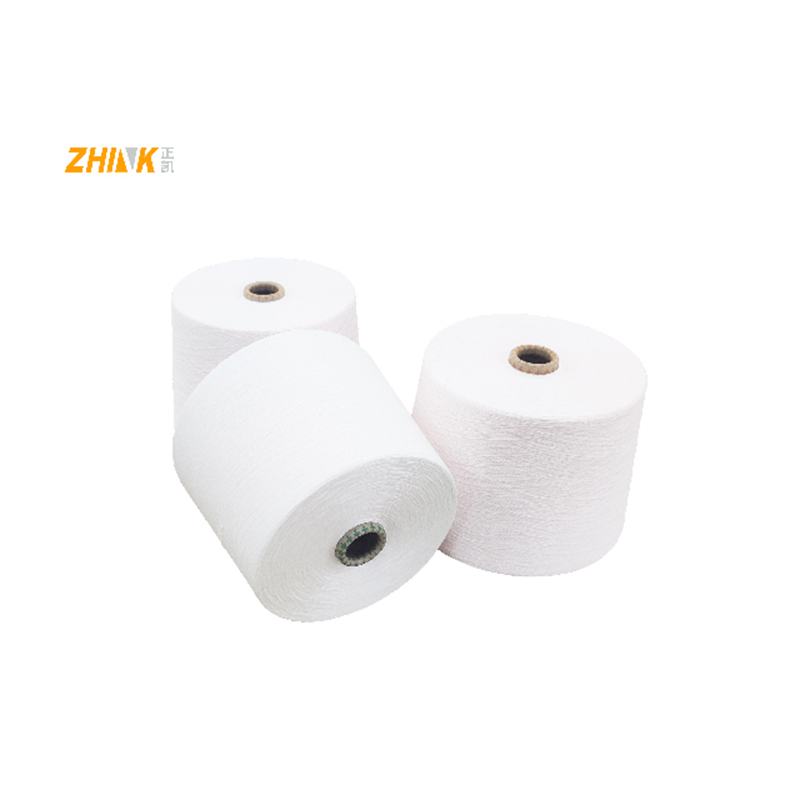
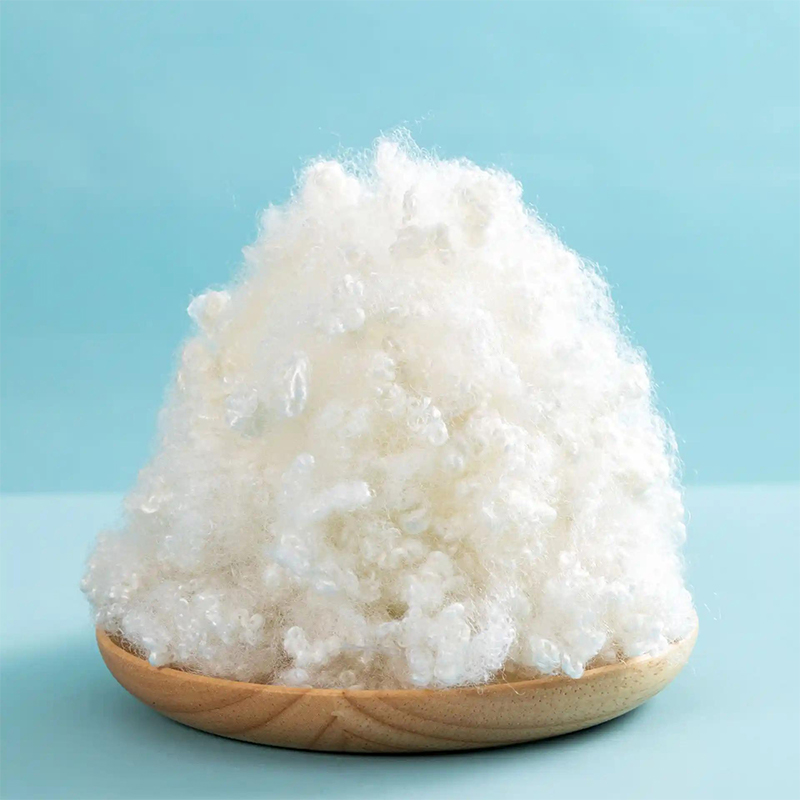
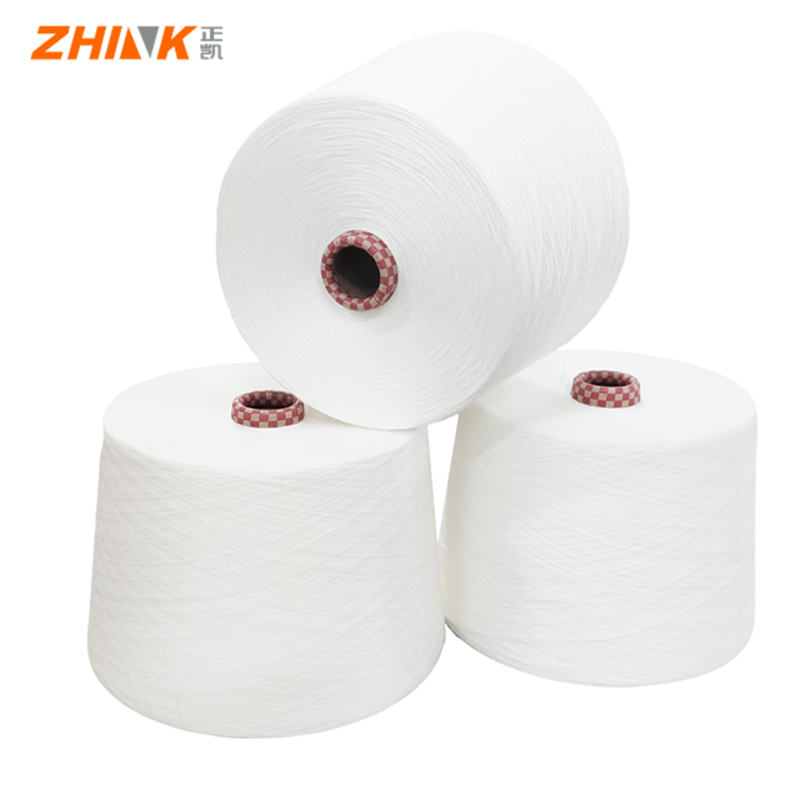
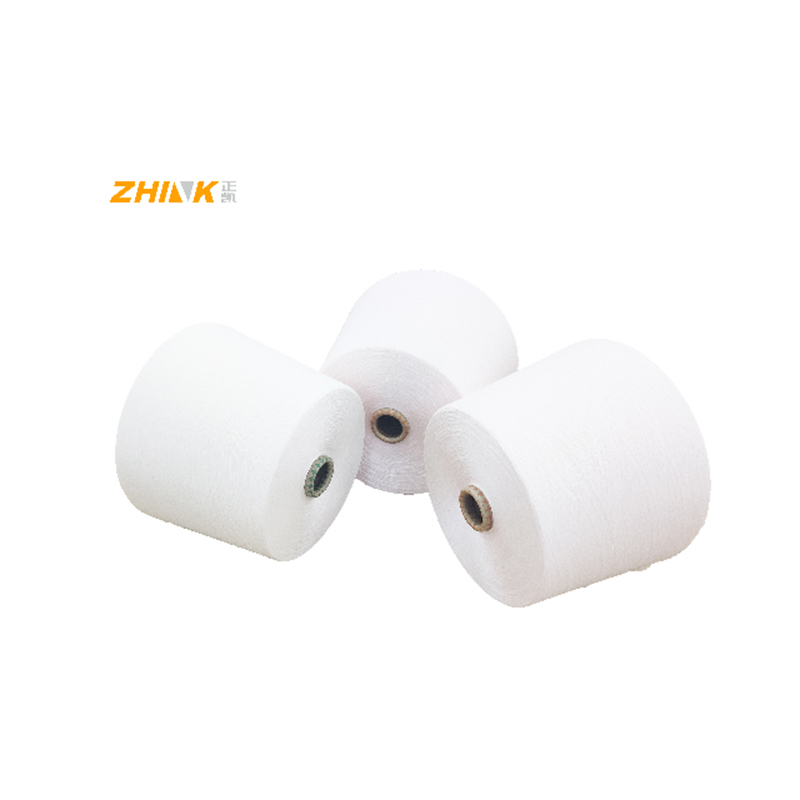
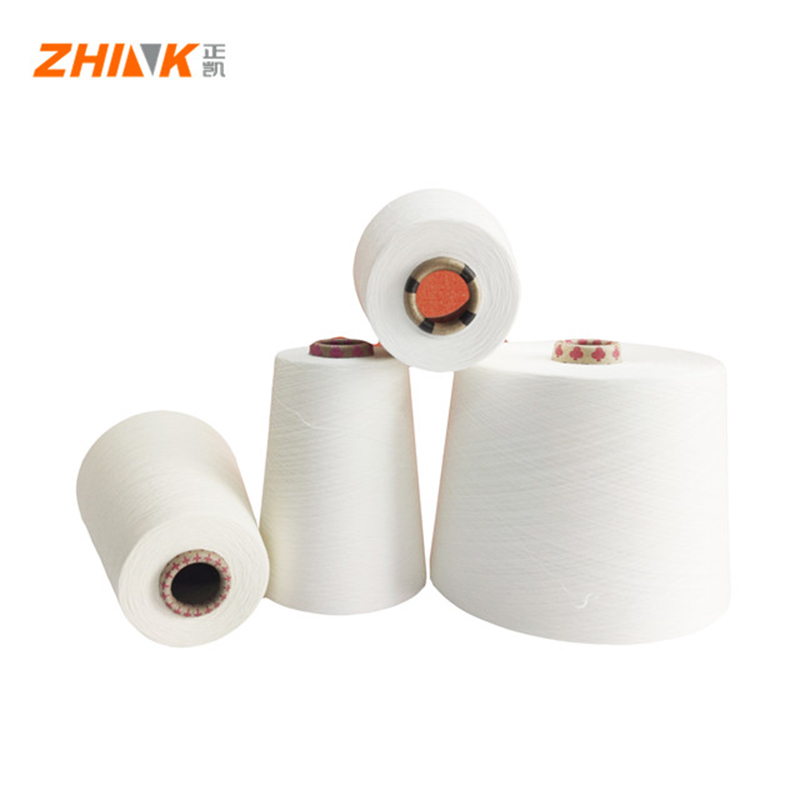
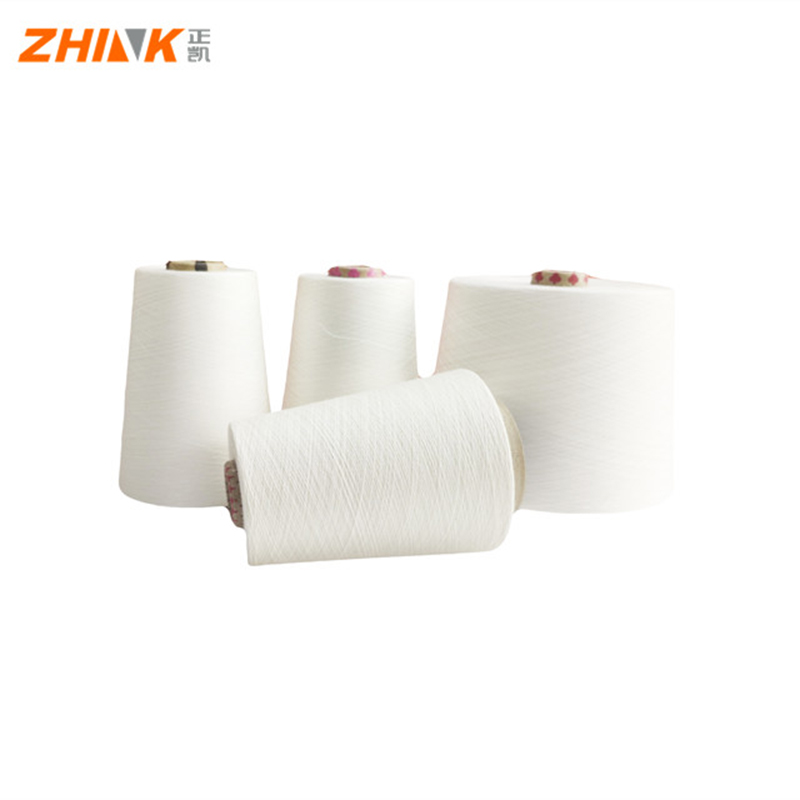
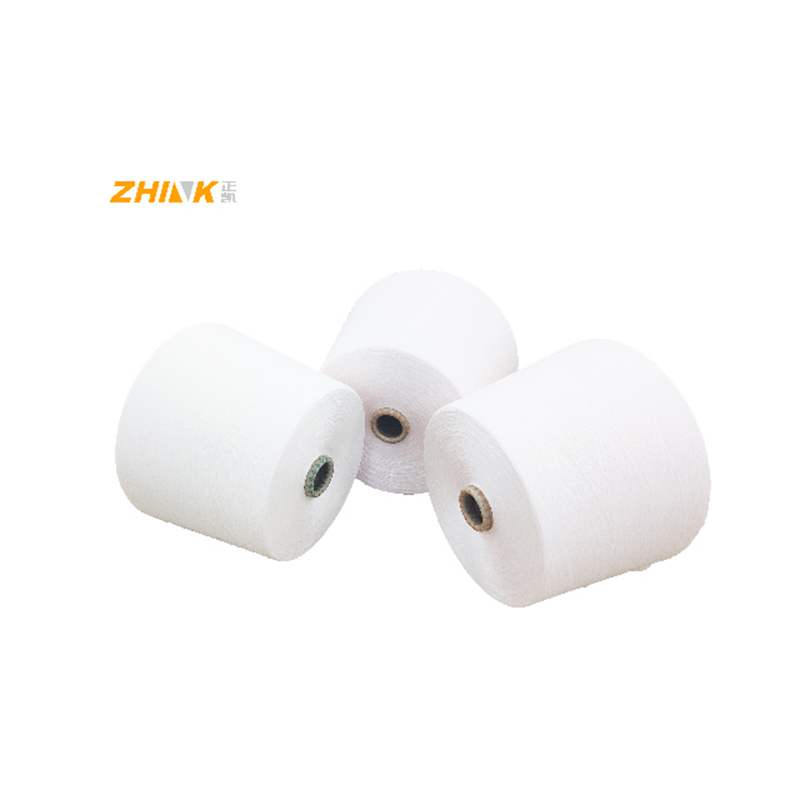
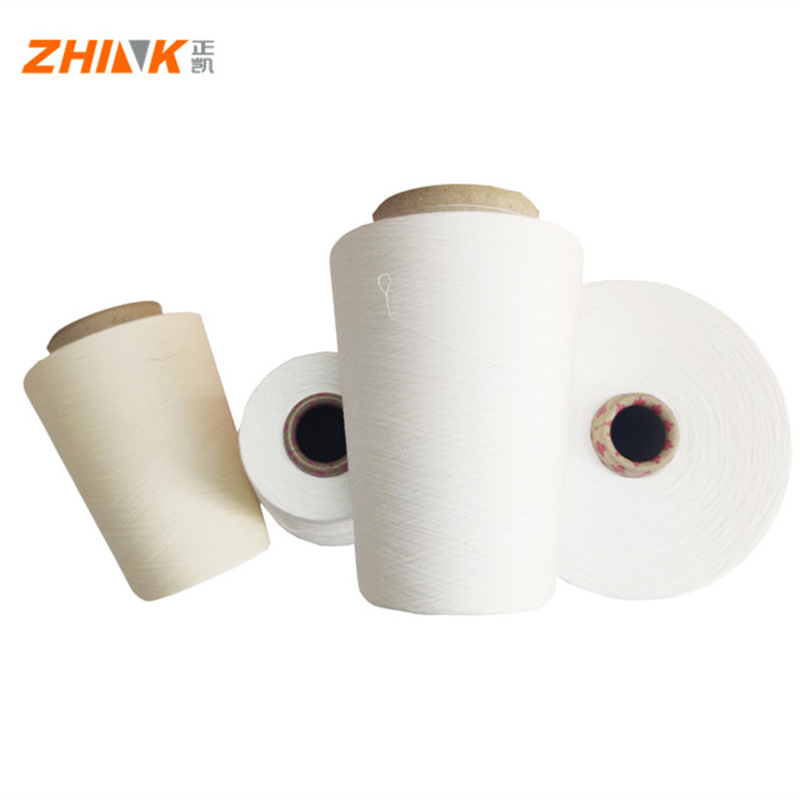
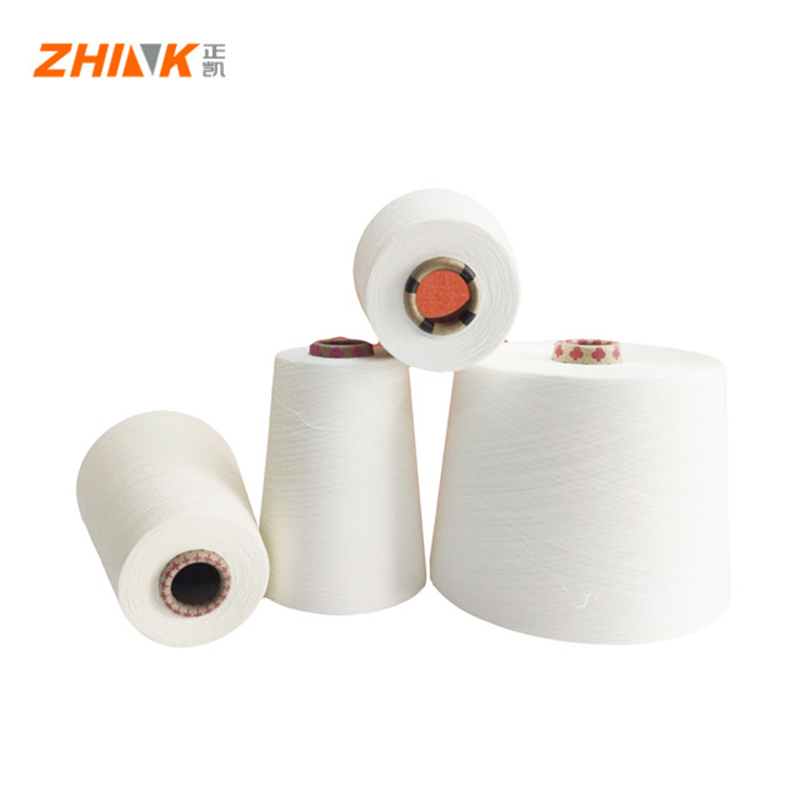
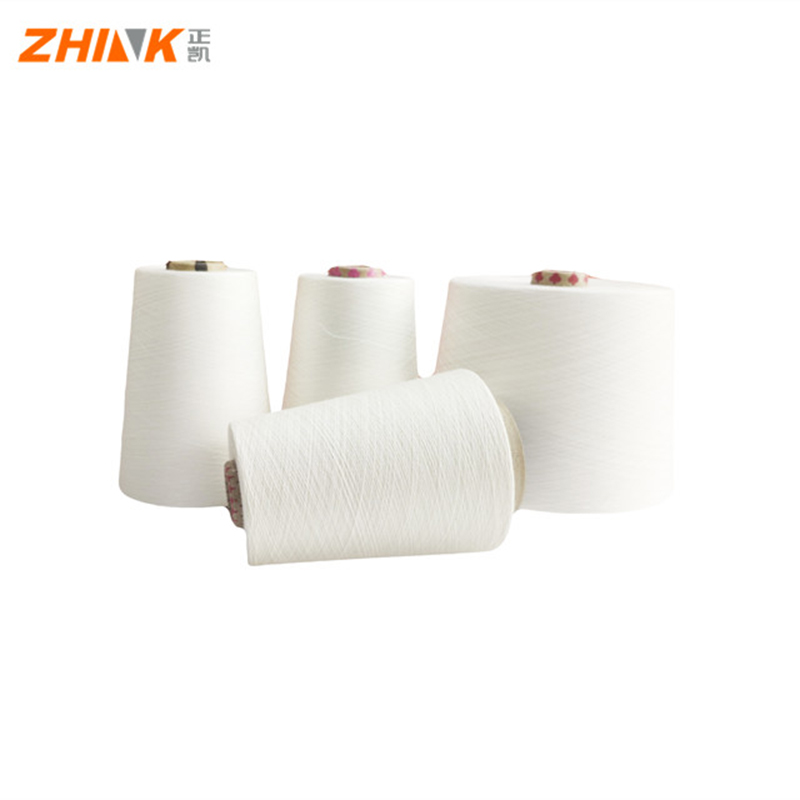
NE40 Hollow polyester yarn
Exploring the Potential of NE40 Hollow Polyester Yarn
When it comes to innovative textiles, NE40 Hollow Polyester Yarn stands out. It's a versatile material with applications that can surprise even seasoned industry experts. But what exactly makes it special, and how are companies leveraging its potential in various markets?
Understanding NE40 Hollow Polyester Yarn
I remember my first encounter with this unique yarn during an industry trade show. At first glance, it didn’t seem that different from typical yarns. However, the hollow structure is what sets it apart. This design reduces the yarn's weight while increasing its thermal insulation properties, making it an excellent choice for lightweight and warm garments.
One aspect that often confuses newcomers is its count system — NE40. In yarn terms, this essentially means the yarn is finer and ideal for creating delicate fabrics. But, intriguingly, it still maintains strength and durability due to its hollow nature.
The manufacturing process is where the magic begins. Companies like SHANDONG ZHINK NEW MATERIAL CO., LTD have developed specialized methods to produce these yarns, ensuring consistency and quality. Their approach highlights a blend of traditional know-how and modern technology.
Applications and Market Demand
In my conversations with textile manufacturers, many highlight the growing demand for hollow polyester yarns in activewear. Its properties lend themselves well to sports apparel, providing the right balance between comfort and performance.
But it's not just about activewear. Luxury brands are exploring NE40 Hollow Polyester Yarn for high-end fashion lines. The yarn’s ability to mimic natural fibers while offering superior performance characteristics makes it an attractive alternative.
Interestingly, eco-conscious brands also show interest due to the material’s potential in reducing fabric weight without compromising on warmth, thereby lowering the overall environmental footprint of garments.
Challenges in Adopting Hollow Yarns
Every promising material comes with its set of challenges. For hollow polyester yarns, the primary hurdle is the initial cost. The production techniques are sophisticated, requiring a significant investment in machinery and R&D.
Moreover, integrating these yarns into existing production lines can be tricky. I’ve witnessed companies needing to adjust spinning and weaving techniques to accommodate their distinct properties effectively.
Despite these challenges, the feedback from companies like Zhink New Material indicates that the long-term benefits outweigh the initial setup costs, especially when considering the growing market trends.
Technological Innovations at Play
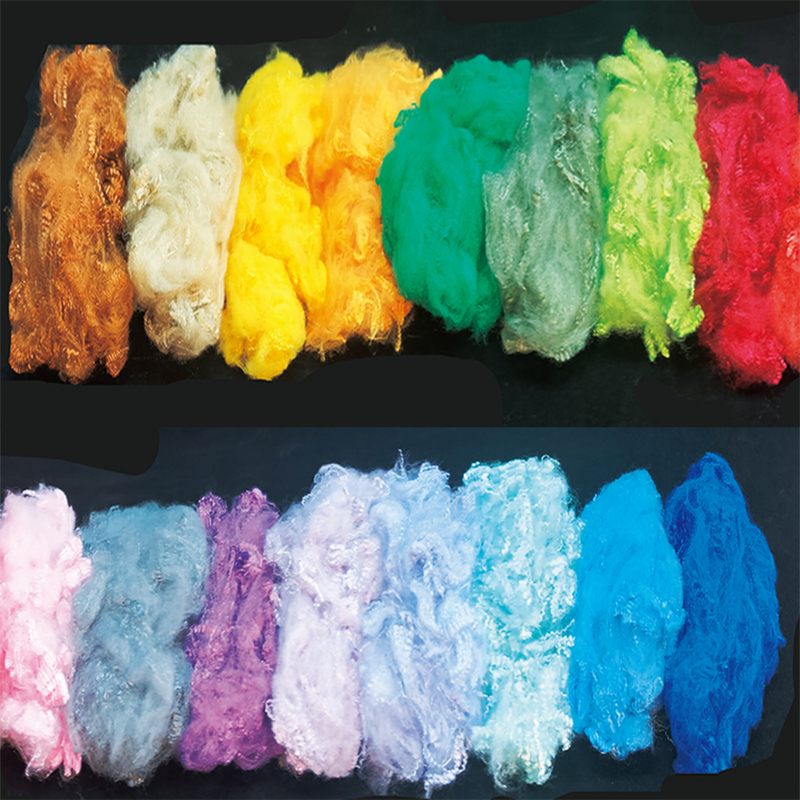
It’s fascinating to see how companies are continuously pushing the boundaries with these yarns. Innovations in dyeing techniques, for example, have expanded the color possibilities without affecting the yarn’s structural integrity. This adds a new dimension to textile design.
Furthermore, blending hollow polyester yarns with other fibers creates hybrid textile products that maximize strengths and minimize weaknesses. SHANDONG ZHINK NEW MATERIAL CO., LTD is particularly active in this area, tailoring materials to meet specific client needs.
The integration of smart textiles is another frontier. Some pioneers are embedding conductive threads into hollow yarns to develop responsive clothing, which opens up entirely new applications beyond conventional uses.
The Future of NE40 Hollow Polyester Yarn
Looking ahead, the trajectory for hollow polyester yarns is promising. As industries seek lighter, more sustainable materials, such innovations will likely play a critical role. I've observed growing interest at textile fairs, indicating broader acceptance.
However, it's essential to maintain realistic expectations. While the advantages are evident, ongoing research and material development are crucial for resolving current limitations. For instance, refining production techniques and enhancing yarn functionality are active areas of exploration.
Ultimately, companies like Zhink New Material lead the charge, illustrating how continued innovation can shape the future of textiles. By investing in these technologies, there's plenty of room for this specialty yarn to forge new paths in the industry.
Related Products
Related Products