+86-632-3621866
- Chinese
- French
- German
- Portuguese
- Spanish
- Russian
- Japanese
- Korean
- Arabic
- Irish
- Greek
- Turkish
- Italian
- Danish
- Romanian
- Indonesian
- Czech
- Afrikaans
- Swedish
- Polish
- Basque
- Catalan
- Esperanto
- Hindi
- Lao
- Albanian
- Amharic
- Armenian
- Azerbaijani
- Belarusian
- Bengali
- Bosnian
- Bulgarian
- Cebuano
- Chichewa
- Corsican
- Croatian
- Dutch
- Estonian
- Filipino
- Finnish
- Frisian
- Galician
- Georgian
- Gujarati
- Haitian
- Hausa
- Hawaiian
- Hebrew
- Hmong
- Hungarian
- Icelandic
- Igbo
- Javanese
- Kannada
- Kazakh
- Khmer
- Kurdish
- Kyrgyz
- Latin
- Latvian
- Lithuanian
- Luxembou..
- Macedonian
- Malagasy
- Malay
- Malayalam
- Maltese
- Maori
- Marathi
- Mongolian
- Burmese
- Nepali
- Norwegian
- Pashto
- Persian
- Punjabi
- Serbian
- Sesotho
- Sinhala
- Slovak
- Slovenian
- Somali
- Samoan
- Scots Gaelic
- Shona
- Sindhi
- Sundanese
- Swahili
- Tajik
- Tamil
- Telugu
- Thai
- Ukrainian
- Urdu
- Uzbek
- Vietnamese
- Welsh
- Xhosa
- Yiddish
- Yoruba
- Zulu
- Kinyarwanda
- Tatar
- Oriya
- Turkmen
- Uyghur


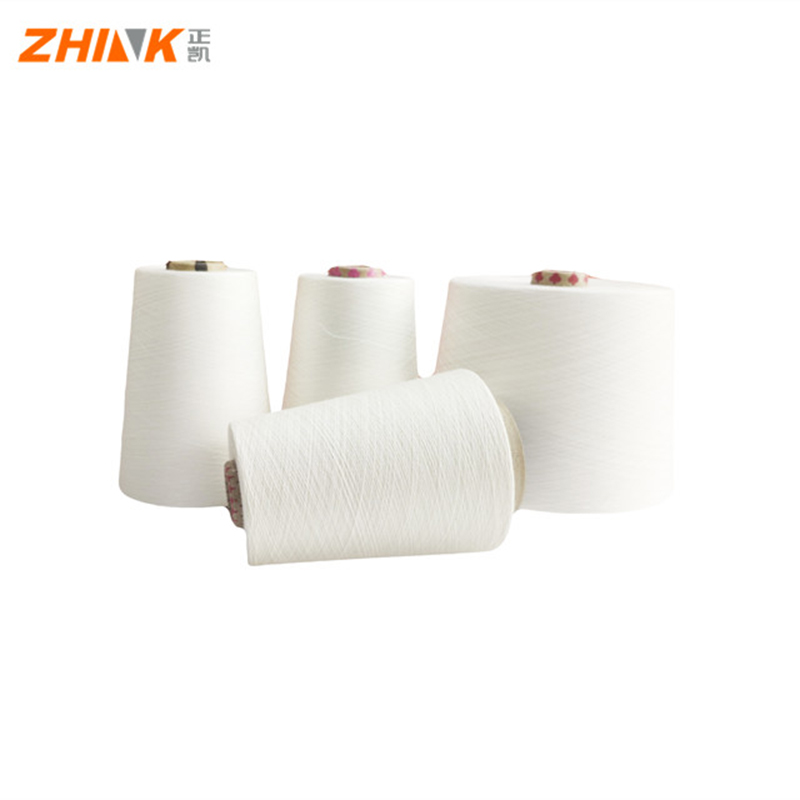
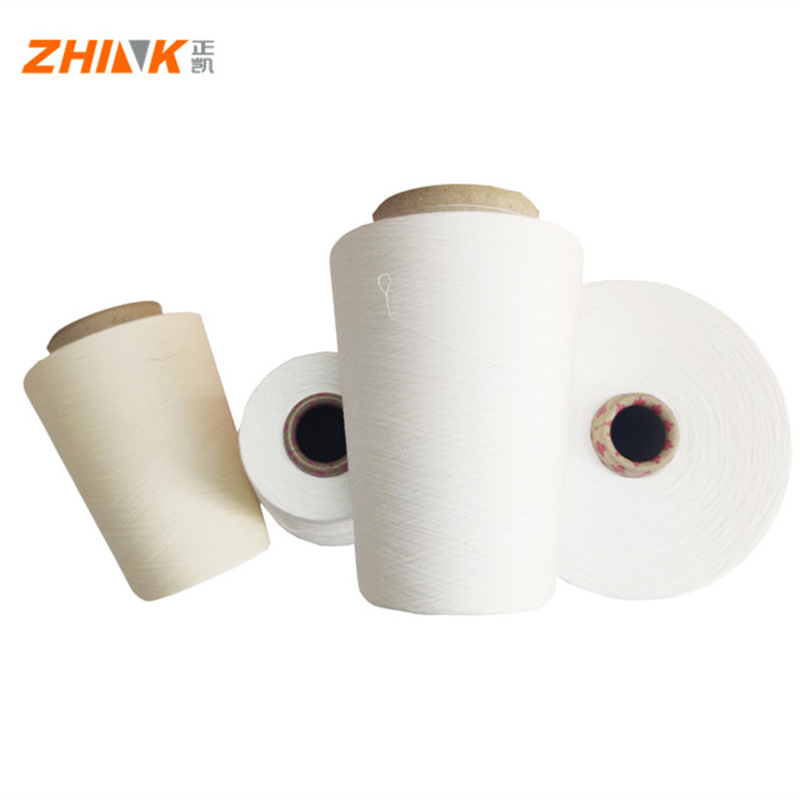
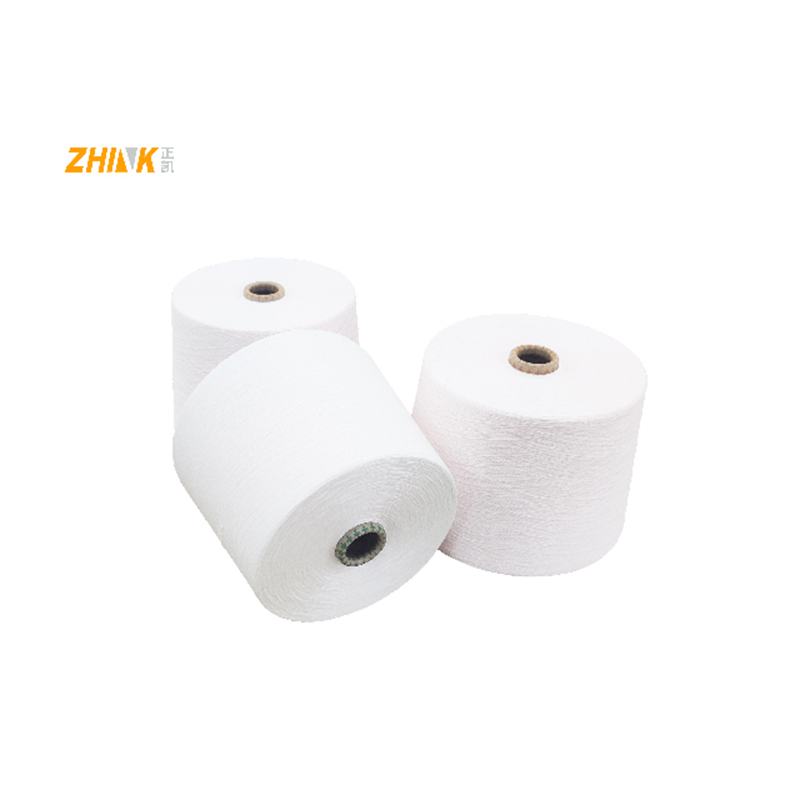
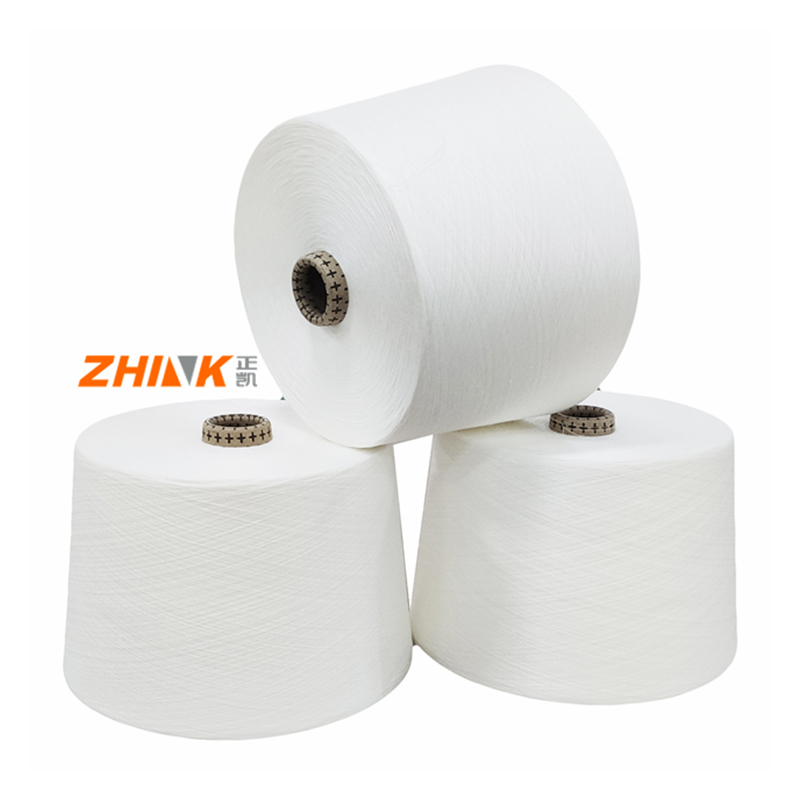
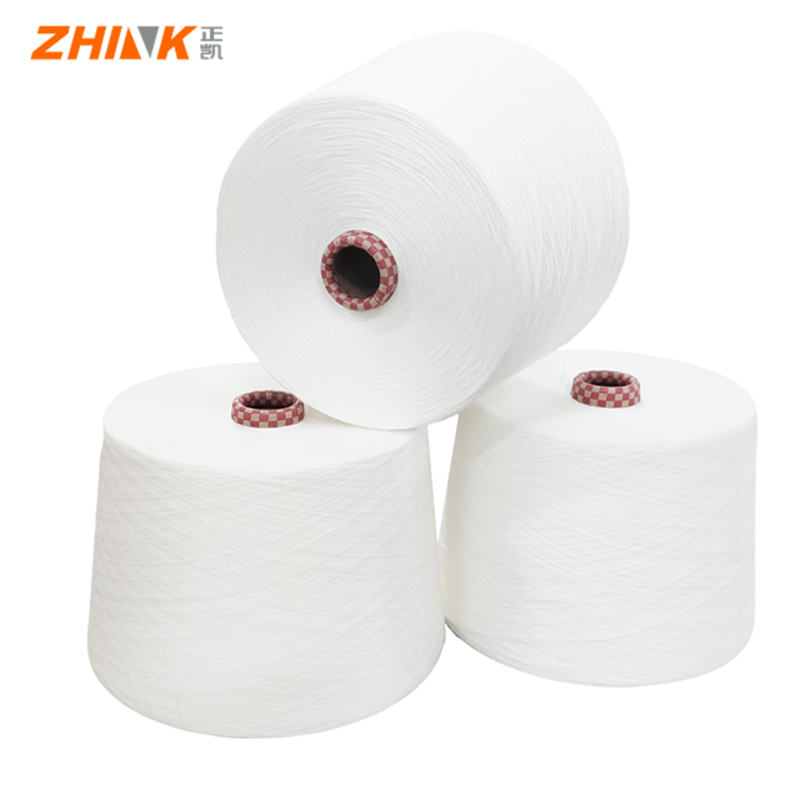
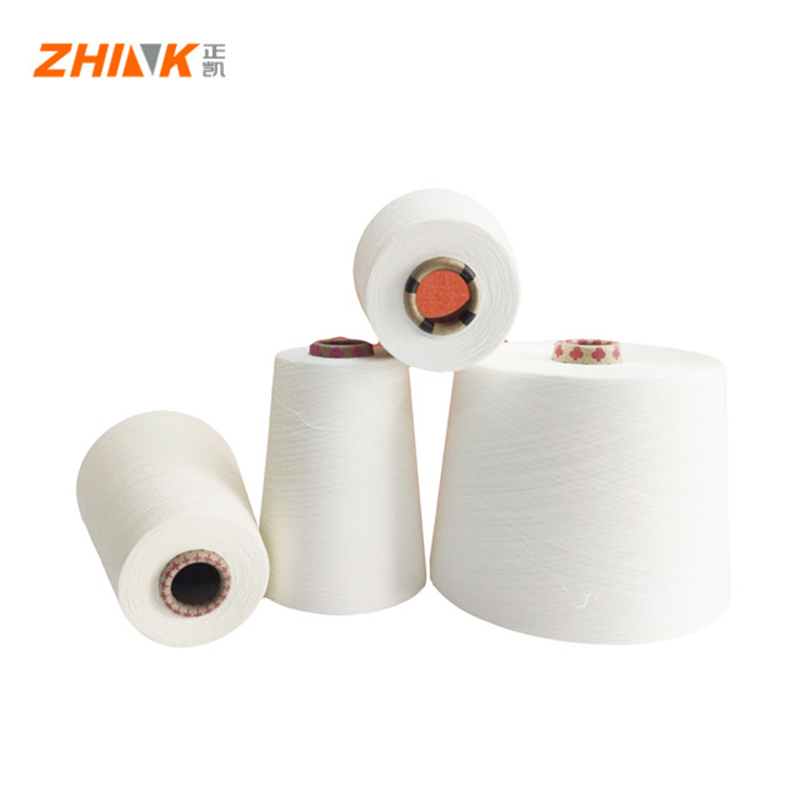
NE40 Lyocell yarn
The Versatile World of NE40 Lyocell Yarn
NE40 Lyocell yarn is a game-changer in the textile industry, merging eco-friendly practices with high-performance fabric qualities. Its versatility opens doors for both designers and manufacturers, redefining what’s possible in sustainable fashion.
Unpacking NE40 Lyocell Yarn
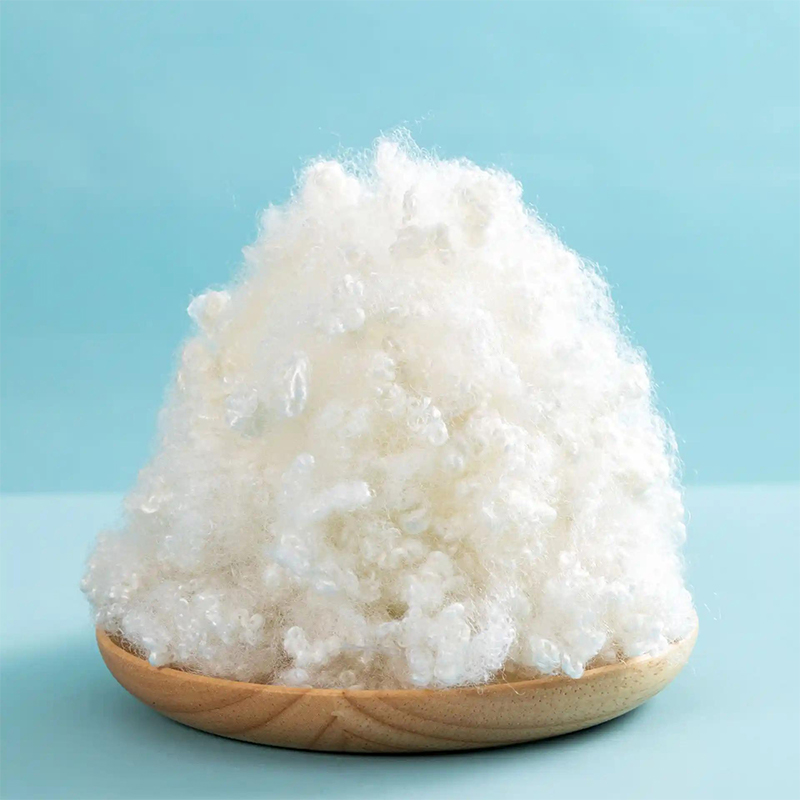
When you start exploring NE40 Lyocell yarn, you might fall into the common trap of thinking it's just another fabric in the eco-friendly lineup. However, what sets this yarn apart is its unique blend of sustainability and functionality. The fiber, derived from wood pulp, notably from sustainably managed forests, undergoes a closed-loop process which means minimal waste and environmental impact.
Having worked closely with materials like these, one quickly notices their softness and durability. A frequent misconception is that to achieve durability, you often have to compromise on the fabric's gentleness to skin. NE40 dispels this myth effectively, and it's possibly why industries ranging from high-street fashion to technical outdoor gear are now incorporating it.
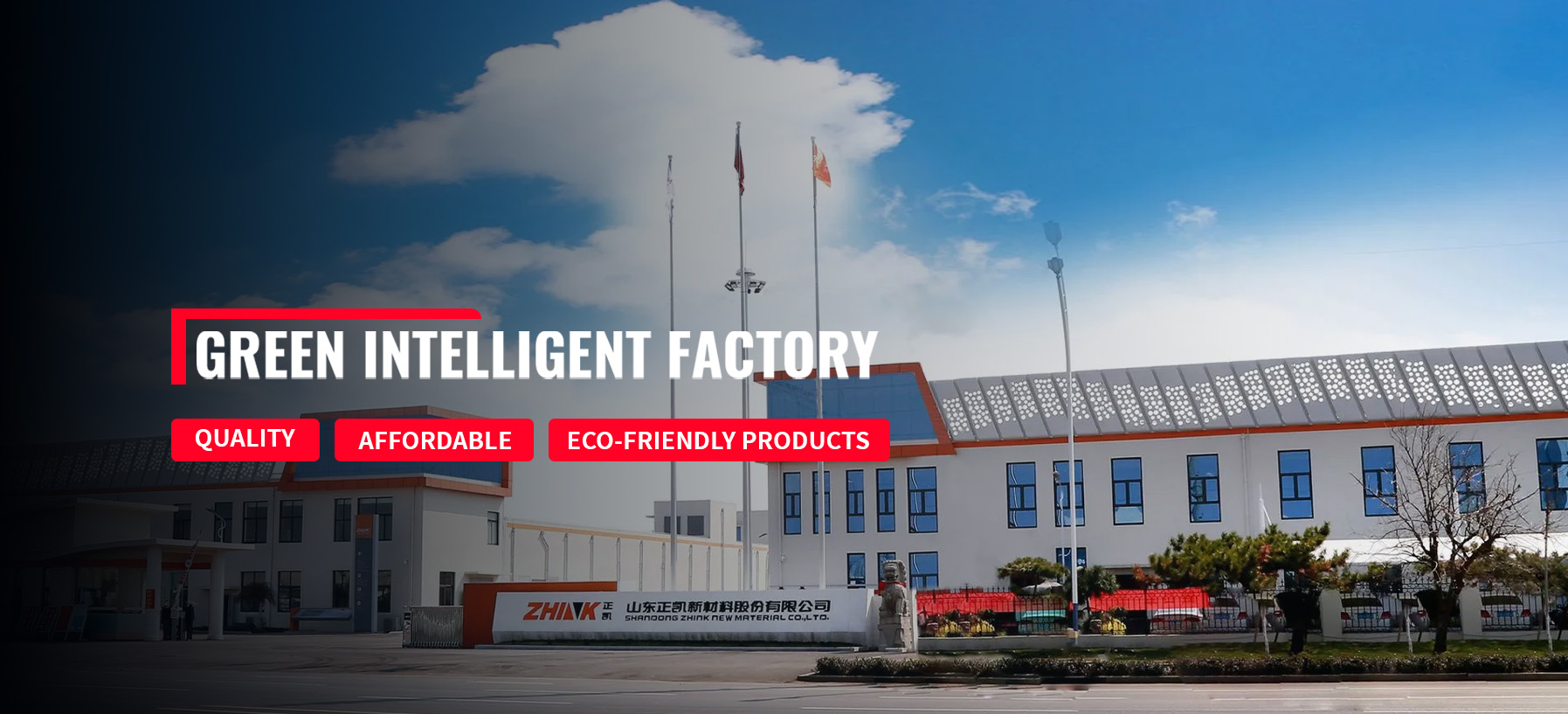
This perfect balance provides an excellent choice for brands striving to align with eco-conscious values without dilating quality. SHANDONG ZHINK NEW MATERIAL CO., LTD, renowned for their innovative and sustainable approaches, has been at the forefront of this textile revolution, further detailed on their website here.
Practical Insights from the Field
Working with NE40 Lyocell yarn, one might encounter challenges, particularly in dyeing processes. Unlike conventional cotton or polyester, the yarn’s composition requires specific techniques to maintain color vibrancy without sacrificing its natural properties. The right dyeing methods can highlight the yarn’s abilities, ensuring rich, lasting colors. Partnering with experts like Zhink New Material can be essential in navigating these hurdles effectively.
In practice, what stood out to me was how this yarn reacts under different conditions. Whether undergoing rigorous testing for moisture wicking or thermal regulation, NE40 consistently performed well. It's particularly exciting for activewear manufacturers, as athletes increasingly demand apparel that supports performance and sustainability.
There's a real sense of satisfaction when observing how traditional performance expectations are met or exceeded by a material that's environmentally considerate. It's not just about checking the sustainability box; it's about pushing boundaries while respecting nature.
Real-World Applications
In real-world scenarios, NE40 Lyocell yarn's adaptability shines thoroughly. From high-end fashion labels to emerging sustainable brands, the integration of this yarn ushers in fresh possibilities. Each application tells a compelling story of innovation married with environmental respect.
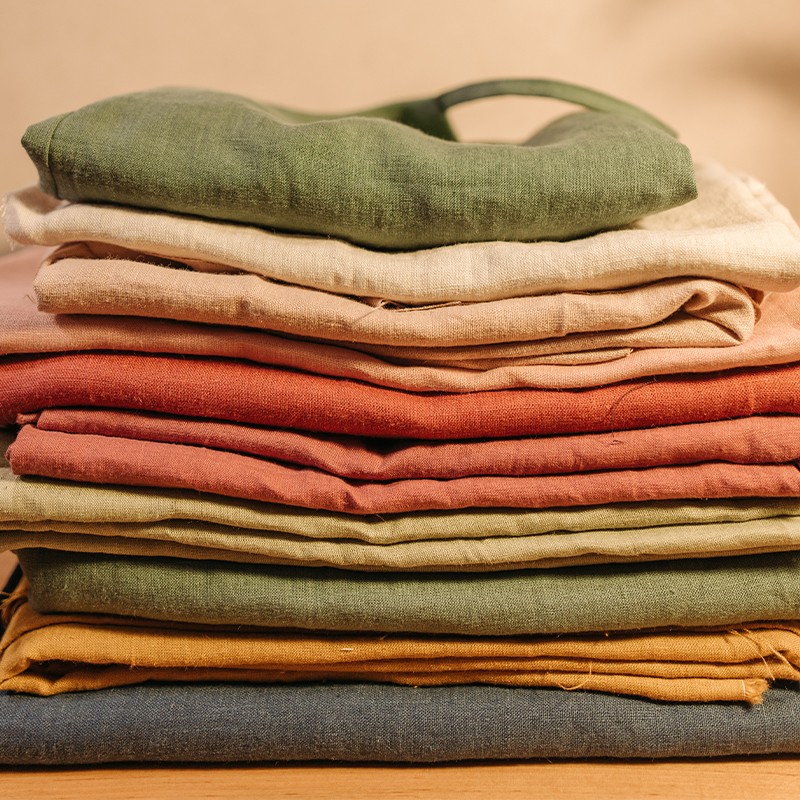
But what really captures the imagination is its application in home textiles — think luxurious but planet-friendly bed linens that offer the same comfort as high-end brands but with a much smaller carbon footprint. This shift speaks volumes, not just in terms of innovation but also in meeting emerging consumer demands.
This transformation is tangible evidence of what the relentless pursuit of sustainable development can achieve. Such efforts are further amplified by companies committed to continuous advancement in eco-materials, which SHANDONG ZHINK NEW MATERIAL CO., LTD exemplifies through their cutting-edge developments.
Challenges in Implementation
Despite its many benefits, the widespread adoption of NE40 Lyocell yarn is not without its challenges. Price sensitivity in some markets can hinder its uptake, as sustainable materials often carry higher costs due to advanced processing techniques. Educating consumers on the long-term benefits and savings, however, presents a viable counter-strategy.
Another hurdle is the existing machinery compatibility in textile production lines. Not every factory is equipped or willing to make necessary adjustments for new materials, leading to hesitance in transitioning from traditional fibers. Here, early adopters of Lyocell set crucial precedents, demonstrating feasibility and profitability.
The takeaway? While challenges persist, proactive collaboration, education, and adaptability can transform these hurdles into stepping stones, fostering a more sustainable industry standard.
The Future of NE40 Lyocell Yarn
Looking ahead, NE40 Lyocell yarn is poised to expand its presence across various industries. In conversations I’ve had with peers, there's a unanimous sense of potential yet to be unlocked. As technological advancements integrate more seamlessly with ecological priorities, the fabric industry stands on the precipice of a significant shift.
Innovations in biotechnology, for instance, suggest potential pathways to enhance the environmental benefits of Lyocell further. Imagine a future where the production process itself contributes positively to our ecological systems rather than just minimizing harm.
SHANDONG ZHINK NEW MATERIAL CO., LTD, by continuing their research and development efforts, plays a pivotal role in shaping this promising future. Their ongoing projects accessible via their site reflect this commitment, heralding a new era for textiles.
Related Products
Related Products