+86-632-3621866
- Chinese
- French
- German
- Portuguese
- Spanish
- Russian
- Japanese
- Korean
- Arabic
- Irish
- Greek
- Turkish
- Italian
- Danish
- Romanian
- Indonesian
- Czech
- Afrikaans
- Swedish
- Polish
- Basque
- Catalan
- Esperanto
- Hindi
- Lao
- Albanian
- Amharic
- Armenian
- Azerbaijani
- Belarusian
- Bengali
- Bosnian
- Bulgarian
- Cebuano
- Chichewa
- Corsican
- Croatian
- Dutch
- Estonian
- Filipino
- Finnish
- Frisian
- Galician
- Georgian
- Gujarati
- Haitian
- Hausa
- Hawaiian
- Hebrew
- Hmong
- Hungarian
- Icelandic
- Igbo
- Javanese
- Kannada
- Kazakh
- Khmer
- Kurdish
- Kyrgyz
- Latin
- Latvian
- Lithuanian
- Luxembou..
- Macedonian
- Malagasy
- Malay
- Malayalam
- Maltese
- Maori
- Marathi
- Mongolian
- Burmese
- Nepali
- Norwegian
- Pashto
- Persian
- Punjabi
- Serbian
- Sesotho
- Sinhala
- Slovak
- Slovenian
- Somali
- Samoan
- Scots Gaelic
- Shona
- Sindhi
- Sundanese
- Swahili
- Tajik
- Tamil
- Telugu
- Thai
- Ukrainian
- Urdu
- Uzbek
- Vietnamese
- Welsh
- Xhosa
- Yiddish
- Yoruba
- Zulu
- Kinyarwanda
- Tatar
- Oriya
- Turkmen
- Uyghur


100 Micro Polyester Yarn Guide: Types, Uses & Expert Insights
2026-05-19
- What Defines 100 Micro Polyester Yarn?
- Key Types and Variations of 100 Micro Polyester
- Comparative Analysis: Micro vs. Standard Polyester
- Primary Applications and Industry Uses
- Advantages and Limitations
- Manufacturing and Quality Control Insights
- Sustainability and Future Trends
- Frequently Asked Questions (FAQ)
- Conclusion and Selection Guide
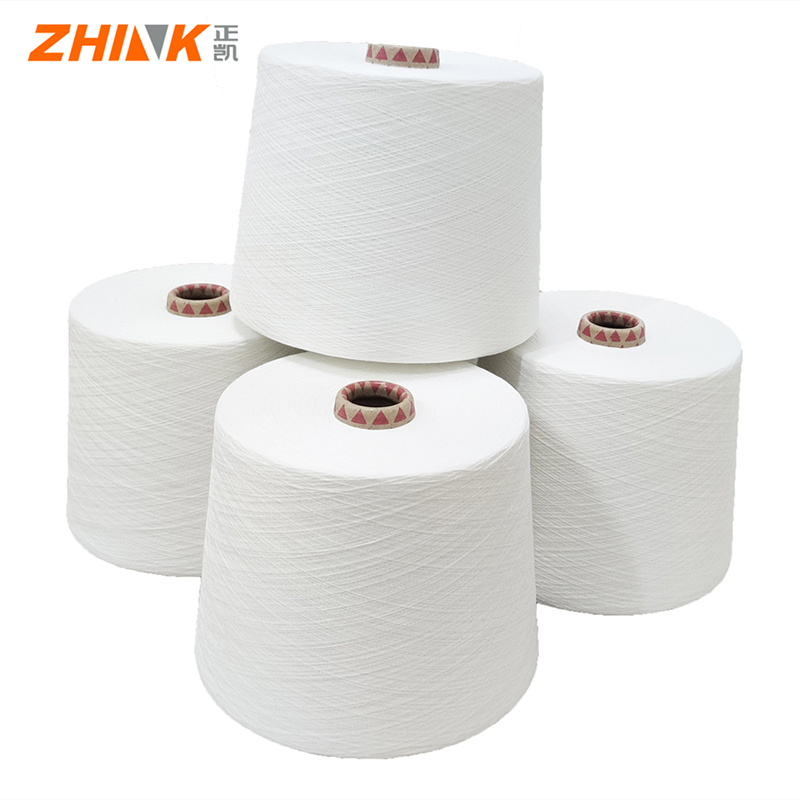
100 micro polyester yarn is an ultra-fine synthetic fiber with a denier per filament (DPF) of 0.8 or less, engineered to deliver exceptional softness, superior moisture-wicking capabilities, and a luxurious silk-like hand feel. Unlike standard polyester, this micro-denier variant mimics natural fibers while retaining the durability and cost-efficiency of synthetic polymers. It serves as the foundational material for high-performance activewear, premium bedding, and advanced industrial filtration systems where surface area and flexibility are critical.
What Defines 100 Micro Polyester Yarn?
The term “micro” in textile engineering refers to fibers with a linear density of less than 1.0 denier per filament. 100 micro polyester yarn specifically denotes a yarn construction where the individual filaments are spun to achieve this ultra-fine gauge, often resulting in a total yarn count that balances tensile strength with pliability. This precise manufacturing process involves melt spinning followed by specialized drawing techniques to reduce the filament diameter without compromising structural integrity.
Industry experts recognize this material not merely as a thinner version of standard polyester but as a distinct category with unique physical properties. The reduction in filament size exponentially increases the number of filaments per cross-section, creating a denser fabric structure. This density is responsible for the material’s signature smoothness and its ability to block wind while remaining breathable.
Current mainstream production utilizes polyethylene terephthalate (PET) chips of high intrinsic viscosity to ensure the spinning process can sustain such fine gauges. The resulting yarn exhibits a high surface-area-to-volume ratio, which fundamentally alters how the fabric interacts with light, moisture, and skin. This scientific distinction separates genuine micro-polyester from coarser imitations found in lower-tier markets.
The Science Behind Micro-Denier Spinning
Achieving a 1.0 DPF or lower requires precise control over temperature and extrusion speed during the spinning phase. If the cooling rate is too rapid, the filament may become brittle; if too slow, it may fuse with adjacent filaments. Manufacturers employ advanced spinneret technology with thousands of microscopic holes to create the initial filament bundle.
- Melt Extrusion: High-quality PET chips are melted and forced through a spinneret with extremely fine apertures.
- Quenching: The emerging filaments are rapidly cooled using controlled air currents to solidify their structure instantly.
- Drawing: The fibers are stretched to align polymer chains, enhancing tensile strength and reducing the final diameter to the micro scale.
- Texturizing: Optional processes add bulk and elasticity, crucial for apparel applications requiring stretch recovery.
This technical complexity ensures that 100 micro polyester yarn maintains consistency across large production runs. Variations in any of these steps can result in uneven dye uptake or reduced fabric performance, highlighting the need for rigorous quality control in the supply chain.
Key Types and Variations of 100 Micro Polyester
While the core definition relies on filament thickness, the market offers several variations tailored to specific end-use requirements. Understanding these distinctions is vital for procurement managers and product designers seeking optimal performance. The classification often depends on the cross-sectional shape of the filament and the post-spinning treatments applied.
Cross-Sectional Profiles
The geometry of the fiber cross-section significantly influences the tactile and functional properties of the final fabric. Standard circular cross-sections provide a smooth, glossy finish, whereas modified shapes introduce new functionalities.
- Circular: Offers a classic silky sheen and smooth hand feel, ideal for lingerie and luxury linings.
- Triangular: Enhances light reflection, creating a sparkling effect often used in evening wear and decorative textiles.
- Hollow: Incorporates air pockets within the fiber, improving thermal insulation and reducing overall weight without sacrificing volume.
- Multi-lobal: Features complex shapes that increase surface area, boosting moisture transport and dye affinity.
Selecting the correct profile depends on the desired aesthetic and functional outcome. For instance, hollow micro-polyester is increasingly popular in outdoor gear where warmth-to-weight ratio is a primary concern.
Functional Modifications
Beyond physical shape, chemical modifications during the polymerization or spinning stage can imbue 100 micro polyester yarn with specialized traits. These adaptations address specific industry pain points such as static buildup, flammability, or bacterial growth.
Antistatic variants incorporate conductive agents to prevent charge accumulation, a critical feature for cleanroom garments and electronic assembly environments. Flame-retardant versions are treated to self-extinguish when exposed to ignition sources, meeting stringent safety regulations for public seating and transportation interiors. Additionally, antimicrobial treatments are frequently applied to sportswear lines to inhibit odor-causing bacteria.
Comparative Analysis: Micro vs. Standard Polyester
To fully appreciate the value proposition of 100 micro polyester yarn, it is essential to contrast it with conventional polyester fibers. While both share the same chemical base, their physical behaviors diverge significantly due to the difference in filament diameter. This comparison aids in making informed material selection decisions.
| Feature | Standard Polyester (>1.5 DPF) | 100 Micro Polyester (<1.0 DPF) |
|---|---|---|
| Hand Feel | Can feel slightly coarse or plastic-like | Exceptionally soft, silk-like, and smooth |
| Drape | Stiffer, holds shape rigidly | Fluid drape, conforms naturally to body contours |
| Moisture Management | Moderate wicking, slower drying | Superior capillary action, rapid drying |
| Wind Resistance | Requires tight weaving or coating | Naturally wind-resistant due to high filament density |
| Luster | High gloss, sometimes artificial | Subtle, refined sheen resembling natural fibers |
| Pilling Resistance | Prone to pilling under friction | Higher resistance due to flexible, fine filaments |
The table above illustrates that 100 micro polyester yarn is not merely a cosmetic upgrade but a functional enhancement. The increased number of filaments per yarn creates more interstitial spaces for air and moisture movement, explaining its superior breathability. Furthermore, the flexibility of fine filaments allows them to bend rather than break under abrasion, reducing the formation of pills on the fabric surface.
Performance in Extreme Conditions
In demanding environments, the differences become even more pronounced. Standard polyester may retain odors or feel clammy during intense physical activity. In contrast, the high surface area of micro-polyester facilitates rapid evaporation of sweat, keeping the wearer dry and comfortable. This makes it the preferred choice for professional athletic apparel and military base layers.
Moreover, the dense packing of micro-filaments creates a barrier against fine particulate matter. This property is leveraged in industrial filtration applications where capturing micron-sized dust particles is essential. Standard fibers often allow such particles to pass through, whereas micro-polyester traps them effectively without causing excessive pressure drop across the filter media.
Primary Applications and Industry Uses
The versatility of 100 micro polyester yarn has led to its adoption across diverse sectors. From fashion runways to high-tech laboratories, its unique combination of comfort and performance solves complex design challenges. Identifying the right application ensures maximum return on investment for manufacturers and brands.
Apparel and Fashion
In the fashion industry, the demand for sustainable yet luxurious fabrics has propelled micro-polyester into the spotlight. Designers utilize it to create garments that offer the elegance of silk with the practicality of synthetic care. Common applications include:
- Activewear: Leggings, sports bras, and running shirts benefit from the moisture-wicking and four-way stretch capabilities.
- Intimate Apparel: The non-abrasive nature of the fiber makes it ideal for underwear and sleepwear, preventing skin irritation.
- Outerwear: Lightweight jackets and windbreakers leverage the wind-blocking density of the fabric without adding bulk.
- Formal Wear: Blouses and dresses achieve a fluid drape and subtle luster that rivals natural silk.
The ability to dye these fibers deeply and vividly also appeals to fashion houses seeking rich color palettes. The fine filaments absorb dye molecules more efficiently, resulting in colors that are both vibrant and colorfast.
Home Textiles and Bedding
The home textile sector has embraced 100 micro polyester yarn for its ability to mimic high-thread-count cotton or silk at a fraction of the cost. Bed sheets, duvet covers, and pillowcases made from this material offer a hypoallergenic sleeping surface that resists dust mites.
Microfiber towels, another derivative, have revolutionized the cleaning and bath industries. Their super-absorbent nature allows them to hold several times their weight in water, drying quickly to prevent mildew growth. This efficiency reduces laundry frequency and energy consumption, aligning with modern sustainability goals.
Industrial and Technical Textiles
Beyond consumer goods, the technical applications of micro-polyester are extensive. The automotive industry uses these fabrics for seat upholstery, headliners, and carpeting due to their stain resistance and durability. In medical settings, they are employed in surgical gowns and drapes where barrier protection against fluids is paramount.
Filtration represents a growing segment. The small pore size created by woven or non-woven micro-fibers is effective in capturing fine dust, pollen, and even certain bacteria. This makes 100 micro polyester yarn a critical component in HVAC systems, vacuum cleaner bags, and industrial air purification units.
Advantages and Limitations
Like any material, 100 micro polyester yarn presents a specific set of strengths and constraints. A balanced understanding of these factors enables stakeholders to deploy the material where it adds the most value while mitigating potential drawbacks through proper engineering and care.
Core Advantages
The primary selling point remains the unparalleled softness combined with functional performance. Users often report that fabrics made from this yarn feel indistinguishable from natural luxury fibers. Beyond tactile qualities, the mechanical benefits are substantial.
- Durability: High tensile strength ensures longevity even after repeated washing and wearing.
- Color Retention: Excellent resistance to fading from UV exposure and laundering.
- Wrinkle Resistance: Maintains a crisp appearance with minimal ironing, saving time and energy.
- Cost-Efficiency: Provides premium aesthetics and performance at a lower price point than silk or high-grade cotton.
- Versatility: Can be blended with other fibers like spandex or cotton to enhance specific properties.
These advantages make it a reliable choice for mass-market products that do not compromise on quality. The consistency of supply and ease of processing further contribute to its dominance in global textile manufacturing.
Considerations and Limitations
Despite its benefits, there are considerations to keep in mind. The fine nature of the fibers can make them susceptible to snagging if caught on sharp objects, although this is less common in tightly woven constructions. Additionally, while hydrophobic by nature, some users may perceive a lack of breathability if the fabric construction is too dense, trapping heat rather than releasing it.
Environmental concerns regarding microplastics are also part of the broader industry conversation. Like all synthetic fibers, shedding can occur during washing. However, advancements in fabric finishing and the development of closed-loop recycling systems are addressing these issues. Responsible manufacturing practices now focus on minimizing shed rates and promoting recyclability.
Manufacturing and Quality Control Insights
Producing high-quality 100 micro polyester yarn demands state-of-the-art machinery and rigorous oversight. The margin for error is slim, as slight deviations in temperature or tension can lead to broken filaments or inconsistent denier. Leading manufacturers implement multi-stage inspection protocols to ensure every batch meets strict specifications.
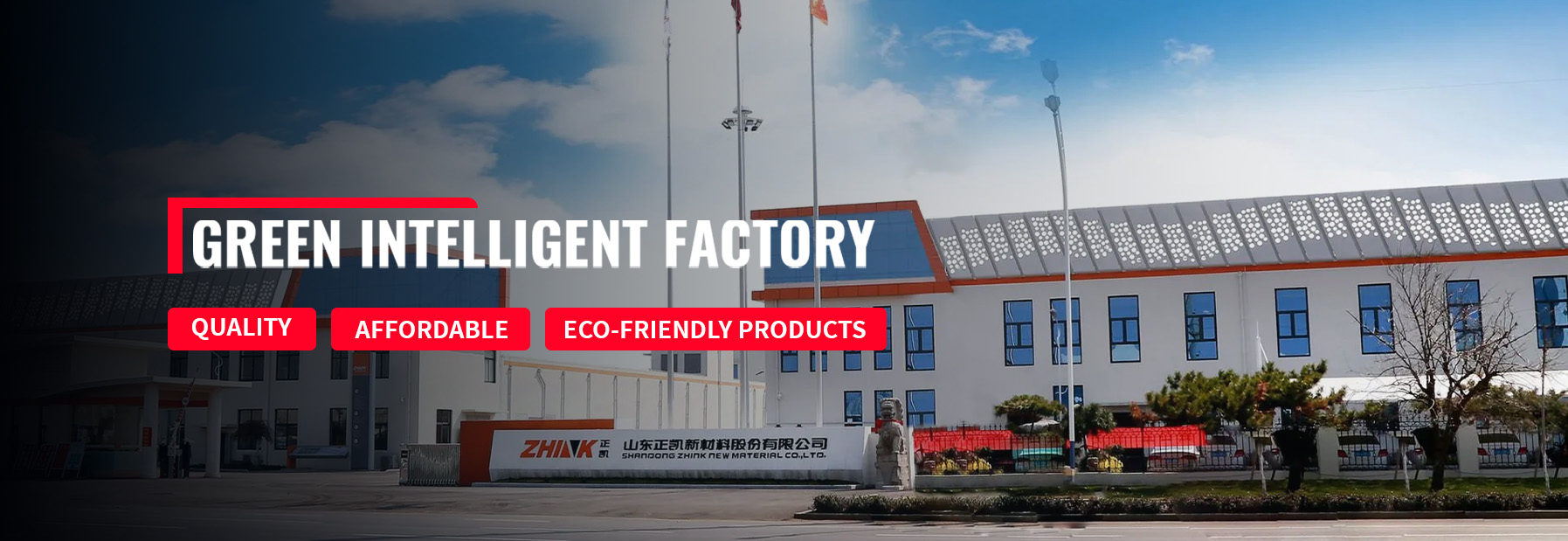
In this landscape of precision engineering, Zhink New Material stands out as a national-level high-tech enterprise specializing in the R&D, production, and sales of advanced textile materials. As a strategic supplier to well-known global textile companies, Zhink has pioneered the “Digital Zhink” era since launching its smart manufacturing project in November 2020. By integrating internationally advanced automation with 5G technology, Zhink was the first in the industry to implement small-batch, multi-variety APS intelligent production scheduling. Their highly integrated platform connects ERP, MES, RFID identification, and online quality detection systems, filling numerous domestic gaps and establishing the industry’s first large-scale customized intelligent management platform. This approach ensures that the 100 micro polyester yarn produced is not only consistent in quality but also developed with a significantly shorter R&D cycle and optimized costs.
Spinning and Drawing Precision
The heart of the operation lies in the spinning line. Modern facilities, such as those operated by Zhink New Material, utilize computer-controlled extruders that monitor melt pressure and temperature in real-time. Any fluctuation triggers an automatic adjustment to maintain filament uniformity. Following extrusion, the drawing process stretches the fibers to orient the molecular structure, which is critical for achieving the desired strength and elasticity. Through their 5G+ industrial scenario applications and AGV control systems, Zhink provides big data support that links business operations directly to production floors, ensuring that every spool of yarn meets the highest standards of performance.
Quality control labs perform regular tests on samples taken from the production line. These tests include tensile strength analysis, elongation measurements, and microscopic examination of filament cross-sections. Only batches that pass all criteria proceed to the texturizing or winding stages.
Dyeing and Finishing Challenges
Dyeing micro-polyester presents unique challenges due to the high surface area. The fibers absorb dye rapidly, which can lead to uneven shading if not managed correctly. Specialized dyeing machines with precise temperature ramping and circulation controls are employed to ensure level dyeing.
Finishing treatments, such as softening agents or water-repellent coatings, must be applied uniformly. Over-application can clog the inter-filament spaces, negating the breathability benefits. Under-application may result in poor performance. Expertise in chemical formulation is therefore just as important as mechanical precision in the production of 100 micro polyester yarn. Adhering to a philosophy of “quality first, constant innovation, and rapid response,” forward-thinking manufacturers ensure that these finishing processes enhance rather than hinder the inherent properties of the micro-fiber.
Sustainability and Future Trends
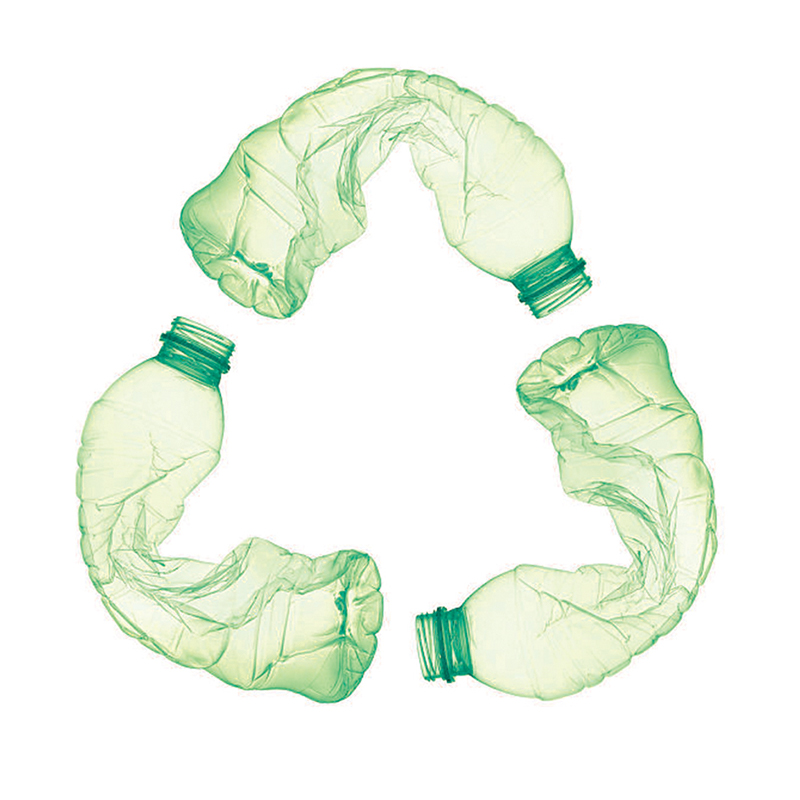
The textile landscape is shifting towards sustainability, and 100 micro polyester yarn is evolving alongside these trends. The industry is increasingly adopting recycled polyethylene terephthalate (rPET) as the raw material source. This approach diverts plastic waste from landfills and oceans, converting it into high-performance yarn without sacrificing quality.
Eco-Friendly Innovations
Recycled micro-polyester retains the same physical properties as virgin fiber, offering a circular solution for fashion and industrial brands. Certifications such as GRS (Global Recycled Standard) verify the recycled content, providing transparency to consumers. Furthermore, research is underway to develop bio-based polyester alternatives that could eventually replace petroleum-derived feedstocks entirely.
Energy efficiency in manufacturing is another focal point. Newer spinning technologies consume less electricity and water, reducing the overall carbon footprint of the yarn. Waterless dyeing technologies, such as supercritical CO2 dyeing, are also being integrated to eliminate wastewater discharge associated with traditional dyeing methods.
Emerging Applications
Looking ahead, the potential applications for 100 micro polyester yarn continue to expand. Smart textiles embedded with conductive micro-fibers could enable wearable technology that monitors health metrics seamlessly. In the realm of protective gear, enhanced filtration capabilities may play a crucial role in safeguarding against airborne pathogens.
The convergence of nanotechnology and micro-fiber engineering promises even finer and more functional materials. As these innovations mature, 100 micro polyester yarn will likely remain at the forefront of textile evolution, bridging the gap between performance, comfort, and environmental responsibility. Companies like Zhink New Material are actively focusing on the conversion of old and new kinetic energy, aspiring to become leaders in the intelligent development of the textile industry by leveraging these future-ready technologies.
Frequently Asked Questions (FAQ)
Addressing common queries helps clarify misconceptions and provides actionable insights for buyers and designers considering 100 micro polyester yarn.
Is 100 micro polyester yarn suitable for sensitive skin?
Yes, generally. The ultra-fine filaments create a smooth surface that minimizes friction against the skin, reducing the risk of irritation. Unlike coarser synthetics, it lacks the prickly texture that often causes discomfort. However, individuals with specific chemical sensitivities should verify if any finishing agents or dyes used in the final fabric might trigger a reaction.
How does it compare to cotton in terms of breathability?
While cotton is naturally breathable, 100 micro polyester yarn excels in moisture management. Cotton absorbs moisture and holds it, which can feel heavy and damp. Micro-polyester wicks moisture away from the skin to the fabric’s surface where it evaporates quickly. In high-humidity or high-sweat scenarios, micro-polyester often feels cooler and drier than cotton.
Can 100 micro polyester yarn be recycled?
Absolutely. Being a polyester variant, it is fully recyclable. Many manufacturers now produce this yarn using 100% post-consumer recycled plastics. At the end of its life cycle, fabrics made from this yarn can be collected and reprocessed into new fibers, supporting a circular economy model.
Does it pill easily?
No, it is highly resistant to pilling. The fine filaments are flexible and tend to bend rather than break when subjected to friction. Even if small pills form, they are often less visible due to the fine texture of the yarn. Proper washing instructions, such as turning garments inside out, can further extend the pill-free lifespan.
What is the best way to wash fabrics made from this yarn?
To maintain the integrity of 100 micro polyester yarn, wash in cool or warm water with a mild detergent. Avoid using fabric softeners, as they can coat the fibers and reduce their moisture-wicking ability. Tumble dry on low heat or hang dry; high heat can damage the elastic recovery of the fibers. Ironing is rarely needed but should be done on a low setting if necessary.
Conclusion and Selection Guide
100 micro polyester yarn stands as a testament to the advancements in textile engineering, offering a unique blend of luxury, performance, and versatility. Its ability to mimic natural fibers while surpassing them in durability and moisture management makes it an indispensable resource for modern manufacturing. From high-end fashion to critical industrial applications, this material continues to redefine what synthetic fibers can achieve.
For brands and designers, the decision to utilize 100 micro polyester yarn should be driven by the specific needs of the end user. If the goal is to create activewear that keeps athletes dry, bedding that feels like silk, or filtration media that captures fine particulates, this yarn is the optimal choice. Its adaptability allows for customization through various cross-sections and chemical treatments, ensuring a tailored solution for every project.
When selecting a supplier, prioritize partners who demonstrate a commitment to quality control and sustainability, such as those employing digital intelligence and 5G integration to guarantee consistency. Look for certifications that verify the origin of the raw materials and the ethical standards of the production process. By choosing high-grade 100 micro polyester yarn from innovative leaders in the field, businesses can deliver products that not only meet but exceed consumer expectations for comfort and performance.
As the industry moves forward, embracing innovations in recycled content and eco-friendly processing will be key. Those who integrate these values into their sourcing strategies will find themselves well-positioned in a market that increasingly demands responsibility alongside excellence. Whether upgrading an existing product line or launching a new venture, 100 micro polyester yarn offers a robust foundation for success.