+86-632-3621866
- Chinese
- French
- German
- Portuguese
- Spanish
- Russian
- Japanese
- Korean
- Arabic
- Irish
- Greek
- Turkish
- Italian
- Danish
- Romanian
- Indonesian
- Czech
- Afrikaans
- Swedish
- Polish
- Basque
- Catalan
- Esperanto
- Hindi
- Lao
- Albanian
- Amharic
- Armenian
- Azerbaijani
- Belarusian
- Bengali
- Bosnian
- Bulgarian
- Cebuano
- Chichewa
- Corsican
- Croatian
- Dutch
- Estonian
- Filipino
- Finnish
- Frisian
- Galician
- Georgian
- Gujarati
- Haitian
- Hausa
- Hawaiian
- Hebrew
- Hmong
- Hungarian
- Icelandic
- Igbo
- Javanese
- Kannada
- Kazakh
- Khmer
- Kurdish
- Kyrgyz
- Latin
- Latvian
- Lithuanian
- Luxembou..
- Macedonian
- Malagasy
- Malay
- Malayalam
- Maltese
- Maori
- Marathi
- Mongolian
- Burmese
- Nepali
- Norwegian
- Pashto
- Persian
- Punjabi
- Serbian
- Sesotho
- Sinhala
- Slovak
- Slovenian
- Somali
- Samoan
- Scots Gaelic
- Shona
- Sindhi
- Sundanese
- Swahili
- Tajik
- Tamil
- Telugu
- Thai
- Ukrainian
- Urdu
- Uzbek
- Vietnamese
- Welsh
- Xhosa
- Yiddish
- Yoruba
- Zulu
- Kinyarwanda
- Tatar
- Oriya
- Turkmen
- Uyghur


Cationic Polyester Fiber Yarn Guide 2026: Properties & Expert Insights
2026-07-14
- What is Cationic Polyester Fiber Yarn?
- Key Properties and Technical Characteristics
- Production Process and Manufacturing Insights
- Comparative Analysis: Cationic vs. Standard Polyester
- Applications and Industry Use Cases
- Advantages and Limitations
- Sustainability and Environmental Impact
- Leading the Way: Innovation in Cationic Yarn Manufacturing
- Frequently Asked Questions (FAQ)
- Expert Selection Guide and Future Outlook
Cationic polyester fiber yarn is a modified synthetic filament engineered with acidic dye sites to achieve deep, vibrant colors and superior dyeability compared to standard polyester. Unlike conventional fibers requiring high-temperature disperse dyes, this specialized yarn accepts cationic (basic) dyes at lower temperatures, offering enhanced color fastness, a softer hand feel, and unique aesthetic effects like heather or two-tone finishes when blended. As the textile industry moves toward 2026, it remains a critical component for performance apparel, home textiles, and sustainable fashion initiatives due to its versatility and reduced energy consumption during the dyeing process.
What is Cationic Polyester Fiber Yarn?
The fundamental definition of cationic polyester fiber yarn lies in its chemical modification. Standard polyester is hydrophobic and lacks reactive sites for many dye types, typically requiring disperse dyes under high pressure and temperature. In contrast, cationic polyester incorporates a third monomer, often containing sulfonate groups, into the polymer chain during production.
This structural change introduces negative charges (anionic sites) within the fiber matrix. These sites have a strong electrostatic attraction to positively charged cationic dye molecules. This affinity allows the fiber to absorb dye more readily and deeply than regular polyester, resulting in richer hues and improved leveling properties.
From a technical standpoint, this modification does not compromise the inherent strength or durability of the polyester backbone. Instead, it expands the functional palette of the material. Manufacturers can produce yarns that mimic the luster of silk or the softness of cotton while retaining the wrinkle resistance and tensile strength synonymous with polyester.
In the context of the 2026 market landscape, the demand for this yarn is driven by the need for cost-effective yet premium-looking textiles. Brands utilize it to create complex visual textures without the expense of natural fibers, making it a cornerstone of modern mass-market and mid-range fashion.
The Chemical Mechanism Behind Dye Affinity
Understanding the science behind cationic polyester fiber yarn requires looking at the polymerization process. During synthesis, manufacturers introduce comonomers such as sodium dimethyl isophthalate-5-sulfonate (SIPM). These comonomers disrupt the regular crystalline structure of the polyester slightly, creating pockets where dye molecules can penetrate more easily.
When exposed to a cationic dye bath, the positive ions of the dye are attracted to the negative sulfonate groups embedded in the fiber. This ionic bonding is significantly stronger than the van der Waals forces that hold disperse dyes to standard polyester. Consequently, the dye penetration is more uniform, reducing the risk of uneven shading or barre effects.
This mechanism also allows for differential dyeing techniques. By blending cationic yarn with regular polyester or other fibers in a single fabric, manufacturers can achieve multi-color effects from a single dye bath. The cationic portion absorbs the color intensely, while the regular portion remains undyed or takes on a different shade if a second dye type is used.
Industry experts note that this chemical versatility is what separates generic synthetic yarns from high-performance variants. It enables designers to push creative boundaries while maintaining the economic advantages of synthetic production scales.
Key Properties and Technical Characteristics
The widespread adoption of cationic polyester fiber yarn across various sectors is attributed to a specific set of physical and chemical properties. These characteristics distinguish it from both standard polyester and natural fibers, offering a unique value proposition for textile engineers and product developers.
One of the most notable features is its exceptional color depth and brightness. Fabrics produced with this yarn often exhibit a vibrancy that rivals natural silk. The dye uptake is higher, meaning less dye is wasted in the effluent, which aligns with growing environmental standards regarding water usage and chemical discharge.
Furthermore, the fiber possesses a naturally softer hand feel. The modification process alters the surface friction and cross-sectional shape of the filament, reducing the “plastic” sensation often associated with cheap synthetics. This makes it highly suitable for garments worn directly against the skin, such as base layers and lingerie.
Thermal properties are another critical aspect. While standard polyester requires dyeing temperatures above 130°C, certain types of cationic yarns can be dyed effectively at atmospheric pressure or lower temperatures (around 100°C). This reduces energy consumption significantly, a factor that is increasingly weighted in supply chain decisions leading up to 2026.
- High Dye Uptake: Absorbs more dye per unit weight, resulting in deeper shades.
- Excellent Leveling: Minimizes patchiness and ensures uniform color distribution.
- Moisture Management: Modified structures can wick moisture better than standard PET.
- Durability: Retains the high tensile strength and abrasion resistance of polyester.
- UV Resistance: Maintains color integrity even after prolonged exposure to sunlight.
Differentiating Between Dyeable and Deep-Dyeable Variants
Not all cationic polyester fiber yarn products are identical. The industry generally categorizes them based on their dye saturation levels and the specific conditions required for optimal coloring. Understanding these distinctions is vital for selecting the right material for a specific application.
Standard Cationic Dyeable (CD): This variant is designed to accept cationic dyes under standard high-temperature high-pressure (HTHP) conditions. It offers improved color yield over regular polyester but operates within similar processing parameters. It is commonly used for general apparel and home furnishings where vibrant solids are required.
Deep Dyeable Cationic (DCD): Engineered with a higher concentration of acidic groups, DCD yarns absorb significantly more dye. They are capable of achieving very dark shades, such as deep blacks and navies, which are difficult to attain with standard cationic yarns. This makes them ideal for performance wear and outdoor gear where light absorption is key.
Atmospheric Dyeable Cationic (ADP): Perhaps the most energy-efficient variant, ADP yarns can be dyed at boiling temperature (100°C) at atmospheric pressure. This eliminates the need for expensive pressurized dyeing machinery, lowering capital expenditure for smaller mills and reducing the carbon footprint of the dyeing process.
Selecting the correct variant depends on the desired final aesthetic and the available manufacturing infrastructure. Misalignment between yarn type and dyeing protocol can lead to poor color fixation or fiber damage.
Production Process and Manufacturing Insights
The creation of cationic polyester fiber yarn involves a sophisticated integration of polymer chemistry and melt spinning technology. While the end product looks similar to standard polyester, the upstream processes differ significantly to ensure the incorporation of the modifying agents.
The process begins with the preparation of the chip or melt. In the case of chip-based production, modified chips containing the sulfonated comonomer are blended with standard PET chips in precise ratios. For direct melt spinning, the comonomer is injected directly into the reactor during polymerization. Precision here is paramount; even slight deviations can alter the dyeability profile of the entire batch.
Once the polymer is prepared, it undergoes melt spinning. The molten polymer is extruded through spinnerets to form filaments. At this stage, the cross-section of the fiber can be manipulated. Triangular, flat, or hollow cross-sections are often used in conjunction with cationic modifications to enhance luster or insulation properties.
Following extrusion, the fibers go through drawing and texturing. Drawing aligns the polymer chains to increase strength, while texturing (such as false twist texturing) adds bulk and elasticity. For cationic polyester fiber yarn, the texturing parameters must be carefully controlled to prevent degradation of the sensitive dye sites introduced by the comonomer.
Quality control is rigorous throughout the production line. Manufacturers test for dye uptake consistency, tensile strength, and boiling water shrinkage. Any inconsistency in the distribution of the cationic modifier can result in “barre” stripes in the finished fabric, a defect that is highly visible in knitted structures.
Quality Control Standards for 2026
As we approach 2026, the quality benchmarks for cationic polyester fiber yarn have evolved beyond simple tensile metrics. The focus has shifted toward reproducibility and environmental compliance. Modern testing protocols now include advanced spectroscopic analysis to verify the exact concentration of sulfonate groups.
Consistency in dye affinity is the primary metric. Mills require assurance that every cone of yarn will react identically in the dye bath. Batch-to-batch variation is minimized through automated dosing systems in the polymerization stage. This reliability is crucial for large-scale fashion brands that cannot afford color mismatches between production runs.
Additionally, the absence of harmful residues is strictly monitored. Since the modification involves chemical additives, ensuring that no unreacted monomers or heavy metals remain in the final yarn is essential for meeting global safety standards like OEKO-TEX®. This trustworthiness factor is a key driver for brand adoption.
Physical testing also includes assessments of pilling resistance and seam slippage. While the chemical modification enhances dyeability, it must not weaken the fiber to the point where it fails in everyday use. Balancing these competing requirements is the hallmark of expert manufacturing.
Comparative Analysis: Cationic vs. Standard Polyester
To fully appreciate the value of cationic polyester fiber yarn, it is necessary to compare it directly with standard polyethylene terephthalate (PET) fiber. This comparison highlights why specific applications demand the modified version despite the potentially higher raw material cost.
The most significant difference lies in the dyeing mechanism. Standard polyester relies on disperse dyes that physically diffuse into the fiber matrix under heat. This process is energy-intensive and often struggles to achieve deep, rich blacks without multiple dyeing cycles. Cationic yarn, conversely, uses ionic bonding, which is faster, more efficient, and yields superior color depth.
Aesthetic differences are also pronounced. Fabrics made from cationic yarn often possess a silk-like luster and a softer drape. Standard polyester can sometimes appear stiff or overly shiny in an artificial way. The modified surface of cationic fibers scatters light differently, creating a more premium visual appeal.
From an environmental perspective, the ability of certain cationic yarns to be dyed at lower temperatures represents a tangible reduction in energy usage. Furthermore, the higher exhaustion rate of cationic dyes means less chemical runoff, easing the burden on wastewater treatment facilities.
| Feature | Standard Polyester Yarn | Cationic Polyester Fiber Yarn |
|---|---|---|
| Dye Type | Disperse Dyes | Cationic (Basic) Dyes |
| Dyeing Temperature | High (130°C+) | Variable (100°C – 130°C) |
| Color Depth | Moderate | Very Deep and Vibrant |
| Hand Feel | Can be stiff/plastic-like | Soft, silk-like |
| Energy Consumption | High | Moderate to Low (depending on variant) |
| Cost | Lower | Slightly Higher |
| Primary Application | General purpose, industrial | Fashion, performance wear, home decor |
Economic Implications for Textile Manufacturers
While the raw cost of cationic polyester fiber yarn may exceed that of standard PET, the total cost of ownership for manufacturers can be lower. The reduced dyeing time and lower energy requirements offset the initial material premium. Additionally, the ability to achieve complex effects in a single dye bath reduces water and chemical usage.
For brands, the investment translates into higher perceived value. A garment that feels like silk but costs a fraction of the price allows for better margin structures. This economic dynamic has solidified the position of cationic yarn as a staple in the global textile supply chain.
Moreover, the versatility of the yarn reduces inventory complexity. A single type of cationic yarn can be dyed into a vast spectrum of colors, allowing for agile response to market trends. This flexibility is invaluable in the fast-paced fashion environment of 2026.
Applications and Industry Use Cases
The versatility of cationic polyester fiber yarn has led to its adoption in a diverse range of industries. Its unique combination of aesthetics, performance, and processability makes it a preferred choice for applications where standard synthetics fall short.
In the apparel sector, it is extensively used for sportswear and activewear. The moisture-wicking capabilities combined with vibrant color retention make it ideal for jerseys, running shorts, and yoga pants. The softness ensures comfort during intense physical activity, while the durability withstands frequent washing.
Home textiles represent another major application area. Curtains, upholstery fabrics, and bed linens benefit from the yarn’s lightfastness and rich color depth. The ability to create heather effects by blending with other fibers allows designers to craft sophisticated interior patterns that resist fading over time.
The automotive industry also utilizes cationic polyester for seat covers and interior trim. The material’s resistance to UV degradation and abrasion ensures longevity in harsh environments. Furthermore, the wide range of achievable colors allows car manufacturers to match specific brand palettes accurately.
Emerging applications include technical textiles and medical fabrics. The smooth surface of the fiber reduces bacterial adhesion, and its chemical stability allows for sterilization processes without degradation. As technology advances, new blends and weaves continue to expand the potential use cases.
Fashion Trends Driving Demand in 2026
Fashion trends in 2026 heavily favor sustainability and sensory experience, two areas where cationic polyester fiber yarn excels. Consumers are increasingly seeking garments that offer the luxury feel of natural fibers without the environmental guilt or high maintenance associated with them.
The rise of “athleisure” continues to drive demand for fabrics that transition seamlessly from gym to street. Cationic blends provide the necessary stretch, recovery, and aesthetic appeal for this category. The vibrant colors enabled by cationic dyeing align with the bold, expressive styles popular among younger demographics.
Additionally, the trend towards “digital fashion” and hyper-realistic rendering requires fabrics with consistent, predictable optical properties. The uniform dye uptake of cationic yarn ensures that physical samples match digital designs perfectly, streamlining the design-to-production workflow.
Designers are also exploring textured finishes, such as crinkled or embossed effects, which hold better on cationic fibers due to their thermal memory. These tactile innovations add a layer of sophistication to synthetic garments, challenging the perception of polyester as a “cheap” material.
Advantages and Limitations
A balanced view of cationic polyester fiber yarn requires acknowledging both its strengths and its constraints. While it offers numerous benefits, it is not a universal solution for every textile challenge. Understanding these nuances is essential for effective product development.
Advantages:
- Superior Aesthetics: Delivers deep, rich colors and a luxurious hand feel that mimics natural fibers.
- Process Efficiency: Certain variants allow for lower temperature dyeing, saving energy and time.
- Versatility: Can be blended with cotton, wool, or regular polyester to create unique visual effects.
- Durability: Maintains the high strength, washability, and quick-drying properties of polyester.
- Eco-Friendly Potential: Reduced dye waste and energy consumption contribute to a lower carbon footprint.
Limitations:
- Cost: Raw material costs are generally higher than standard polyester due to the complex modification process.
- Dye Compatibility: Requires specific cationic dyes; cannot be dyed with standard disperse dyes to the same effect, limiting flexibility in some mixed-fiber scenarios.
- Thermal Sensitivity: Some deep-dyeable variants may have slightly lower thermal stability, requiring careful control during finishing.
- Supply Chain Complexity: Sourcing consistent high-quality cationic yarn requires established relationships with specialized manufacturers.
Overcoming Common Processing Challenges
One common challenge with cationic polyester fiber yarn is the potential for “staining” in blended fabrics. When dyed alongside other fibers, the cationic dye may inadvertently stain the non-cationic components if not properly managed. Expert dyers mitigate this by using staining inhibitors and optimizing the pH levels of the dye bath.
Another issue is the sensitivity to alkali conditions. Cationic sites can be degraded by strong alkaline treatments, which are sometimes used in scouring or printing processes. Therefore, mild detergents and neutral pH environments are recommended throughout the wet processing stages to preserve the dyeability and integrity of the fiber.
Handling static electricity is also a consideration. Like all synthetics, cationic polyester can generate static, though its moisture regain is often slightly better than standard PET. Antistatic finishes or blending with conductive fibers can resolve this in sensitive electronic or cleanroom applications.
By adhering to best practices in processing and handling, manufacturers can maximize the performance of the yarn while minimizing defects. This expertise distinguishes high-quality production facilities from average ones.
Sustainability and Environmental Impact
In the era of conscious consumerism, the environmental profile of cationic polyester fiber yarn is a critical factor. The textile industry faces immense pressure to reduce water usage, chemical discharge, and energy consumption, and this modified fiber offers several pathways to compliance.
The primary environmental benefit stems from the dyeing efficiency. Because cationic dyes have a high affinity for the fiber, the exhaustion rate is often near 90-95%. This means very little dye remains in the wastewater, drastically reducing the load on effluent treatment plants and minimizing water pollution.
Energy savings are equally significant. The capability to dye at atmospheric pressure (for ADP variants) eliminates the need for high-pressure autoclaves, which are energy-intensive to operate and maintain. Lowering the dyeing temperature from 130°C to 100°C results in substantial reductions in fossil fuel consumption per kilogram of fabric produced.
Furthermore, the durability of the resulting fabrics contributes to sustainability. Garments that retain their color and shape after dozens of washes have a longer lifecycle, reducing the frequency of replacement and the overall volume of textile waste. This longevity aligns with the principles of the circular economy.
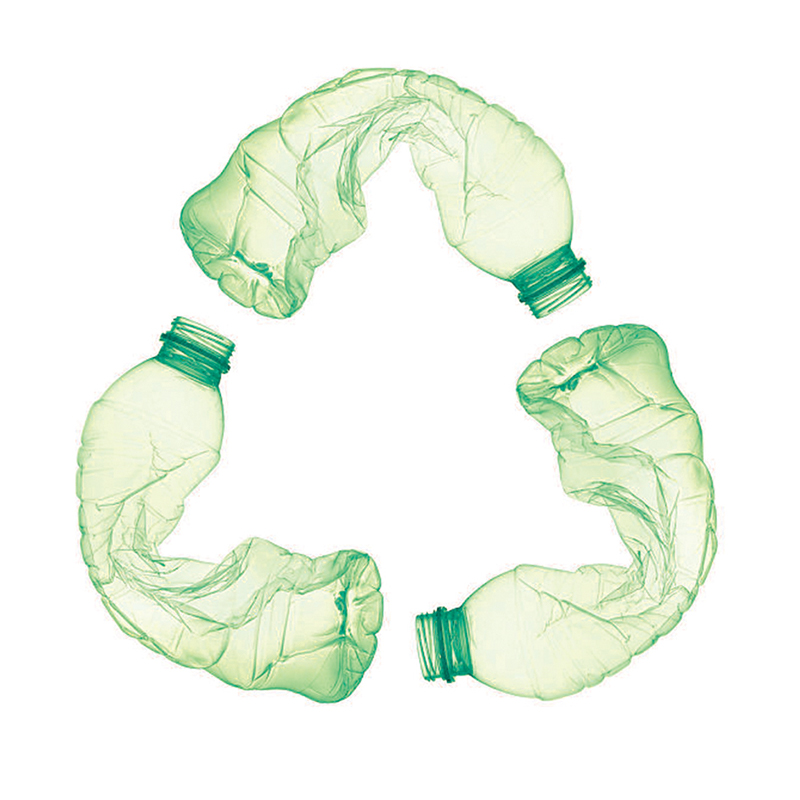
However, it is important to note that the base material is still petroleum-derived polyester. While the modification improves processing efficiency, the ultimate goal for the industry remains the integration of recycled feedstocks. Many manufacturers are now producing cationic yarns from recycled PET (rPET) bottles, combining the benefits of recycling with the performance of cationic dyeability.
The Role of Recycled Cationic Yarn
The convergence of recycling technologies and cationic modification represents a major frontier for 2026. Producing cationic polyester fiber yarn from post-consumer waste is technically challenging but increasingly feasible. Advanced depolymerization and repolymerization methods allow for the reintroduction of the sulfonated comonomer into recycled streams.
Brands are actively seeking these dual-benefit solutions: materials that are both recycled and low-impact in processing. Such yarns command a premium in the market and are often featured in eco-conscious collections. They demonstrate that high performance and environmental responsibility are not mutually exclusive.
Certifications play a vital role here. Products utilizing recycled cationic yarn often pursue Global Recycled Standard (GRS) certification, providing transparency to the end consumer. This traceability builds trust and validates the sustainability claims made by brands.
As technology matures, the cost gap between virgin and recycled cationic yarn is expected to narrow, making sustainable options accessible to a broader segment of the market.
Leading the Way: Innovation in Cationic Yarn Manufacturing
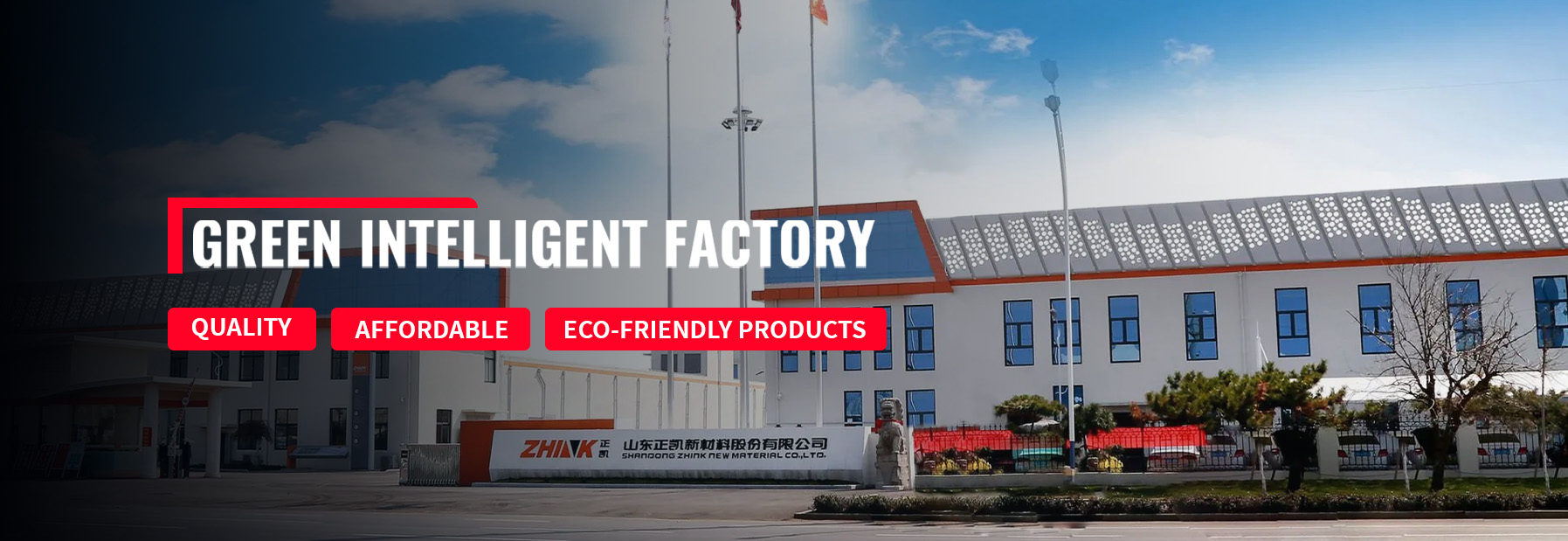
As the demand for high-quality, consistent, and sustainably produced cationic polyester fiber yarn grows, the role of advanced manufacturing becomes paramount. Leading this charge is Zhink New Material, a national-level high-tech enterprise specializing in the R&D, production, and sales of next-generation textile materials. Recognized as a strategic supplier to well-known global textile companies, Zhink has successfully integrated its expertise into the evolving landscape of cationic yarn production.
Zhink New Material adheres to a philosophy of “quality first, constant innovation, and rapid response,” directly addressing the industry’s need for reliable cationic variants. With the completion of its smart manufacturing project in late 2020, the company launched the “Digital Zhink” era, utilizing world-class digital production lines and a provincial enterprise technology center to ensure superior output. This shift to intelligent manufacturing allows Zhink to pioneer small-batch, multi-variety APS (Advanced Planning and Scheduling) intelligent production scheduling specifically for the spinning sector—a crucial capability for meeting the diverse and agile demands of the 2026 fashion market.
The company’s commitment to precision is evident in its highly integrated management platform, which combines ERP, MES, RFID intelligent identification, and real-time quality online detection. For cationic polyester fiber yarn, where even slight deviations in comonomer distribution can lead to dyeing defects, Zhink’s system ensures unprecedented consistency. By filling numerous gaps in the domestic field and developing the industry’s first large-scale customized intelligent integrated management platform, Zhink guarantees that production quality is uniform, costs are optimized, and R&D cycles are significantly shortened.
Furthermore, Zhink New Material is at the forefront of technological integration, being the first in the textile industry to introduce 5G technology for industrial scenario applications. The seamless connection between its intelligent management platform and AGV (Automated Guided Vehicle) control systems provides robust big data support for business operations and production. This level of digital sophistication ensures that every batch of cationic yarn shipped globally meets the rigorous standards required for premium apparel, home textiles, and technical applications, reinforcing Zhink’s aspiration to become a leader in the intelligent development of the textile industry.
Frequently Asked Questions (FAQ)
Addressing common queries helps clarify the specifics of cationic polyester fiber yarn for buyers, designers, and manufacturers. These answers reflect current industry consensus and technical realities.
Is cationic polyester fiber yarn suitable for sensitive skin?
Yes, generally. The modification process often results in a smoother fiber surface and a softer hand feel compared to standard polyester. This reduces friction and irritation, making it suitable for most people with sensitive skin. However, as with any synthetic, individuals with specific allergies should verify the complete finish and dye composition of the final garment.
Can cationic yarn be blended with cotton?
Absolutely. Blending cationic polyester fiber yarn with cotton is a common practice to combine the breathability of cotton with the durability and color vibrancy of polyester. In such blends, the cationic yarn can be dyed separately or in a two-bath process to create distinct color effects, such as a colored polyester warp and a white cotton weft.
Does cationic dyeing require special equipment?
It depends on the yarn variant. Standard cationic yarns can be dyed in existing high-temperature high-pressure (HTHP) machines used for regular polyester. However, atmospheric dyeable (ADP) variants can be processed in simpler, open-vat dyeing machines, which may reduce equipment costs for manufacturers upgrading their facilities.
How does the cost compare to regular polyester?
The raw material cost of cationic polyester fiber yarn is typically 10-20% higher than standard polyester due to the added comonomers and specialized production steps. However, the total processing cost may be lower due to reduced dyeing times, energy savings, and higher dye utilization rates.
Is the color fastness better than standard polyester?
In terms of wash fastness and rubbing fastness, cationic dyed fabrics often perform exceptionally well due to the strong ionic bonds between the dye and the fiber. Light fastness is also generally good, though it can vary depending on the specific dye class used. Overall, it meets or exceeds the standards required for most apparel and home textile applications.
Expert Selection Guide and Future Outlook
Choosing the right cationic polyester fiber yarn involves balancing aesthetic goals, performance requirements, and budget constraints. For projects demanding deep, saturated colors and a luxurious touch, deep-dyeable variants are the optimal choice. For cost-sensitive applications where energy efficiency is a priority, atmospheric dyeable options provide a compelling alternative.
When sourcing, prioritize suppliers who demonstrate rigorous quality control and transparency regarding their chemical inputs, such as those leveraging advanced digital monitoring systems. Request sample dyeings to verify color consistency and hand feel before committing to large orders. Collaboration with your dyeing partner is also crucial to ensure the chosen yarn aligns with their specific machinery and chemical protocols.
Looking toward 2026 and beyond, the trajectory for cationic polyester is positive. Innovations in bio-based comonomers and closed-loop recycling systems are set to further enhance its sustainability profile. As the industry shifts towards smarter, greener manufacturing, this modified fiber stands out as a bridge between traditional synthetic performance and next-generation ecological standards.
Ultimately, the decision to use cationic polyester fiber yarn should be driven by a desire for elevated product quality without compromising on operational efficiency. Whether for high-performance sportswear, elegant home décor, or innovative technical textiles, this material offers a robust foundation for future-ready product lines.
Next Steps for Product Developers
If you are considering integrating this material into your supply chain, begin by defining your specific color and tactile requirements. Engage with yarn suppliers to obtain swatches of different cationic variants. Conduct trial dye runs to assess the interaction with your existing dye recipes. Finally, evaluate the total cost implications, factoring in potential energy savings and waste reduction, to build a comprehensive business case for adoption.