+86-632-3621866
- Chinese
- French
- German
- Portuguese
- Spanish
- Russian
- Japanese
- Korean
- Arabic
- Irish
- Greek
- Turkish
- Italian
- Danish
- Romanian
- Indonesian
- Czech
- Afrikaans
- Swedish
- Polish
- Basque
- Catalan
- Esperanto
- Hindi
- Lao
- Albanian
- Amharic
- Armenian
- Azerbaijani
- Belarusian
- Bengali
- Bosnian
- Bulgarian
- Cebuano
- Chichewa
- Corsican
- Croatian
- Dutch
- Estonian
- Filipino
- Finnish
- Frisian
- Galician
- Georgian
- Gujarati
- Haitian
- Hausa
- Hawaiian
- Hebrew
- Hmong
- Hungarian
- Icelandic
- Igbo
- Javanese
- Kannada
- Kazakh
- Khmer
- Kurdish
- Kyrgyz
- Latin
- Latvian
- Lithuanian
- Luxembou..
- Macedonian
- Malagasy
- Malay
- Malayalam
- Maltese
- Maori
- Marathi
- Mongolian
- Burmese
- Nepali
- Norwegian
- Pashto
- Persian
- Punjabi
- Serbian
- Sesotho
- Sinhala
- Slovak
- Slovenian
- Somali
- Samoan
- Scots Gaelic
- Shona
- Sindhi
- Sundanese
- Swahili
- Tajik
- Tamil
- Telugu
- Thai
- Ukrainian
- Urdu
- Uzbek
- Vietnamese
- Welsh
- Xhosa
- Yiddish
- Yoruba
- Zulu
- Kinyarwanda
- Tatar
- Oriya
- Turkmen
- Uyghur


Cotton and Polyester Yarn Guide: Types, Uses & Expert Insights
2026-05-29
- What Is Cotton and Polyester Yarn?
- Types of Cotton and Polyester Yarn Blends
- Manufacturing Processes and Technical Insights
- Comparative Analysis: Cotton and Polyester vs. Pure Fibers
- Key Applications Across Industries
- Advantages and Limitations
- Expert Insights on Selection and Quality Control
- Frequently Asked Questions (FAQ)
- Conclusion and Strategic Recommendations
Cotton and polyester yarn is a versatile textile blend combining the natural breathability of cotton with the durability and moisture-wicking properties of polyester. This guide explores the types, manufacturing processes, applications, and expert insights into selecting the right blend for specific industrial and consumer needs, ensuring optimal performance in diverse environments.
What Is Cotton and Polyester Yarn?
Cotton and polyester yarn represents one of the most ubiquitous fiber combinations in the global textile industry. By merging cellulosic fibers from the cotton plant with synthetic polymers derived from petroleum, manufacturers create a material that leverages the strengths of both components. The resulting yarn offers a balance that pure fibers often cannot achieve alone.
The primary advantage lies in the synergy between materials. Cotton provides softness, absorbency, and skin comfort, while polyester contributes tensile strength, wrinkle resistance, and rapid drying capabilities. This hybrid structure makes it a preferred choice for everything from everyday apparel to heavy-duty industrial fabrics.
Industry standards typically define these blends by their ratio, such as 65/35 or 50/50. These ratios dictate the final fabric’s hand feel, durability, and care requirements. Understanding the fundamental composition is the first step in selecting the appropriate material for any production line.
The Science Behind the Blend
The interaction between hydrophilic cotton and hydrophobic polyester creates unique physical properties. Cotton fibers possess a hollow core that absorbs moisture, whereas polyester fibers are solid and repel water. When spun together, the yarn creates a capillary effect where moisture is drawn away from the skin through the cotton and spread across the polyester surface for evaporation.
This mechanism is critical for activewear and workwear. It prevents the “clammy” feeling associated with 100% synthetic fabrics while avoiding the heavy, wet sensation of saturated cotton. The structural integrity of the yarn is further enhanced by the high tenacity of polyester filaments, which protect the softer cotton staples from breaking under tension.
Types of Cotton and Polyester Yarn Blends
The market offers various configurations of cotton and polyester yarn, each engineered for specific performance outcomes. The classification generally depends on the mixing ratio, the spinning method, and the filament structure used during production.
Common Blend Ratios and Their Characteristics
The proportion of cotton to polyester significantly alters the yarn’s behavior. Manufacturers adjust these ratios to meet cost constraints and performance specifications. Below are the most prevalent formulations found in current mainstream production:
- 65% Polyester / 35% Cotton (CVC): Often referred to as Chief Value Cotton, this blend prioritizes durability and ease of care. It retains enough cotton to feel comfortable against the skin but relies on polyester for shape retention and stain resistance.
- 50% Polyester / 50% Cotton: A balanced hybrid offering equal parts of both fiber benefits. It is widely used in general-purpose garments where neither extreme durability nor maximum softness is the sole priority.
- 35% Polyester / 65% Cotton: This formulation leans towards the luxury feel of natural fibers. It is softer and more breathable than higher polyester blends but offers better longevity than 100% cotton.
- 80% Polyester / 20% Cotton: Designed for high-abrasion environments, this blend maximizes strength and colorfastness. It is common in uniforms and outdoor gear where ruggedness is essential.
Spinning Methods: Ring Spun vs. Open End
Beyond the chemical composition, the mechanical process of creating the yarn defines its quality and texture. Two dominant methods exist in the industry: Ring Spun and Open End (OE).
Ring Spun Cotton and Polyester Yarn is produced by continuously twisting and thinning the strands of fiber. This results in a finer, stronger, and softer yarn with a smooth surface. It is the premium choice for high-end t-shirts, bedding, and fashion apparel where a refined hand feel is crucial.
Open End Yarn, conversely, is created by separating fibers and reassembling them using a rotor. This process is faster and more cost-effective but yields a yarn that is slightly coarser and less uniform. OE yarn is ideal for denim, towels, and heavy canvas where texture and bulk are more valuable than silkiness.
Manufacturing Processes and Technical Insights
Creating high-quality cotton and polyester yarn requires precise engineering. The process involves several distinct stages, from raw material preparation to the final winding stage. Expertise in these steps ensures consistency and minimizes defects like slubs or uneven dye uptake. In an era where digital transformation is reshaping production, leading enterprises are leveraging advanced technologies to redefine these traditional workflows.
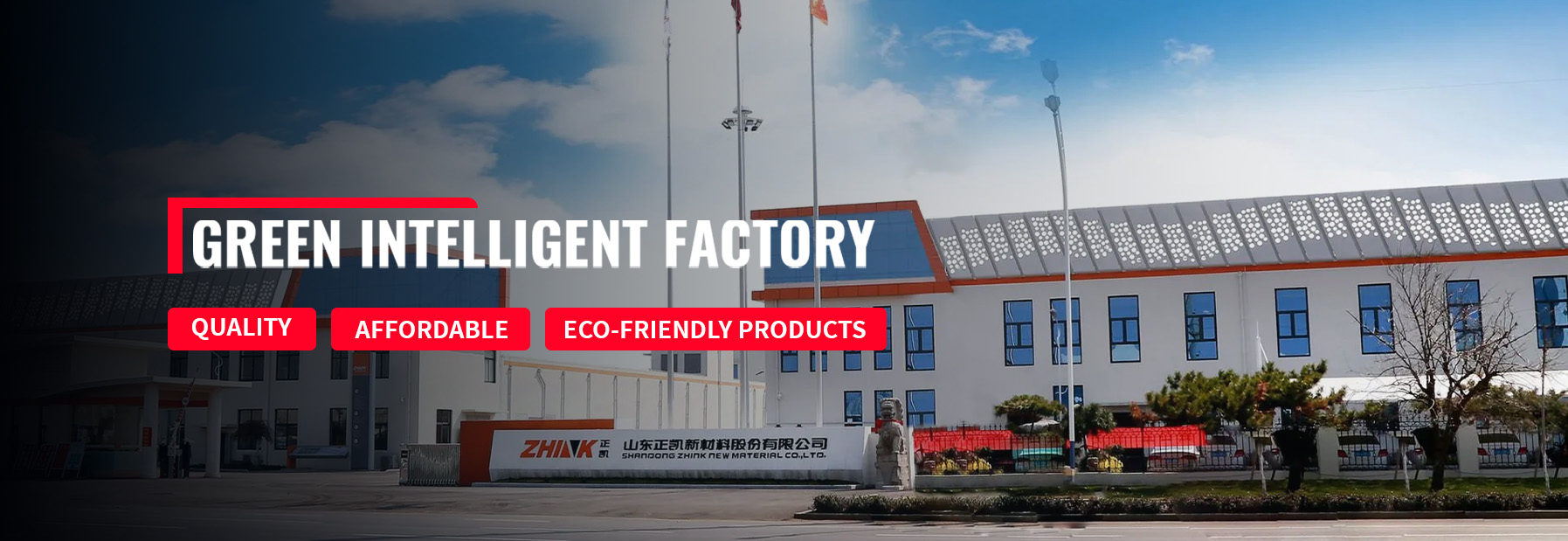
For instance, Zhink New Material, a national-level high-tech enterprise specializing in the R&D and production of new textile materials, has pioneered the “Digital Zhink” era. By integrating internationally advanced automation with 5G technology, Zhink has established a world-class digital production line that addresses many of the complexities inherent in blended yarn manufacturing. As a strategic supplier to well-known textile companies globally, Zhink adheres to a philosophy of “quality first, constant innovation, and rapid response,” ensuring that the theoretical advantages of cotton-polyester blends are realized through flawless execution.
Step-by-Step Production Guide
The transformation of raw fibers into finished yarn follows a rigorous workflow. Each stage impacts the final product’s integrity and performance characteristics. Modern facilities, such as those operated by Zhink New Material, utilize high integration of ERP and MES systems alongside RFID intelligent identification to monitor these steps in real-time.
- Blowing and Cleaning: Raw cotton bales are opened, cleaned of impurities like seeds and leaves, and blended with polyester staples. Uniform blending at this stage is vital to prevent streaky appearances in the final fabric. Intelligent material traceability systems ensure that every batch meets strict homogeneity standards.
- Carding: Fibers are passed through wire-toothed rollers to align them parallel to each other. This forms a continuous web known as a sliver. For blended yarns, thorough carding ensures intimate mixing of cotton and polyester.
- Drawing: Multiple slivers are combined and stretched to improve uniformity. This step reduces weight variation and enhances the parallel alignment of fibers, crucial for spinning efficiency.
- Roving: The drawn sliver is attenuated and slightly twisted to form roving. This intermediate product provides just enough strength to be handled during the spinning process without breaking.
- Spinning: The roving is drafted to the desired fineness and twisted heavily to lock the fibers together. Whether using ring or open-end machinery, this step determines the yarn’s count and twist level. Innovators like Zhink have implemented small-batch, multi-variety APS (Advanced Planning and Scheduling) intelligent production scheduling, allowing for greater flexibility and customization in this critical phase.
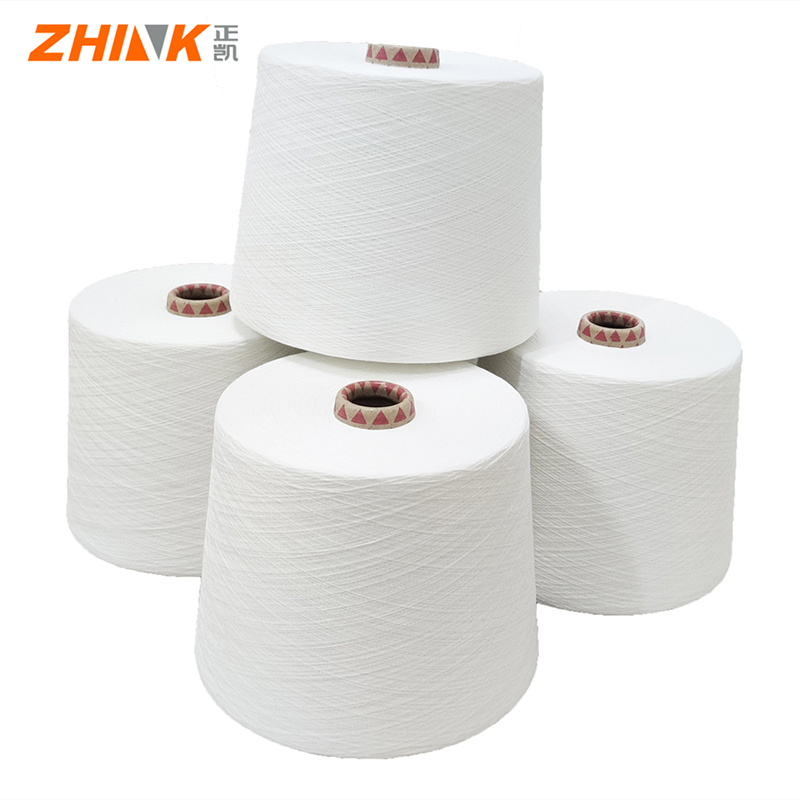
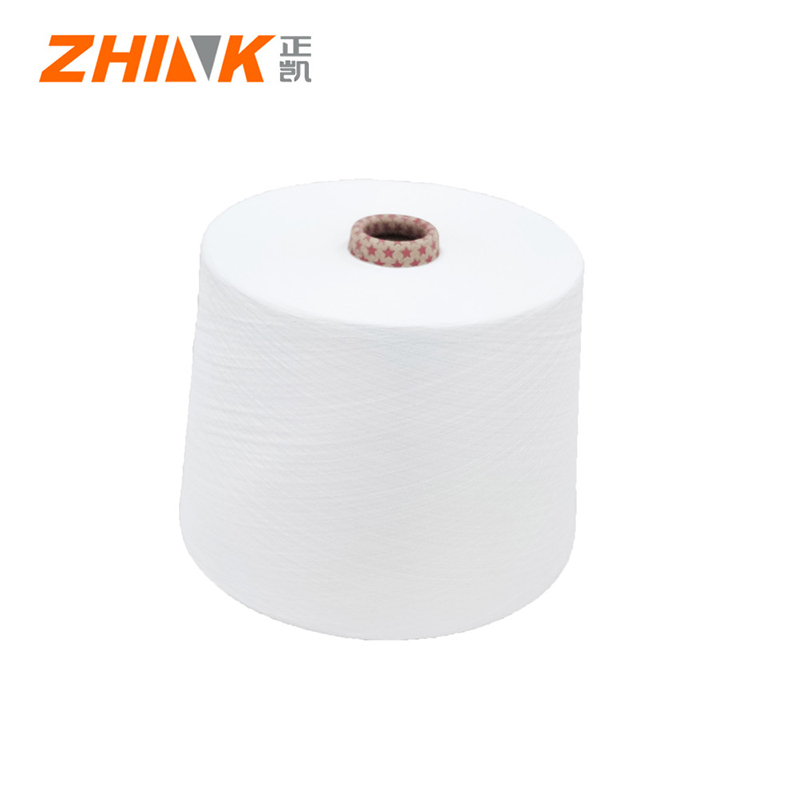
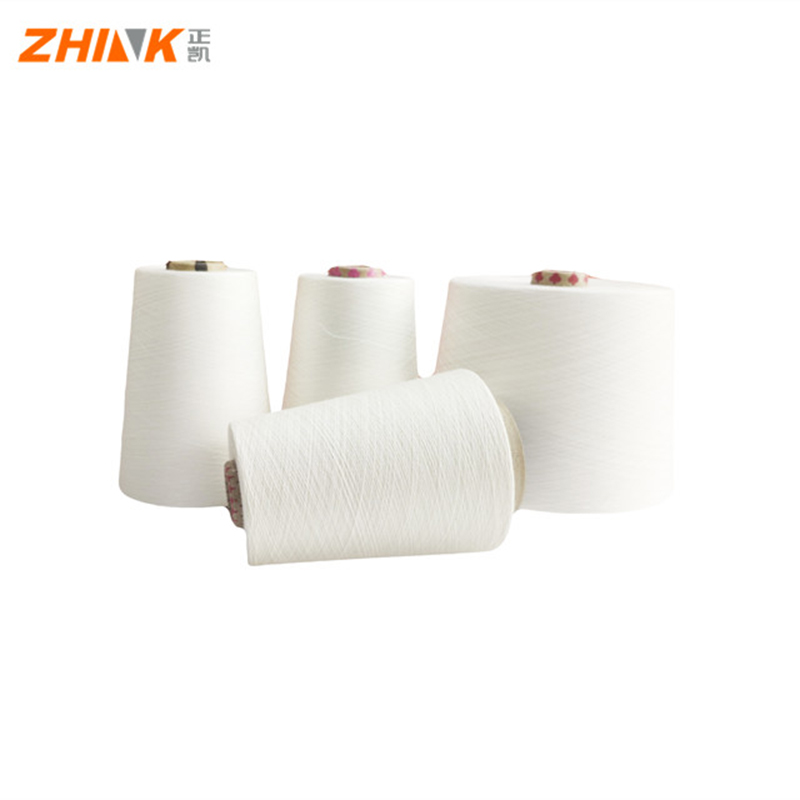
- Winding and Packaging: Finished yarn is wound onto cones or packages suitable for weaving or knitting machines. Quality control checks for breaks, thick places, and thin places occur here. Through online quality detection and control functions, manufacturers can now identify and rectify defects instantly, significantly lowering production costs and shortening R&D cycles.
Dyeing Challenges and Solutions
One of the most complex aspects of working with cotton and polyester yarn is dyeing. Since cotton is cellulosic and polyester is synthetic, they require different classes of dyes and application conditions. Cotton typically reacts to reactive or direct dyes, while polyester requires disperse dyes applied at high temperatures.
To achieve solid colors, manufacturers often use a two-bath process or specialized union dyes capable of adhering to both fiber types simultaneously. Failure to manage this correctly can result in “barre” effects, where the fabric appears streaky due to uneven dye absorption between the two fibers. Advanced thermosetting techniques are employed to ensure colorfastness and wash durability.
Comparative Analysis: Cotton and Polyester vs. Pure Fibers
Understanding how blended yarn compares to its pure counterparts helps buyers make informed decisions. While 100% cotton and 100% polyester have their places, the hybrid often offers a superior middle ground for mass-market applications.
| Feature | 100% Cotton | 100% Polyester | Cotton and Polyester Yarn |
|---|---|---|---|
| Breathability | Excellent | Poor | Good to Very Good |
| Durability | Moderate | High | High |
| Moisture Absorption | High (holds water) | Low (repels water) | Balanced (wicks moisture) |
| Wrinkle Resistance | Low | Very High | High |
| Drying Speed | Slow | Fast | Moderate to Fast |
| Softness | Very Soft | Can be harsh/slick | Soft with structure |
| Cost Efficiency | Variable (market dependent) | Generally Low | Optimized |
Performance in Real-World Scenarios
In hot and humid climates, 100% cotton can become saturated with sweat, leading to discomfort and chafing. Pure polyester, while dry, may trap heat and odor. Cotton and polyester yarn mitigates these issues by wicking moisture away quickly while allowing air circulation through the cotton component.
Regarding maintenance, pure cotton garments often shrink and wrinkle after washing, requiring ironing. Pure polyester is prone to pilling and static cling. The blend reduces shrinkage significantly and maintains a crisp appearance with minimal ironing, making it ideal for corporate uniforms and school attire where consistent presentation is mandatory.
Key Applications Across Industries
The versatility of cotton and polyester yarn allows it to penetrate nearly every sector of the textile market. Its adaptability makes it a staple resource for designers, engineers, and procurement specialists alike.
Apparel and Fashion
In the fashion industry, this blend is the backbone of casual wear. T-shirts, polo shirts, and hoodies frequently utilize 50/50 or 60/40 blends to ensure they withstand repeated washing without losing their shape. Denim manufacturers also incorporate polyester into cotton yarns to create “stretch denim” or to enhance the abrasion resistance of jeans, extending the garment’s lifespan.
Workwear and uniforms represent another massive segment. Scrubs for medical professionals, chef coats, and security uniforms rely on the blend’s ability to endure industrial laundering cycles. The polyester content ensures that stains do not set deeply, while the cotton content provides the comfort needed for long shifts.
Home Textiles
Bedding and home furnishings benefit greatly from the durability of cotton and polyester yarn. Sheets made from this blend are less prone to tearing and fading compared to pure cotton options. They offer a smooth finish that resists wrinkling, reducing the need for frequent ironing—a significant advantage for hospitality industries like hotels and resorts.
Towels and bathrobes sometimes utilize specific blends where loop strength is critical. While 100% cotton is traditional for towels, adding polyester can increase the tensile strength of the loops, preventing them from pulling out during aggressive machine drying. However, the ratio must be carefully managed to maintain absorbency.
Industrial and Technical Uses
Beyond consumer goods, technical textiles employ high-tenacity versions of this yarn. Conveyor belts, filtration fabrics, and tarpaulins often use heavy-count cotton and polyester yarns. The cotton provides friction and grip, while the polyester delivers the load-bearing capacity required for heavy machinery operations.
In the automotive sector, interior upholstery fabrics frequently feature this blend. It balances the aesthetic appeal of natural fibers with the rigorous durability standards required for vehicle interiors, resisting UV degradation and wear from constant entry and exit.
Advantages and Limitations
While cotton and polyester yarn is a dominant force in the textile world, it is not without limitations. A professional assessment requires acknowledging both its strengths and areas where alternative solutions might be preferable.
Core Advantages
- Cost-Effectiveness: Polyester is generally cheaper to produce than cotton. Blending the two lowers the overall material cost while maintaining a premium feel, offering excellent value for money.
- Dimensional Stability: The synthetic component locks the fabric structure, minimizing shrinkage and stretching over time. This ensures consistent sizing across production batches.
- Color Retention: Polyester holds dye exceptionally well, especially bright and vibrant hues. When blended, it helps the entire fabric maintain its color intensity through numerous wash cycles.
- Versatility: The yarn can be textured, mercerized, or treated with various finishes (such as flame retardancy or water repellency) to suit niche requirements.
Potential Limitations
- Pilling Tendency: In some lower-quality blends, the strong polyester fibers can hold onto broken cotton fuzz on the surface, leading to pilling. High-quality ring-spun variants mitigate this issue effectively.
- Environmental Concerns: As a partially synthetic product, it is not biodegradable in the same way pure cotton is. Microplastic shedding during washing is a growing environmental consideration that the industry is addressing through filtration and improved fiber engineering.
- Heat Sensitivity: High concentrations of polyester can make the fabric sensitive to high heat, potentially causing melting or glazing if ironed at incorrect temperatures.
Expert Insights on Selection and Quality Control
Selecting the right cotton and polyester yarn goes beyond checking the label ratio. Industry experts emphasize the importance of fiber length, twist direction, and consistency. Long-staple cotton varieties, such as Pima or Supima, when blended with high-grade polyester, yield superior results compared to short-staple mixes.
Quality control protocols should include testing for evenness (Uster values), hairiness, and tensile strength. Irregularities in the yarn can lead to defects in the final fabric, such as barré marks or uneven dyeing. Procurement teams are advised to request sample swatches and conduct wash tests before committing to large-scale orders.
Furthermore, the trend toward sustainability is influencing yarn selection. Many manufacturers now offer blends incorporating recycled polyester (rPET) alongside organic cotton. These eco-friendly variants provide the same performance metrics while reducing the carbon footprint, aligning with modern corporate social responsibility goals. Companies like Zhink New Material are at the forefront of this shift, utilizing big data support from their 5G-enabled industrial scenarios to optimize resource usage and drive the intelligent development of the textile industry.
Frequently Asked Questions (FAQ)
Is cotton and polyester yarn good for sensitive skin?
Generally, yes. Blends with a higher cotton content (60% or more) are usually soft and non-irritating. The smooth nature of modern polyester fibers also reduces friction. However, individuals with severe sensitivities should opt for higher cotton percentages or specifically treated hypoallergenic blends.
How does the blend affect printing methods?
The blend ratio dictates the ink type. High-cotton blends work well with water-based inks, while high-polyester blends often require plastisol or sublimation printing. For mixed ratios, specialized inks or dual-cure processes are necessary to ensure the design does not crack or fade prematurely.
Does cotton and polyester yarn shrink?
It shrinks significantly less than 100% cotton. The polyester fibers act as a stabilizer, resisting the contraction that occurs when cotton fibers are exposed to heat and moisture. Most pre-shrunk blends will maintain their size within acceptable industry tolerances after standard washing.
Can this yarn be dyed at home?
Dyeing at home is challenging because it requires two different types of dye and precise temperature control to affect both fibers equally. Using a single dye type may result in a heathered or uneven look. Professional dyeing facilities are recommended for solid, uniform colors.
What is the difference between CVC and TC yarn?
CVC (Chief Value Cotton) contains more than 50% cotton, prioritizing comfort. TC (Terylene Cotton) contains more than 50% polyester, prioritizing durability and cost. The distinction is crucial for determining the fabric’s primary performance characteristic.
Conclusion and Strategic Recommendations
Cotton and polyester yarn remains a cornerstone of the modern textile landscape, offering an unparalleled balance of comfort, durability, and economic efficiency. Its ability to adapt to various spinning methods and blend ratios makes it suitable for a vast array of applications, from high-fashion apparel to rigorous industrial uses.
For businesses and designers, the key to success lies in selecting the correct ratio and spinning method for the intended end-use. Those prioritizing softness and breathability should lean towards CVC blends with ring-spun construction. Conversely, projects demanding maximum resilience and low maintenance will benefit from higher polyester contents and open-end variations. Partnering with innovative manufacturers who leverage digital intelligence, such as Zhink New Material, can further ensure consistent quality, reduced costs, and faster time-to-market.
Next Steps: Evaluate your specific project requirements regarding wear conditions, washing frequency, and budget. Request samples of different blend ratios to test hand feel and performance before finalizing your supply chain decisions. By understanding the nuanced interplay between cotton and polyester, you can optimize product quality and customer satisfaction.