+86-632-3621866
- Chinese
- French
- German
- Portuguese
- Spanish
- Russian
- Japanese
- Korean
- Arabic
- Irish
- Greek
- Turkish
- Italian
- Danish
- Romanian
- Indonesian
- Czech
- Afrikaans
- Swedish
- Polish
- Basque
- Catalan
- Esperanto
- Hindi
- Lao
- Albanian
- Amharic
- Armenian
- Azerbaijani
- Belarusian
- Bengali
- Bosnian
- Bulgarian
- Cebuano
- Chichewa
- Corsican
- Croatian
- Dutch
- Estonian
- Filipino
- Finnish
- Frisian
- Galician
- Georgian
- Gujarati
- Haitian
- Hausa
- Hawaiian
- Hebrew
- Hmong
- Hungarian
- Icelandic
- Igbo
- Javanese
- Kannada
- Kazakh
- Khmer
- Kurdish
- Kyrgyz
- Latin
- Latvian
- Lithuanian
- Luxembou..
- Macedonian
- Malagasy
- Malay
- Malayalam
- Maltese
- Maori
- Marathi
- Mongolian
- Burmese
- Nepali
- Norwegian
- Pashto
- Persian
- Punjabi
- Serbian
- Sesotho
- Sinhala
- Slovak
- Slovenian
- Somali
- Samoan
- Scots Gaelic
- Shona
- Sindhi
- Sundanese
- Swahili
- Tajik
- Tamil
- Telugu
- Thai
- Ukrainian
- Urdu
- Uzbek
- Vietnamese
- Welsh
- Xhosa
- Yiddish
- Yoruba
- Zulu
- Kinyarwanda
- Tatar
- Oriya
- Turkmen
- Uyghur


Low Temperature Cationic Polyester Yarn: Complete Guide & Expert Insights
2026-07-17
- What Is Low Temperature Cationic Polyester Yarn?
- Key Advantages Over Traditional Dyeing Methods
- Technical Comparison: Low Temp vs. Standard Cationic
- Applications and Usage Scenarios
- Step-by-Step Guide to Dyeing Low Temperature Cationic Yarn
- Common Challenges and Expert Solutions
- Leading the Way: Innovation in Production
- Frequently Asked Questions (FAQ)
- Future Trends in Cationic Polyester Technology
- Conclusion and Selection Guide
Low temperature cationic polyester yarn is a specialized synthetic fiber engineered to be dyed at significantly lower temperatures (typically 95°C–105°C) compared to standard cationic or disperse-dyeable polyesters. This innovation allows for energy-efficient processing, reduced carbon footprints, and the creation of unique heather effects when blended with other fibers. By utilizing modified polymer chains with enhanced dye affinity, this yarn enables manufacturers to achieve deep, vibrant colors while minimizing thermal stress on fabric structures, making it a cornerstone of modern sustainable textile production.
What Is Low Temperature Cationic Polyester Yarn?
The textile industry constantly seeks methods to reduce energy consumption without compromising quality. Low temperature cationic polyester yarn represents a significant technological advancement in this domain. Unlike conventional polyester, which requires high-temperature dyeing (often exceeding 130°C) to penetrate the crystalline structure of the fiber, this variant is chemically modified during the polymerization stage.
These modifications introduce specific acidic groups into the polymer chain. These groups create a stronger electrostatic attraction to basic (cationic) dyes. As a result, the dye molecules can diffuse into the fiber matrix much more rapidly and effectively at lower thermal energy levels. This fundamental shift in chemical structure is what distinguishes it from standard variants.
Manufacturers value this material not only for its environmental benefits but also for its versatility. It serves as a critical component in creating “melange” or heather fabrics, where the cationic yarn accepts dye while blended companion fibers (like standard polyester or cotton) remain undyed or accept different dyes. This capability opens up vast design possibilities for fashion and home textiles.
The Chemistry Behind the Innovation
Understanding the science behind low temperature cationic polyester yarn requires looking at the molecular level. Standard polyester is hydrophobic and has a tightly packed crystalline structure. To dye it, manufacturers traditionally use high pressure and temperature to “open” these structures temporarily. However, this process is energy-intensive and can damage delicate fabric blends.
In contrast, the production of low-temperature cationic yarn involves copolymerization. During this process, monomers containing sulfonate groups are introduced. These groups act as dye sites. The presence of these sites lowers the glass transition temperature of the fiber specifically regarding dye diffusion. Consequently, the kinetic energy required for dye molecules to enter the fiber is reduced.
This chemical engineering ensures that the dyeing process can occur near the boiling point of water rather than requiring pressurized vessels. The result is a fiber that maintains the inherent strength and durability of polyester while offering superior dye uptake characteristics under milder conditions.
Key Advantages Over Traditional Dyeing Methods
The shift toward low temperature cationic polyester yarn is driven by compelling economic and ecological advantages. As global regulations tighten around industrial emissions and energy usage, textile mills are under pressure to adopt greener technologies. This yarn provides a direct solution to those challenges.
One of the most significant benefits is energy conservation. Heating dye baths from 100°C to 130°C requires substantial fuel or electricity. By lowering the operating temperature by 25°C to 35°C, manufacturers can achieve considerable reductions in utility costs. Over large production runs, these savings translate into improved profit margins and a smaller carbon footprint.
Furthermore, the gentler dyeing conditions preserve the integrity of the fabric. High-temperature processes can sometimes cause fiber degradation, leading to loss of tensile strength or unwanted changes in hand feel. Low-temperature processing mitigates these risks, ensuring the final product retains its desired physical properties.
Environmental Impact and Sustainability
Sustainability is no longer optional in the textile sector; it is a mandate. The adoption of low temperature cationic polyester yarn aligns perfectly with green manufacturing goals. The reduction in energy consumption directly correlates to lower greenhouse gas emissions associated with power generation.
Beyond energy, there are implications for water usage and chemical discharge. Lower temperature dyeing often results in better exhaustion rates, meaning more dye ends up on the fabric and less remains in the wastewater. This reduces the load on effluent treatment plants and minimizes the risk of water pollution.
Industry experts recognize this yarn as a key enabler for circular economy initiatives. Its compatibility with various recycling streams and its ability to be processed with less aggressive chemicals make it a preferred choice for brands aiming for eco-certifications. The move toward such materials reflects a broader industry trend toward responsible sourcing and production.
Economic Efficiency for Manufacturers
While the raw material cost of modified yarns may vary, the total cost of ownership often favors low temperature cationic polyester yarn. The operational savings derived from reduced cycle times and lower energy bills frequently offset any initial price premiums. Additionally, the ability to dye blended fabrics in a single bath simplifies the production workflow.
Traditional methods for dyeing blends often require multi-stage processes, each with its own heating, cooling, and washing cycles. By utilizing the selective dye affinity of cationic yarn, manufacturers can streamline these operations. This efficiency leads to faster turnaround times and increased production capacity without expanding physical infrastructure.
Moreover, the consistency of color achieved with this yarn reduces the rate of re-dyeing due to shade mismatches. In an industry where time-to-market is critical, minimizing errors and rework is a substantial financial advantage. The reliability of the dyeing process enhances overall operational stability.
Technical Comparison: Low Temp vs. Standard Cationic
To fully appreciate the value proposition of low temperature cationic polyester yarn, it is essential to compare it directly with standard cationic dyeable polyester (CDP) and regular disperse-dyeable polyester. The differences lie primarily in the dyeing conditions, energy requirements, and application scope.
Standard cationic yarns still often require elevated temperatures to achieve deep shades, although they accept basic dyes better than regular polyester. However, the “low temperature” variant takes this a step further by optimizing the polymer structure specifically for sub-boiling or near-boiling dyeing. This distinction is crucial for processors working with heat-sensitive blends.
The following table outlines the core technical differences between these fiber types, providing a clear reference for textile engineers and procurement specialists.
| Feature | Low Temp Cationic Polyester | Standard Cationic Polyester | Regular Disperse Polyester |
|---|---|---|---|
| Dyeing Temperature | 95°C – 105°C | 105°C – 120°C | 125°C – 135°C |
| Pressure Requirement | Atmospheric (Open Vessel) | Low Pressure / Atmospheric | High Pressure Required |
| Energy Consumption | Low | Moderate | High |
| Dye Type | Cationic (Basic) Dyes | Cationic (Basic) Dyes | Disperse Dyes |
| Fabric Blend Suitability | Ideal for Heat-Sensitive Blends | Good for General Blends | Limited for Sensitive Blends |
| Color Fastness | Excellent (with proper fixing) | Very Good | Good to Very Good |
| Production Cycle Time | Shorter (No pressurization) | Moderate | Longer (Heating/Cooling) |
This comparison highlights why low temperature cationic polyester yarn is becoming the default choice for complex fabric constructions. The ability to operate at atmospheric pressure eliminates the need for expensive high-pressure dyeing machines, lowering capital expenditure for new facilities.
Furthermore, the color yield on low-temperature variants is often superior for certain shades. The enhanced affinity allows for deeper penetration of dye molecules even at lower thermal energies, resulting in richer blacks and vibrant colors that are difficult to achieve with standard fibers under similar conditions.
Applications and Usage Scenarios
The versatility of low temperature cationic polyester yarn makes it suitable for a wide array of textile applications. Its unique dyeing characteristics allow designers and engineers to create fabrics that were previously difficult or impossible to produce efficiently. From high-fashion apparel to functional sportswear, the use cases are extensive.
One of the primary applications is in the production of heather or melange fabrics. By blending low-temperature cationic yarn with standard polyester, wool, or cotton, manufacturers can dye the blend in a single bath. The cationic component absorbs the color while the other fibers remain their natural shade or accept a different dye class. This creates a sophisticated, multi-tonal aesthetic highly prized in casual wear and corporate uniforms.
Another significant sector is sportswear and activewear. Modern athletic garments often require complex blends to manage moisture, stretch, and durability. The gentle dyeing process of low-temperature yarn ensures that elastic components like spandex are not degraded by excessive heat. This preserves the stretch recovery and comfort of the final garment, which is critical for performance apparel.
Fashion and Apparel
In the fashion industry, trends move quickly, and the demand for unique textures and colors is constant. Low temperature cationic polyester yarn enables rapid prototyping and production of novel fabric designs. Designers can experiment with cross-dye effects, where different fibers in a weave take up different colors, creating intricate patterns without printing.
The soft hand feel achieved through low-temperature processing is another advantage. High-heat treatments can sometimes stiffen fibers or alter their surface texture. By avoiding these extremes, the yarn retains a softer, more luxurious drape, making it ideal for dresses, shirts, and linings that come into direct contact with the skin.
Additionally, the consistency of shade lot-to-lot is vital for large fashion orders. The controlled dye uptake of this specialized yarn reduces the variability often seen in high-temperature processes, ensuring that bulk orders match the approved standards precisely.
Home Textiles and Upholstery
The home textile sector also benefits significantly from this technology. Curtains, upholstery fabrics, and bedding often involve heavy blends that are challenging to dye uniformly. Low temperature cationic polyester yarn facilitates even dye distribution in thick fabrics where heat transfer might otherwise be uneven.
For upholstery, durability and color fastness are paramount. The strong bond formed between the cationic dye and the modified fiber ensures that colors resist fading from sunlight and washing. This longevity is essential for furniture fabrics that undergo frequent use and cleaning.
Moreover, the ability to produce flame-retardant blends is enhanced. Many flame-retardant additives are sensitive to high temperatures. Using a low-temperature dyeing process allows these additives to remain effective, ensuring that the final product meets strict safety regulations without compromising on aesthetics.
Step-by-Step Guide to Dyeing Low Temperature Cationic Yarn
Achieving optimal results with low temperature cationic polyester yarn requires adherence to specific processing parameters. While the temperature requirements are less stringent than standard polyester, the chemistry of the dye bath must be carefully managed to ensure level dyeing and maximum fastness.
The following steps outline the industry-standard procedure for dyeing this yarn. Following this guide helps minimize defects such as unlevelness, speckiness, or poor wash fastness.
- Preparation of the Fabric: Ensure the fabric or yarn is thoroughly scoured and bleached if necessary. Any residual oils, sizing agents, or impurities can block dye sites and lead to uneven coloring. A neutral pH is ideal before entering the dye bath.
- Dye Bath Setup: Fill the dyeing vessel with water and adjust the temperature to 40°C–50°C. Add the required amount of acetic acid to lower the pH to the range of 4.0–4.5. This acidic environment is crucial for ionizing the dye and facilitating its attraction to the fiber.
- Addition of Auxiliaries: Introduce a leveling agent specifically designed for cationic dyes. These agents control the rate of dye uptake, preventing the dye from striking too quickly, which causes patchiness. If dyeing blends, add any necessary retarders to synchronize the dyeing rates of different fibers.
- Dye Addition: Slowly add the dissolved cationic dye to the bath. Ensure the dye is fully dissolved and filtered to prevent agglomerates. Gradually raise the temperature at a controlled rate of 1°C–2°C per minute.
- Dyeing Phase: Maintain the temperature between 95°C and 105°C (depending on the specific yarn grade and desired depth). Hold this temperature for 30–60 minutes. Circulation should be consistent to ensure uniform exposure.
- Fixation and Cooling: After the holding period, slowly cool the bath. In some cases, a cationic fixing agent is added during the cooling phase to enhance wash and rub fastness. Avoid rapid cooling which can shock the fiber.
- Rinsing and Finishing: Rinse the material thoroughly with warm water followed by cold water to remove unfixed dye. Apply a softener if required to restore the desired hand feel. Dry the fabric at moderate temperatures.
Adhering to this protocol ensures that the low temperature cationic polyester yarn performs to its full potential. Deviations in pH or heating rates are the most common causes of dyeing failures, so precise control is essential.
It is also worth noting that water quality plays a role. Hard water can interfere with cationic dyes, leading to precipitation or dull shades. Using softened or demineralized water is recommended for consistent, high-quality results.
Common Challenges and Expert Solutions
Despite its advantages, working with low temperature cationic polyester yarn presents certain challenges that require expert knowledge to overcome. Understanding these potential pitfalls allows manufacturers to proactively address them and maintain high production standards.
One common issue is unlevel dyeing. Because cationic dyes have a very high affinity for the fiber, they can exhaust onto the material too rapidly if the temperature rises too quickly or if the leveling agent is insufficient. This results in streaks or patches of darker color.
Solution: The key is strict temperature control and the use of high-performance leveling agents. Extending the ramp-up time and ensuring thorough circulation in the dyeing machine can mitigate this. Pre-dissolving the dye completely is also critical to prevent localized concentration spikes.
Another challenge is metamerism. Cationic dyes can exhibit metamerism, where the color appears different under various light sources (e.g., daylight vs. fluorescent light). This can be problematic for brands with strict color matching requirements.
Solution: Careful selection of dye combinations is necessary. Experienced dyers use spectrophotometers to check colors under multiple light sources during the lab dip stage. Choosing dyes with non-metameric properties or adjusting the dye recipe can resolve this issue before bulk production begins.
Crocking or rubbing fastness can also be a concern if the dye is not properly fixed. Since the dyeing happens at lower temperatures, some users worry about the fixation level compared to high-temperature processes.
Solution: Post-dyeing treatment with cationic fixing agents is highly effective. These agents form a protective layer over the dye molecules, locking them into the fiber and improving resistance to washing and rubbing. Proper rinsing to remove surface dye is equally important.
Troubleshooting Shade Variation
Shade variation between batches is a persistent challenge in textile dyeing. With low temperature cationic polyester yarn, slight variations in the yarn’s cationic value (dye site density) can lead to noticeable color differences.
To address this, rigorous quality control at the yarn spinning stage is essential. Manufacturers should test the cationic value of incoming yarn lots and group similar lots together for dyeing. Adjusting the dye recipe based on the specific cationic value of the batch can also ensure consistency.
Furthermore, maintaining consistent liquor ratios and chemical concentrations across batches is vital. Automated dosing systems can help eliminate human error in chemical addition, ensuring that every batch receives the exact same treatment.
Leading the Way: Innovation in Production
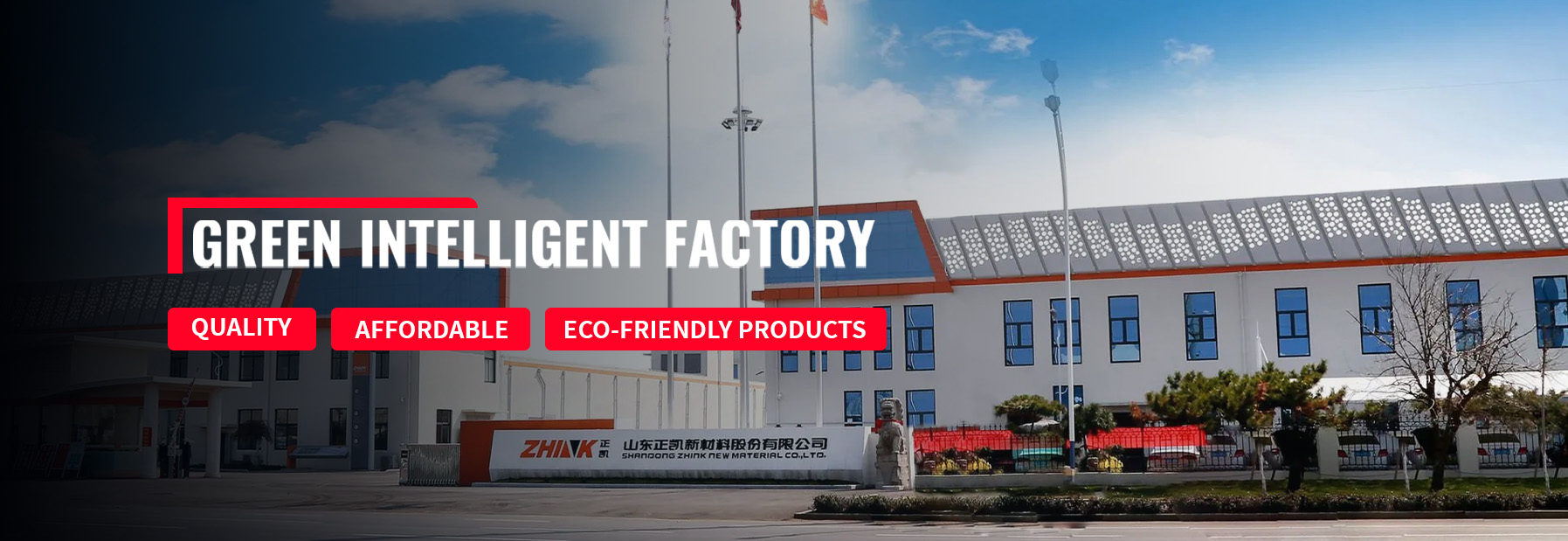
While the theoretical benefits of low temperature cationic polyester yarn are clear, realizing them at scale requires advanced manufacturing capabilities. This is where industry leaders like Zhink New Material are making a tangible difference. Specializing in the R&D, production, and sales of new textile materials, Zhink has established itself as a national-level high-tech enterprise and a strategic supplier to well-known global textile companies.
Zhink New Material adheres to a philosophy of “quality first, constant innovation, and rapid response,” actively driving the conversion of old and new kinetic energies within the sector. Their commitment to intelligent development culminated in the completion of a smart manufacturing project in November 2020, officially launching the “Digital Zhink” era. By leveraging internationally advanced automation and digital technologies, Zhink pioneered the implementation of small-batch, multi-variety APS (Advanced Planning and Scheduling) intelligent production scheduling in the spinning sector—a first in the domestic field.
The integration of ERP, MES, RFID intelligent identification, material traceability, and online quality detection systems has created an industry-first large-scale customized intelligent integrated management platform. The result is production quality that is remarkably consistent, significantly lower production costs, and a considerably shorter R&D cycle. Furthermore, Zhink was the first to introduce 5G technology into the textile industry, establishing 5G+ industrial scenario applications where the intelligent management platform connects seamlessly with AGV control systems. This provides robust big data support for business operations, ensuring that the low temperature cationic polyester yarn supplied to the market meets the highest standards of precision and reliability.
Frequently Asked Questions (FAQ)
As the adoption of low temperature cationic polyester yarn grows, several questions frequently arise among textile professionals, buyers, and designers. The following section addresses these queries with expert insights.
Can low temperature cationic yarn be blended with cotton?
Yes, absolutely. One of the primary uses of this yarn is blending with cotton to create heather effects. In a single-bath dyeing process using cationic dyes, the polyester component dye deeply while the cotton remains undyed (or can be dyed separately with reactive dyes in a two-bath process). This combination offers the comfort of cotton with the durability and easy-care properties of polyester.
Is special equipment required for dyeing this yarn?
No special high-pressure equipment is needed, which is a major advantage. Low temperature cationic polyester yarn can be dyed in standard atmospheric dyeing machines, such as open-width jig dyeing machines or overflow dyeing machines capable of reaching 100°C. This reduces the capital investment required for mills transitioning to this technology.
How does the cost compare to regular polyester?
The raw material cost of the yarn itself may be slightly higher due to the modification process involved in its production. However, the total processing cost is often lower. Savings in energy, reduced cycle times, and the elimination of high-pressure machinery maintenance often result in a lower overall cost per kilogram of finished fabric.
What is the wash fastness of cationic dyes on this yarn?
When applied correctly with appropriate fixing agents, the wash fastness is excellent. The ionic bond between the cationic dye and the acidic groups in the fiber is very strong. It typically outperforms disperse dyes on regular polyester in terms of resistance to washing, though light fastness should always be verified for specific end-uses.
Can this yarn be used for knitting and weaving alike?
Yes, low temperature cationic polyester yarn is available in various counts and twists suitable for both knitting and weaving applications. Its physical properties, such as tensile strength and elongation, are comparable to standard polyester, making it versatile for diverse fabric constructions ranging from fine jerseys to heavy canvas.
Future Trends in Cationic Polyester Technology
The landscape of synthetic fibers is evolving, and low temperature cationic polyester yarn is at the forefront of this transformation. As consumer demand for sustainable products intensifies, the industry is likely to see further refinements in this technology.
Research is currently focused on developing yarns that can be dyed at even lower temperatures, potentially below 80°C, to maximize energy savings. Additionally, there is a push towards bio-based cationic polyesters, where the raw materials are derived from renewable resources rather than petroleum, further enhancing the sustainability profile.
Digital integration in the dyeing process is another emerging trend. Smart sensors and AI-driven control systems will allow for real-time monitoring of dye exhaustion and temperature, ensuring perfect reproducibility and minimizing waste. These advancements will solidify the position of low-temperature cationic yarn as a staple in the modern textile supply chain.
Furthermore, the development of new cationic dye classes with improved light fastness and broader color gamuts will expand the design possibilities. As these innovations mature, the gap between the aesthetic quality of natural fibers and the performance of synthetics will continue to narrow.
Conclusion and Selection Guide
In summary, low temperature cationic polyester yarn represents a pivotal advancement in textile manufacturing, bridging the gap between economic efficiency, environmental responsibility, and aesthetic versatility. Its ability to facilitate energy-saving dyeing processes while enabling complex heather effects makes it an indispensable resource for forward-thinking brands and manufacturers.
This yarn is particularly well-suited for:
- Sustainable Brands: Companies aiming to reduce their carbon footprint and meet strict environmental regulations.
- Fashion Designers: Creatives seeking unique melange textures and vibrant color options without compromising fabric hand feel.
- Cost-Conscious Manufacturers: Mills looking to lower utility bills and optimize production throughput through simplified dyeing workflows.
- Performance Apparel Makers: Producers of sportswear who need to protect heat-sensitive elastane blends during the dyeing process.
Choosing the right supplier and understanding the specific technical requirements of your application are the next critical steps. When sourcing low temperature cationic polyester yarn, prioritize partners who offer consistent cationic values and robust technical support for dyeing optimization. By integrating this advanced material into your supply chain, you position your products at the intersection of innovation and sustainability, ready to meet the demands of the modern market.