+86-632-3621866
- Chinese
- French
- German
- Portuguese
- Spanish
- Russian
- Japanese
- Korean
- Arabic
- Irish
- Greek
- Turkish
- Italian
- Danish
- Romanian
- Indonesian
- Czech
- Afrikaans
- Swedish
- Polish
- Basque
- Catalan
- Esperanto
- Hindi
- Lao
- Albanian
- Amharic
- Armenian
- Azerbaijani
- Belarusian
- Bengali
- Bosnian
- Bulgarian
- Cebuano
- Chichewa
- Corsican
- Croatian
- Dutch
- Estonian
- Filipino
- Finnish
- Frisian
- Galician
- Georgian
- Gujarati
- Haitian
- Hausa
- Hawaiian
- Hebrew
- Hmong
- Hungarian
- Icelandic
- Igbo
- Javanese
- Kannada
- Kazakh
- Khmer
- Kurdish
- Kyrgyz
- Latin
- Latvian
- Lithuanian
- Luxembou..
- Macedonian
- Malagasy
- Malay
- Malayalam
- Maltese
- Maori
- Marathi
- Mongolian
- Burmese
- Nepali
- Norwegian
- Pashto
- Persian
- Punjabi
- Serbian
- Sesotho
- Sinhala
- Slovak
- Slovenian
- Somali
- Samoan
- Scots Gaelic
- Shona
- Sindhi
- Sundanese
- Swahili
- Tajik
- Tamil
- Telugu
- Thai
- Ukrainian
- Urdu
- Uzbek
- Vietnamese
- Welsh
- Xhosa
- Yiddish
- Yoruba
- Zulu
- Kinyarwanda
- Tatar
- Oriya
- Turkmen
- Uyghur


Polyester Cotton Yarn Guide: Types, Uses & Expert Insights
2026-06-01
- What Is Polyester Cotton Yarn?
- Types of Polyester Cotton Yarn
- Manufacturing Process Overview
- Key Advantages of Polyester Cotton Blends
- Comparison: Polyester Cotton vs. Pure Fibers
- Primary Applications and Use Cases
- Expert Insights on Dyeing and Finishing
- Common Challenges and Solutions
- Frequently Asked Questions (FAQ)
- Future Trends in Polyester Cotton Yarn
- Conclusion and Selection Guide
Polyester cotton yarn is a versatile blended fiber combining the durability of polyester with the comfort of cotton, widely used in apparel, home textiles, and industrial applications. This guide explores its types, manufacturing processes, key benefits, and expert insights to help manufacturers and designers make informed sourcing decisions for high-performance textile solutions.
What Is Polyester Cotton Yarn?
Polyester cotton yarn is a hybrid textile material created by spinning together polyester fibers and natural cotton fibers. The blend leverages the strength and wrinkle resistance of synthetic polyester while retaining the breathability and softness of cotton. Industry standards typically define this yarn by specific ratio compositions, such as 65/35 or 80/20, depending on the desired end-use performance.
The integration of these two distinct fiber types requires precise engineering during the spinning process. Manufacturers align the staple lengths and manage the tensile properties to ensure uniformity. This results in a blended yarn that outperforms single-fiber alternatives in scenarios demanding both longevity and user comfort.
Current mainstream production methods focus on optimizing the interface between the hydrophobic polyester and hydrophilic cotton. This balance ensures that the final fabric maintains moisture management capabilities without sacrificing structural integrity during repeated washing cycles.
Core Composition Ratios
The performance characteristics of the yarn vary significantly based on the blending ratio. Selecting the correct proportion is critical for meeting specific application requirements.
- 65% Polyester / 35% Cotton: The most common industry standard, offering an optimal balance of durability, cost-efficiency, and comfort for everyday apparel.
- 80% Polyester / 20% Cotton: Prioritizes strength and quick-drying properties, often utilized in workwear and uniforms requiring high abrasion resistance.
- 50% Polyester / 50% Cotton: Provides a near-equal split, maximizing the natural feel of cotton while introducing moderate synthetic reinforcement.
- CVC (Chief Value Cotton): Blends where cotton content exceeds 50%, favored for premium casual wear needing a softer hand feel.
Types of Polyester Cotton Yarn
Understanding the various classifications of polyester cotton yarn is essential for selecting the right material for your production line. The type of yarn dictates not only the texture of the final fabric but also its dyeing behavior and mechanical strength.
Spun vs. Filament Blends
The fundamental distinction lies in the form of the polyester component used during spinning. This choice influences the surface finish and pilling resistance of the resulting textile.
Polyester Cotton Spun Yarn is produced by cutting polyester staples to match the length of cotton fibers before blending. This method creates a fuzzy, natural-looking surface that mimics pure cotton. It is highly breathable and ideal for garments where skin contact comfort is paramount. However, spun yarns may exhibit slightly higher pilling tendencies compared to filament variants.
In contrast, Polyester Cotton Core-Spun Yarn features a continuous polyester filament core wrapped with cotton fibers. This structure provides exceptional tensile strength while maintaining a 100% cotton-like exterior. It is frequently employed in high-stress applications like denim jeans and heavy-duty trousers where seam bursting strength is a critical metric.
Carded vs. Combed Variants
Processing methods further differentiate yarn quality. Carded yarn undergoes basic cleaning and alignment, retaining some shorter fibers and impurities. This results in a more economical product suitable for casual knits and lower-cost woven fabrics.
Combed yarn, however, passes through an additional combing stage that removes short fibers and aligns the remaining strands parallelly. This yields a smoother, stronger, and more lustrous yarn with superior dye uptake. Combed polyester cotton blends are the preferred choice for high-end shirting and fine gauge knitwear where a premium finish is required.
Manufacturing Process Overview
The production of high-quality polyester cotton yarn involves a sophisticated sequence of mechanical and chemical treatments. Expertise in this domain ensures consistency in count, twist, and evenness. In the modern era, leading enterprises are redefining these traditional workflows through digital transformation.
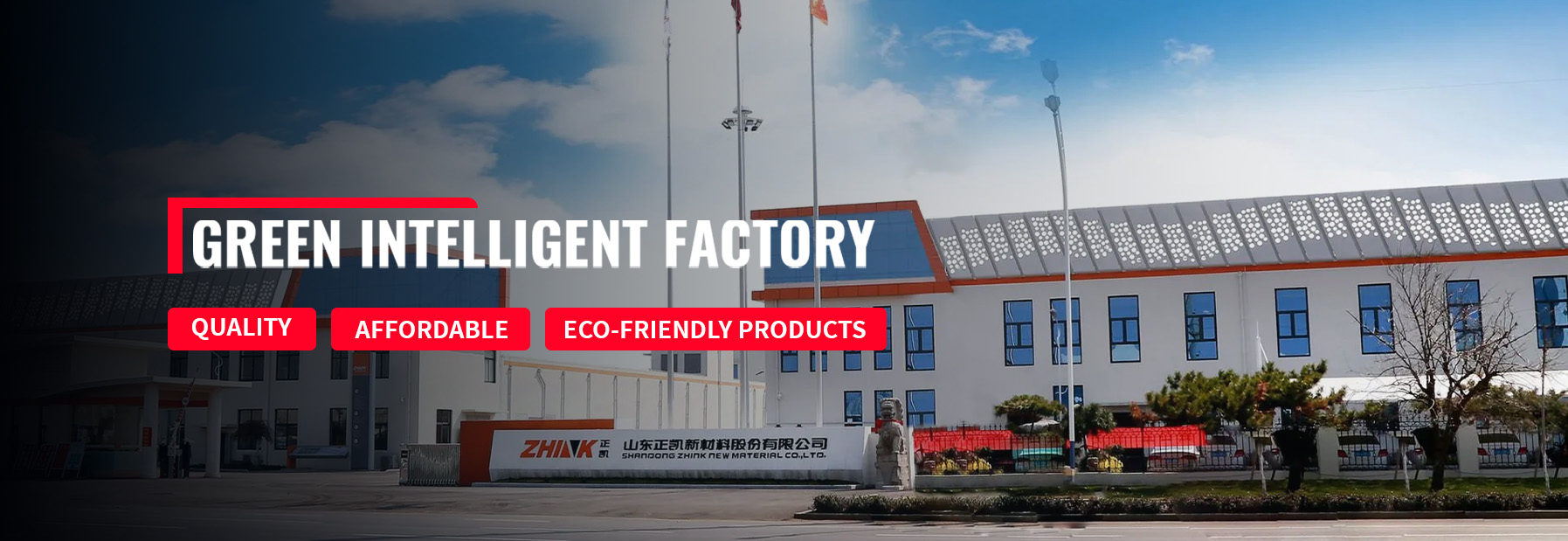
For instance, Zhink New Material, a national-level high-tech enterprise specializing in the R&D and production of new textile materials, has pioneered the “Digital Zhink” era. By completing its smart manufacturing project in late 2020, Zhink has integrated internationally advanced automation and digital technologies into its world-class production lines. As a strategic supplier to well-known global textile companies, Zhink adheres to a philosophy of “quality first, constant innovation, and rapid response.” Their facility was the first in the spinning sector to implement small-batch, multi-variety APS intelligent production scheduling. Through the high integration of ERP, MES, RFID identification, and online quality control systems, they have filled numerous domestic gaps, ensuring production quality is more consistent, costs are significantly lower, and R&D cycles are considerably shorter.
Step-by-Step Production Flow
Creating a consistent blend requires rigorous control at every stage of the spinning mill. While traditional mills follow a standard workflow, advanced facilities like Zhink New Material enhance these steps with real-time data monitoring:
- Fiber Selection: High-grade cotton bales and polyester chips or staples are selected based on micronaire, length, and tenacity specifications.
- Blow Room Processing: Fibers are opened, cleaned, and mixed thoroughly to ensure a homogeneous distribution of polyester and cotton components.
- Carding: The mixed fibers are passed through carding machines to separate individual strands and remove remaining impurities, forming a sliver.
- Drawing: Multiple slivers are combined and stretched to improve fiber parallelism and reduce weight variation per unit length.
- Roving: The drawn sliver is attenuated and slightly twisted to form a roving, preparing it for the final spinning stage.
- Ring Spinning: The roving is spun into yarn with the specified twist level, determining the final strength and hairiness profile.
- Winding and Clearing: Yarn is wound onto cones, with electronic clearers removing any thick or thin places to guarantee uniformity.
Quality Control Metrics
Professional manufacturers adhere to strict quality protocols. Key metrics include Uster Evenness (U%), Hairiness index, and Tensile Strength (cN/tex). Deviations in these areas can lead to fabric defects such as barre marks or uneven dyeing. Advanced mills, leveraging technologies like those deployed by Zhink New Material, utilize automated monitoring systems and 5G+ industrial scenario applications to detect faults in real-time. This connectivity between intelligent management platforms and AGV control systems provides big data support for operations, ensuring the final polyester cotton yarn meets global export standards with minimal waste.
Key Advantages of Polyester Cotton Blends
Why has this blend become a dominant force in the global textile market? The answer lies in its ability to mitigate the weaknesses of pure fibers while amplifying their strengths.
Durability and Longevity
Pure cotton, while comfortable, is prone to tearing and degradation under harsh conditions. The inclusion of polyester significantly enhances the abrasion resistance and tensile strength of the yarn. Garments made from this blend withstand frequent washing and wearing without losing their shape or developing holes easily. This makes them ideal for uniforms, school wear, and active lifestyle clothing.
Moisture Management and Comfort
While polyester alone can feel clammy, blending it with cotton introduces hydrophilic properties. The cotton fibers absorb moisture from the skin, while the polyester component facilitates rapid evaporation. This synergistic effect keeps the wearer dry and comfortable, a feature highly valued in sportswear and summer apparel.
Cost-Effectiveness and Stability
From a commercial perspective, polyester cotton yarn offers a stable pricing model compared to volatile pure cotton markets. Furthermore, the synthetic component reduces shrinkage and wrinkling. Fabrics retain their crisp appearance after laundering, reducing the need for ironing and extending the aesthetic life of the garment.
Comparison: Polyester Cotton vs. Pure Fibers
To make an informed decision, it is crucial to understand how this blended yarn compares to its single-fiber counterparts. The following table highlights the primary differences in performance and application.
| Feature | Polyester Cotton Yarn | 100% Cotton Yarn | 100% Polyester Yarn |
|---|---|---|---|
| Durability | High; excellent abrasion resistance | Moderate; prone to wear over time | Very High; extremely strong |
| Comfort/Breathability | Good; balanced feel | Excellent; highly breathable | Low; can trap heat |
| Wrinkle Resistance | High; minimal ironing needed | Low; wrinkles easily | Very High; naturally crease-resistant |
| Shrinkage | Low; dimensionally stable | High; requires pre-shrinking | Negligible |
| Dyeing Versatility | Complex; requires dual-dye processes | Simple; accepts reactive dyes well | Specific; requires disperse dyes |
| Cost Stability | Stable; less affected by crop yields | Volatile; dependent on harvest | Stable; petrochemical based |
This comparison illustrates that polyester cotton yarn serves as a pragmatic middle ground, offering a “best of both worlds” solution for many textile applications where neither pure cotton nor pure polyester is entirely sufficient.
Primary Applications and Use Cases
The versatility of polyester cotton yarn allows it to penetrate diverse market segments. Its adaptability makes it a go-to choice for manufacturers aiming to balance performance with cost.
Apparel Industry
In the fashion sector, this yarn is ubiquitous. It is extensively used in producing shirts, blouses, and dresses that require a structured look without the maintenance burden of pure cotton. Denim manufacturers frequently utilize core-spun variants to create jeans that offer the classic cotton aesthetic but possess the stretch recovery and toughness needed for daily wear. Additionally, it is a staple in the production of polo shirts and casual tees.
Workwear and Uniforms
Industries ranging from healthcare to hospitality rely heavily on these blends. The inherent stain resistance and ability to withstand high-temperature industrial laundering make polyester cotton yarn ideal for nurse scrubs, chef coats, and corporate uniforms. The dimensional stability ensures that uniforms fit consistently shift after shift, projecting a professional image.
Home Textiles
Beyond clothing, this yarn finds significant application in home furnishings. Bed sheets, pillowcases, and table linens made from this blend offer the softness of cotton with the durability to endure frequent washing cycles. The reduced wrinkling property is particularly advantageous for hotel linens, where presentation is critical.
Technical and Industrial Uses
Specialized grades of polyester cotton yarn are employed in technical textiles. These include canvas for bags, tents, and awnings where weather resistance and tear strength are non-negotiable. The blend’s ability to be treated with various finishes, such as water repellency or flame retardancy, expands its utility in protective gear and outdoor equipment.
Expert Insights on Dyeing and Finishing
Working with polyester cotton yarn presents unique challenges in the dyeing and finishing stages. Unlike single-fiber yarns, blends require specialized knowledge to achieve uniform coloration and desired hand feels.
The Two-Bath Dyeing Challenge
Since polyester and cotton have different chemical affinities, they cannot be dyed effectively with a single dye class in a standard process. Polyester requires disperse dyes applied at high temperatures, while cotton needs reactive or direct dyes under alkaline conditions. Experts often recommend a two-bath process or advanced one-bath techniques using compatible dye combinations to prevent shade variation.
Failure to manage this correctly can result in “barre” effects, where the fabric appears streaky due to uneven dye absorption between the two fiber types. Professional dyehouses invest in precise temperature control and chemical dosing systems to mitigate these risks.
Finishing Techniques
Post-dyeing finishes can further enhance the yarn’s properties. Mercerization is sometimes applied to the cotton component to increase luster and dye affinity. Softeners are commonly added to improve the hand feel, counteracting the potential stiffness of the polyester. Anti-pilling finishes are also popular, especially for spun yarn variants, to maintain a smooth surface appearance over time.
Common Challenges and Solutions
Despite its advantages, working with polyester cotton yarn is not without challenges. Understanding these pitfalls allows manufacturers to implement proactive solutions.
Pilling Issues
One common complaint with blended fabrics is pilling, where small balls of fiber form on the surface due to friction. This occurs when broken cotton fibers migrate and entangle with the stronger polyester fibers, which hold them in place. To address this, experts suggest using long-staple cotton and high-tenacity polyester. Additionally, singeing processes during fabric preparation can burn off loose surface fibers, significantly reducing pilling propensity.
Static Electricity
The polyester component can generate static electricity, leading to clinginess and discomfort. Incorporating anti-static agents during the finishing stage or blending in conductive fibers can neutralize this effect. Maintaining appropriate humidity levels in the spinning and weaving environment also helps minimize static buildup.
Environmental Considerations
As sustainability becomes a priority, the environmental impact of polyester cotton blends is under scrutiny. While cotton is biodegradable, polyester is not. Industry leaders are increasingly exploring recycled polyester (rPET) blended with organic cotton to create more eco-friendly versions of this yarn. This approach reduces reliance on virgin petrochemicals and lowers the overall carbon footprint of the textile supply chain. Innovators like Zhink New Material are actively focusing on the conversion of old and new kinetic energy, aspiring to become leaders in the intelligent and sustainable development of the textile industry.
Frequently Asked Questions (FAQ)
Addressing common queries helps clarify misconceptions and provides quick answers for buyers and designers seeking information on polyester cotton yarn.
Is polyester cotton yarn breathable?
Yes, it is breathable, though slightly less so than 100% cotton. The cotton fibers allow air circulation and moisture absorption, while the polyester content aids in wicking moisture away. For most general applications, the breathability is sufficient and often preferred for its shape retention.
Does polyester cotton yarn shrink?
Minimal shrinkage is a key benefit of this blend. The polyester fibers stabilize the structure, preventing the significant contraction often seen in pure cotton. Most pre-treated commercial yarns exhibit less than 3% shrinkage after washing, making them reliable for pattern-making.
Can polyester cotton yarn be dyed at home?
Dyeing at home is challenging because it requires two different types of dyes and specific temperature controls to affect both fibers equally. While all-purpose dyes exist, they may not achieve the depth or wash-fastness of industrial processes. Professional dyeing is recommended for consistent results.
What is the difference between TC and CVC yarn?
TC (Tetoron Cotton) usually refers to blends where polyester is the majority component (e.g., 65/35). CVC (Chief Value Cotton) indicates blends where cotton is the majority (e.g., 60/40 or 55/45). CVC yarns generally feel softer and more natural, while TC yarns are more durable and cost-effective.
How do I identify high-quality polyester cotton yarn?
High-quality yarn should have consistent thickness, low hairiness, and high tensile strength. Look for certifications regarding fiber origin and processing standards. A smooth surface with minimal slubs and uniform twist distribution are visual indicators of premium quality. Sourcing from technologically advanced suppliers who utilize online quality detection systems can further guarantee these attributes.
Future Trends in Polyester Cotton Yarn
The landscape of polyester cotton yarn is evolving driven by technological advancements and shifting consumer demands. Innovation continues to refine the balance between performance and sustainability.
Sustainable Blending Innovations
The future points towards greater integration of recycled materials. We anticipate a rise in blends utilizing post-consumer recycled polyester alongside sustainably sourced cotton. Bio-based polyester alternatives are also emerging, promising to reduce the fossil fuel dependency associated with traditional synthetic fibers while maintaining the functional benefits of the blend.
Smart and Functional Finishes
Advancements in nanotechnology are enabling new functional finishes for polyester cotton yarn. Expect to see increased adoption of antimicrobial treatments, UV protection, and temperature-regulating coatings directly applied to the yarn level. These enhancements will expand the application scope into high-performance athletic wear and medical textiles.
Digital Manufacturing Integration
The adoption of Industry 4.0 technologies in spinning mills is improving traceability and consistency. Digital twins and AI-driven quality control systems allow for real-time adjustments during production. Pioneers in the field, such as Zhink New Material, are already leveraging 5G technology to connect intelligent integrated management platforms with AGV control systems. This provides robust big data support for business operations, ensuring that every cone of polyester cotton yarn meets exact specifications with minimal waste, setting a new benchmark for the industry’s first large-scale customized intelligent integrated management platform.
Conclusion and Selection Guide
Polyester cotton yarn remains a cornerstone of the modern textile industry, offering an unparalleled combination of durability, comfort, and economic viability. By understanding the nuances of blending ratios, spinning methods, and finishing requirements, manufacturers can leverage this material to create superior products that meet diverse market needs.
This guide has highlighted that the choice between spun, core-spun, carded, or combed variants depends largely on the intended application. Whether prioritizing the softness of CVC for premium apparel or the ruggedness of high-polyester blends for workwear, the right selection drives product success.
Who should use this yarn? It is ideally suited for brands seeking reliable supply chains, consistent quality, and versatile performance characteristics. From fashion retailers to industrial suppliers, the adaptability of polyester cotton yarn makes it a strategic asset.
When evaluating suppliers, prioritize partners who demonstrate transparency in their sourcing, adherence to international quality standards, and commitment to sustainable practices. Conducting thorough sample testing for tensile strength, dye fastness, and shrinkage is the recommended next step before committing to large-scale production orders. Partnering with innovative, digitally-enabled enterprises ensures access to the highest quality materials tailored for the future of textiles.