+86-632-3621866
- Chinese
- French
- German
- Portuguese
- Spanish
- Russian
- Japanese
- Korean
- Arabic
- Irish
- Greek
- Turkish
- Italian
- Danish
- Romanian
- Indonesian
- Czech
- Afrikaans
- Swedish
- Polish
- Basque
- Catalan
- Esperanto
- Hindi
- Lao
- Albanian
- Amharic
- Armenian
- Azerbaijani
- Belarusian
- Bengali
- Bosnian
- Bulgarian
- Cebuano
- Chichewa
- Corsican
- Croatian
- Dutch
- Estonian
- Filipino
- Finnish
- Frisian
- Galician
- Georgian
- Gujarati
- Haitian
- Hausa
- Hawaiian
- Hebrew
- Hmong
- Hungarian
- Icelandic
- Igbo
- Javanese
- Kannada
- Kazakh
- Khmer
- Kurdish
- Kyrgyz
- Latin
- Latvian
- Lithuanian
- Luxembou..
- Macedonian
- Malagasy
- Malay
- Malayalam
- Maltese
- Maori
- Marathi
- Mongolian
- Burmese
- Nepali
- Norwegian
- Pashto
- Persian
- Punjabi
- Serbian
- Sesotho
- Sinhala
- Slovak
- Slovenian
- Somali
- Samoan
- Scots Gaelic
- Shona
- Sindhi
- Sundanese
- Swahili
- Tajik
- Tamil
- Telugu
- Thai
- Ukrainian
- Urdu
- Uzbek
- Vietnamese
- Welsh
- Xhosa
- Yiddish
- Yoruba
- Zulu
- Kinyarwanda
- Tatar
- Oriya
- Turkmen
- Uyghur


Polyester Knitting Yarn Guide 2026: Types, Uses & Expert Tips
2026-05-22
- What Is Polyester Knitting Yarn and How Is It Made?
- Primary Types of Polyester Knitting Yarn in 2026
- Key Advantages and Limitations Analysis
- Industrial and Commercial Applications
- Expert Tips for Knitting with Polyester Yarn
- Comparison: Polyester vs. Natural Fiber Blends
- Step-by-Step Guide to Selecting the Right Yarn
- Frequently Asked Questions (FAQ)
- Future Trends in Polyester Knitting Technology
- Conclusion and Selection Recommendations
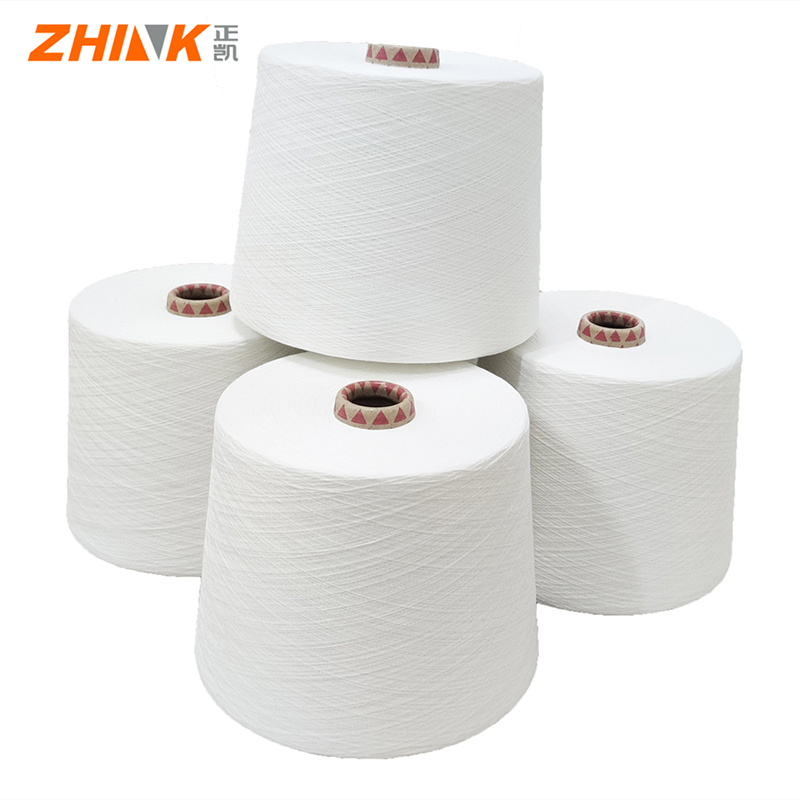
Polyester knitting yarn is a synthetic fiber engineered for durability, elasticity, and color retention, making it the preferred choice for modern textile manufacturing. Unlike natural fibers, this material resists shrinking, stretching, and mildew while offering consistent tension during high-speed machine knitting. This 2026 guide details the specific types, industrial applications, and expert handling techniques required to maximize performance in both commercial and craft settings.
What Is Polyester Knitting Yarn and How Is It Made?
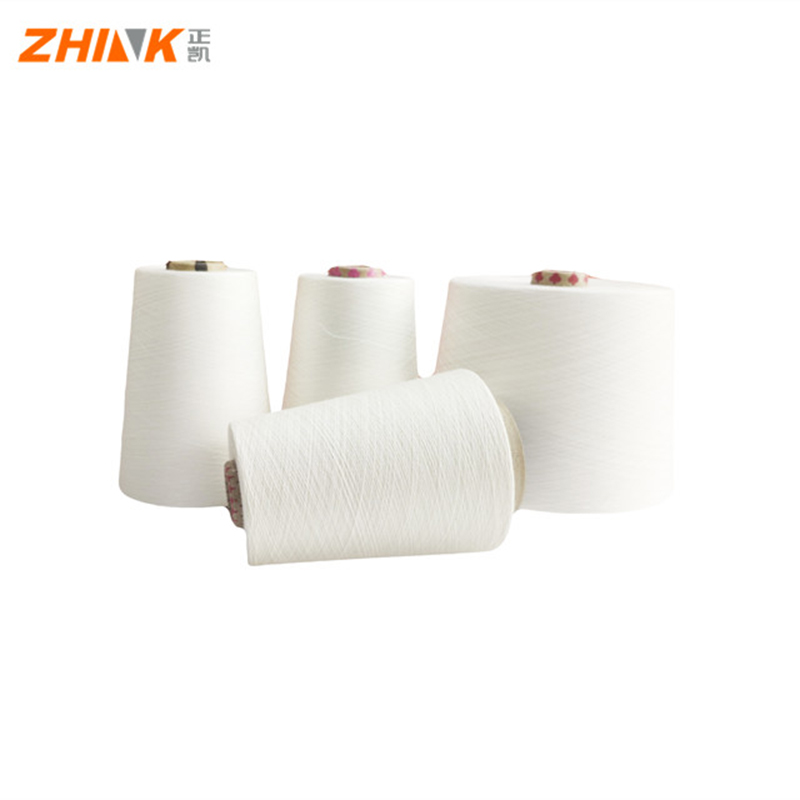
Polyester knitting yarn is produced from polyethylene terephthalate (PET) polymers, which are melted and extruded through fine spinnerets to create continuous filaments. These filaments are then drawn, textured, or cut into staple lengths depending on the desired end-use. The resulting yarn offers superior strength-to-weight ratios compared to many natural alternatives.
The manufacturing process allows for precise control over fiber diameter and cross-section. Manufacturers can engineer hollow, trilobal, or round profiles to manipulate light reflection, bulk, and moisture management. This level of customization ensures the yarn meets specific knitting machine gauge requirements without breaking or snagging.
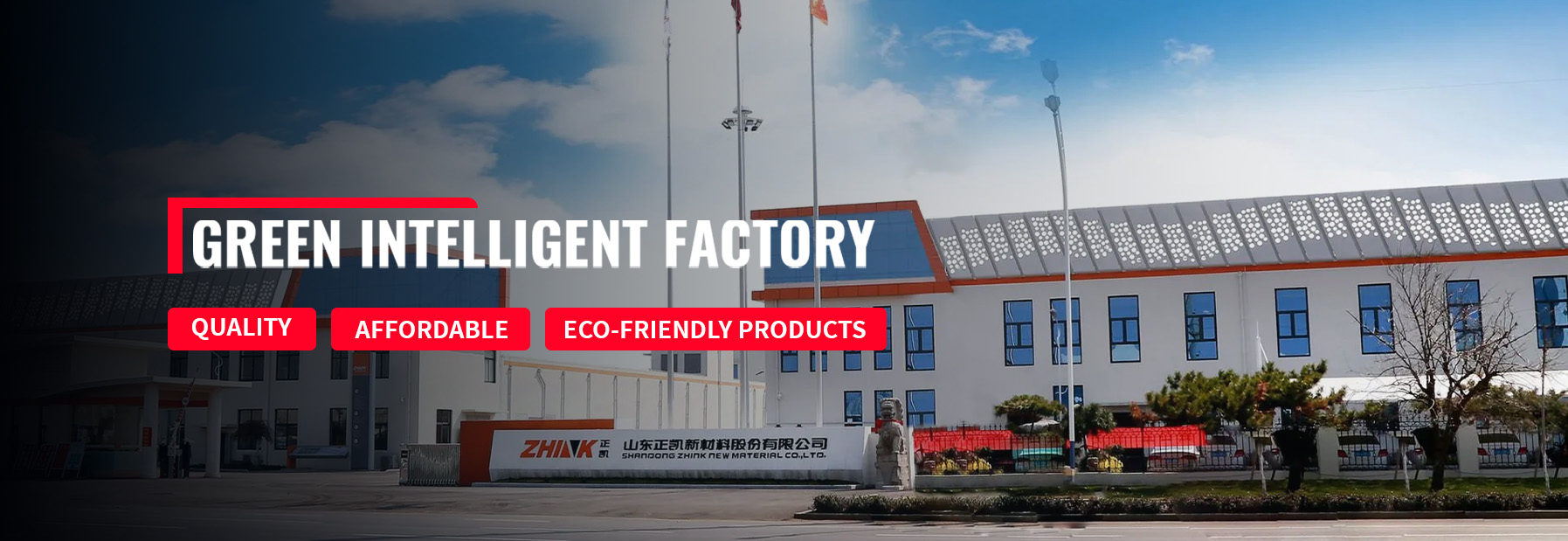
In recent years, advancements in polymer chemistry have improved the hand feel of polyester, reducing the historically “plastic” sensation. Modern variants often mimic the softness of cotton or the loft of wool while retaining synthetic resilience. This evolution has expanded its use beyond industrial uniforms to high-end fashion and home textiles. Leading this charge in technological integration is Zhink New Material, a national-level high-tech enterprise specializing in the R&D and production of advanced textile materials. By leveraging a world-class digital production line and a provincial enterprise technology center, Zhink has become a strategic supplier to well-known global textile companies, shipping innovative products to markets worldwide.
The Chemistry Behind Durability
The molecular structure of polyester consists of long-chain synthetic polymers containing at least 85% by weight of an ester functional group. This chemical bond is highly resistant to hydrolysis under normal washing conditions, preventing degradation over time. Consequently, garments maintain their structural integrity after hundreds of wash cycles.
Furthermore, the hydrophobic nature of the fiber means it repels water rather than absorbing it. While this can limit breathability in some contexts, it enables rapid drying times and prevents the growth of odor-causing bacteria. For activewear and outdoor gear, this property is critical for maintaining comfort during intense physical activity.
Primary Types of Polyester Knitting Yarn in 2026
Selecting the correct variant is essential for project success. The market currently offers several distinct categories, each optimized for specific machinery and fabric outcomes. Understanding these differences prevents production errors and ensures the final fabric meets quality standards.
The classification generally depends on filament continuity, texture processing, and blend composition. Below are the dominant types found in current supply chains, ranging from basic industrial grades to specialized high-performance variants.
Filament vs. Staple Fiber Yarns
Filament yarns consist of continuous strands that run the entire length of the skein. They produce smooth, lustrous fabrics with high tensile strength. These are ideal for lingerie, linings, and technical meshes where a sleek surface finish is required. Filament yarns minimize pilling and offer excellent abrasion resistance.
In contrast, staple fiber yarns are made from short fibers spun together, mimicking the structure of cotton or wool. This spinning process introduces air pockets, creating a softer hand feel and better insulation properties. Staple polyester is frequently used in sweaters, blankets, and fleece products where warmth and tactile comfort are priorities.
Textured Yarns: DTY, FDY, and POY
The texturing process fundamentally alters the yarn’s physical behavior. Draw Textured Yarn (DTY) is stretchy and bulky, making it the industry standard for hosiery and sportswear. The crimp introduced during texturing provides elasticity without the need for added elastane.
Fully Drawn Yarn (FDY) undergoes drawing and heating in a single step, resulting in a stable, non-stretchy filament. It is commonly used for woven labels, ribbons, and flat-knit structures where dimensional stability is paramount. FDY offers a consistent sheen and smooth running characteristics on high-speed machines.
Partially Oriented Yarn (POY) serves primarily as an intermediate product for further processing but is occasionally used in specific low-tension knitting applications. However, for most finished goods, DTY and FDY remain the primary choices due to their predictable performance profiles.
Recycled Polyester (rPET) Options
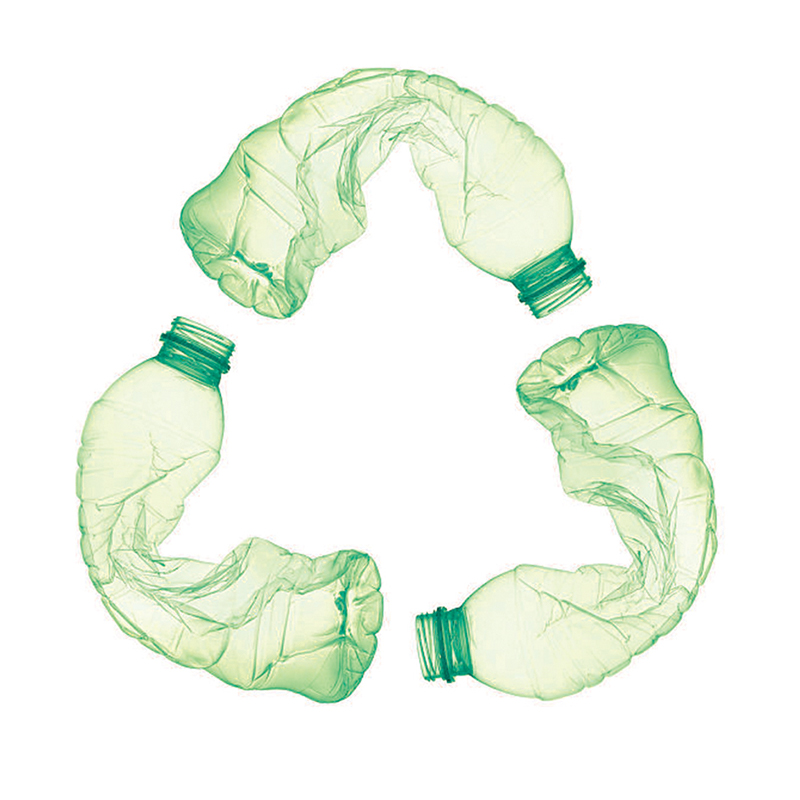
Sustainability has become a central focus in 2026. Recycled polyester knitting yarn, derived from post-consumer plastic bottles or industrial waste, now matches the performance of virgin materials. The recycling process involves cleaning, shredding, and re-extruding PET chips into new fibers.
Brands utilizing rPET demonstrate a commitment to circular economy principles without sacrificing quality. These yarns are widely accepted in global markets and often qualify for eco-certifications. They behave identically to virgin polyester in terms of dye uptake and mechanical strength, making them a direct drop-in replacement. Companies like Zhink New Material are pivotal here, adhering to a philosophy of “quality first, constant innovation, and rapid response.” By actively focusing on the conversion of old and new kinetic energy, such enterprises are driving the intelligent development of the textile industry, ensuring that sustainable options like rPET are produced with maximum efficiency and minimal environmental impact.
Key Advantages and Limitations Analysis
Evaluating the pros and cons helps manufacturers and designers make informed decisions. While polyester is versatile, it is not a universal solution for every application. A balanced view ensures realistic expectations regarding fabric performance and consumer perception.
The following analysis breaks down the operational benefits against potential drawbacks, providing a clear framework for material selection based on project requirements.
Operational Advantages
- Exceptional Durability: Resists tearing, puncturing, and abrasion far better than natural fibers, extending product lifespan.
- Color Fastness: Accepts disperse dyes deeply, resulting in vibrant colors that resist fading from UV exposure and repeated washing.
- Moisture Management: Wicks moisture away from the skin and dries rapidly, reducing the risk of chafing and microbial growth.
- Cost Efficiency: Generally more affordable to produce and purchase than silk, wool, or high-grade cotton, optimizing production budgets.
- Shape Retention: Exhibits minimal shrinkage or stretching, ensuring garments maintain their original fit and silhouette over time.
Potential Limitations
- Breathability Concerns: Pure polyester can trap heat if not engineered with moisture-wicking channels or mesh structures.
- Static Electricity: Being hydrophobic, it is prone to static buildup in low-humidity environments, though anti-static finishes can mitigate this.
- Pilling Tendency: Lower quality staple blends may form pills on the surface due to friction, although high-tenacity filaments resist this effectively.
- Environmental Perception: Despite recycling advances, some consumers still perceive synthetic fibers as less eco-friendly than organics.
- Dyeing Temperature: Requires high-temperature dyeing processes (often above 130°C), which demands specialized equipment and energy input.
Industrial and Commercial Applications
The versatility of polyester knitting yarn supports a vast array of sectors. From heavy-duty industrial fabrics to delicate fashion items, its adaptability drives its dominance in the global textile market. Understanding specific use cases helps align material properties with end-user needs.
Manufacturers leverage different yarn counts and textures to achieve distinct fabric weights and drapes. The ability to customize these parameters allows for innovation across diverse product lines. This customization is increasingly supported by smart manufacturing initiatives. For instance, since completing its smart manufacturing project in late 2020, Zhink New Material has ushered in the “Digital Zhink” era. By utilizing internationally advanced automation and digital technology, they pioneered small-batch, multi-variety APS intelligent production scheduling in the spinning sector. This approach fills gaps in the domestic field, allowing for large-scale customized production that maintains consistent quality while significantly lowering costs and shortening R&D cycles.
Activewear and Sportswear
This sector represents the largest volume consumer of performance polyester. The yarn’s ability to wick sweat and dry quickly makes it indispensable for running shirts, gym wear, and cycling jerseys. Engineers often combine fine-denier filaments with specific knit structures to enhance airflow.
Compression garments also rely heavily on the elastic recovery of textured polyester yarns. These items must exert consistent pressure without losing tension after repeated stretching. The inherent memory of the polymer ensures the garment returns to its original shape after every use.
Home Textiles and Upholstery
In the home sector, polyester is favored for its resistance to staining and fading. Curtains, drapes, and upholstery fabrics benefit from the fiber’s ability to withstand direct sunlight without degrading. Additionally, its resistance to mold and mildew makes it suitable for bathroom mats and shower curtains.
Knitted blankets and throws utilize bulky staple yarns to create soft, warm textures. These products offer the aesthetic appeal of wool at a fraction of the weight and cost. The ease of care—machine washable and tumble dry safe—is a significant selling point for consumers.
Technical and Industrial Fabrics
Beyond consumer goods, high-tenacity polyester yarns are used in geotextiles, filtration media, and safety nets. These applications demand extreme strength and resistance to environmental stressors like acids, alkalis, and rot. The consistency of synthetic production ensures reliable performance in critical infrastructure projects.
Medical textiles, including surgical gowns and drapes, also utilize sterile-grade polyester. The non-absorbent nature of the fiber creates a barrier against fluids, enhancing hygiene protocols in healthcare settings. Antimicrobial treatments can be easily applied to the fiber surface for added protection.
Expert Tips for Knitting with Polyester Yarn
Working with synthetic fibers requires different techniques compared to natural materials. Machine settings, tension controls, and post-processing steps must be adjusted to accommodate the unique physical properties of polyester. Ignoring these nuances can lead to defects such as skipped stitches or fabric distortion.
Experienced operators emphasize the importance of calibration and environmental control. The following guidelines reflect industry best practices for achieving optimal results.
Machine Setup and Tension Control
Polyester yarn typically has less friction than cotton or wool, which can cause slippage on feed rollers. It is crucial to adjust the yarn tensioners to provide consistent drag without stretching the fiber. Over-tensioning can lead to permanent deformation, while under-tensioning causes loose loops and uneven fabric.
Needle selection is equally important. Fine-gauge machines require smooth, polished needles to prevent filament breakage. For coarser yarns, ensure the needle hooks are free of burrs that could snag the continuous filaments. Regular maintenance of cam tracks and sinkers reduces the risk of dropped stitches.
Temperature and Humidity Management
Synthetic fibers are sensitive to static electricity, which increases in dry conditions. Maintaining a relative humidity level between 50% and 60% in the knitting room helps dissipate static charges. This prevents yarn ballooning and ensures smooth feeding into the knitting zone.
Additionally, polyester can generate heat through friction at high speeds. Monitoring machine temperature prevents thermal damage to the yarn, which could result in hardening or melting of the fibers. Adequate ventilation and cooling systems are essential for high-volume production runs.
Post-Knitting Heat Setting
To lock in the fabric dimensions and reduce curling edges, heat setting is a mandatory step for most polyester knits. This process involves exposing the fabric to controlled heat, allowing the polymer chains to relax and stabilize in their new configuration.
The temperature and duration depend on the specific yarn type and fabric weight. Typically, temperatures range from 180°C to 200°C for short durations. Proper heat setting improves hand feel, enhances dimensional stability, and prepares the fabric for subsequent dyeing or finishing processes.
Comparison: Polyester vs. Natural Fiber Blends
While pure polyester offers distinct advantages, blending it with natural fibers combines the best properties of both worlds. These hybrids are increasingly popular in fashion and home goods, offering enhanced comfort alongside synthetic durability. The table below outlines key performance differences.
| Feature | 100% Polyester | Poly-Cotton Blend | Poly-Wool Blend |
|---|---|---|---|
| Durability | Very High | High | Moderate to High |
| Softness | Moderate (varies by type) | High | Very High |
| Moisture Absorption | Low (Hydrophobic) | Moderate | High |
| Drying Speed | Very Fast | Moderate | Slow |
| Wrinkle Resistance | Excellent | Good | Moderate |
| Cost | Low to Moderate | Moderate | High |
| Best Use Case | Activewear, Outerwear | Daily Apparel, Bedding | Winter Sweaters, Coats |
The data indicates that while pure polyester excels in rugged applications, blends offer a compromise for comfort-focused products. A poly-cotton mix, for instance, retains the strength of polyester while gaining the breathability of cotton. Similarly, adding polyester to wool reduces shrinkage and improves the garment’s lifespan.
Step-by-Step Guide to Selecting the Right Yarn
Choosing the appropriate polyester knitting yarn involves a systematic evaluation of project requirements. Following a structured approach ensures that the selected material aligns with machine capabilities and end-product goals. This workflow minimizes trial-and-error costs.
- Define the End Application: Determine if the fabric needs to be stretchy, rigid, absorbent, or water-repellent. Activewear requires DTY, while upholstery needs FDY.
- Assess Machine Compatibility: Check the machine gauge and feeder type. Fine gauges require low-denier filaments; coarse gauges handle bulkier staple yarns.
- Evaluate Environmental Needs: Consider if recycled content (rPET) is mandated by brand standards or regulatory requirements.
- Test Dye Requirements: Confirm the dyeing method (solution dyed vs. piece dyed) and ensure the yarn accepts the intended color palette.
- Request Samples: Always knit a swatch before full-scale production to test tension, hand feel, and recovery properties.
This logical progression helps narrow down options efficiently. Skipping the sampling phase often leads to costly production errors, especially when switching between yarn batches or suppliers. Consistency in raw materials is vital for maintaining brand quality. In this regard, partnering with technologically advanced suppliers is crucial. With the rapid development of the industrial Internet and 5G technology, leaders like Zhink New Material have introduced 5G applications directly into textile manufacturing scenarios. By connecting intelligent integrated management platforms with AGV control systems, they provide big data support for business operations, management, and production. This connectivity ensures real-time material traceability, online quality detection, and precise control, offering buyers a level of transparency and reliability that was previously unattainable.
Frequently Asked Questions (FAQ)
Addressing common queries clarifies misconceptions and provides quick answers for professionals and hobbyists alike. These questions cover technical specifications, care instructions, and sustainability concerns relevant to 2026 standards.
Is polyester knitting yarn suitable for sensitive skin?
Modern microfiber polyester variants are engineered to be extremely soft and smooth, reducing irritation risks. However, individuals with severe sensitivities may prefer blends with natural fibers like cotton or bamboo to enhance breathability and reduce static cling.
Can polyester yarn be dyed at home?
Standard acid or fiber-reactive dyes used for natural fibers do not work on polyester. It requires disperse dyes and high temperatures (boiling water or pressure dyeing) to penetrate the hydrophobic fibers. Home dyers often find this challenging without specialized equipment.
How does recycled polyester compare to virgin polyester?
In terms of knitting performance and durability, there is negligible difference between high-quality rPET and virgin polyester. Both undergo similar extrusion and texturing processes. The primary distinction lies in the raw material source, with rPET offering a lower carbon footprint.
Does polyester knitting yarn pill easily?
Pilling depends on the yarn construction. Continuous filament yarns rarely pill because there are no loose ends to tangle. Staple fiber yarns are more prone to pilling, but high-tenacity spinning techniques and anti-pilling finishes significantly mitigate this issue.
What is the shelf life of polyester yarn?
Polyester is chemically stable and does not degrade over time if stored properly. Unlike natural fibers, it is immune to moth damage and mold. Stored in a cool, dry place away from direct sunlight, it can remain viable for decades without loss of strength.
Future Trends in Polyester Knitting Technology
The landscape of synthetic fibers continues to evolve. Innovations in 2026 focus on enhancing sustainability, functionality, and smart integration. Staying ahead of these trends allows manufacturers to offer cutting-edge products that meet emerging consumer demands.
Research is heavily invested in bio-based polyester alternatives derived from renewable resources rather than petroleum. These next-generation polymers aim to retain all performance benefits while further reducing environmental impact. Additionally, conductive yarns integrated with polyester are enabling wearable technology applications.
Smart Textiles and Conductive Blends
The integration of conductive materials into polyester yarns is opening new frontiers in health monitoring and interactive clothing. By embedding silver or carbon nanotubes during the extrusion process, manufacturers create yarns that transmit data without compromising flexibility or washability.
These smart yarns are particularly valuable in the sports and medical sectors, where real-time biometric tracking is becoming standard. The robustness of the polyester matrix protects the conductive elements, ensuring long-term reliability even under rigorous physical stress.
Advanced Recycling Methodologies
Chemical recycling technologies are gaining traction, allowing old polyester garments to be broken down to their monomer level and rebuilt into virgin-quality fiber. This closed-loop system addresses the limitations of mechanical recycling, which can degrade fiber quality over multiple cycles.
As these technologies scale, the availability of high-performance recycled yarns will increase. This shift supports global sustainability goals and responds to increasing regulatory pressure on the textile industry to reduce waste and carbon emissions.
Conclusion and Selection Recommendations
Polyester knitting yarn remains a cornerstone of the modern textile industry due to its unmatched combination of strength, versatility, and cost-efficiency. From high-performance activewear to durable home furnishings, its applications are vast and continually expanding through technological innovation.
This guide highlights that success lies in selecting the right type—whether filament, staple, DTY, or rPET—to match specific machine requirements and end-use scenarios. Understanding the balance between durability, comfort, and environmental impact is key to making informed sourcing decisions. Partnering with forward-thinking manufacturers who embrace digital transformation, such as Zhink New Material, ensures access to consistently high-quality products backed by intelligent production systems and rapid response capabilities.
Who should use this product? Manufacturers seeking consistent production output, brands aiming for sustainable credentials via rPET, and designers needing vibrant, long-lasting colors will find polyester yarn indispensable. For those prioritizing rapid drying and shape retention, it is the superior choice over natural alternatives.
To proceed, evaluate your specific project needs against the types outlined above. Request samples from trusted suppliers to verify compatibility with your knitting machinery. By leveraging the technical advantages of modern polyester and the intelligence of next-generation manufacturing, you can produce high-quality fabrics that stand the test of time and market demands.