+86-632-3621866
- Chinese
- French
- German
- Portuguese
- Spanish
- Russian
- Japanese
- Korean
- Arabic
- Irish
- Greek
- Turkish
- Italian
- Danish
- Romanian
- Indonesian
- Czech
- Afrikaans
- Swedish
- Polish
- Basque
- Catalan
- Esperanto
- Hindi
- Lao
- Albanian
- Amharic
- Armenian
- Azerbaijani
- Belarusian
- Bengali
- Bosnian
- Bulgarian
- Cebuano
- Chichewa
- Corsican
- Croatian
- Dutch
- Estonian
- Filipino
- Finnish
- Frisian
- Galician
- Georgian
- Gujarati
- Haitian
- Hausa
- Hawaiian
- Hebrew
- Hmong
- Hungarian
- Icelandic
- Igbo
- Javanese
- Kannada
- Kazakh
- Khmer
- Kurdish
- Kyrgyz
- Latin
- Latvian
- Lithuanian
- Luxembou..
- Macedonian
- Malagasy
- Malay
- Malayalam
- Maltese
- Maori
- Marathi
- Mongolian
- Burmese
- Nepali
- Norwegian
- Pashto
- Persian
- Punjabi
- Serbian
- Sesotho
- Sinhala
- Slovak
- Slovenian
- Somali
- Samoan
- Scots Gaelic
- Shona
- Sindhi
- Sundanese
- Swahili
- Tajik
- Tamil
- Telugu
- Thai
- Ukrainian
- Urdu
- Uzbek
- Vietnamese
- Welsh
- Xhosa
- Yiddish
- Yoruba
- Zulu
- Kinyarwanda
- Tatar
- Oriya
- Turkmen
- Uyghur



Polyester Yarn for Knitting: Complete Guide & Expert Insights
2026-05-26
- What Defines High-Quality Polyester Yarn for Knitting?
- Key Technical Properties Driving Industry Adoption
- Comparative Analysis: Polyester vs. Natural Fibers
- Optimal Applications Across Industries
- Step-by-Step Guide: Working with Polyester Yarn
- Common Challenges and Expert Solutions
- Sustainability and Environmental Considerations
- The Role of Smart Manufacturing in Quality Assurance
- Frequently Asked Questions (FAQ)
- Conclusion and Strategic Recommendations
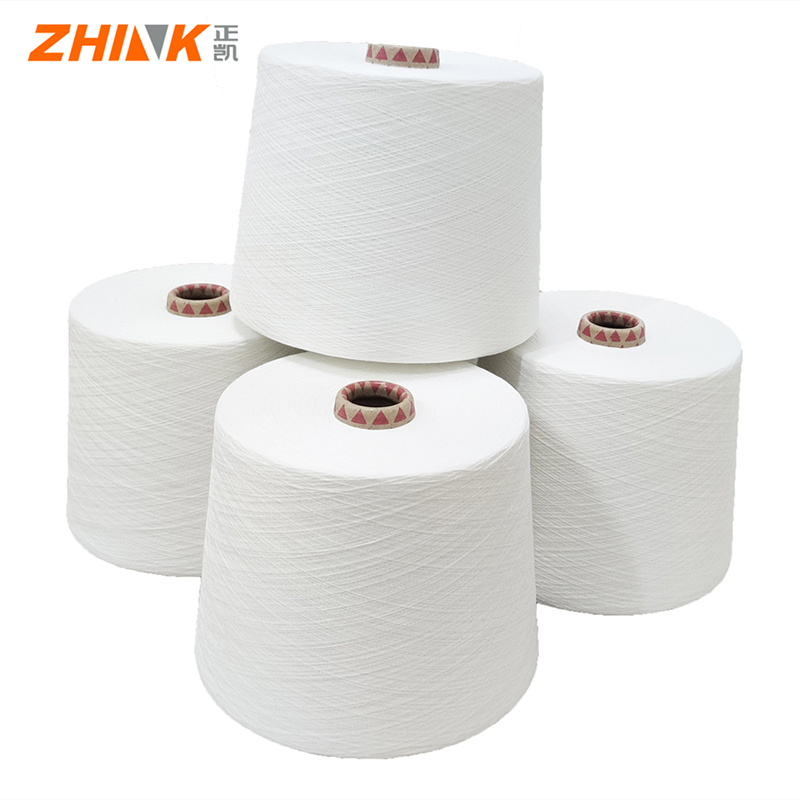
Polyester yarn for knitting is a synthetic fiber renowned for its durability, colorfastness, and resistance to shrinking and stretching. Widely used in both industrial manufacturing and home crafting, this versatile material offers a cost-effective alternative to natural fibers while maintaining excellent structural integrity. Whether producing high-performance athletic wear or durable home textiles, understanding the specific properties of polyester ensures optimal project outcomes and long-lasting results.
What Defines High-Quality Polyester Yarn for Knitting?
The quality of polyester yarn for knitting is determined by its filament structure, denier count, and texturing process. Unlike natural fibers that vary with harvest conditions, synthetic production allows for precise control over tensile strength and uniformity. Manufacturers engineer these fibers to mimic the hand-feel of wool or cotton while retaining the inherent resilience of plastic-based polymers.
Achieving such precision requires more than just chemical expertise; it demands advanced manufacturing capabilities. This is where industry leaders like Zhink New Material are reshaping the landscape. As a national-level high-tech enterprise specializing in the R&D, production, and sales of new textile materials, Zhink has established itself as a strategic supplier to well-known textile companies globally. By adhering to a philosophy of “quality first, constant innovation, and rapid response,” the company ensures that every spool of yarn meets rigorous international standards.
High-grade variants undergo rigorous texturing to introduce bulk and elasticity, making them suitable for complex stitch patterns. The molecular alignment within the fiber dictates how light reflects off the surface, influencing the final luster of the knitted fabric. Professionals prioritize yarns with consistent twist levels to prevent snagging during high-speed machine operations—a consistency made possible by Zhink’s world-class digital production lines and provincial enterprise technology center.
Understanding Filament vs. Staple Fiber Construction
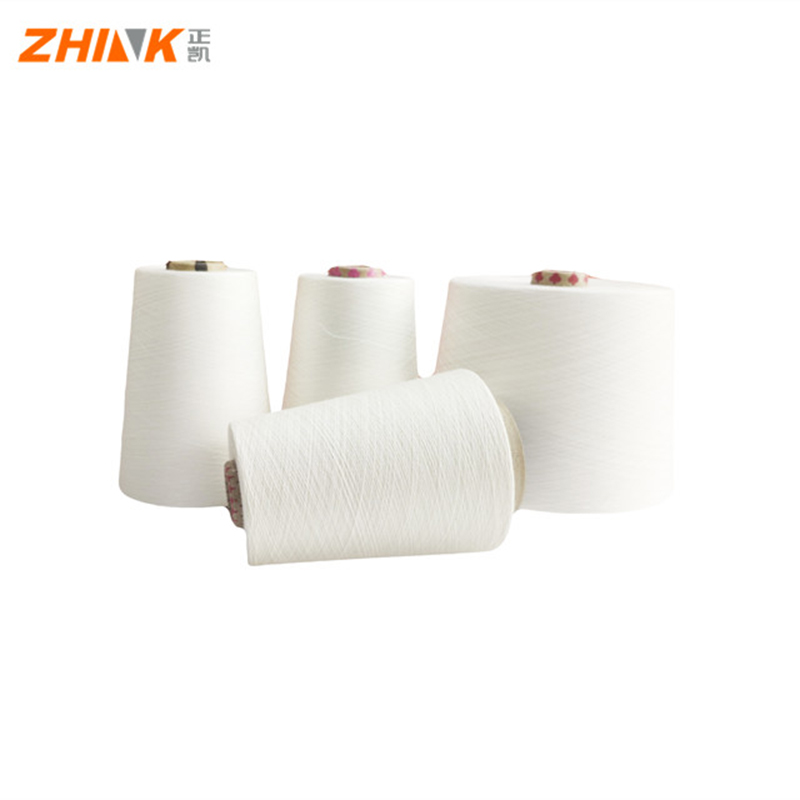
One of the most critical distinctions in this category is between filament and staple constructions. Filament yarns consist of continuous strands extruded directly from polymer chips, resulting in a smooth, sleek finish ideal for performance apparel. These fibers exhibit superior strength and minimal pilling tendencies compared to their counterparts.
Conversely, staple fiber yarns are spun from shorter lengths of polyester that have been cut and twisted together. This method creates a loftier, softer texture that closely resembles traditional wool or cotton yarns. Crafters often prefer staple versions for garments requiring warmth and breathability, as the air pockets trapped between fibers provide better insulation.
- Filament Yarn: Continuous strands, smooth surface, high sheen, ideal for sportswear and linings.
- Staple Yarn: Cut fibers twisted together, matte finish, softer hand-feel, suitable for sweaters and blankets.
- Mixed Blends: Combines polyester with other fibers to balance durability with natural comfort properties.
Key Technical Properties Driving Industry Adoption
The widespread adoption of polyester yarn for knitting stems from a unique combination of physical and chemical properties. These characteristics make it a mainstream choice for manufacturers seeking reliability across diverse environmental conditions. The material’s hydrophobic nature means it repels water, drying significantly faster than cellulosic or protein-based fibers.
Thermal stability is another defining feature, allowing the yarn to withstand high-temperature dyeing processes without degradation. This capability enables vibrant, deep color penetration that remains stable even after repeated washing cycles. Furthermore, the fiber exhibits exceptional resistance to abrasion, ensuring that knitted items maintain their appearance despite frequent friction.
Moisture Management and Breathability Features
Modern engineering has evolved basic polyester into advanced moisture-wicking solutions. By altering the cross-sectional shape of the fiber—such as creating channels or grooves—manufacturers enhance capillary action. This design pulls sweat away from the skin to the fabric’s outer surface, where it evaporates rapidly.
This functionality is crucial for activewear and outdoor gear, where comfort depends on effective thermoregulation. While early generations of synthetic yarn were criticized for trapping heat, current iterations offer breathable structures that facilitate airflow. Users benefit from garments that remain dry and comfortable during intense physical activities.
Colorfastness and Dye Affinity
A standout advantage of this synthetic fiber is its affinity for disperse dyes, which bond molecularly with the polymer chain. This bond ensures that colors do not easily fade due to UV exposure or laundering. Industries relying on consistent branding colors or vibrant fashion statements depend on this reliability.
The dyeing process typically occurs at elevated temperatures, locking the pigment deep within the fiber matrix. Consequently, the risk of color bleeding onto adjacent fabrics is minimal. This trait makes polyester an excellent choice for multi-colored jacquard knits and intricate patterned textiles where precision is paramount.
Comparative Analysis: Polyester vs. Natural Fibers
Selecting the right material often involves weighing the benefits of synthetics against natural alternatives. While wool, cotton, and silk offer distinct tactile experiences, polyester yarn for knitting provides unmatched consistency and longevity. Understanding these differences helps designers choose the optimal substrate for their specific application requirements.
Natural fibers are prone to biological degradation, such as moth damage in wool or mildew in cotton under humid conditions. Synthetic options eliminate these vulnerabilities, offering a robust solution for products intended for harsh environments or long-term storage. Additionally, the cost volatility associated with agricultural commodities does not affect synthetic production rates.
| Feature | Polyester Yarn | Wool/Cotton |
|---|---|---|
| Durability | Extremely high; resists abrasion and tearing | Moderate; prone to wear and pilling over time |
| Moisture Reaction | Hydrophobic; dries quickly, wicks moisture | Hydrophilic; absorbs water, slow to dry |
| Maintenance | Machine washable, retains shape, no shrinking | Often requires special care, may shrink or felt |
| Cost Stability | Consistent pricing based on oil markets | Fluctuates with harvest yields and climate |
| Allergen Potential | Hypoallergenic, no lanolin or dust mites | Can trigger allergies in sensitive individuals |
Performance in Harsh Environments
In industrial settings or outdoor applications, environmental resilience is non-negotiable. Polyester maintains its tensile strength when exposed to sunlight, saltwater, and chemicals that would degrade natural fibers. This makes it the preferred choice for marine ropes, outdoor furniture covers, and safety nets.
The fiber’s resistance to mold and mildew is particularly valuable in tropical climates where humidity levels remain high year-round. Products made from this material do not develop unpleasant odors or structural weaknesses caused by fungal growth. Such reliability reduces replacement frequency and lowers total ownership costs for end-users.
Optimal Applications Across Industries
The versatility of polyester yarn for knitting allows it to permeate nearly every sector of the textile industry. From high-fashion runways to heavy-duty industrial uses, the adaptability of this fiber supports a wide range of product designs. Its ability to be engineered for specific tasks ensures it meets rigorous performance standards.
In the apparel sector, it serves as the backbone for athleisure wear, providing the stretch and recovery needed for form-fitting garments. Home furnishings utilize its stain resistance and ease of cleaning for upholstery and drapery. Meanwhile, technical textiles leverage its strength for geotextiles and medical meshes.
Apparel and Fashion Textiles
Fashion designers increasingly rely on blended yarns that incorporate polyester to enhance garment lifespan. Pure synthetic knits are common in swimwear and leggings due to their elasticity and chlorine resistance. When blended with cotton or rayon, the resulting fabric offers the best of both worlds: the comfort of naturals with the durability of synthetics.
Fast fashion brands favor this material for its rapid production capabilities and consistent quality. The ability to produce vast quantities of uniform yarn supports global supply chains that demand speed and efficiency. Consumers appreciate garments that retain their shape and color after numerous washes.
Home Furnishings and Interior Decor
Interior designers specify polyester knits for curtains, carpets, and sofa covers because they resist fading from sun exposure. The fiber’s inherent stiffness can be modified to create soft velvets or crisp linens, offering aesthetic flexibility. Maintenance is simplified, as most items can be cleaned without professional intervention.
For households with children or pets, the stain-resistant nature of these fabrics is a significant advantage. Spills tend to sit on the surface rather than soaking in immediately, allowing for easy blotting. This practicality drives consumer preference in residential markets where longevity and ease of care are top priorities.
Industrial and Technical Uses
Beyond consumer goods, specialized grades of polyester yarn serve critical roles in infrastructure and safety. High-tenacity variants are woven into seatbelts, airbags, and conveyor belts, where failure is not an option. The predictable stress-strain curve of the material allows engineers to calculate load limits with high precision.
Medical applications include surgical meshes and compression garments that require biocompatibility and sterilization tolerance. The inert nature of the polymer ensures it does not react adversely with bodily fluids or tissues. Such specialized uses highlight the material’s capacity to meet stringent regulatory standards.
Step-by-Step Guide: Working with Polyester Yarn
Successfully knitting with polyester yarn for knitting requires adjustments in technique compared to natural fibers. Its slick surface and lack of friction can challenge beginners, but mastering a few key steps ensures professional results. Proper handling minimizes issues like dropped stitches or uneven tension.
Preparation begins with selecting the correct needle size and type. Metal needles often work best as they allow the yarn to glide smoothly, reducing drag. Circular needles are recommended for larger projects to distribute weight evenly and prevent strain on the wrists during extended sessions.
- Step 1: Choose sharp-tipped needles to easily penetrate tight loops without splitting the filament.
- Step 2: Maintain consistent tension; avoid pulling too tightly as polyester has less “give” than wool.
- Step 3: Use stitch markers frequently, as the slippery texture makes counting rows difficult visually.
- Step 4: Block finished pieces using low heat steam to set the shape without melting the fibers.
- Step 5: Secure ends by weaving them thoroughly, as knots may slip out due to the smooth surface.
Tension Control and Needle Selection
Achieving uniform gauge is essential for the structural integrity of the final piece. Since polyester does not felt or lock together like animal fibers, loose tension can lead to gaping holes or distorted shapes. Knitters should practice swatching to determine the ideal needle diameter for their specific yarn weight.
Bamboo or wooden needles may provide too much grip, causing the yarn to drag and resulting in uneven stitches. Stainless steel or aluminum options facilitate fluid movement, enabling faster knitting speeds. For intricate lace patterns, finer needles help define the delicate details without overwhelming the thread.
Finishing Techniques and Care
Post-knitting care differs significantly from natural fiber protocols. High heat is the enemy of polyester, as it can cause permanent melting or glazing. Steam blocking should be performed with the iron hovering slightly above the fabric or using a pressing cloth to diffuse direct contact.
Washing instructions generally recommend cool water and gentle cycles to preserve the fiber’s elasticity. Avoid fabric softeners, which can coat the synthetic strands and reduce their moisture-wicking capabilities. Air drying is preferred to prevent shrinkage or distortion caused by tumbling actions.
Common Challenges and Expert Solutions
Despite its advantages, working with polyester yarn for knitting presents specific challenges that require expert mitigation strategies. Static electricity buildup is a frequent complaint, especially in dry climates. This phenomenon can cause yarn to cling to hands or equipment, disrupting the workflow.
Pilling is another concern, although less prevalent in high-quality filament yarns. Lower-grade staple blends may form small balls of fiber on the surface due to friction. Understanding the root causes allows crafters and manufacturers to implement preventative measures effectively.
Managing Static Electricity
Static occurs when electrons accumulate on the synthetic surface, creating an attractive force. To counteract this, experts suggest using anti-static sprays lightly misted onto the workspace or hands. Humidifiers can also raise ambient moisture levels, naturally dissipating the charge.
Storage methods play a role as well; keeping yarn in breathable cotton bags rather than plastic containers reduces static generation. Some knitters place a dryer sheet near their project basket to neutralize charges continuously. These simple interventions significantly improve the handling experience.
Preventing and Removing Pills
Pilling results from short fibers working their way to the surface and tangling into balls. Selecting yarns with longer staple lengths or continuous filaments minimizes this risk. During the knitting process, avoiding excessive friction against rough surfaces helps maintain a smooth finish.
If pills do appear, they can be removed safely using a battery-operated fabric shaver. Manual removal with scissors risks cutting the base fabric, so mechanical tools are preferred. Regular maintenance keeps garments looking new and extends their wearable life considerably.
Sustainability and Environmental Considerations
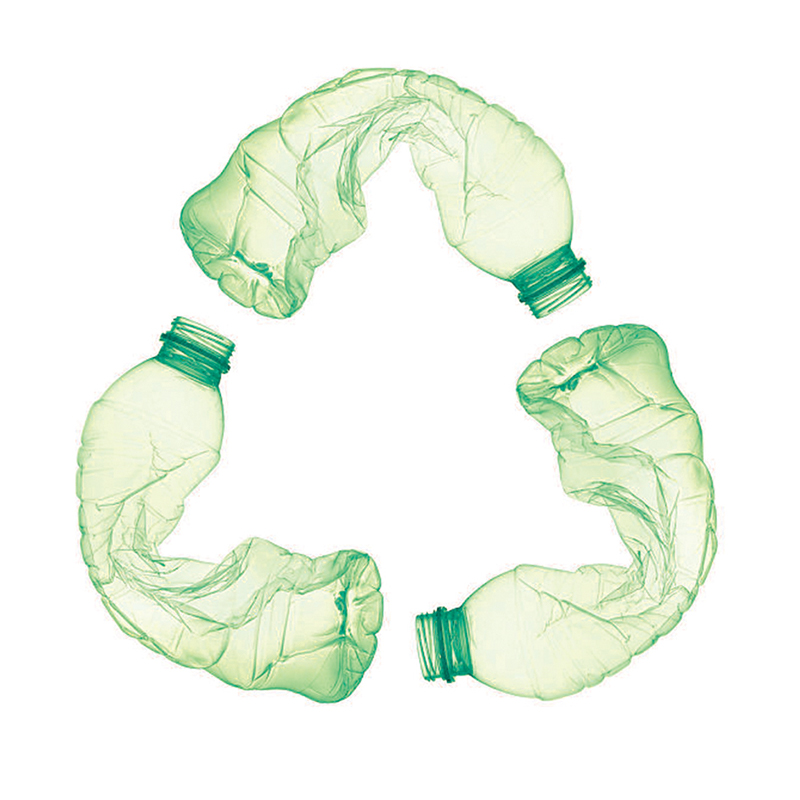
The environmental impact of synthetic fibers is a growing topic of discussion within the textile community. While polyester yarn for knitting is derived from petroleum, advancements in recycling technologies are shifting the industry landscape. Recycled polyester (rPET) made from post-consumer plastic bottles is becoming a standard offering.
This circular approach reduces reliance on virgin raw materials and diverts waste from landfills. The energy required to process recycled pellets into yarn is often lower than that needed for virgin production. Brands committed to sustainability now prominently feature rPET content in their product lines.
The Rise of Recycled Polyester (rPET)
rPET matches the performance characteristics of virgin polyester while offering a reduced carbon footprint. The collection and sorting infrastructure for plastic waste continue to improve globally, ensuring a steady supply of feedstock. Consumers increasingly demand transparency regarding the origin of their materials.
Certifications such as GRS (Global Recycled Standard) verify the recycled content claims, adding a layer of trust for buyers. Manufacturers investing in closed-loop systems demonstrate a commitment to responsible production practices. This shift aligns with broader global goals for waste reduction and resource efficiency.
Microfiber Shedding Mitigation
A known issue with synthetic textiles is the shedding of microfibers during washing, which can enter waterways. Industry researchers are developing tighter yarn constructions and finishing treatments to trap these particles within the fabric matrix. Washing bags designed to capture microfibers are also gaining popularity among eco-conscious users.
Innovation in fiber geometry aims to reduce shedding at the source by enhancing inter-fiber cohesion. Regulatory bodies in various regions are beginning to set limits on microplastic release, driving further R&D investment. Proactive adaptation to these standards positions companies as leaders in environmental stewardship.
The Role of Smart Manufacturing in Quality Assurance
As the demand for high-quality, customized polyester yarn grows, the industry is turning toward intelligent manufacturing to bridge the gap between scale and precision. Leading this transformation is Zhink New Material, which officially launched its “Digital Zhink” era in November 2020. By integrating internationally advanced automation and digital technology, Zhink has pioneered the implementation of small-batch, multi-variety APS (Advanced Planning and Scheduling) intelligent production scheduling in the spinning sector.
This smart manufacturing project represents a significant leap forward. Through the high integration of systems like ERP and MES, along with RFID intelligent identification and material traceability, Zhink ensures that every batch of yarn is tracked from raw material to finished product. Their quality online detection and control functions have filled numerous gaps in the domestic field, resulting in an industry-first large-scale customized intelligent integrated management platform. The outcome is clear: production quality is more consistent, costs are significantly lower, and R&D cycles are considerably shorter.
Furthermore, leveraging the rapid development of the industrial Internet and 5G technology, Zhink New Material was the first to introduce 5G applications in the textile industry. By connecting the intelligent integrated management platform with AGV (Automated Guided Vehicle) control systems, the company provides robust big data support for business operations, management, and production. This technological edge allows them to respond rapidly to market changes and deliver the “constant innovation” promised in their business philosophy, solidifying their status as a leader in the intelligent development of the textile industry.
Frequently Asked Questions (FAQ)
Addressing common queries helps clarify misconceptions and guides users toward informed decisions. The following section covers essential topics related to the selection, usage, and maintenance of polyester yarn for knitting.
Is polyester yarn suitable for baby clothing?
Yes, provided it is high-quality and free from harmful chemicals. Modern soft-touch polyester blends are hypoallergenic and gentle on sensitive skin. Their durability withstands frequent washing, which is essential for infant garments. However, ensure the fabric is breathable to prevent overheating.
Can I dye polyester yarn at home?
Standard household dyes designed for cotton or wool will not work on polyester. It requires specialized disperse dyes and high-temperature boiling conditions to set the color. For most hobbyists, purchasing pre-dyed yarn is more practical and yields more consistent results.
Does polyester yarn shrink in the wash?
No, one of its primary benefits is dimensional stability. Unlike natural fibers, it does not shrink or stretch significantly when laundered. This makes it ideal for projects where precise sizing is critical, such as fitted sleeves or structured accessories.
How does it compare to acrylic yarn?
While both are synthetic, polyester is generally stronger, more resistant to pilling, and has better moisture-wicking properties. Acrylic tends to be softer and warmer but may pill more easily and hold odors. Polyester is often preferred for performance applications, while acrylic suits casual winter wear.
What is the shelf life of polyester yarn?
When stored properly in a cool, dry place away from direct sunlight, polyester yarn has an indefinite shelf life. It does not degrade, rot, or attract pests over time. This longevity makes it an excellent choice for stocking up on supplies for future projects.
Conclusion and Strategic Recommendations
Polyester yarn for knitting stands as a cornerstone of modern textile production, offering an unparalleled blend of durability, versatility, and cost-efficiency. Its ability to adapt to diverse applications—from high-performance sportswear to cozy home decor—makes it an indispensable resource for manufacturers and crafters alike. The continuous evolution of fiber technology, driven by innovators like Zhink New Material, ensures that it remains competitive against natural alternatives while addressing environmental concerns through recycling initiatives and smart manufacturing.
This material is ideally suited for professionals seeking consistent quality and consumers who value low-maintenance, long-lasting products. Those involved in activewear design, industrial manufacturing, or budget-conscious crafting will find the greatest utility in its unique property profile. By understanding the nuances between filament and staple types, and recognizing the value of digitally managed production processes, users can optimize their material selection for specific project needs.
For those ready to integrate this versatile fiber into their workflow, the next step involves evaluating specific project requirements against available yarn specifications. Consider factors such as desired texture, end-use environment, and sustainability goals. Exploring certified recycled options and partnering with technologically advanced suppliers can further align your choices with contemporary ecological standards, ensuring a responsible and effective approach to textile creation.