+86-632-3621866
- Chinese
- French
- German
- Portuguese
- Spanish
- Russian
- Japanese
- Korean
- Arabic
- Irish
- Greek
- Turkish
- Italian
- Danish
- Romanian
- Indonesian
- Czech
- Afrikaans
- Swedish
- Polish
- Basque
- Catalan
- Esperanto
- Hindi
- Lao
- Albanian
- Amharic
- Armenian
- Azerbaijani
- Belarusian
- Bengali
- Bosnian
- Bulgarian
- Cebuano
- Chichewa
- Corsican
- Croatian
- Dutch
- Estonian
- Filipino
- Finnish
- Frisian
- Galician
- Georgian
- Gujarati
- Haitian
- Hausa
- Hawaiian
- Hebrew
- Hmong
- Hungarian
- Icelandic
- Igbo
- Javanese
- Kannada
- Kazakh
- Khmer
- Kurdish
- Kyrgyz
- Latin
- Latvian
- Lithuanian
- Luxembou..
- Macedonian
- Malagasy
- Malay
- Malayalam
- Maltese
- Maori
- Marathi
- Mongolian
- Burmese
- Nepali
- Norwegian
- Pashto
- Persian
- Punjabi
- Serbian
- Sesotho
- Sinhala
- Slovak
- Slovenian
- Somali
- Samoan
- Scots Gaelic
- Shona
- Sindhi
- Sundanese
- Swahili
- Tajik
- Tamil
- Telugu
- Thai
- Ukrainian
- Urdu
- Uzbek
- Vietnamese
- Welsh
- Xhosa
- Yiddish
- Yoruba
- Zulu
- Kinyarwanda
- Tatar
- Oriya
- Turkmen
- Uyghur


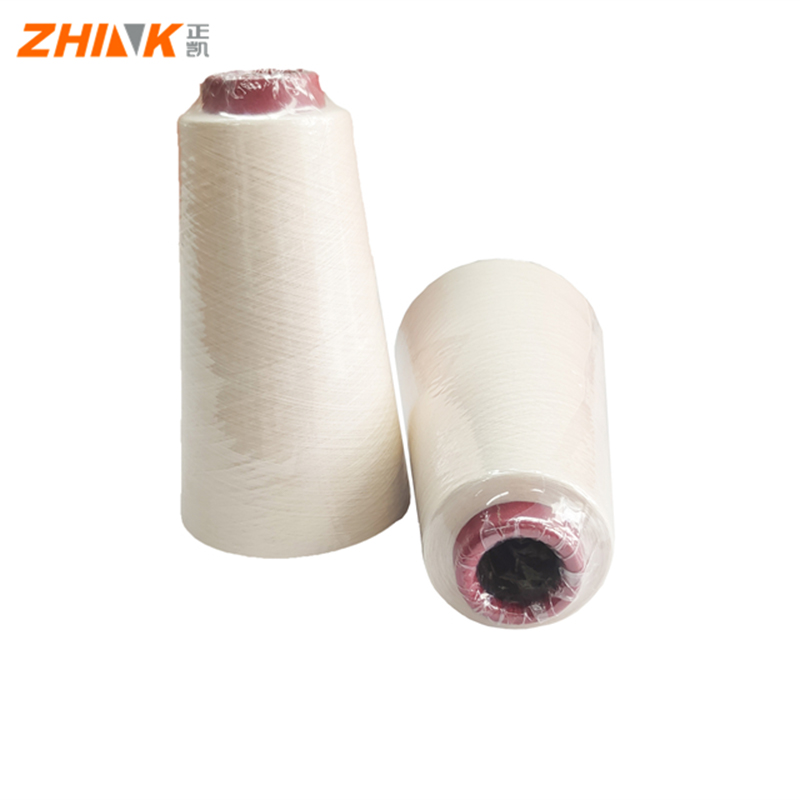
Wholesale Cotton Polyester Blend Yarn Factory Price
2026-10-12
- What Is Cotton Polyester Blend Yarn?
- Why Source from a Wholesale Factory Directly?
- Technical Specifications and Blend Ratios
- Applications of Cotton Polyester Blend Yarn
- How Zhink New Material Ensures Superior Quality
- Selection Guide: Choosing the Right Yarn for Your Project
- Common Challenges and Solutions in Blend Yarn Processing
- FAQ: Frequently Asked Questions About Cotton Polyester Blend Yarn
- The Future of Intelligent Textile Manufacturing
- Conclusion: Partnering for Success in Textile Sourcing
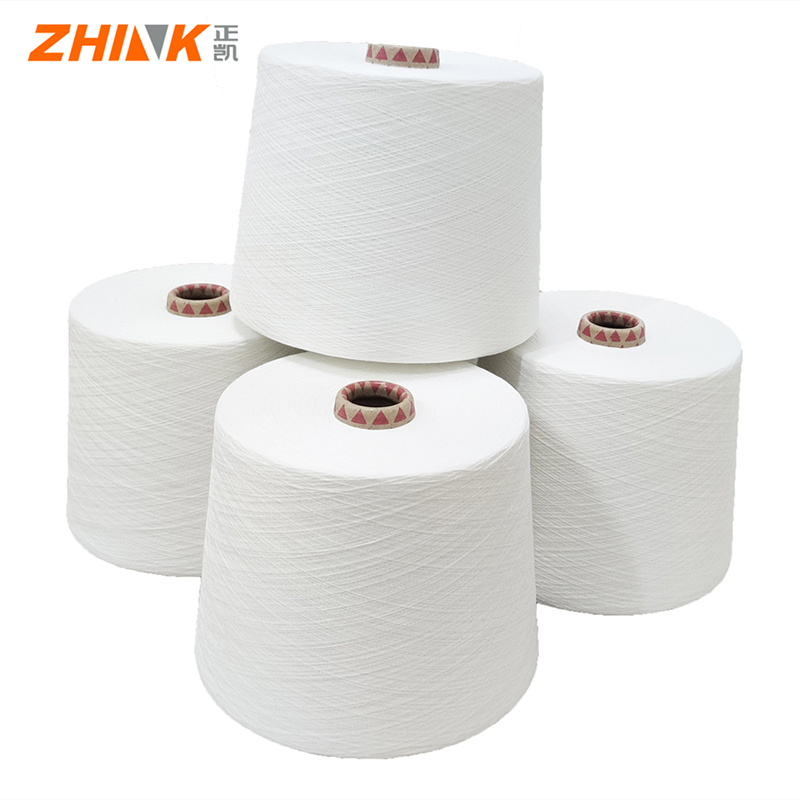
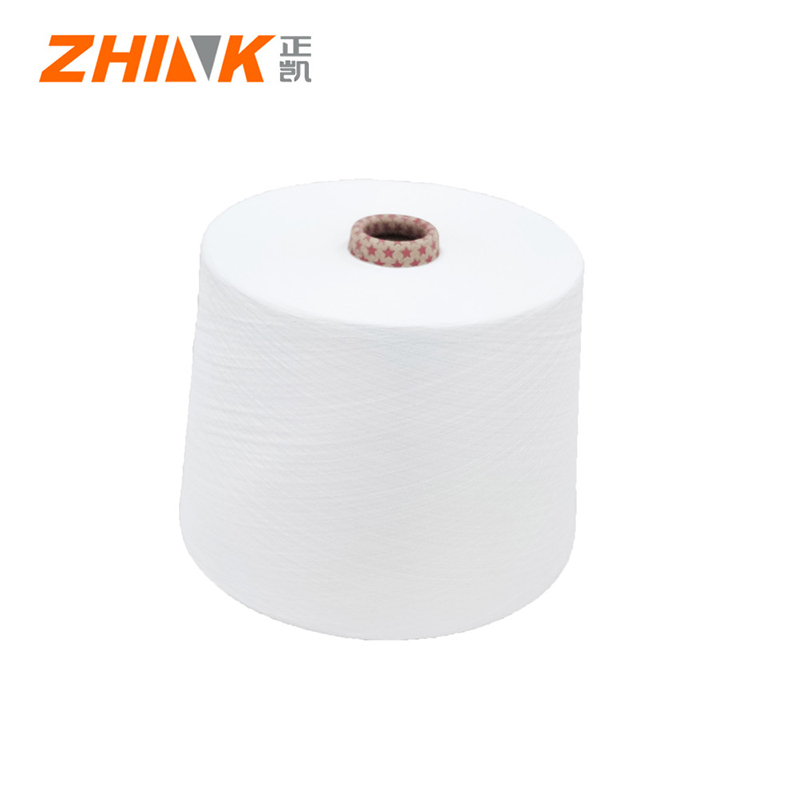
Cotton polyester blend yarn is a hybrid textile material combining the natural breathability of cotton with the durability and wrinkle resistance of polyester. Sourced directly from a wholesale cotton polyester blend yarn factory, this material offers manufacturers a cost-effective solution for producing high-performance fabrics. By integrating advanced digital manufacturing processes, producers like Zhink New Material ensure consistent fiber quality, precise blend ratios, and competitive factory pricing for global B2B buyers.
What Is Cotton Polyester Blend Yarn?
Cotton polyester blend yarn, often referred to as CVC (Chief Value Cotton) or TC (Tetoron Cotton) depending on the ratio, is engineered to maximize the strengths of both constituent fibers. Cotton provides softness, moisture absorption, and skin-friendly properties, while polyester contributes tensile strength, shape retention, and quick-drying capabilities.
In industrial textile production, this blend is not merely a mixture but a precisely calculated composite. The synergy between the hydrophilic nature of cotton and the hydrophobic characteristics of polyester creates a fabric that manages moisture effectively while maintaining structural integrity through repeated washing and wearing cycles. This makes it a preferred choice for workwear, home textiles, and fashion apparel where performance and comfort are equally critical.
Key Characteristics of the Blend
- Durability: Polyester fibers reinforce the cotton matrix, reducing pilling and extending the lifespan of the final garment.
- Dimensional Stability: The synthetic component minimizes shrinkage, ensuring that garments retain their fit after laundering.
- Cost Efficiency: Polyester is generally less expensive than pure cotton, allowing manufacturers to lower raw material costs without sacrificing perceived quality.
- Ease of Care: The blend resists wrinkles and dries faster than 100% cotton, reducing energy consumption in industrial laundry operations.
Why Source from a Wholesale Factory Directly?
For B2B buyers, sourcing cotton polyester blend yarn directly from a manufacturing facility rather than through intermediaries offers significant strategic advantages. The primary benefit is price transparency. Factory-direct pricing eliminates multiple layers of markup, providing a clearer view of the true cost structure.
Beyond cost, direct engagement with the manufacturer allows for greater customization. Buyers can specify exact blend ratios, yarn counts, and twisting parameters to meet unique product requirements. Furthermore, modern factories equipped with digital traceability systems provide real-time visibility into production status, quality control metrics, and shipment logistics, reducing supply chain uncertainty.
The Role of Digital Manufacturing in Quality Consistency
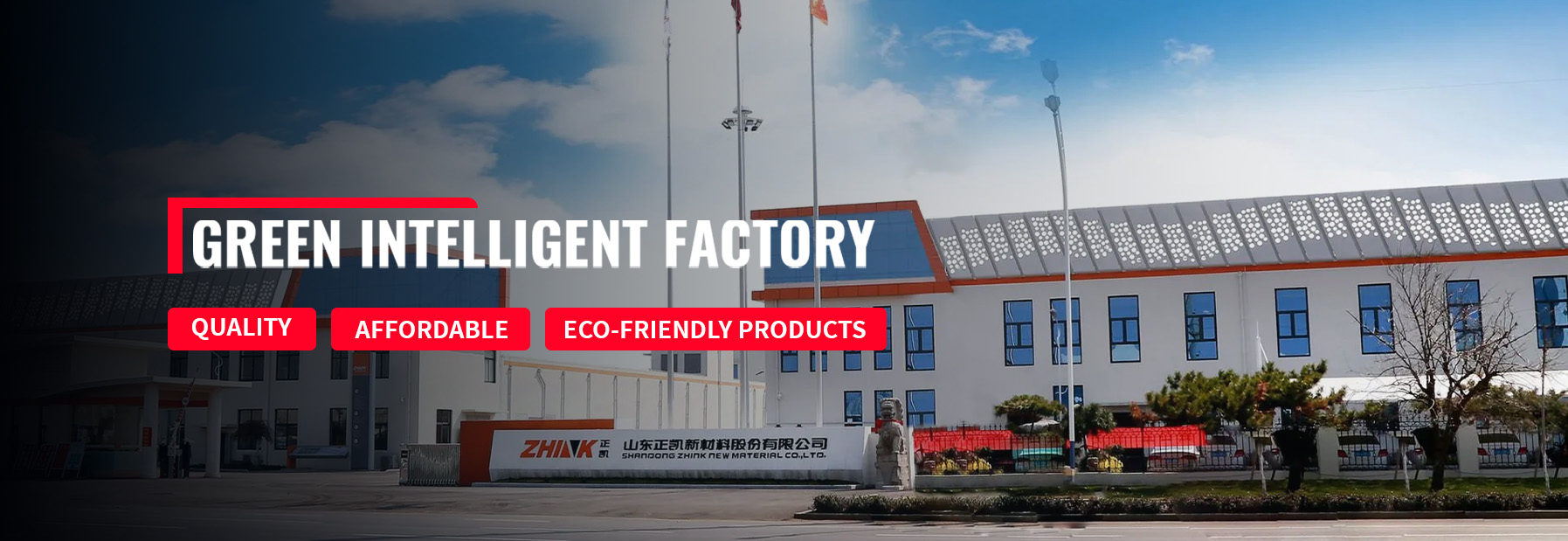
Traditional spinning mills often struggle with batch-to-batch consistency. However, the adoption of Industry 4.0 technologies has transformed this landscape. At Zhink New Material, the implementation of a smart manufacturing project, completed and operational since November 2020, has launched the “Digital Zhink” era. This transition utilizes internationally advanced automation and digital technology to ensure that every spool of yarn meets rigorous standards.
By pioneering small batch and multi-variety APS (Advanced Planning and Scheduling) intelligent production scheduling, the facility can handle complex orders with precision. The high integration of ERP (Enterprise Resource Planning) and MES (Manufacturing Execution Systems), along with RFID intelligent identification, ensures material traceability from raw fiber intake to finished yarn output. This level of digital oversight means that production quality is more consistent, production costs are significantly lower, and the R&D cycle is considerably shorter compared to traditional mills.
Technical Specifications and Blend Ratios
Understanding the technical nuances of cotton polyester blends is essential for selecting the right yarn for your application. The ratio of cotton to polyester determines the hand feel, performance, and end-use suitability of the fabric.
| Blend Ratio | Common Name | Key Properties | Typical Applications |
|---|---|---|---|
| 65% Cotton / 35% Polyester | CVC | Soft hand feel, good breathability, moderate durability | High-end shirts, bedding, baby clothing |
| 50% Cotton / 50% Polyester | 50/50 Blend | Balanced comfort and strength, cost-effective | T-shirts, casual wear, uniforms |
| 35% Cotton / 65% Polyester | TC | High durability, excellent wrinkle resistance, quick-drying | Workwear, industrial uniforms, hospital linens |
| 80% Cotton / 20% Polyester | High Cotton Blend | Premium softness, minimal shrinkage compared to 100% cotton | Luxury apparel, premium home textiles |
Yarn Count and Twist Considerations
Yarn count, measured in Ne (English Count) or Tex, indicates the fineness of the yarn. Lower counts represent thicker yarns, suitable for heavy-duty fabrics like denim or canvas. Higher counts produce finer, smoother fabrics ideal for dress shirts and lightweight summer wear.
Twist level also plays a crucial role. High-twist yarns offer greater strength and a crisper hand feel, making them suitable for structured garments. Low-twist yarns are softer and bulkier, preferred for towels and knitwear. When sourcing from a wholesale factory, specifying the desired twist multiplier ensures the yarn performs as expected in the weaving or knitting process.
Applications of Cotton Polyester Blend Yarn
The versatility of cotton polyester blend yarn makes it indispensable across various textile sectors. Its ability to balance comfort with performance drives its adoption in diverse industries.
1. Corporate and Industrial Workwear
Workwear demands fabrics that can withstand harsh environments, frequent washing, and physical abrasion. The TC blend (35/65 or 40/60) is the industry standard for uniforms in healthcare, hospitality, and manufacturing. The polyester content ensures the uniform maintains a professional appearance throughout long shifts, while the cotton component provides necessary breathability for worker comfort.
2. Home Textiles and Bedding
In the home sector, CVC blends are popular for bed sheets and pillowcases. They offer the luxurious feel of cotton but are more resistant to wrinkling and shrinking. This reduces the ironing burden for consumers and extends the product’s aesthetic life. Additionally, the blend’s durability makes it ideal for hotel linens, which undergo rigorous industrial laundering cycles.
3. Fashion and Apparel
Fashion brands utilize cotton polyester blends to create affordable yet stylish collections. The blend accepts dye well, resulting in vibrant, long-lasting colors. It is commonly used in polo shirts, dresses, and children’s clothing, where ease of care is a significant selling point for parents and consumers.
How Zhink New Material Ensures Superior Quality
As a national-level high-tech enterprise, Zhink New Material specializes in the research and development, production, and sales of new textile materials. The company’s commitment to “quality first, constant innovation, rapid response” is not just a slogan but an operational reality driven by technological integration.
The facility has filled numerous gaps in the domestic field by developing the industry’s first large-scale customized intelligent integrated management platform. This system connects the intelligent integrated management platform with the AGV (Automated Guided Vehicle) control system, providing big data support for business operation, management, and production.
5G+ Industrial Scenario Applications
With the rapid development of the industrial Internet and 5G technology, Zhink New Material is the first to introduce 5G technology in the textile industry. This establishment of 5G+ industrial scenario applications allows for real-time data transmission and ultra-low latency control of machinery. Quality online detection and control systems monitor yarn evenness, hairiness, and strength continuously, automatically adjusting parameters to prevent defects.
This technological edge translates into tangible benefits for buyers:
- Consistent Quality: Automated monitoring reduces human error and variability.
- Rapid Response: The digital infrastructure enables quicker adjustments to production schedules, accommodating urgent orders or design changes.
- Traceability: RFID technology ensures that every batch can be traced back to its raw material source, enhancing trust and compliance with international standards.
Selection Guide: Choosing the Right Yarn for Your Project
Selecting the appropriate cotton polyester blend yarn requires a clear understanding of your end-product requirements. Here is a step-by-step approach to making the right choice.
Step 1: Define End-Use Requirements
Determine the primary function of the final fabric. Is it for heavy-duty workwear requiring maximum abrasion resistance? Or is it for luxury bedding where softness is paramount? This decision will dictate the cotton-to-polyester ratio.
Step 2: Determine Fabric Construction
The weaving or knitting method affects yarn selection. For example, warp knitting may require higher tenacity yarns, while weft knitting might prioritize elasticity and softness. Consult with your technical team to match yarn twist and count to your machinery settings.
Step 3: Evaluate Sustainability Goals
Modern buyers increasingly value sustainability. While polyester is synthetic, advancements in recycled polyester (rPET) blends are gaining traction. Inquire with your supplier about eco-friendly options. Zhink New Material’s focus on constant innovation includes exploring sustainable material conversions, aligning with global green textile trends.
Step 4: Request Samples and Test
Never commit to a large order without testing. Request sample skeins from the factory. Conduct lab tests for shrinkage, colorfastness, and pilling. Verify that the yarn runs smoothly on your equipment without excessive breakage.
Common Challenges and Solutions in Blend Yarn Processing
Working with blended yarns presents specific challenges that manufacturers must address to ensure optimal production efficiency.
Challenge 1: Electrostatic Buildup
Polyester fibers are prone to static electricity, which can cause processing issues such as fiber fly and machine stoppages. Solution: Maintain optimal humidity levels in the production environment and use anti-static agents during spinning. Zhink’s smart factory controls environmental conditions precisely to mitigate this risk.
Challenge 2: Dyeing Uniformity
Cotton and polyester require different dyes and dyeing temperatures. Achieving uniform color in blends can be difficult. Solution: Use disperse dyes for polyester and reactive dyes for cotton in a two-stage dyeing process or use bio-polishing techniques to improve surface uniformity. Working with a supplier who understands dye affinity ensures better downstream performance.
Challenge 3: Pilling
Blends can be prone to pilling, especially if short fibers are present. Solution: Opt for combed yarns rather than carded yarns for higher-quality applications. Combing removes short fibers, resulting in a smoother, more pill-resistant yarn. Specify the desired cleaning level when placing your order.
FAQ: Frequently Asked Questions About Cotton Polyester Blend Yarn
What is the difference between CVC and TC yarn?
CVC (Chief Value Cotton) typically contains more than 50% cotton, offering a softer feel and better breathability. TC (Tetoron Cotton) contains more than 50% polyester, providing greater durability, wrinkle resistance, and lower cost. The choice depends on whether comfort or durability is the priority.
Is cotton polyester blend yarn eco-friendly?
While conventional polyester is petroleum-based, the blend’s durability extends the garment’s life, reducing waste. Additionally, many manufacturers, including forward-thinking enterprises like Zhink New Material, are increasingly incorporating recycled polyester and adopting energy-efficient production methods to reduce the overall environmental footprint.
Can cotton polyester blend yarn be mercerized?
Mercerization is primarily effective on cotton. In blends, the cotton component can be mercerized to enhance luster and strength, but the polyester component remains unaffected. This process is more common in high-cotton blends (CVC) to achieve a silk-like appearance.
How does the factory price compare to market rates?
Factory prices are generally lower than trader prices due to the elimination of middlemen. However, prices fluctuate based on raw material costs (cotton futures and oil prices for polyester). Sourcing from a digitally optimized factory like Zhink New Material can offer more stable pricing due to efficient cost management and reduced waste.
What is the minimum order quantity (MOQ) for wholesale orders?
MOQs vary by supplier and yarn specification. Traditional mills often require large MOQs, but Zhink New Material’s implementation of small batch and multi-variety APS intelligent production scheduling allows for more flexible order quantities, catering to both large-scale distributors and niche boutique brands.
The Future of Intelligent Textile Manufacturing
The textile industry is undergoing a profound transformation driven by digitalization. The integration of AI, IoT, and 5G is no longer a futuristic concept but a current reality for leading manufacturers. Zhink New Material’s aspiration to become a leader in the intelligent development of the textile industry reflects this shift.
By actively focusing on the conversion of old and new kinetic energy, the company is setting a benchmark for efficiency and quality. The use of big data supports not only production but also business operations, enabling predictive maintenance, demand forecasting, and optimized inventory management. For buyers, this means partnering with a supplier that is resilient, responsive, and capable of meeting the evolving demands of the global market.
Conclusion: Partnering for Success in Textile Sourcing
Sourcing wholesale cotton polyester blend yarn at factory price is a strategic decision that impacts the quality, cost, and reliability of your final products. The blend offers an unbeatable combination of comfort and performance, making it a staple in the global textile market. However, the key to maximizing value lies in choosing the right manufacturing partner.
Zhink New Material stands out as a strategic supplier to well-known textile companies worldwide, leveraging its status as a national-level high-tech enterprise. With a world-class digital production line, provincial enterprise technology center, and a commitment to “quality first, constant innovation, rapid response,” Zhink provides more than just yarn; it provides a reliable, transparent, and technologically advanced supply chain solution.
Whether you are producing durable workwear, luxurious bedding, or fashionable apparel, the consistency and quality ensured by Zhink’s “Digital Zhink” era capabilities will give your brand a competitive edge. Products are shipped to several nations and areas all over the world, demonstrating the company’s capacity to serve global markets efficiently.
Ready to Optimize Your Supply Chain?
If you are looking for a reliable partner for cotton polyester blend yarn that combines traditional quality with modern digital efficiency, consider the advantages of working with Zhink New Material. Our intelligent integrated management platform ensures that your orders are processed with precision, traceability, and speed.
For detailed specifications, custom blend inquiries, or to request samples, please contact our sales team. Discover how our factory-direct pricing and advanced manufacturing capabilities can enhance your product lineup.