+86-632-3621866
- Chinese
- French
- German
- Portuguese
- Spanish
- Russian
- Japanese
- Korean
- Arabic
- Irish
- Greek
- Turkish
- Italian
- Danish
- Romanian
- Indonesian
- Czech
- Afrikaans
- Swedish
- Polish
- Basque
- Catalan
- Esperanto
- Hindi
- Lao
- Albanian
- Amharic
- Armenian
- Azerbaijani
- Belarusian
- Bengali
- Bosnian
- Bulgarian
- Cebuano
- Chichewa
- Corsican
- Croatian
- Dutch
- Estonian
- Filipino
- Finnish
- Frisian
- Galician
- Georgian
- Gujarati
- Haitian
- Hausa
- Hawaiian
- Hebrew
- Hmong
- Hungarian
- Icelandic
- Igbo
- Javanese
- Kannada
- Kazakh
- Khmer
- Kurdish
- Kyrgyz
- Latin
- Latvian
- Lithuanian
- Luxembou..
- Macedonian
- Malagasy
- Malay
- Malayalam
- Maltese
- Maori
- Marathi
- Mongolian
- Burmese
- Nepali
- Norwegian
- Pashto
- Persian
- Punjabi
- Serbian
- Sesotho
- Sinhala
- Slovak
- Slovenian
- Somali
- Samoan
- Scots Gaelic
- Shona
- Sindhi
- Sundanese
- Swahili
- Tajik
- Tamil
- Telugu
- Thai
- Ukrainian
- Urdu
- Uzbek
- Vietnamese
- Welsh
- Xhosa
- Yiddish
- Yoruba
- Zulu
- Kinyarwanda
- Tatar
- Oriya
- Turkmen
- Uyghur



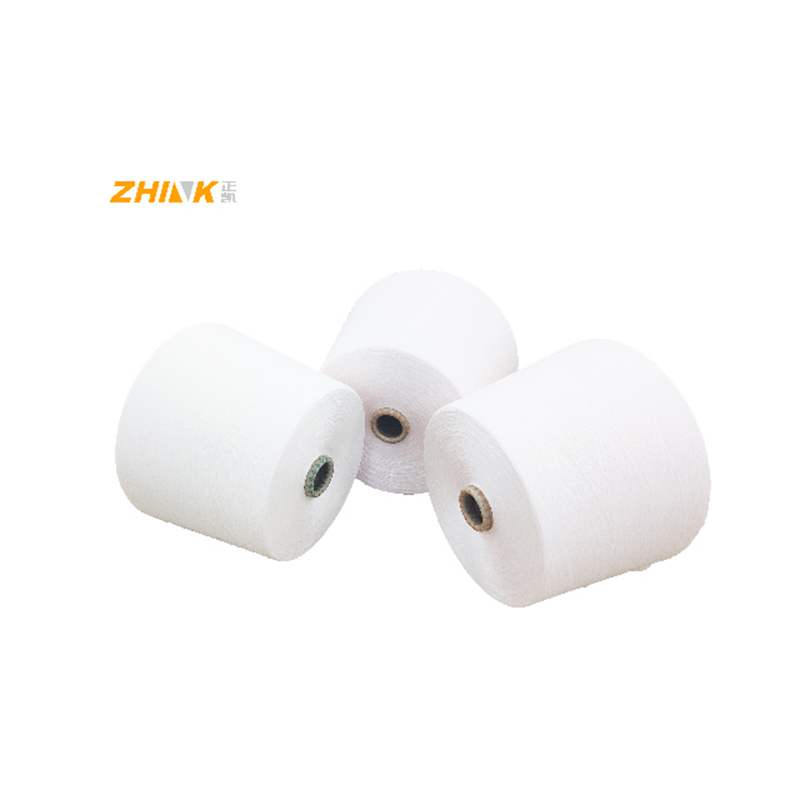
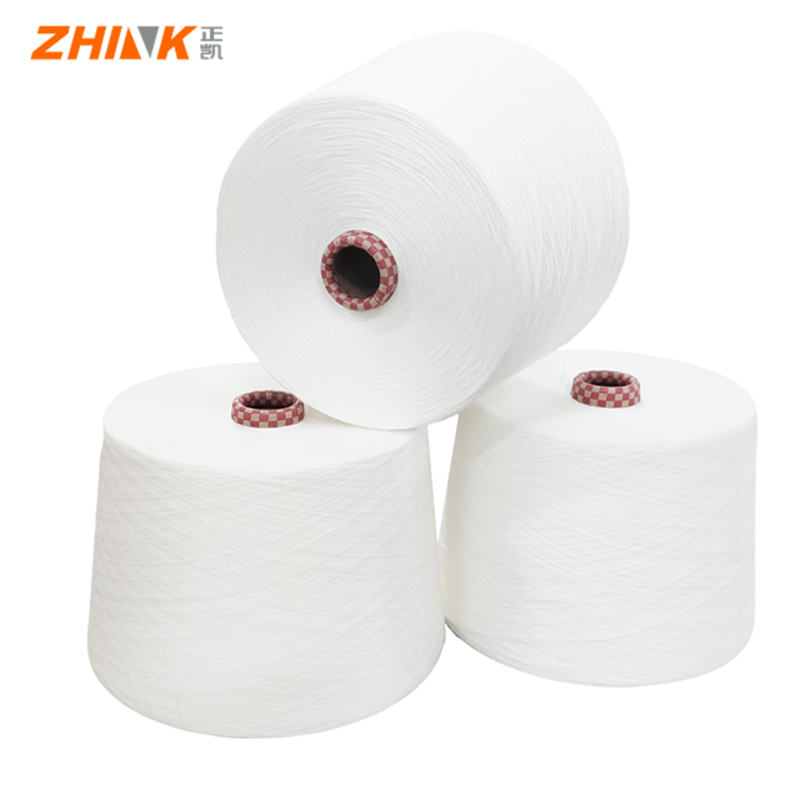
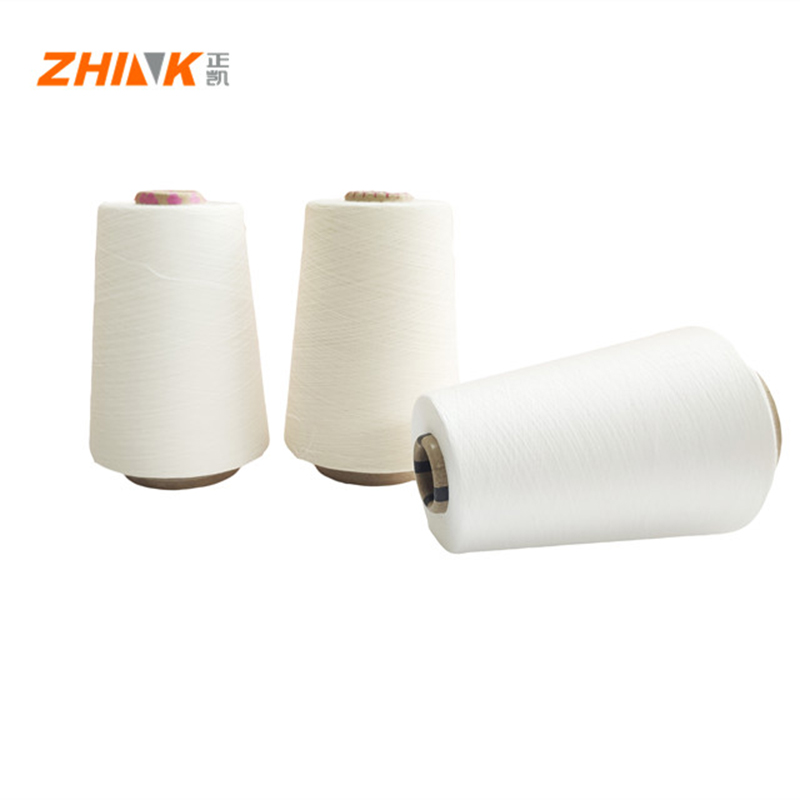
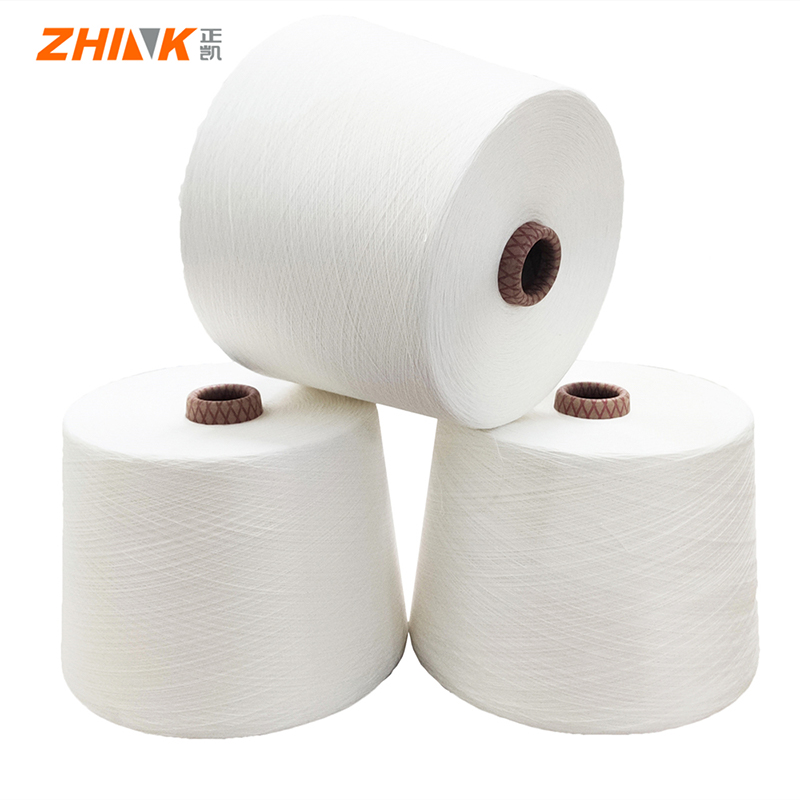
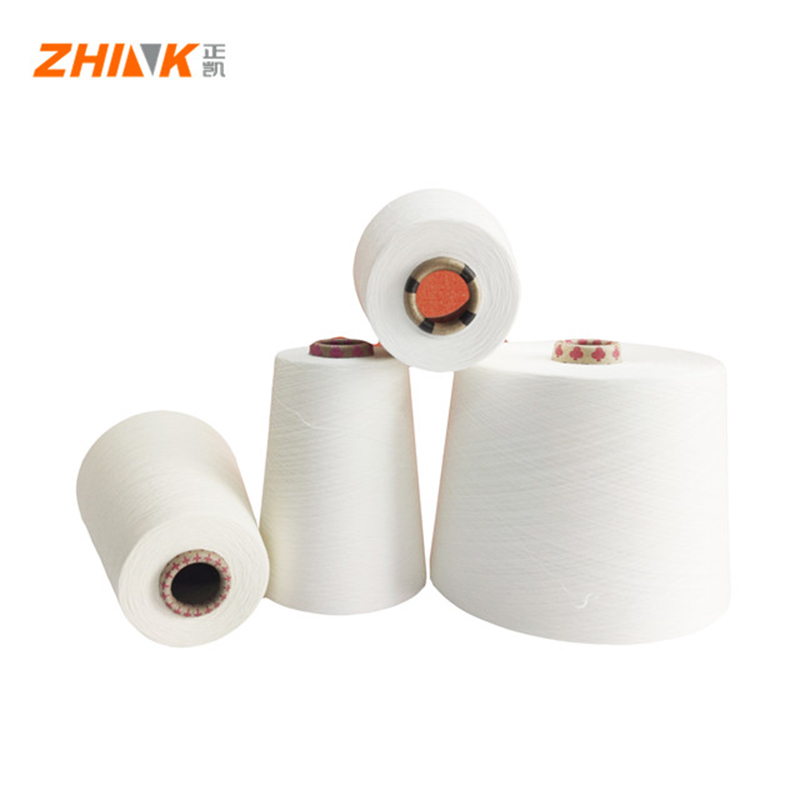
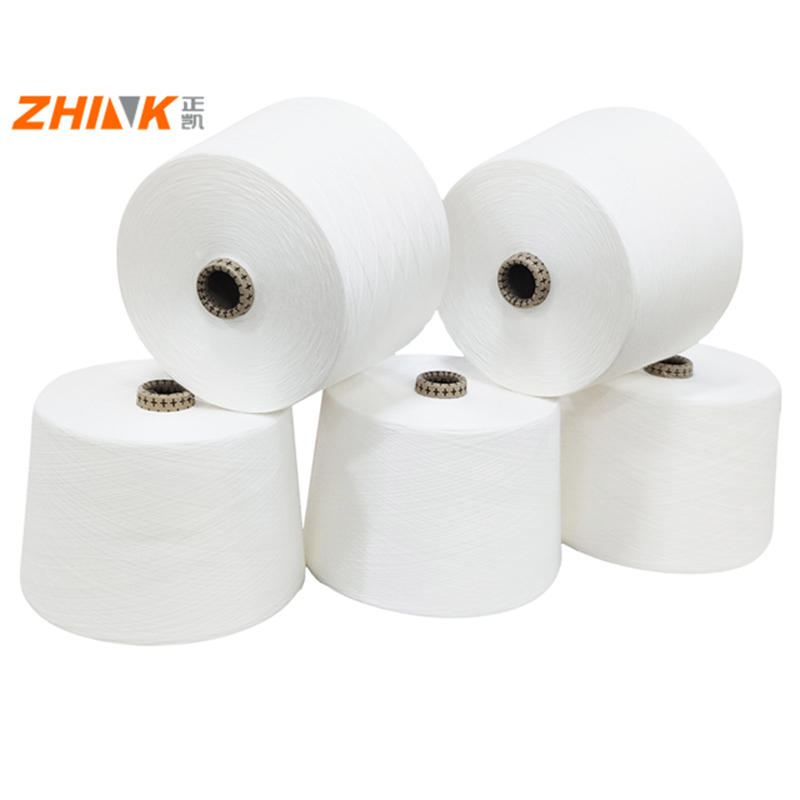
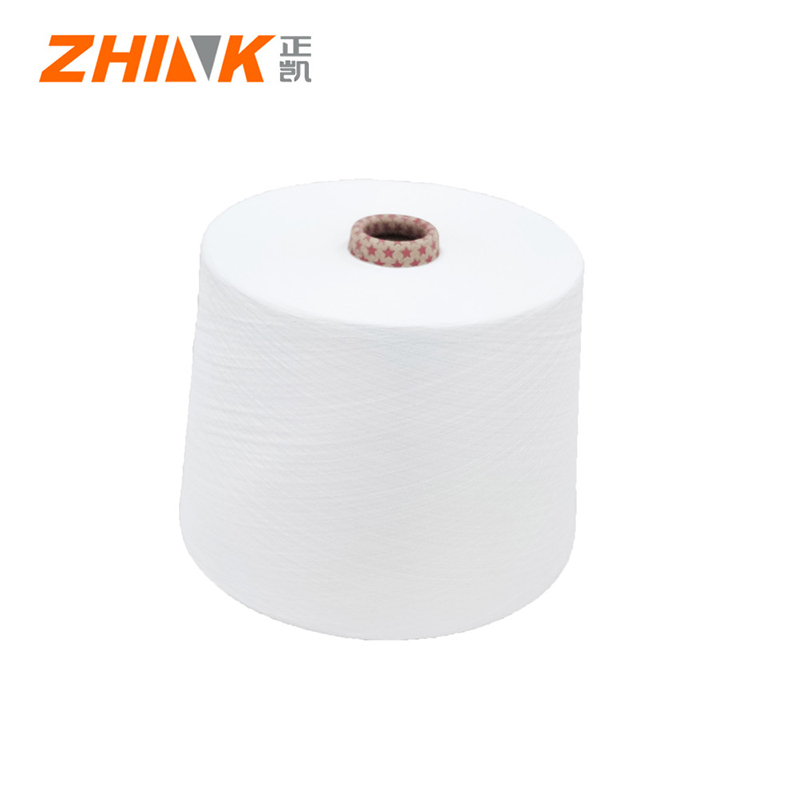
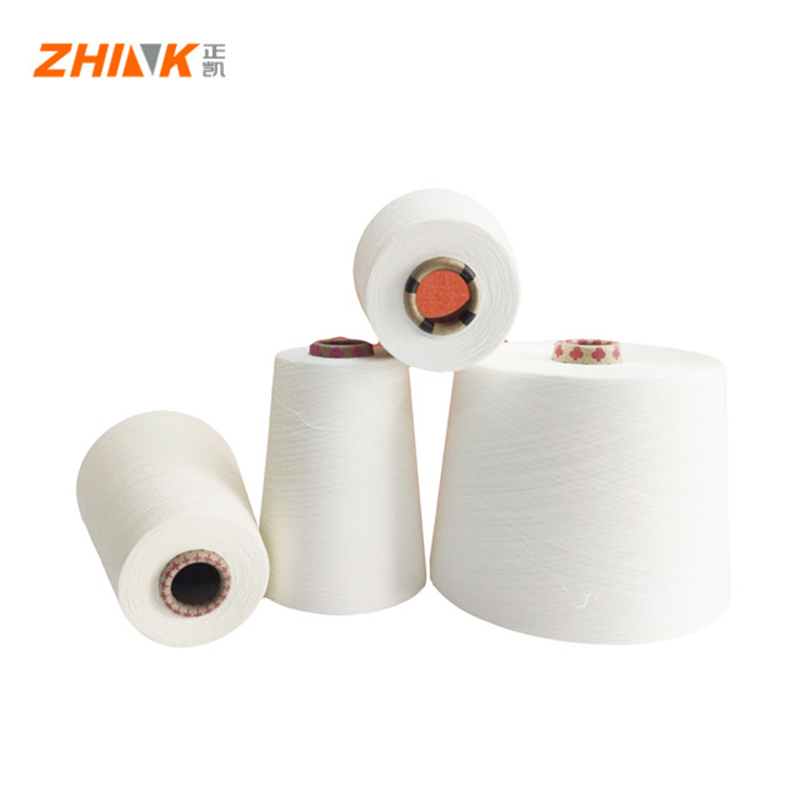
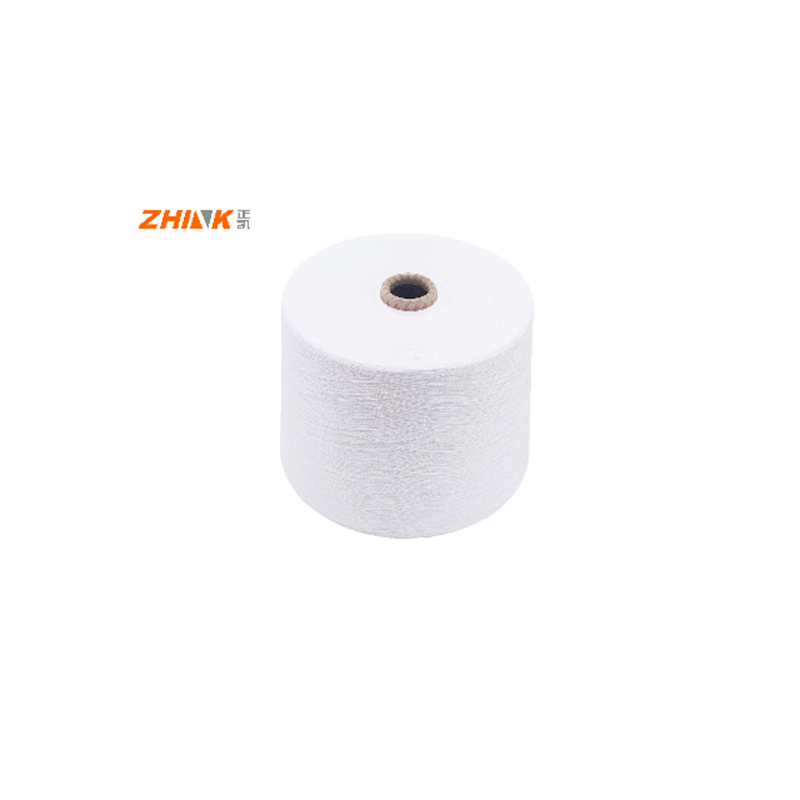
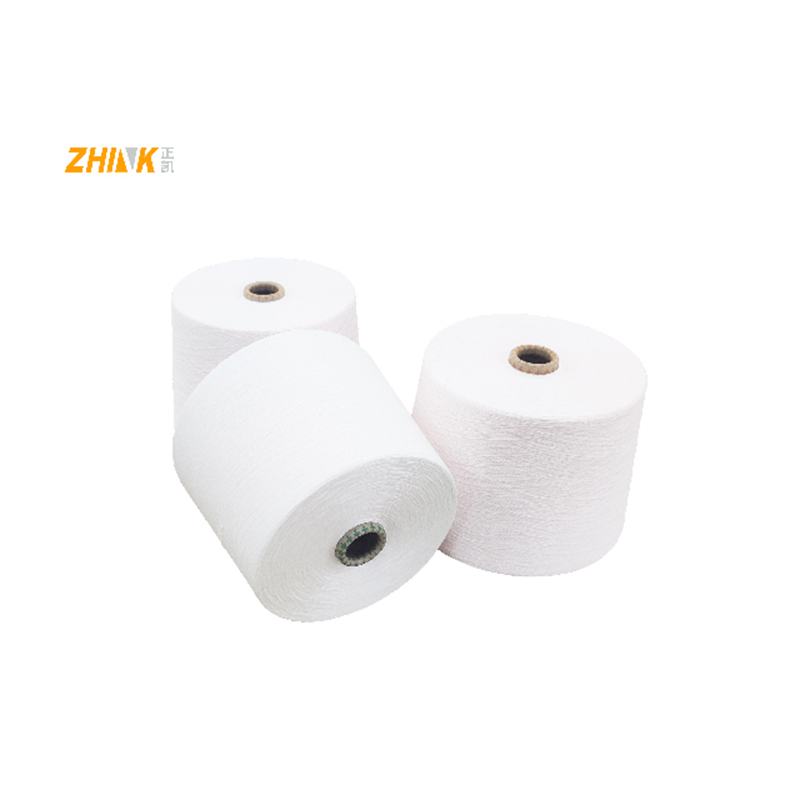
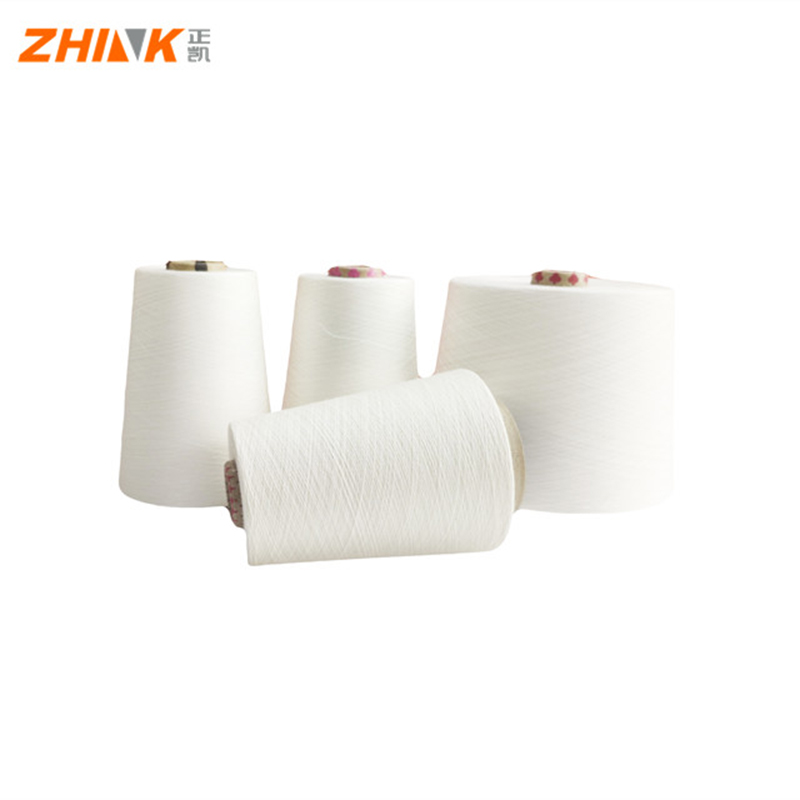
non bulk acrylic yarn
The Intricacies of Non Bulk Acrylic Yarn
When it comes to textile materials, the distinction between bulk and non bulk acrylic yarn often flies under the radar. But this subtle difference impacts fabric characteristics more than many realize. Let’s dive into what sets non bulk acrylic apart, revealing the overlooked nuances you won’t find in any textbook.
Understanding Non Bulk Acrylic Yarn
To start, let’s debunk a common misconception: not all acrylic yarn is created equal. While non bulk acrylic yarn might sound less impressive, it’s precisely this characteristic that gives it unique properties. Unlike bulk yarns, non bulk versions are less fluffy, providing a smoother, cleaner finish. It's the choice for fabrics where precise stitch definition is key.
From my days working with SHANDONG ZHINK NEW MATERIAL CO., LTD, a leader in new textile materials, I learned firsthand how this type of yarn displays excellent resilience while maintaining a sleek feel. This is crucial for applications demanding durability without the added weight or volume.
On the production floor, these yarns are often tightly spun, resulting in fewer air pockets. The outcome is a robust but sleek thread, ideal for both fine garments and high-performance textiles. It’s a delicate balance that producers like Zhink New Material have mastered through rigorous R&D.
Real World Applications
One might assume that non bulk yarn is restricted in use. However, it shines in the arena of sportswear and technical garments. Its less voluminous nature allows for high elasticity, enabling fabric to stretch and move without bagging.
At Zhink, we’ve seen our non bulk acrylic yarn adopted in various environments where its properties reduce friction. This feature is particularly valued by athletes and outdoor enthusiasts who need reliable yet lightweight gear.
In one example, a well-known brand approached us for developing a line of athletic apparel. Their requirement was clear: a fabric that felt natural yet could wick moisture effectively. Through trial and error, the non bulk option emerged victorious, surpassing synthetic blends traditionally used for performance wear.
Challenges in Production
No material is without its quirks. Producing non bulk yarn requires precision. The spinning process must be carefully controlled to avoid unwanted textures or inconsistencies. This is where many manufacturers might shy away due to the increased complexity.
In my experience, careful monitoring and adjustments are needed at every stage of production. At Zhink (https://www.zhinkyarn.com), our approach has been to employ a series of quality checks, ensuring every batch meets the stringent standards we’re known for.
Issues like uneven spinning can lead to weak spots, which could compromise the integrity of the fabric. Thus, investing in high-grade machinery and skilled technicians is non-negotiable.
Market Insight
The demand for non bulk acrylic yarn continues to rise, driven by consumers seeking comfortable, lightweight alternatives. Gone are the days when bulk was seen as a sign of quality; sleek, high-performance textiles are the future.
For Zhink New Material, staying ahead means not just producing but innovating—whether it’s through new spinning techniques or developing blends that enhance the yarn’s natural benefits. This aligns with the company’s ethos of pushing the boundaries in textile material science.
The market is evolving, and those who can adapt will thrive. Manufacturers who understand the subtleties of non bulk yarns will unlock opportunities that others simply overlook.
Technical Insights
For the technical-minded, delving deeper into the molecular structure of acrylic fibers reveals why non bulk versions behave as they do. The polymer chain alignment provides a tighter specific gravity, making it less susceptible to the factors causing bulk.
Experimenting with different dyeing techniques can also yield fascinating results. Non bulk yarn handles colors differently due to its compact nature. It’s not uncommon to see deeper, more vibrant hues achieved with less dye penetration.
This intrinsic characteristic is often utilized by designers who want consistent coloration without the weight—an advantage that streamlines the process from dye vat to finished garment. It’s these details that make non bulk yarn a surprisingly compelling choice.
The Future for Non Bulk Acrylic Yarn
Looking ahead, innovations in yarn production will likely focus on enhancing the strengths of materials like non bulk acrylic. Environmental considerations are leading to advances in sustainable production practices.
At SHANDONG ZHINK NEW MATERIAL CO., LTD, the challenge is clear: balance innovation with responsibility. As industry leaders, we’re tasked with setting standards that benefit both consumers and the planet. Our commitment is clearly reflected in every decision we make.
Non bulk acrylic yarn, once an underappreciated textile, finds itself at the center of a growing movement. Those who recognize its value stand to redefine what we expect from fabrics, marrying the best of durability and design.
Related Products
Related Products