+86-632-3621866
- Chinese
- French
- German
- Portuguese
- Spanish
- Russian
- Japanese
- Korean
- Arabic
- Irish
- Greek
- Turkish
- Italian
- Danish
- Romanian
- Indonesian
- Czech
- Afrikaans
- Swedish
- Polish
- Basque
- Catalan
- Esperanto
- Hindi
- Lao
- Albanian
- Amharic
- Armenian
- Azerbaijani
- Belarusian
- Bengali
- Bosnian
- Bulgarian
- Cebuano
- Chichewa
- Corsican
- Croatian
- Dutch
- Estonian
- Filipino
- Finnish
- Frisian
- Galician
- Georgian
- Gujarati
- Haitian
- Hausa
- Hawaiian
- Hebrew
- Hmong
- Hungarian
- Icelandic
- Igbo
- Javanese
- Kannada
- Kazakh
- Khmer
- Kurdish
- Kyrgyz
- Latin
- Latvian
- Lithuanian
- Luxembou..
- Macedonian
- Malagasy
- Malay
- Malayalam
- Maltese
- Maori
- Marathi
- Mongolian
- Burmese
- Nepali
- Norwegian
- Pashto
- Persian
- Punjabi
- Serbian
- Sesotho
- Sinhala
- Slovak
- Slovenian
- Somali
- Samoan
- Scots Gaelic
- Shona
- Sindhi
- Sundanese
- Swahili
- Tajik
- Tamil
- Telugu
- Thai
- Ukrainian
- Urdu
- Uzbek
- Vietnamese
- Welsh
- Xhosa
- Yiddish
- Yoruba
- Zulu
- Kinyarwanda
- Tatar
- Oriya
- Turkmen
- Uyghur



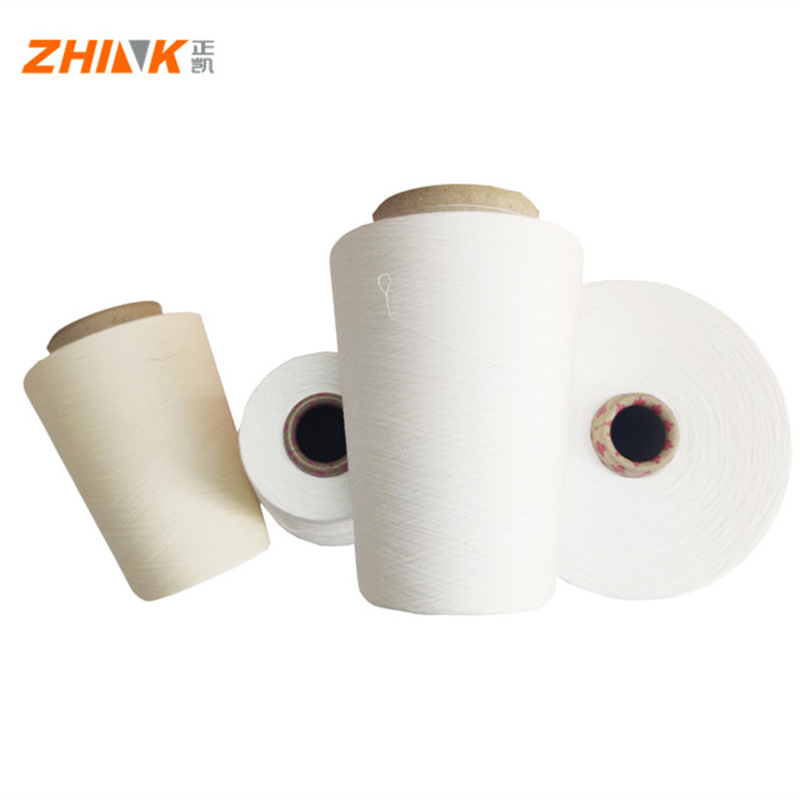
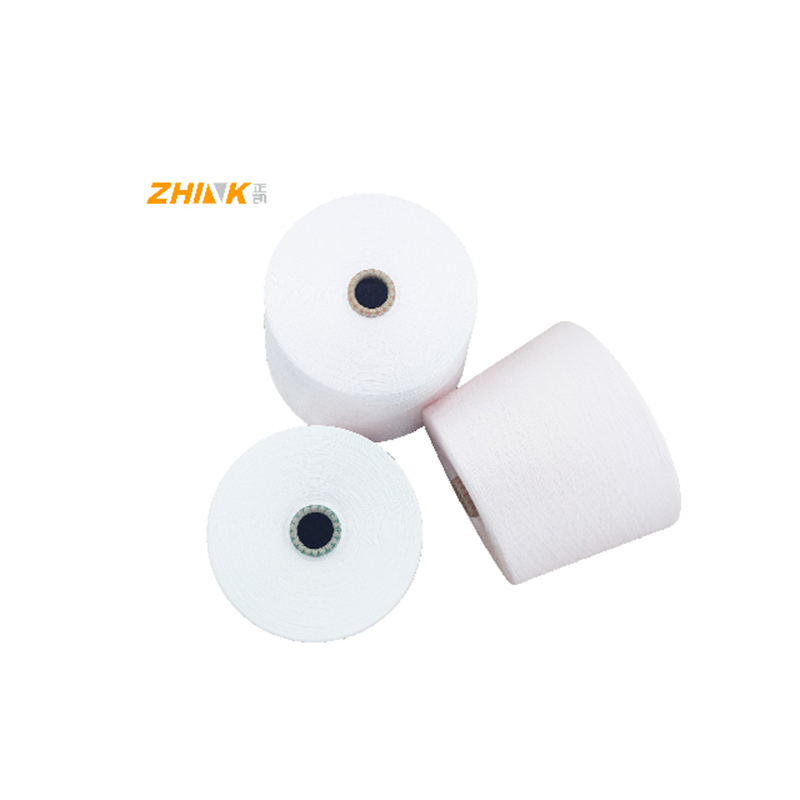
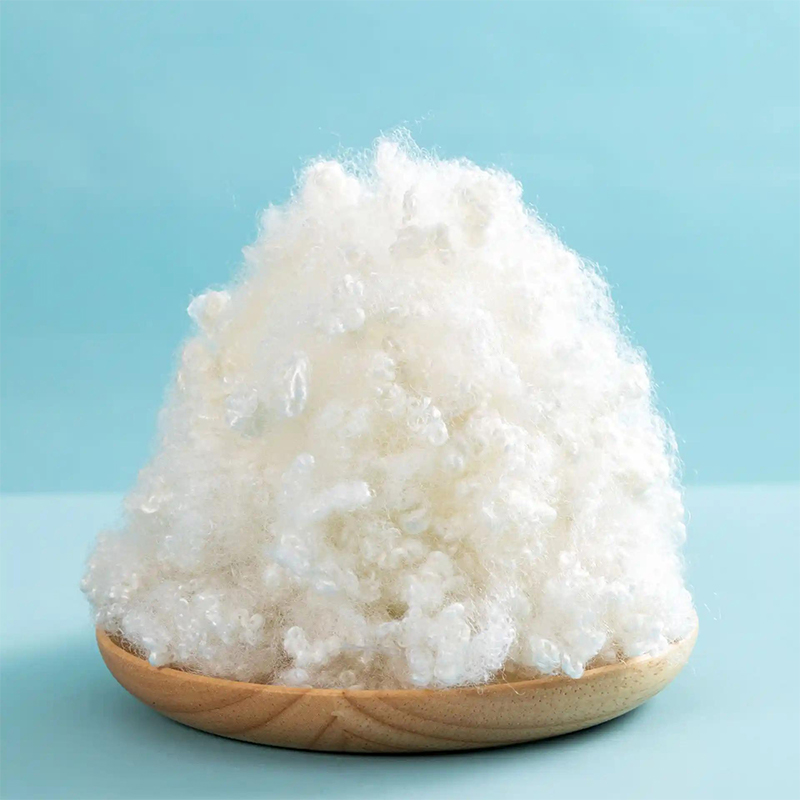
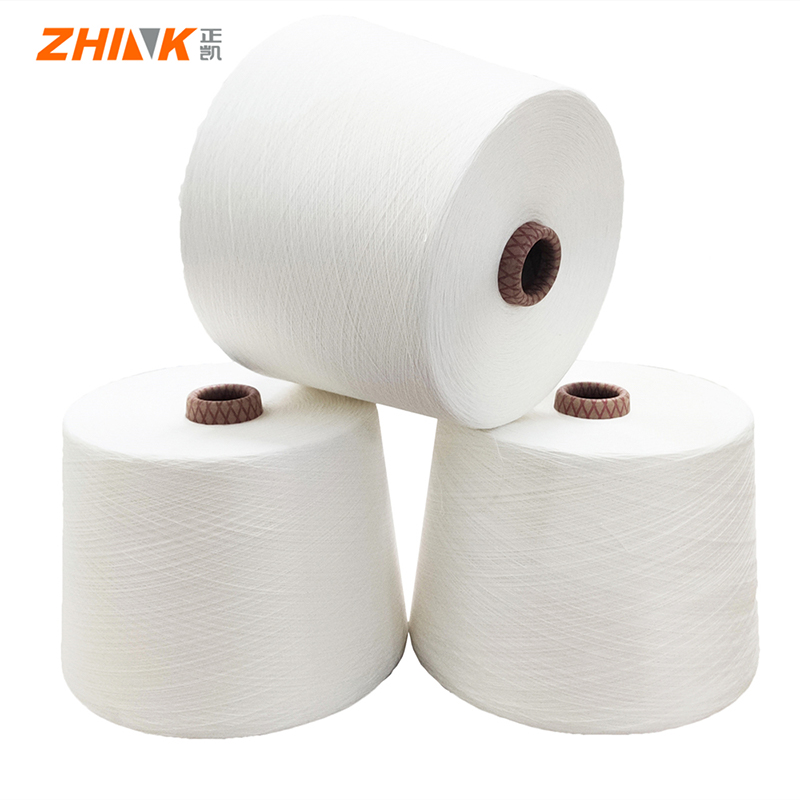
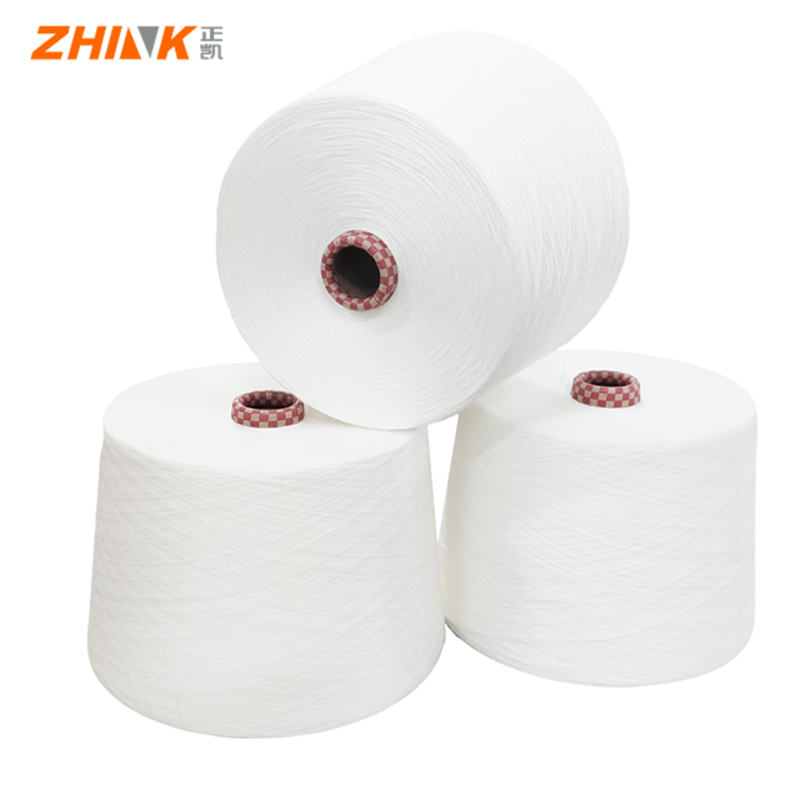
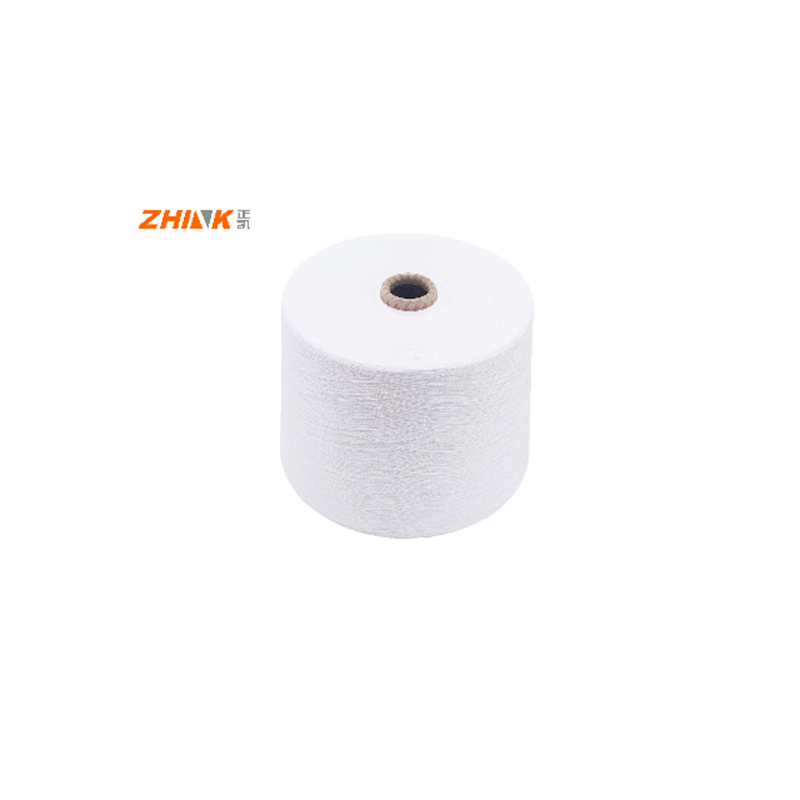
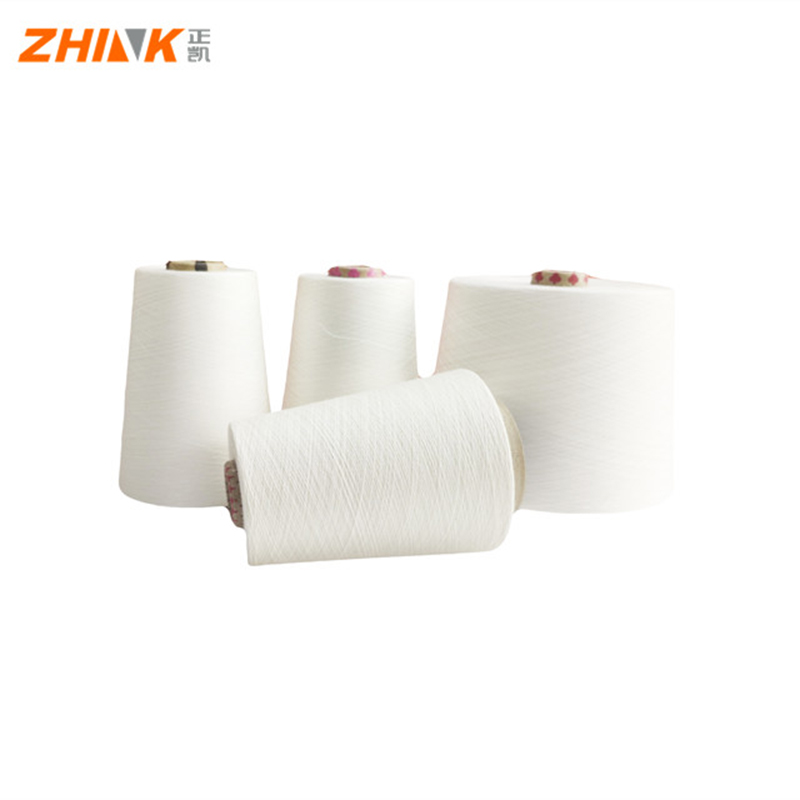
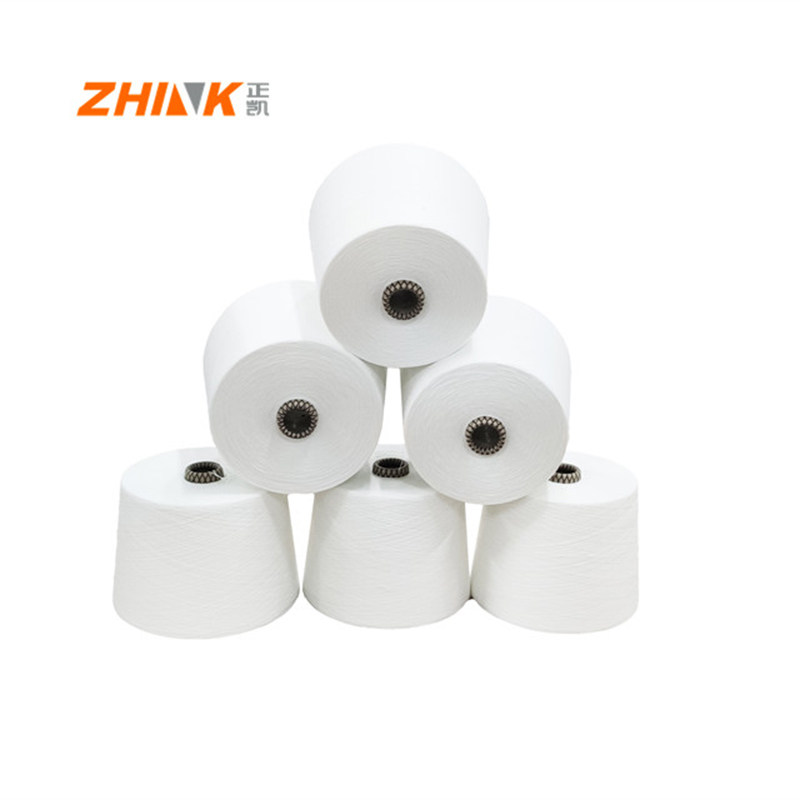
Normal-temperature Cation PSF
Normal-Temperature Cation PSF: A Closer Look
Normal-temperature cation PSF—sounds technical, doesn't it? In reality, it's all about practicality. Most people working with polyester staple fibers (PSF) probably regard this material as just another tool in their textile arsenal. Yet, it's the subtle nuances and specific conditions where these fibers excel that make them truly valuable. Here's a perspective you might not find in textbooks.
Understanding Normal-Temperature Cation PSF
Let's start with the basics; Normal-temperature Cation PSF is designed to perform optimally at ambient conditions. This makes it particularly advantageous in environments where energy efficiency is key. An obvious application would be in settings with significant temperature regulation constraints. It's no small matter if your facilities are spread across diverse climates.
At SHANDONG ZHINK NEW MATERIAL CO., LTD, which you can explore more at Zhink's official website, our expertise lends itself to the nuances of material performance. We’ve learnt that these fibers provide a balance between cost-efficiency and performance under standard conditions.
Still, they aren't without their challenges. While they hold up well under most temperature ranges, the variations in humidity levels can sometimes throw a curveball. This isn't something insurmountable, but it's a factor that needs monitoring.
Typical Misunderstandings
It's not uncommon to come across misconceptions surrounding normal-temperature cationic fibers. One prevailing myth is their perceived fragility in extreme settings. While there's some truth to this under exaggerated conditions, a lot hinges on the precise blend and weave used. With the right mix, they’re remarkably resilient.
Our team once undertook a series of tests that pitted these fibers against varying mechanical stresses. Surprisingly, they exhibited a degree of elasticity that was quite commendable. A reminder here that real-world performance often deviates from the controlled lab results.
Another misunderstanding involves the notion of cationic dyeability. Many presume it's only feasible under controlled dyeing protocols, yet our trials revealed adaptability across multiple processes. This isn't just theoretical know-how; it’s all about practical flexibility.
The Role of Innovation and R&D
In the R&D sector, companies like Zhink New Material aren't sitting still. We continually explore adjustments in fiber composition to enhance durability and dye uptake. This iterative process, although time-consuming, is pivotal for breakthrough innovations.
For instance, we delved into altering polymer chains and the impact it has on dye affinity. Early results were promising but also highlighted the continual tweaks needed for consistent results. This is akin to fine-tuning a musical instrument—it requires precision.
These insights don’t just happen. Behind every discovery is a trail of experiments—some successful, others not so much. Yet, each failure is just as informative, if not more.
Real-World Application Challenges
Challenges in deploying Normal-temperature Cation PSF aren't solely technical. Client constraints, such as budget limits or end-use peculiarities, can dictate material selection. It’s a classic case of 'one size does not fit all.' Each application needs a tailored approach.
Our experience shows that adaptability is key. Whether it's enhancing fiber resilience for rough usage or refining the tactile feel for premium applications, there’s always a compromise. The art here is optimizing variables to match client needs without inflating costs.
Interestingly, feedback loops have become invaluable. Direct client interactions often unveil application-specific insights, prompting us to reassess certain fiber traits that may have been overlooked initially.
Closing Thoughts
Emphasizing on normal-temperature efficiency doesn’t negate the specifics of high-tech textiles but complements them. For companies and engineers diving into the textile material world, like those at Zhink New Material, the focus remains on balancing innovation with practical utility.
Every new batch of Normal-temperature Cation PSF is a reflection of cumulative learning. And as techniques evolve, so does the very definition of what's possible with these fibers. It’s a journey interwoven with experimentation and open-mindedness.
For those striving to harness these materials' full potential, it’s crucial to stay curious, challenge assumptions, and let real-world insights guide innovation.
Related Products
Related Products