+86-632-3621866
- Chinese
- French
- German
- Portuguese
- Spanish
- Russian
- Japanese
- Korean
- Arabic
- Irish
- Greek
- Turkish
- Italian
- Danish
- Romanian
- Indonesian
- Czech
- Afrikaans
- Swedish
- Polish
- Basque
- Catalan
- Esperanto
- Hindi
- Lao
- Albanian
- Amharic
- Armenian
- Azerbaijani
- Belarusian
- Bengali
- Bosnian
- Bulgarian
- Cebuano
- Chichewa
- Corsican
- Croatian
- Dutch
- Estonian
- Filipino
- Finnish
- Frisian
- Galician
- Georgian
- Gujarati
- Haitian
- Hausa
- Hawaiian
- Hebrew
- Hmong
- Hungarian
- Icelandic
- Igbo
- Javanese
- Kannada
- Kazakh
- Khmer
- Kurdish
- Kyrgyz
- Latin
- Latvian
- Lithuanian
- Luxembou..
- Macedonian
- Malagasy
- Malay
- Malayalam
- Maltese
- Maori
- Marathi
- Mongolian
- Burmese
- Nepali
- Norwegian
- Pashto
- Persian
- Punjabi
- Serbian
- Sesotho
- Sinhala
- Slovak
- Slovenian
- Somali
- Samoan
- Scots Gaelic
- Shona
- Sindhi
- Sundanese
- Swahili
- Tajik
- Tamil
- Telugu
- Thai
- Ukrainian
- Urdu
- Uzbek
- Vietnamese
- Welsh
- Xhosa
- Yiddish
- Yoruba
- Zulu
- Kinyarwanda
- Tatar
- Oriya
- Turkmen
- Uyghur



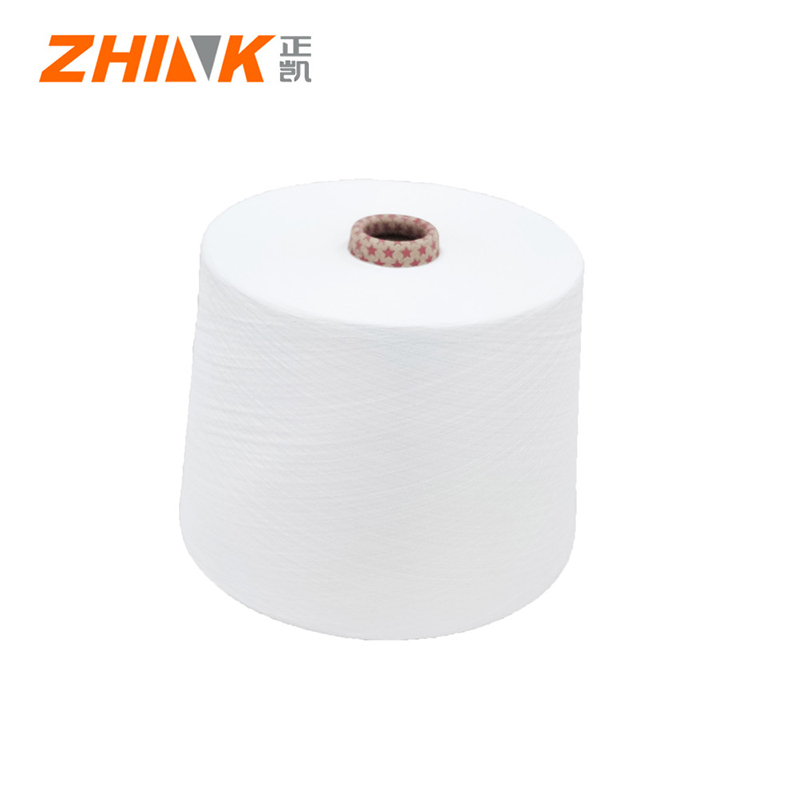
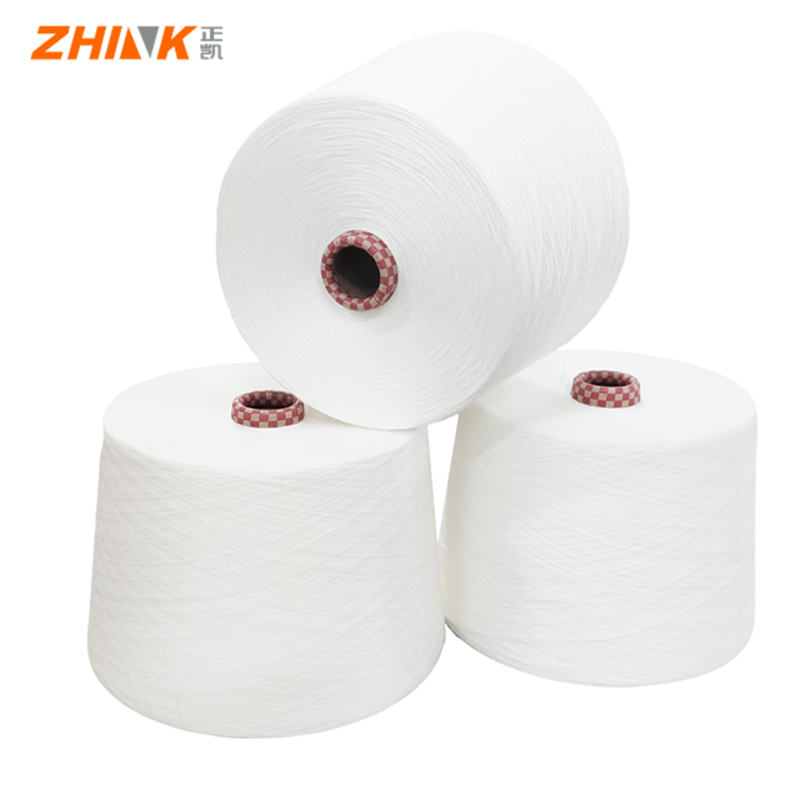
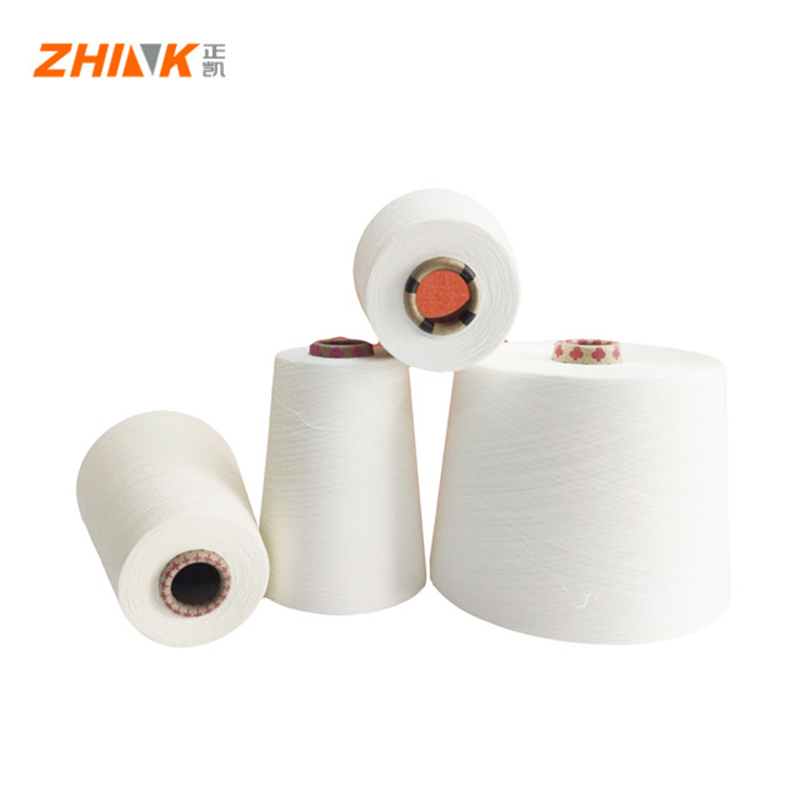
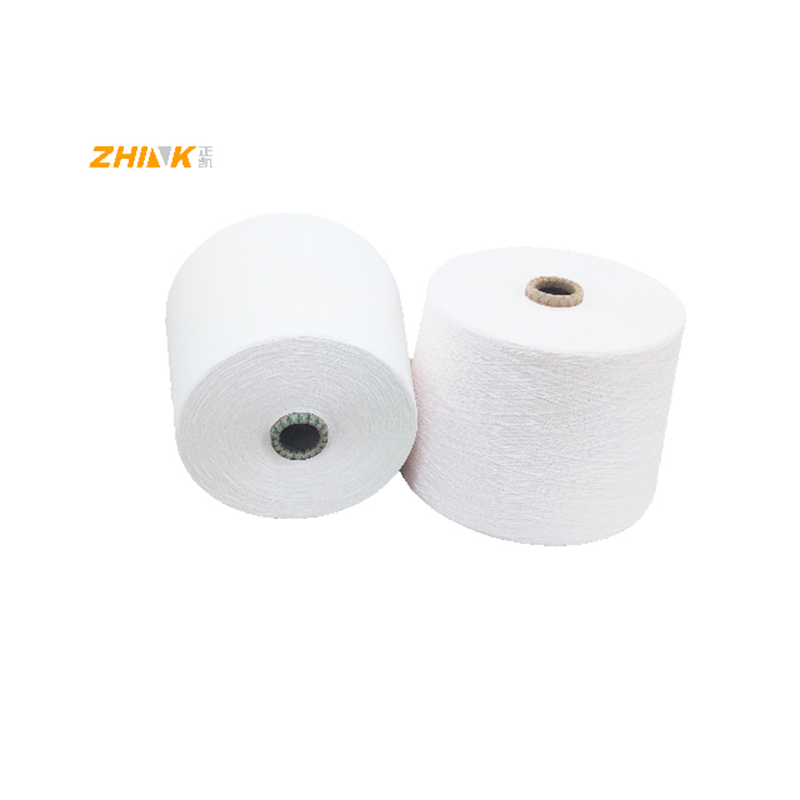
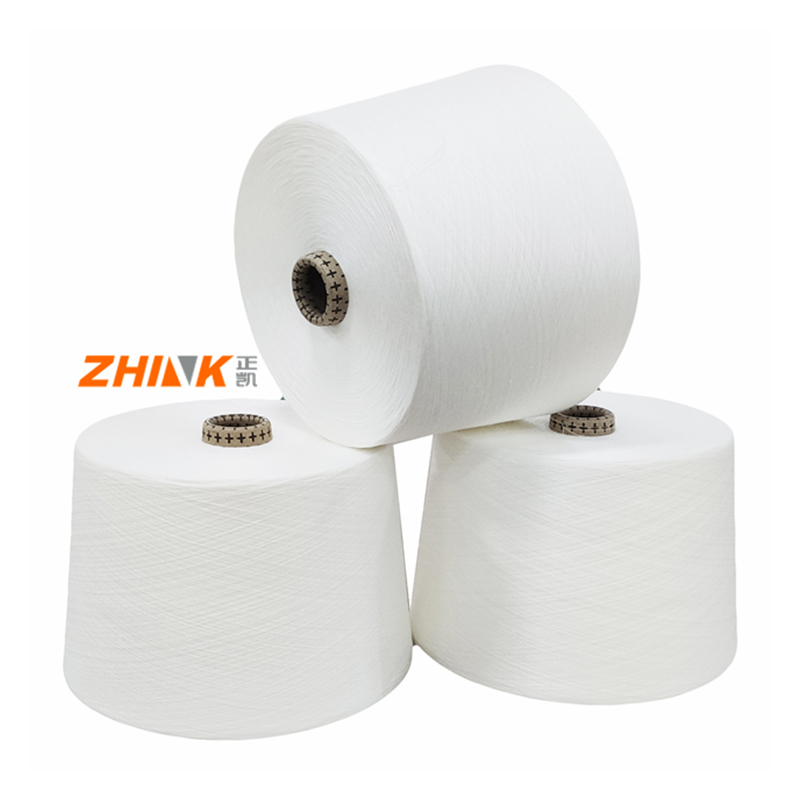
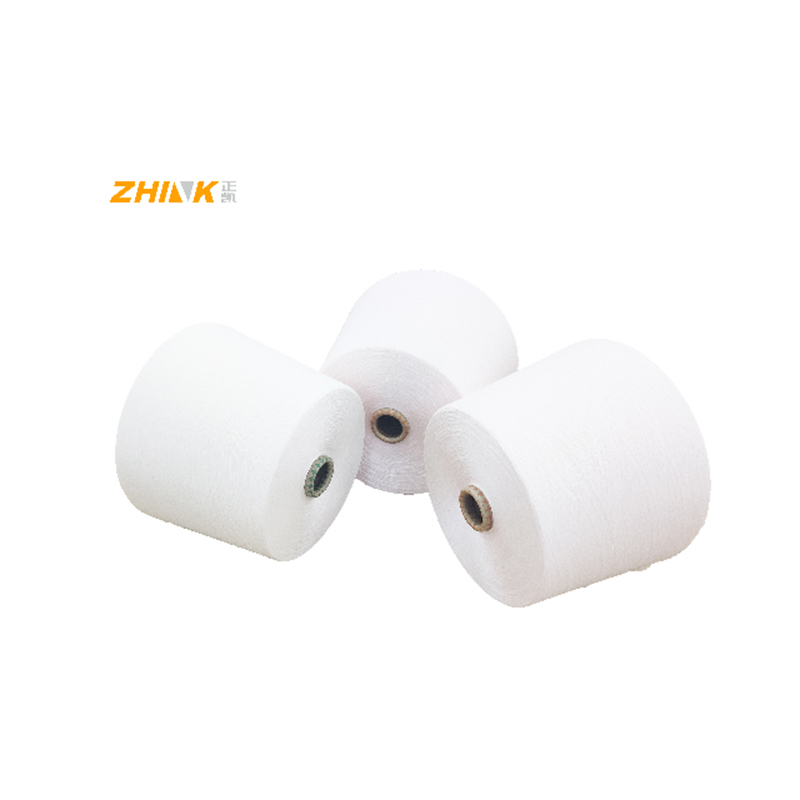
nylon combed cotton blended yarn
The Real Deal with Nylon Combed Cotton Blended Yarn
When it comes to textile innovation, nylon combed cotton blended yarn is a standout. Yet, what seems straightforward often hides a tangle of complexity. This yarn brings together the best of both worlds, promising strength and softness, but the reality in production and use can be nuanced.
Understanding the Basics
In blending nylon combed cotton, you're effectively marrying the durability of nylon with the comfort of cotton. Sounds ideal, right? But, here's where many stumble—getting that perfect blend is more art than science. It's all about the right ratio, and trust me, finding it can be a journey.
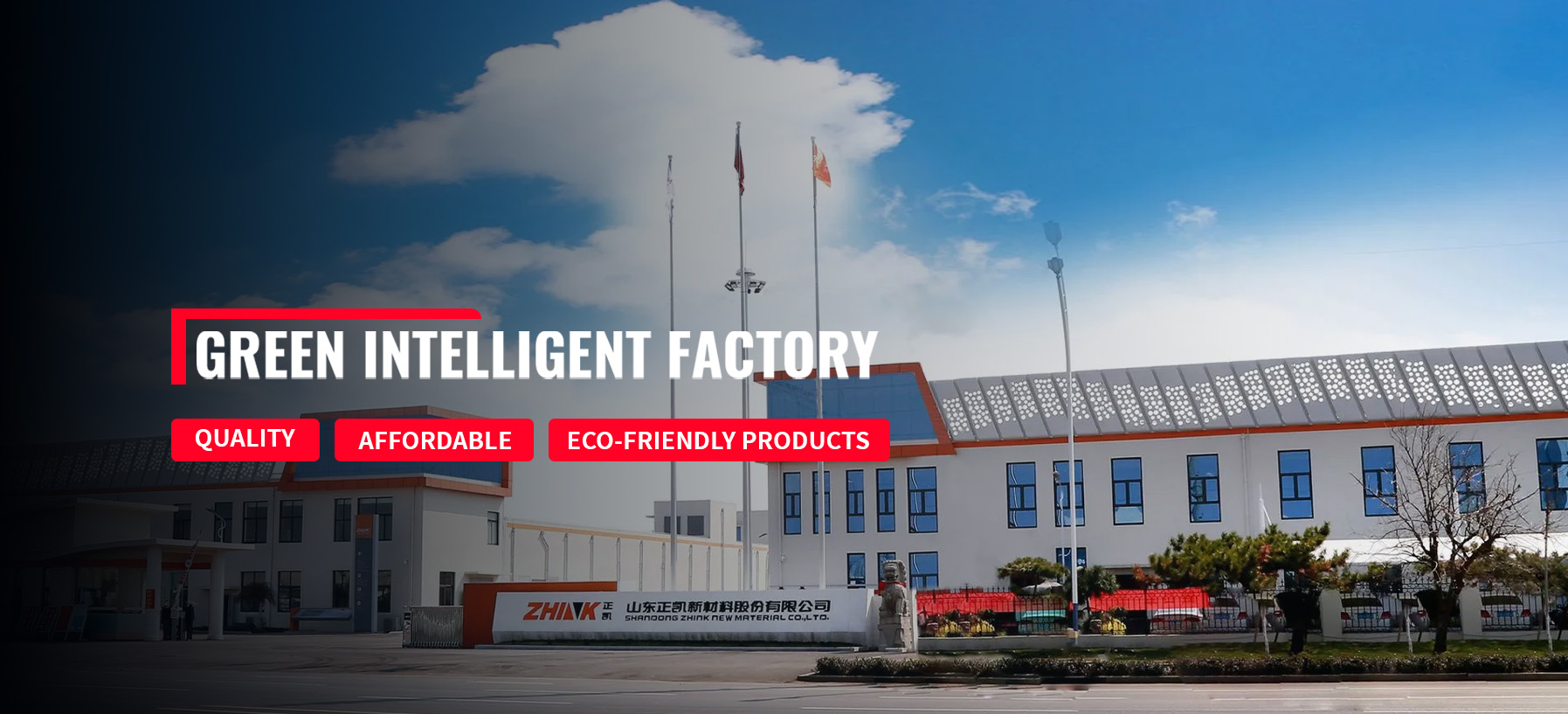
At SHANDONG ZHINK NEW MATERIAL CO., LTD, we’ve delved deep into this process. Our R&D team spends countless hours fine-tuning blends to achieve the desired characteristics. It's not about mixing two fibers; it's about achieving synergy. Visit our website at Zhink Yarn to learn more.
The biggest challenge? Ensuring the yarn retains cotton's breathability while leveraging nylon's strength. It requires meticulous control over the spinning process to maintain quality and consistency.
Challenges in Production
Overcoming these production challenges has been a trial-and-error experience for many. For instance, if the blend leans too heavily towards nylon, you lose that soft, natural feel. Too much cotton, however, and you'll sacrifice durability and elasticity.
That's where real-world experience plays a critical role. Our production line is designed to adapt quickly to feedback loops, allowing us to tweak blends responsively. Real-time adjustments are crucial; waiting too long can mean wasted material and effort.
Moreover, machine calibration is key. The slightest misalignment can impact yarn quality, requiring skilled technicians who understand the machinery and material dynamics.
Market Demand Insights
From a market perspective, the demand for nylon combed cotton yarn is solid. Consumers are increasingly seeking versatile fabrics. They want performance garments that do not compromise on comfort.
This trend has pressed manufacturers like Zhink New Material to innovate continually. Meeting market demands isn't just about high-quality production; it’s about foresight in textile development.
Our sales team gathers valuable market insights, enabling us to adapt our offerings in real time. This adaptability is essential in a fast-evolving industry where consumer preferences shift rapidly.
Addressing Common Misconceptions
One common misconception is that all blended yarns perform equally. In reality, the source of raw materials significantly affects the final product. We prioritize sustainable sourcing, which not only supports eco-friendly practices but also ensures consistent yarn quality.
Another pitfall is assuming blended yarns don't require special care. In practice, each batch needs individualized attention during production to meet specific standards, something we emphasize heavily at our facilities.
Finally, there's a belief that blended yarns are inherently inferior to pure fibers. This isn't true if the blend is well-executed. When done right, blended yarns can outperform pure fibers in specific applications.
Real-World Applications
The applications of nylon combed cotton blended yarn are vast. From sportswear to casual clothing, its versatility is unmatched. The blend offers a material that suits active lifestyles while retaining comfort for everyday wear.
I've personally seen its impact in sports apparel. Athletes appreciate the balance of warmth and breathability, not to mention the enhanced durability. It's an end-user feedback loop that drives continual improvement.
At SHANDONG ZHINK NEW MATERIAL CO., LTD, we pride ourselves on developing materials that stand up to real-world use—and that’s a commitment that extends beyond mere production.
The Future of Blended Yarns
Looking ahead, the future is bright for nylon combed cotton blends. Innovation in fiber technology is opening new doors, allowing manufacturers to explore novel combinations and better performance metrics.
At Zhink New Material, we're investing heavily in research and development to stay at the forefront of these advancements. By continually pushing the envelope, we hope to redefine what blended yarns can achieve.
The key takeaway? Whether you're a manufacturer or a consumer, understanding the nuances of blended yarns can significantly impact the quality of the final product. It’s an exciting time to be in the textile industry, with endless possibilities on the horizon.
Related Products
Related Products