+86-632-3621866
- Chinese
- French
- German
- Portuguese
- Spanish
- Russian
- Japanese
- Korean
- Arabic
- Irish
- Greek
- Turkish
- Italian
- Danish
- Romanian
- Indonesian
- Czech
- Afrikaans
- Swedish
- Polish
- Basque
- Catalan
- Esperanto
- Hindi
- Lao
- Albanian
- Amharic
- Armenian
- Azerbaijani
- Belarusian
- Bengali
- Bosnian
- Bulgarian
- Cebuano
- Chichewa
- Corsican
- Croatian
- Dutch
- Estonian
- Filipino
- Finnish
- Frisian
- Galician
- Georgian
- Gujarati
- Haitian
- Hausa
- Hawaiian
- Hebrew
- Hmong
- Hungarian
- Icelandic
- Igbo
- Javanese
- Kannada
- Kazakh
- Khmer
- Kurdish
- Kyrgyz
- Latin
- Latvian
- Lithuanian
- Luxembou..
- Macedonian
- Malagasy
- Malay
- Malayalam
- Maltese
- Maori
- Marathi
- Mongolian
- Burmese
- Nepali
- Norwegian
- Pashto
- Persian
- Punjabi
- Serbian
- Sesotho
- Sinhala
- Slovak
- Slovenian
- Somali
- Samoan
- Scots Gaelic
- Shona
- Sindhi
- Sundanese
- Swahili
- Tajik
- Tamil
- Telugu
- Thai
- Ukrainian
- Urdu
- Uzbek
- Vietnamese
- Welsh
- Xhosa
- Yiddish
- Yoruba
- Zulu
- Kinyarwanda
- Tatar
- Oriya
- Turkmen
- Uyghur


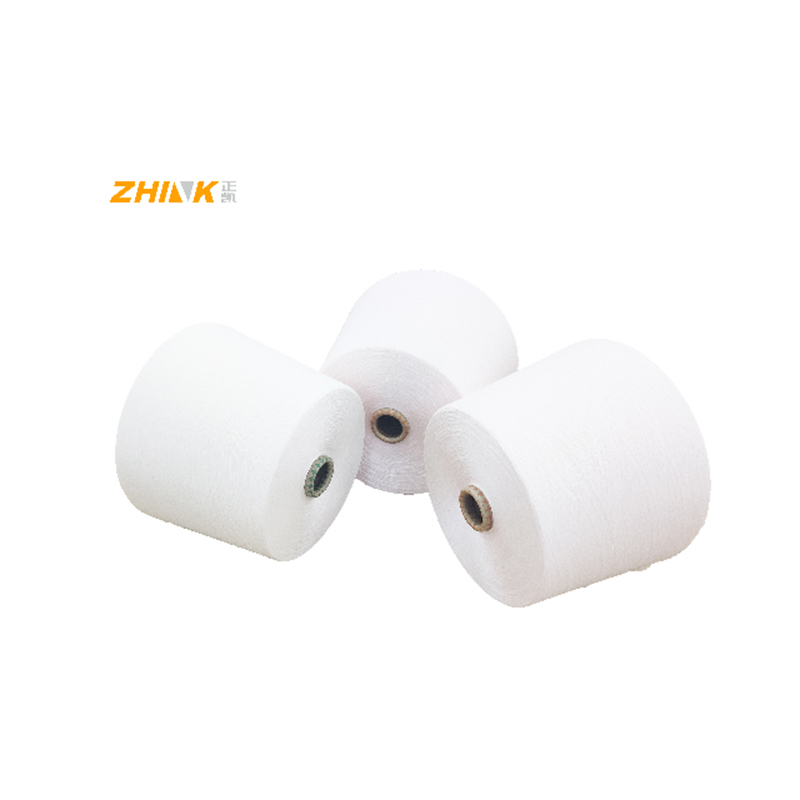
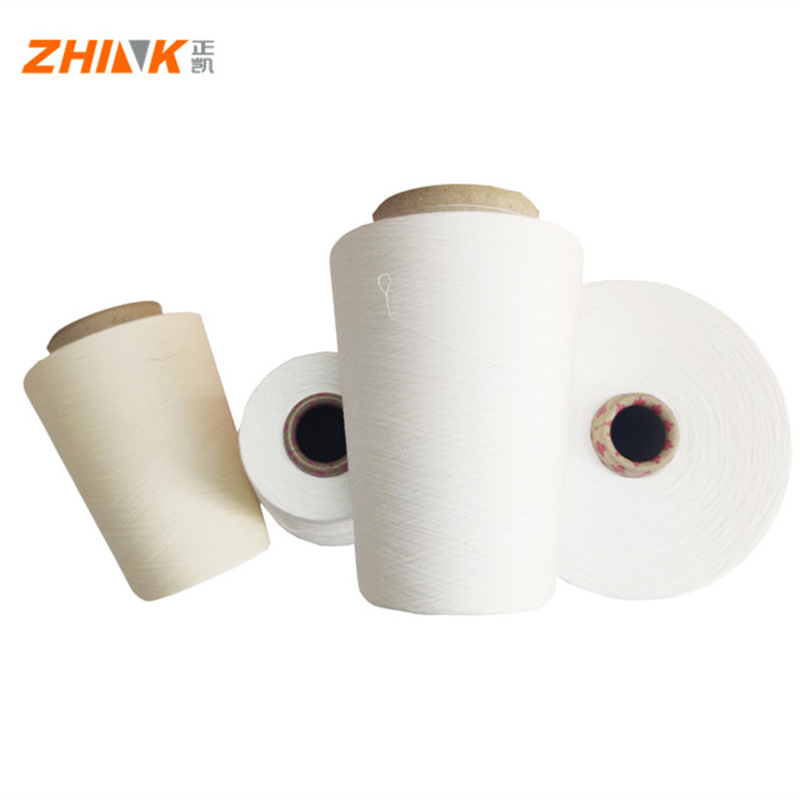
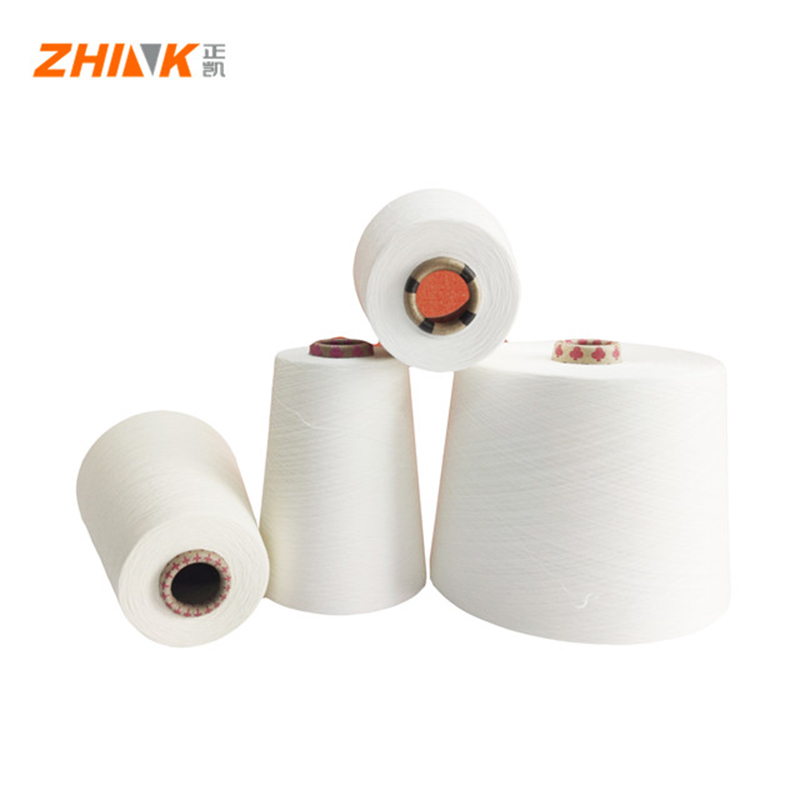
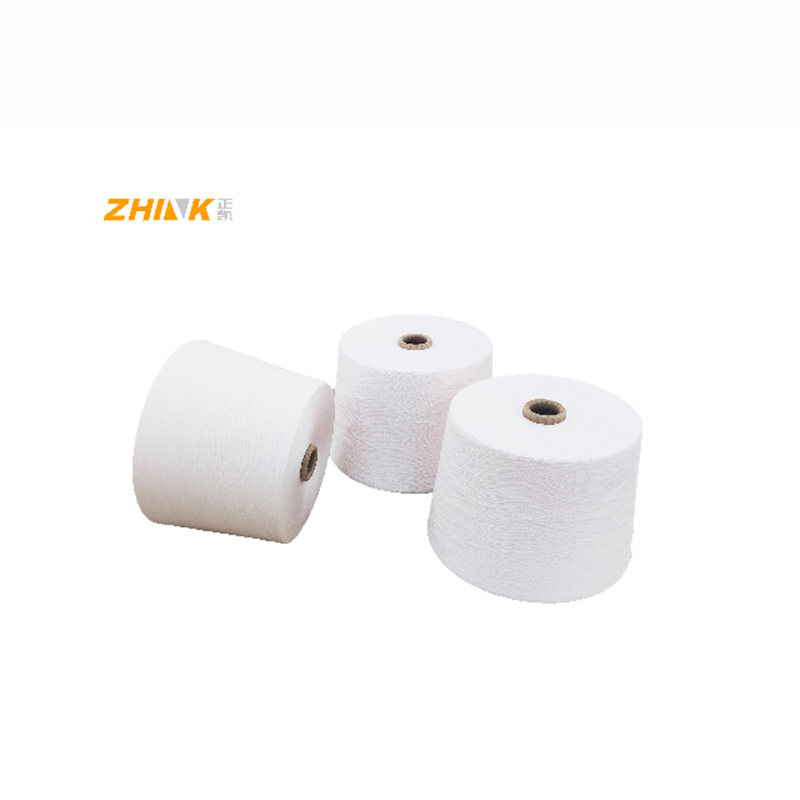
organic cotton yarn
The Intricate World of Organic Cotton Yarn
Delving into organic cotton yarn reveals a delicate balance of sustainability and craftsmanship. Many confuse it with traditional cotton, but the differences span environmental impact to tactile experience.
The Basics of Organic Cotton Yarn
Organic cotton yarn isn't just a buzzword in the textile industry. At its core, it's about cultivating cotton with methods that maintain soil health and ecosystems. Farmers steer clear of synthetic fertilizers and pest control methods, which is vital, given how much conventional cotton leans on these.
I recall my visit to a rural farm where organic practices were in full swing. The air was noticeably different, perhaps because of the absence of chemicals. The farmers shared their challenges, from unpredictable pest issues to the premium market they had to target to make it worthwhile.
For anyone in the industry, understanding these foundational differences helps communicate the added value to customers, both ethically and in terms of quality.
Challenges in Production
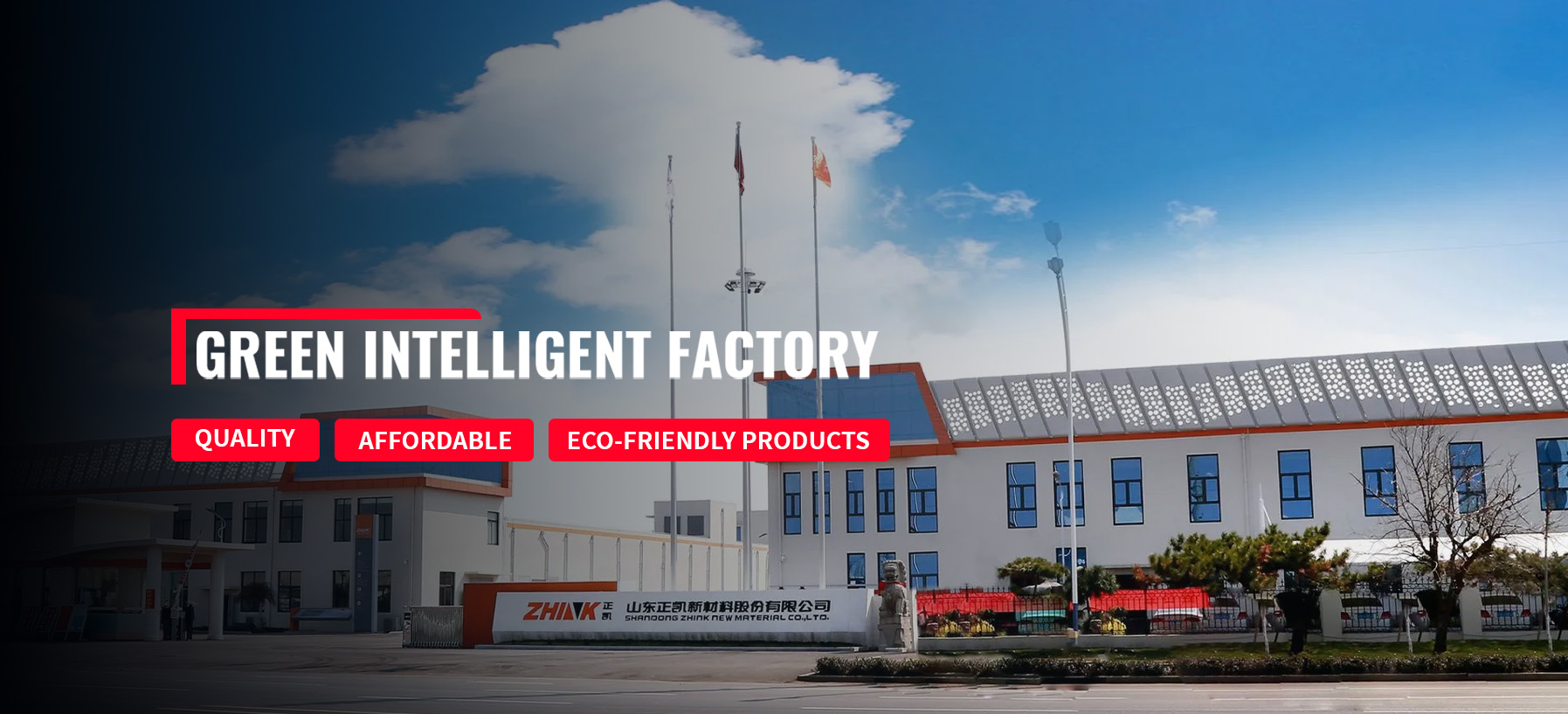
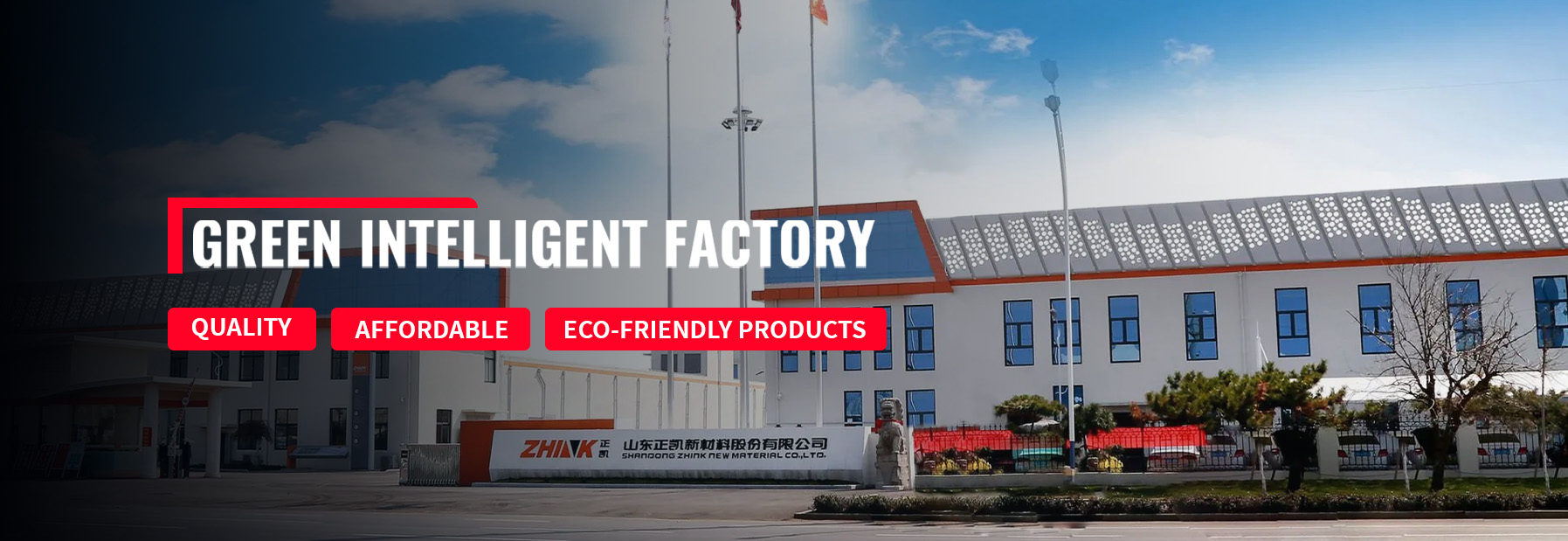
Producing organic cotton yarn is no walk in the park. SHANDONG ZHINK NEW MATERIAL CO., LTD is deeply invested in this, constantly innovating to tackle the practical hurdles. Their approach to R&D reflects a continuous loop of trial, feedback, and iteration.
Organic growth means the plants take longer to mature and are less uniform, posing a challenge in standardizing yarn quality. I’ve seen machines struggle with the variability in fiber length and strength. Manufacturers like Zhink New Material are addressing this with specialized equipment.
Their commitment is visible at their facilities; you can sense a relentless push towards perfection, balancing sustainability with market demands. Visit them at https://www.zhinkyarn.com to see how they position themselves in this evolving field.
Market Perception and Pricing
Consumers often wonder about the steep price tag attached to organic cotton yarn. The answer lies in the production intricacies and the value chain. It starts from the high initial investment for organic certifications and extends to the careful processing stages.
Having been on both ends of the spectrum—production and sales—I know customer education is key. Creating awareness about why something costs more can often seal the deal. The story of the yarn becomes part of the product itself, rather than just a cloth on a shelf.
Many companies, including Zhink New Material, use this narrative approach. It resonates well in markets that value sustainability, and it's a strategy that, in my experience, builds a loyal customer base.
Quality Differences with Traditional Cotton
A common dilemma arises when customers feel organic cotton lacks the softness or durability they're accustomed to. The reality? This perception shifts once they've used it extensively. My first shirt made from organic cotton yarn had a distinct texture, but it softened beautifully over time.
There’s also the factor of longevity. Organic fibers, free from chemical treatments, wear in gracefully. Manufacturers focus on enhancing these qualities while maintaining authenticity, an area where Zhink New Material excels.
They emphasize maintaining an uncompromised product that speaks for itself—one touch, and the genuineness is apparent.
Future of Organic Cotton Yarn
Looking forward, the trajectory of organic cotton yarn seems promising. As industry giants like SHANDONG ZHINK NEW MATERIAL CO., LTD invest more into sustainable solutions, the optimism isn’t unfounded.
Technological advancements are on the rise; mechanical innovations are becoming more prevalent to handle production variability. The future likely holds breakthroughs that might reduce costs and improve quality further.
Ultimately, it's a dynamic sector, with consumers and producers both evolving. Companies that remain agile and committed to authentic sustainability will lead the charge. For a real sense of this evolution, it's worth exploring evolving manufacturers and their innovative approaches to weaving it all together.
Related Products
Related Products