+86-632-3621866
- Chinese
- French
- German
- Portuguese
- Spanish
- Russian
- Japanese
- Korean
- Arabic
- Irish
- Greek
- Turkish
- Italian
- Danish
- Romanian
- Indonesian
- Czech
- Afrikaans
- Swedish
- Polish
- Basque
- Catalan
- Esperanto
- Hindi
- Lao
- Albanian
- Amharic
- Armenian
- Azerbaijani
- Belarusian
- Bengali
- Bosnian
- Bulgarian
- Cebuano
- Chichewa
- Corsican
- Croatian
- Dutch
- Estonian
- Filipino
- Finnish
- Frisian
- Galician
- Georgian
- Gujarati
- Haitian
- Hausa
- Hawaiian
- Hebrew
- Hmong
- Hungarian
- Icelandic
- Igbo
- Javanese
- Kannada
- Kazakh
- Khmer
- Kurdish
- Kyrgyz
- Latin
- Latvian
- Lithuanian
- Luxembou..
- Macedonian
- Malagasy
- Malay
- Malayalam
- Maltese
- Maori
- Marathi
- Mongolian
- Burmese
- Nepali
- Norwegian
- Pashto
- Persian
- Punjabi
- Serbian
- Sesotho
- Sinhala
- Slovak
- Slovenian
- Somali
- Samoan
- Scots Gaelic
- Shona
- Sindhi
- Sundanese
- Swahili
- Tajik
- Tamil
- Telugu
- Thai
- Ukrainian
- Urdu
- Uzbek
- Vietnamese
- Welsh
- Xhosa
- Yiddish
- Yoruba
- Zulu
- Kinyarwanda
- Tatar
- Oriya
- Turkmen
- Uyghur


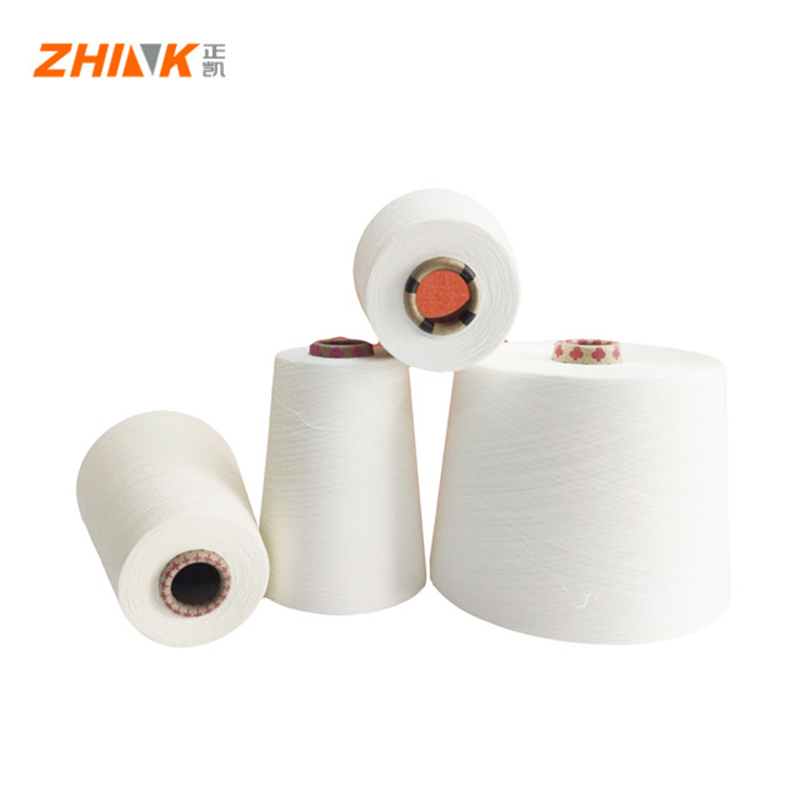
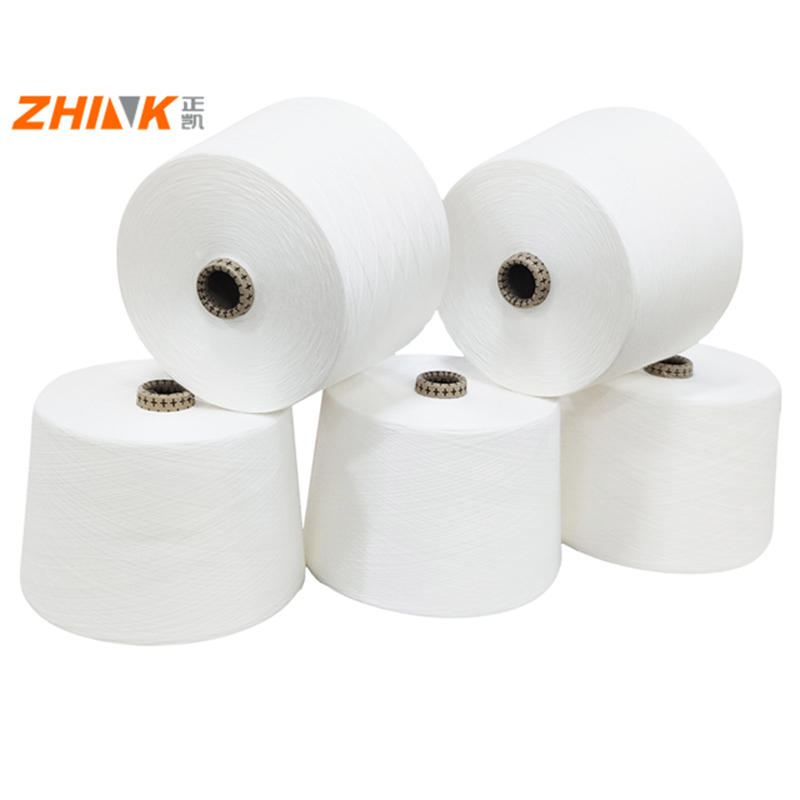
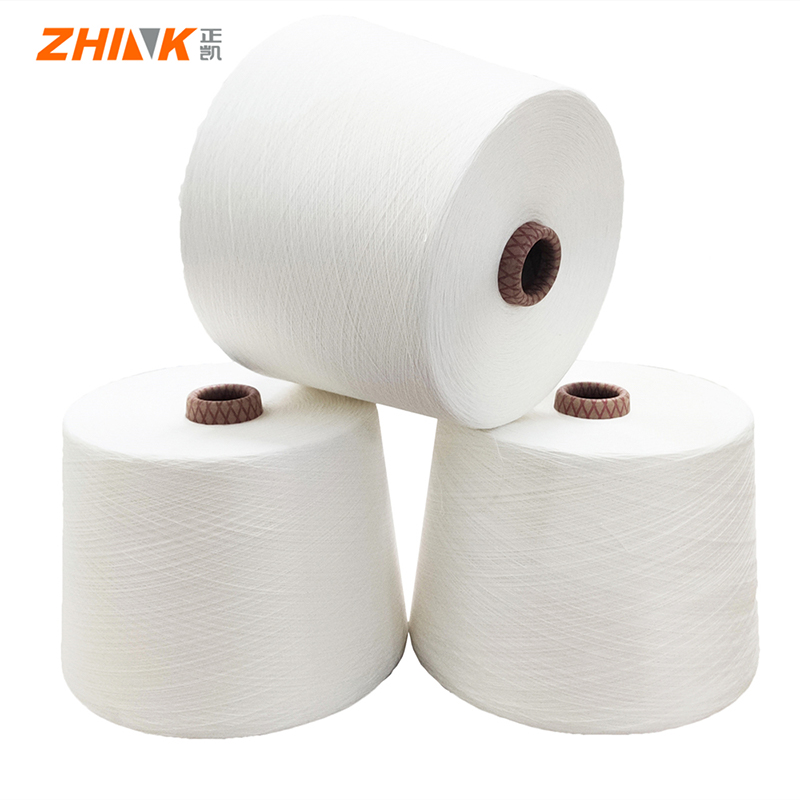
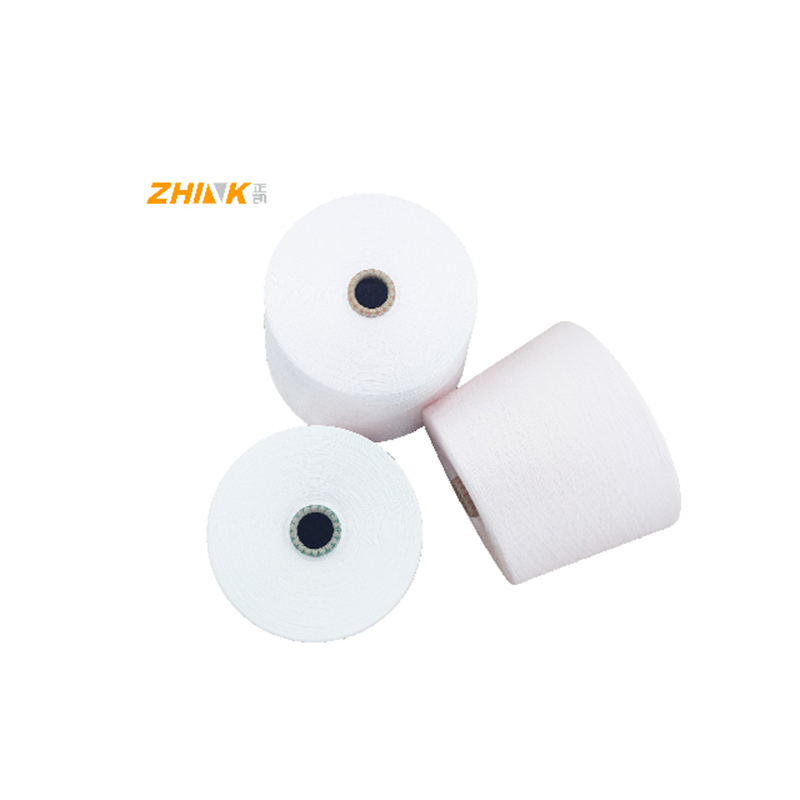
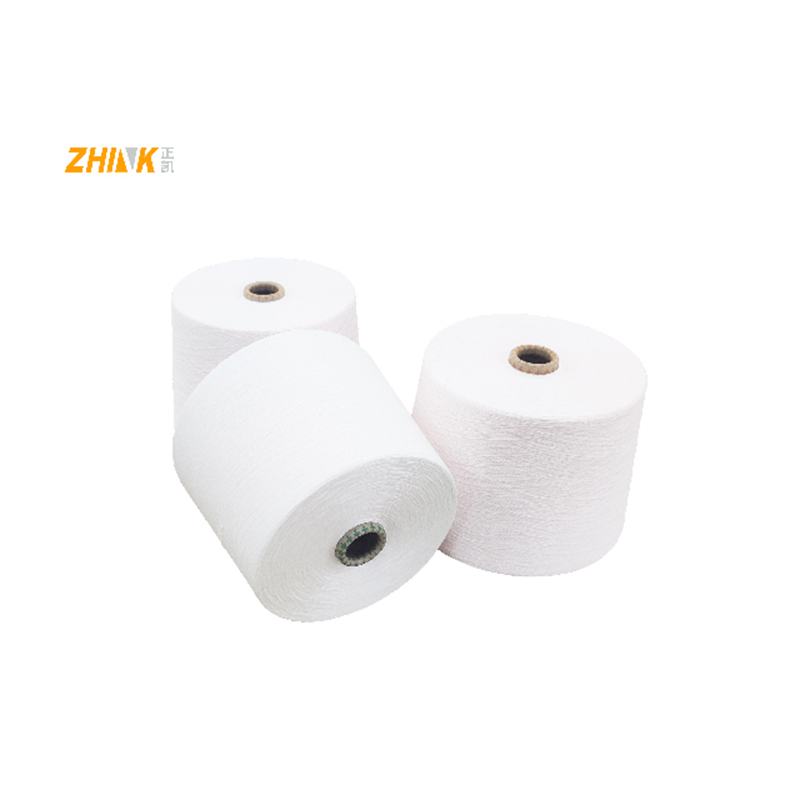
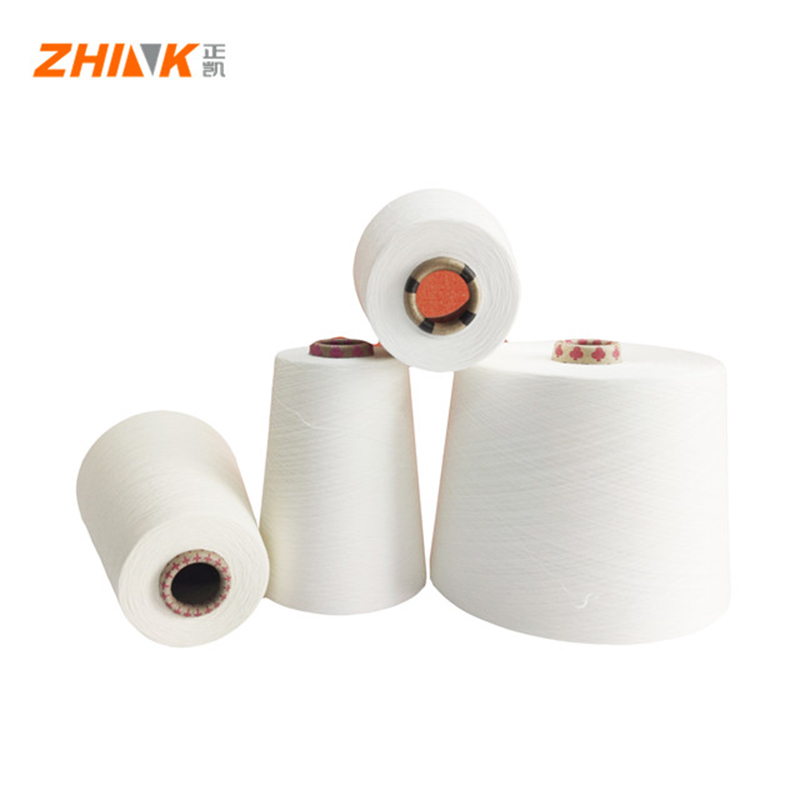
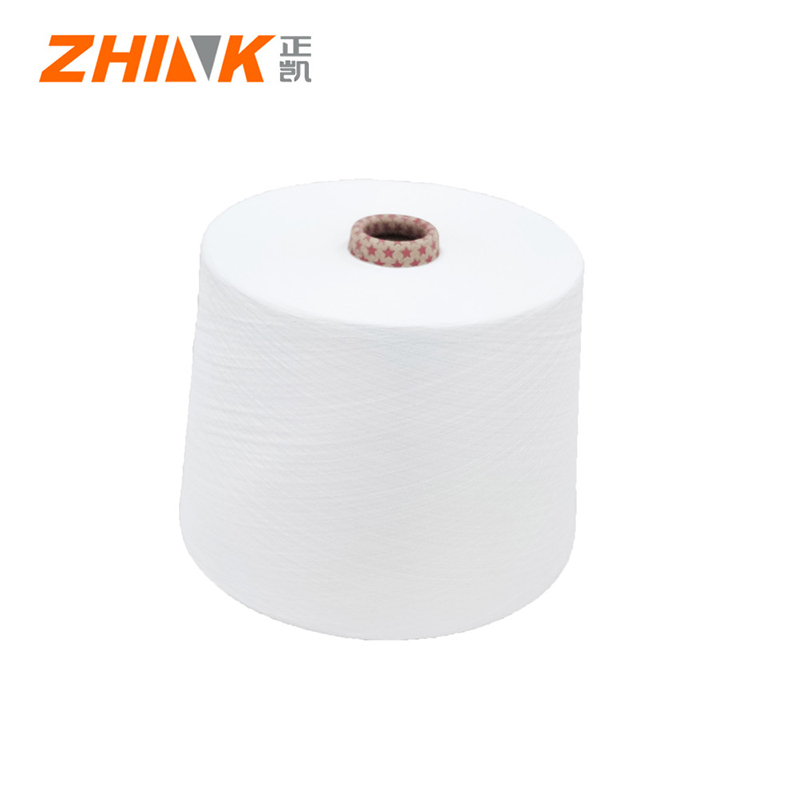
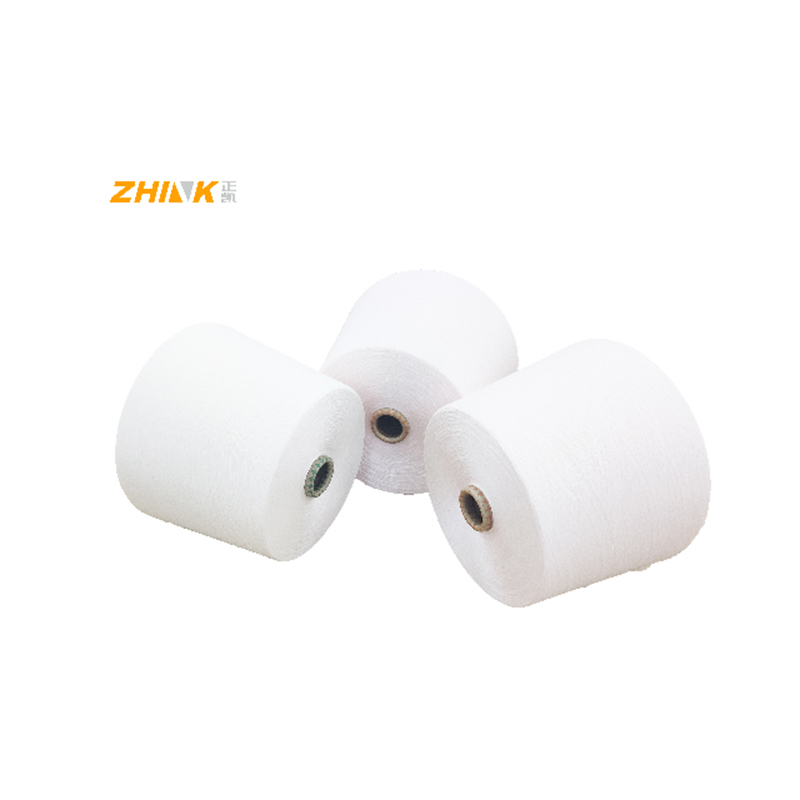
poly viscose yarn
The Versatility of Poly Viscose Yarn
Understanding the nuances of poly viscose yarn can often be a journey full of surprises. Despite being a commonly used material in the textile industry, misconceptions abound, especially among those new to this field. Let's dig in and explore how this yarn has carved a space for itself, offering both challenges and opportunities.
What Exactly is Poly Viscose Yarn?
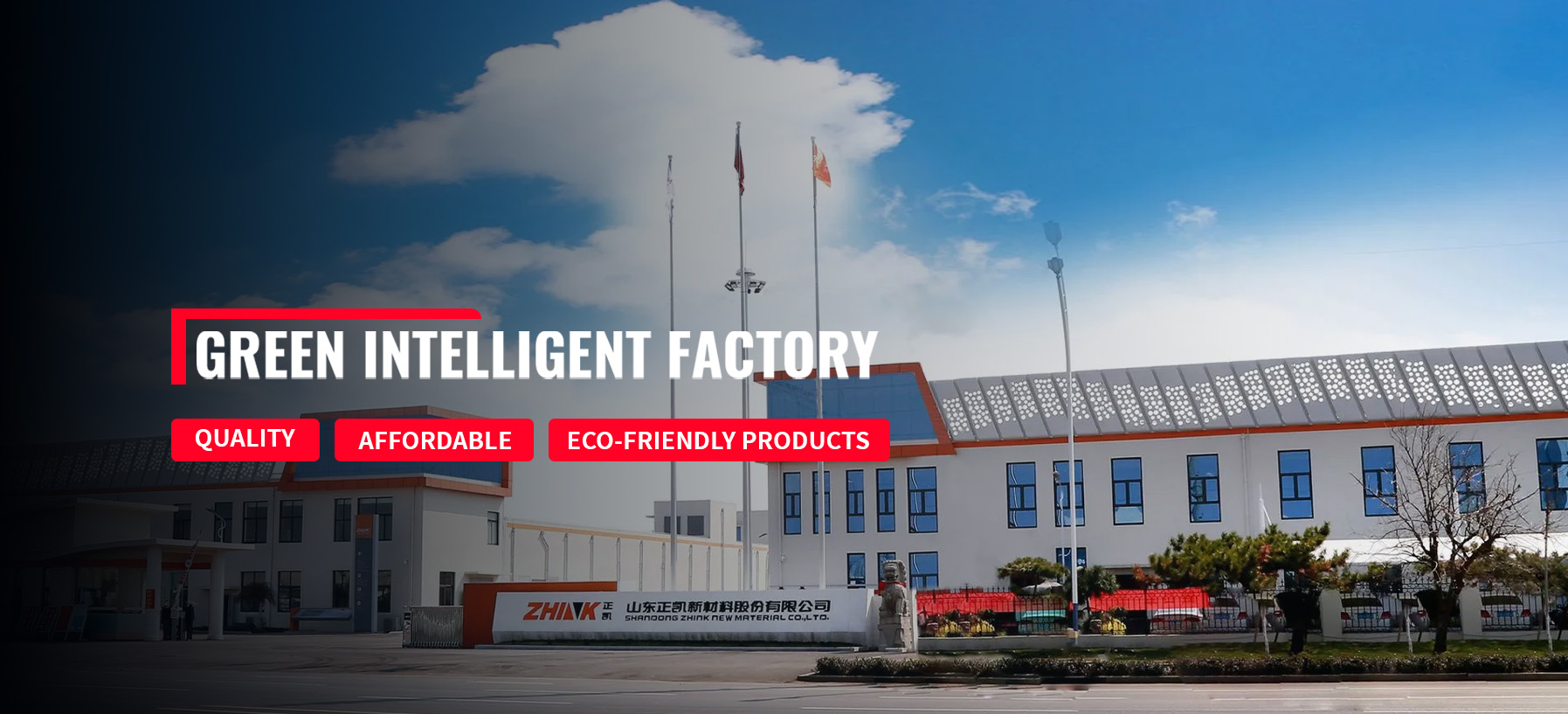
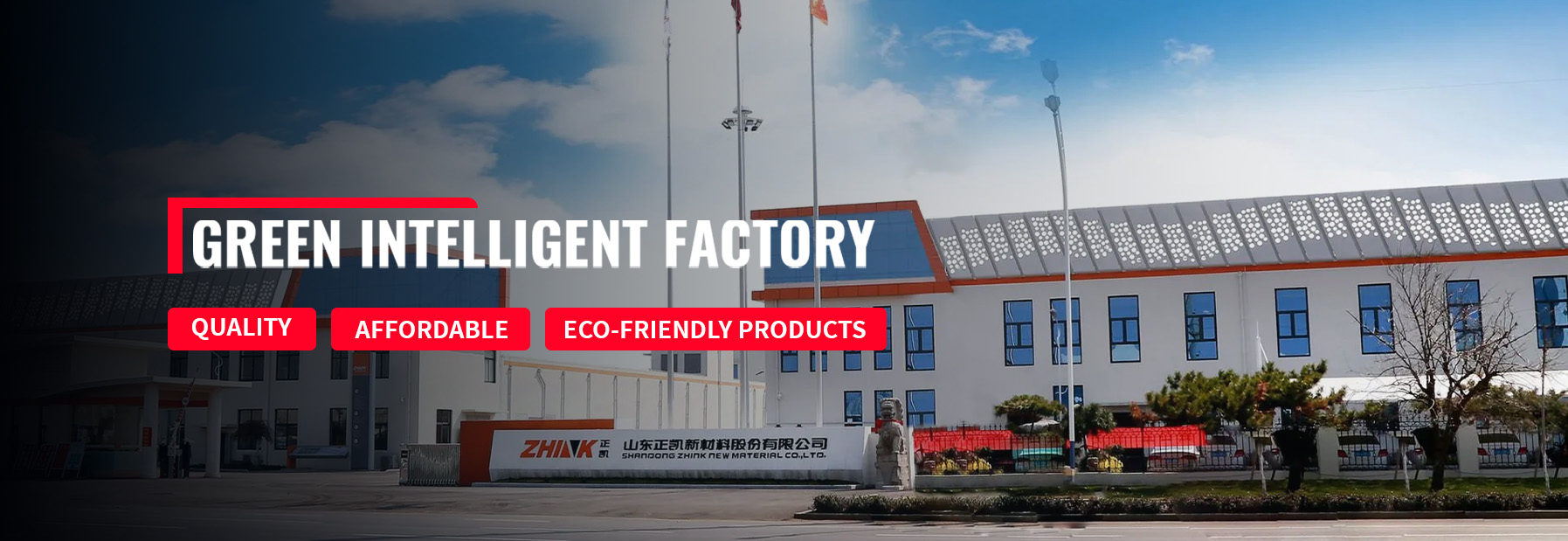
At its core, poly viscose yarn is an intriguing blend of polyester and viscose fibers. The mix aims to capitalize on the best of both worlds—polyester's durability and viscose's softness. It's a balancing act. But while the combination seems straightforward, achieving the right blend requires precision and expertise. At SHANDONG ZHINK NEW MATERIAL CO., LTD, we delve into its complexities regularly, exploring different ratios and processing methods to optimize performance. Visit us at our website to dive deeper into the specifics of the yarn's structure.
One common stumbling block I’ve seen with newcomers is underestimating the significance of fiber proportion. An imbalance (too much polyester, for example) can lead to a stiff, uncomfortable fabric, unsuitable for most apparel applications. Conversely, skewing towards viscose might compromise durability. It's a delicate dance, one requiring both science and art.
The practical applications of poly viscose yarn are broad, ranging from everyday clothing to specialized industry fabrics. But it's not just about making something wearable—it's about ensuring each piece meets the user's needs, whether that's breathability in hot climates or resilience in demanding environments.
Challenges in Production
Despite its popularity, producing poly viscose yarn isn't without its hurdles. A prevalent issue is ensuring consistent quality across batches. During my years in textile production, I've often seen how slight variations in raw material quality can lead to noticeable differences in the output.
Adapting to these inconsistencies requires a keen eye and robust quality control protocols. At Zhink New Material, we've developed systems that adaptively manage these variables, leveraging both human expertise and automation. But no system is perfect, and it's crucial to understand that perfection in textile production is a moving target.
Another challenge is the environmental aspect. Polyester production is energy-intensive, and viscose can have a hefty ecological footprint if sourced unsustainably. Manufacturers, including us, are under pressure to tweak manufacturing processes to minimize environmental impact, balancing profit with responsibility.
Applications Across Industries
Beyond apparel, poly viscose yarn finds utility across diverse sectors. For hotel linens, its blend ensures a luxurious feel while being durable enough to withstand repeated washes—a crucial feature for hospitality businesses.
In office furnishings, poly viscose fabrics offer an elegant aesthetic without sacrificing practical durability. The secret is often in finishing processes that enhance yarn properties, a niche expertise we've honed at Zhink New Material.
At times, clients come to us with specific needs—particularly in technical industries where fabric properties might need customization. Here, poly viscose becomes a versatile base, modified with treatments to boost flame resistance or moisture-wicking properties.
Learning from Experience
If there’s one thing I've learned through my work at Zhink New Material, it's the importance of listening to end-users. Feedback loops with clients help refine products, offering insights into real-world usage that raw data can't provide. This engagement often fuels innovation.
Failures are part of the journey too. Early attempts to expand our yarn offerings taught us valuable lessons about market demand and production limitations. Not every new idea works out right away; adaptation is key.
Moreover, partnering with designers and brands offers fresh perspectives—we see how our materials transform into finished products, providing context to our technical work. It's a symbiotic relationship that continuously drives improvement and creativity.
The Path Forward
Looking ahead, the future of poly viscose yarn lies in innovation and sustainability. New technologies, such as digital tracking of material sources and AI-driven quality controls, are critical areas of exploration for us at Zhink New Material.
Sustainability will also continue to guide industry developments. The focus isn't only on the environmental footprint but also on creating sustainable fashion economics—ensuring longevity and relevance of products in an ever-changing market.
Ultimately, the goal is to keep pushing boundaries, always seeking the perfect blend of durability, comfort, and responsibility. It's a journey, driven by curiosity and the relentless pursuit of improvement.
Related Products
Related Products