+86-632-3621866
- Chinese
- French
- German
- Portuguese
- Spanish
- Russian
- Japanese
- Korean
- Arabic
- Irish
- Greek
- Turkish
- Italian
- Danish
- Romanian
- Indonesian
- Czech
- Afrikaans
- Swedish
- Polish
- Basque
- Catalan
- Esperanto
- Hindi
- Lao
- Albanian
- Amharic
- Armenian
- Azerbaijani
- Belarusian
- Bengali
- Bosnian
- Bulgarian
- Cebuano
- Chichewa
- Corsican
- Croatian
- Dutch
- Estonian
- Filipino
- Finnish
- Frisian
- Galician
- Georgian
- Gujarati
- Haitian
- Hausa
- Hawaiian
- Hebrew
- Hmong
- Hungarian
- Icelandic
- Igbo
- Javanese
- Kannada
- Kazakh
- Khmer
- Kurdish
- Kyrgyz
- Latin
- Latvian
- Lithuanian
- Luxembou..
- Macedonian
- Malagasy
- Malay
- Malayalam
- Maltese
- Maori
- Marathi
- Mongolian
- Burmese
- Nepali
- Norwegian
- Pashto
- Persian
- Punjabi
- Serbian
- Sesotho
- Sinhala
- Slovak
- Slovenian
- Somali
- Samoan
- Scots Gaelic
- Shona
- Sindhi
- Sundanese
- Swahili
- Tajik
- Tamil
- Telugu
- Thai
- Ukrainian
- Urdu
- Uzbek
- Vietnamese
- Welsh
- Xhosa
- Yiddish
- Yoruba
- Zulu
- Kinyarwanda
- Tatar
- Oriya
- Turkmen
- Uyghur



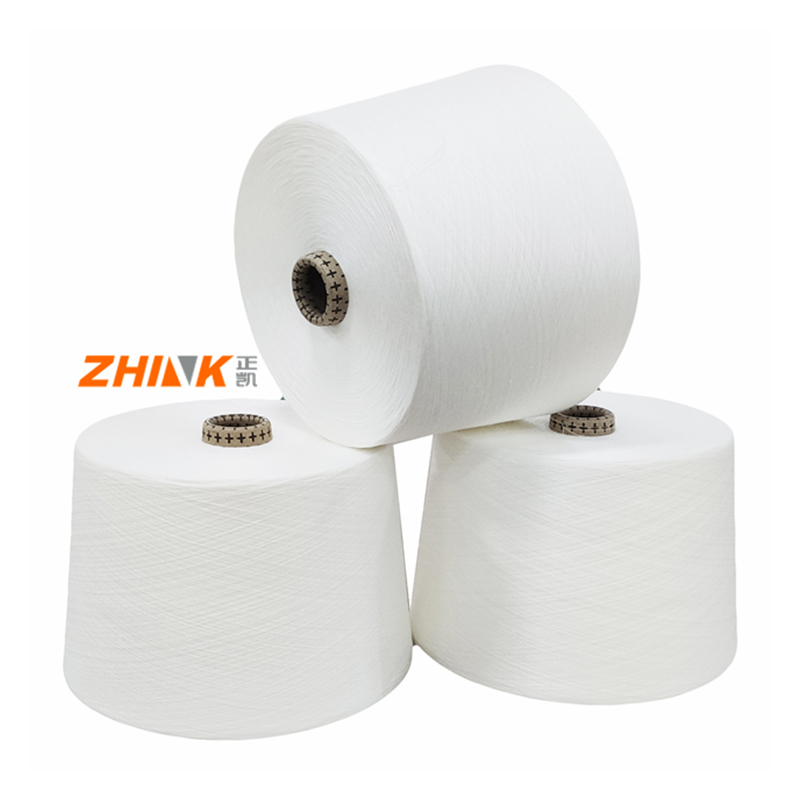
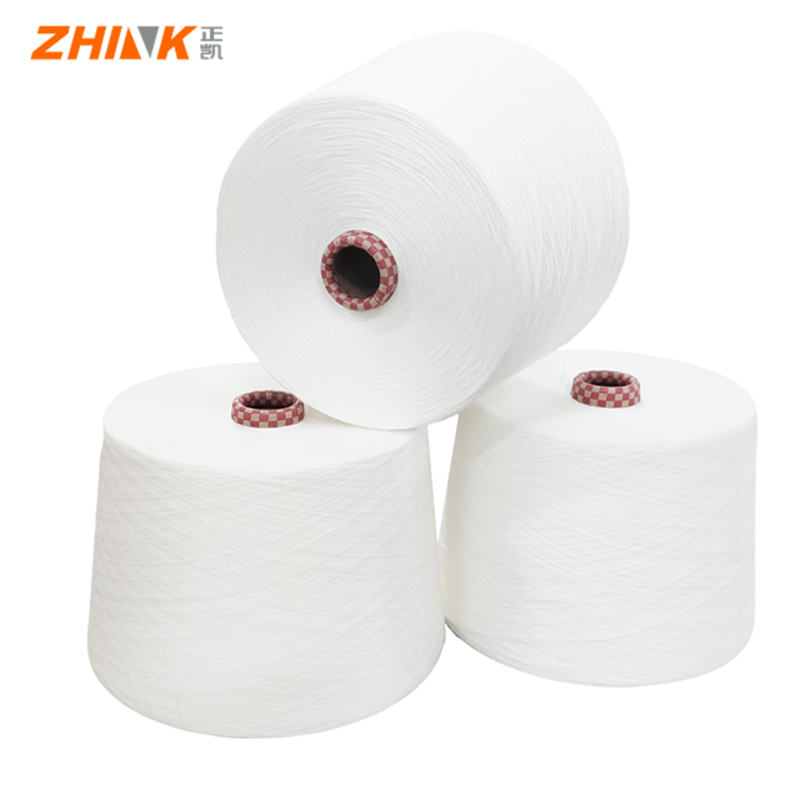
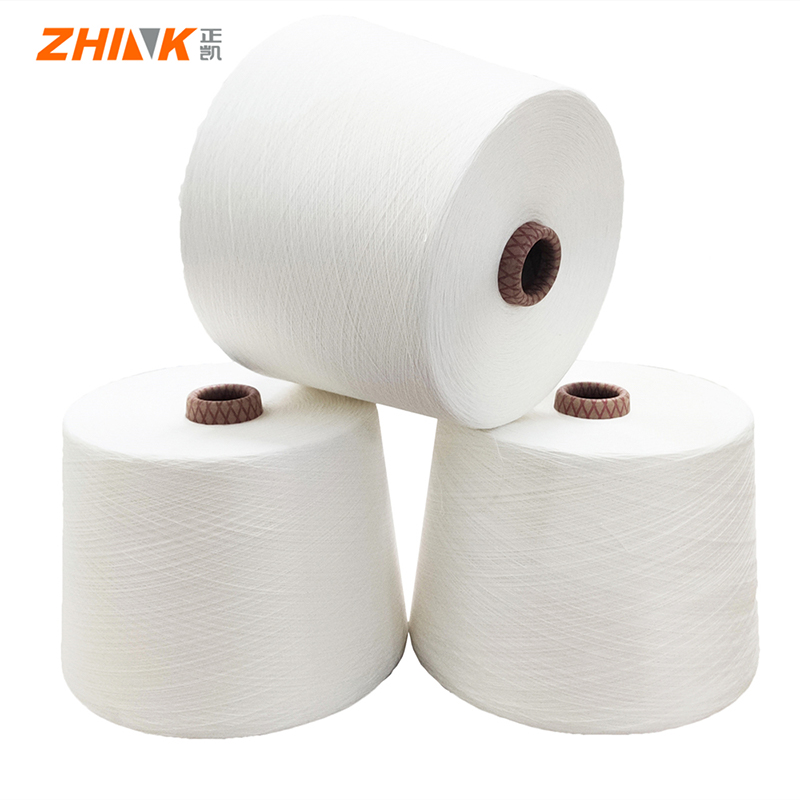
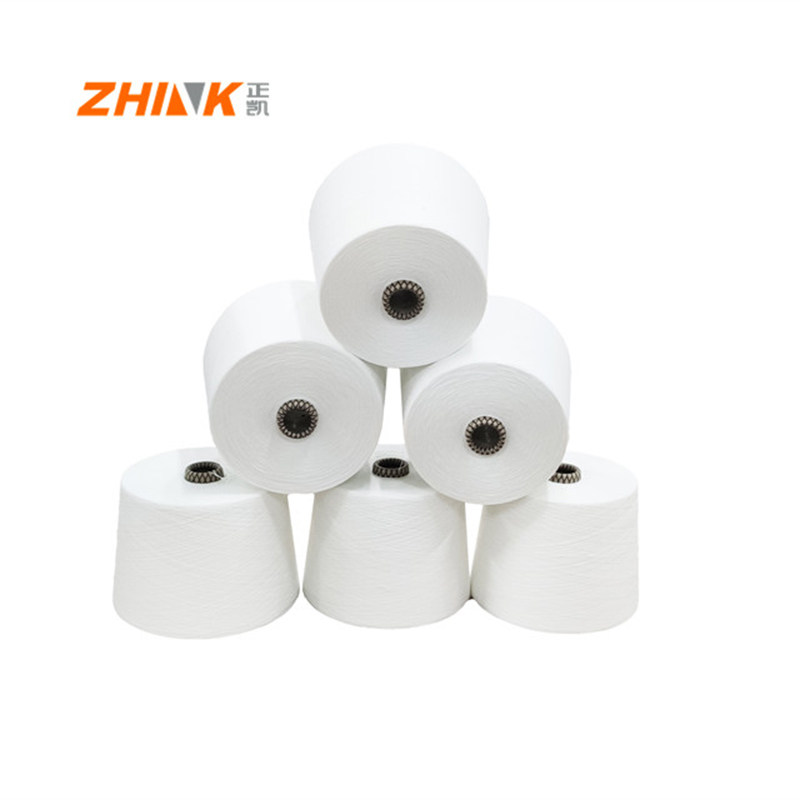
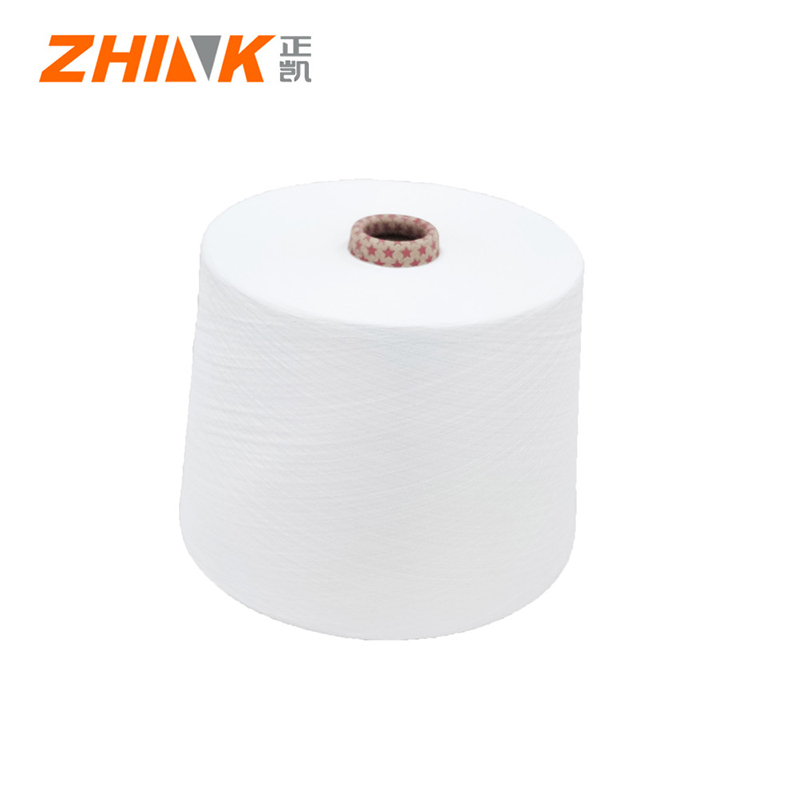
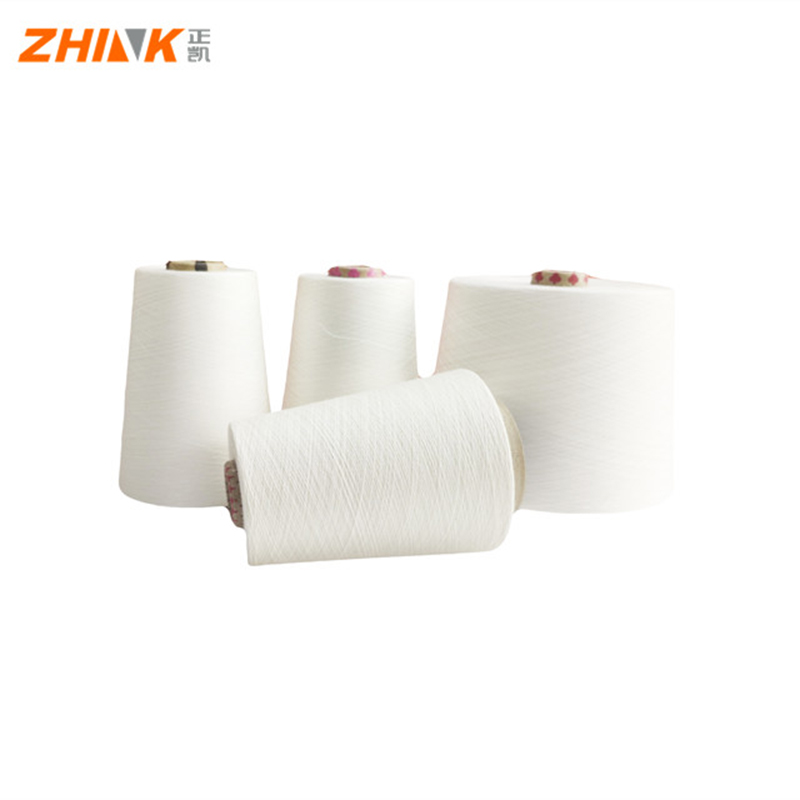
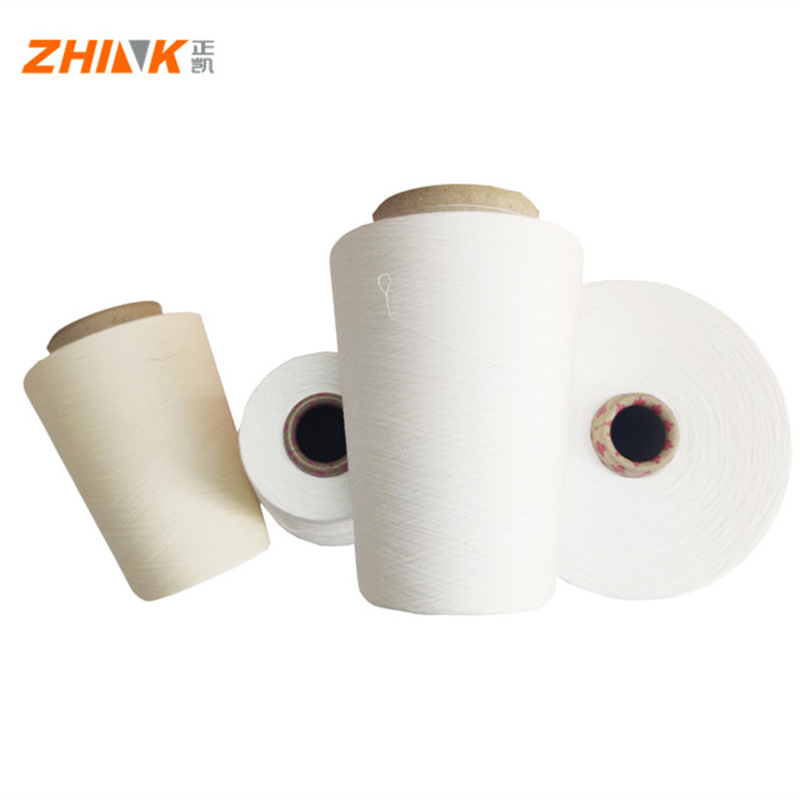
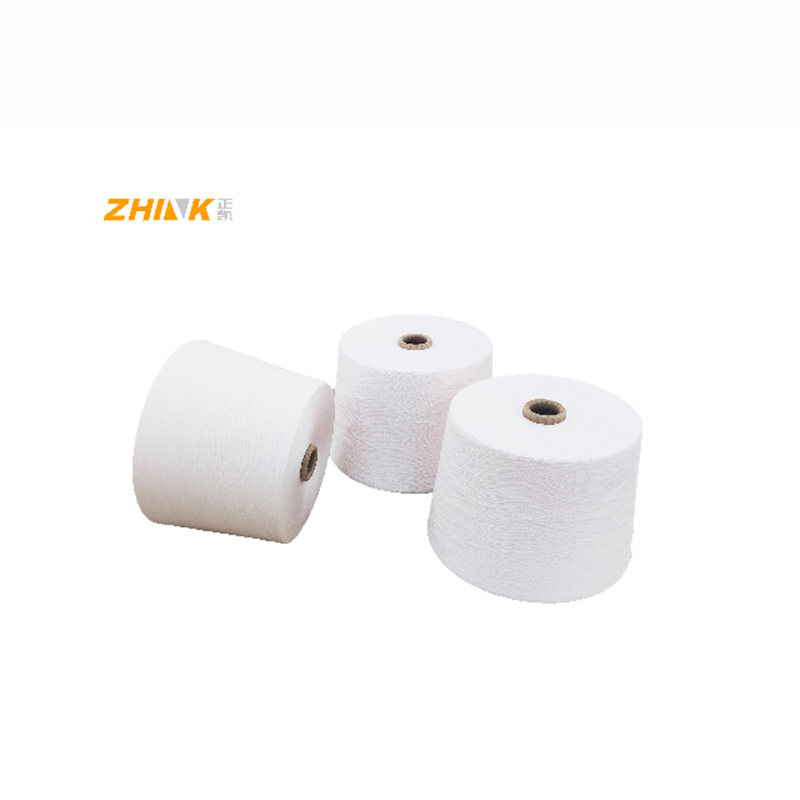
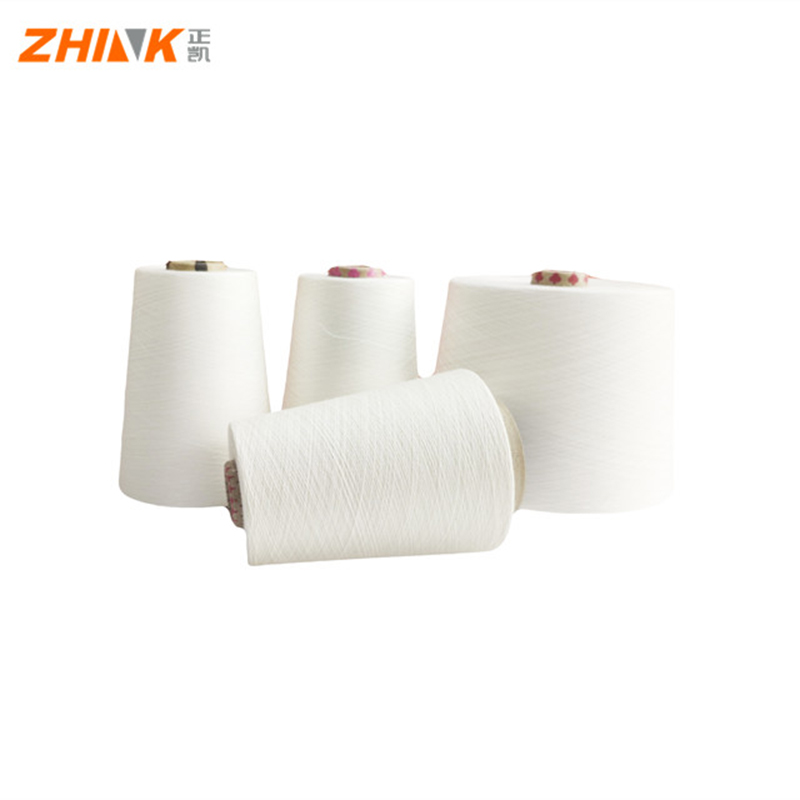
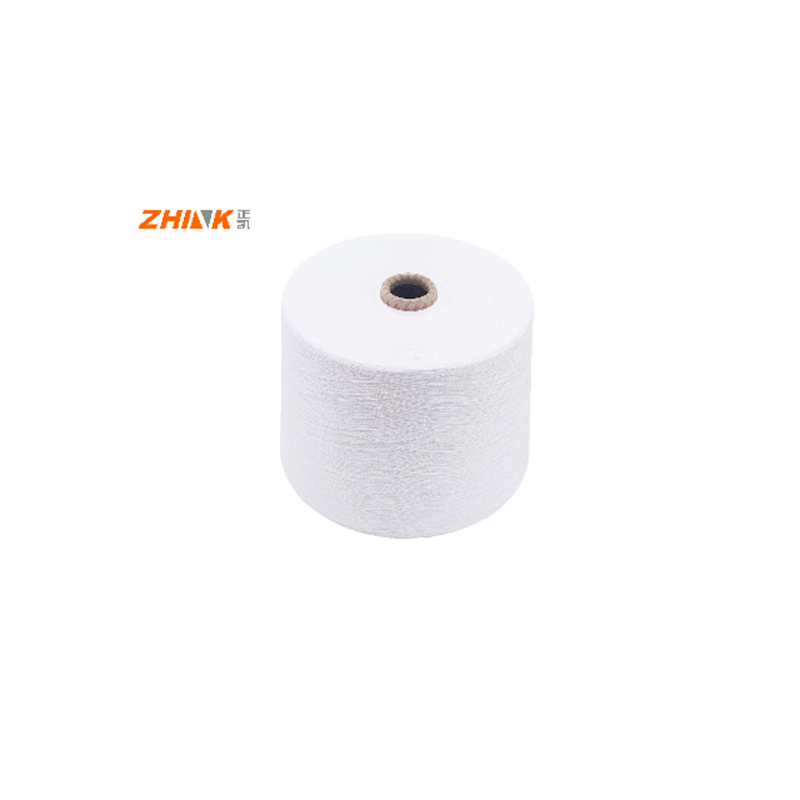
polyester 40D yarn
Understanding Polyester 40D Yarn
Polyester 40D Yarn is often thrown around in conversations, yet many still find themselves puzzled by its exact meaning. In the textile world, those who deal with fabrics daily might nod their heads knowingly, but for many, it remains a bit of a mystery. The '40D' refers to the denier, a measure of the yarn's thickness. It's a lightweight yarn, yet robust enough for a variety of applications. But what about its real-world implications? Let's dive in.
The Basics of Polyester Yarn
To start, Polyester 40D Yarn isn't just a lightweight contender; it's also hailed for versatility. The polyester fiber itself, widely known for its strength, durability, and resistance to abrasion, forms the backbone of this yarn. The '40D' indicates a denier scale that speaks to its fineness. Designers and factories routinely choose this yarn when looking for a balance between weight and strength.
Why, you might wonder, opt for such a specific yarn type when there are heavier options out there? It turns out that the lightweight nature makes it perfect for creating fabrics that drape well without losing their shape. I recall speaking with a textile designer who swore by this yarn for delicate garments that needed to maintain a silky finish.
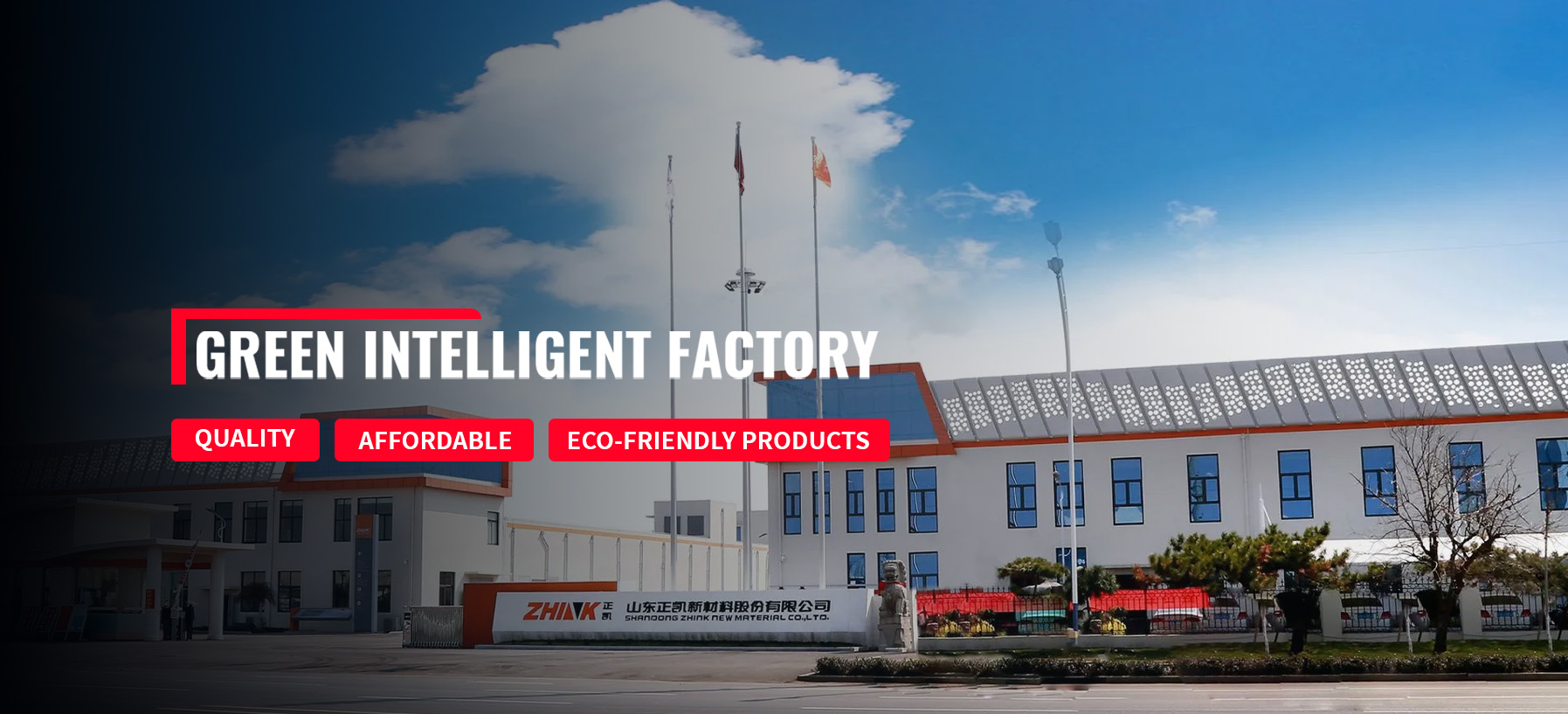
On the technical side, the production process involves precise control of the fiber diameter, crucial for achieving that ideal 40 denier specification. This is where experts like SHANDONG ZHINK NEW MATERIAL CO., LTD come into play, with their focus on innovation and quality in new textile materials.
Applications in Everyday Products
Polyester 40D Yarn often finds itself woven into sportswear, outdoor gear, and even some high-end fashion lines. Its combination of lightweight properties and resilience makes it a staple in these industries. It’s not uncommon to see this yarn in the lining of jackets or the exterior of backpacks, where functionality meets style.
The beauty of this yarn doesn't stop at just robustness. Due to its synthetic nature, it resists wrinkling and shrinkage, a practical advantage I've seen greatly appreciated in fast-paced manufacturing settings. Companies that handle seasonal collections find this trait particularly appealing because it keeps the garments looking fresh even after extensive handling.
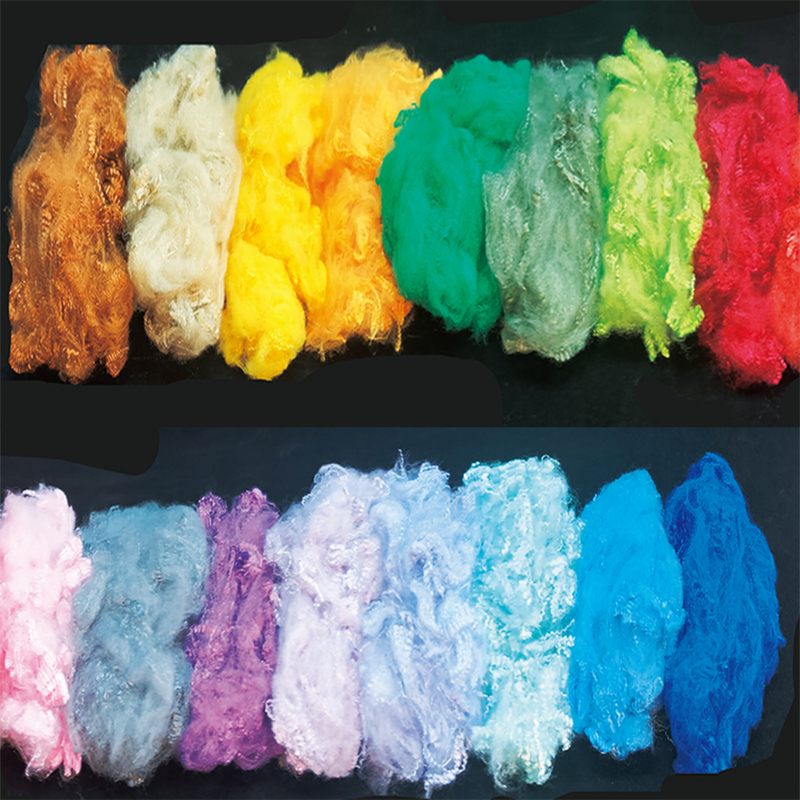
A personal anecdote: during a visit to a production facility, I watched as rolls of Polyester 40D Yarn turned into vibrant tents and outerwear. The workers there highlighted its stretch recovery, which was critical for items exposed to various environmental stresses.
Quality Control and Production Insights
When discussing production, it’s essential to touch on quality control, a meticulous process that separates top-tier products from the rest. At Zhink New Material, there’s an emphasis on R&D, ensuring that each yarn batch meets specific requirements. The company's URL tells more: Zhink Yarn.
This rigorous quality process reassures clients who demand consistency. You don’t want a batch with varying thickness, which can be catastrophic for large-scale productions. Textile workshops often stress over consistency as varying thickness can lead to unsightly texture issues in finished products.
One aspect often overlooked is how temperature and humidity during production can drastically affect the yarn's properties. An industry insider once explained how they constantly monitor environmental conditions to ensure the 40 denier stays true throughout.
Sustainability Aspects
The environmental conversation around synthetics, including polyester, is compelling. However, advances in recycling techniques have made polyester more eco-friendly than it used to be. The recycling process can reshape used polyester into fresh new yarn, minimizing waste.
Take, for example, the use of recycled polyester. It retains the distinct properties of new polyester but cuts down on the raw materials required. Companies like SHANDONG ZHINK NEW MATERIAL CO., LTD are pivotal in integrating these sustainable practices into mainstream production.
Incorporating sustainable polyester doesn’t just answer consumer demand but also positively impacts the environment. The technology involved in transforming discarded plastic into useful textile fibers is something that I've seen more companies eager to adopt. It’s an inspiring shift that's reshaping the industry’s footprint.
Challenges and Considerations
Despite its benefits, Polyester 40D Yarn isn't without its challenges. Its manufacturing process can be energy-intensive, and not all producers have embraced sustainable practices. Therefore, it's crucial to approach trusted manufacturers.
An experience worth sharing: a project once stalled due to misunderstanding fabric weight versus durability. A common pitfall among newcomers to the textile industry is assuming lighter yarns always equate to more delicate fabrics – not true here.
In conclusion, Polyester 40D Yarn represents a blend of versatility and strength. While there are challenges, the benefits, innovative uses, and sustainable prospects make it a valuable choice for many applications. Through continuous improvement and knowledge-sharing, the textile industry can navigate its complexities while leveraging this impressive material.
Related Products
Related Products