+86-632-3621866
- Chinese
- French
- German
- Portuguese
- Spanish
- Russian
- Japanese
- Korean
- Arabic
- Irish
- Greek
- Turkish
- Italian
- Danish
- Romanian
- Indonesian
- Czech
- Afrikaans
- Swedish
- Polish
- Basque
- Catalan
- Esperanto
- Hindi
- Lao
- Albanian
- Amharic
- Armenian
- Azerbaijani
- Belarusian
- Bengali
- Bosnian
- Bulgarian
- Cebuano
- Chichewa
- Corsican
- Croatian
- Dutch
- Estonian
- Filipino
- Finnish
- Frisian
- Galician
- Georgian
- Gujarati
- Haitian
- Hausa
- Hawaiian
- Hebrew
- Hmong
- Hungarian
- Icelandic
- Igbo
- Javanese
- Kannada
- Kazakh
- Khmer
- Kurdish
- Kyrgyz
- Latin
- Latvian
- Lithuanian
- Luxembou..
- Macedonian
- Malagasy
- Malay
- Malayalam
- Maltese
- Maori
- Marathi
- Mongolian
- Burmese
- Nepali
- Norwegian
- Pashto
- Persian
- Punjabi
- Serbian
- Sesotho
- Sinhala
- Slovak
- Slovenian
- Somali
- Samoan
- Scots Gaelic
- Shona
- Sindhi
- Sundanese
- Swahili
- Tajik
- Tamil
- Telugu
- Thai
- Ukrainian
- Urdu
- Uzbek
- Vietnamese
- Welsh
- Xhosa
- Yiddish
- Yoruba
- Zulu
- Kinyarwanda
- Tatar
- Oriya
- Turkmen
- Uyghur


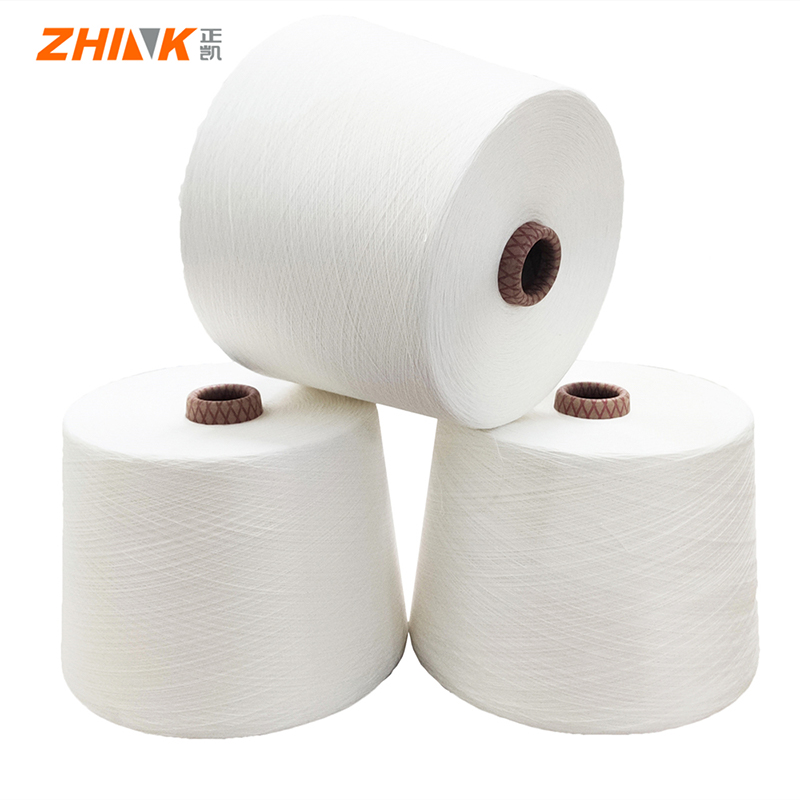
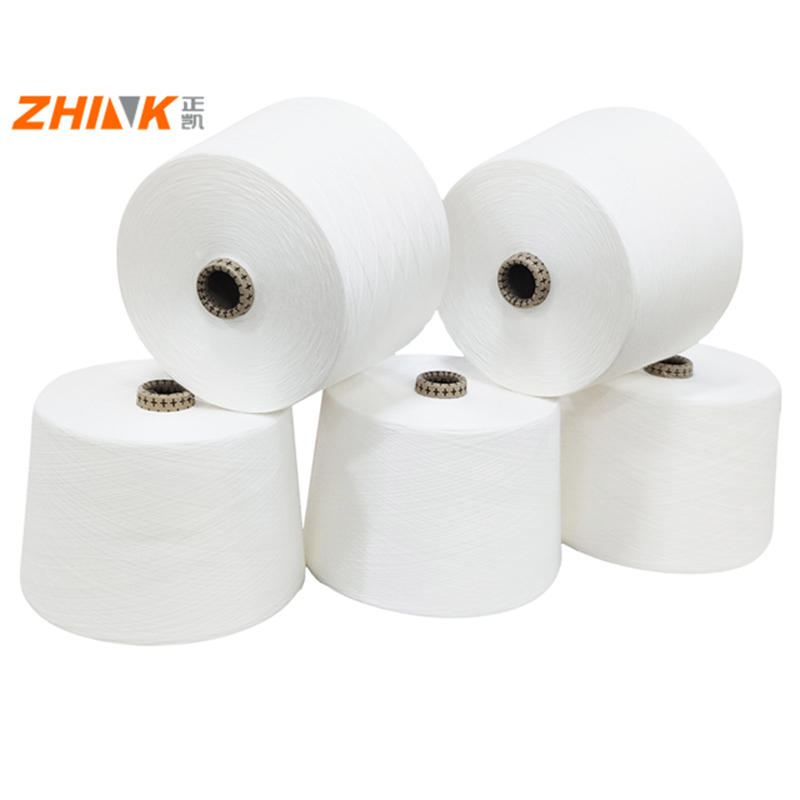
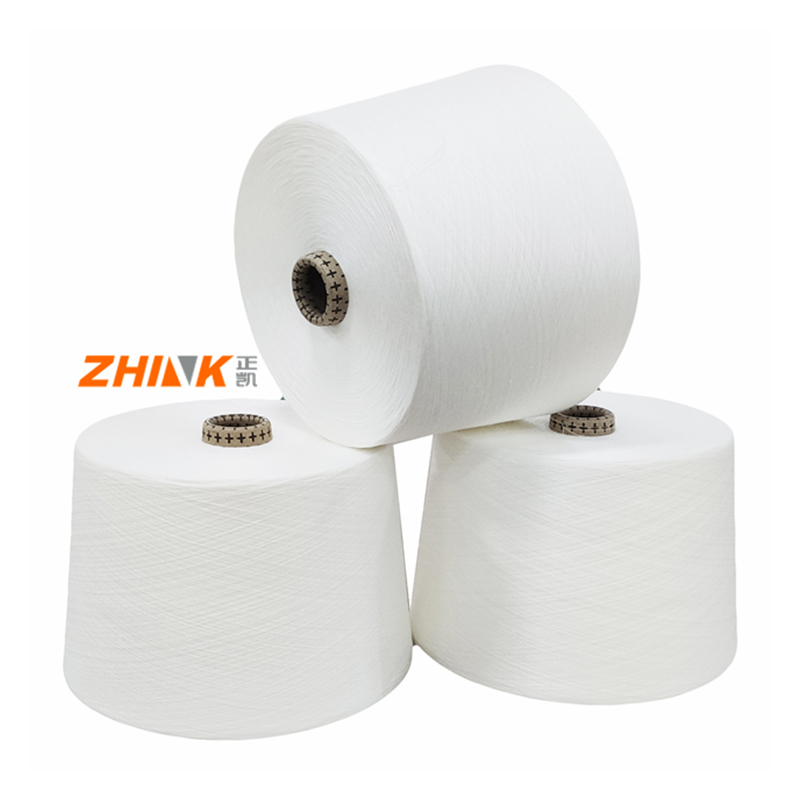
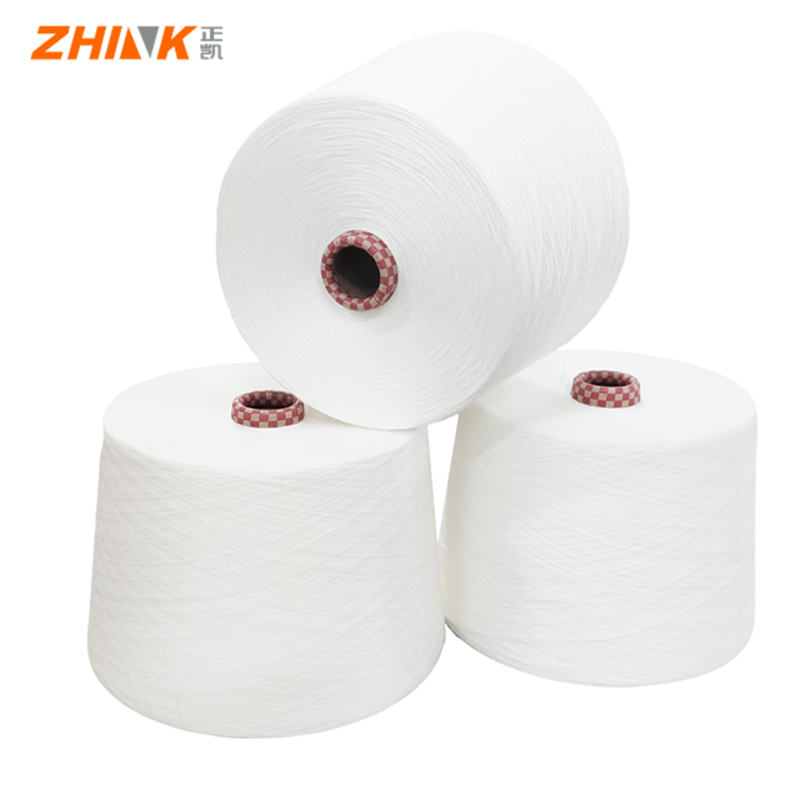
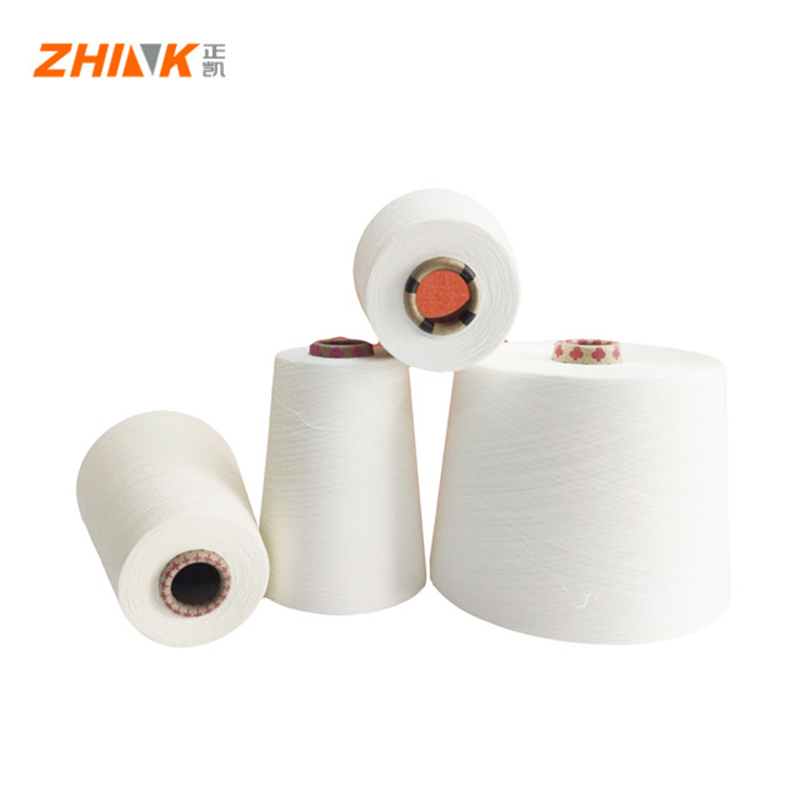
polyester AB yarn
Exploring Polyester AB Yarn: Industry Insights and Real-World Applications
The textile world has seen a growing interest in polyester AB yarn, yet misconceptions linger. With its unique characteristics and versatile applications, understanding this yarn requires both technical and practical insights. Let's dive into its complexities and discover the experiences shared by industry professionals.
Understanding Polyester AB Yarn
At first glance, polyester AB yarn might seem just another textile innovation. However, there’s more beneath the surface. Known for its distinctive dual-component structure—often featuring varying physical or chemical properties—this yarn type offers enhanced functionality in textiles. But wait, what does that really mean for fabric manufacturers? In my own work with Zhink New Material, the nuances of AB yarn become apparent only through hands-on experimentation.
Exploring the composition of polyester AB yarn unveils its potential. Many manufacturers aim to harness the mixed properties such as elasticity in one component and rigidity in the other. This dual nature is specifically why products like sportswear and eco-friendly materials increasingly favor its use. Yet, caution is essential, as the precise balancing act often poses challenges in both production and application.
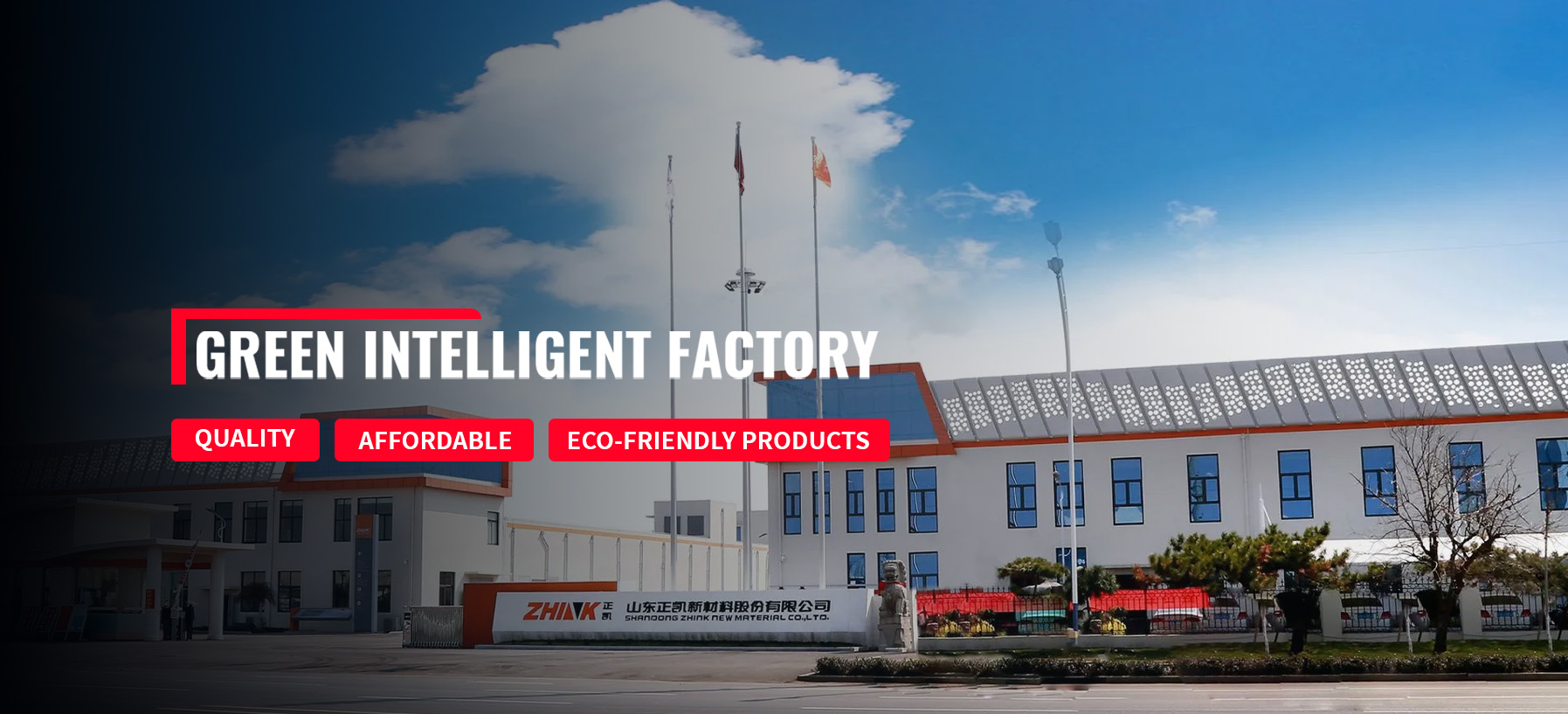
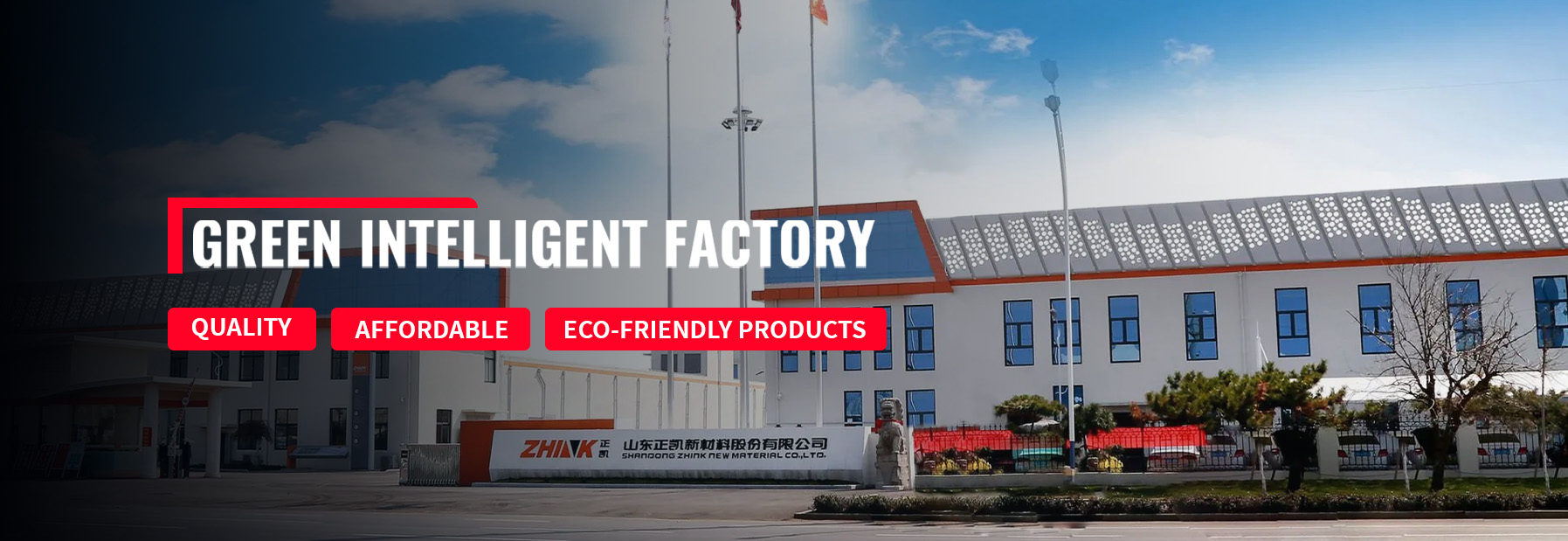
What intrigues many is the yarn’s capacity to enhance fabric texture and durability while maintaining cost-effectiveness. A visit to SHANDONG ZHINK NEW MATERIAL CO., LTD, for instance, reveals the strategic focus on innovative textile materials (more at Zhink Yarn). Their R&D division continually tests how polyester AB yarn integrates into varying textiles.
The Challenges and Solutions
Real-world application isn’t just theoretical. Polyesters often face criticism over wash durability or color consistency, issues that AB yarn attempts to mitigate. Yet, the road isn’t entirely smooth. During one project, a blend aimed at reducing fabric weight didn’t hold up under dyeing processes. It was a learning curve, underscoring the need for robust pilot testing to match component compatibility effectively.
Moreover, manufacturing AB yarn demands precise machinery settings—an area where trial and testing reign. Experiences shared within Zhink New Material stress the importance of fine-tuning equipment to prevent inconsistencies. Continued process optimization often involves iterative testing phases, where minor adjustments yield wider-reaching benefits.
Interestingly, the eco-friendlier aspect of polyester AB yarn also attracts attention. Blending recycled fibers has emerged as a viable avenue, yet maintaining yarn integrity remains a complex challenge. Still, the push for sustainable practices encourages ongoing adjustments, ultimately fostering innovations in the sector.
Case Studies and Learnings
An engaging example involved SHANDONG ZHINK NEW MATERIAL CO., LTD integrating AB yarn into a new line of performance wear. Their aim: increased moisture-wicking capacity without sacrificing fabric softness. This required cross-departmental collaboration, focused on not just yarn quality but the textile's final feel.
Success relied heavily on iterative feedback loops among designers, technicians, and end-users. Insights gained showed how subtle variations in yarn twist affected the final product. Not all trials were successful—missteps occurred, particularly aligning component interaction with user comfort.
Ultimately, these experiences underscore the fact that while polyester AB yarn holds promise, its effective application demands detailed understanding and adaptive strategies. Lessons learned pave the way for future projects, continually pushing the boundaries of textile applications.
Future Directions in Yarn Innovation
The landscape is rapidly evolving, with continuous research spotlighting areas for growth. At Zhink New Material, there’s an ongoing quest for innovative solutions. Whether it's integrating smart textiles or improving sustainability, the prospect of polyester AB yarn remains a focal point for development.
Long-term partnerships with tech firms are in the pipeline. These aim to explore automated processes enhancing production accuracy. There's also a buzz around augmented yarn properties aligning with smart technologies—wearable tech integration appears to be looming on the horizon.
For industry insiders and curious onlookers alike, the journey through polyester AB yarn represents a blend of challenges and opportunities. Staying informed and open to adaptation is the key to leveraging its full potential.
Real-World Advice for Professionals
From hands-on experience, my advice to those diving into polyester AB yarn is clear: embrace the learning curve. Mishaps and successes coexist as teachers. Anchor partnerships with trusted suppliers and technical experts to facilitate knowledge-sharing; consider exploring Zhink New Material's offerings as a starting point.
Adopt an iterative approach with a willingness to refine. Test early, test often. Feedback loops are invaluable, providing clarity and direction amid ambiguities. It's through this ongoing process that tangible improvements and innovations take root.
Avoid the trap of chasing trends without foundational understanding. Deepen your knowledge base, meticulously plan projects, and remain open to adaptation. In this dynamic industry, staying agile is the bridge between challenges and breakthroughs.
Related Products
Related Products