+86-632-3621866
- Chinese
- French
- German
- Portuguese
- Spanish
- Russian
- Japanese
- Korean
- Arabic
- Irish
- Greek
- Turkish
- Italian
- Danish
- Romanian
- Indonesian
- Czech
- Afrikaans
- Swedish
- Polish
- Basque
- Catalan
- Esperanto
- Hindi
- Lao
- Albanian
- Amharic
- Armenian
- Azerbaijani
- Belarusian
- Bengali
- Bosnian
- Bulgarian
- Cebuano
- Chichewa
- Corsican
- Croatian
- Dutch
- Estonian
- Filipino
- Finnish
- Frisian
- Galician
- Georgian
- Gujarati
- Haitian
- Hausa
- Hawaiian
- Hebrew
- Hmong
- Hungarian
- Icelandic
- Igbo
- Javanese
- Kannada
- Kazakh
- Khmer
- Kurdish
- Kyrgyz
- Latin
- Latvian
- Lithuanian
- Luxembou..
- Macedonian
- Malagasy
- Malay
- Malayalam
- Maltese
- Maori
- Marathi
- Mongolian
- Burmese
- Nepali
- Norwegian
- Pashto
- Persian
- Punjabi
- Serbian
- Sesotho
- Sinhala
- Slovak
- Slovenian
- Somali
- Samoan
- Scots Gaelic
- Shona
- Sindhi
- Sundanese
- Swahili
- Tajik
- Tamil
- Telugu
- Thai
- Ukrainian
- Urdu
- Uzbek
- Vietnamese
- Welsh
- Xhosa
- Yiddish
- Yoruba
- Zulu
- Kinyarwanda
- Tatar
- Oriya
- Turkmen
- Uyghur



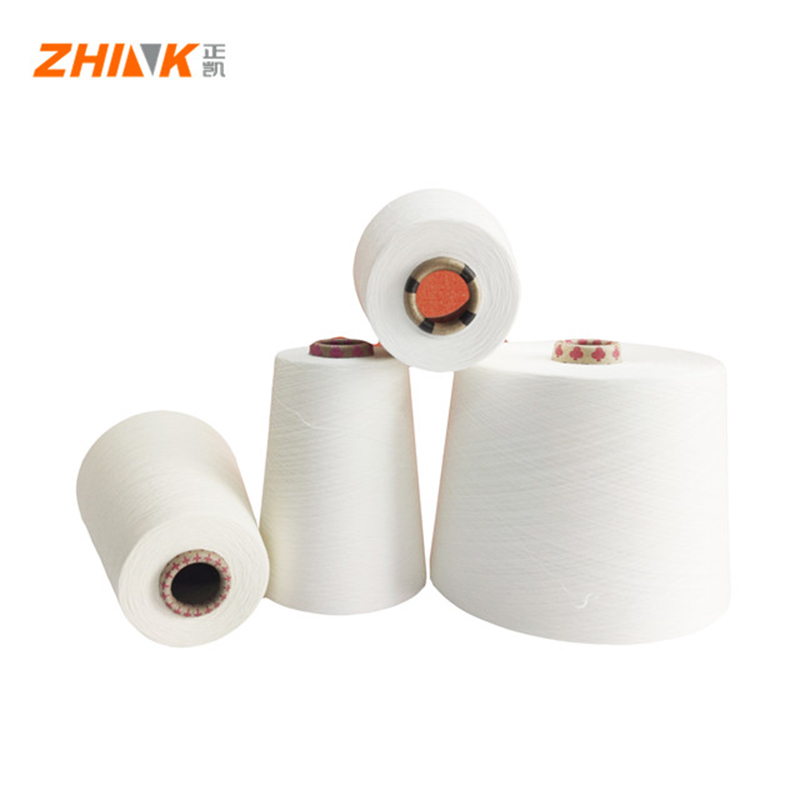
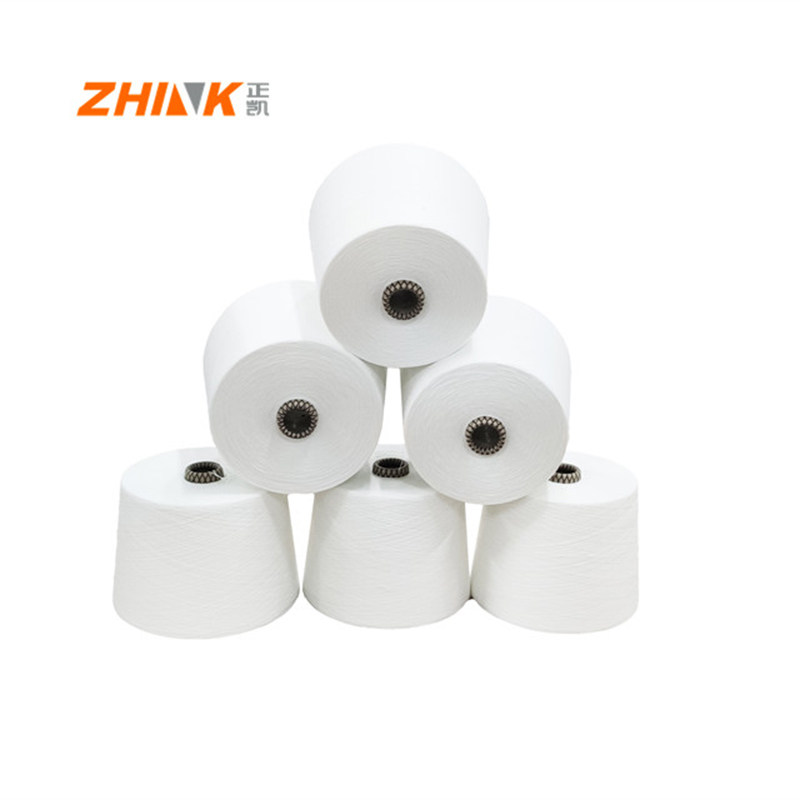
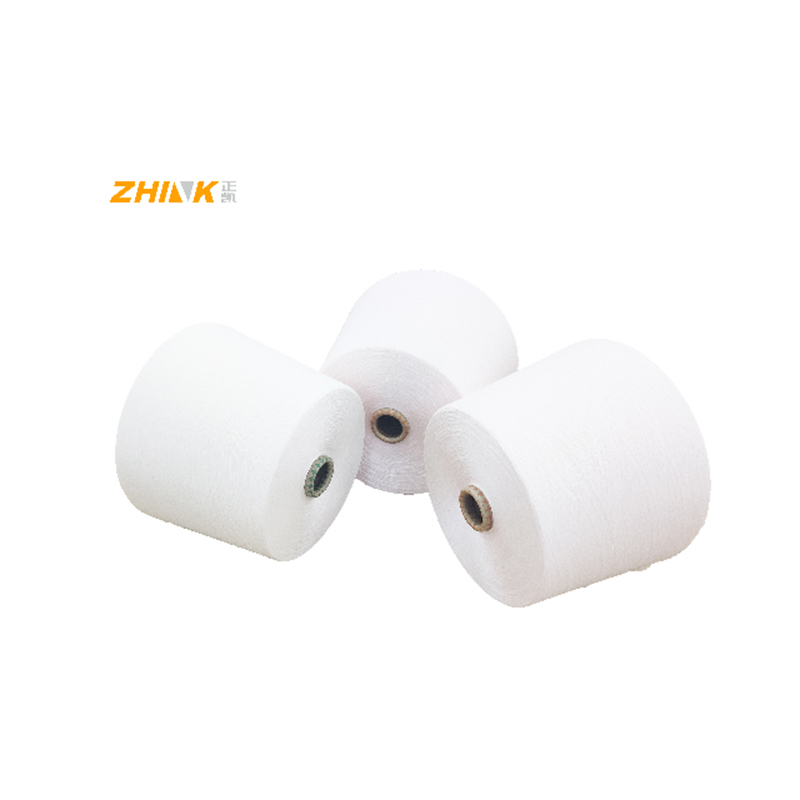
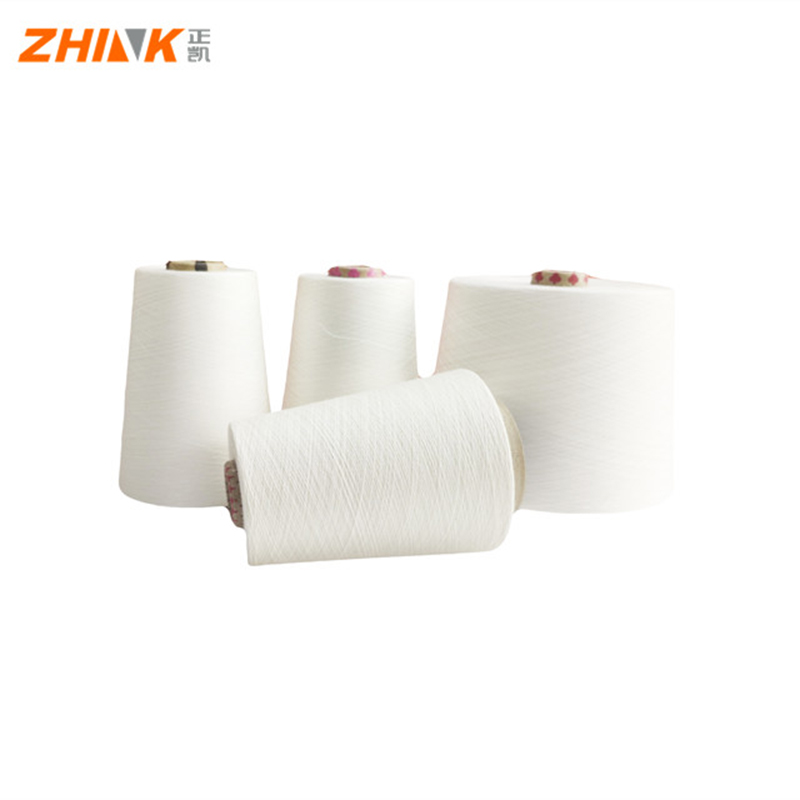
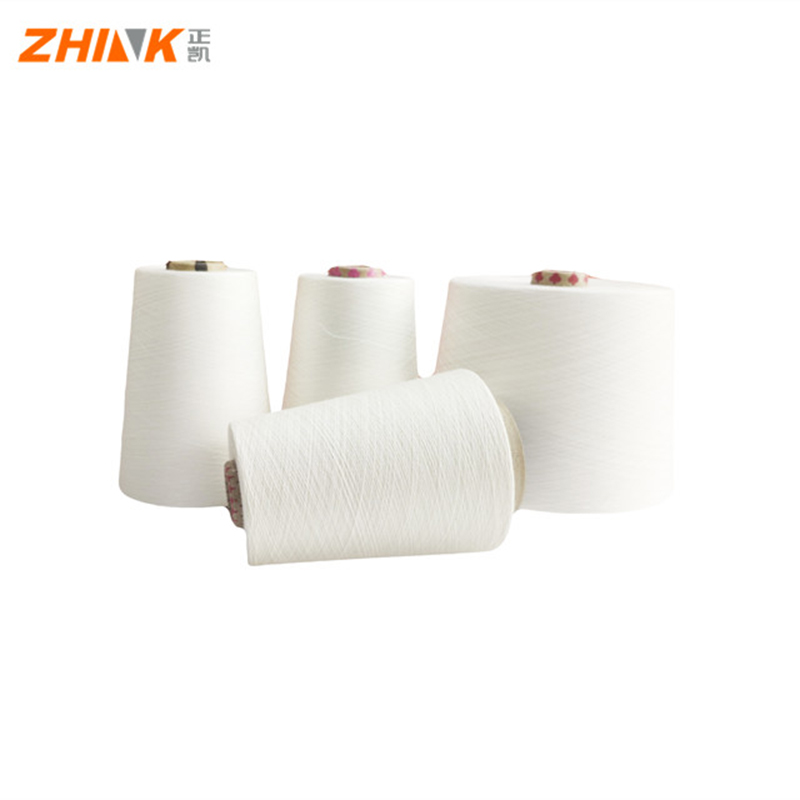
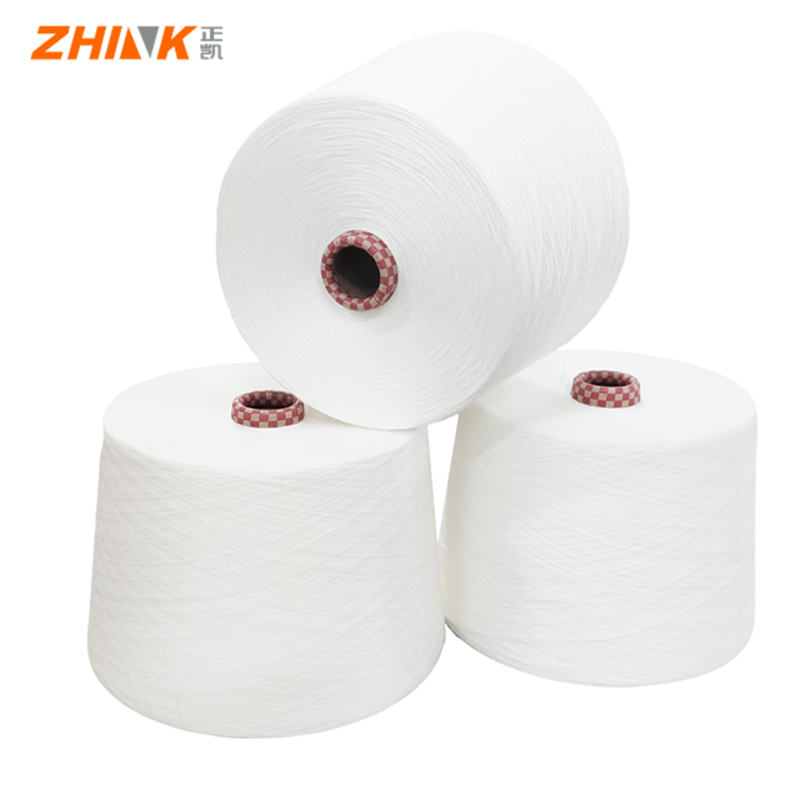
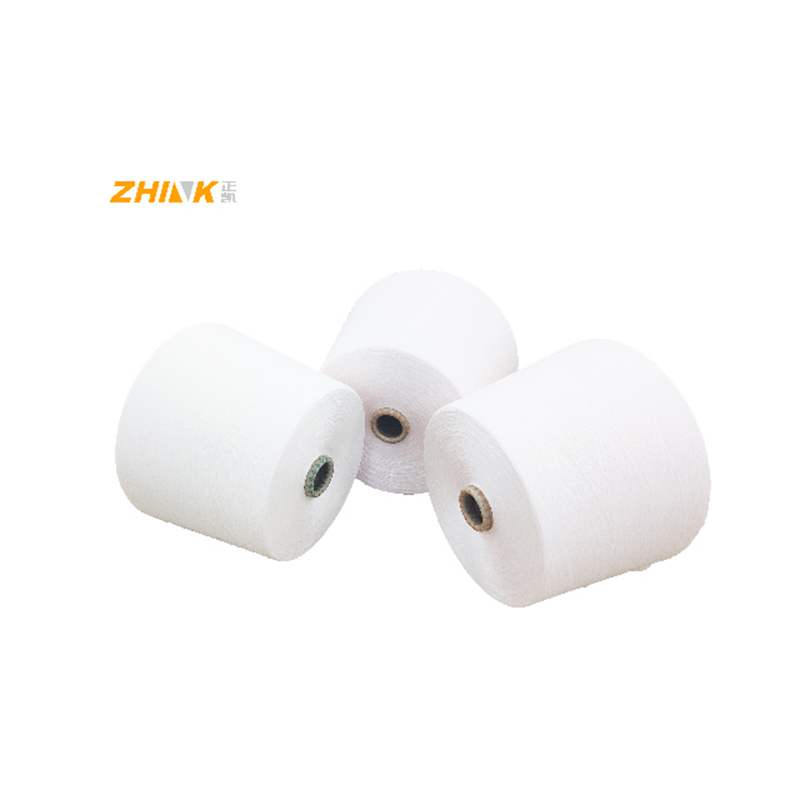
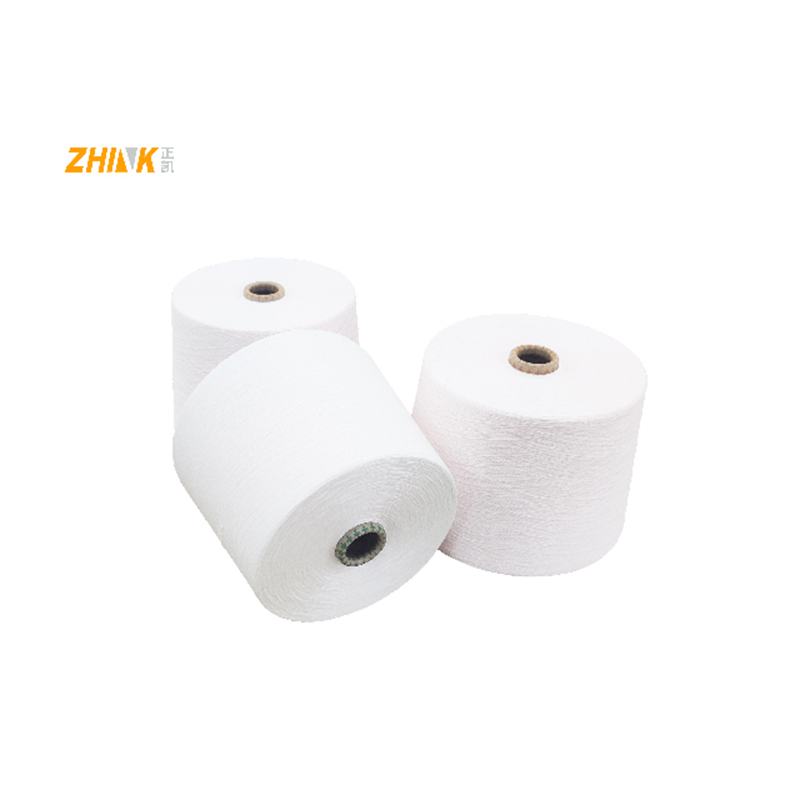
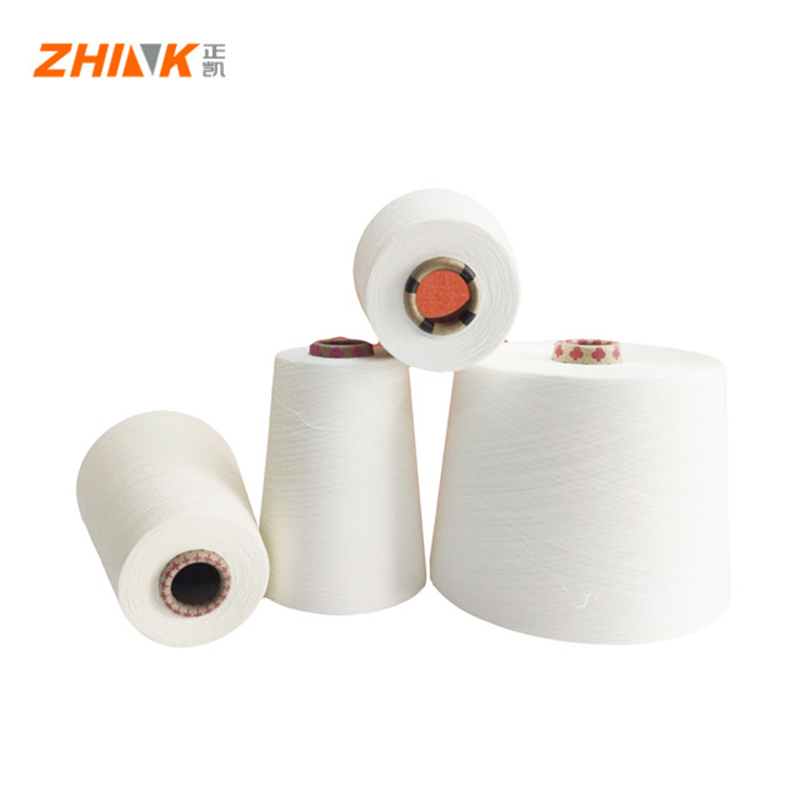
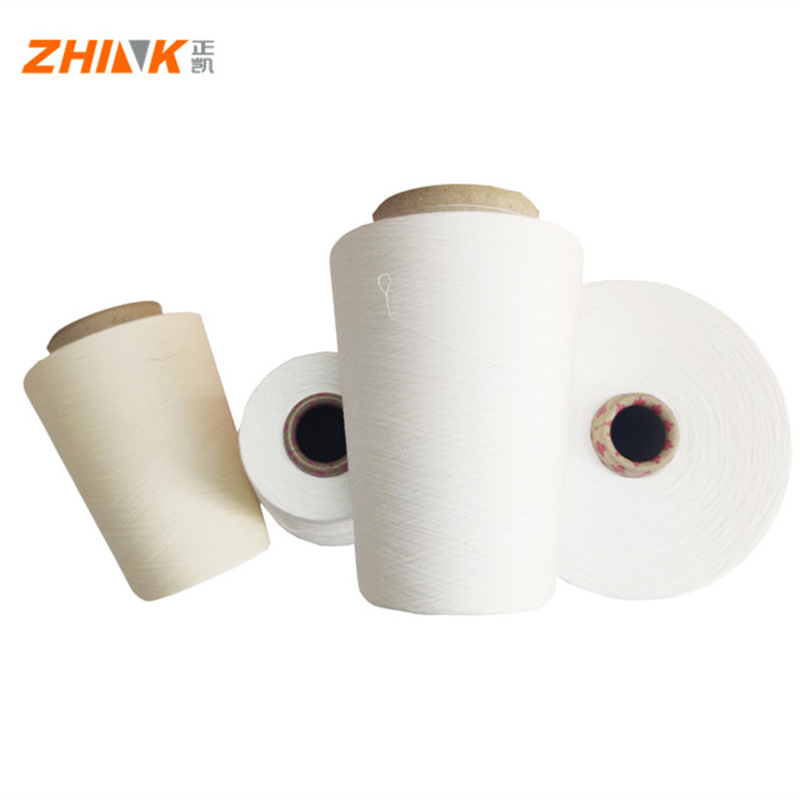
polyester/bamboo 50/50 yarn
The Intricacies of Polyester/Bamboo 50/50 Yarn
Understanding polyester/bamboo 50/50 yarn is crucial for those in the textile industry. This blend offers a unique combination of the properties of synthetic and natural fibers, making it an intriguing topic for manufacturers and designers alike.
Exploring the Blend
The first thing to know about polyester/bamboo 50/50 yarn is that it seeks to balance durability with sustainability. Polyester, a synthetic fiber, is known for its strength and resilience, while bamboo brings a natural, biodegradable component to the table. However, those new to this blend often overlook the challenge of balancing the spinning process to achieve a consistent quality.
From personal experience, adjusting the machinery settings to accommodate both fibers involves a learning curve. The moisture-wicking properties of bamboo can influence the yarn tension, which is quite different from handling full synthetic yarns. I recall a particular run where we had to recalibrate mid-process when we noticed uneven tension affecting the yarn's texture.
Moreover, there’s a finesse required in handling the dyeing process. Bamboo tends to absorb dye differently than polyester, a factor that can result in uneven coloration if not carefully managed. This is where the expertise of a specialized company, like Zhink New Material from SHANDONG ZHINK NEW MATERIAL CO., LTD, becomes crucial. They focus on the R&D, production, and sales of new textile materials, and their experience in navigating these subtleties is a game-changer.
Handling the Challenges
One key challenge with polyester/bamboo 50/50 yarn is the pilling tendency. Polyester is naturally resistant, but the bamboo component can contribute to pilling over time if not processed with precision. Ensuring the right twist level in the yarn can mitigate this issue.
During one project, we encountered increased pilling when testing a new knitting pattern. After analyzing, it turned out that the yarn's twist was too loose. Adjustments were made, and the issue was resolved, but it highlighted the importance of understanding each component’s behavior within the blend.
Additionally, sustainability is a significant selling point for bamboo. However, when blended with polyester, the eco-friendliness can be compromised if not sourced and blended appropriately. Consumers are becoming increasingly aware of this, thus transparency in sourcing and production methods is essential.
Practical Applications
This yarn blend is particularly popular in activewear, thanks to its breathability coupled with robustness. I’ve seen companies incorporate it into yoga attire, offering comfort and durability in one package. The moisture absorption capabilities of bamboo make it ideal for such uses.
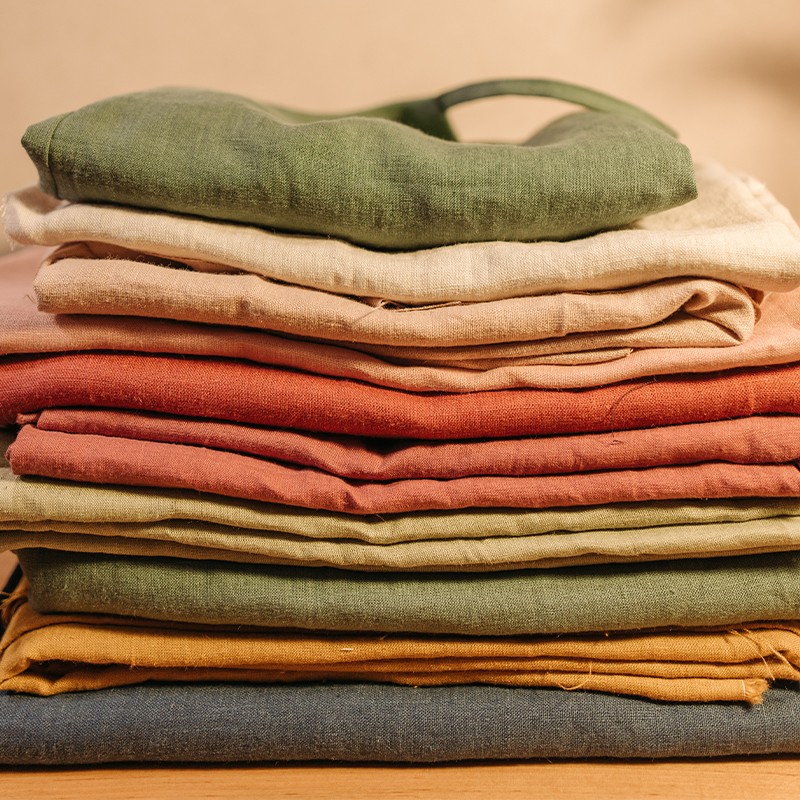
Yet, beyond sportswear, the blend finds its place in casual fashion and home textiles. It’s in these applications that the aesthetic qualities of bamboo truly shine, offering a luxurious sheen and softness absent from pure synthetic fibers.
A memory that sticks with me is when we developed a line of bed sheets using this blend. The feedback on the softness and cooling qualities was overwhelmingly positive. It's satisfying when a technical choice results in such tangible consumer benefits.
Lessons Learned
Working with polyester/bamboo 50/50 yarn has taught me the importance of constant experimentation. What works in one setting may not in another, and small adjustments can lead to significant differences in the final product quality.
For example, alterations to the spinning speed or changing the dye bath temperature could drastically affect outcomes. It's these nuances that keep the work engaging. Each trial could forge a new path in fabric technology.
Lastly, collaboration is key. Companies like ZHINK NEW MATERIAL provide valuable insights into material properties and behavior, turning potential challenges into opportunities. Their dedication to advancing textile materials has proven invaluable in perfecting the craft of this unique yarn blend.
The Future of the Blend
Looking ahead, the demand for sustainable yet durable materials is unlikely to diminish. The versatility of polyester/bamboo 50/50 yarn positions it well for future innovation. I anticipate advancements in eco-friendly polyester alternatives to further enhance the sustainability of such blends.
In an industry where consumer preferences are shifting towards eco-consciousness, embracing new materials and processing methods is vital. Continuous research, like that conducted by companies specializing in material innovation, ensures we meet these evolving demands.
Ultimately, polyester/bamboo 50/50 yarn embodies the push towards material innovation that meets practical demands while aligning with eco-friendly values, securing its place in the future fabric landscape.
Related Products
Related Products