+86-632-3621866
- Chinese
- French
- German
- Portuguese
- Spanish
- Russian
- Japanese
- Korean
- Arabic
- Irish
- Greek
- Turkish
- Italian
- Danish
- Romanian
- Indonesian
- Czech
- Afrikaans
- Swedish
- Polish
- Basque
- Catalan
- Esperanto
- Hindi
- Lao
- Albanian
- Amharic
- Armenian
- Azerbaijani
- Belarusian
- Bengali
- Bosnian
- Bulgarian
- Cebuano
- Chichewa
- Corsican
- Croatian
- Dutch
- Estonian
- Filipino
- Finnish
- Frisian
- Galician
- Georgian
- Gujarati
- Haitian
- Hausa
- Hawaiian
- Hebrew
- Hmong
- Hungarian
- Icelandic
- Igbo
- Javanese
- Kannada
- Kazakh
- Khmer
- Kurdish
- Kyrgyz
- Latin
- Latvian
- Lithuanian
- Luxembou..
- Macedonian
- Malagasy
- Malay
- Malayalam
- Maltese
- Maori
- Marathi
- Mongolian
- Burmese
- Nepali
- Norwegian
- Pashto
- Persian
- Punjabi
- Serbian
- Sesotho
- Sinhala
- Slovak
- Slovenian
- Somali
- Samoan
- Scots Gaelic
- Shona
- Sindhi
- Sundanese
- Swahili
- Tajik
- Tamil
- Telugu
- Thai
- Ukrainian
- Urdu
- Uzbek
- Vietnamese
- Welsh
- Xhosa
- Yiddish
- Yoruba
- Zulu
- Kinyarwanda
- Tatar
- Oriya
- Turkmen
- Uyghur


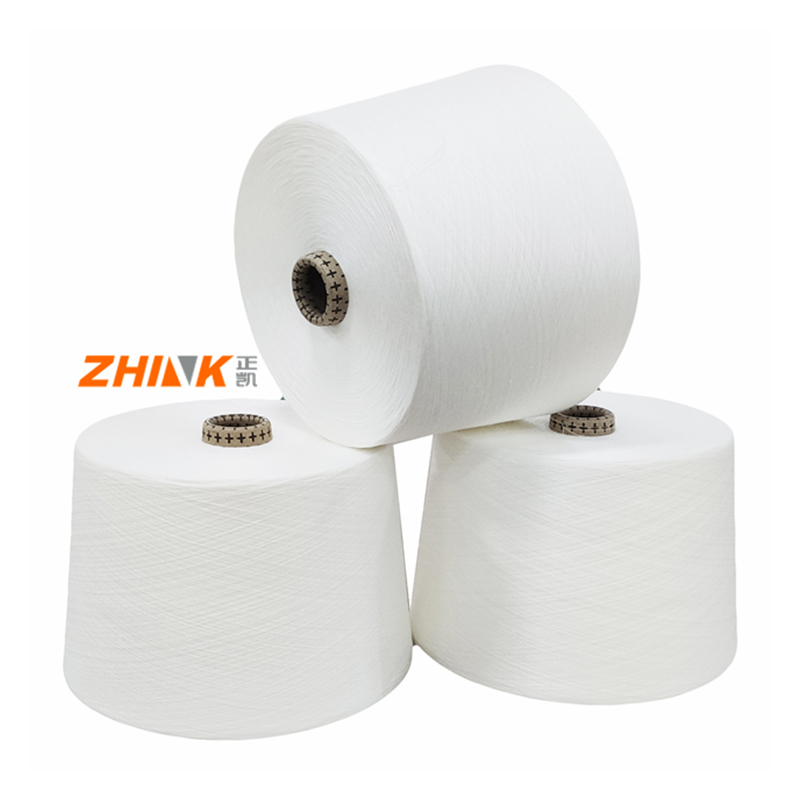
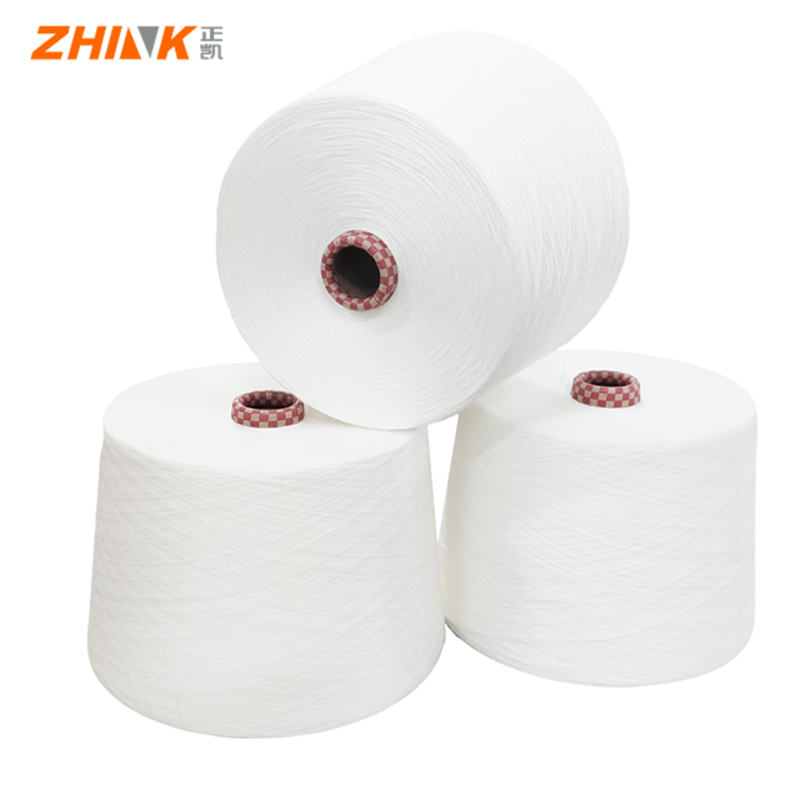
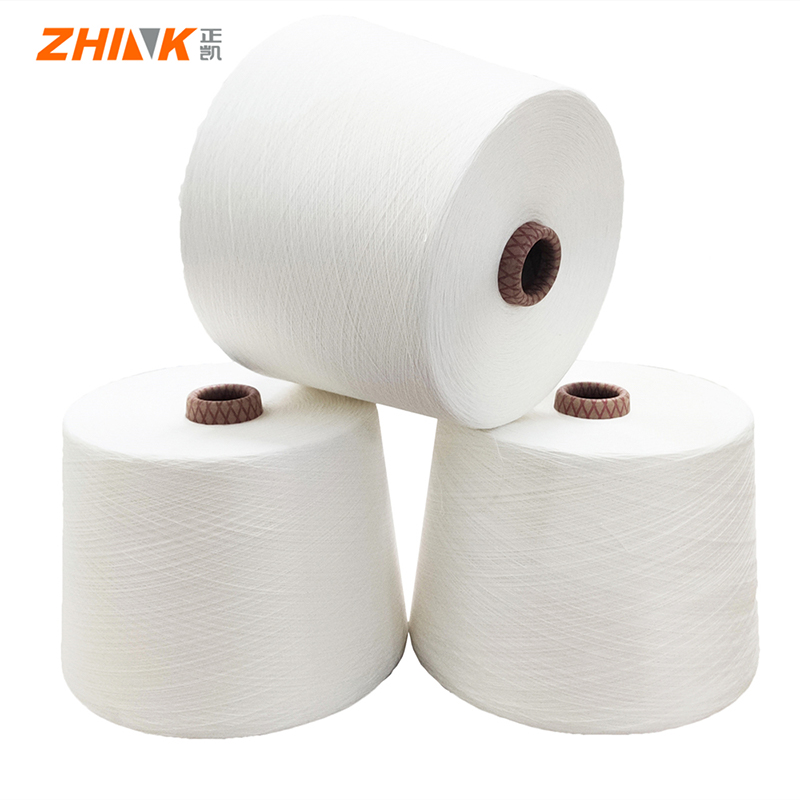
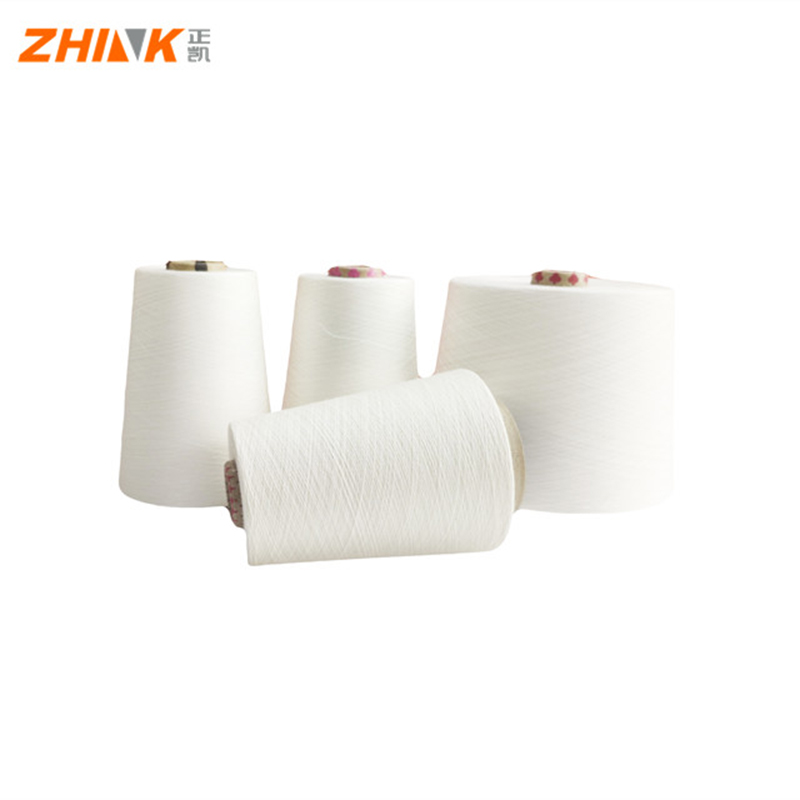
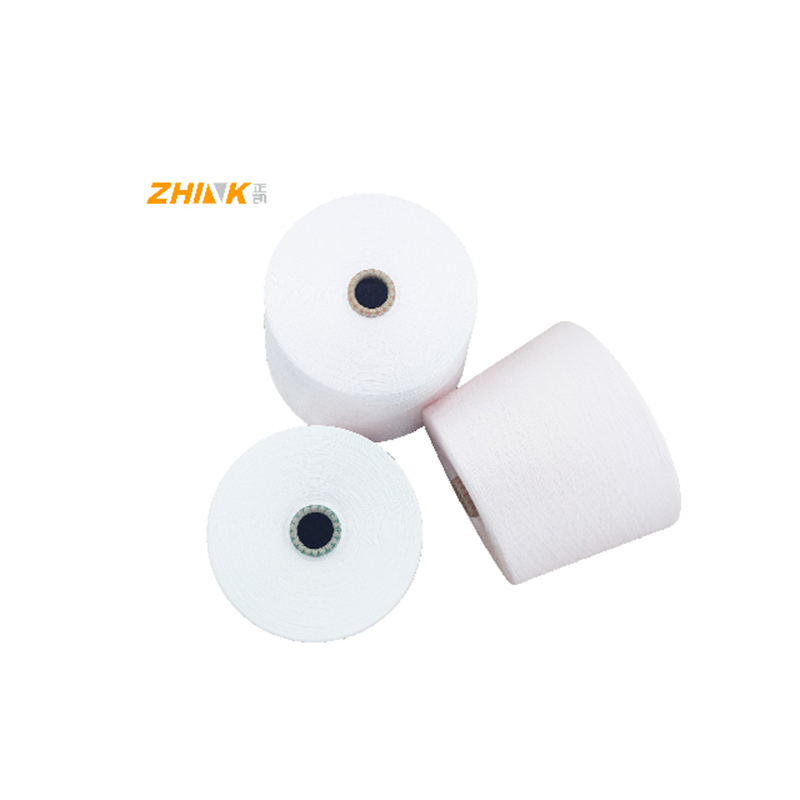
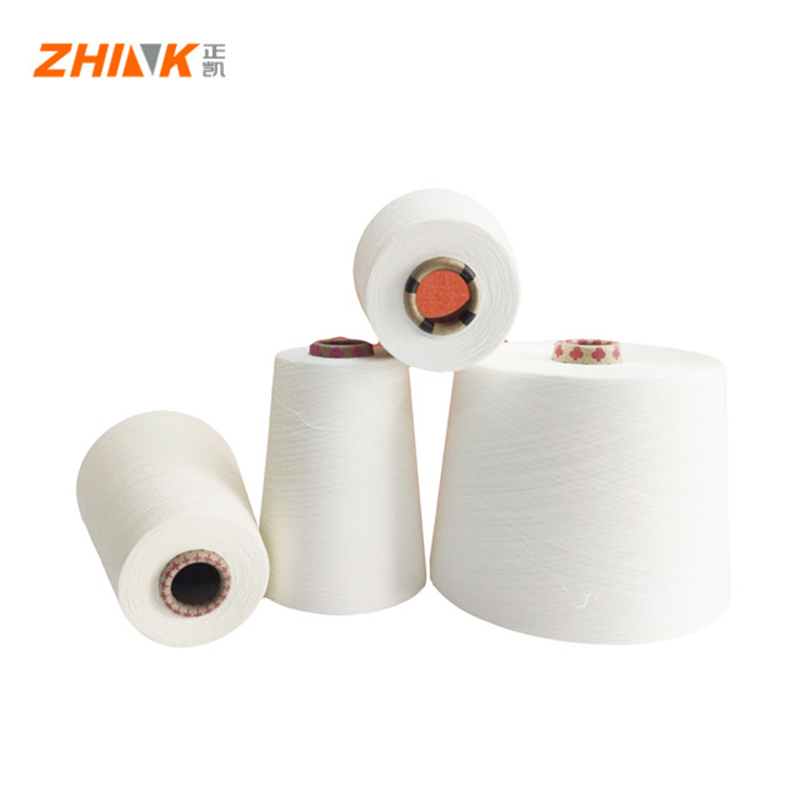
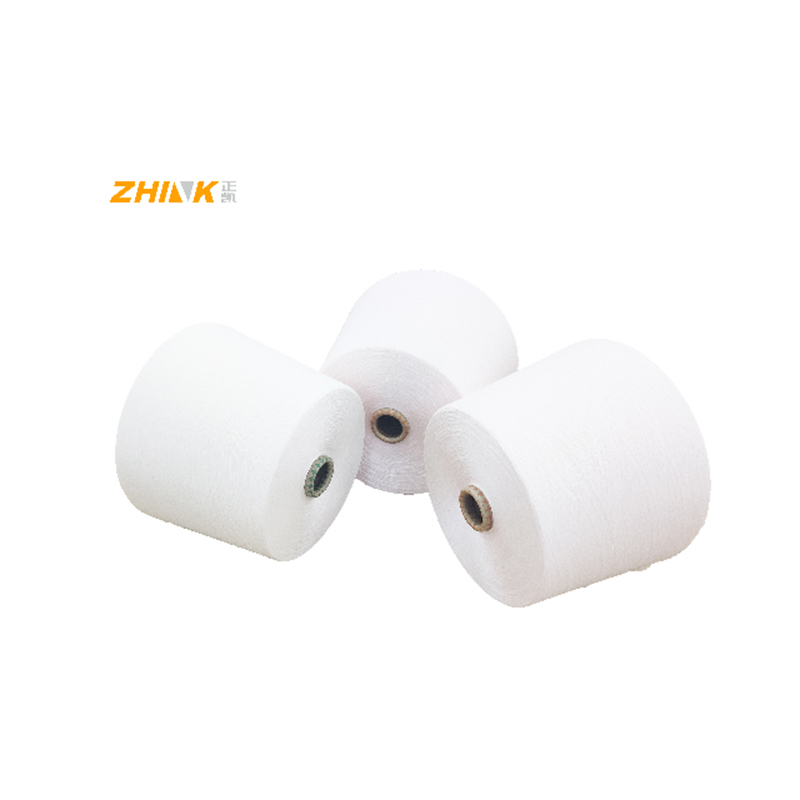
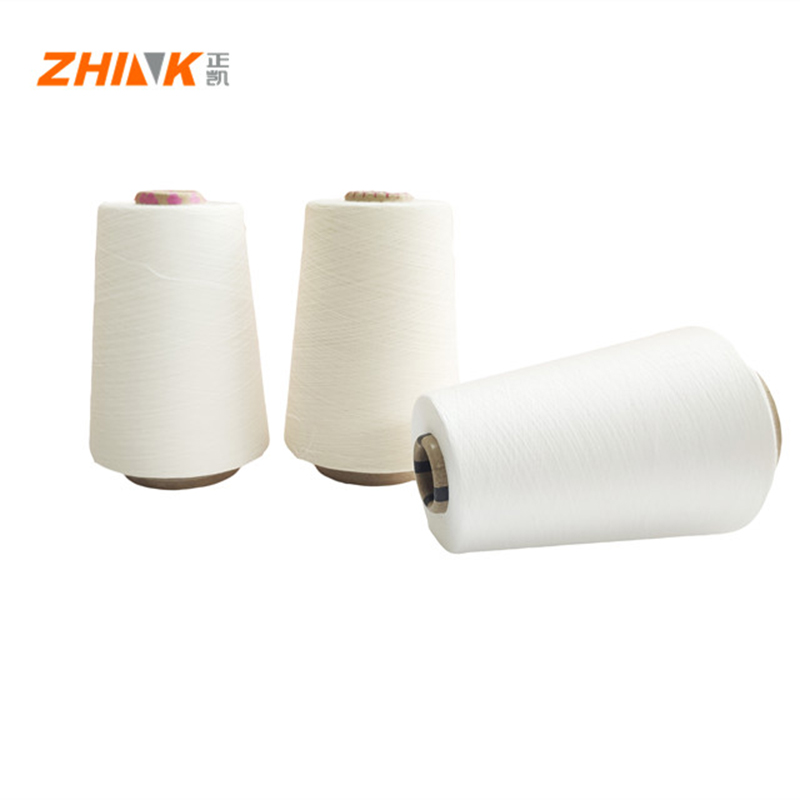
polyester/bamboo 65/35 yarn
The Intricacies of Polyester/Bamboo 65/35 Yarn
The fusion of polyester and bamboo fibers into a 65/35 yarn blend is not just a matter of mixing materials—it's an art. This concoction aims to balance durability with sustainability, a pursuit not without its challenges. Contrary to popular belief, crafting the perfect yarn isn't always straightforward, and this blend distinctly embodies that complexity.
Understanding the Blend: What Does 65/35 Really Mean?
When we talk about polyester/bamboo 65/35 yarn, the numbers indicate the ratio of polyester to bamboo fibers. 65% polyester provides the yarn with its strength and resilience, while 35% bamboo lends it a touch of eco-friendliness and softness. This combination is also designed to be cost-effective, appealing broadly across various textile applications. However, one challenge persists: maintaining a uniform mix during production.
In my experience, working with this blend involves managing the tension between synthetic and natural fibers. Polyester's consistency contrasts with bamboo's variable nature, which can lead to issues in uniform thread thickness. Spinners need to account for this unpredictability, adjusting their machinery accordingly.
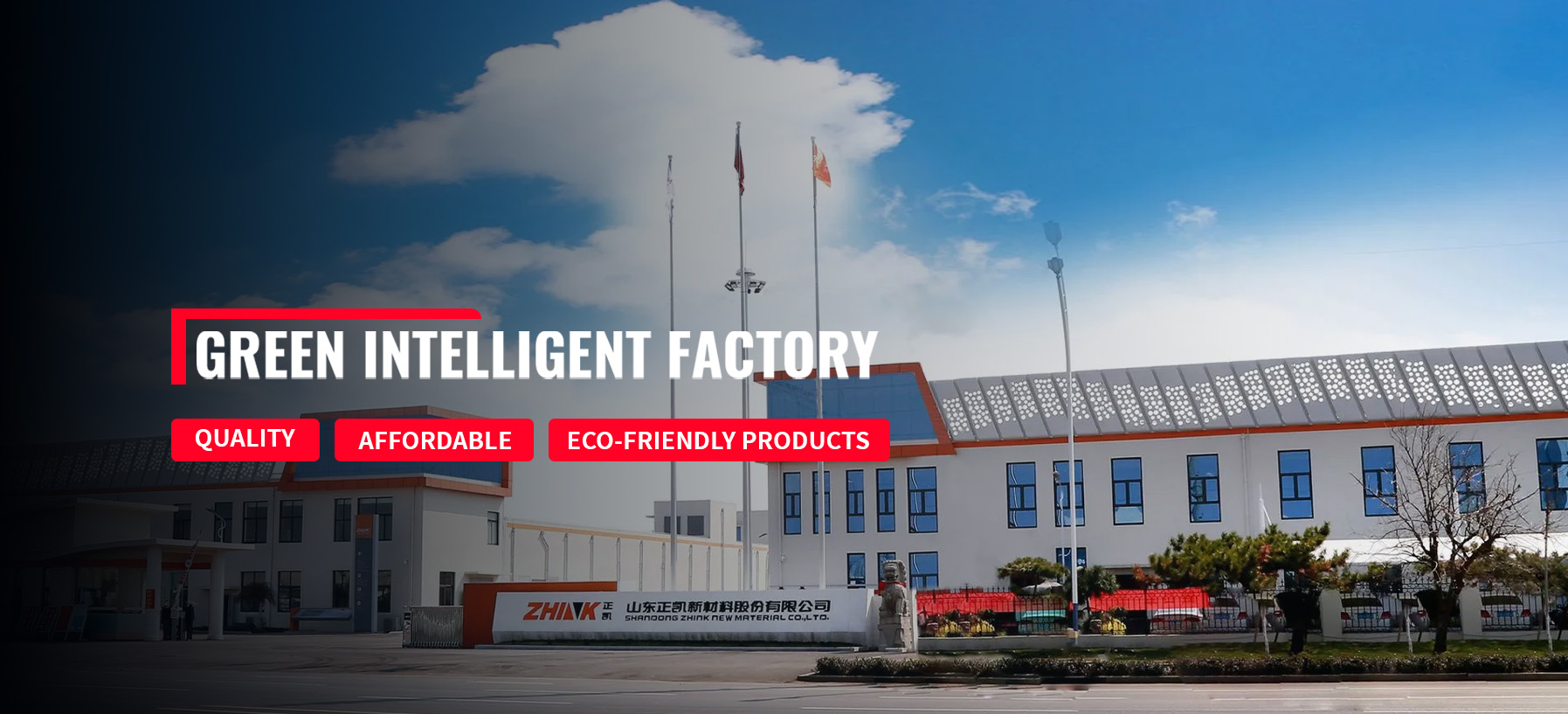
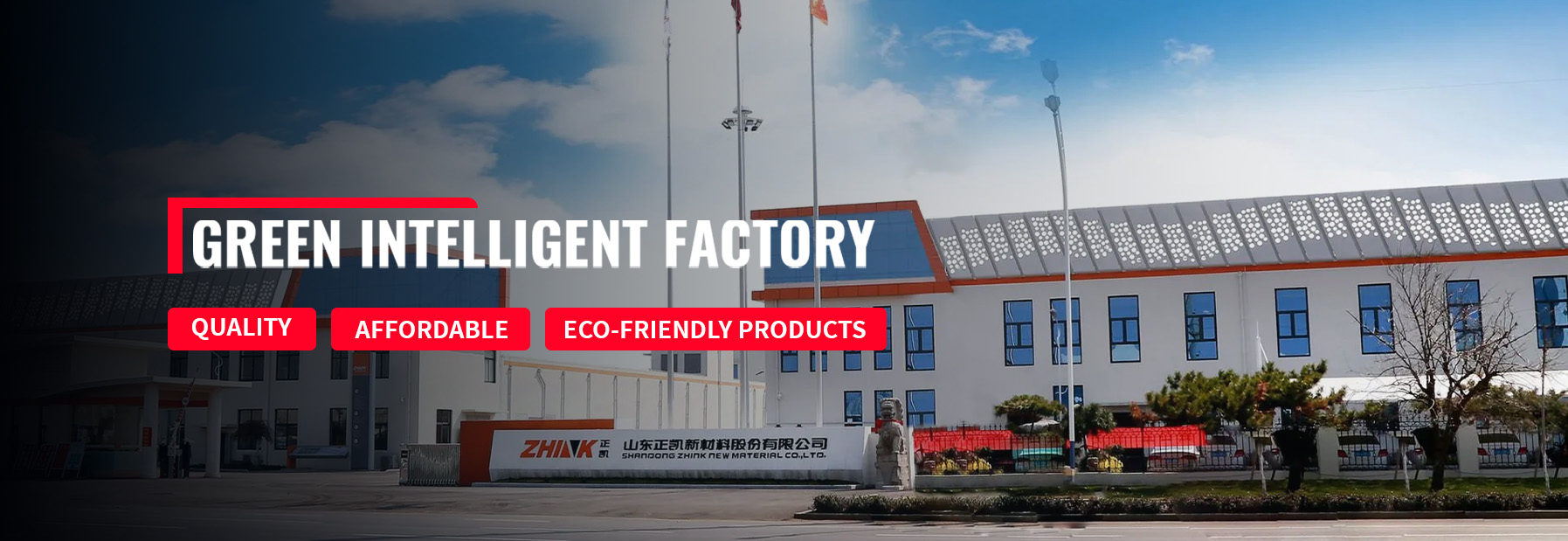
At SHANDONG ZHINK NEW MATERIAL CO., LTD, where we specialize in new textile materials (you can learn more about us at our website), achieving consistency with this blend requires precise calibration and a keen eye for quality control.
The Environmental Debate: Is 65/35 Truly Green?
Using bamboo certainly brings an eco-friendly aspect to the yarn, due to its rapid growth and minimal resource requirements. Yet, there’s always a debate—does the presence of 65% polyester negate those benefits? It's a question worth pondering.
From an environmental perspective, it's a compromise. On one hand, polyester ensures durability, potentially reducing the frequency of replacement. On the other hand, the petrochemical origins of polyester can’t be overlooked. From my hands-on experience, educating clients about these nuances is crucial for informed decision-making.
In practice, discussing the production process and raw material sourcing at gatherings or industry fairs often reveals differing opinions. It sometimes feels like walking a fine line between innovation and tradition, sustainability and performance.
The Practical Performance of Polyester/Bamboo Blend
A common question in practice is how this blend performs in real-world applications. I’ve found that its popularity stems from its versatility—a balance that caters well to home textiles, apparel, and other fabric uses.
One noticeable advantage of this blend is its breathability, which can often surprise first-time users. The bamboo component offers natural moisture-wicking properties, while polyester enhances durability. It's a combination that works particularly well in activewear, where performance matters.
However, issues occasionally arise with dye uptake. While polyester tends to hold color brilliantly, bamboo's natural fibers can sometimes lead to uneven coloration. Anticipating such challenges early on remains an essential aspect of the job.
Challenges in Yarn Production: A Behind-the-Scenes Look
Behind every spool of polyester/bamboo 65/35 yarn, there’s a story of trial and error, especially when refining production techniques. During my time in the industry, a notable challenge has been less about technology and more about finding skilled operators who understand these unique fibers.
At SHANDONG ZHINK NEW MATERIAL CO., LTD, we’ve emphasized training to bridge this gap. Developing expertise in merging these fibers—especially in maintaining texture and quality—has been paramount.
Mitigating static buildup, a notorious problem with polyester, requires precise environmental control during yarn production. Small adjustments in humidity levels can make significant differences, highlighting the importance of oversight in all production phases.
Market Trends and Future Outlook
The market for this yarn blend seems to be evolving steadily. Recent industry data indicates an uptick in demand, particularly in markets emphasizing sustainability without entirely sacrificing performance. It's a trend that aligns well with the ethos at SHANDONG ZHINK NEW MATERIAL CO., LTD.
Innovative uses, like incorporating recycled polyester to enhance the sustainability factor of the yarn, are gaining traction. This pivot towards greener alternatives coincides with broader industry movements towards eco-consciousness.
In wrapping up, while the combination of polyester and bamboo in a 65/35 yarn blend poses its share of challenges, these also bring opportunities for innovation and development. The path ahead looks promising and filled with potential for those willing to delve deeper into the craft.
Related Products
Related Products