
+86-632-3621866
- Chinese
- French
- German
- Portuguese
- Spanish
- Russian
- Japanese
- Korean
- Arabic
- Irish
- Greek
- Turkish
- Italian
- Danish
- Romanian
- Indonesian
- Czech
- Afrikaans
- Swedish
- Polish
- Basque
- Catalan
- Esperanto
- Hindi
- Lao
- Albanian
- Amharic
- Armenian
- Azerbaijani
- Belarusian
- Bengali
- Bosnian
- Bulgarian
- Cebuano
- Chichewa
- Corsican
- Croatian
- Dutch
- Estonian
- Filipino
- Finnish
- Frisian
- Galician
- Georgian
- Gujarati
- Haitian
- Hausa
- Hawaiian
- Hebrew
- Hmong
- Hungarian
- Icelandic
- Igbo
- Javanese
- Kannada
- Kazakh
- Khmer
- Kurdish
- Kyrgyz
- Latin
- Latvian
- Lithuanian
- Luxembou..
- Macedonian
- Malagasy
- Malay
- Malayalam
- Maltese
- Maori
- Marathi
- Mongolian
- Burmese
- Nepali
- Norwegian
- Pashto
- Persian
- Punjabi
- Serbian
- Sesotho
- Sinhala
- Slovak
- Slovenian
- Somali
- Samoan
- Scots Gaelic
- Shona
- Sindhi
- Sundanese
- Swahili
- Tajik
- Tamil
- Telugu
- Thai
- Ukrainian
- Urdu
- Uzbek
- Vietnamese
- Welsh
- Xhosa
- Yiddish
- Yoruba
- Zulu
- Kinyarwanda
- Tatar
- Oriya
- Turkmen
- Uyghur


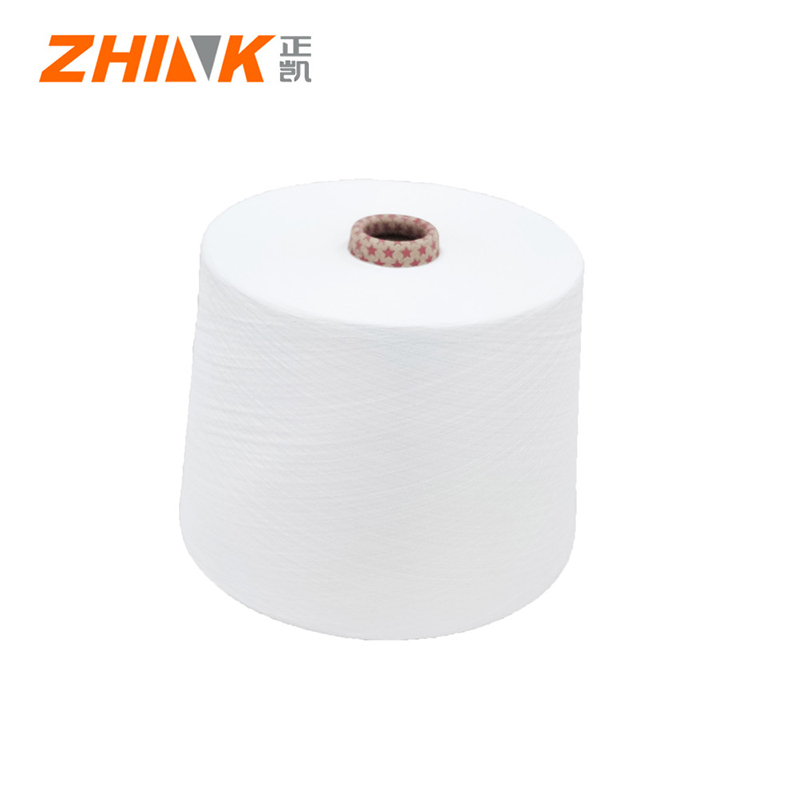
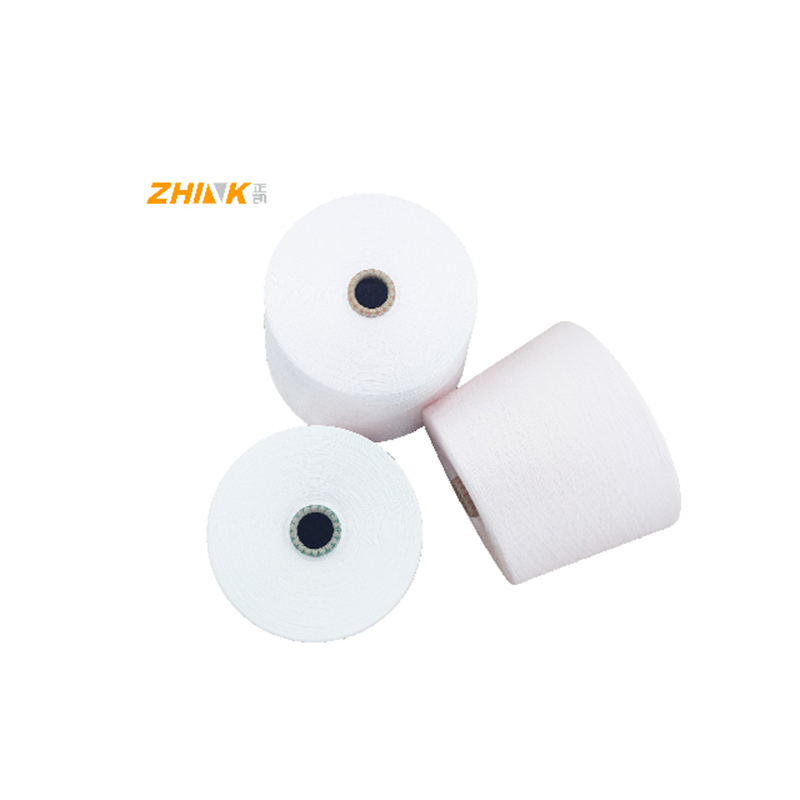
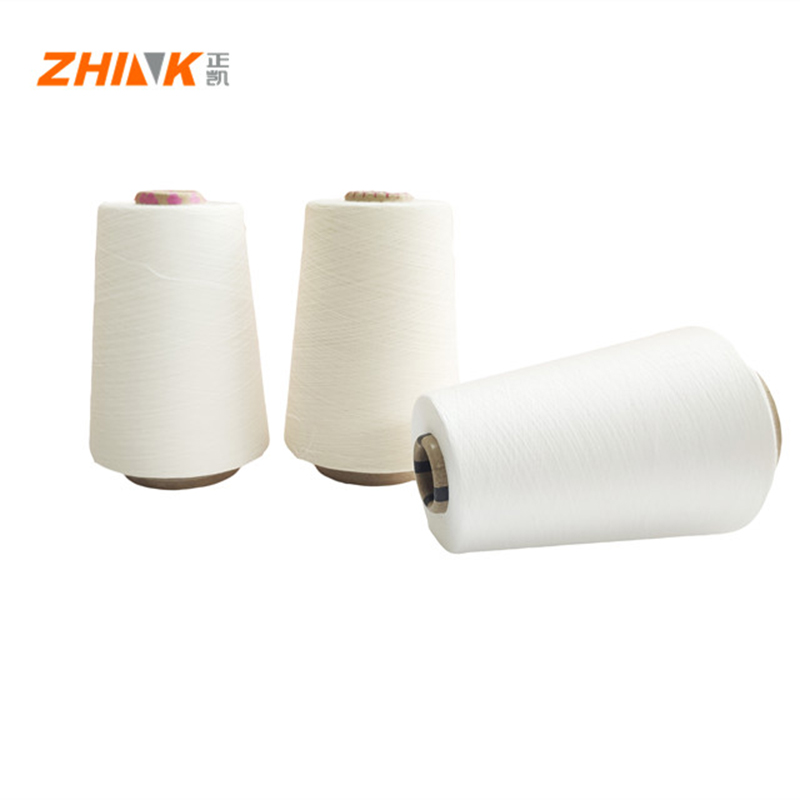
polyester/bamboo 70/30 yarn
Exploring Polyester/Bamboo 70/30 Yarn: A Modern Textile Fusion
The blend of polyester/bamboo 70/30 yarn is carving a niche in the textile industry, drawing attention for its unique properties. But what makes this blend so intriguing, and why are experts and manufacturers like SHANDONG ZHINK NEW MATERIAL CO., LTD turning to it? Let's delve a little deeper, moving beyond the surface hype.
The Allure of the Blend
When you first hear of polyester/bamboo 70/30 yarn, it’s easy to wonder: why mix synthetic with natural fibers? The answer lies in the inherent benefits each brings to the table. Polyester offers durability and strength, while bamboo contributes a soft, luxurious feel. The combination aims to capture the best of both worlds.
In my early experiences working with this blend, I was skeptical. The initial feedback from clients often centered around doubts about how 'natural' it felt. Interestingly, once they felt the fabric, many were surprised by its comfort. Turns out, bamboo’s natural softness isn't overshadowed by the polyester.
However, achieving this balance is no accident. It requires precise control during the manufacturing process. Companies like Zhink New Material are constantly innovating, blending just the right amounts to maintain quality. They specialize in new textile materials that leverage these types of innovations.
Advantages in Wear and Tear
From a practical standpoint, one cannot ignore the advantages of polyester's resilience. If you're looking at textiles for high-use environments, this blend makes a compelling case. I've seen it hold up impressively under conditions that would challenge pure bamboo fabrics, maintaining both appearance and structure.
There's also the issue of maintenance. Many buyers appreciate how easily this blend can be washed, retaining its color and texture over time. It’s a selling point I’ve emphasized in discussions with industry partners.
But it's not without hiccups. One customer shared how, unexpectedly, a batch had shrinkage issues. After a quality check, it appeared the problem lay in a specific production oversight—an uncommon but valuable lesson that reminds us of the importance of maintaining stringent quality controls.
Your Eco-Friendly Choice?
The bamboo component is often touted for its eco-friendliness. Quick aside: bamboo grows rapidly and needs less water than conventional cotton, which is a significant environmental plus.
However, when you factor in the polyester, the conversation gets complicated. There’s a dichotomy here, balancing sustainability with performance. Many suppliers, including those I've worked with, acknowledge this and aim to innovate around reducing environmental footprints.
At SHANDONG ZHINK NEW MATERIAL CO., LTD, as found on their website, the research and development teams are keenly aware of these challenges. They focus on pushing the envelope, seeking greener production methods while keeping the quality high. Their site, zhinkyarn.com, offers more insights.
Diverse Applications
This yarn isn’t just limited to clothing. I’ve had the opportunity to witness its versatility firsthand. In home textiles, for instance, it’s finding a foothold thanks to its unique texture and durability. Table covers, drapes, and even upholstery are starting to utilize this blend.
In a recent project, I advised a start-up exploring eco-friendly furniture. They were fascinated by how the yarn could mimic a natural look, yet withstand wear and tear. It's a testament to how traditional ideas in textiles are evolving.
Despite its potential, it’s crucial to match the yarn to the right applications. Going too niche can be risky—market trends change. It's about understanding the capabilities and limits, leveraging them appropriately.
Future Considerations
Looking ahead, the story isn't just about the yarn itself. It’s about how innovations in textile blends will continue shaping industry trends. What will the future hold for polyester/bamboo 70/30 yarn? There's boundless potential in honing eco-friendly practices and performance.
One challenge is ensuring consistent quality in mass production, something SHANDONG ZHINK NEW MATERIAL CO., LTD actively tackles. Their strategic focus on research and development ensures they stay at the forefront of breakthroughs.
From firsthand experience, I’ve seen how experimenting and iterating with materials like this blend can lead to paths previously unexplored. For textile professionals, keeping an eye on these emerging materials is not just wise, it's essential. It’s about crafting products that meet modern demands while nodding toward sustainability—a narrative still being written, and read with interest worldwide.
Related Products
Related Products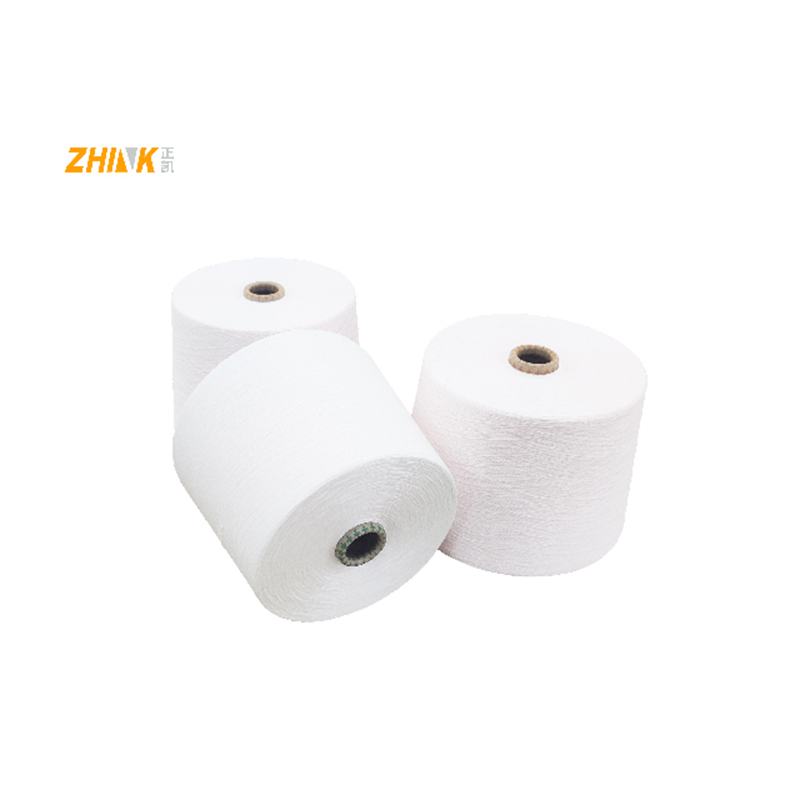


Best Selling Products
Best Selling Products
Related Search
Related Search- Recycled polyester/Modal 70/30 yarn
- Flame retardant acrylic/viscose blended yarn
- pure Lyocell yarn
- 100% Flame retardant acrylic siro compact
- Bulk acrylic /viscose blended yarn
- 100% viscose vortex
- 100% Flame retardant acrylic siro
- 25S/1 CDP/R SIRO
- Silk blended yarn for knitting
- Flame retardant acrylic TFO yarn