+86-632-3621866
- Chinese
- French
- German
- Portuguese
- Spanish
- Russian
- Japanese
- Korean
- Arabic
- Irish
- Greek
- Turkish
- Italian
- Danish
- Romanian
- Indonesian
- Czech
- Afrikaans
- Swedish
- Polish
- Basque
- Catalan
- Esperanto
- Hindi
- Lao
- Albanian
- Amharic
- Armenian
- Azerbaijani
- Belarusian
- Bengali
- Bosnian
- Bulgarian
- Cebuano
- Chichewa
- Corsican
- Croatian
- Dutch
- Estonian
- Filipino
- Finnish
- Frisian
- Galician
- Georgian
- Gujarati
- Haitian
- Hausa
- Hawaiian
- Hebrew
- Hmong
- Hungarian
- Icelandic
- Igbo
- Javanese
- Kannada
- Kazakh
- Khmer
- Kurdish
- Kyrgyz
- Latin
- Latvian
- Lithuanian
- Luxembou..
- Macedonian
- Malagasy
- Malay
- Malayalam
- Maltese
- Maori
- Marathi
- Mongolian
- Burmese
- Nepali
- Norwegian
- Pashto
- Persian
- Punjabi
- Serbian
- Sesotho
- Sinhala
- Slovak
- Slovenian
- Somali
- Samoan
- Scots Gaelic
- Shona
- Sindhi
- Sundanese
- Swahili
- Tajik
- Tamil
- Telugu
- Thai
- Ukrainian
- Urdu
- Uzbek
- Vietnamese
- Welsh
- Xhosa
- Yiddish
- Yoruba
- Zulu
- Kinyarwanda
- Tatar
- Oriya
- Turkmen
- Uyghur



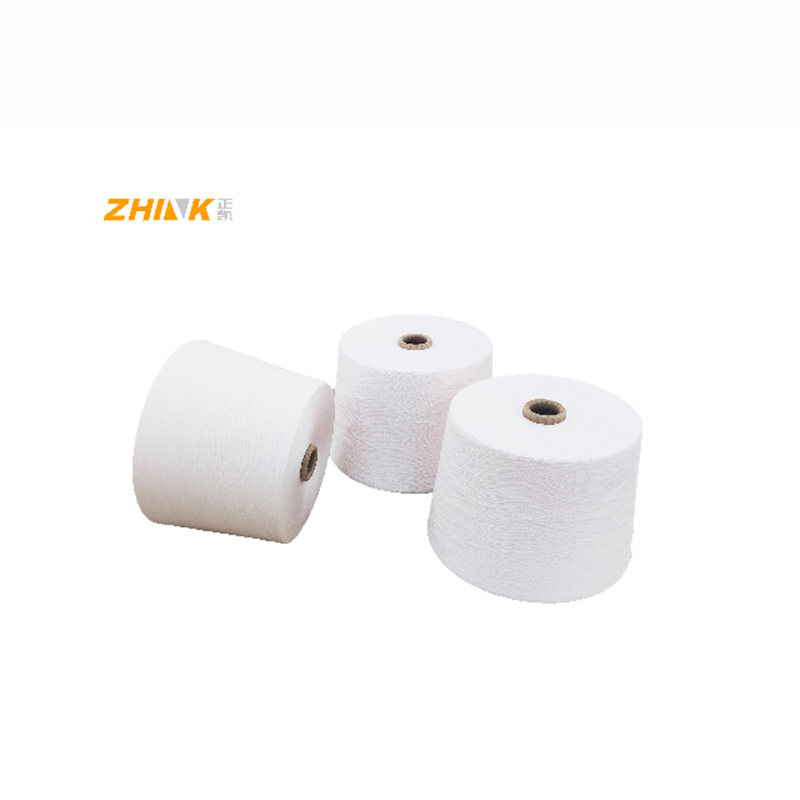
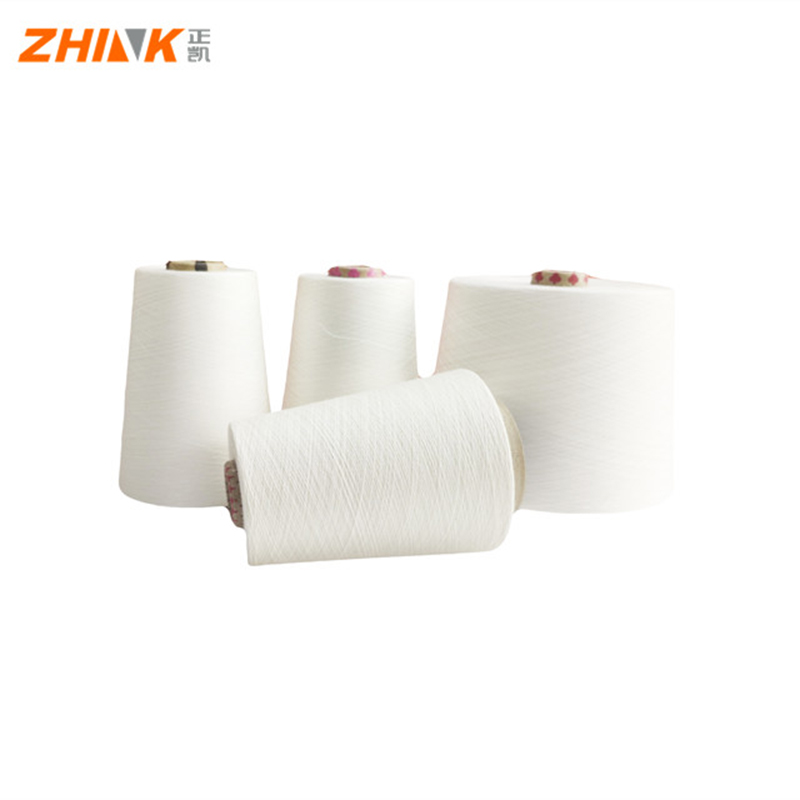
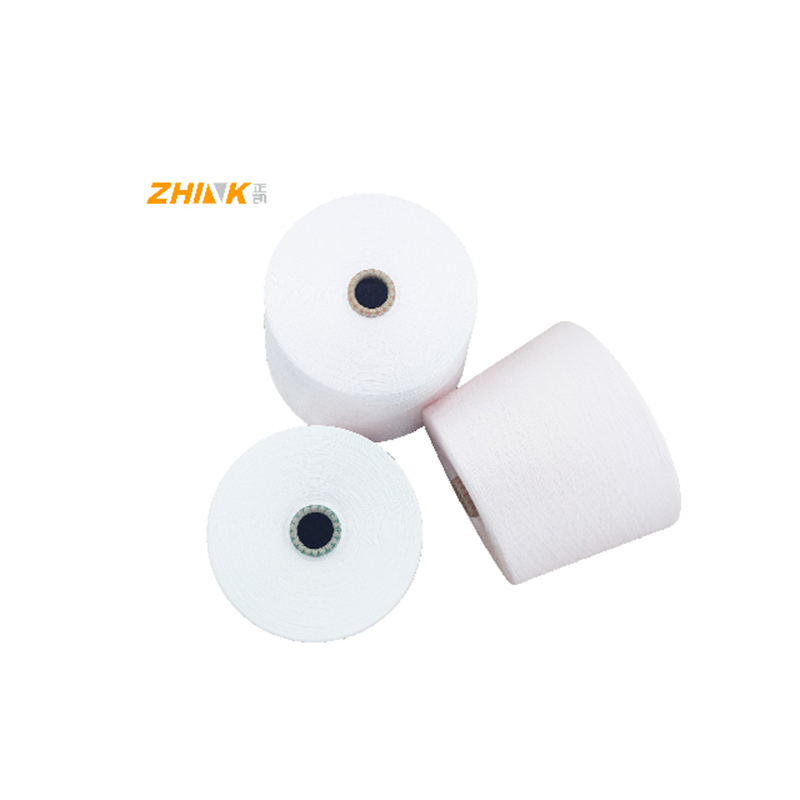
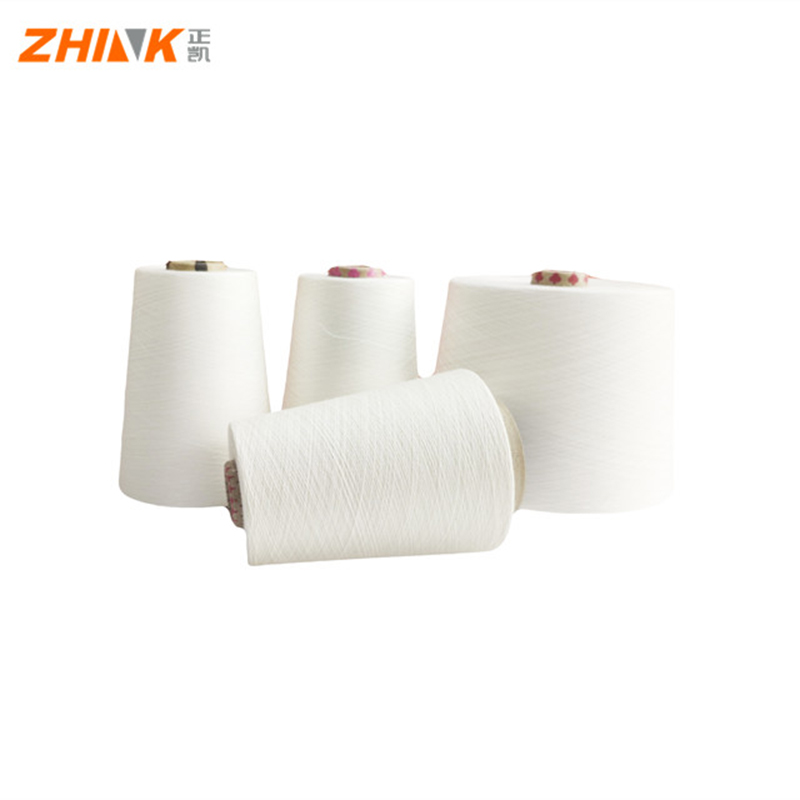
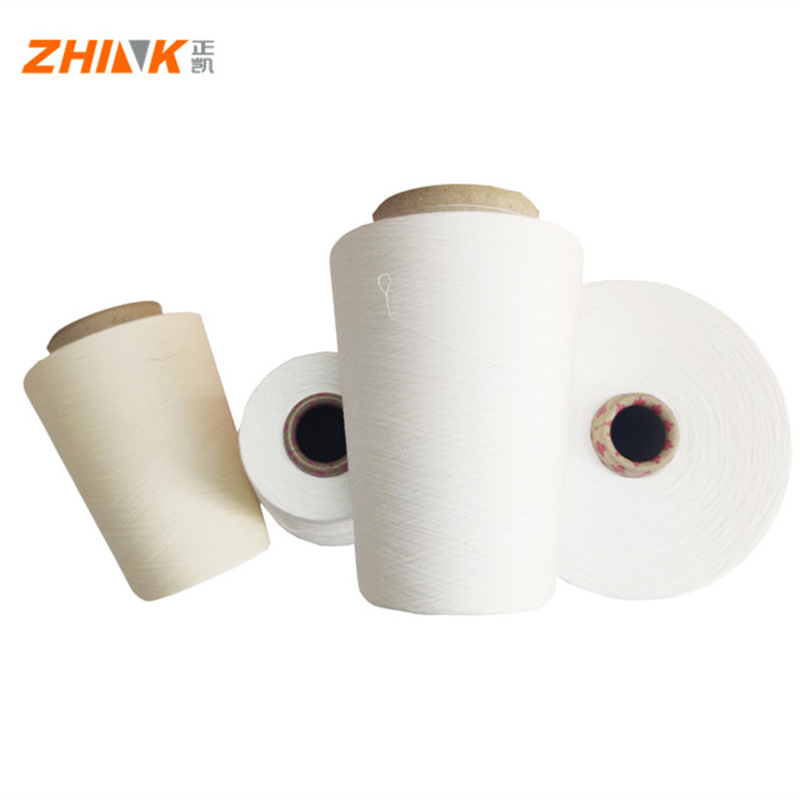
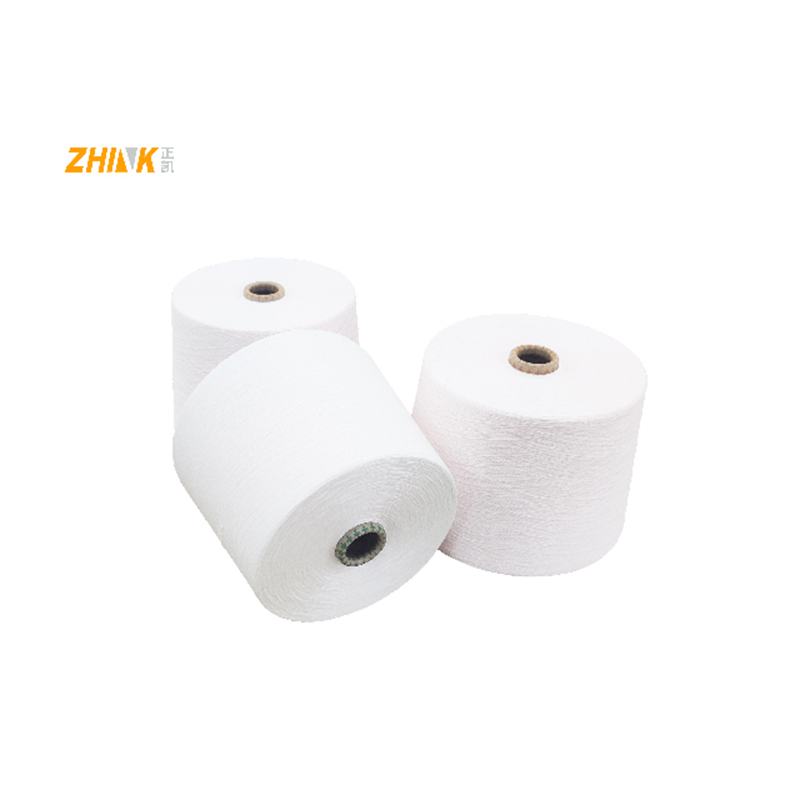
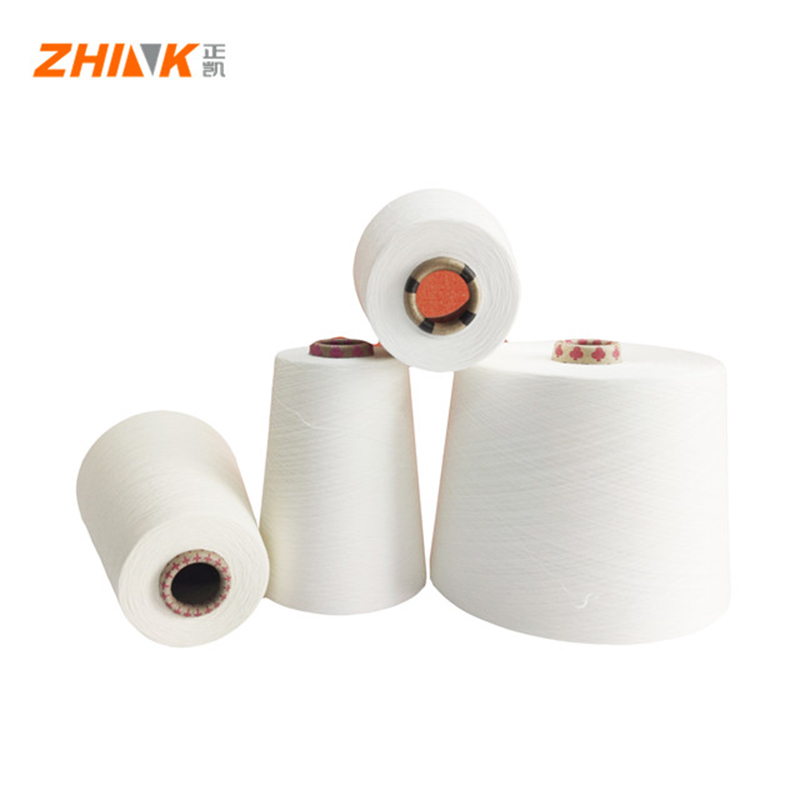
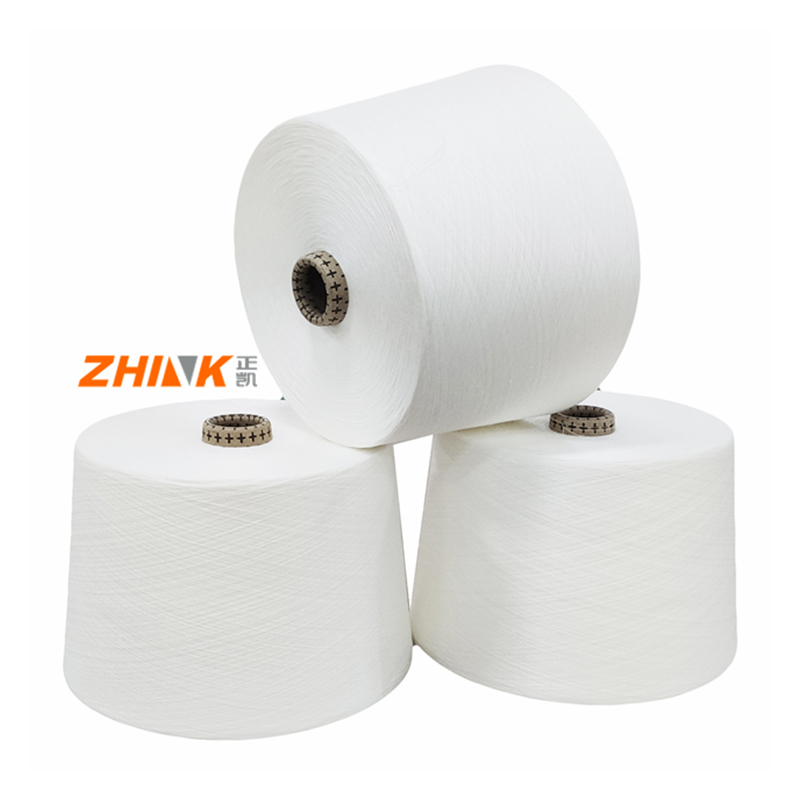
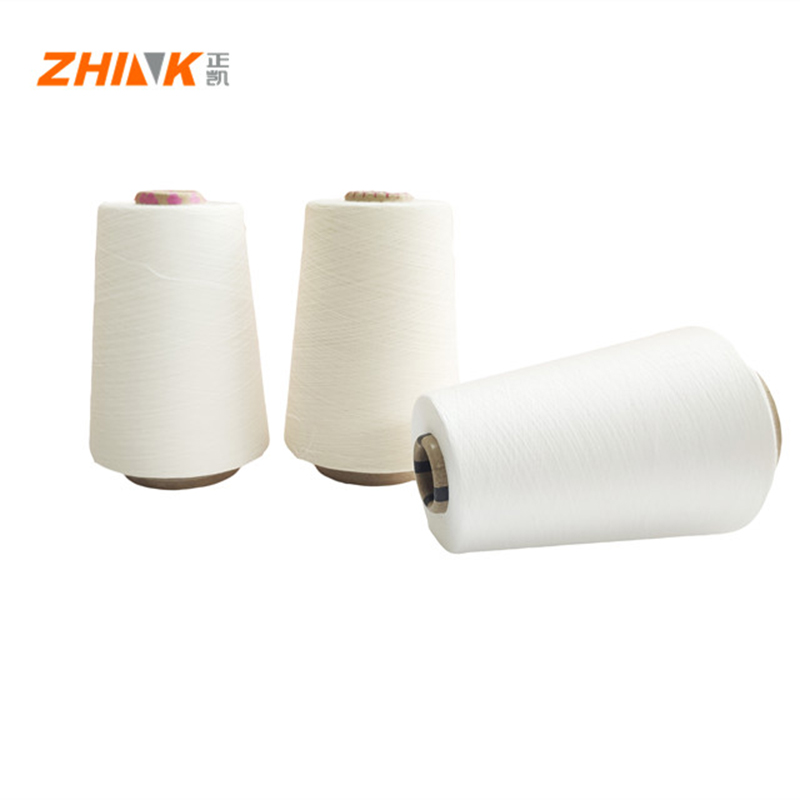
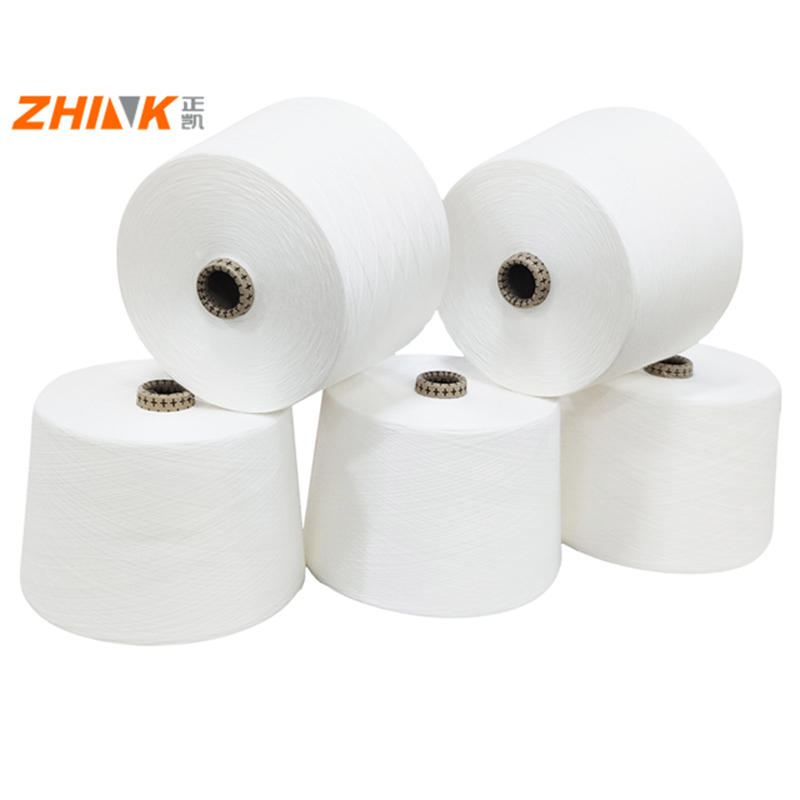
polyester/bamboo 80/20 yarn
The Intricacies and Applications of Polyester/Bamboo 80/20 Yarn
Diving into the realm of textile materials, especially when discussing blends like polyester/bamboo 80/20 yarn, is often baffling without being on the ground. The allure of this blend lies in its promising combination of durability and sustainability, yet misconceptions abound. Is it as eco-friendly as believed? How does it perform under various conditions? Having been through the thick of this industry, I'll share insights that might shift your perspective a bit.
A Curious Blend: Polyester and Bamboo
The notion of blending polyester with bamboo fibers is intriguing. On paper, it sounds like a harmonious marriage of the synthetic and the natural—polyester bringing durability and bamboo offering a soft, eco-friendly touch. But the reality can be far more complex. Working with these materials, one quickly discovers that achieving the perfect blend involves balancing conflicting properties. For instance, polyester's resilience can overpower bamboo's natural feel if not mixed thoughtfully. SHANDONG ZHINK NEW MATERIAL CO., LTD has ventured into mastering this blend, exploring its production nuances.
Bamboo fiber's sustainability advantage is often emphasized, however, the processing involved can alter its green credentials. It's a point of contention: does the 20% bamboo in the blend justify environmental claims? In practice, it's critical to delve into not just the end product's makeup but also the production process. Here, our partners and suppliers often play a pivotal role in ensuring the processes align with sustainability goals.
Performance-wise, this yarn heralds flexibility and breathability, albeit with caveats in areas such as moisture-wicking. When tested in different climates, feedback varied significantly. For instance, in humid conditions, the yarn's inherent breathability was a boon, but less so in arid settings where moisture retention became a minor issue.
The Manufacturing Dilemma
Engaging in the production of polyester/bamboo 80/20 yarn reveals numerous challenges, something our team at SHANDONG ZHINK NEW MATERIAL CO., LTD grapples with regularly. Bamboo can be a demanding material during spinning, prone to breakage if processes aren’t precisely managed. We've had our share of test batches where unexpected breakpoints required swift adjustments. It's a constant learning curve.
Consistency in product quality is another hurdle. Each batch might yield slight variations, influenced by factors as varied as the humidity in the manufacturing facility or the specific batch of bamboo pulp used. Hence, quality control doesn't just rest on machinery—it’s about experienced hands recognizing subtle differences.
Through this iterative process, we've learned to adapt, refining techniques that enhance yarn characteristics while minimizing waste. It’s a delicate balance between retaining the desired properties and optimizing production efficiency, ensuring market competitiveness.
The Market Perspective
It's one thing to produce this yarn, another to market it effectively. Questions frequently arise from prospective clients: how does this blend stack against pure alternatives? From discussions with buyers, it's evident that they value the softness and durability but often require reassurance regarding the blend's environmental impact. It underscores the importance of transparency.
We often address these concerns by highlighting the rigorous standards followed during production and the sustainability efforts inherent in our processes. Demonstrating this has been essential in aligning with consumer expectations, especially given the current textile market dynamics.
The feedback loop from customers is invaluable. Through platforms like our website, https://www.zhinkyarn.com, we engage in ongoing dialogue, tweaking our approaches based on user experiences. It's a dynamic space where adaptation leads to innovation.
Applications and Innovations
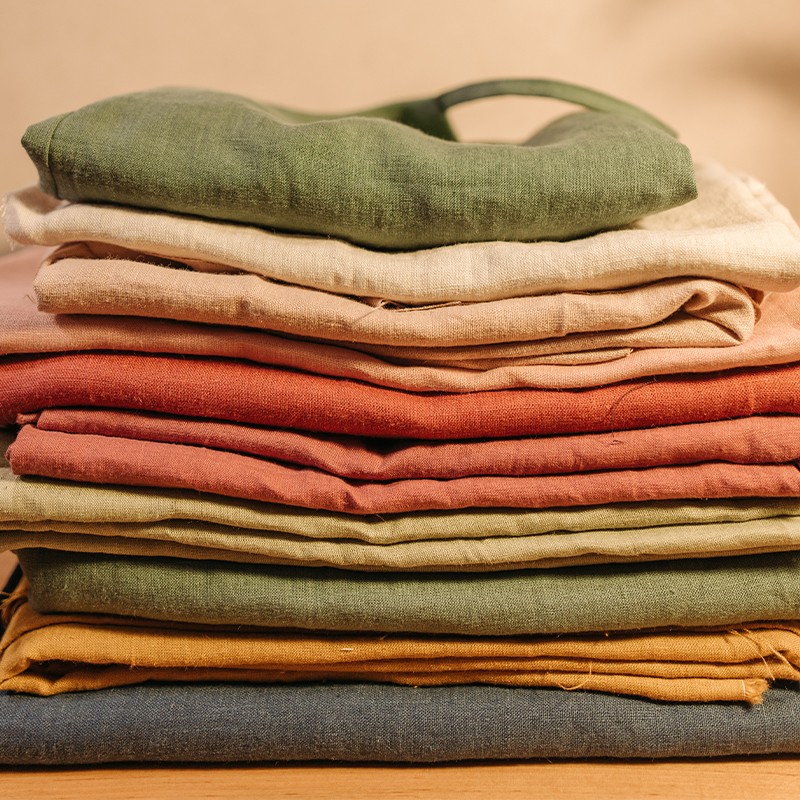
So, where does this yarn fit in the grand scheme of things? Its versatility finds applications in fashion, home textiles, and outdoor fabrics, where both durability and comfort are valued. Designing products requires understanding context and user needs—something our team consistently explores.
The innovation road is never-ending. We're continually testing hybrid approaches, experimenting with variations in the polyester-to-bamboo ratio to see how shifts impact performance. These trials and errors pave the way for breakthroughs, breathing new life into traditional applications and suggesting novel ones.
Moreover, considering omnichannel retail ecosystems, there's potential for polyester/bamboo 80/20 yarn to redefine product categories. Of course, success hinges not just on product development but technical marketing, educating the market about benefits versus conventional materials.
Looking Forward
In sum, working with polyester/bamboo 80/20 yarn offers a window into the future of textiles: a blend of tradition and innovation. There’s no denying the challenges, but they’re what make the journey compelling. It's about pushing boundaries while staying rooted in practical realities.
At SHANDONG ZHINK NEW MATERIAL CO., LTD, we see this as an evolving story. Each new development, each customer feedback loop, and each process refinement contributes a page. As the markets mature and eco-consciousness grows, the relevance of this yarn blend will undoubtedly escalate.
Whether you’re in the textile field or a curious observer, understanding the nuances of such materials offers valuable insight—not just about textiles but the broader narrative of sustainable innovation.
Related Products
Related Products