+86-632-3621866
- Chinese
- French
- German
- Portuguese
- Spanish
- Russian
- Japanese
- Korean
- Arabic
- Irish
- Greek
- Turkish
- Italian
- Danish
- Romanian
- Indonesian
- Czech
- Afrikaans
- Swedish
- Polish
- Basque
- Catalan
- Esperanto
- Hindi
- Lao
- Albanian
- Amharic
- Armenian
- Azerbaijani
- Belarusian
- Bengali
- Bosnian
- Bulgarian
- Cebuano
- Chichewa
- Corsican
- Croatian
- Dutch
- Estonian
- Filipino
- Finnish
- Frisian
- Galician
- Georgian
- Gujarati
- Haitian
- Hausa
- Hawaiian
- Hebrew
- Hmong
- Hungarian
- Icelandic
- Igbo
- Javanese
- Kannada
- Kazakh
- Khmer
- Kurdish
- Kyrgyz
- Latin
- Latvian
- Lithuanian
- Luxembou..
- Macedonian
- Malagasy
- Malay
- Malayalam
- Maltese
- Maori
- Marathi
- Mongolian
- Burmese
- Nepali
- Norwegian
- Pashto
- Persian
- Punjabi
- Serbian
- Sesotho
- Sinhala
- Slovak
- Slovenian
- Somali
- Samoan
- Scots Gaelic
- Shona
- Sindhi
- Sundanese
- Swahili
- Tajik
- Tamil
- Telugu
- Thai
- Ukrainian
- Urdu
- Uzbek
- Vietnamese
- Welsh
- Xhosa
- Yiddish
- Yoruba
- Zulu
- Kinyarwanda
- Tatar
- Oriya
- Turkmen
- Uyghur


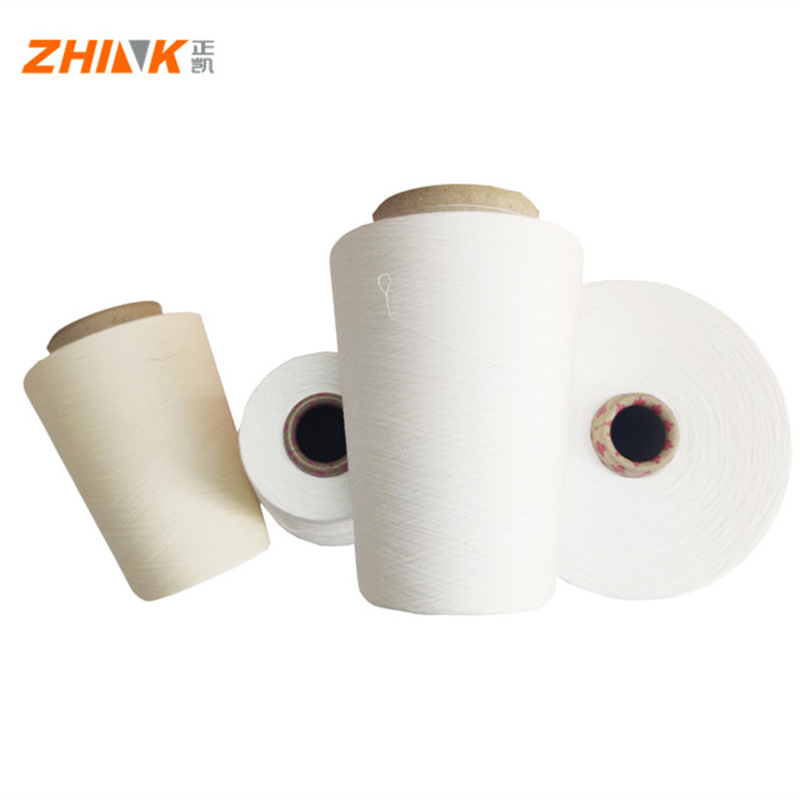
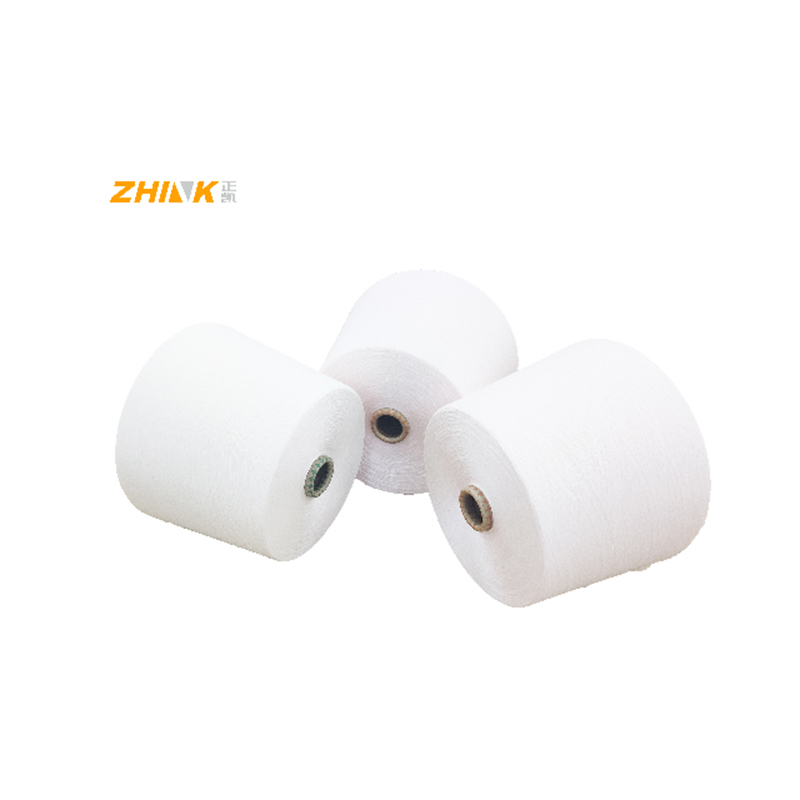
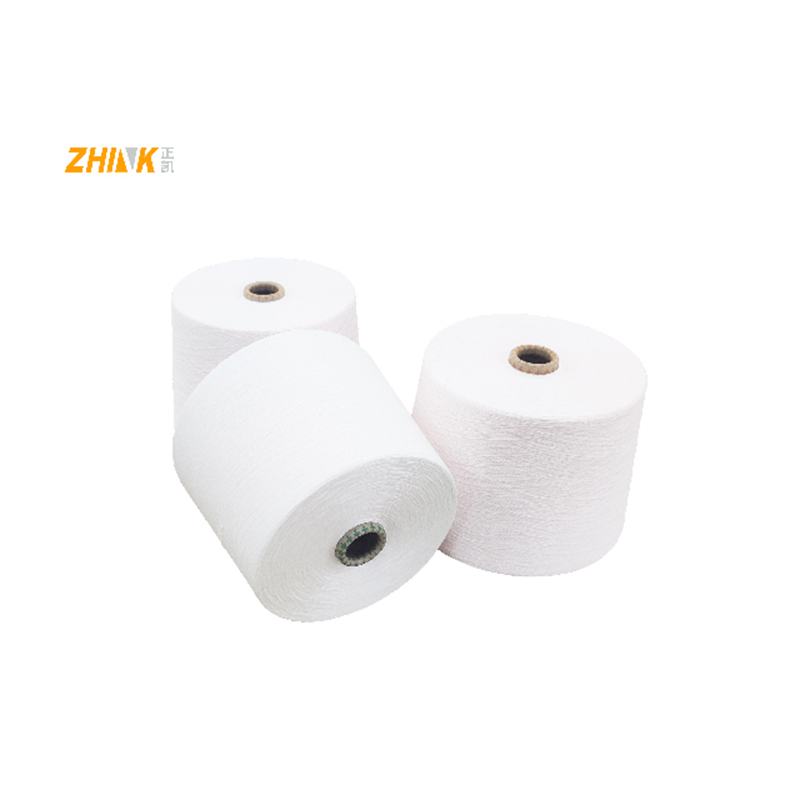
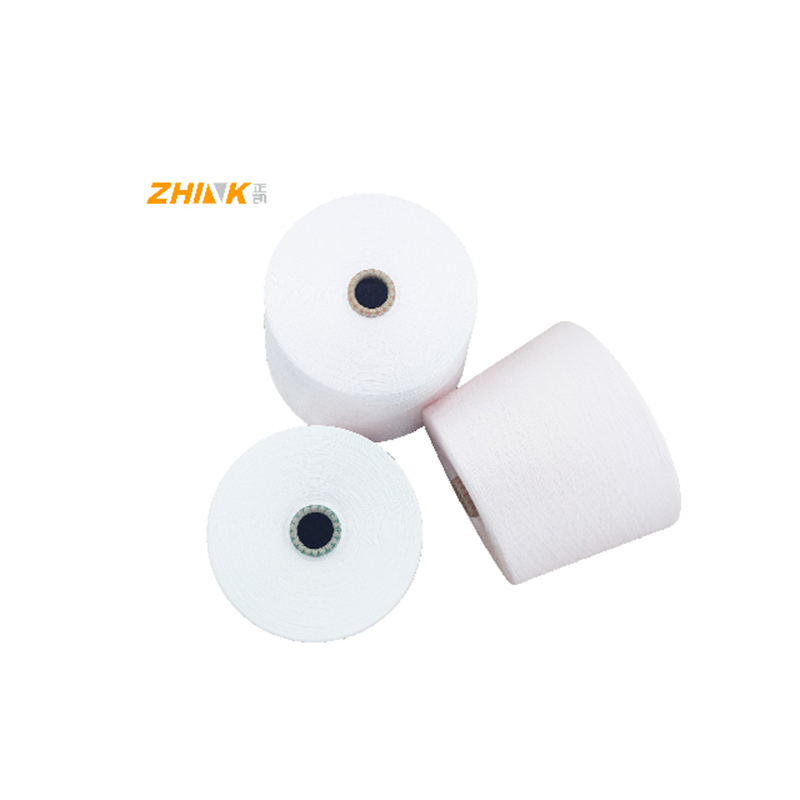
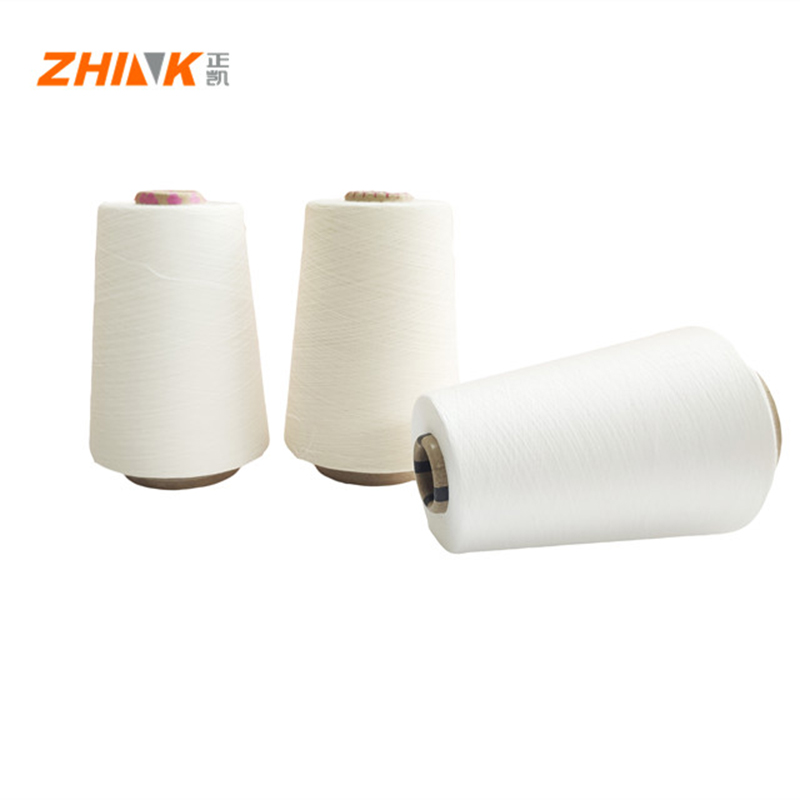
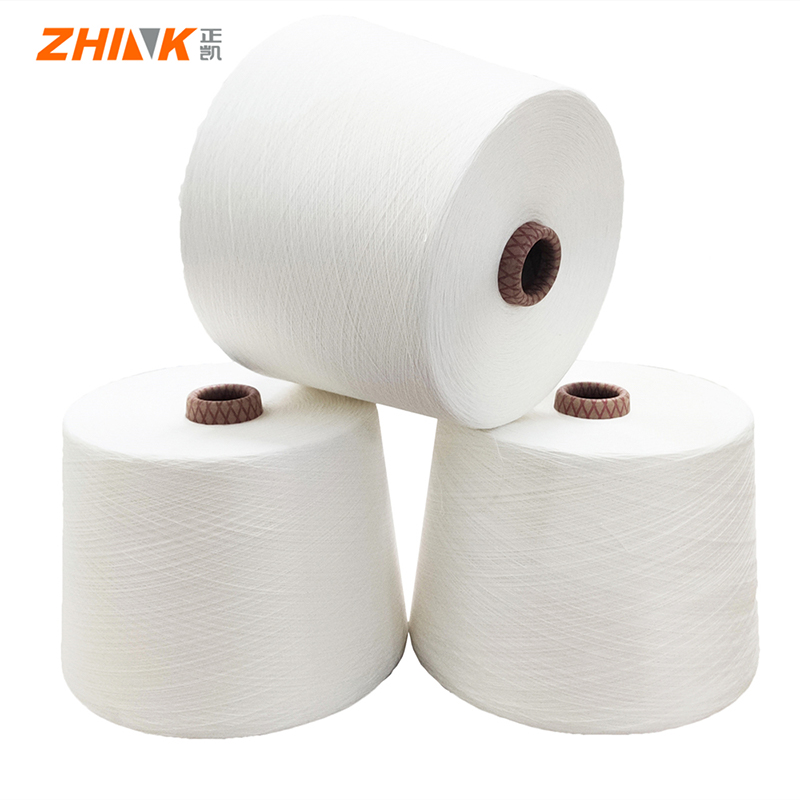
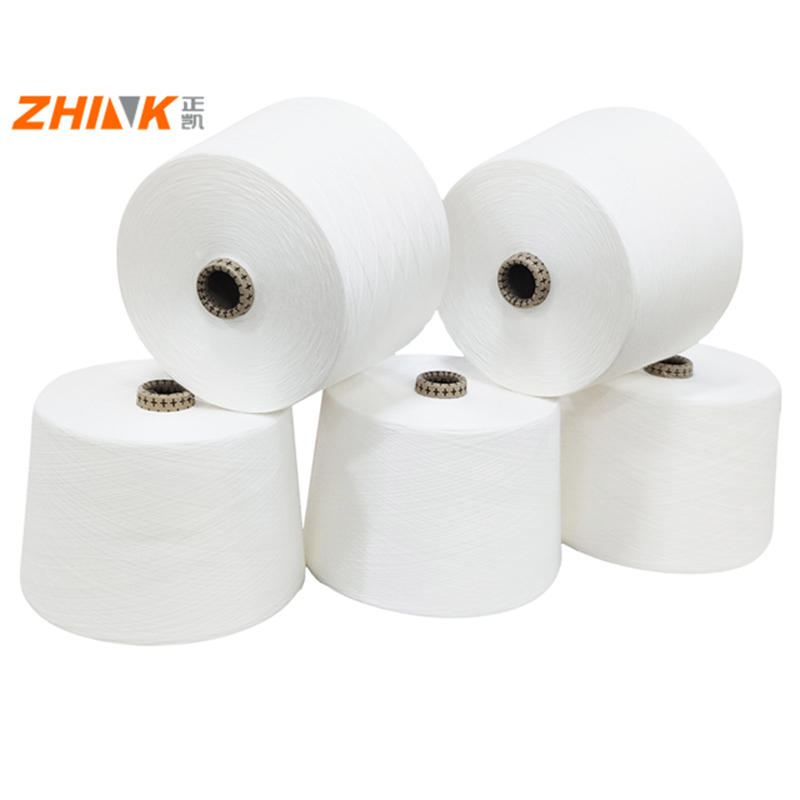
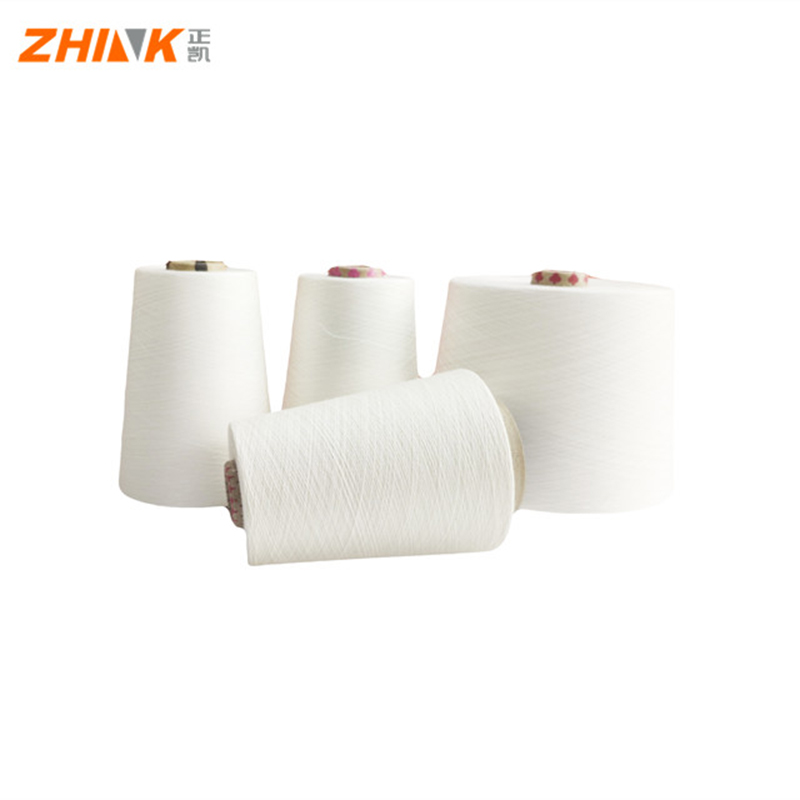
polyester/bamboo blended yarn
Exploring the Versatility of Polyester/Bamboo Blended Yarn
Polyester/Bamboo blended yarn has seen a surge in popularity as textile manufacturers and designers seek sustainable, functional materials. Often praised for combining strength with eco-friendly qualities, this blend offers a unique set of challenges and opportunities. Let's delve into the real-world experience of working with this material.
Understanding the Basics of Blended Yarns
The first thing to clarify is the purpose of blending polyester with bamboo fibers. Polyester is renowned for its durability, elasticity, and resistance to wrinkles and shrinking. On the other hand, bamboo fibers are prized for their softness, breathability, and biodegradable nature. When blended, these fibers bring the best of both worlds, making the yarn versatile for various applications.
However, it's not always straightforward. For instance, getting the right ratio in the blend can be tricky. Too much polyester might negate the ecological benefits of bamboo, while too much bamboo could compromise the yarn's durability. In my experience, a 60/40 or 70/30 polyester to bamboo ratio often hits the sweet spot, providing a good balance of strength and softness.
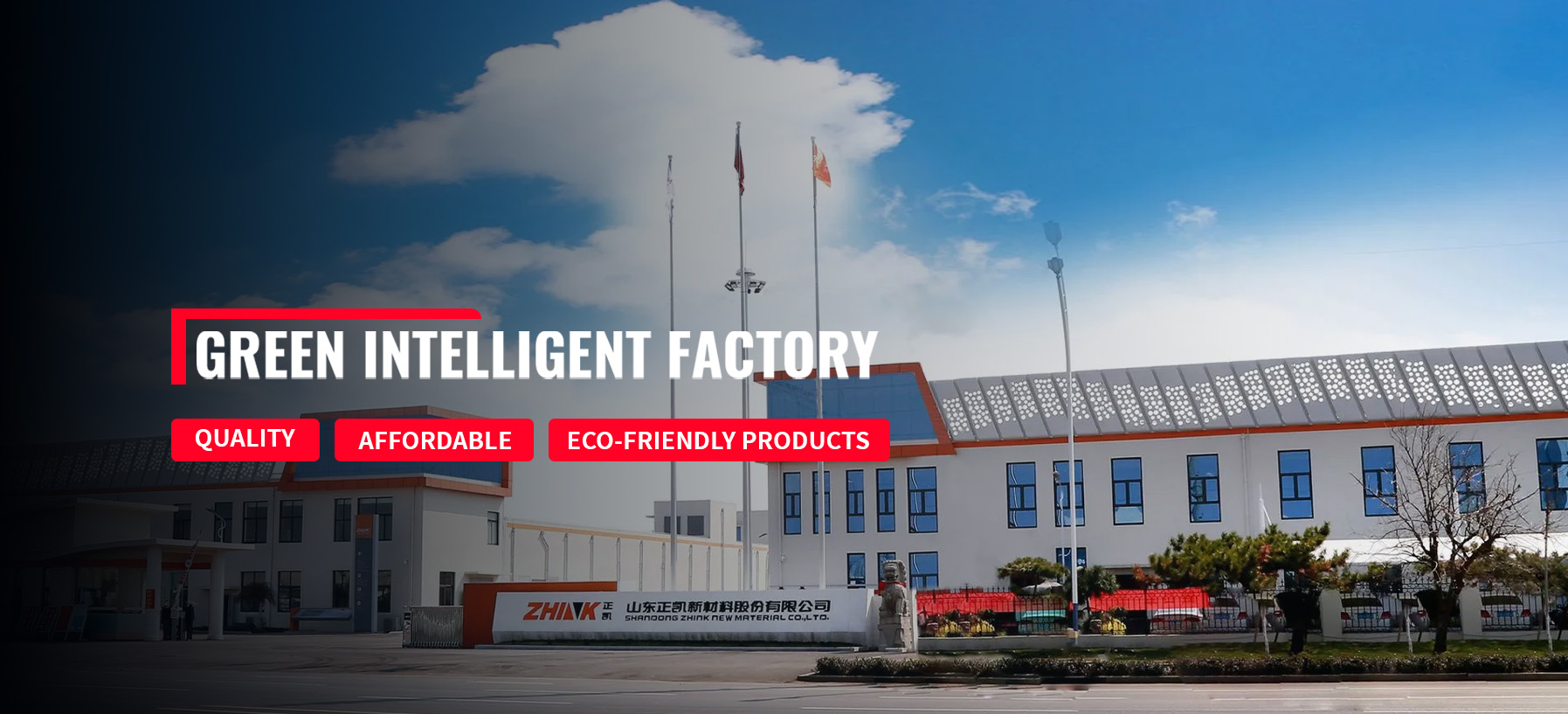
Working at SHANDONG ZHINK NEW MATERIAL CO., LTD, we frequently explore these ratios to meet different textile needs. Our focus on new textile materials allows us to innovate while ensuring the quality and sustainability of the products.
Key Attributes and Market Applications
One surprising aspect I've discovered is the blended yarn’s temperature regulation properties. Bamboo fibers naturally have thermal regulation characteristics, which means fabrics can feel cooler in summer and warmer in winter. This feature significantly enhances the consumer appeal for everyday clothing, especially in fluctuating climates.
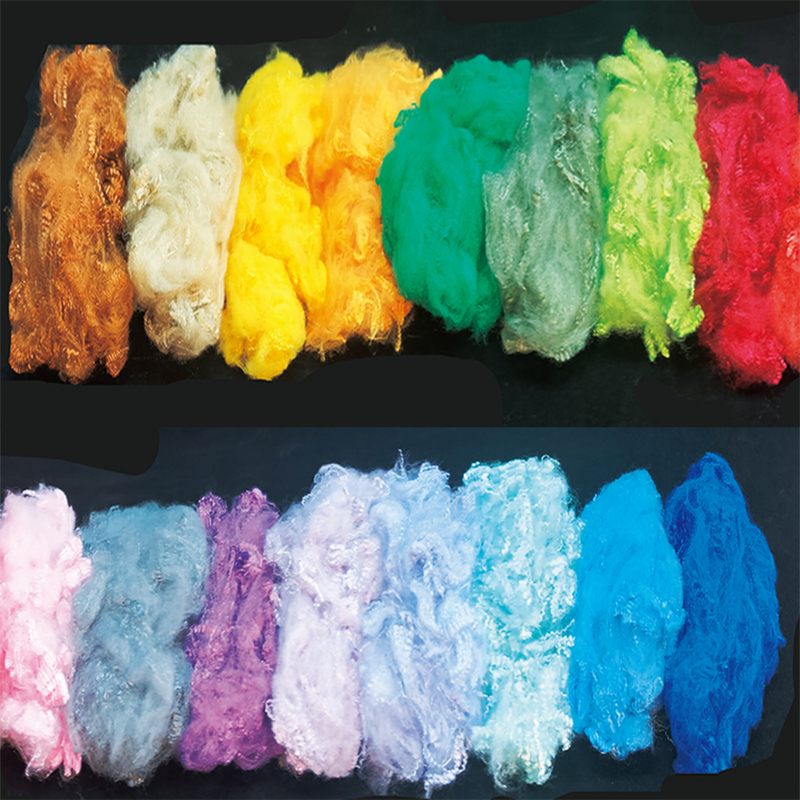
Moreover, from a production perspective, the dyeing process of the Polyester/Bamboo blended yarn is quite efficient. Polyester fibers take dye well, providing vibrant, lasting colors, while bamboo's natural hues offer unique undertones. This has enabled us to offer a wide palette to designers who visit our website, https://www.zhinkyarn.com, looking for diverse options.
However, this process isn't devoid of challenges. Ensuring color consistency across batches, for instance, can be difficult due to the natural variance in bamboo fibers. This complexity requires meticulous quality control measures.
Handling and Production Insights
The handling of the blended yarn during production also demands a nuanced approach. Bamboo fibers tend to be more delicate than synthetic ones, which can lead to lint formation or even damage if not handled properly. Special care during spinning and knitting is crucial to maintain the yarn’s integrity.
We've learned, sometimes the hard way, that machinery settings need to be adjusted specifically for these blends. For example, tension control during spinning can mean the difference between a successfully blended yarn or a tangled mess. Each step requires careful monitoring to preserve both the bamboo’s natural properties and the strength of polyester.
Continuous feedback from production teams is vital. Our company prioritizes this internal communication to ensure smooth adjustments and improvements based on hands-on experiences.
Consumer Perception and Ecological Impact
Consumer interest in eco-friendly materials has been growing, and the Polyester/Bamboo blended yarn fits right into this trend. It's important, though, not to overstate its green credentials. While bamboo is sustainable and biodegradable, polyester is not.
There's a balance to be found in marketing. At SHANDONG ZHINK NEW MATERIAL CO., LTD, we emphasize transparency about this blend’s benefits and limitations. Clear communication helps build trust with eco-conscious consumers who might visit our site to learn more.
Feedback from clients often highlights a desire for more bamboo content in the blend for greater softness and ecological benefits. Responding to such feedback has driven us to research and adapt our production processes continually.
Concluding Thoughts on Future Innovations
Looking ahead, the potential for innovation with Polyester/Bamboo blended yarn is immense. We are exploring ways to increase the bamboo content without compromising the yarn’s durability or performance. As technology and consumer demand evolve, so too does our approach at SHANDONG ZHINK NEW MATERIAL CO., LTD.
Finally, it's worth noting that the real-world application of this blended yarn extends beyond fashion. Applications in home textiles and even industrial uses are being explored, given their functional advantages. Every step forward is informed by meticulous research and customer insights, drawing on the rich experience we've built over the years.
With continued focus on innovation and quality control, the possibilities for Polyester/Bamboo blended yarn seem endless, making it a material to watch in the coming years.
Related Products
Related Products