+86-632-3621866
- Chinese
- French
- German
- Portuguese
- Spanish
- Russian
- Japanese
- Korean
- Arabic
- Irish
- Greek
- Turkish
- Italian
- Danish
- Romanian
- Indonesian
- Czech
- Afrikaans
- Swedish
- Polish
- Basque
- Catalan
- Esperanto
- Hindi
- Lao
- Albanian
- Amharic
- Armenian
- Azerbaijani
- Belarusian
- Bengali
- Bosnian
- Bulgarian
- Cebuano
- Chichewa
- Corsican
- Croatian
- Dutch
- Estonian
- Filipino
- Finnish
- Frisian
- Galician
- Georgian
- Gujarati
- Haitian
- Hausa
- Hawaiian
- Hebrew
- Hmong
- Hungarian
- Icelandic
- Igbo
- Javanese
- Kannada
- Kazakh
- Khmer
- Kurdish
- Kyrgyz
- Latin
- Latvian
- Lithuanian
- Luxembou..
- Macedonian
- Malagasy
- Malay
- Malayalam
- Maltese
- Maori
- Marathi
- Mongolian
- Burmese
- Nepali
- Norwegian
- Pashto
- Persian
- Punjabi
- Serbian
- Sesotho
- Sinhala
- Slovak
- Slovenian
- Somali
- Samoan
- Scots Gaelic
- Shona
- Sindhi
- Sundanese
- Swahili
- Tajik
- Tamil
- Telugu
- Thai
- Ukrainian
- Urdu
- Uzbek
- Vietnamese
- Welsh
- Xhosa
- Yiddish
- Yoruba
- Zulu
- Kinyarwanda
- Tatar
- Oriya
- Turkmen
- Uyghur


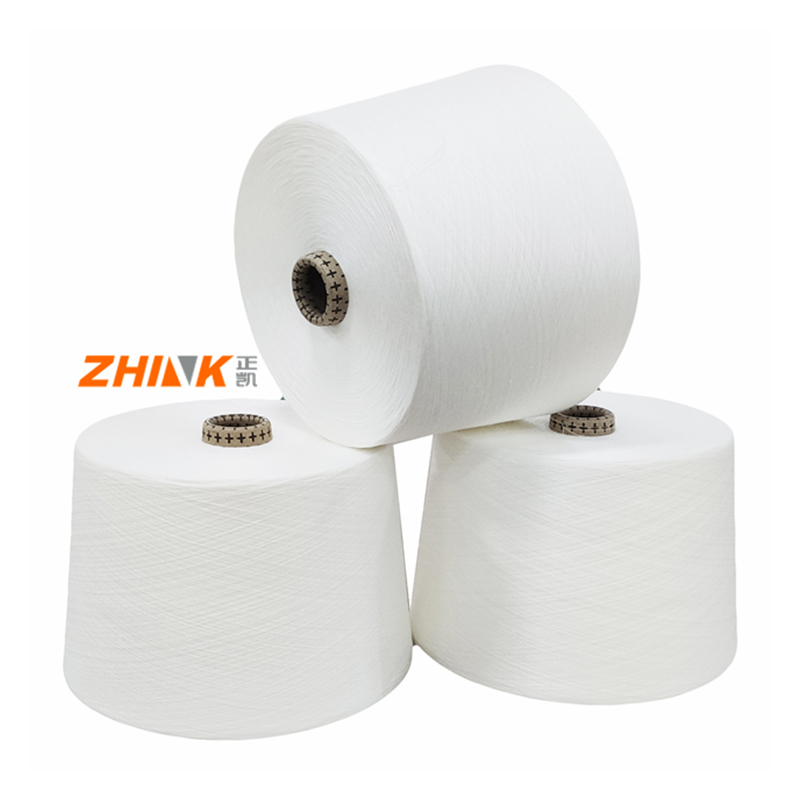
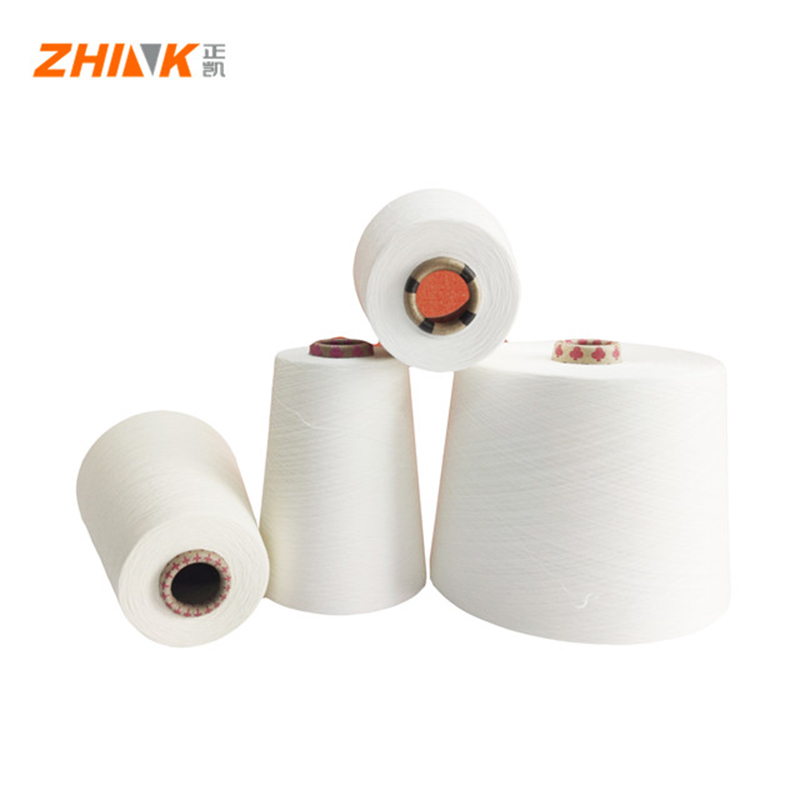
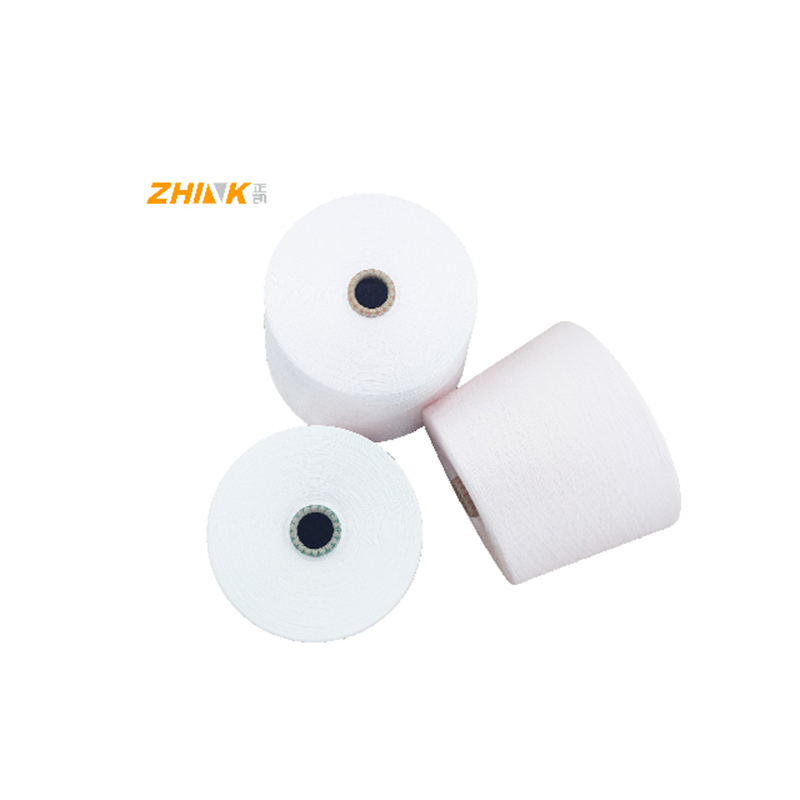
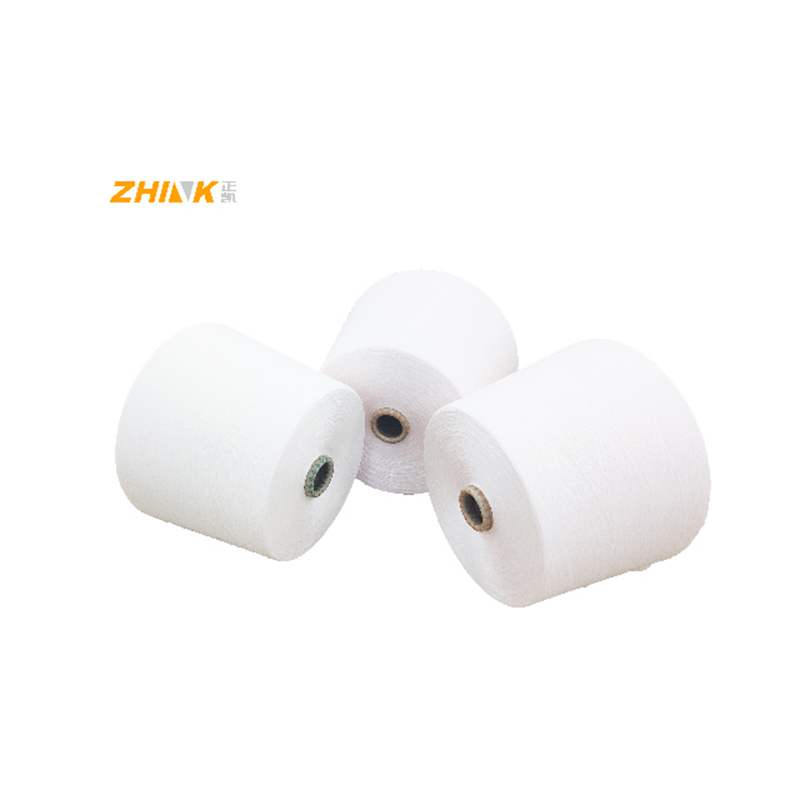
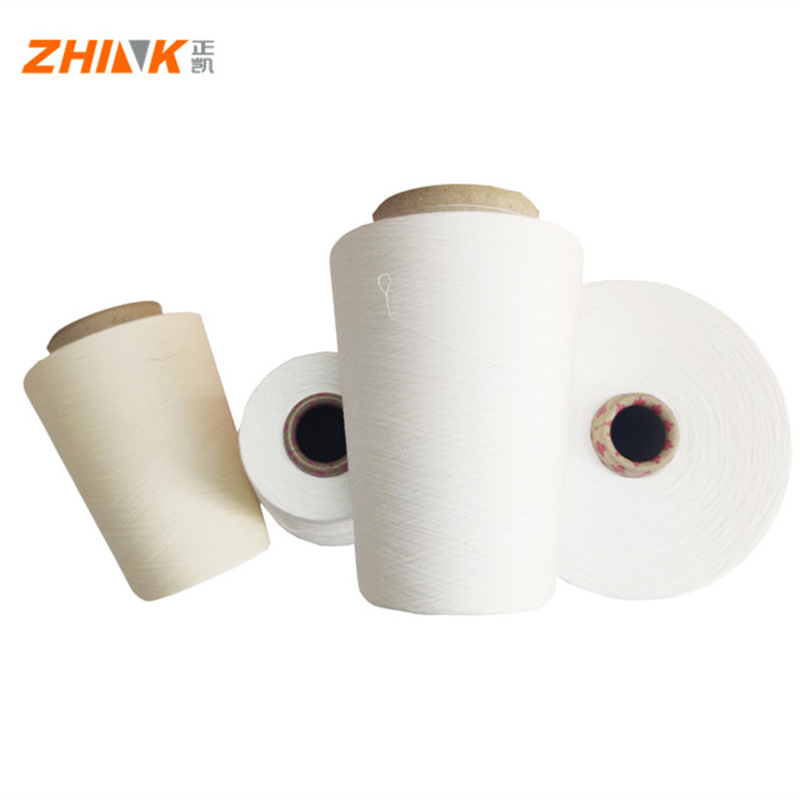
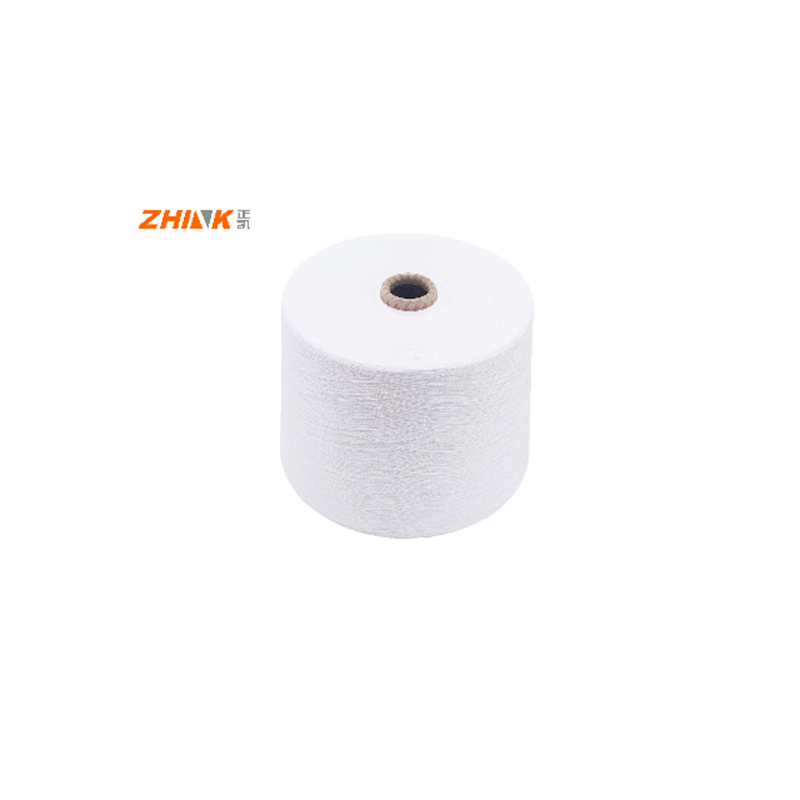
polyester/bamboo mvs yarn
Exploring Polyester/Bamboo MVS Yarn: Practical Insights
In the dynamic world of textiles, polyester/bamboo MVS yarn stands out as a noteworthy innovation. Commonly misjudged as just another blend, this yarn combines the quick-drying, resilient nature of polyester with the soft, antibacterial properties of bamboo. But what does this mean for everyday applications?
Understanding the Basics of MVS Yarn
The foundation of any quality fabric begins with the yarn, and polyester/bamboo MVS yarn is no exception. When first working with this blend, one might assume the characteristics are straightforward. Yet, it's an intriguing challenge to balance polyester's strength with bamboo's natural feel.
Unlike traditional ring spinning, the MVS (Murata Vortex Spinning) process adds a distinct touch to the yarn’s performance. This method ensures a more uniform yarn that reduces hairiness and enhances durability, which can be particularly beneficial for casual wear and sportswear.
An experience I recall was in the development phase of a fabric intended for athletic clothing. The aim was to produce something light, breathable, yet sturdy enough to withstand frequent washing. Polyester/bamboo MVS yarn found its place here, meeting expectations beyond initial skepticism.
The Production Challenges and Breakthroughs
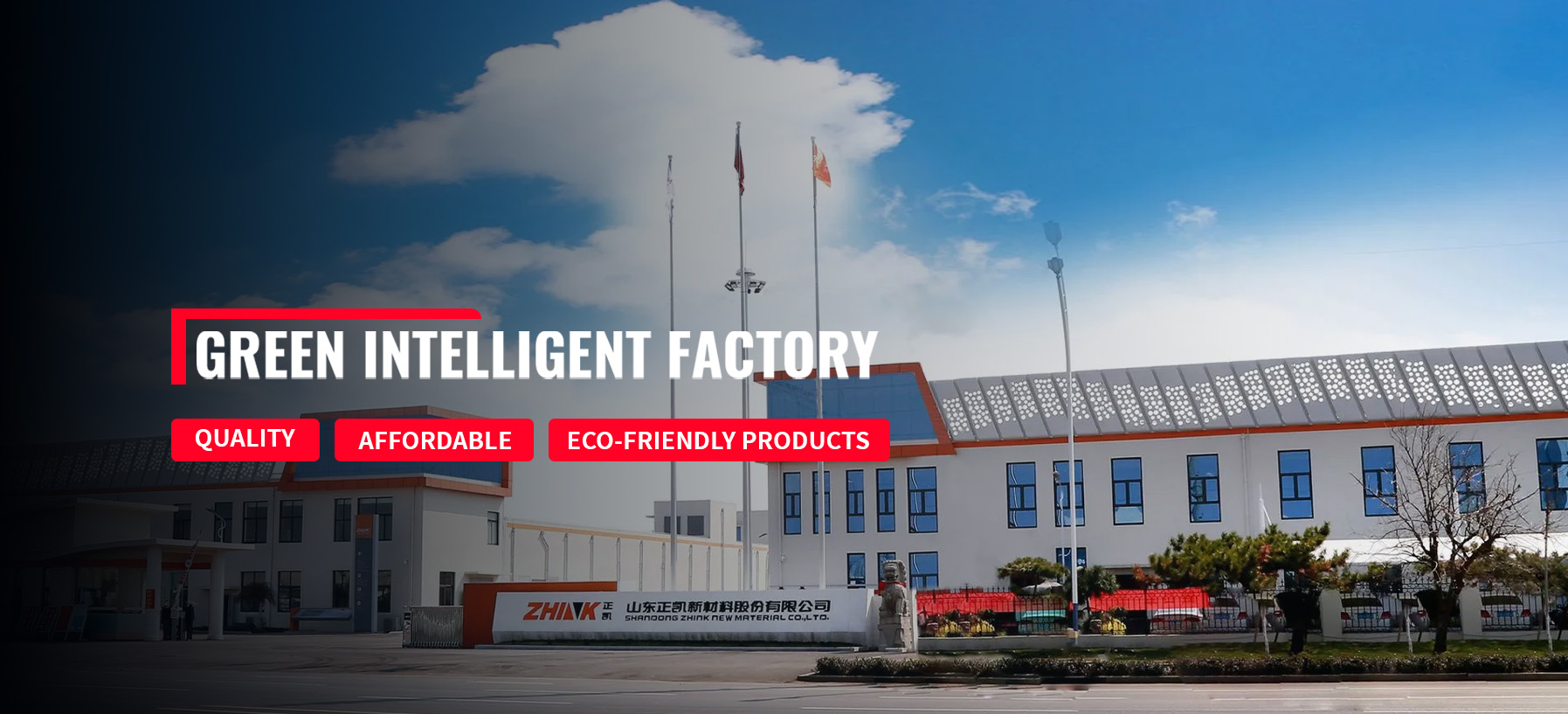
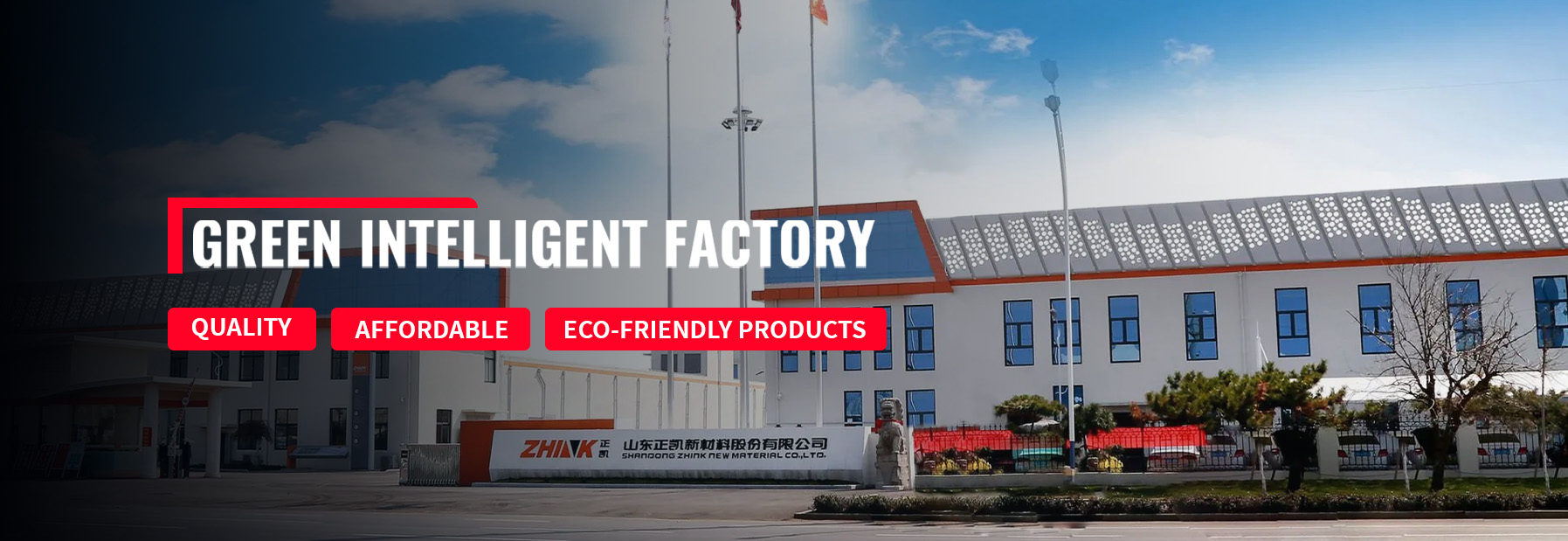
Producing polyester/bamboo MVS yarn isn’t without its hurdles. Aligning the properties of two such contrasting fibers requires precision and expertise. The team at SHANDONG ZHINK NEW MATERIAL CO., LTD, which you can check out at their website, has a notable track record in refining this balance.
Early production attempts often led to inconsistent textures, where bamboo's natural luster clashed with polyester's sheen. By adjusting spinning speeds and pressure settings in the MVS process, these issues were gradually ironed out, leading to a smoother blend.
One particular breakthrough came with an experimental run aimed at improving moisture-wicking capabilities. By tweaking yarn tension and fiber alignment, the end product not only met expectations but also pushed performance metrics for blend textiles.
Market Applications: Where the Yarn Shines
Your everyday T-shirt to high-performance sports gear—each has seen benefits from incorporating polyester/bamboo MVS yarn. Its particular blend is well-suited for environments demanding durability and comfort.
A real-world application was a pilot project for a client looking to create eco-friendly, high-performance uniforms. The resilience and eco-friendly aspects of the bamboo component appealed directly to their sustainable brand ethos.
That said, despite the marketing appeal, it’s crucial to conduct thorough testing. Initial trials led to revisions when the fabric’s tactile qualities didn't fully meet user comfort standards, underscoring the significance of end-phase evaluations.
Advantages of the Polyester/Bamboo Mix
From an R&D perspective, one undeniable advantage is the blend’s antibacterial nature, thanks to bamboo. This property positions the yarn well for medical textiles, a sector ever in need of innovations tackling hygiene and longevity.
For those in the textile business, considering the yarn’s cost-effectiveness is key. The blend allows for premium quality without necessarily inflating costs beyond viable limits—a particularly vital factor given market demands for sustainable yet affordable solutions.
In practice, integrating this yarn into existing production pipelines often requires minor adjustments, especially when transitioning from pure cotton or synthetic fibers, minimizing disruptions and optimizing existing resources.
Future Prospects and Considerations
Looking ahead, the evolution of polyester/bamboo MVS yarn seems promising. Current trends suggest increasing interest in sustainable textiles, and this blend aligns with those demands. Being at the forefront, SHANDONG ZHINK NEW MATERIAL CO., LTD continues to explore potential tweaks and innovations, ensuring they remain competitive in a crowded market.
However, challenges remain. Consistently achieving the desired soft-to-touch feel without compromising strength can be problematic. Further R&D efforts are crucial in addressing these subtleties and expanding application potential.
The industry is observing significant moves towards more sustainable practices. With yarns like polyester/bamboo MVS, there’s tangible evidence of progress, although careful navigation through production and market challenges remains key to success.
Related Products
Related Products