+86-632-3621866
- Chinese
- French
- German
- Portuguese
- Spanish
- Russian
- Japanese
- Korean
- Arabic
- Irish
- Greek
- Turkish
- Italian
- Danish
- Romanian
- Indonesian
- Czech
- Afrikaans
- Swedish
- Polish
- Basque
- Catalan
- Esperanto
- Hindi
- Lao
- Albanian
- Amharic
- Armenian
- Azerbaijani
- Belarusian
- Bengali
- Bosnian
- Bulgarian
- Cebuano
- Chichewa
- Corsican
- Croatian
- Dutch
- Estonian
- Filipino
- Finnish
- Frisian
- Galician
- Georgian
- Gujarati
- Haitian
- Hausa
- Hawaiian
- Hebrew
- Hmong
- Hungarian
- Icelandic
- Igbo
- Javanese
- Kannada
- Kazakh
- Khmer
- Kurdish
- Kyrgyz
- Latin
- Latvian
- Lithuanian
- Luxembou..
- Macedonian
- Malagasy
- Malay
- Malayalam
- Maltese
- Maori
- Marathi
- Mongolian
- Burmese
- Nepali
- Norwegian
- Pashto
- Persian
- Punjabi
- Serbian
- Sesotho
- Sinhala
- Slovak
- Slovenian
- Somali
- Samoan
- Scots Gaelic
- Shona
- Sindhi
- Sundanese
- Swahili
- Tajik
- Tamil
- Telugu
- Thai
- Ukrainian
- Urdu
- Uzbek
- Vietnamese
- Welsh
- Xhosa
- Yiddish
- Yoruba
- Zulu
- Kinyarwanda
- Tatar
- Oriya
- Turkmen
- Uyghur


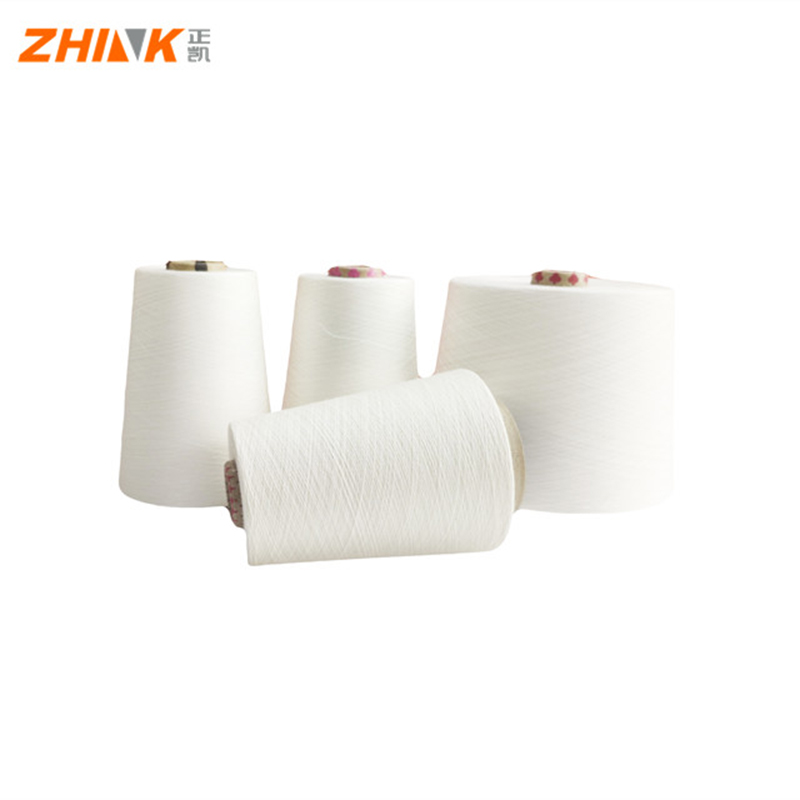
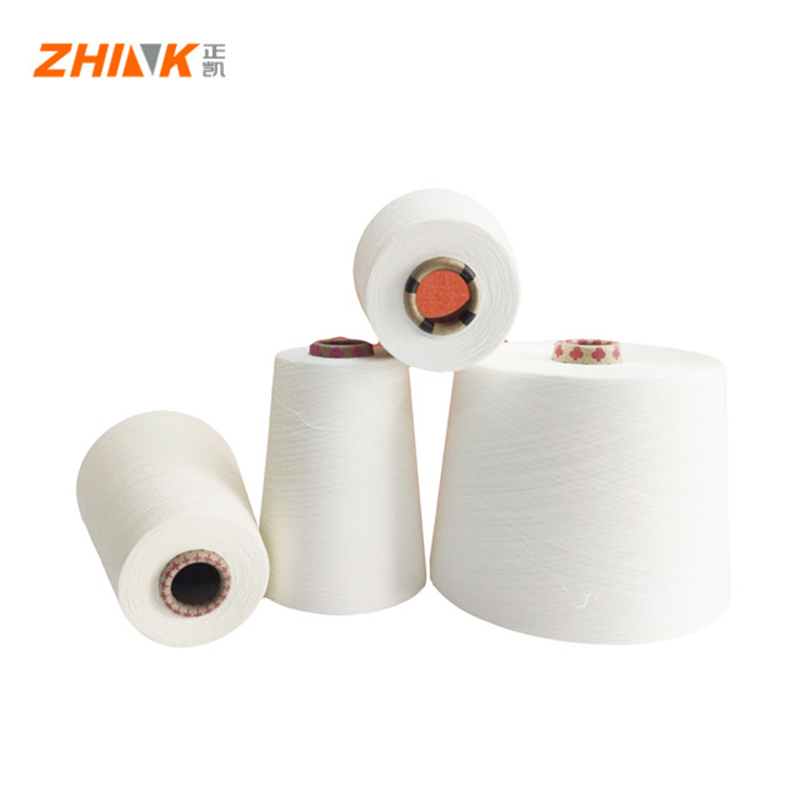
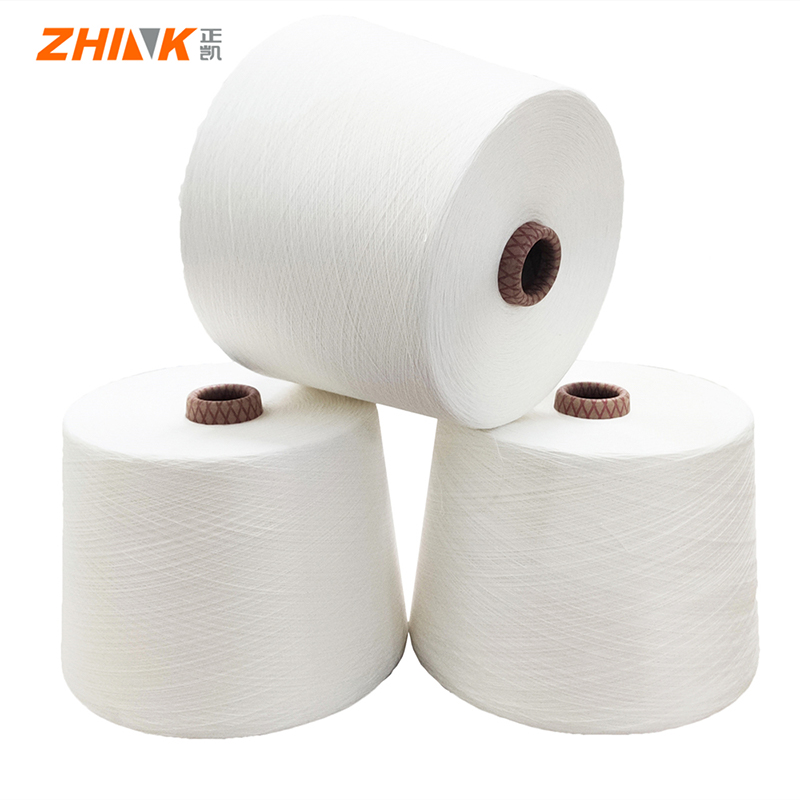
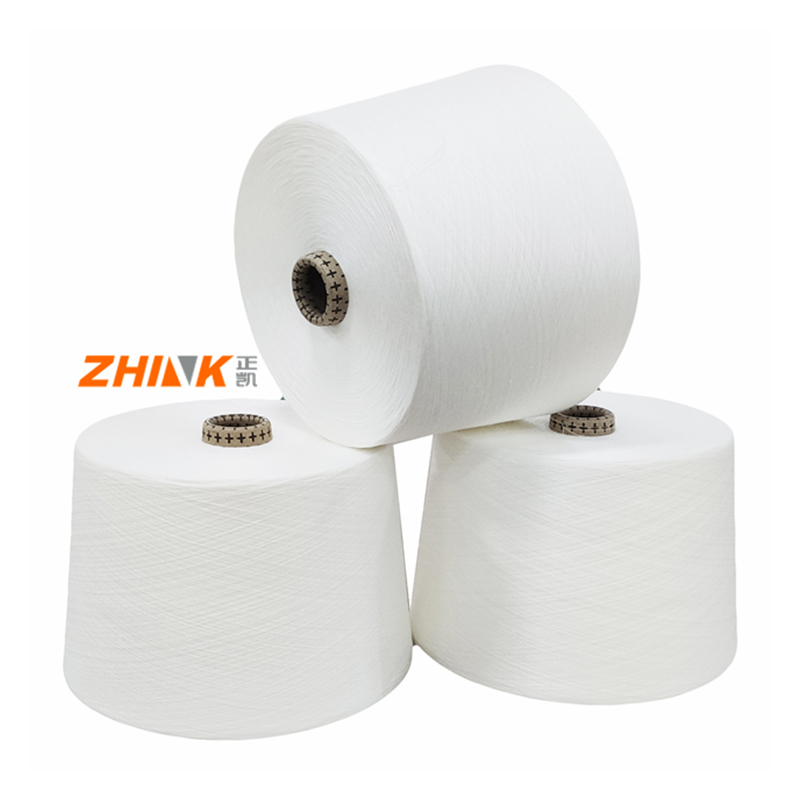
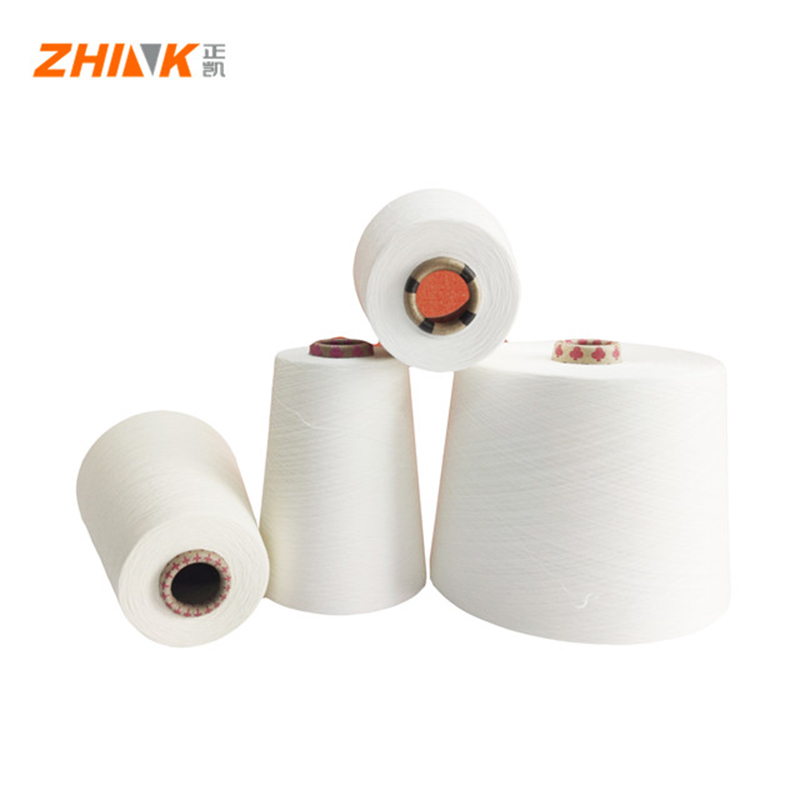
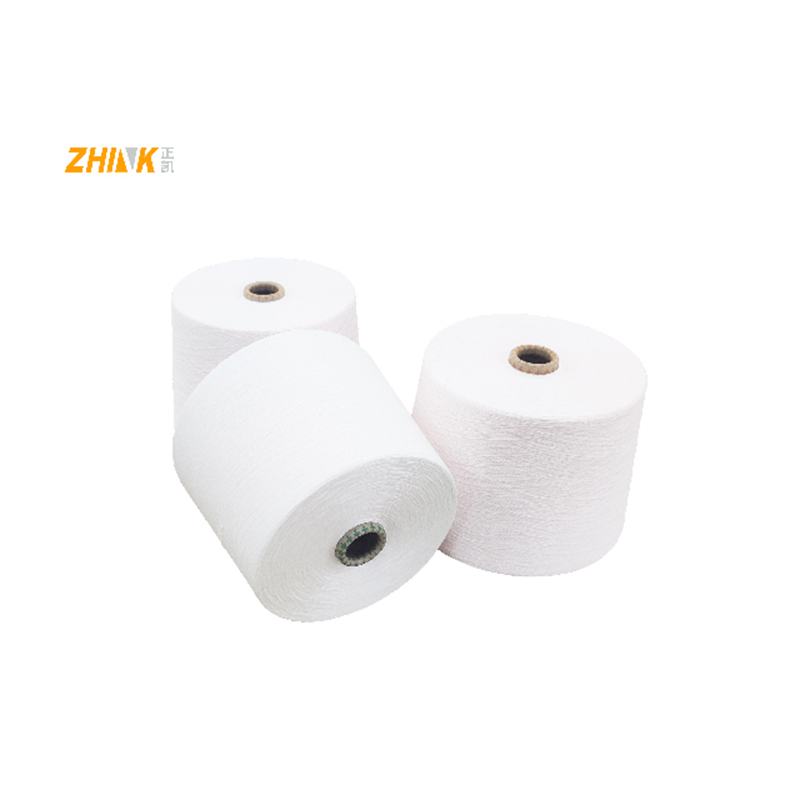
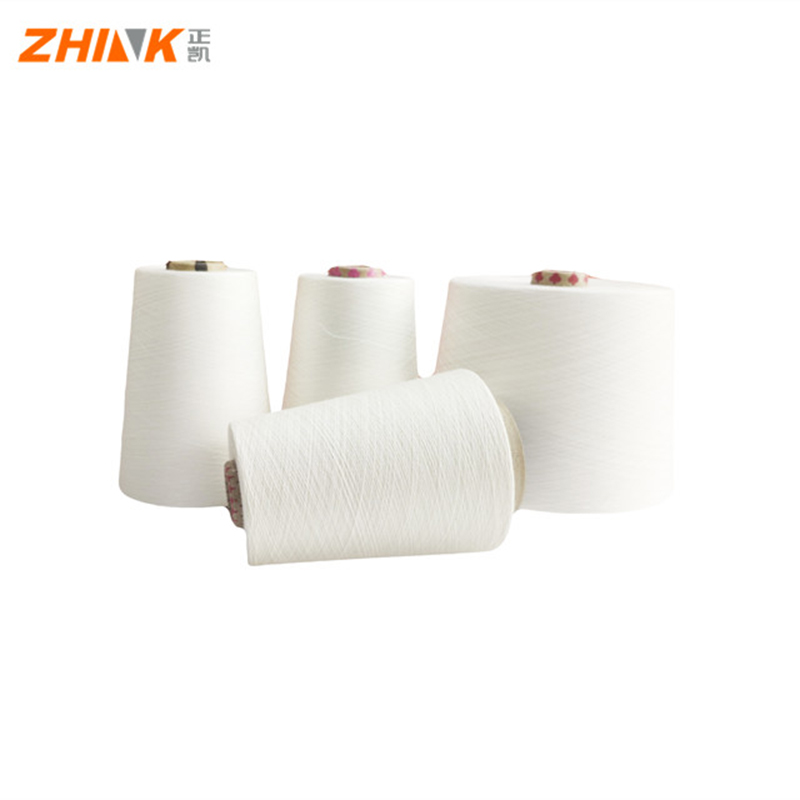
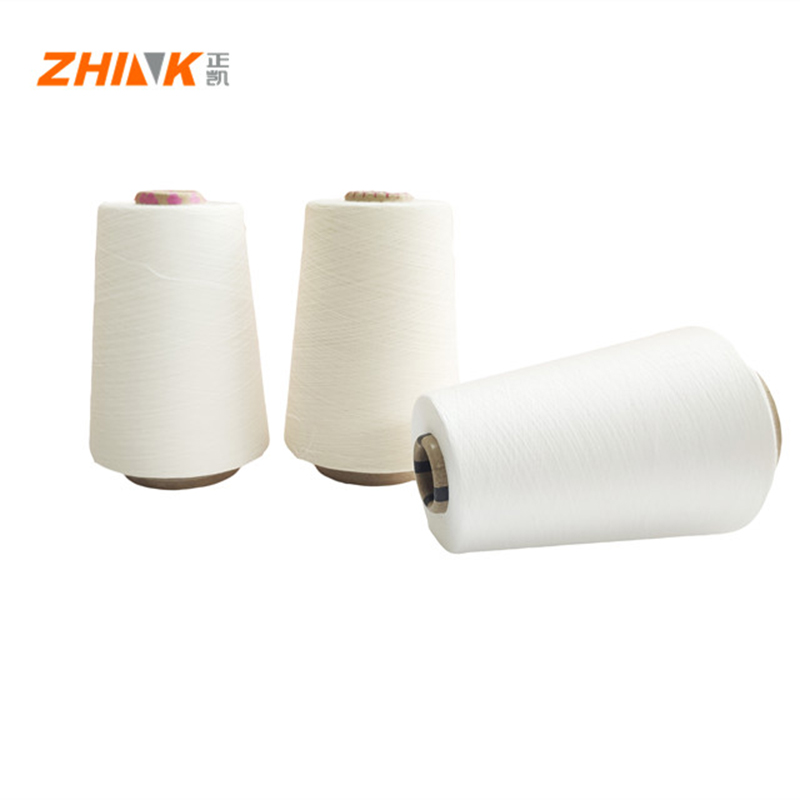
polyester/bamboo siro compact yarn
The Versatility and Challenges of Polyester/Bamboo Siro Compact Yarn
Polyester/Bamboo Siro Compact Yarn is a fascinating blend that combines the synthetic durability of polyester with the natural benefits of bamboo. However, navigating its production isn't without challenges, and opinions on whether it's the future of sustainable textiles remain divided.
The Intricacies of Composition
Let’s break down what makes Polyester/Bamboo Siro Compact Yarn particularly intriguing. On one hand, you have polyester—a staple in the textile industry, known for its strength and resilience. Pairing this with bamboo, celebrated for its softness and environmental benefits, initially seems like a no-brainer. But, here's where reality kicks in.
The creation of this yarn isn't just about mixing two components. It demands a nuanced technique—siro spinning—which ensures the fibers intertwine well, enhancing strength while maintaining a smooth feel. Yet, achieving the perfect balance can be elusive. Too much tension during production, and you might lose the gentle softness of bamboo.
From my experience, especially at companies like Zhink New Material, perfecting this blend requires constant adjustments, keen observation, and often, a bit of trial and error. As anyone in the industry will tell you, the devil is always in the details.
Sustainability Meets Practicality
Sustainability is a driving force in today’s textile world, and it's where bamboo takes the spotlight. Known for its rapid growth and minimal environmental footprint, bamboo seems like an ideal partner for polyester. However, the reality is more complex.
While bamboo provides eco-friendly credentials, ensuring its qualities truly shine in a polyester blend requires meticulous control over variables. The temptation to oversimplify the process can lead to pitfalls. One mistake I've witnessed is overlooking the impact of processing techniques on bamboo’s natural properties. Mishandling can lead to a loss in the eco-friendly appeal.
Zhink New Material has made strides by investing in research to optimize these processes, ensuring that every strand reflects a commitment to quality and sustainability.
Market Applications and Misconceptions
When innovation meets market demand, there's bound to be a few misunderstandings. Many assume that all compositions of Polyester/Bamboo Siro Compact Yarn yield similar results in end products. This isn't quite true.
Different applications—whether in apparel, home textiles, or industrial uses—require tailored approaches. Sportswear, for instance, benefits immensely from the moisture-wicking properties of bamboo, but only when carefully balanced with polyester’s durability. Fail to get this right, and you end up with a product that's more marketing than substance.
In our practice at Zhink, we’ve had clients approach us with requests based on misconceptions. Educating them becomes essential, ensuring they understand not just the 'what,' but the 'why' of their material choices.
Overcoming Technical Hurdles
In essence, working with Siro Compact Yarn requires constant innovation. Technological advancements propel the industry, but they come with a learning curve. The right machinery and skilled technicians are indispensable.
The crux of manufacturing challenges lies in maintaining uniformity and preventing pilling—a common issue if the tension isn't managed well. I recall a project where overlooking machine calibration resulted in a batch that didn’t meet our standards.
Adapting quickly to these lessons is crucial, and companies like Shandong Zhink emphasize ongoing training and development, ensuring both machinery and human resources operate at their peak.
The Future Outlook
Looking ahead, the role of Polyester/Bamboo Siro Compact Yarn seems promising, but not without hurdles. The balance between innovation and tradition is pivotal. Companies must continuously evolve, embracing new technologies while respecting the craft's foundational techniques.
Ultimately, whether this yarn becomes a mainstay in sustainable textiles depends on the industry's ability to adapt and innovate while staying grounded in realistic applications. The potential is vast if handled with care.
At Zhink New Material, the journey with these textiles is ongoing. It’s a testament to what's possible when you merge traditional expertise with forward-thinking strategies.
Related Products
Related Products