+86-632-3621866
- Chinese
- French
- German
- Portuguese
- Spanish
- Russian
- Japanese
- Korean
- Arabic
- Irish
- Greek
- Turkish
- Italian
- Danish
- Romanian
- Indonesian
- Czech
- Afrikaans
- Swedish
- Polish
- Basque
- Catalan
- Esperanto
- Hindi
- Lao
- Albanian
- Amharic
- Armenian
- Azerbaijani
- Belarusian
- Bengali
- Bosnian
- Bulgarian
- Cebuano
- Chichewa
- Corsican
- Croatian
- Dutch
- Estonian
- Filipino
- Finnish
- Frisian
- Galician
- Georgian
- Gujarati
- Haitian
- Hausa
- Hawaiian
- Hebrew
- Hmong
- Hungarian
- Icelandic
- Igbo
- Javanese
- Kannada
- Kazakh
- Khmer
- Kurdish
- Kyrgyz
- Latin
- Latvian
- Lithuanian
- Luxembou..
- Macedonian
- Malagasy
- Malay
- Malayalam
- Maltese
- Maori
- Marathi
- Mongolian
- Burmese
- Nepali
- Norwegian
- Pashto
- Persian
- Punjabi
- Serbian
- Sesotho
- Sinhala
- Slovak
- Slovenian
- Somali
- Samoan
- Scots Gaelic
- Shona
- Sindhi
- Sundanese
- Swahili
- Tajik
- Tamil
- Telugu
- Thai
- Ukrainian
- Urdu
- Uzbek
- Vietnamese
- Welsh
- Xhosa
- Yiddish
- Yoruba
- Zulu
- Kinyarwanda
- Tatar
- Oriya
- Turkmen
- Uyghur


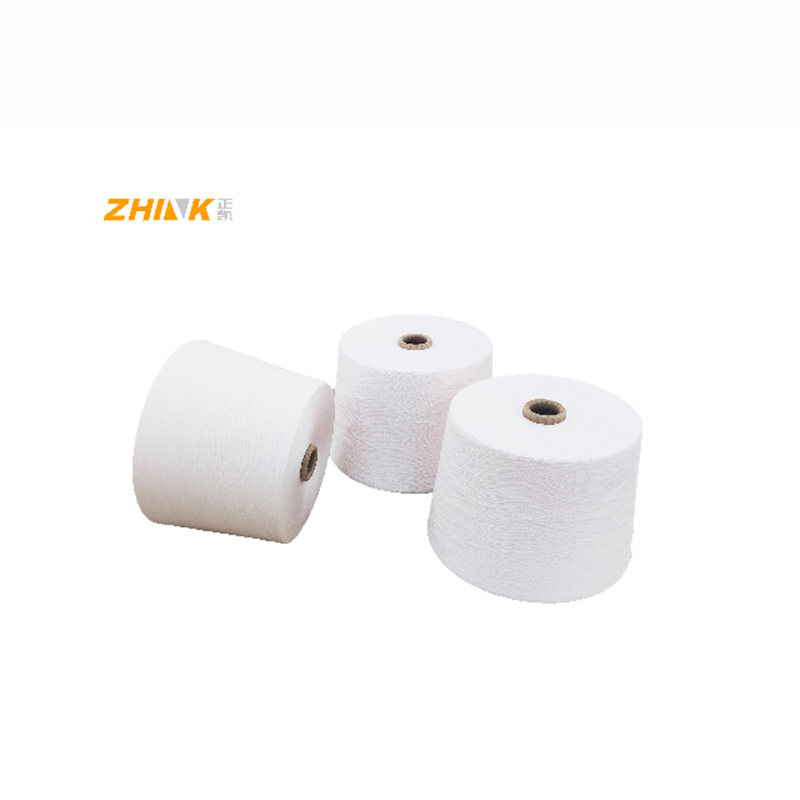
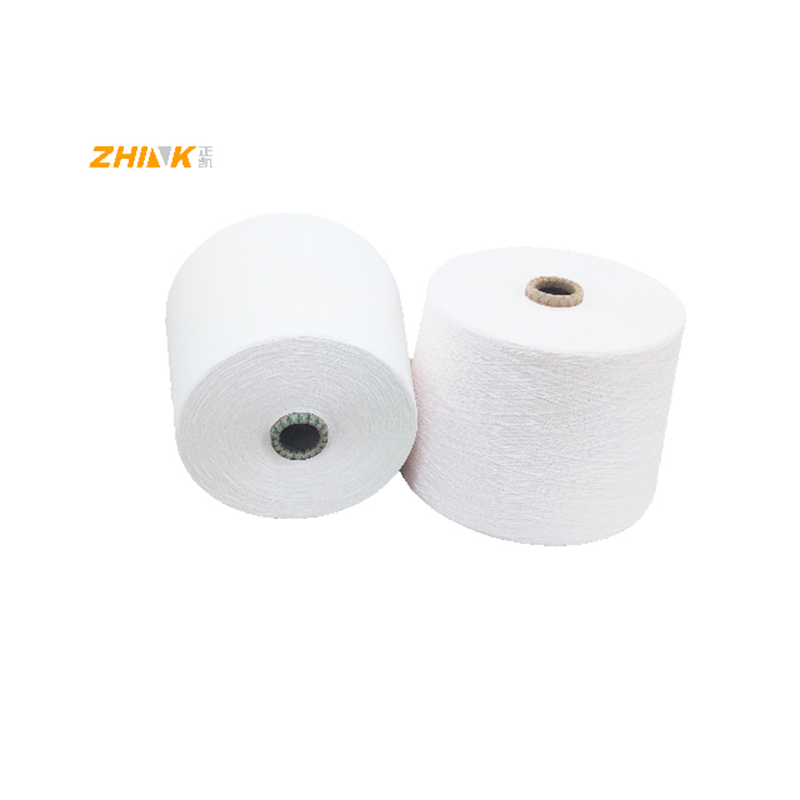
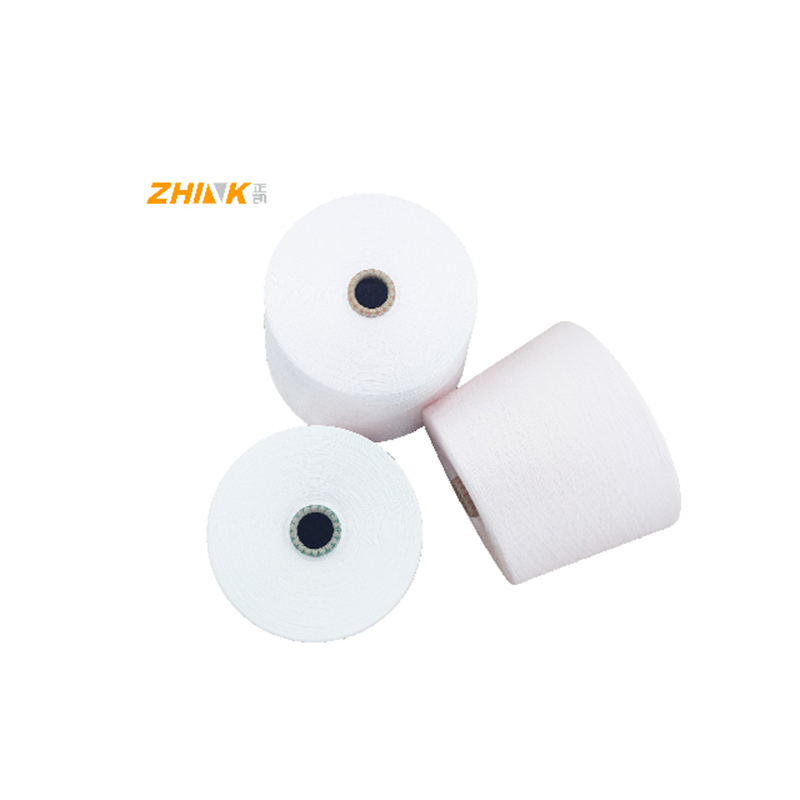
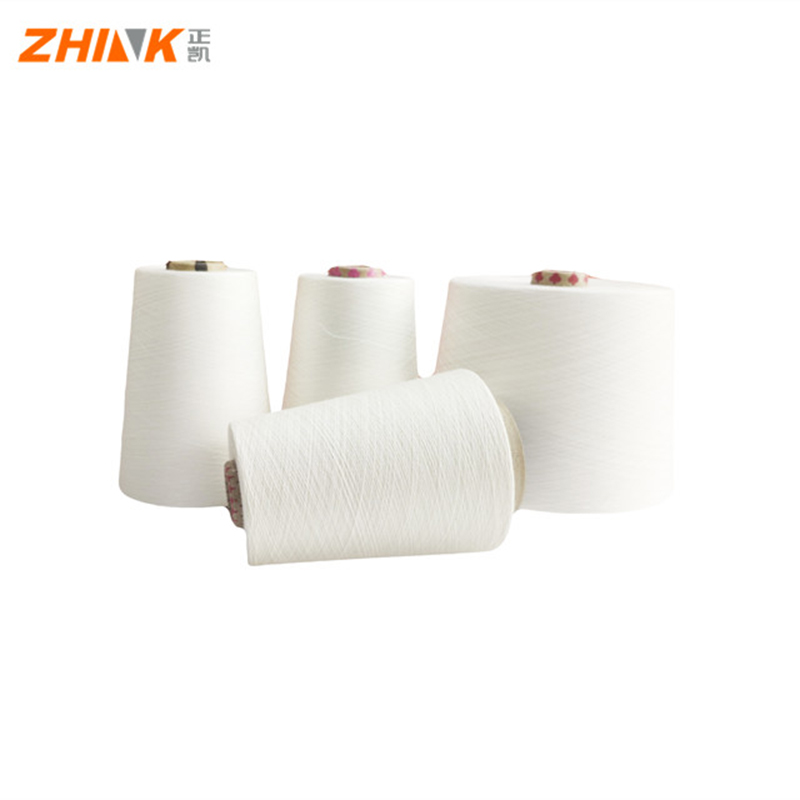
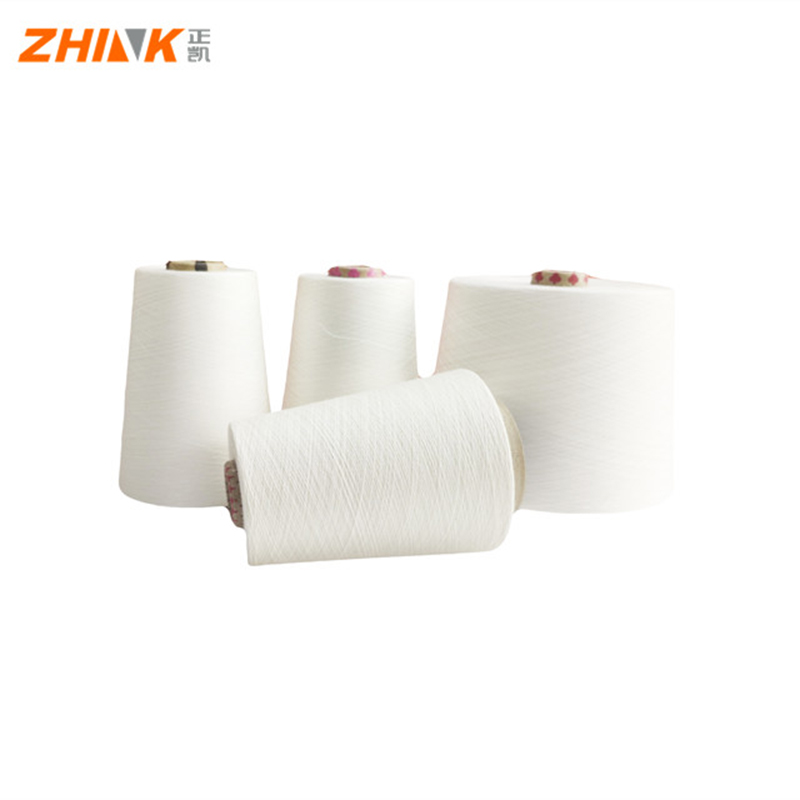
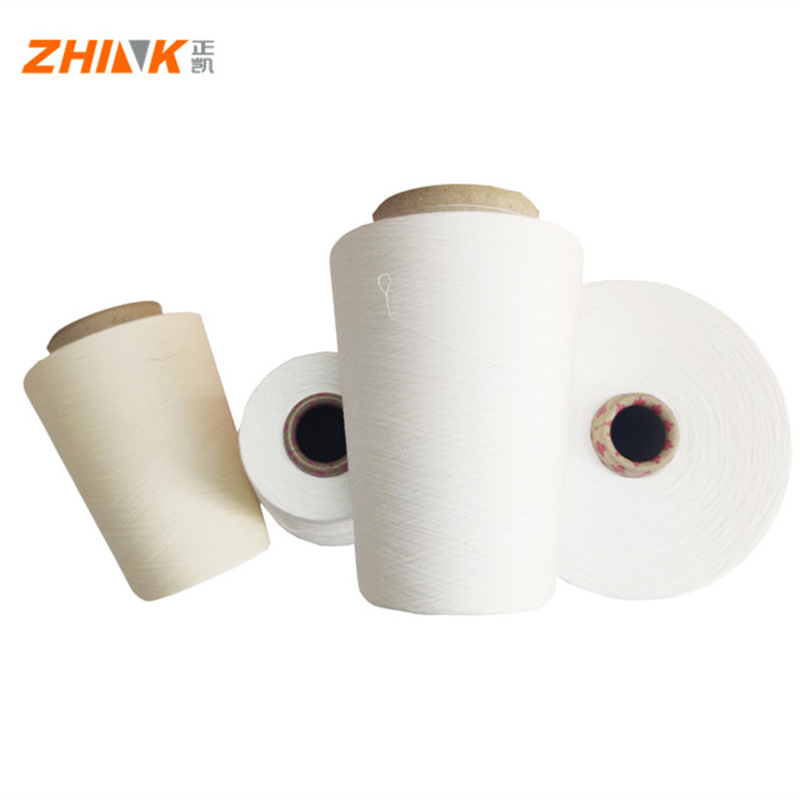
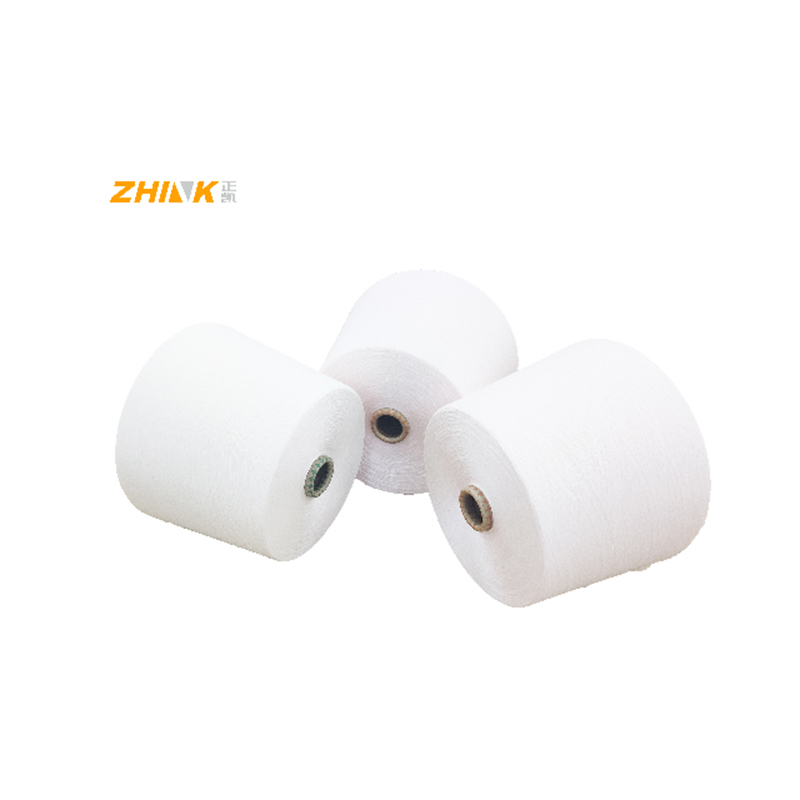
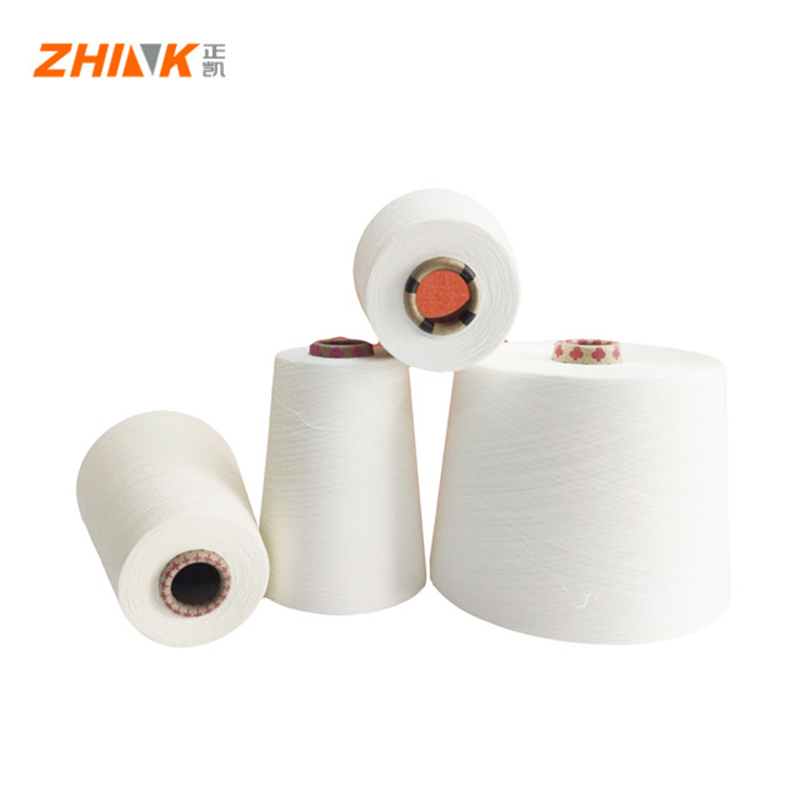
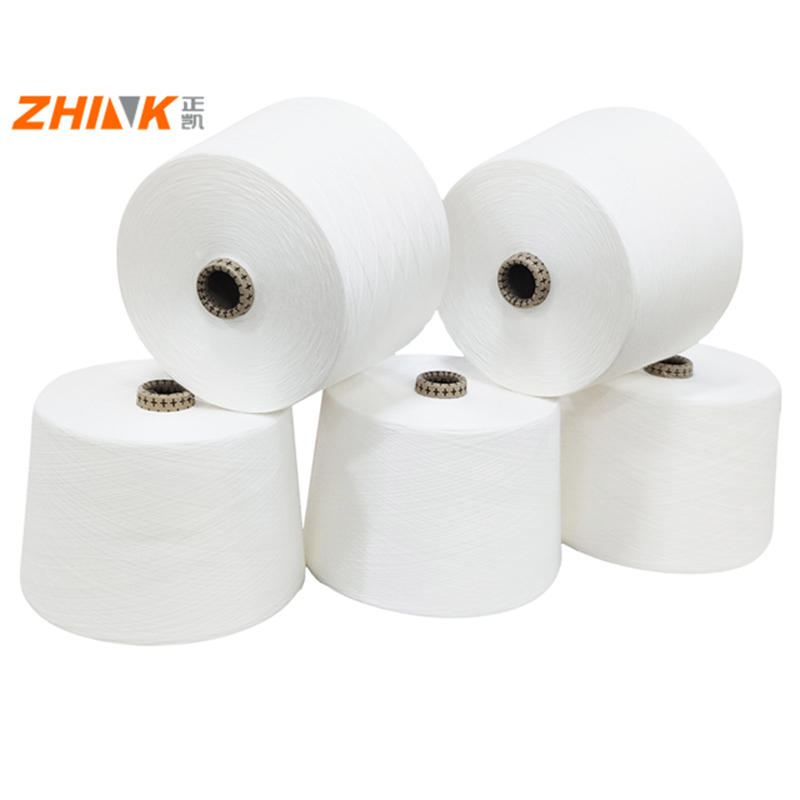
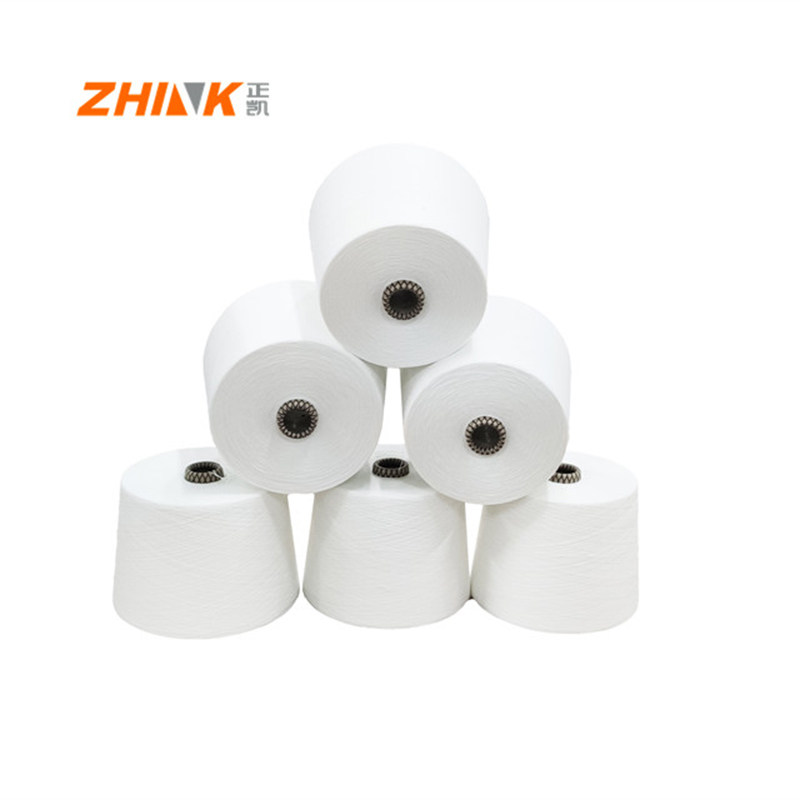
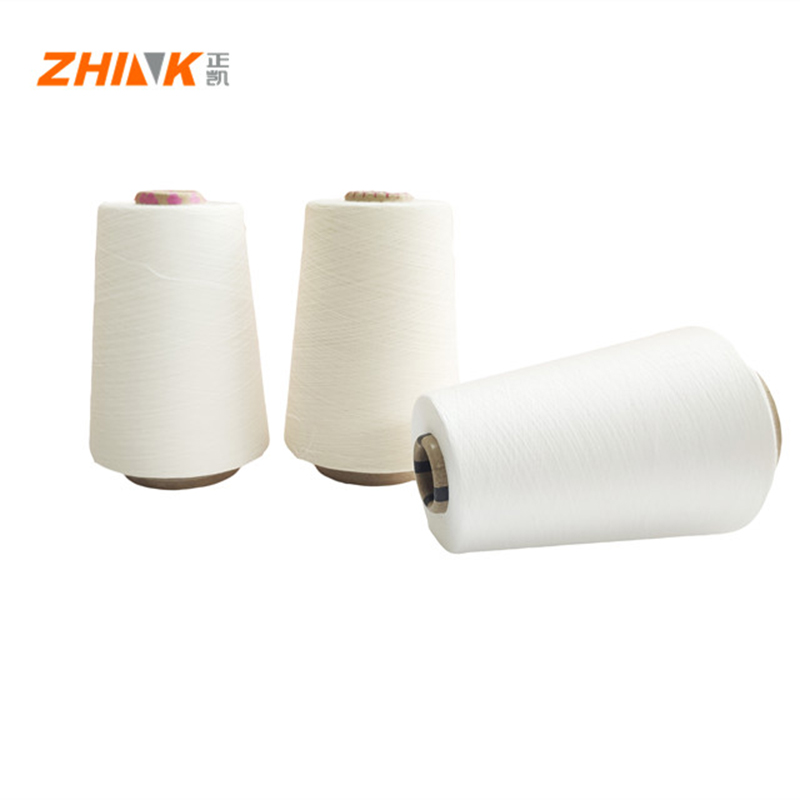
polyester/bamboo siro yarn
The Versatility of Polyester/Bamboo Siro Yarn
Polyester/bamboo siro yarn is a fascinating blend that's catching eyes across textile industries, although misconceptions about its usage abound. Many assume its sole purpose is to offer eco-friendly alternatives, but the story goes beyond just sustainability. Let's dig deeper into what sets this blend apart and how it could be the game-changer you didn't see coming.
Understanding the Blend
Polyester/bamboo siro yarn combines the durability of polyester with the soft, natural feel of bamboo. It seems straightforward enough, right? Yet, the magic lies in the balance. The siro spinning technique lends it a unique twist structure, enhancing strength and uniformity. When working with it in manufacturing, you realize its versatility isn't just a brochure-friendly term—it's real-world applicable.
During my time handling materials for various textile projects, I've seen how this blend adapts. For instance, some manufacturers were skeptical about its durability compared to traditional polyester blends. The siro element of spinning was the silent game changer, providing stability without compromising on the texture.
The sustainability aspect can't be ignored. Bamboo as a resource grows quickly with minimal water, presenting a compelling eco-friendly narrative. However, what isn't immediately clear to many is how polyester adds to its longevity, thus balancing sustainability with performance—a crucial factor in modern textile needs.
Real Application Scenarios
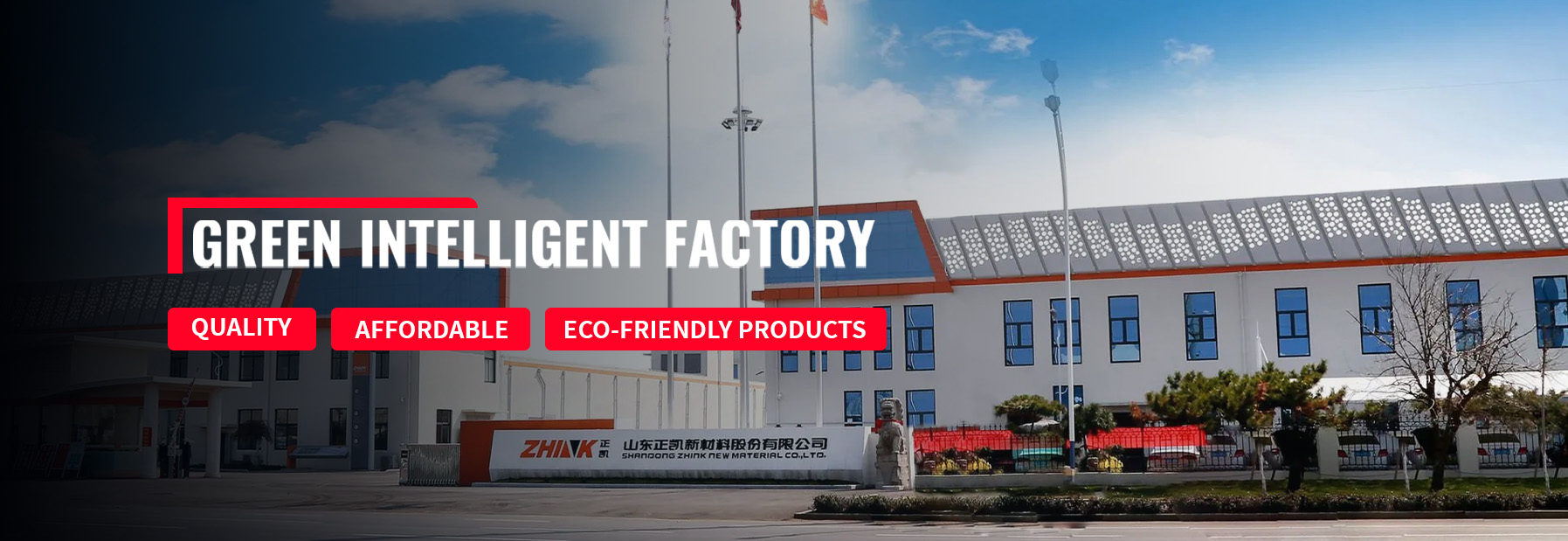
Consider SHANDONG ZHINK NEW MATERIAL CO., LTD, a company dedicated to textile innovation. They’ve experimented extensively with such blends, tailoring solutions that address different market demands. On https://www.zhinkyarn.com, you can delve deeper into their product range and the meticulous R&D that's behind it. Real cases show that polyester/bamboo siro yarn is not a one-trick pony but a jack of all trades.
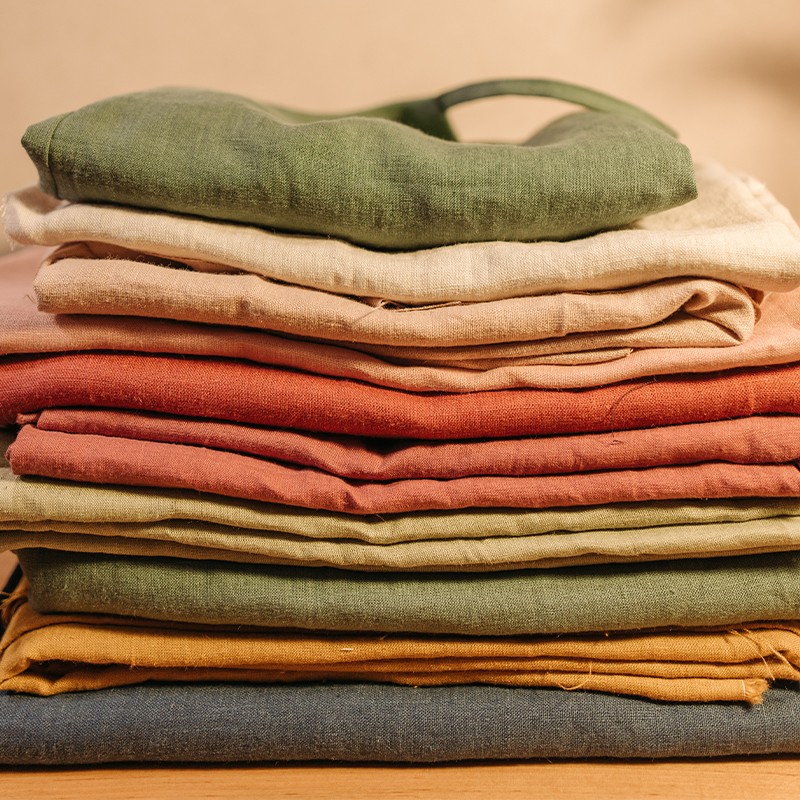
In practice, this blend finds its way into fashion and furnishings alike. Picture plush but durable sofas or breathable sportswear that doesn't wear out easily. A client once reported how the material transformed their activewear line, crediting the siro yarn for maintaining elasticity and color vibrancy despite frequent washes.
Not every experiment hits the mark, though. I recall a case where attempts to use this yarn in lightweight drapery didn't pan out. The issue wasn’t with the yarn but rather its understated heft—a lesson on context and application.
Challenges in Production
But it’s not all smooth sailing. Anyone in production will tell you: there's a bit of a learning curve in processing these materials. Setting up machinery to handle the unique properties of the yarn can cause operational hurdles initially. Training is vital, as even seasoned workers must recalibrate their approach when new materials hit the line.
Facility audits revealed inconsistencies in some outputs, which practitioners linked back to uncalibrated tension settings in the spinning processes. Ironing these kinks out requires patience and a meticulous eye for detail—qualities that separate seasoned veterans from inexperienced operators.
Yet, once these challenges are overcome, the rewards are clear. Factories report noticeable increases in production efficiency and product quality, laying the groundwork for this material’s expanding role in future textiles.
The Market's Response
The market has been rather receptive to polyester/bamboo blends, with sustainability-conscious consumers leading the charge. Zhink New Material continues to drive awareness through transparent information available on their site. They're not just selling yarn; they're educating the market on why this matters.
Recent surveys indicate that end-users appreciate the eco-friendly angle, though their commitment varies. Price sensitivity remains a barrier—one hopes economies of scale might shift dynamics in favor of broader adoption.
Ultimately, polyester/bamboo siro yarn represents a step towards more responsible, versatile, and innovative textile solutions. The challenges are there, no question, but so is the potential. And if companies like SHANDONG ZHINK NEW MATERIAL CO., LTD stay committed to developing these materials, the future for this blend looks promising.
Conclusion
In reflecting on this vibrant blend, it's clear there's much to admire and even more to explore. While polyester/bamboo siro yarn might not yet be a mainstay in every textile segment, its evolving role can't be understated. Over time, experienced hands will find creative interpretations of its use, pushing the industry toward unprecedented innovation. The narrative may have started with sustainability, but its chapters are rife with possibilities.
If your work or curiosity lies within textiles, these insights should give you an understanding of why experimenting with materials like these could be worthwhile for your projects. The rewards, clearly, stretch beyond the immediate horizon.
Related Products
Related Products