+86-632-3621866
- Chinese
- French
- German
- Portuguese
- Spanish
- Russian
- Japanese
- Korean
- Arabic
- Irish
- Greek
- Turkish
- Italian
- Danish
- Romanian
- Indonesian
- Czech
- Afrikaans
- Swedish
- Polish
- Basque
- Catalan
- Esperanto
- Hindi
- Lao
- Albanian
- Amharic
- Armenian
- Azerbaijani
- Belarusian
- Bengali
- Bosnian
- Bulgarian
- Cebuano
- Chichewa
- Corsican
- Croatian
- Dutch
- Estonian
- Filipino
- Finnish
- Frisian
- Galician
- Georgian
- Gujarati
- Haitian
- Hausa
- Hawaiian
- Hebrew
- Hmong
- Hungarian
- Icelandic
- Igbo
- Javanese
- Kannada
- Kazakh
- Khmer
- Kurdish
- Kyrgyz
- Latin
- Latvian
- Lithuanian
- Luxembou..
- Macedonian
- Malagasy
- Malay
- Malayalam
- Maltese
- Maori
- Marathi
- Mongolian
- Burmese
- Nepali
- Norwegian
- Pashto
- Persian
- Punjabi
- Serbian
- Sesotho
- Sinhala
- Slovak
- Slovenian
- Somali
- Samoan
- Scots Gaelic
- Shona
- Sindhi
- Sundanese
- Swahili
- Tajik
- Tamil
- Telugu
- Thai
- Ukrainian
- Urdu
- Uzbek
- Vietnamese
- Welsh
- Xhosa
- Yiddish
- Yoruba
- Zulu
- Kinyarwanda
- Tatar
- Oriya
- Turkmen
- Uyghur



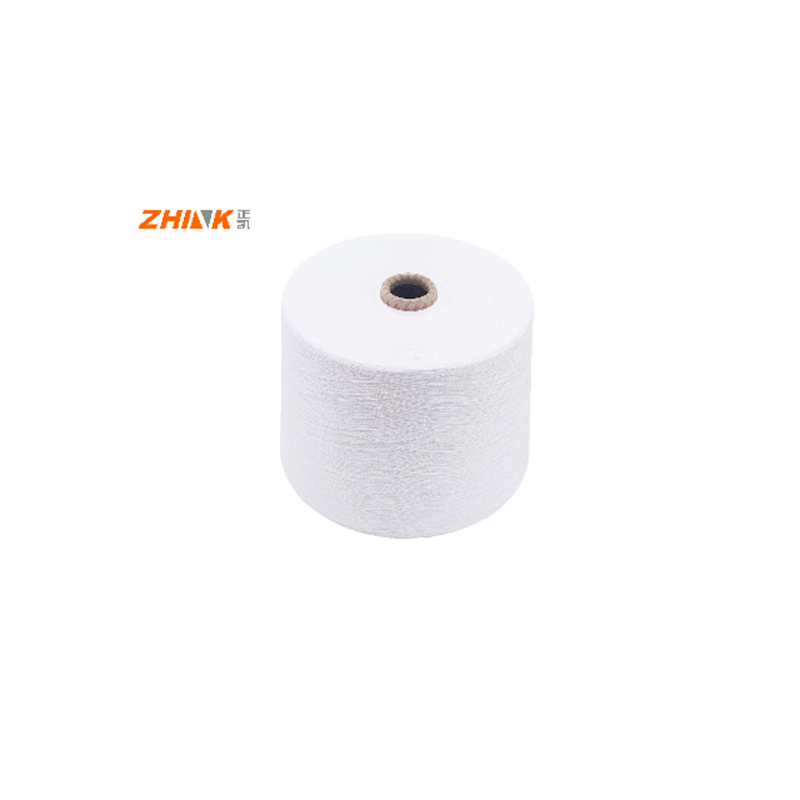
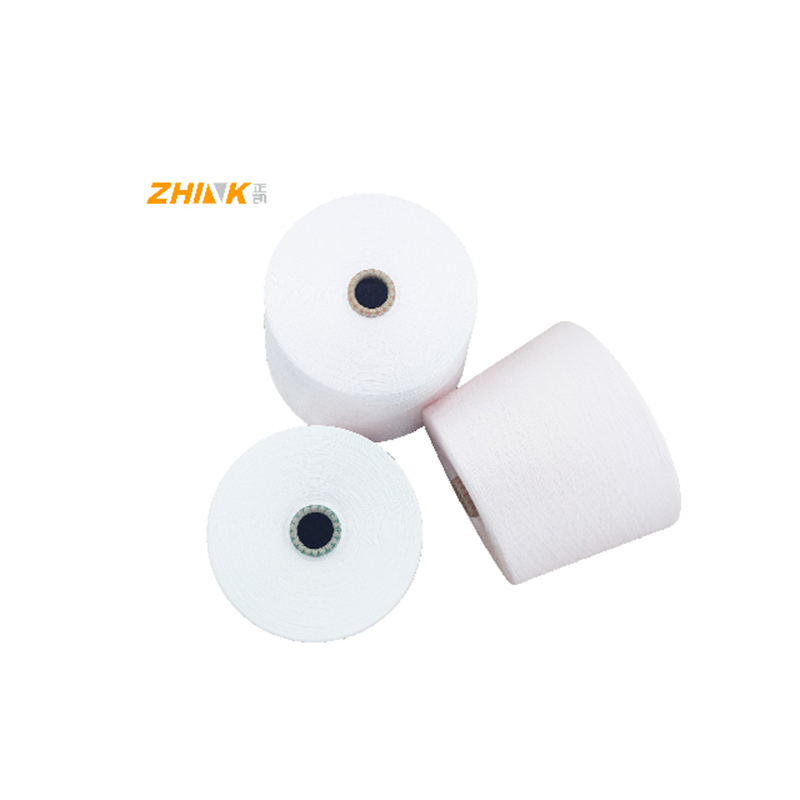
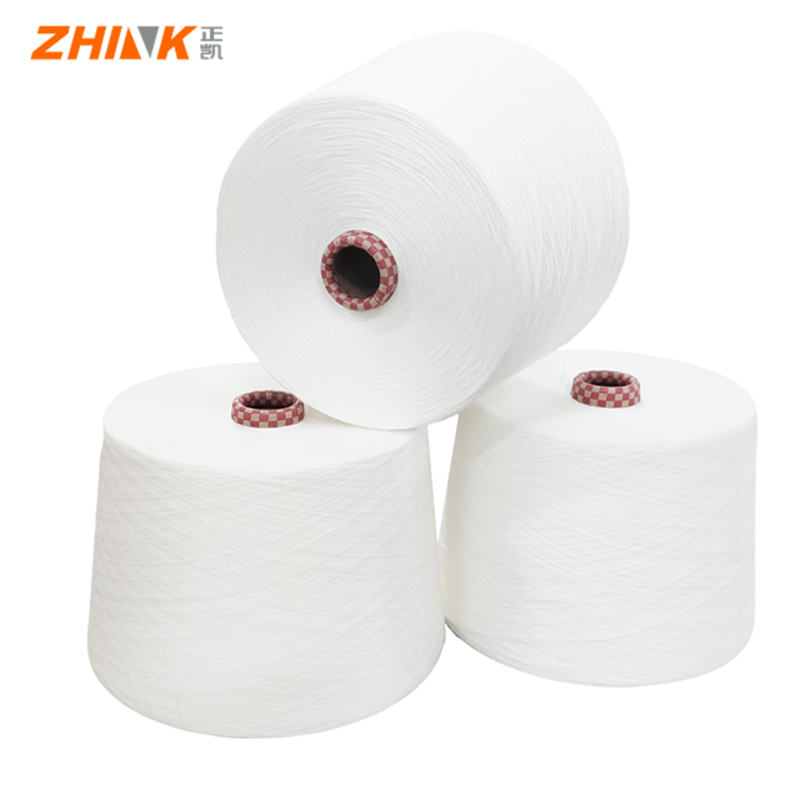
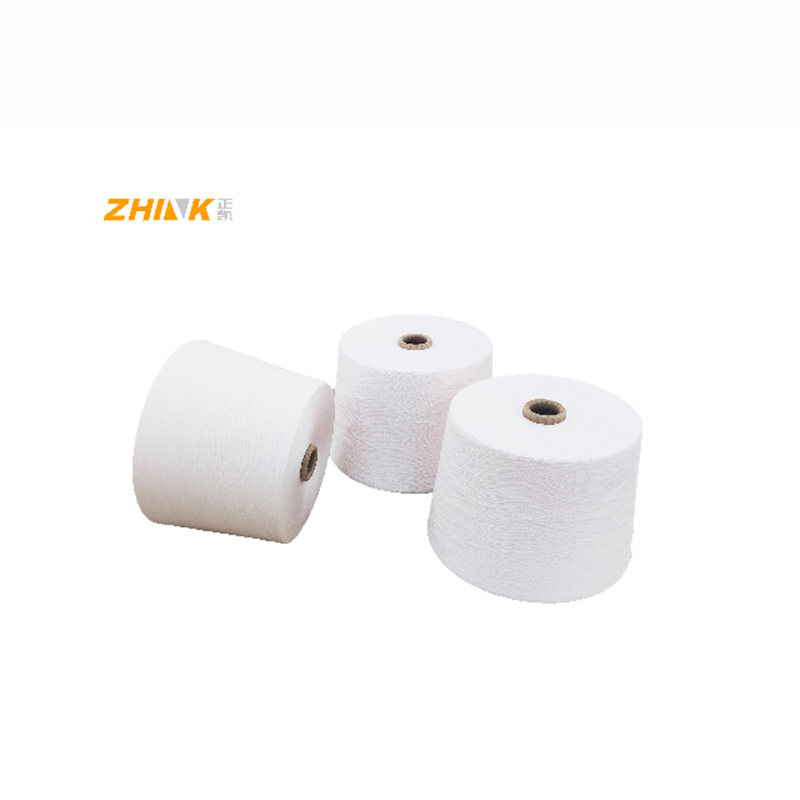
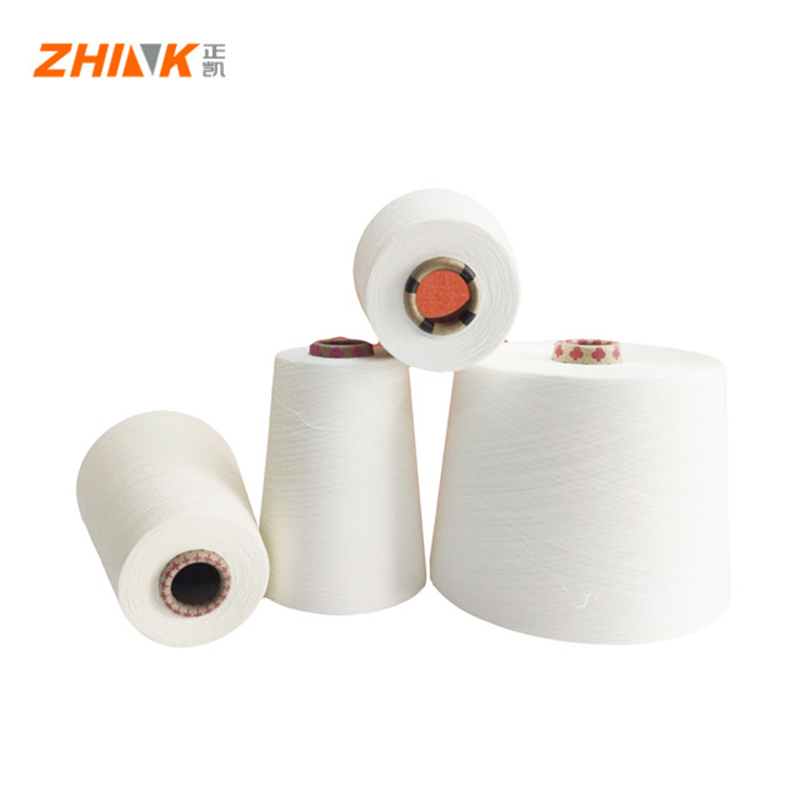
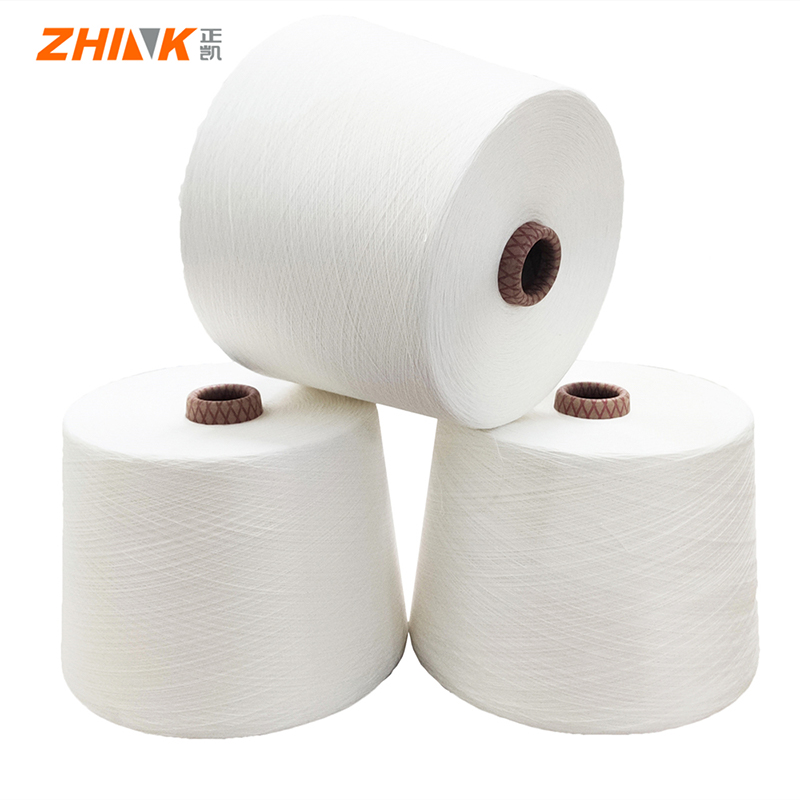
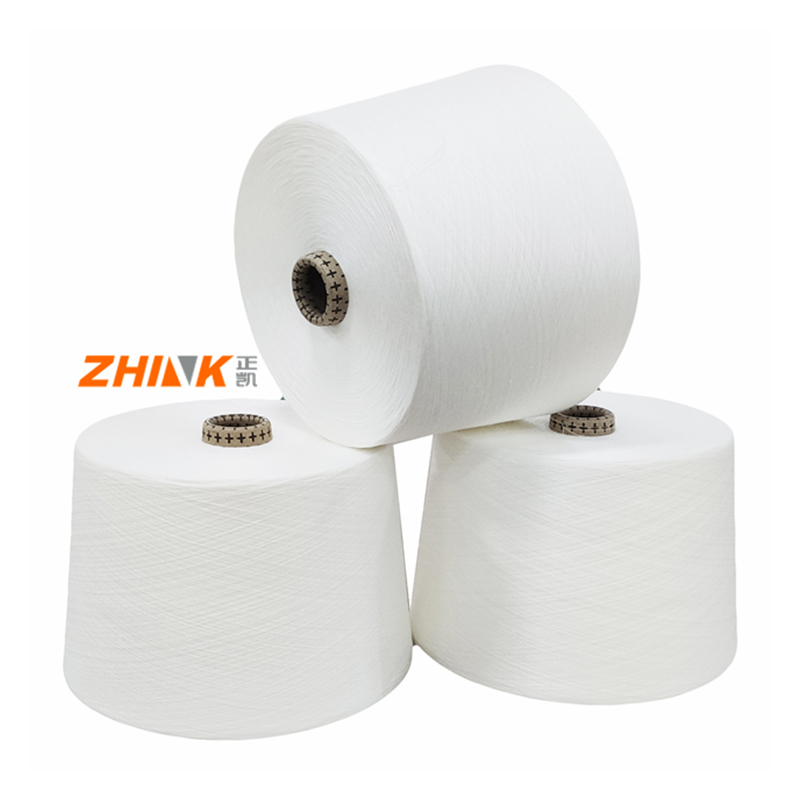
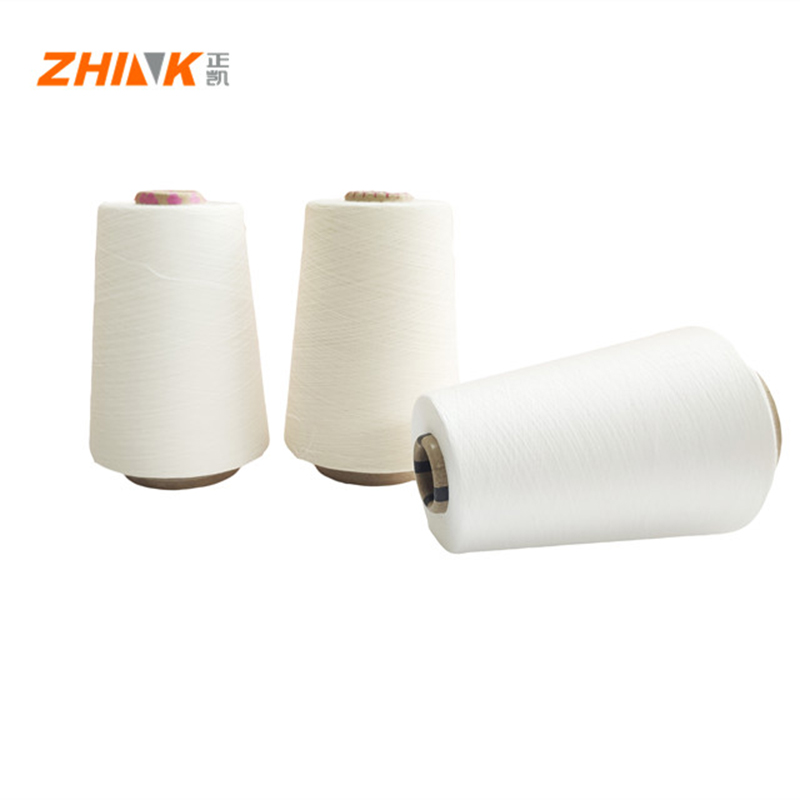
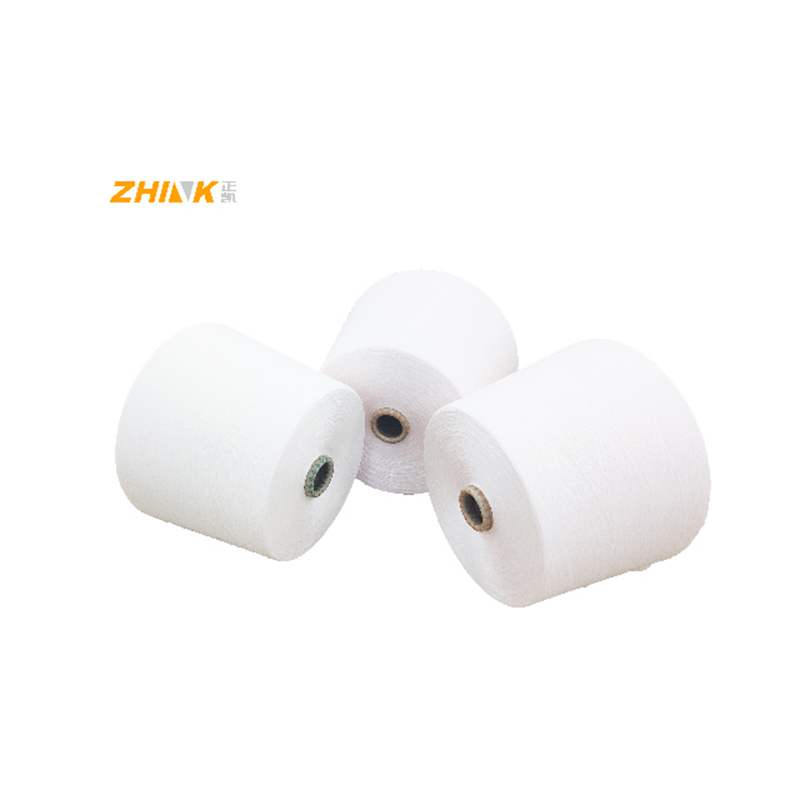
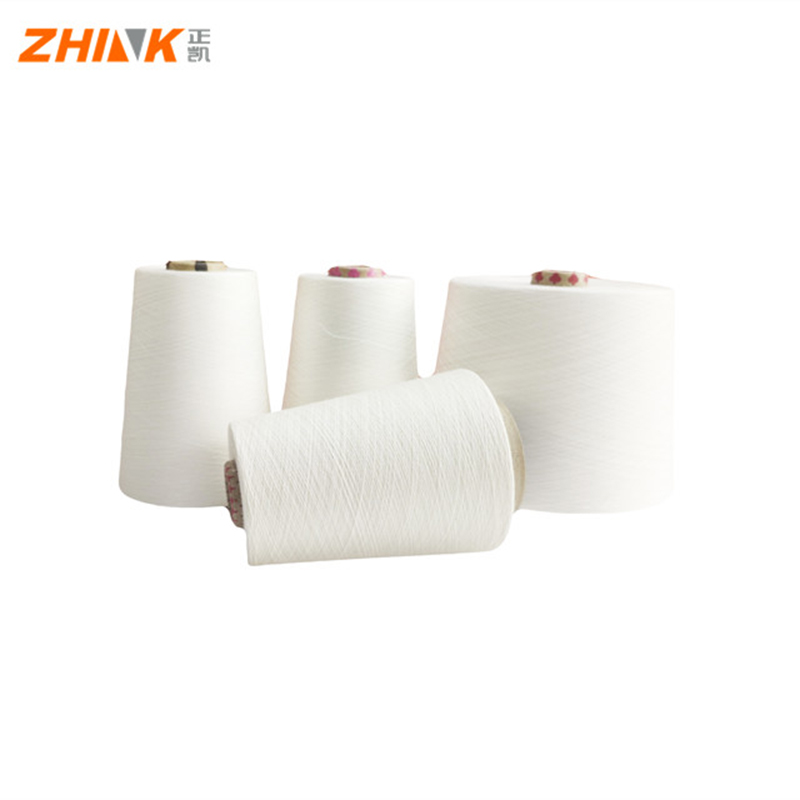
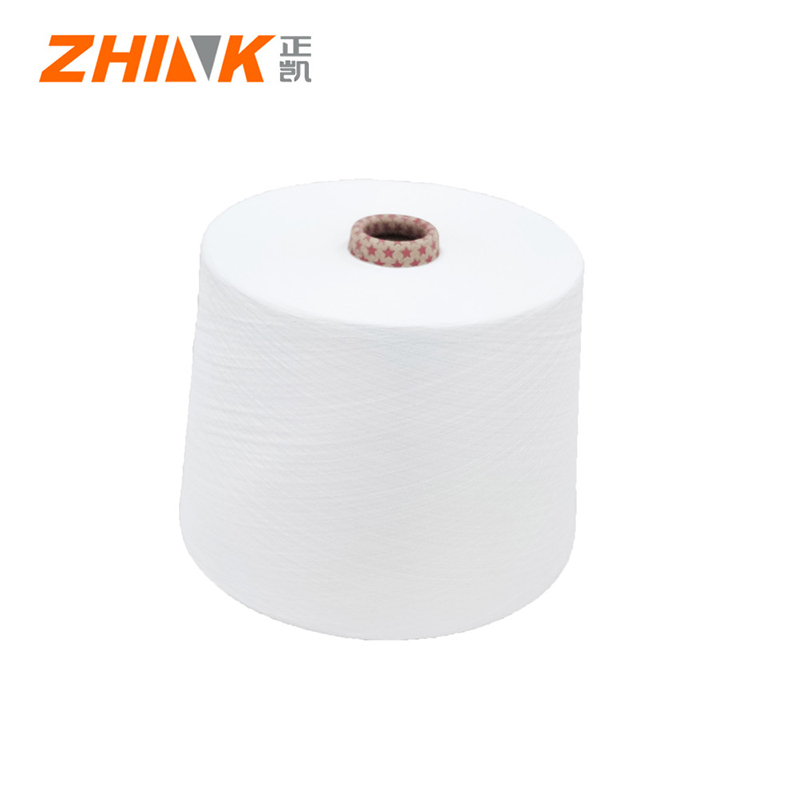
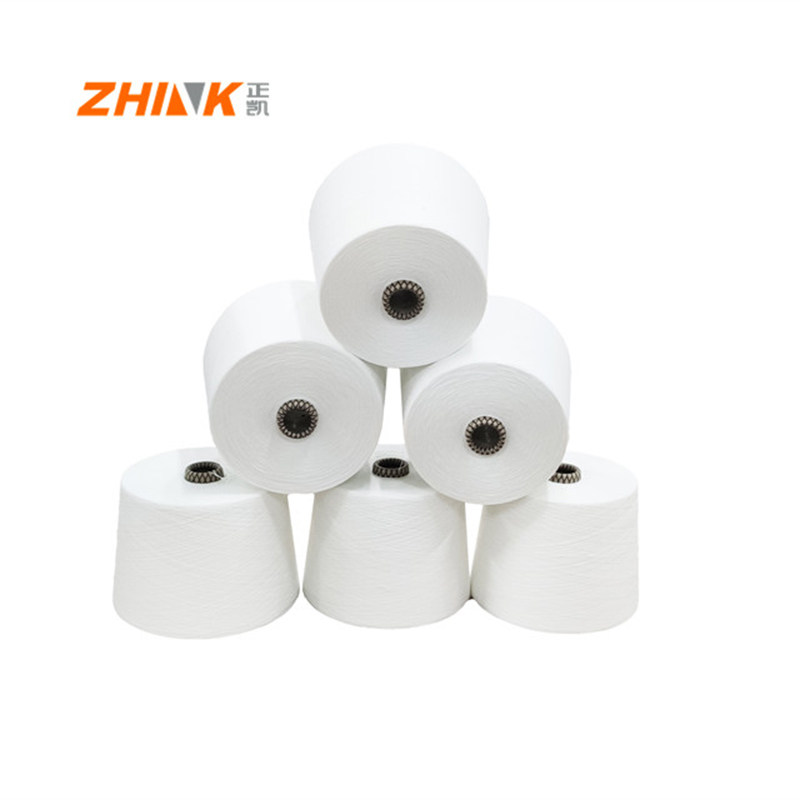
Polyester blended yarn for knitting
Exploring Polyester Blended Yarn for Knitting
In the world of textiles, polyester blended yarn has secured a special spot, especially when it comes to knitting. Known for its versatility and durability, this yarn blend is reshaping how we think about knitted garments. However, the journey to achieving the perfect blend is riddled with challenges and insights worth exploring.
Understanding Polyester Blended Yarn
Polyester by itself might conjure images of shiny shirts from decades past, but when blended with natural fibers like cotton or wool, it transforms remarkably. This transformation is not just about aesthetics but functionality. For instance, the addition of polyester to a natural fiber can significantly improve the durability and wrinkle-resistance of the fabric.
Several years ago, I came across a project where we experimented with varying ratios of polyester and cotton. The aim was to find that sweet spot where the comfort of cotton met the resilience of polyester. Initially, the trials weren’t promising—with issues like pilling and inconsistent texture. The breakthrough came with an unexpected adjustment in the spinning process that allowed the fibers to blend more uniformly.
In my experience, one common misunderstanding among novice knitters is assuming that all polyester blends behave the same. Each blend can significantly differ depending on the ratio and the type of fibers used. So, having a curious, experimental mindset is crucial.
Applications in Knitting
Knitting with polyester blended yarn opens up numerous possibilities. Whether it's for a lightweight summer top or a cozy winter sweater, the blend offers flexibility and durability. I’ve noticed increased interest in these yarns for making casual wear and accessories. Their ability to be both machine-washable and resistant to stretching makes them ideal for everyday items.
However, there’s a delicate balance to maintain. When using these blends, one must carefully consider needle size and tension to prevent the fabric from becoming too stiff. During a collaborative project with SHANDONG ZHINK NEW MATERIAL CO., LTD, detailed at their website, we found that adjusting these variables sometimes required a bit of trial and error.
Visitors to Zhink New Material’s showroom are often surprised at how different the fabrics can feel with small changes in blend composition. It’s a tactile experience that really showcases the impact of a well-considered blend.
Challenges and Solutions
Working with polyester blends is not without its hurdles. One frequent issue is managing static. Polyester fibers tend to generate more static electricity, especially in dry conditions. In some of our past productions, we countered this by slightly adjusting the humidification in the production area, and though a seemingly minor adjustment, it made a substantial difference.
Moreover, color retention can be a tricky domain. Polyester, by nature, acquires dyes differently compared to natural fibers. Ensuring uniform coloration across a batch often demands precise control over the dyeing process. This is where the expertise of a company like Zhink New Material, with their R&D prowess, is invaluable.
Finally, consistent product quality is paramount. Regular feedback from end-users indicated the importance of maintaining a standard thickness and weave tightness to avoid issues like unwanted transparency or uneven wearing patterns. Quality control thus becomes an indispensable step.
Market Trends and Consumer Preferences
The shift towards sustainability has not bypassed the polyester blended yarn market. Consumers increasingly seek materials that offer an eco-friendly footprint yet retain the practicality needed for everyday wear. Blending polyester with recycled fibers is one way this trend is being addressed.
It’s evident that companies, including SHANDONG ZHINK NEW MATERIAL CO., LTD, are paying attention to these trends. Their innovations reflect an acute awareness of environmental impacts, which also aligns with consumer demand for transparency and ethical sourcing.
Interestingly, as noted in discussions at industry gatherings, the market shows a growing preference for local productions. This shift stems from both a logistical standpoint and a renewed interest in supporting domestic industries. Polyester blended yarns, with their adaptable nature, are well-suited for such evolving market conditions.
Future Prospects
Looking ahead, the future for polyester blended yarn in knitting appears promising. With ongoing advancements in material science, the focus is not just on function but also on enhancing the tactile experience of these fabrics.
Integration of smart textiles, which can incorporate technology into fabrics, represents a frontier where polyester blends could play a key role. These applications require the kind of structural integrity that polyester can provide without sacrificing comfort.
In collaboration with pioneers like SHANDONG ZHINK NEW MATERIAL CO., LTD, it’s exciting to imagine what the textile landscape will look like in the near future. Their continuous efforts in R&D are paving the way for innovations that blend tradition with technology.
Related Products
Related Products