+86-632-3621866
- Chinese
- French
- German
- Portuguese
- Spanish
- Russian
- Japanese
- Korean
- Arabic
- Irish
- Greek
- Turkish
- Italian
- Danish
- Romanian
- Indonesian
- Czech
- Afrikaans
- Swedish
- Polish
- Basque
- Catalan
- Esperanto
- Hindi
- Lao
- Albanian
- Amharic
- Armenian
- Azerbaijani
- Belarusian
- Bengali
- Bosnian
- Bulgarian
- Cebuano
- Chichewa
- Corsican
- Croatian
- Dutch
- Estonian
- Filipino
- Finnish
- Frisian
- Galician
- Georgian
- Gujarati
- Haitian
- Hausa
- Hawaiian
- Hebrew
- Hmong
- Hungarian
- Icelandic
- Igbo
- Javanese
- Kannada
- Kazakh
- Khmer
- Kurdish
- Kyrgyz
- Latin
- Latvian
- Lithuanian
- Luxembou..
- Macedonian
- Malagasy
- Malay
- Malayalam
- Maltese
- Maori
- Marathi
- Mongolian
- Burmese
- Nepali
- Norwegian
- Pashto
- Persian
- Punjabi
- Serbian
- Sesotho
- Sinhala
- Slovak
- Slovenian
- Somali
- Samoan
- Scots Gaelic
- Shona
- Sindhi
- Sundanese
- Swahili
- Tajik
- Tamil
- Telugu
- Thai
- Ukrainian
- Urdu
- Uzbek
- Vietnamese
- Welsh
- Xhosa
- Yiddish
- Yoruba
- Zulu
- Kinyarwanda
- Tatar
- Oriya
- Turkmen
- Uyghur


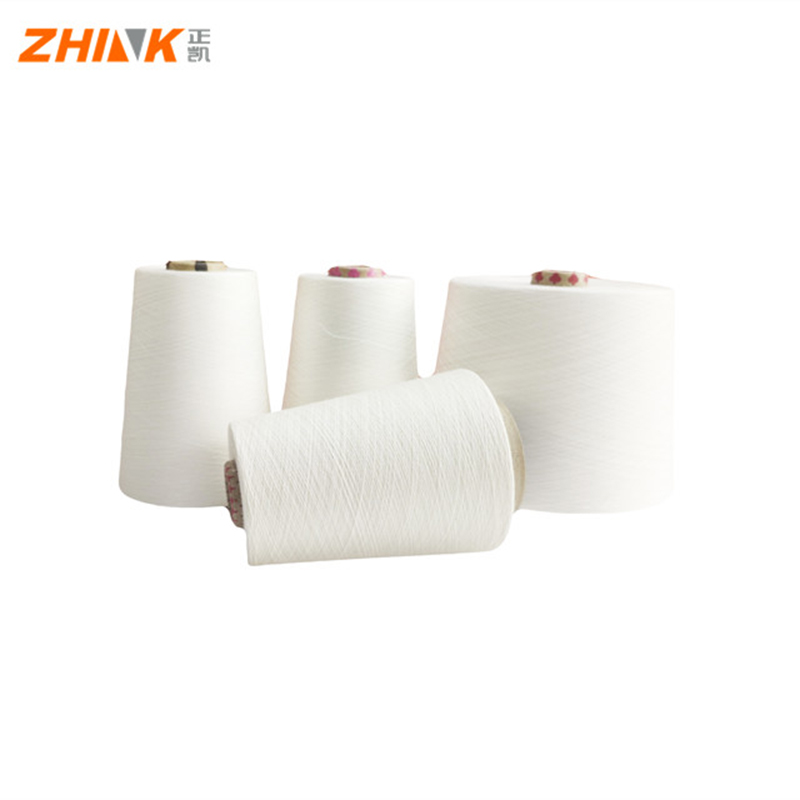
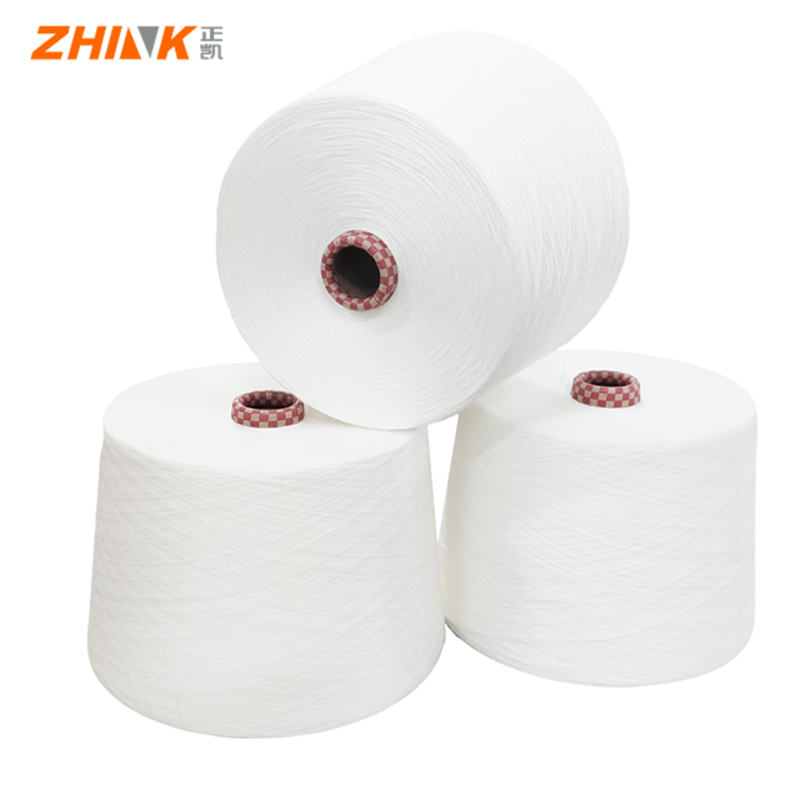
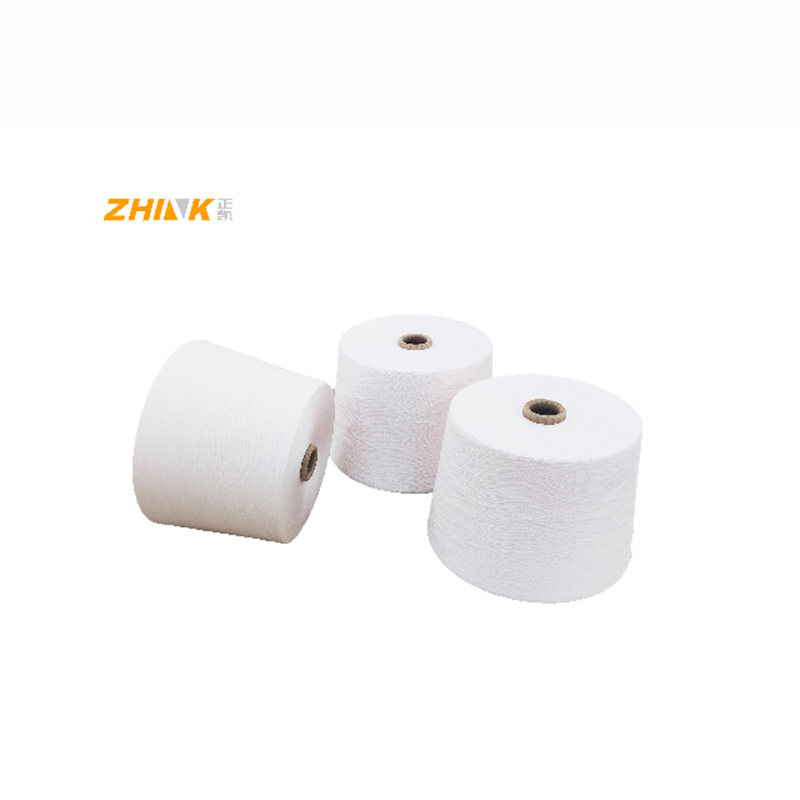
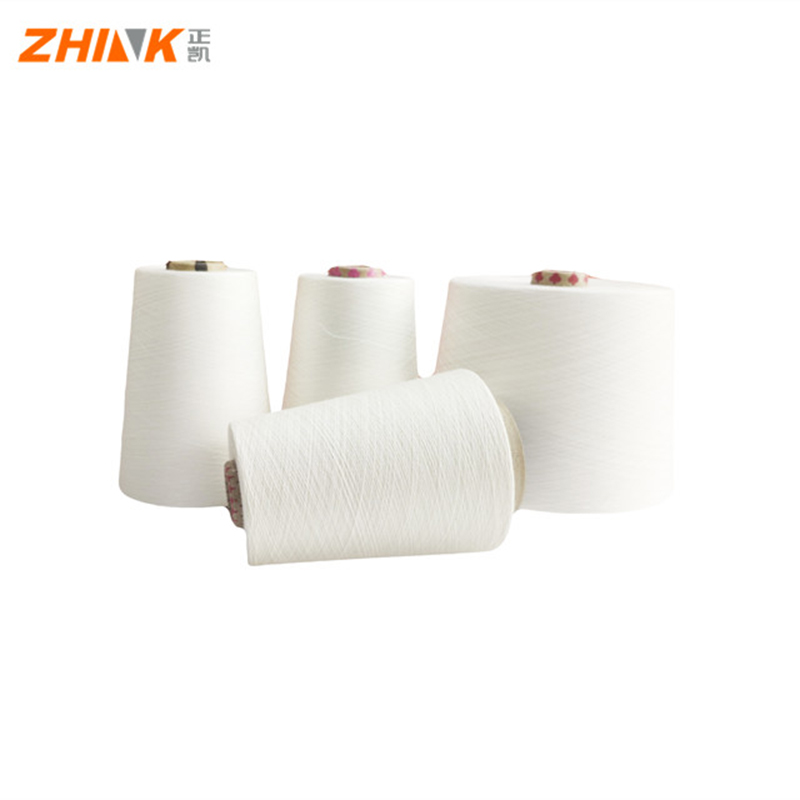
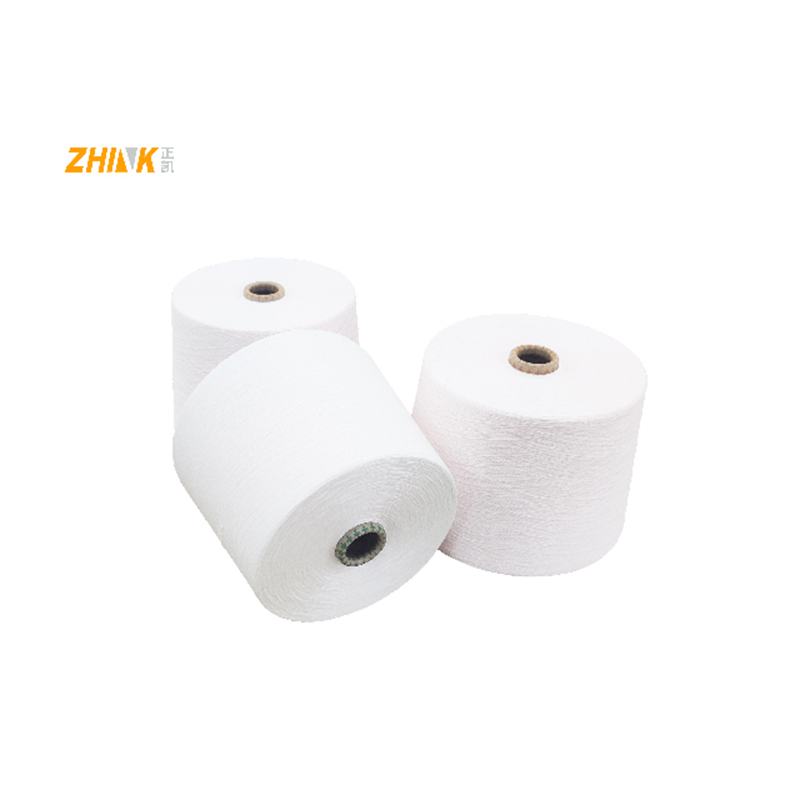
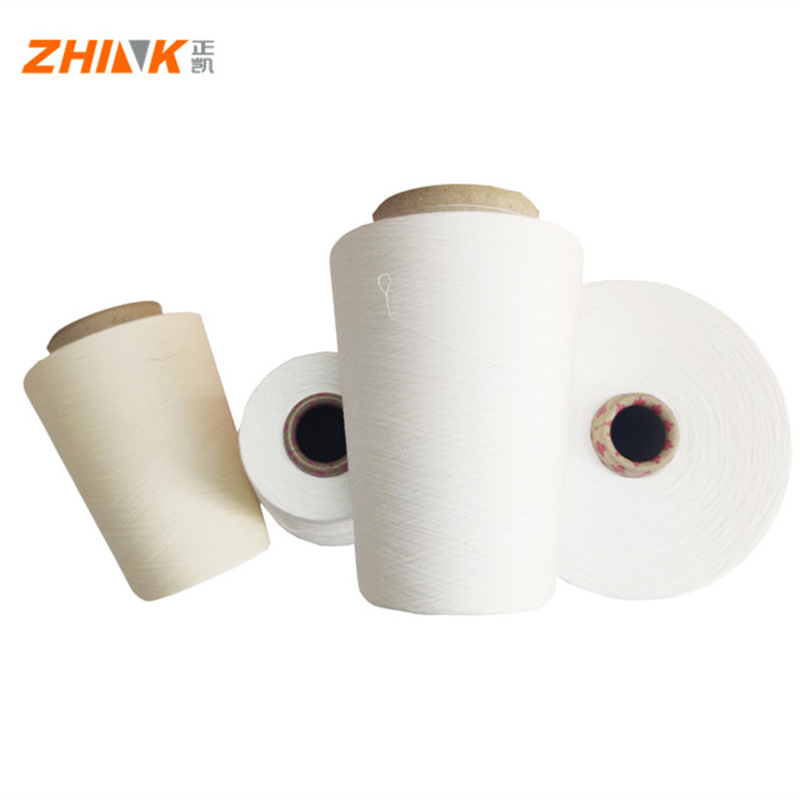
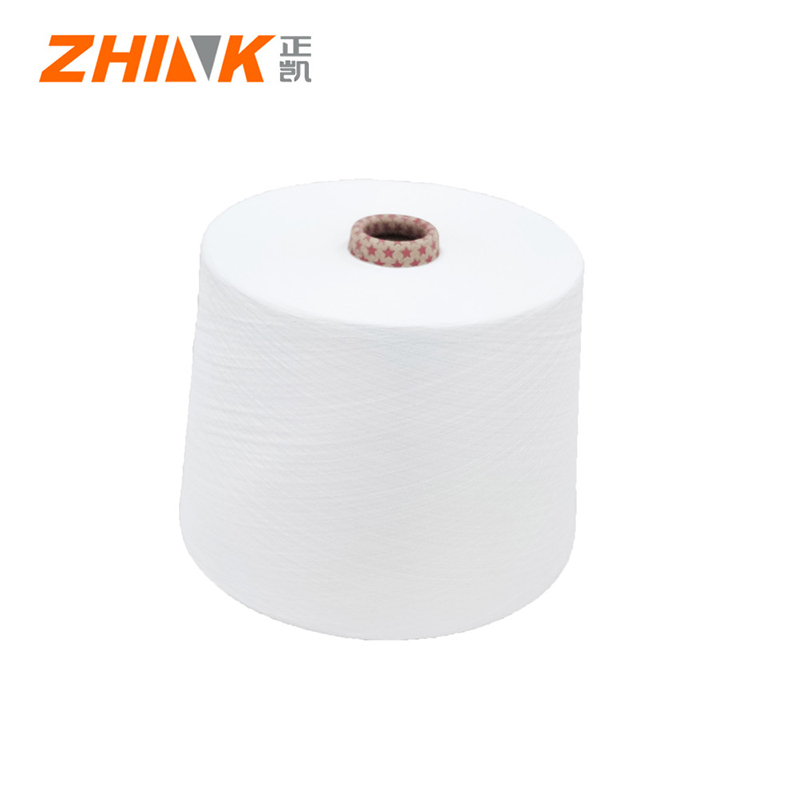
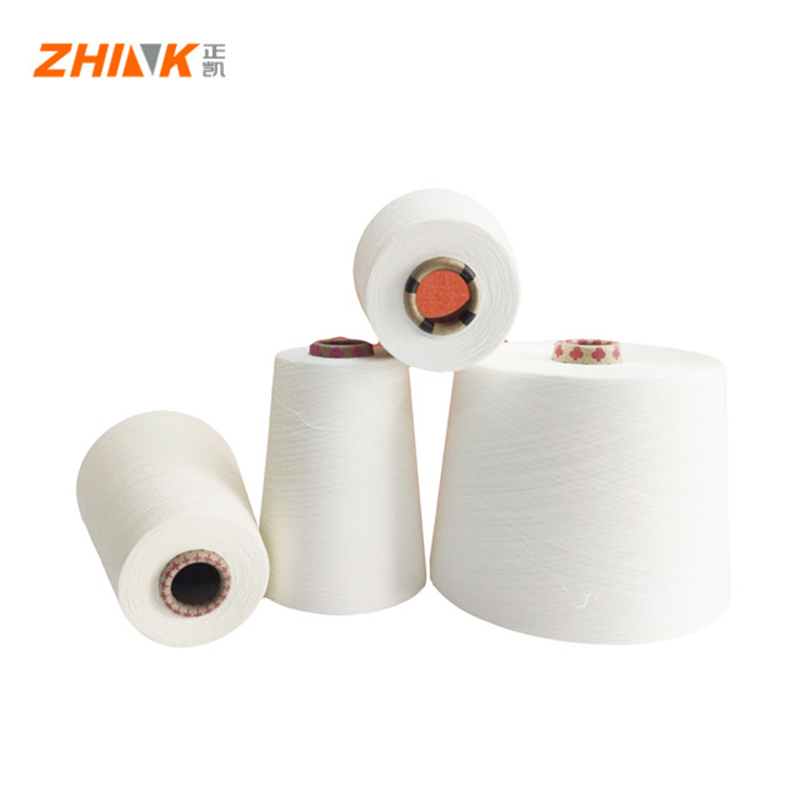
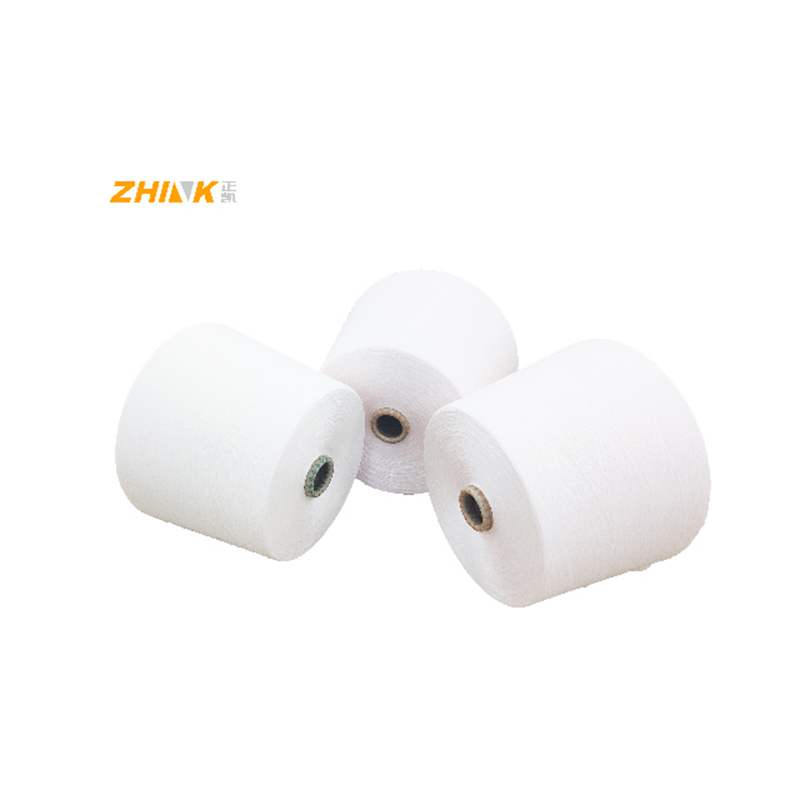
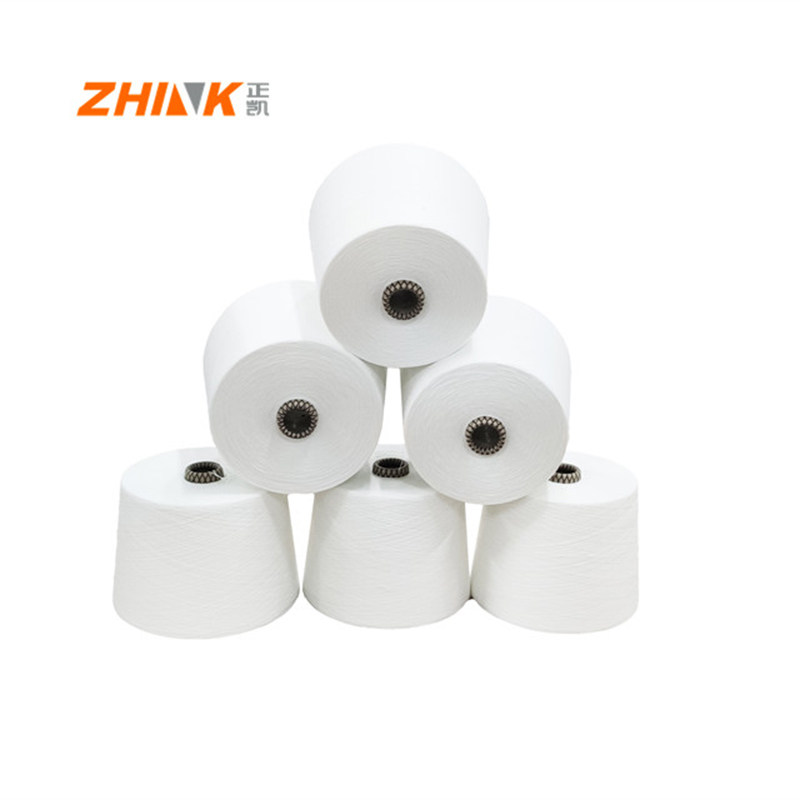
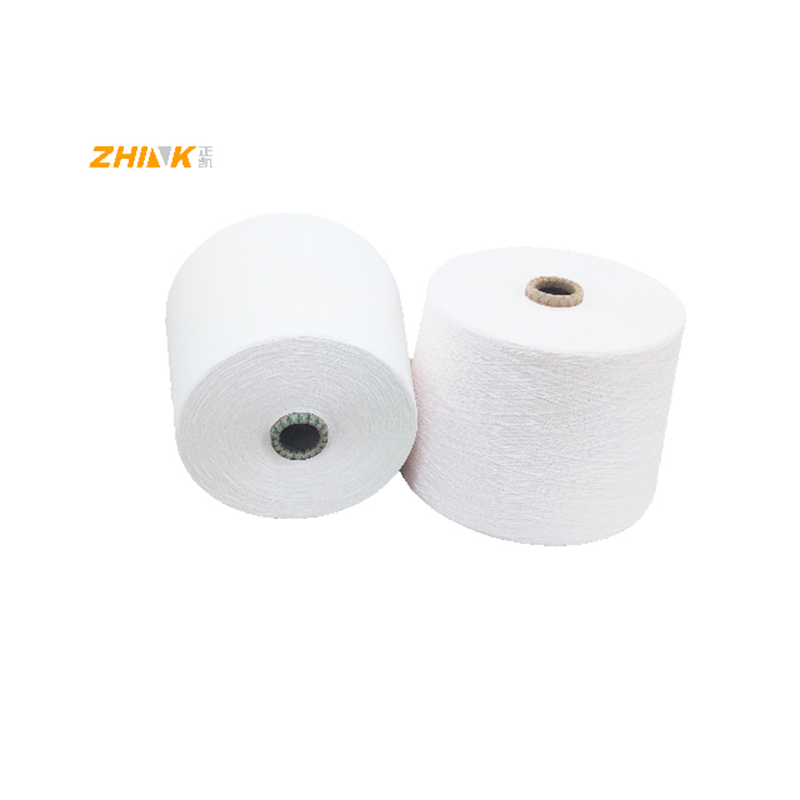
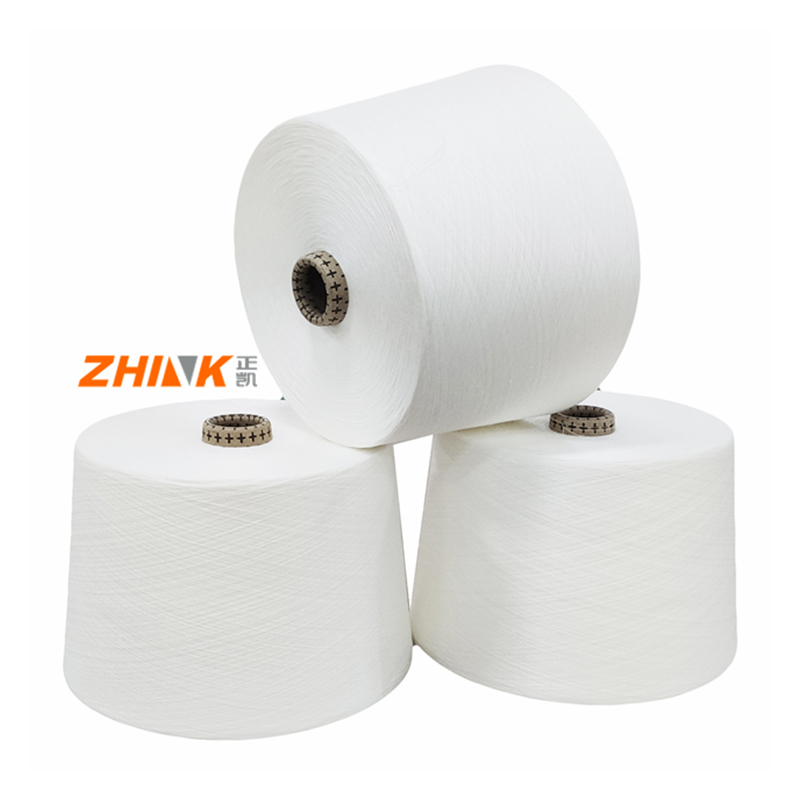
Polyester blended yarn for weaving
The Intricacies of Polyester Blended Yarn for Weaving
When it comes to weaving, understanding Polyester blended yarn can make a world of difference in terms of texture and durability. Many industry newcomers often underestimate the complexity involved in selecting the right blend, leading to unexpected challenges in production and final product quality.
Decoding Polyester Blended Yarn
Polyester blended yarn is not just a matter of mixing polyester with other fibers. Each blend has specific properties that affect how the yarn behaves during weaving. One might think that blending fibers is merely a physical process, but it involves careful consideration of yarn properties such as tenacity, elasticity, and shrinkage.
When I first entered the textile industry, working with SHANDONG ZHINK NEW MATERIAL CO., LTD, I noticed how subtle variations in blends led to noticeable differences in the final fabric's performance. For instance, a 70/30 polyester/cotton blend behaves very differently from an 80/20 blend, particularly in terms of breathability and strength.
Our company’s focus at Zhink New Material (https://www.zhinkyarn.com) has always been on optimizing these blends to meet specific industrial needs. A key takeaway here is that while the market might push for cost-effective solutions, we’ve found that quality often lies in the details.
The Craft of Mixing Fiber Types
One project stands out—a collaboration with a fashion brand focused on eco-friendly products. We decided to create a blend that integrates recycled polyester yarn with organic cotton. This wasn’t straightforward. The recycled polyester had variable dye uptake, affecting consistency in color, a challenge only resolved through persistent trials.
So, what's the secret sauce? Patience and testing. On paper, many blends seem viable, but actual weaving tests can reveal practical issues. It's often an iterative process: adjust, weave, test, and learn from each fabric’s behavior and appearance.
A practical tip when dealing with Polyester blended yarn: never discount the role of humidity and temperature in the weaving room. Polyester blends can react to these conditions, impacting tension and resulting in uneven textures or unexpected defects.
Navigating Common Challenges
Let’s talk specifics. One common problem is pilling, which can be exacerbated in blends with lower polyester ratios due to friction during wear. Overcoming this involves selecting the right spinning technique and considering fiber staple length.
Another issue often encountered is discoloration. Polyester, known for its colorfastness, can sometimes surprise you when blended with natural fibers, particularly when finishing treatments come into play. Continuous monitoring of dye formulas and pre-treatment processes is crucial here.
At SHANDONG ZHINK NEW MATERIAL CO., LTD, we've adopted a proactive approach. Real-time testing and quality assurance are integrated throughout production, ensuring that problems are identified and mitigated early. It’s this vigilance that sets apart a great yarn from a mediocre one.
Case Studies: Successes and Learning Curves
Reflecting on past projects, I recall a partnership with an international garment manufacturer. They required a durable yet soft fabric for sportswear—a task achieved by blending high-tenacity polyester with a small percentage of elastane.
What could have improved? Well, initial samples suffered from insufficient elasticity recovery. A minor tweak in the heat-setting process, coupled with supplier input, led to a seamless finish that satisfied both durability and comfort criteria.
Failures, strangely enough, are as informative as successes. A trial involving a bamboo-polyester blend resulted in a wonderful hand feel but lacked tensile strength. While disappointing, it prompted us to reconsider fiber source quality and blend ratios, ultimately refining our offering.
The Future of Polyester Blended Yarn
Looking ahead, sustainability remains a driving focus at Zhink New Material. Innovations like biodegradable polyester and biomass feedstock are promising avenues. As recycling technologies evolve, so too will the composites of these Polyester blended yarn solutions.
Polyester blends with natural fibers are particularly fascinating—there's untapped potential in how these fibers can be engineered to interact, balancing environmental concerns with high-performance requirements.
Innovation never rests. The future points towards dynamic blends that adapt to both industry demands and ecological imperatives. At SHANDONG ZHINK NEW MATERIAL CO., LTD, our journey continues, ever focused on marrying technology with textile legacy. You can explore our developments at https://www.zhinkyarn.com.
Related Products
Related Products