+86-632-3621866
- Chinese
- French
- German
- Portuguese
- Spanish
- Russian
- Japanese
- Korean
- Arabic
- Irish
- Greek
- Turkish
- Italian
- Danish
- Romanian
- Indonesian
- Czech
- Afrikaans
- Swedish
- Polish
- Basque
- Catalan
- Esperanto
- Hindi
- Lao
- Albanian
- Amharic
- Armenian
- Azerbaijani
- Belarusian
- Bengali
- Bosnian
- Bulgarian
- Cebuano
- Chichewa
- Corsican
- Croatian
- Dutch
- Estonian
- Filipino
- Finnish
- Frisian
- Galician
- Georgian
- Gujarati
- Haitian
- Hausa
- Hawaiian
- Hebrew
- Hmong
- Hungarian
- Icelandic
- Igbo
- Javanese
- Kannada
- Kazakh
- Khmer
- Kurdish
- Kyrgyz
- Latin
- Latvian
- Lithuanian
- Luxembou..
- Macedonian
- Malagasy
- Malay
- Malayalam
- Maltese
- Maori
- Marathi
- Mongolian
- Burmese
- Nepali
- Norwegian
- Pashto
- Persian
- Punjabi
- Serbian
- Sesotho
- Sinhala
- Slovak
- Slovenian
- Somali
- Samoan
- Scots Gaelic
- Shona
- Sindhi
- Sundanese
- Swahili
- Tajik
- Tamil
- Telugu
- Thai
- Ukrainian
- Urdu
- Uzbek
- Vietnamese
- Welsh
- Xhosa
- Yiddish
- Yoruba
- Zulu
- Kinyarwanda
- Tatar
- Oriya
- Turkmen
- Uyghur


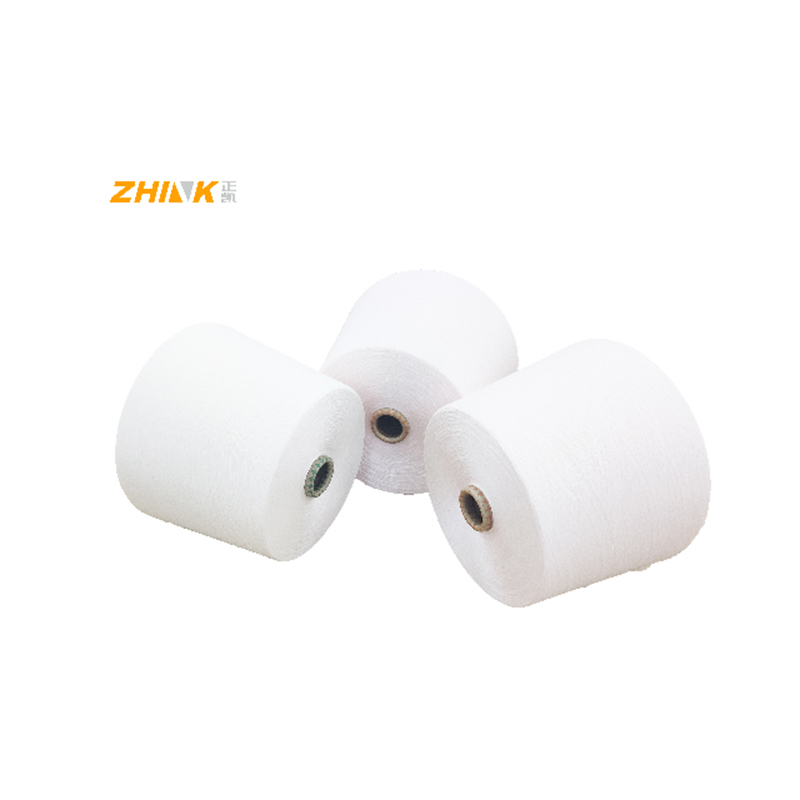
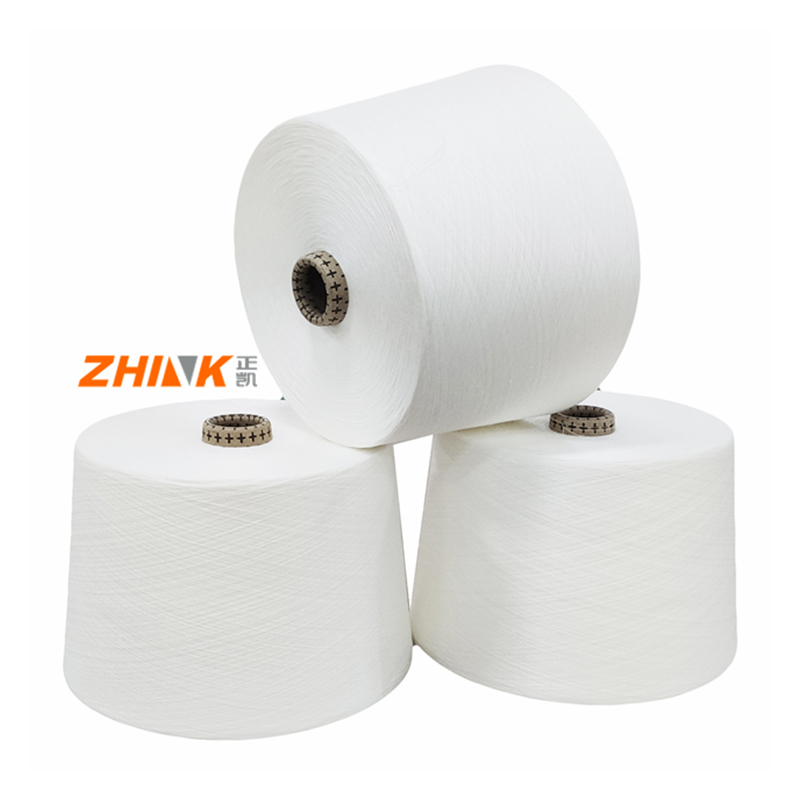
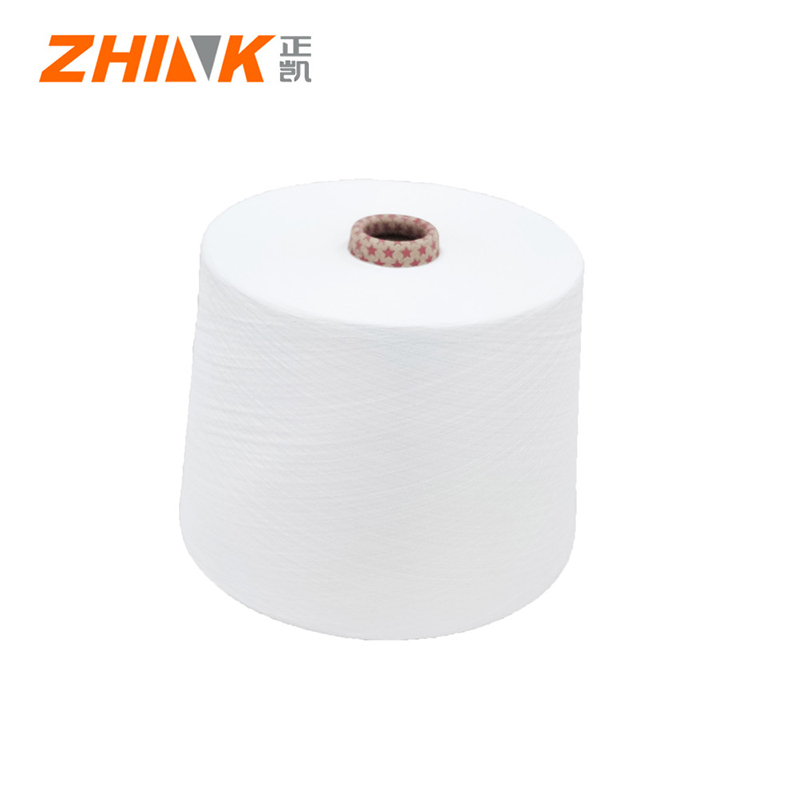
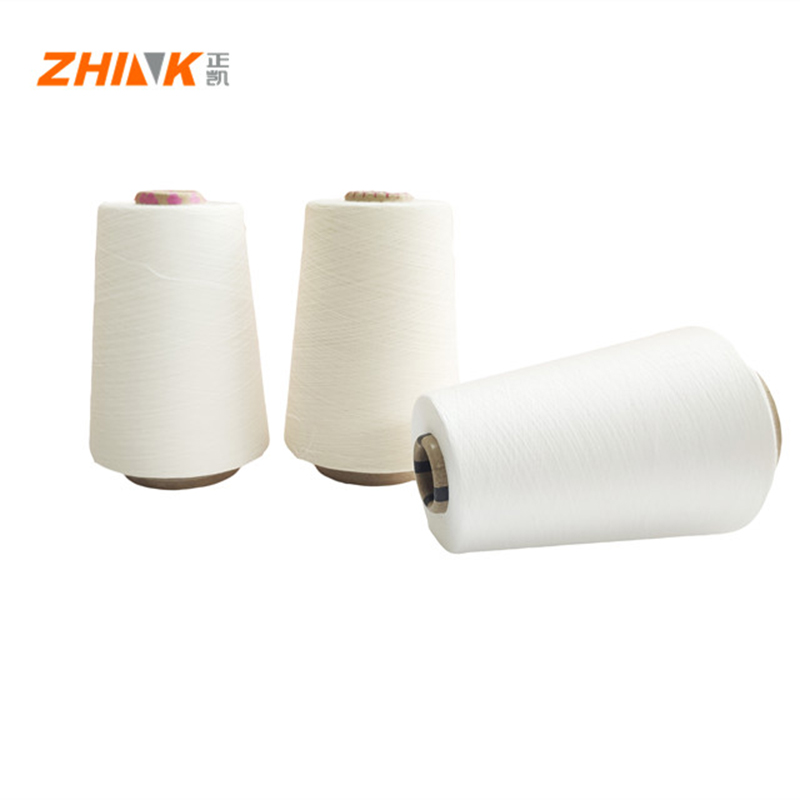
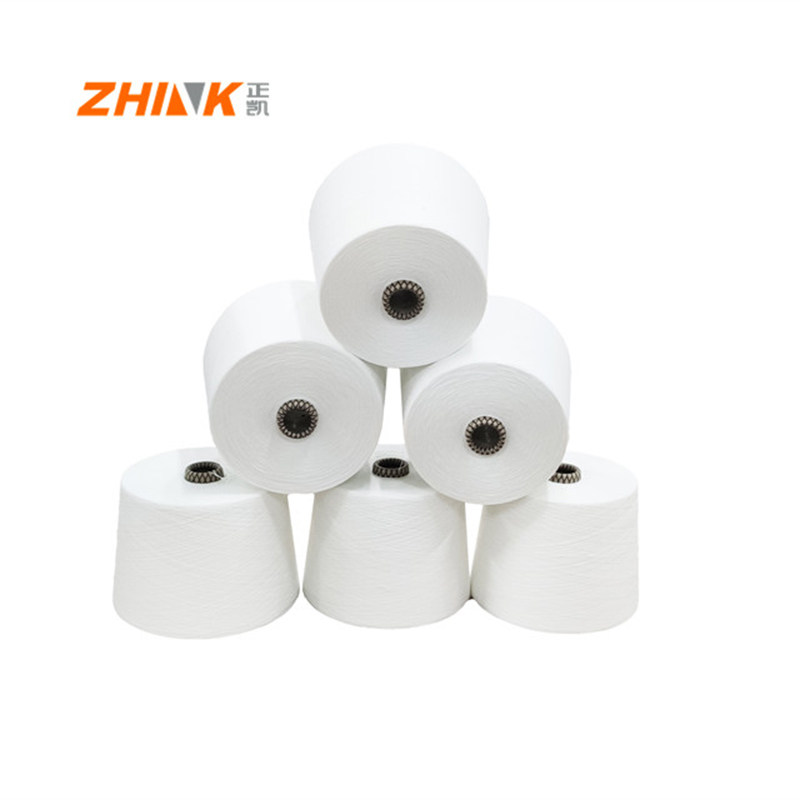
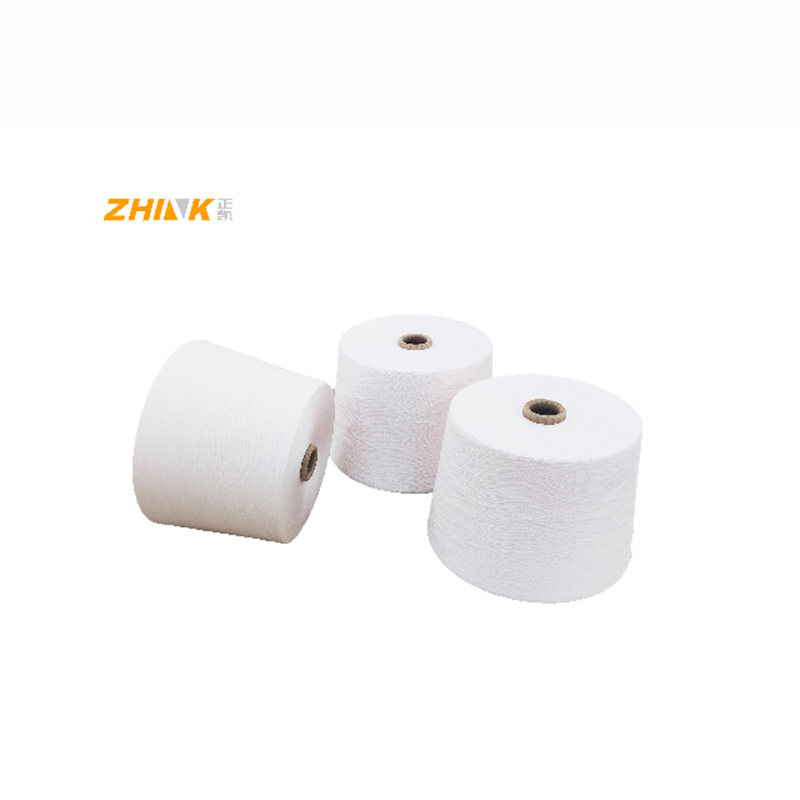
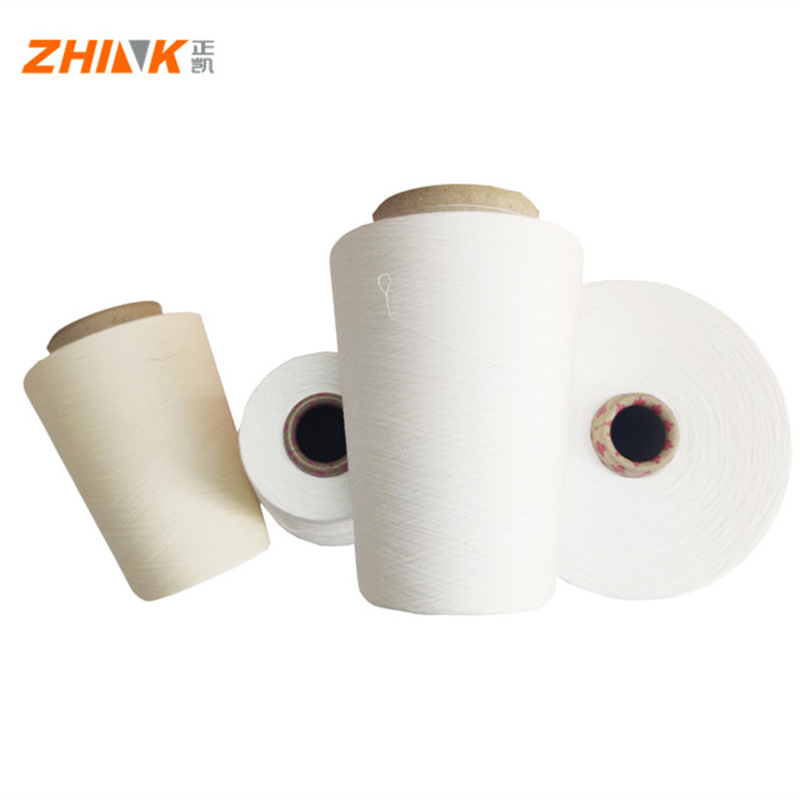
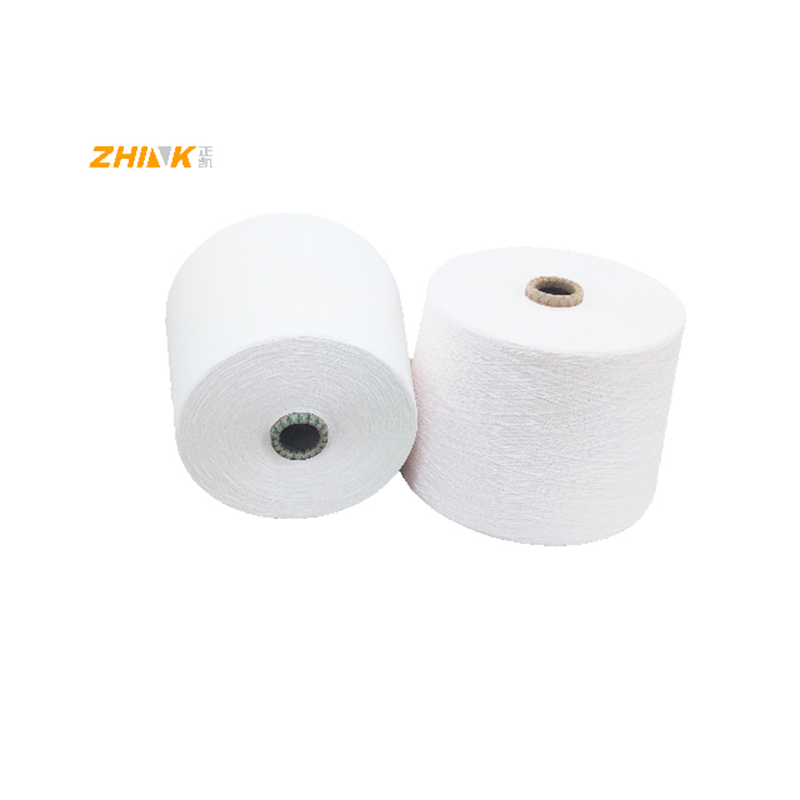
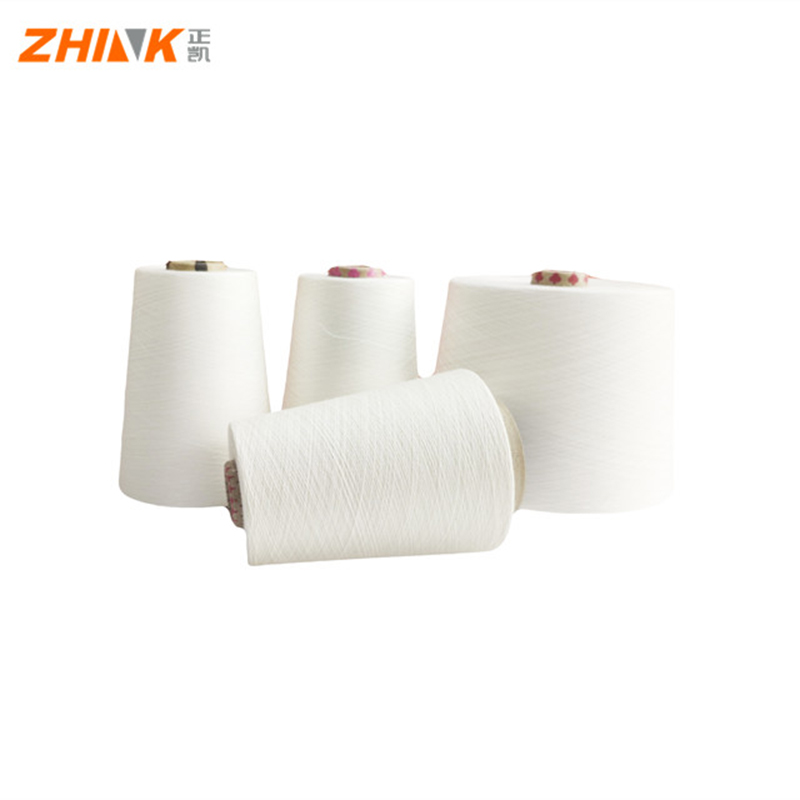
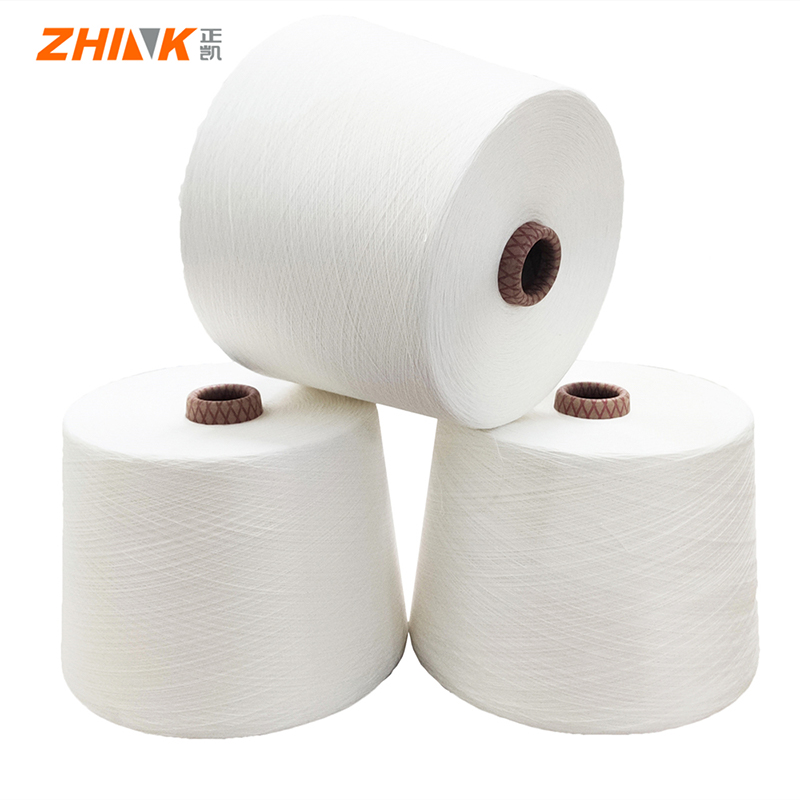
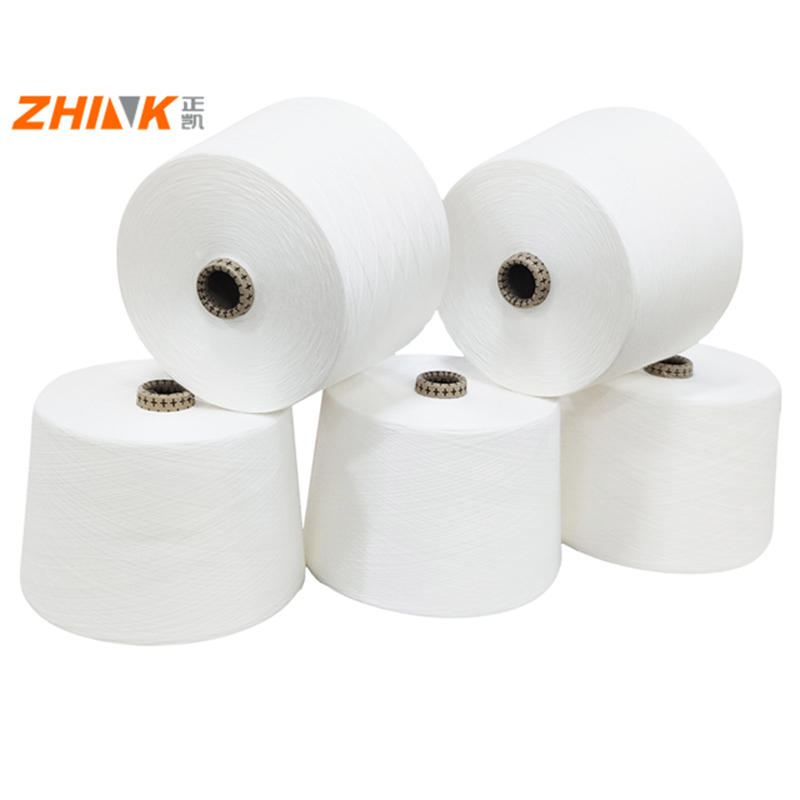
polyester/Combed cotton 50/50 yarn
Understanding Polyester/Combed Cotton 50/50 Yarn: A Practical Guide
Polyester/Combed Cotton 50/50 yarn is often misunderstood—even by those who've been in the industry a while. Commonly perceived just as a compromise between natural and synthetic, it actually offers benefits often overlooked. In this guide, we’ll delve beyond the surface of this blend, examining its merits, challenges, and real-world applications.
The Basics: What Is 50/50 Yarn?
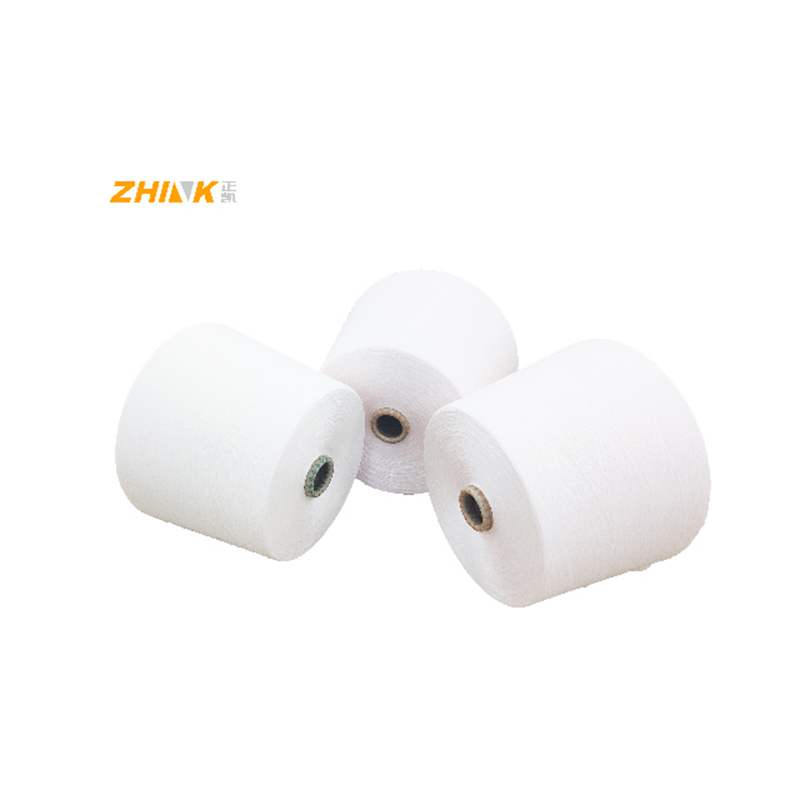
Combining Polyester and Combed Cotton in a 50/50 mix creates a yarn that's surprisingly versatile. Polyester provides strength and durability, while combed cotton contributes softness and breathability. This blend is not just about achieving balance; it's about enhancing the characteristics of both materials to create something more effective.
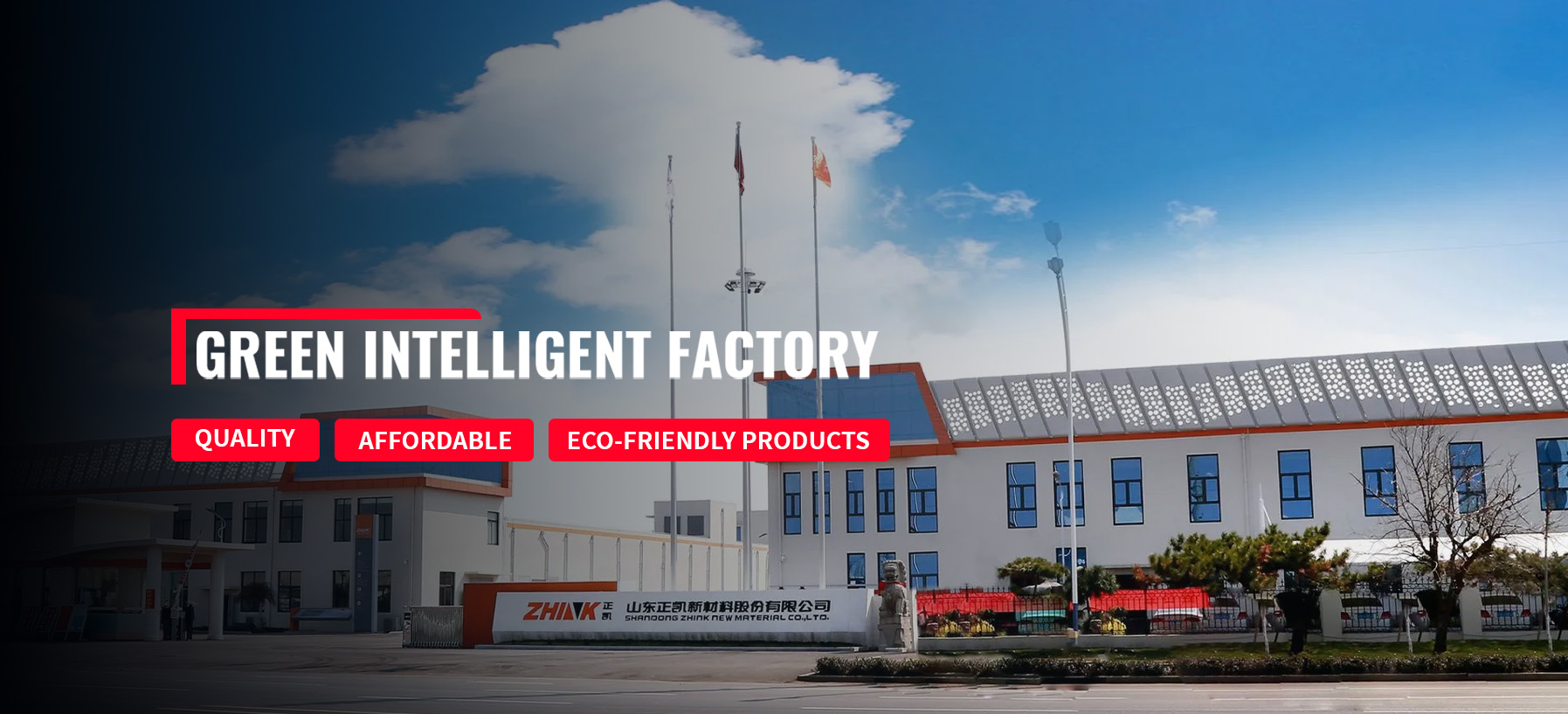
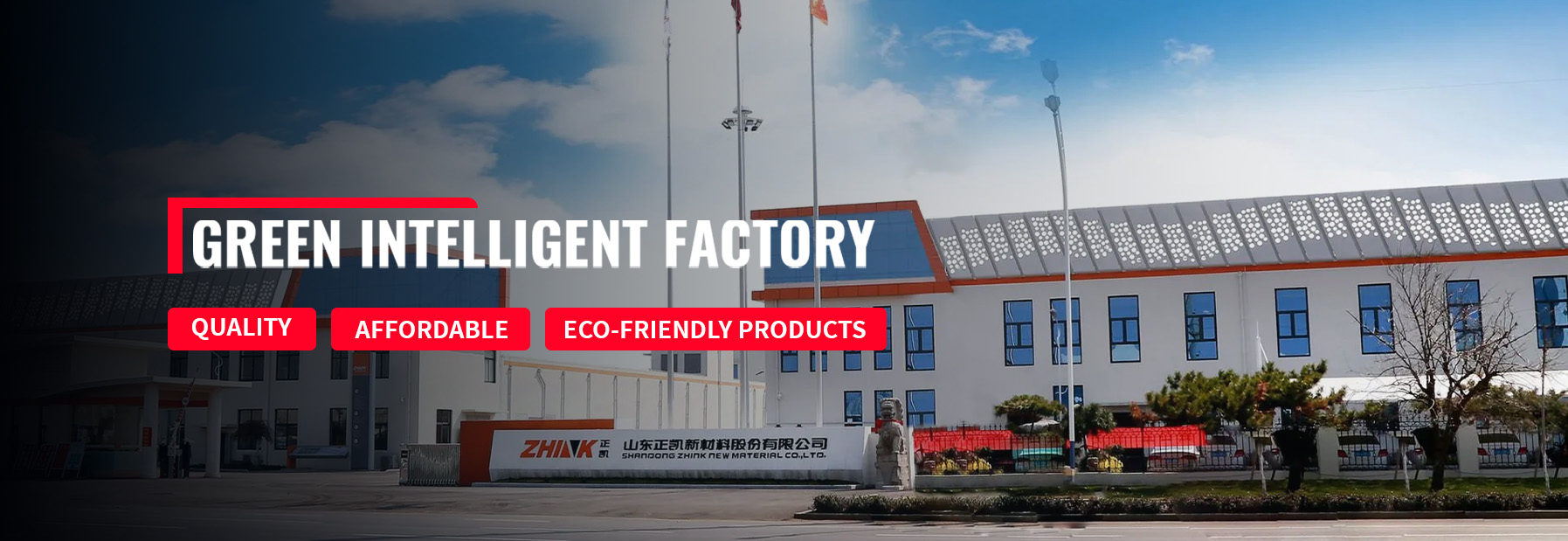
SHANDONG ZHINK NEW MATERIAL CO., LTD, a leader in new textile materials, illustrates this perfectly. On their website, zhinkyarn.com, they emphasize research and innovation, showcasing why this blend is favored in numerous applications. Their focus on R&D highlights the thoughtful consideration necessary to produce quality yarns.
An important detail: when we say 'combed cotton,’ we're talking about a more refined product than traditional cotton. It's stronger and finer, resulting in a smoother, softer yarn. When combined with polyester, you get a balanced textile that's both comfortable to wear and long-lasting.
Applications and Uses
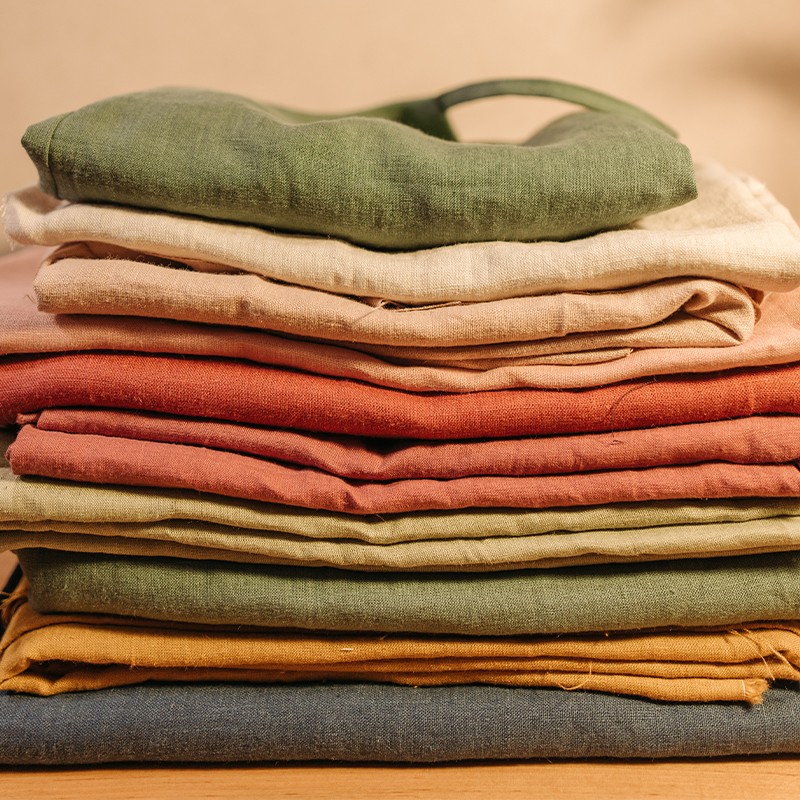
This 50/50 yarn blend is popular across many industries, from apparel to home textiles. Think T-shirts that maintain shape after multiple washes, or bed linens that don't wrinkle easily. It's these everyday applications where the blend's stability and softness really shine.
Another nuanced application is in sportswear. The combination provides moisture-wicking properties thanks to polyester, while the cotton adds comfort on the skin. This makes for activewear that doesn't cling or chafe—something many brands covet.
Of course, SHANDONG ZHINK NEW MATERIAL CO., LTD has tapped into this potential. They've pushed the boundaries, innovating textiles that are not just functional but advanced in tackling industry challenges. Their commitment to material excellence is evident in the quality of their yarns.
Challenges in Production
Despite its advantages, producing a high-quality polyester/combed cotton yarn isn't without hurdles. One key challenge is ensuring uniformity and quality, necessitating precise control over production processes—a capability that differentiates industry leaders like Zhink New Material from less experienced producers.
The spinning process, for example, requires careful tension control and blending techniques to avoid inconsistencies. This isn't just technically challenging; it demands constant oversight and quality checks, which can strain resources but is crucial for product reliability.
Moreover, balancing eco-conscious production methods with the demand for synthetic fibers is a growing conversation. There's a significant push for sustainable practices, and companies like Zhink are ahead of the curve, integrating eco-friendly processes without compromising their product's integrity.
Real-World Experiences
When I first encountered this blend in a professional setting, it wasn’t under ideal circumstances. Quality issues plagued the batch, leading to a frustrated client and a steep learning curve for our team. What I realized is that understanding the intricate dance between cotton and polyester in the spinning room is no small feat.
Success stories often echo similar sentiments—a tough start followed by gradual mastery. By investing in cutting-edge technology and skilled personnel, we, like the folks at Zhink, were eventually able to navigate these complexities. The result was a reliable, high-quality yarn that stood up to its promise.
Sharing experiences and solutions is invaluable. The textile industry thrives on collaboration and insight-sharing, and those who master this blend often find themselves leading the charge in innovation, just as Zhink has done. Their transparency and focus on continuous improvement set a benchmark for the rest of us.
Future Perspectives
Looking forward, the blend of polyester and combed cotton is poised to see more innovation and application growth. With increasingly sophisticated demands in textiles, the flexibility and adaptability of this yarn offer exciting opportunities for those willing to invest in its potential.
SHANDONG ZHINK NEW MATERIAL CO., LTD exemplifies how commitment to R&D can transform possibilities into realities. As they continue to research and produce high-quality yarns, they set an example that inspires confidence and promotes change within the industry.
Ultimately, polyester/combed cotton yarn is more than just a blend; it's a testament to how diverse qualities can harmonize, achieving results beyond the sum of their parts. And for those of us shaping the textile future, it's an ever-relevant component of our toolkit.
Related Products
Related Products