+86-632-3621866
- Chinese
- French
- German
- Portuguese
- Spanish
- Russian
- Japanese
- Korean
- Arabic
- Irish
- Greek
- Turkish
- Italian
- Danish
- Romanian
- Indonesian
- Czech
- Afrikaans
- Swedish
- Polish
- Basque
- Catalan
- Esperanto
- Hindi
- Lao
- Albanian
- Amharic
- Armenian
- Azerbaijani
- Belarusian
- Bengali
- Bosnian
- Bulgarian
- Cebuano
- Chichewa
- Corsican
- Croatian
- Dutch
- Estonian
- Filipino
- Finnish
- Frisian
- Galician
- Georgian
- Gujarati
- Haitian
- Hausa
- Hawaiian
- Hebrew
- Hmong
- Hungarian
- Icelandic
- Igbo
- Javanese
- Kannada
- Kazakh
- Khmer
- Kurdish
- Kyrgyz
- Latin
- Latvian
- Lithuanian
- Luxembou..
- Macedonian
- Malagasy
- Malay
- Malayalam
- Maltese
- Maori
- Marathi
- Mongolian
- Burmese
- Nepali
- Norwegian
- Pashto
- Persian
- Punjabi
- Serbian
- Sesotho
- Sinhala
- Slovak
- Slovenian
- Somali
- Samoan
- Scots Gaelic
- Shona
- Sindhi
- Sundanese
- Swahili
- Tajik
- Tamil
- Telugu
- Thai
- Ukrainian
- Urdu
- Uzbek
- Vietnamese
- Welsh
- Xhosa
- Yiddish
- Yoruba
- Zulu
- Kinyarwanda
- Tatar
- Oriya
- Turkmen
- Uyghur



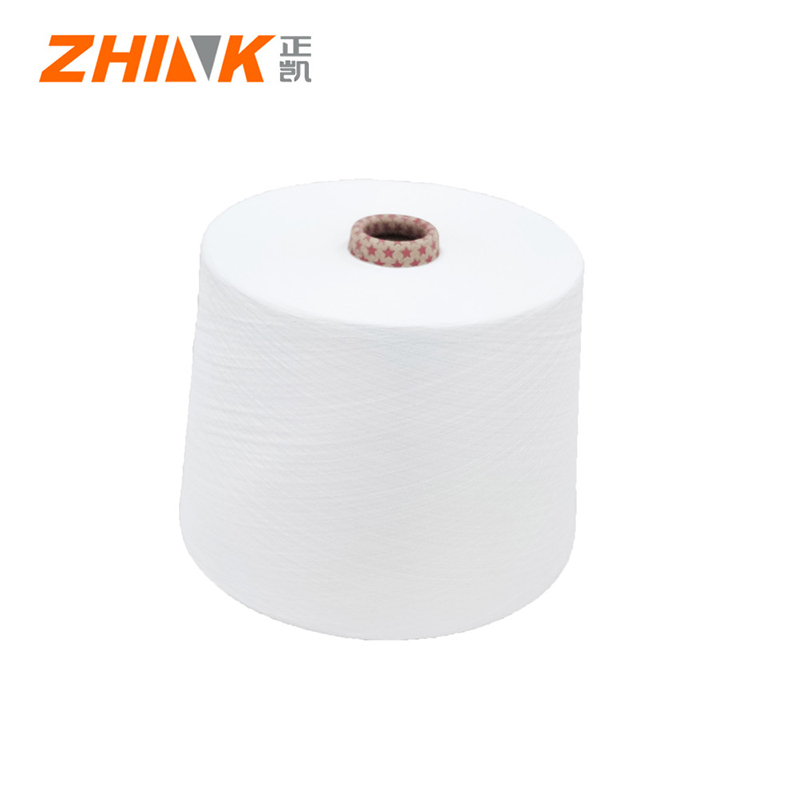
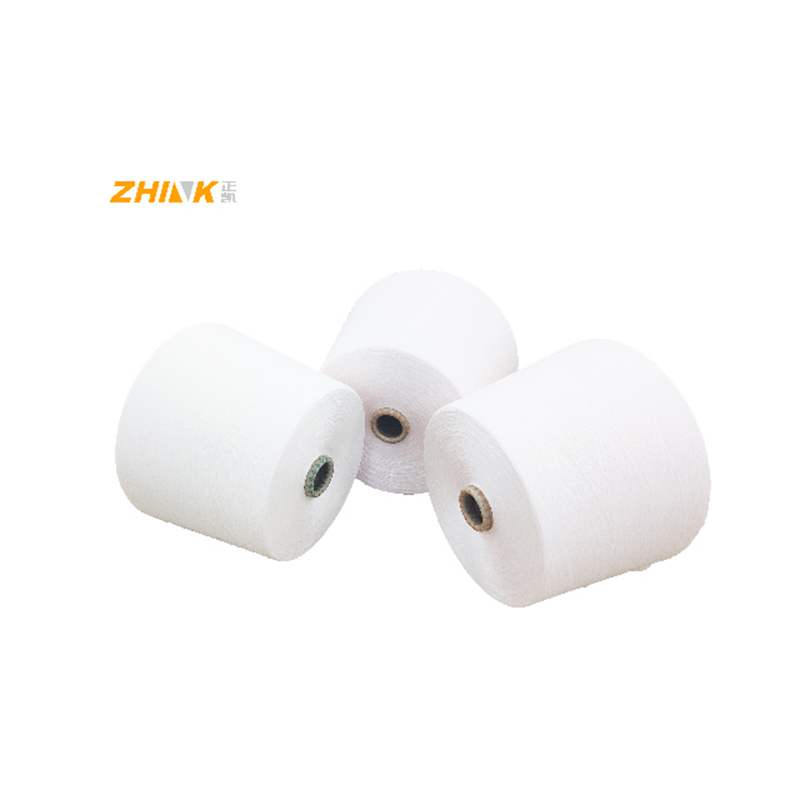
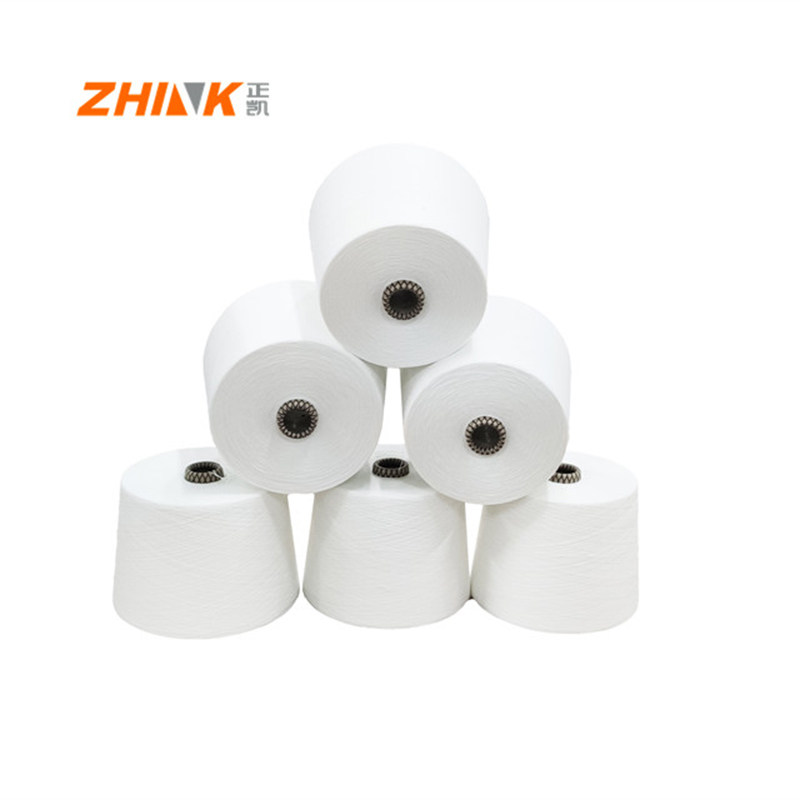
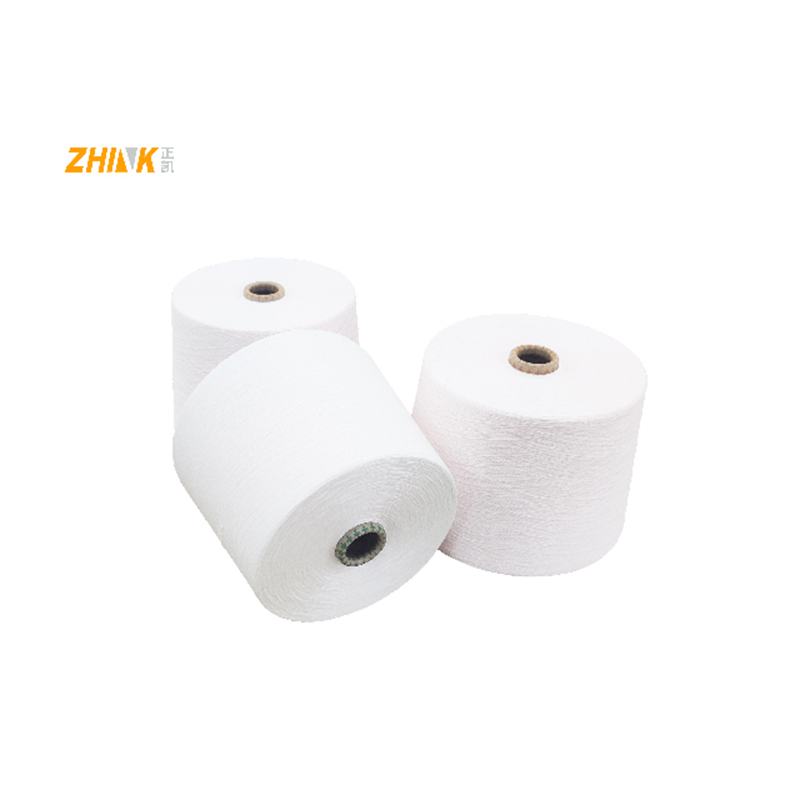
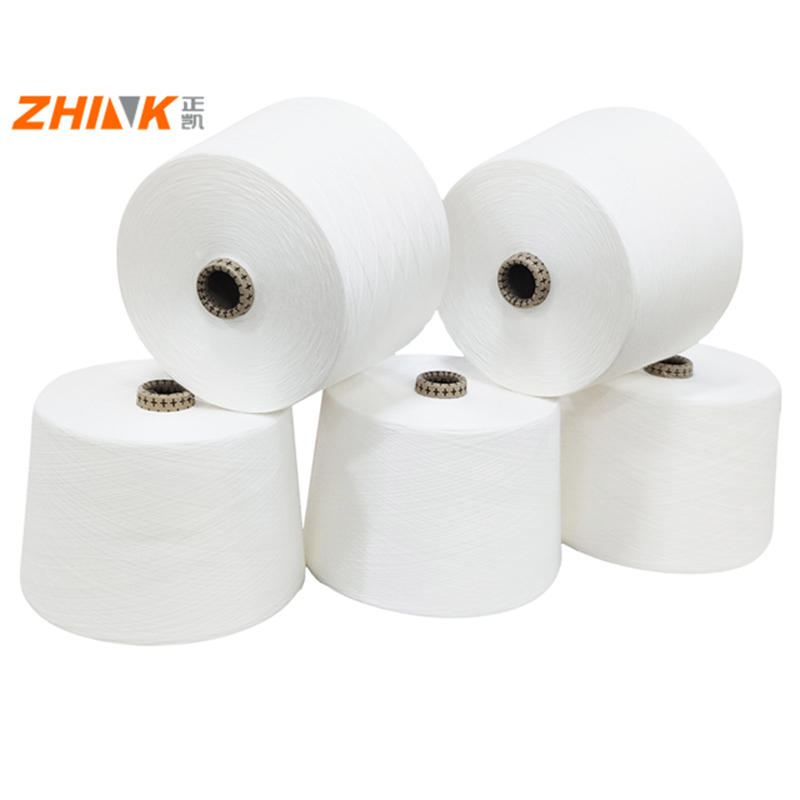
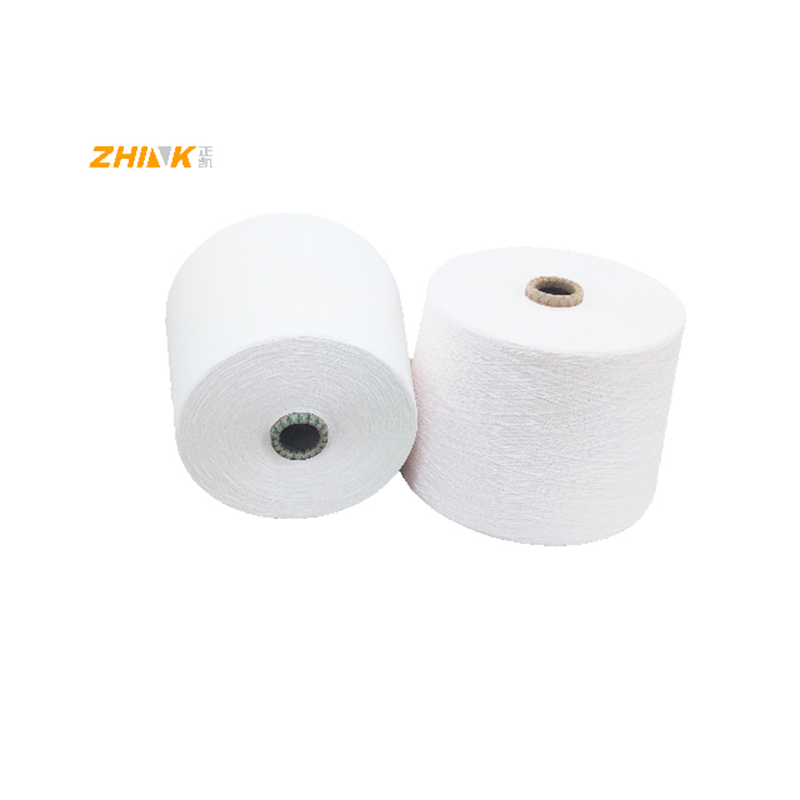
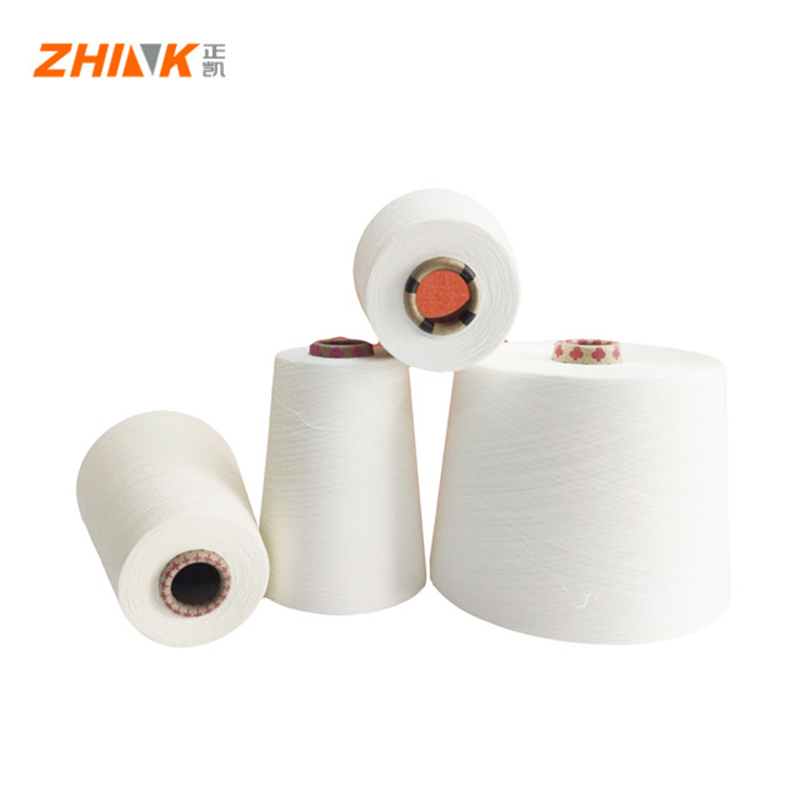
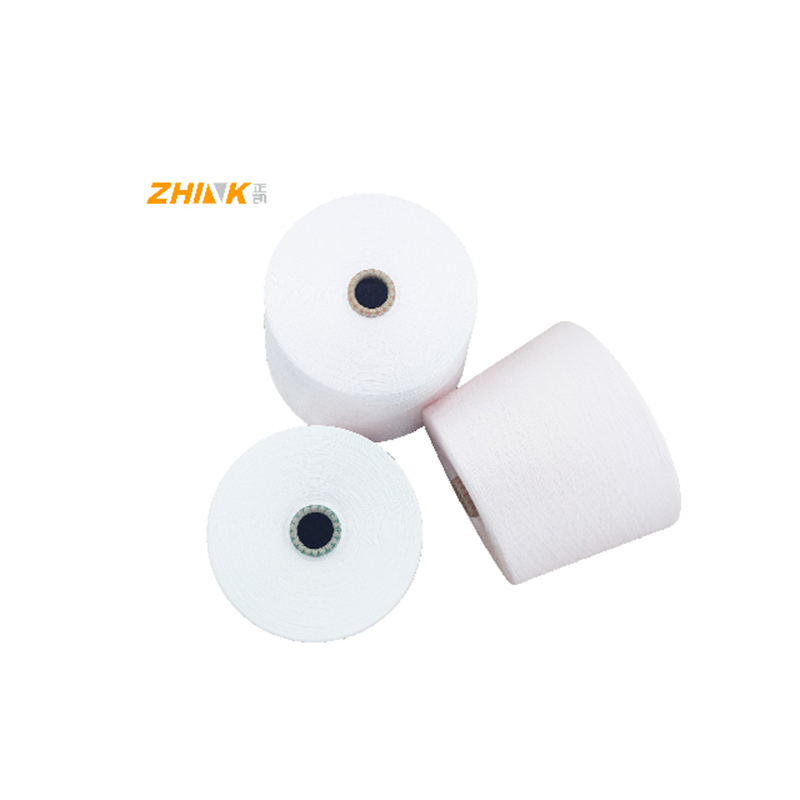
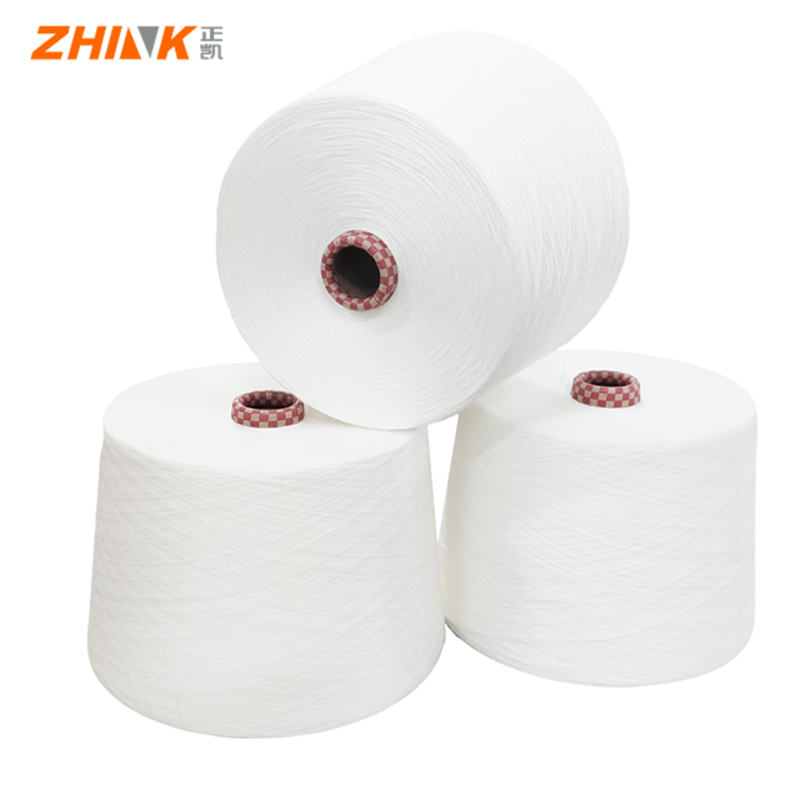
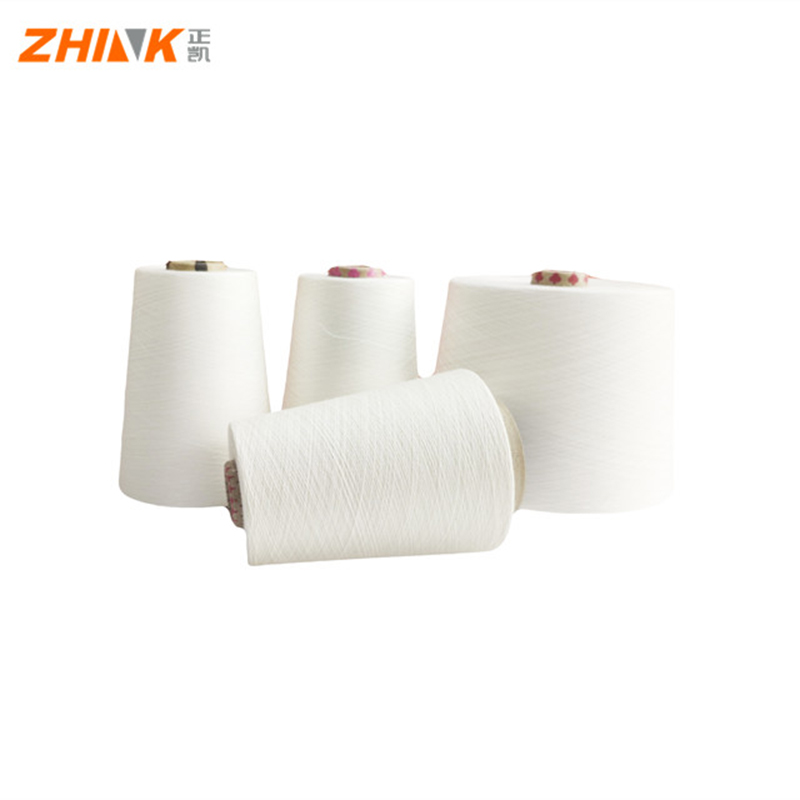
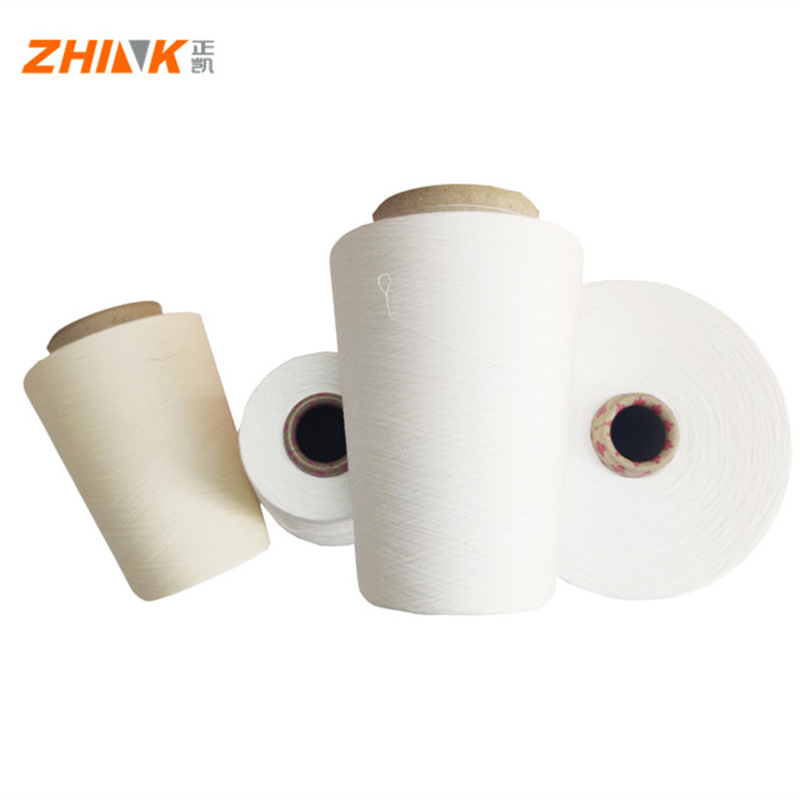
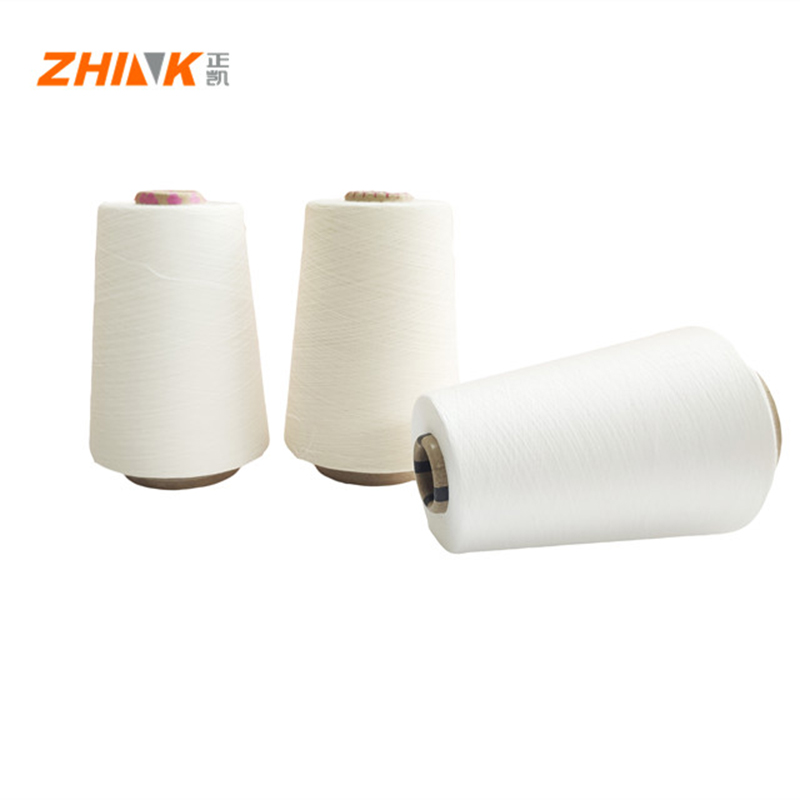
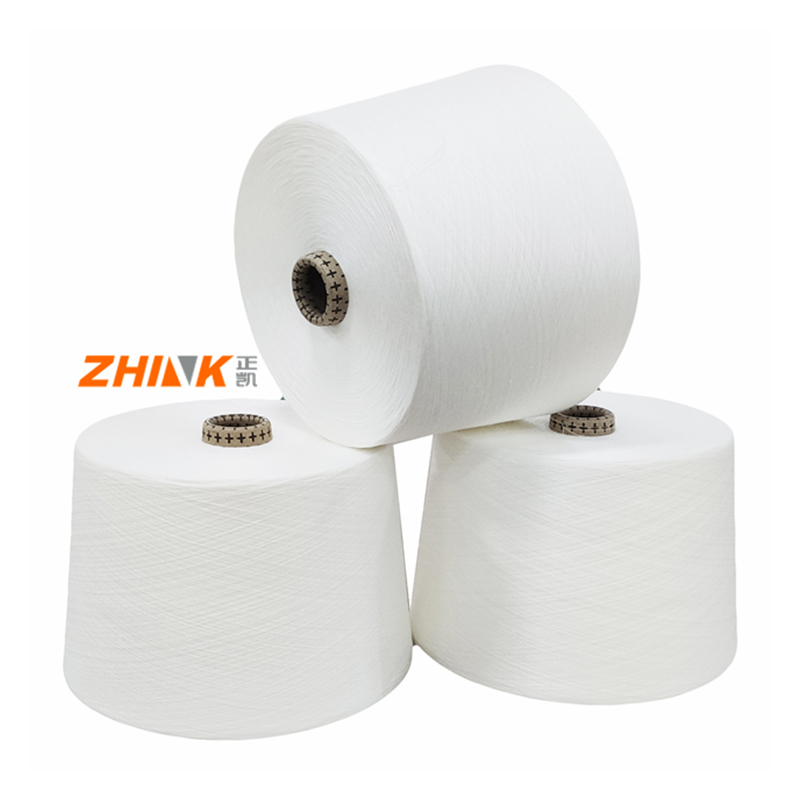
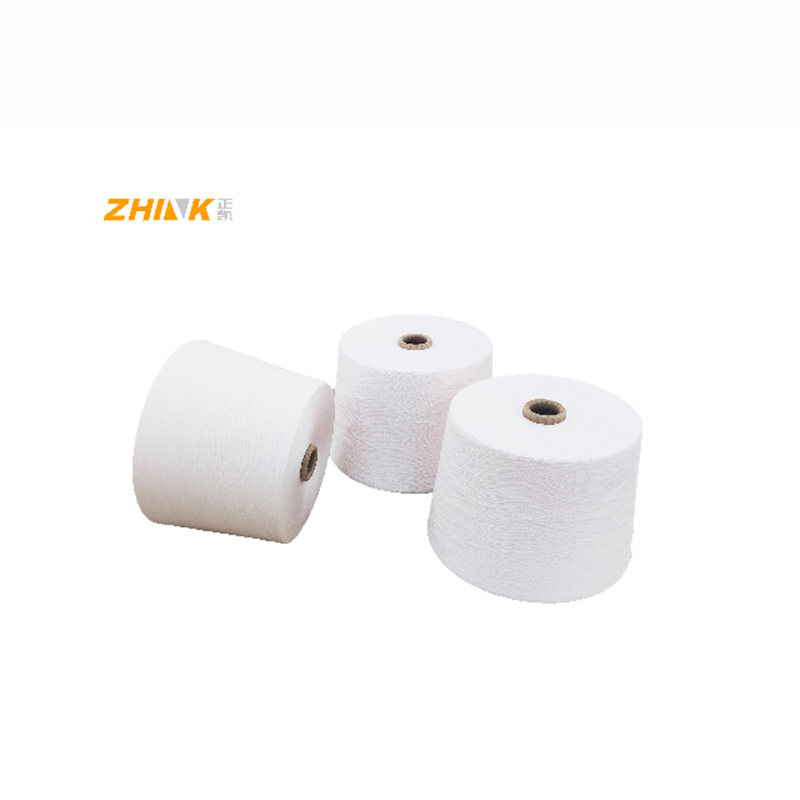
polyester/Combed cotton 60/40 yarn
Understanding the 60/40 Blend: Polyester/Combed Cotton Yarn
When it comes to textiles, the blend of polyester and combed cotton in a 60/40 ratio offers an intriguing mix of comfort, durability, and performance. This specific blend has become increasingly popular in various applications, but while it sounds straightforward, choosing the right yarn for the right application isn't always that simple. It goes beyond just numbers; how these materials perform together can greatly affect the end product.
The Appeal of the 60/40 Blend
The combination of 60% polyester and 40% combed cotton in yarn is often favored due to its balanced properties. Polyester provides strength and wrinkle resistance, whereas combed cotton offers softness and breathability. This blend is particularly appreciated in apparel manufacturing. I recall a time we used this blend for a project at SHANDONG ZHINK NEW MATERIAL CO., LTD, focused on creating comfortable yet robust workwear. The results were impressive—garments retained their shape much longer than those made from pure cotton.
One might think the polyester would completely dominate the characteristics, but that's not the case. The combed cotton component plays a vital role in enhancing the tactile experience, something I didn't fully appreciate until sampling several garment swatches under different lighting and temperature conditions. It's these nuances that can make the difference between a garment that's merely functional and one that's a pleasure to wear.
Moreover, there's a resilience to this blend that's particularly useful. Polyester’s resistance to abrasion means fewer signs of wear with repeated use, which was a huge selling point for our industrial clients who require longevity in textile products. The balance in this blend ensures that the durability doesn't come at the expense of comfort, a critical consideration in textile design.
Production Insights and Challenges
Producing polyester/combed cotton yarn isn't without its challenges. During a particular batch production at Zhink New Material, we noticed that temperature control was crucial. Having the facility properly acclimatized reduced the tendency of polyester fibers to become static, which can be a real headache during spinning.
Controlling lint is another important consideration. Polyester, though strong, can suffer in quality if the surrounding environment isn't kept meticulously clean, something that goes for combed cotton as well. A small oversight here can cause imperfections in the yarn, both visible and structural.
An interesting observation was the need for precise machinery calibration. It impacts the uniformity of the yarn, which in turn affects dyeing consistency. You'd be surprised how a minor tuning can make a major difference in achieving that perfect hue, as confirmed by a QC manager with over 20 years in the field during one of our joint inspections.
Market Demand and Application
One notable trend I’ve observed is growing interest in sustainable materials. Even though polyester/combed cotton yarn isn't fully sustainable, steps have been made to improve its eco-friendliness. We've explored recycled polyester options, aiming to reduce the carbon footprint of our products without compromising quality.
This demand has led to questions about allergenic issues, particularly with synthetic blends. Through customer feedback, particularly for our children's clothing line, we learned that proper fabric finishing and testing can greatly mitigate any concerns, ensuring our products are both safe and gentle.
Given its adaptability, this yarn blend finds use in a wide array of products beyond apparel, like upholstery and even some technical textiles. During product development at Zhink New Material, it’s clear how this yarn can support vibrant colors and patterns, something quite requested in today’s market for both aesthetics and durability.
Challenges in Dyeing Processes
Dyeing polyester/combed cotton 60/40 blends can be tricky. Polyester requires high temperatures for dye sublimation, but cotton fibers are more prone to degradation under the same heat. It’s a balancing act; during several trials, we experimented with various dyes and processes to maintain color integrity without compromising fabric strength.
A particular breakthrough at Zhink involved adjusting the pH levels in the dye bath, which had the dual benefit of enhancing color uptake and fiber resilience. Experiments like these remind us that R&D is as much about creativity as it is about science.
And of course, consistency remains king. It isn't enough to get it right once; replicating results is paramount. That's a philosophy we live by at Zhink New Material, and why we invest heavily in process refinement and quality monitoring.
Future Outlook
Looking ahead, innovation in fiber technology is likely to continue. The 60/40 polyester/combed cotton blend is just a starting point, with opportunities to explore new additive materials and smart textiles—concepts that are becoming more feasible with advances in nanotechnology and material sciences.
The shift towards more environment-conscious products will also push firms to explore biodegradable options or even more efficient recycling paths. It’s an exciting time to be in textiles, where tradition meets future trends, something very palpable when navigating the dynamic landscape at SHANDONG ZHINK NEW MATERIAL CO., LTD.
In sum, the polyester/combed cotton 60/40 yarn is more than just a standard blend. Its complexities and potential reflect both challenges and opportunities, demanding both detailed understanding and a forward-thinking approach—attributes that are core to our ethos at Zhink New Material.
Related Products
Related Products