+86-632-3621866
- Chinese
- French
- German
- Portuguese
- Spanish
- Russian
- Japanese
- Korean
- Arabic
- Irish
- Greek
- Turkish
- Italian
- Danish
- Romanian
- Indonesian
- Czech
- Afrikaans
- Swedish
- Polish
- Basque
- Catalan
- Esperanto
- Hindi
- Lao
- Albanian
- Amharic
- Armenian
- Azerbaijani
- Belarusian
- Bengali
- Bosnian
- Bulgarian
- Cebuano
- Chichewa
- Corsican
- Croatian
- Dutch
- Estonian
- Filipino
- Finnish
- Frisian
- Galician
- Georgian
- Gujarati
- Haitian
- Hausa
- Hawaiian
- Hebrew
- Hmong
- Hungarian
- Icelandic
- Igbo
- Javanese
- Kannada
- Kazakh
- Khmer
- Kurdish
- Kyrgyz
- Latin
- Latvian
- Lithuanian
- Luxembou..
- Macedonian
- Malagasy
- Malay
- Malayalam
- Maltese
- Maori
- Marathi
- Mongolian
- Burmese
- Nepali
- Norwegian
- Pashto
- Persian
- Punjabi
- Serbian
- Sesotho
- Sinhala
- Slovak
- Slovenian
- Somali
- Samoan
- Scots Gaelic
- Shona
- Sindhi
- Sundanese
- Swahili
- Tajik
- Tamil
- Telugu
- Thai
- Ukrainian
- Urdu
- Uzbek
- Vietnamese
- Welsh
- Xhosa
- Yiddish
- Yoruba
- Zulu
- Kinyarwanda
- Tatar
- Oriya
- Turkmen
- Uyghur


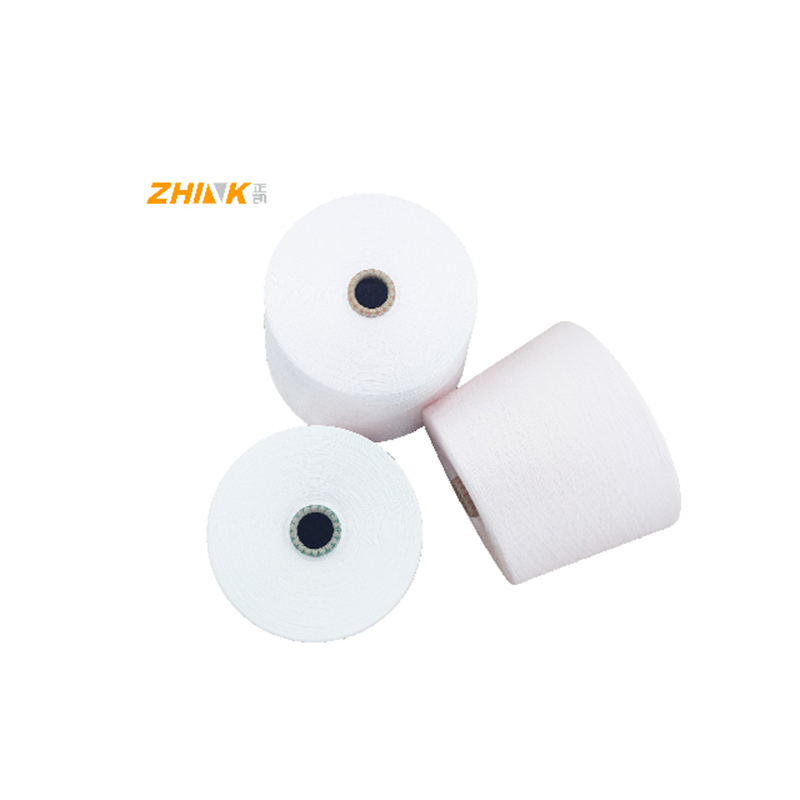
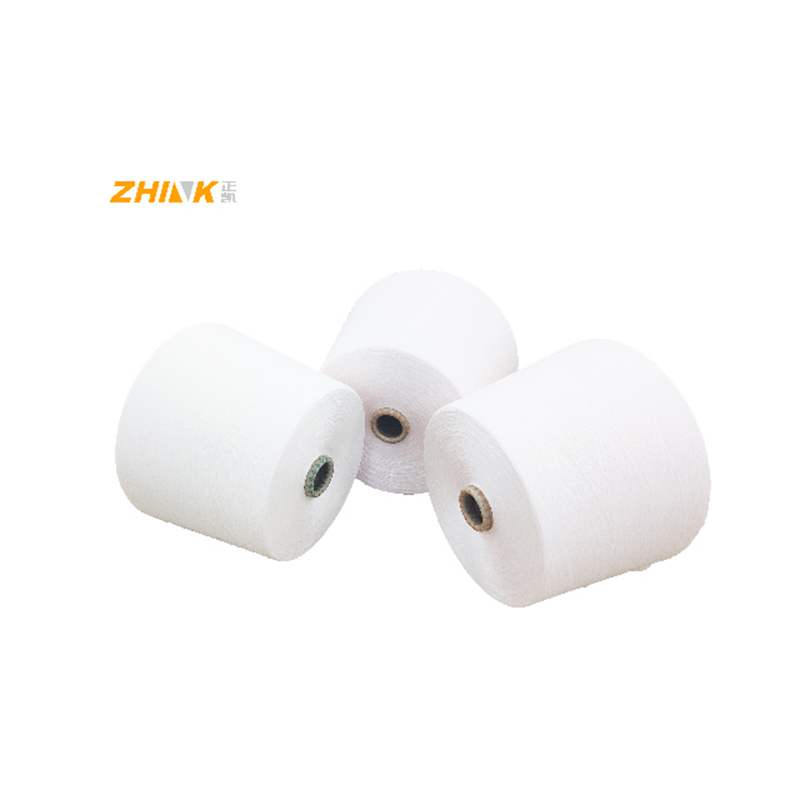
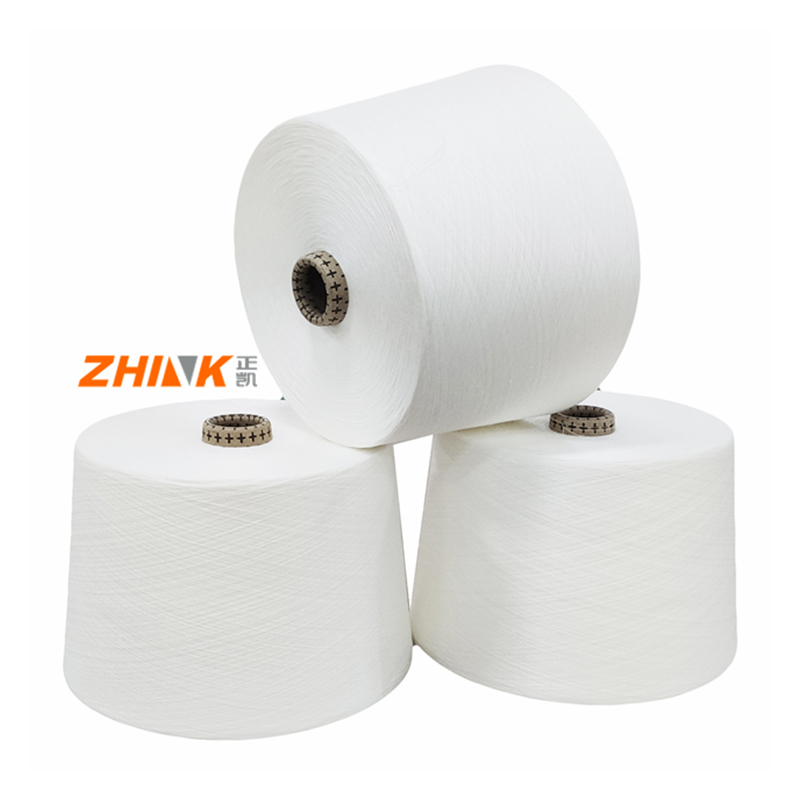
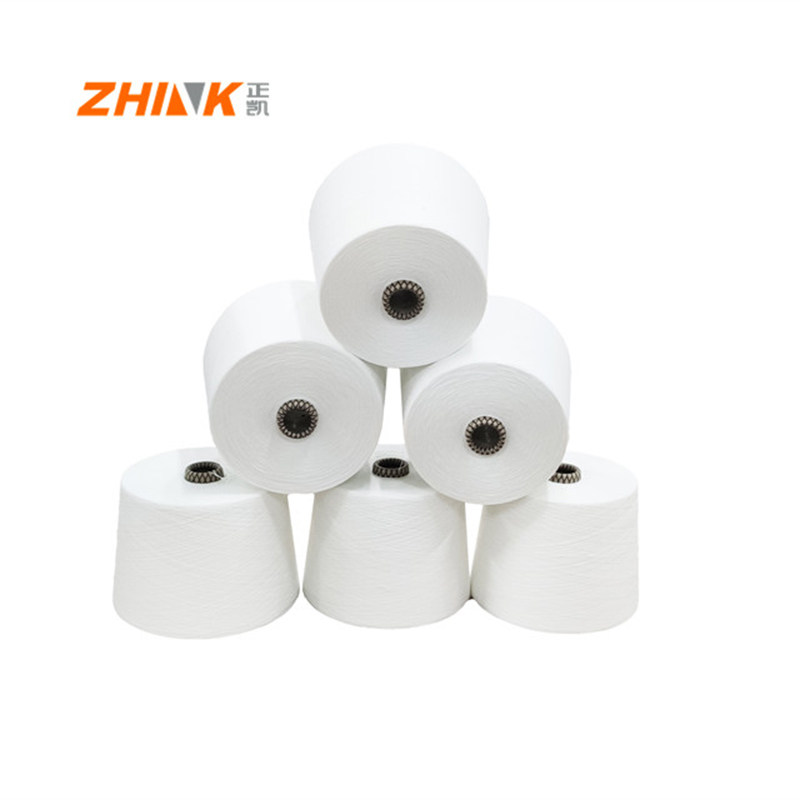
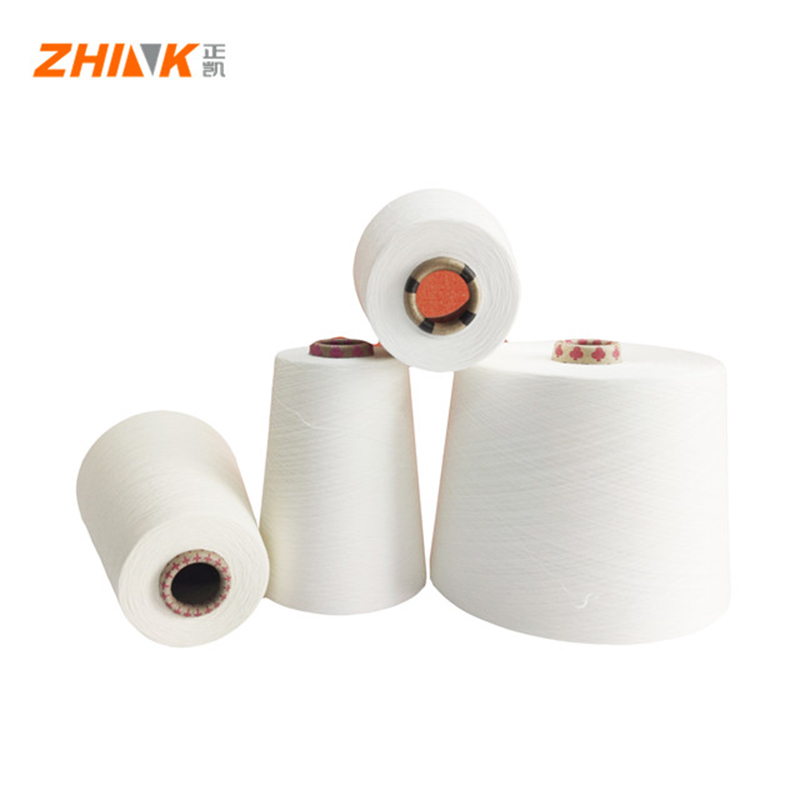
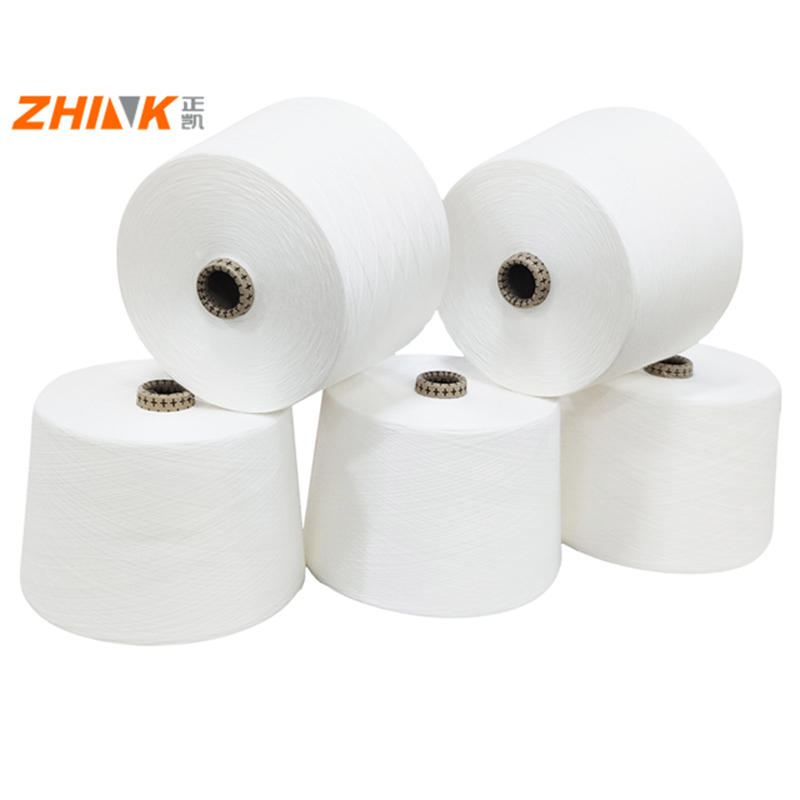
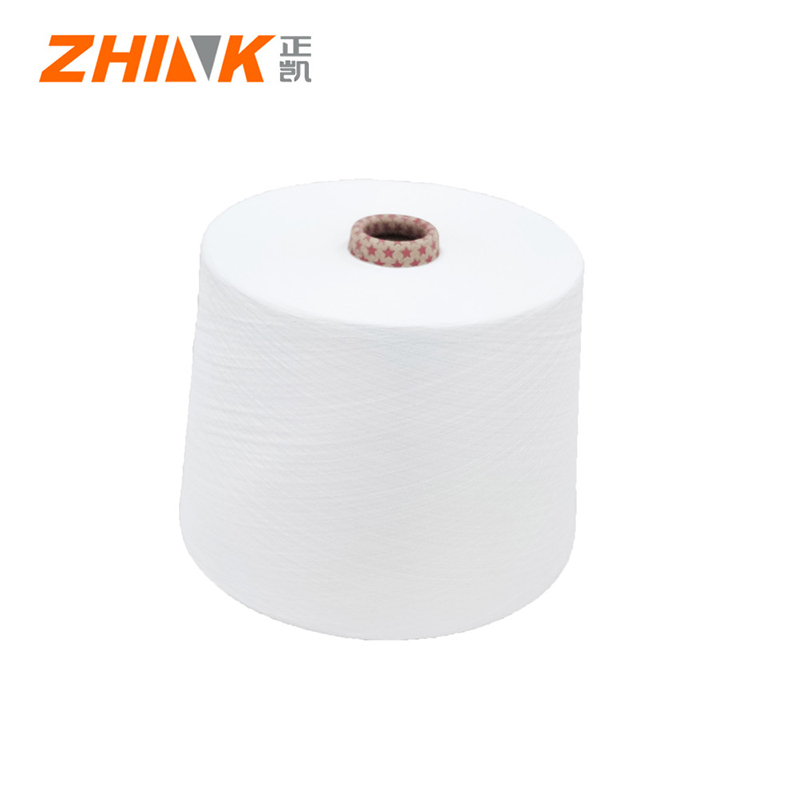
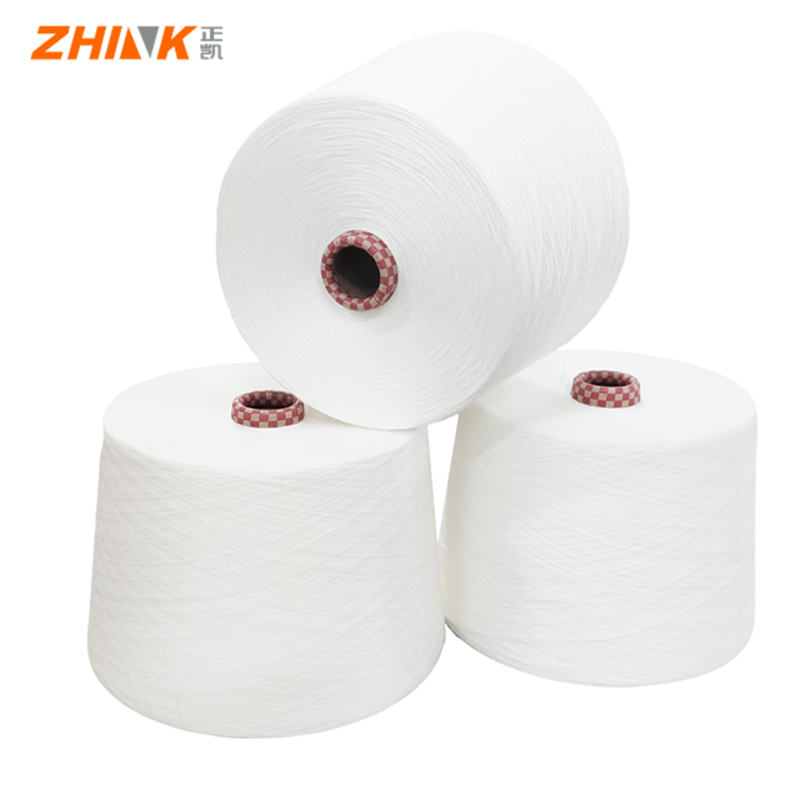
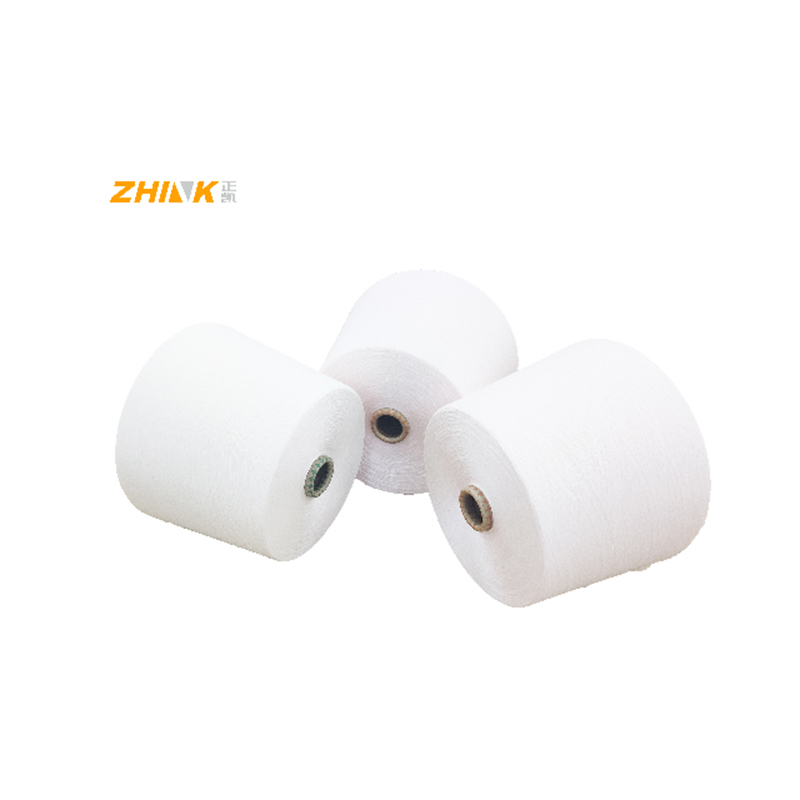
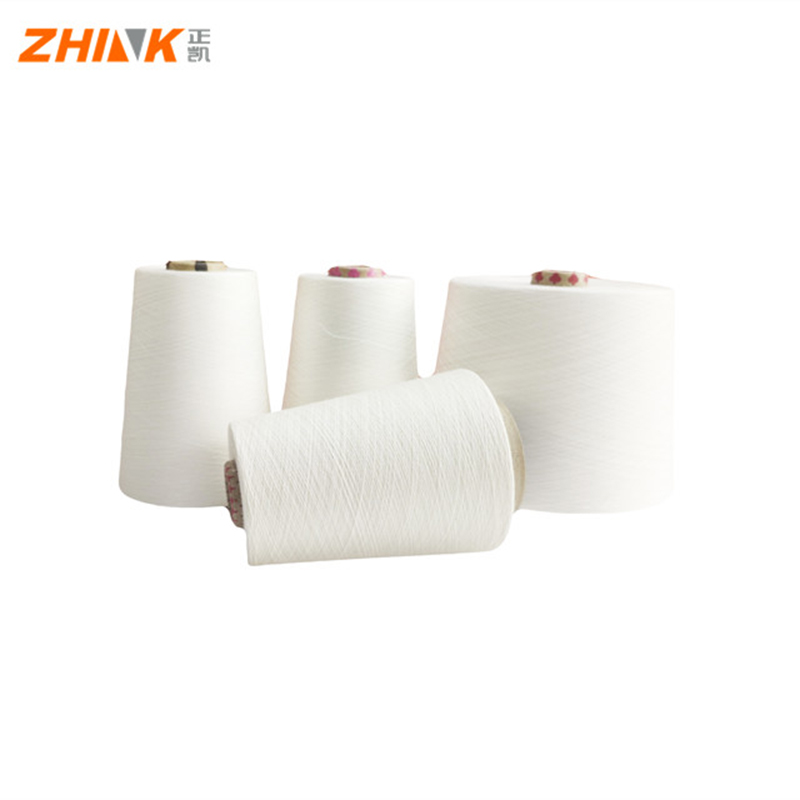
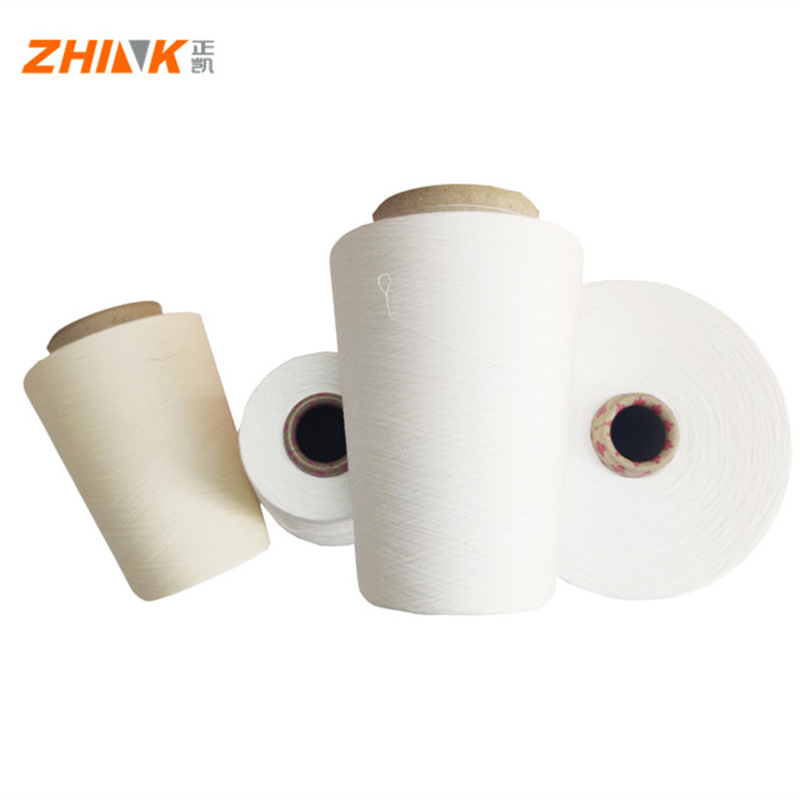
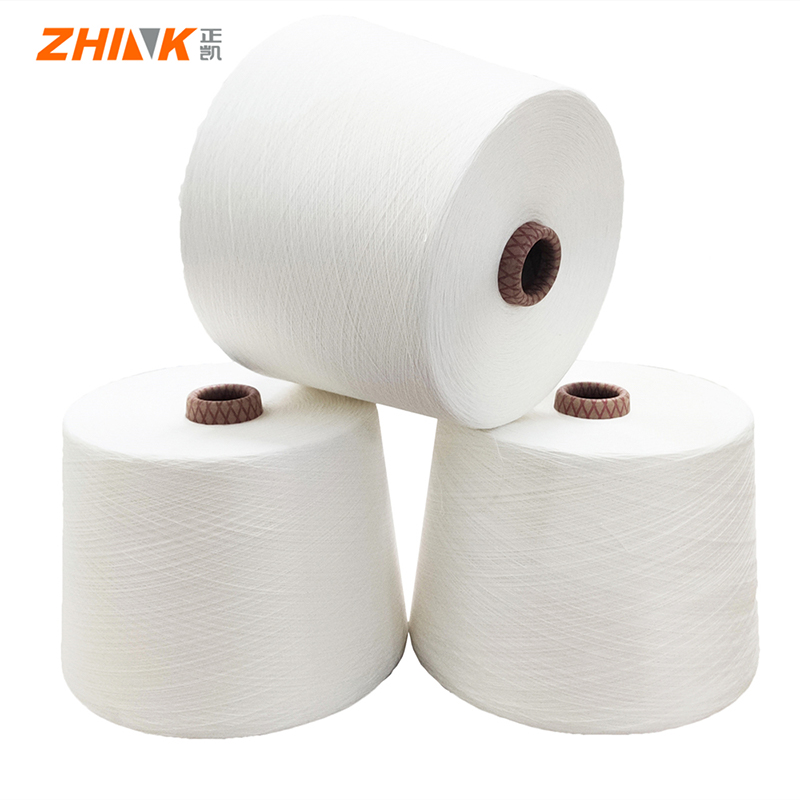
polyester/Combed cotton 70/30 yarn
The Versatility and Craft of Polyester/Combed Cotton 70/30 Yarn
Combining polyester with combed cotton at a 70/30 ratio creates a yarn that captivates both manufacturers and consumers alike. This blend isn't just about balancing elements; it's about harnessing the strength of polyester and the comfort of cotton for diverse applications. Let’s delve into why this specific blend remains a favorite in the textile world.
The Art of Blending: Understanding Polyester/Combed Cotton 70/30
Polyester's synthetic fibers add durability and resilience to fabric, making it ideal for items subjected to daily wear. When combined with combed cotton, which is smoother and stronger than regular cotton, the resulting yarn is both robust and plush. This blend is particularly popular for apparel like T-shirts and casual wear where comfort and longevity are paramount.
In my own experience, working with polyester/combed cotton 70/30 yarn has taught me to appreciate its versatility. This blend handles dye remarkably well, presenting vibrant colors that remain steadfast over time. It’s an aspect that many overlook but is crucial for maintaining quality across multiple uses and washes.
However, achieving the right texture requires expertise. The combed cotton must be meticulously prepared to remove short fibers, ensuring the final yarn maintains a consistent feel. This isn’t just about machinery precision; it’s about monitoring every step to ensure quality doesn’t waver.
Challenges in Production
When producing this yarn, one common hurdle is managing the balance between strength and softness. Too much polyester can make the fabric feel artificial; too little might compromise its resilience. Finding that sweet spot involves precise control during the spinning process.
One memorable instance was when we miscalculated the blend slightly, resulting in a batch that was not up to the mark in terms of softness. The key to addressing such setbacks lies in continuous quality checks and adjustments.
Polyester’s strength sometimes requires recalibrating tension during spinning to prevent breakage or unevenness. It’s a dynamic process, adjusting machinery settings based on real-time feedback, something that only comes with hands-on experience.
Applications and Innovations
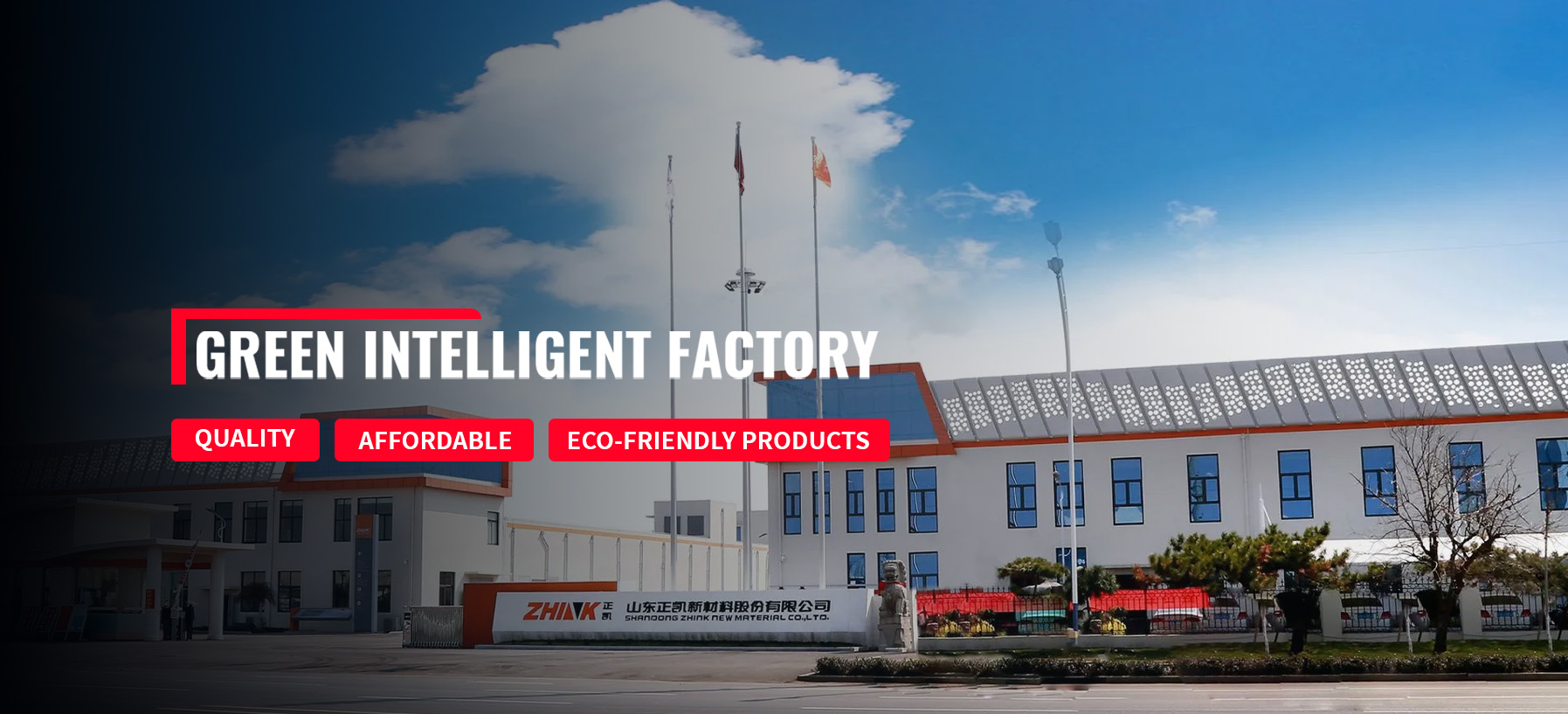
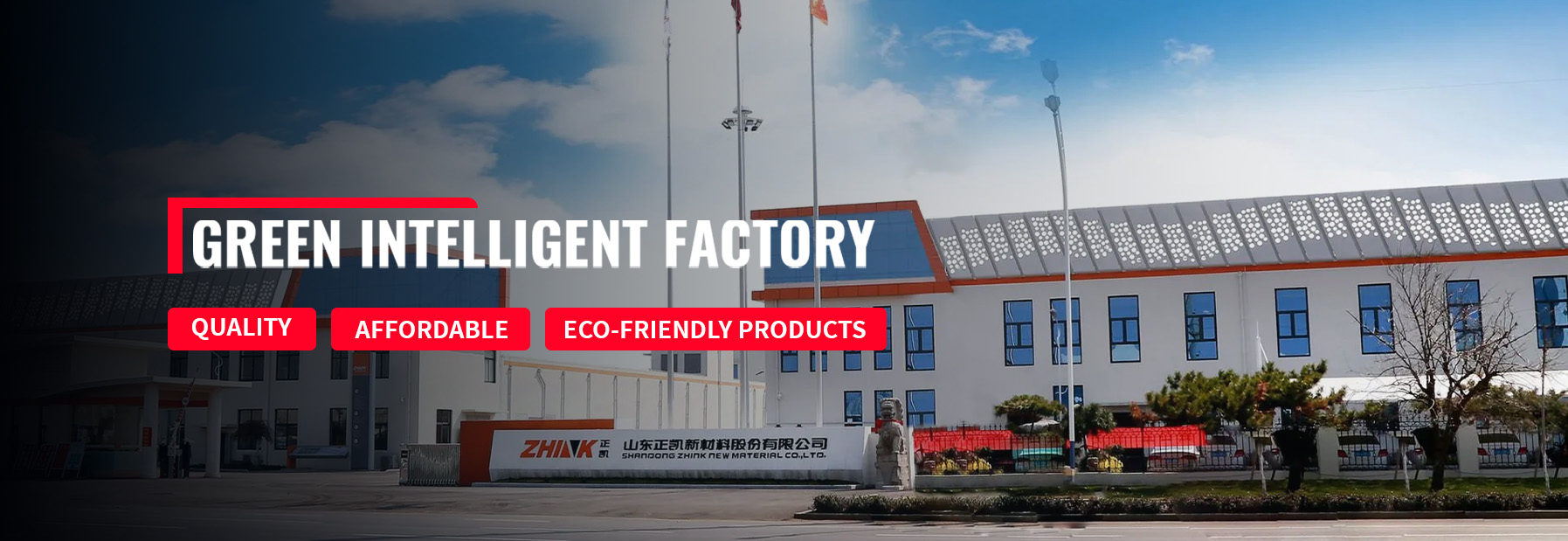
The SHANDONG ZHINK NEW MATERIAL CO., LTD, known for its innovative approaches, persistently pushes the boundaries of what this yarn can achieve. You can explore more about their developments on their website at zhinkyarn.com.
This yarn blend is not limited to clothing. Home textiles, such as durable bed linens and comfortable duvets, benefit extensively from this material. Notably, the blend’s ability to maintain shape and color makes it excellent for decorative items, where visual appeal and touch are equally essential.
Moreover, the yarn is gaining traction in the world of sustainable textiles. Polyester can be derived from recycled materials, offering an eco-friendly angle when paired with naturally-sourced cotton, aligning with the industry’s shift towards environmentally responsible practices.
Market Trends and Future Directions
As the textile industry evolves, the demand for polyester/combed cotton 70/30 yarn continues to rise, driven by its adaptability and cost-effectiveness. Companies like SHANDONG ZHINK NEW MATERIAL CO., LTD are investing heavily in R&D to enhance the yarn's properties further.
There’s a notable trend towards smart textiles, where such blends could integrate technology seamlessly due to their structural properties. It’s an area ripe for exploration, suggesting new horizons for both retailers and innovators.
Looking ahead, maintaining a balance between technological advancements and traditional techniques is crucial. This not only preserves the yarn’s inherent qualities but also adapts it for future textile innovations.
Conclusion: The Personalized Touch
In the end, choosing a polyester/combed cotton 70/30 blend is about nuanced understanding. It’s not just a mix; it’s an expertly crafted product designed to meet contemporary needs. The knowledge and skill involved echo the work seen at SHANDONG ZHINK NEW MATERIAL CO., LTD, where each step, from R&D to final sale, is a testament to the art of textile manufacturing.
What stands out in this journey is the blend’s capacity to match both commercial demands and personal preferences, marking it as not just a product, but a dynamic element in the fabric of everyday life.
Related Products
Related Products