+86-632-3621866
- Chinese
- French
- German
- Portuguese
- Spanish
- Russian
- Japanese
- Korean
- Arabic
- Irish
- Greek
- Turkish
- Italian
- Danish
- Romanian
- Indonesian
- Czech
- Afrikaans
- Swedish
- Polish
- Basque
- Catalan
- Esperanto
- Hindi
- Lao
- Albanian
- Amharic
- Armenian
- Azerbaijani
- Belarusian
- Bengali
- Bosnian
- Bulgarian
- Cebuano
- Chichewa
- Corsican
- Croatian
- Dutch
- Estonian
- Filipino
- Finnish
- Frisian
- Galician
- Georgian
- Gujarati
- Haitian
- Hausa
- Hawaiian
- Hebrew
- Hmong
- Hungarian
- Icelandic
- Igbo
- Javanese
- Kannada
- Kazakh
- Khmer
- Kurdish
- Kyrgyz
- Latin
- Latvian
- Lithuanian
- Luxembou..
- Macedonian
- Malagasy
- Malay
- Malayalam
- Maltese
- Maori
- Marathi
- Mongolian
- Burmese
- Nepali
- Norwegian
- Pashto
- Persian
- Punjabi
- Serbian
- Sesotho
- Sinhala
- Slovak
- Slovenian
- Somali
- Samoan
- Scots Gaelic
- Shona
- Sindhi
- Sundanese
- Swahili
- Tajik
- Tamil
- Telugu
- Thai
- Ukrainian
- Urdu
- Uzbek
- Vietnamese
- Welsh
- Xhosa
- Yiddish
- Yoruba
- Zulu
- Kinyarwanda
- Tatar
- Oriya
- Turkmen
- Uyghur



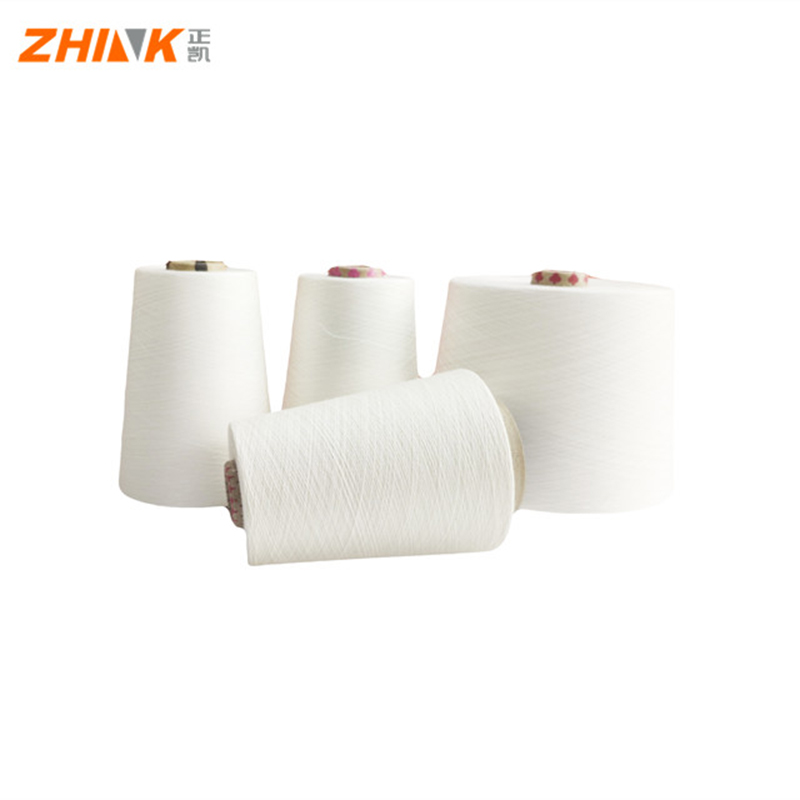
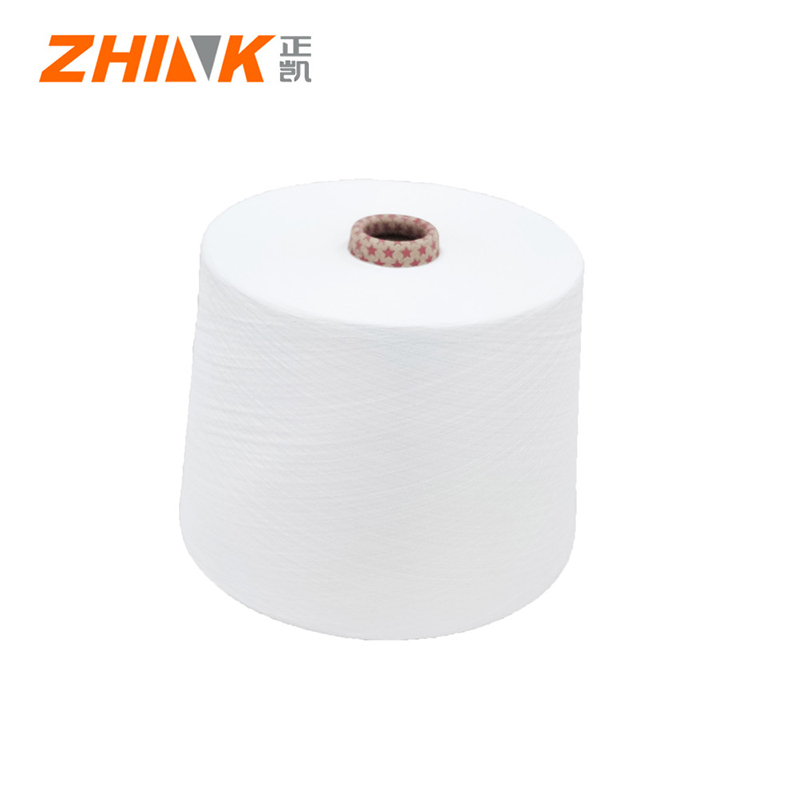
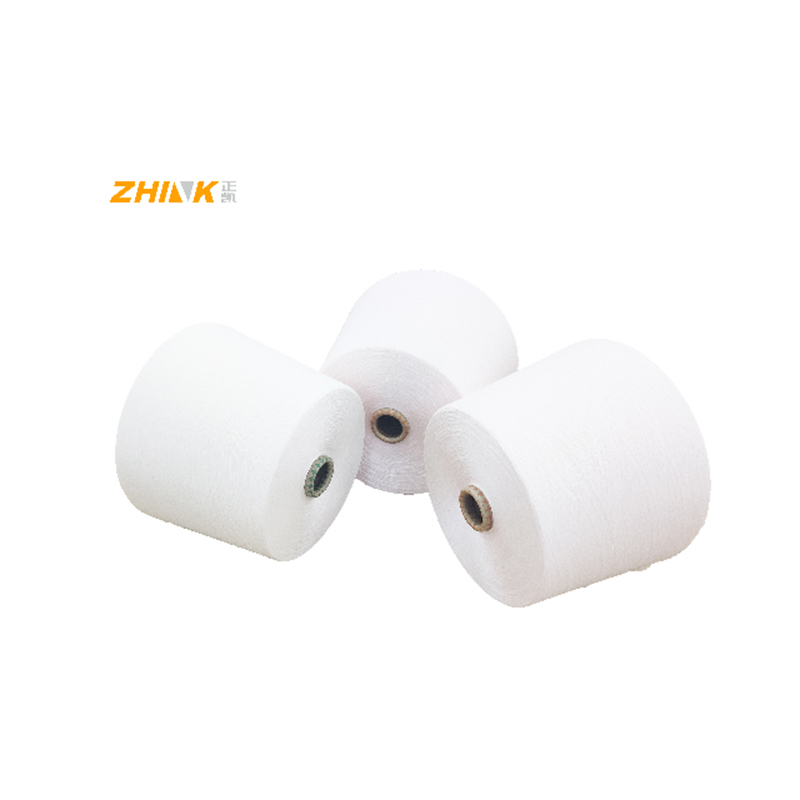
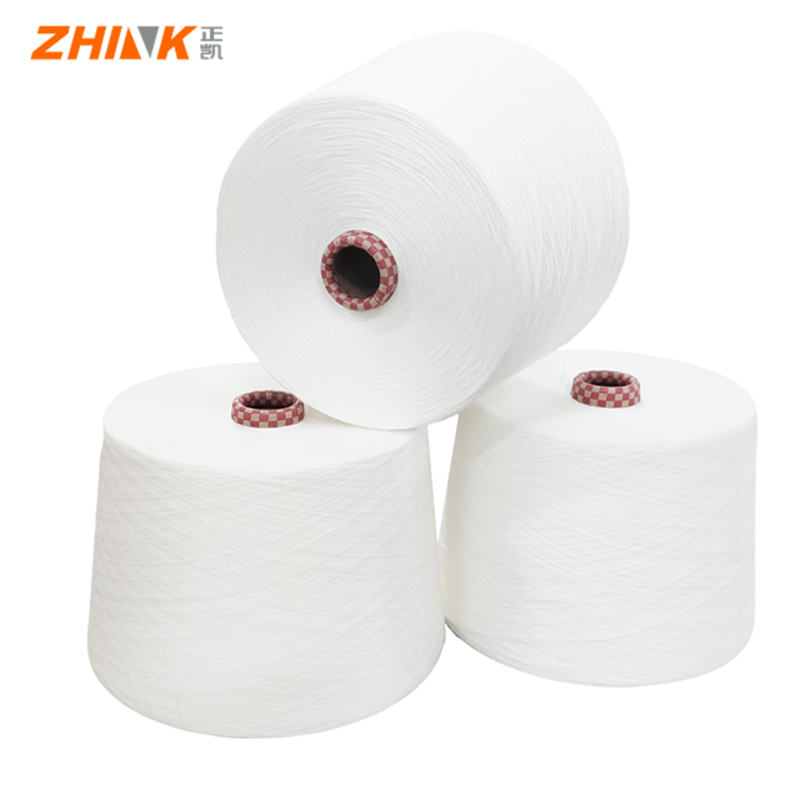
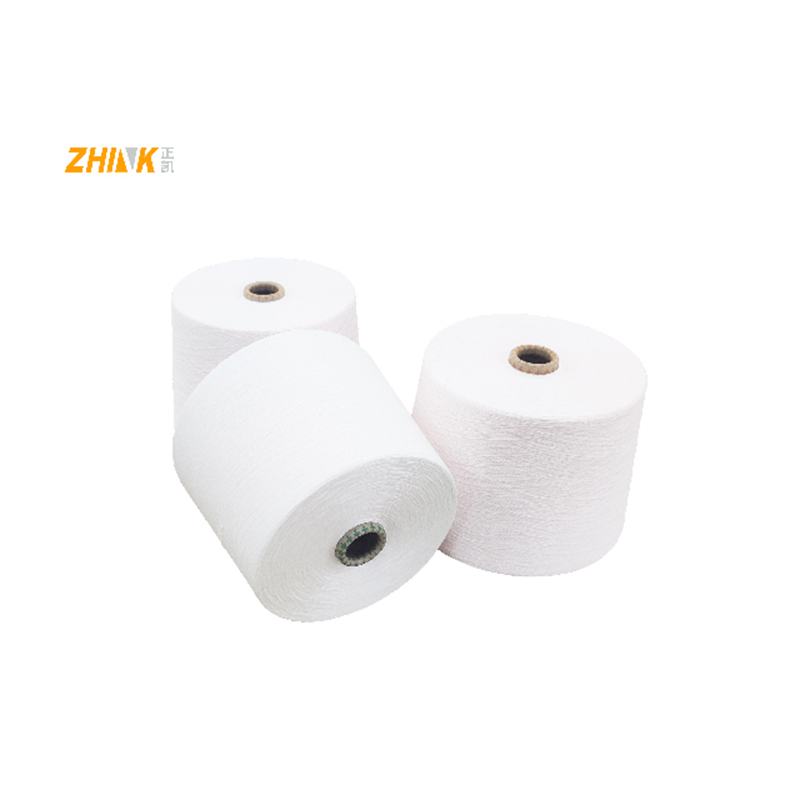
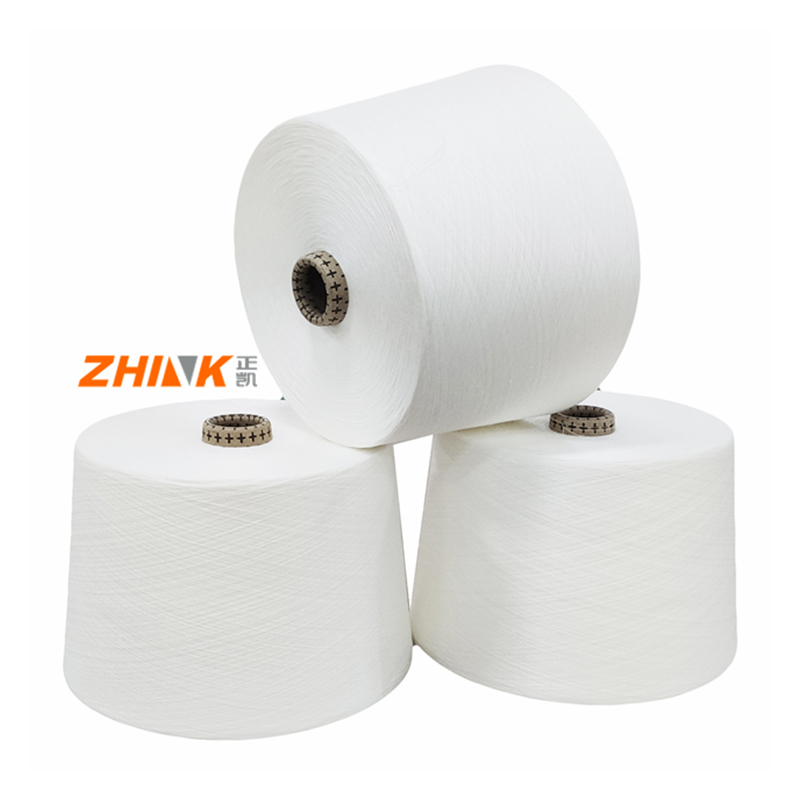
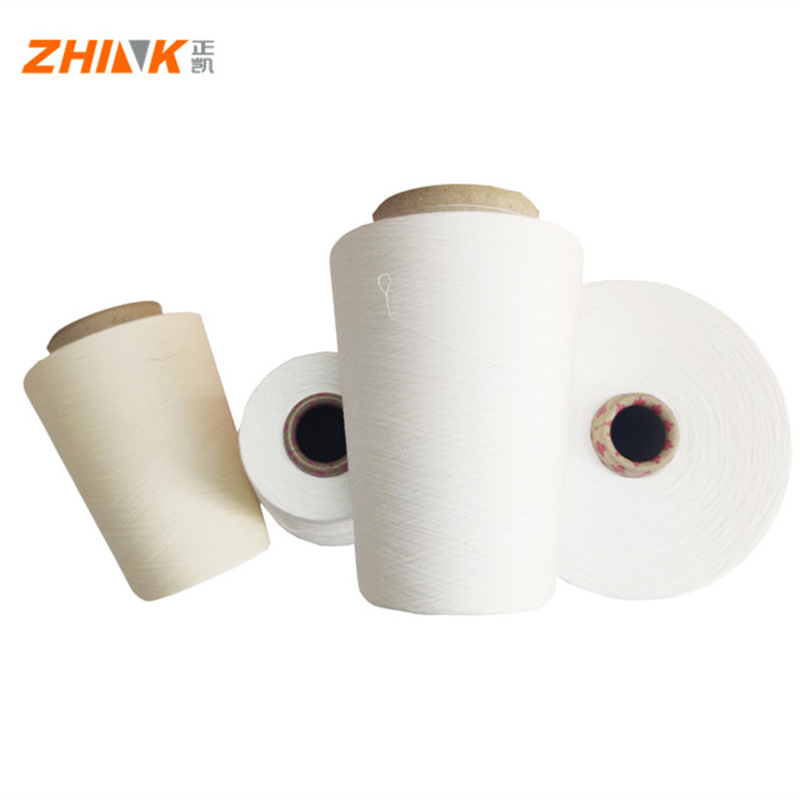
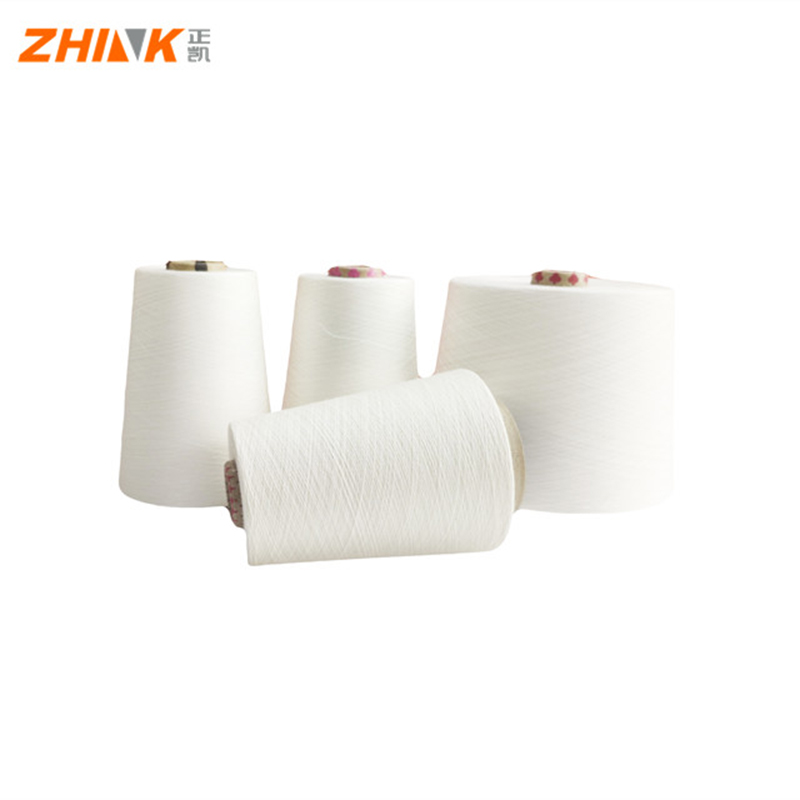
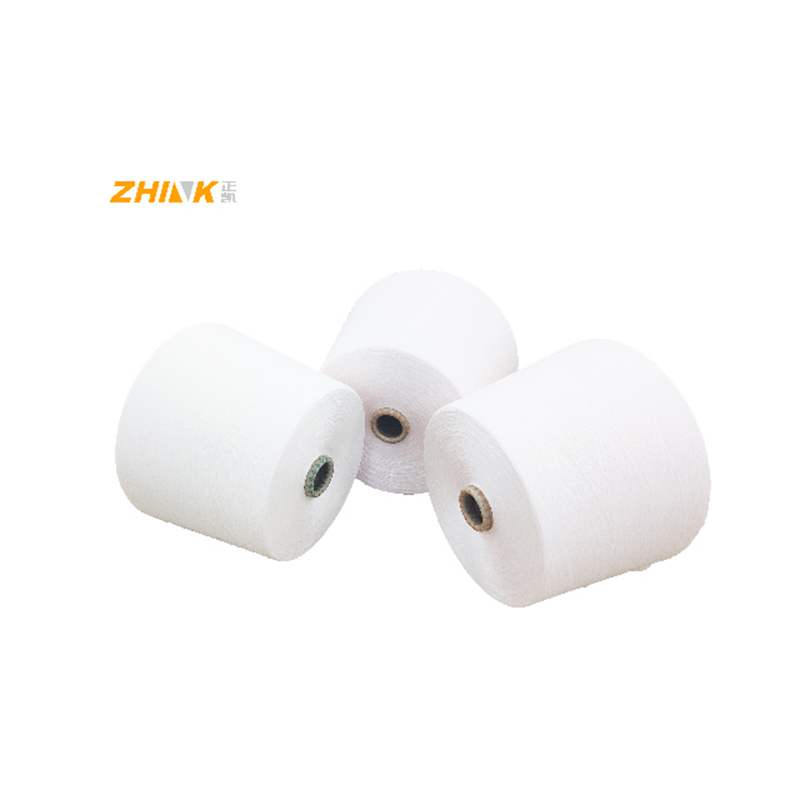
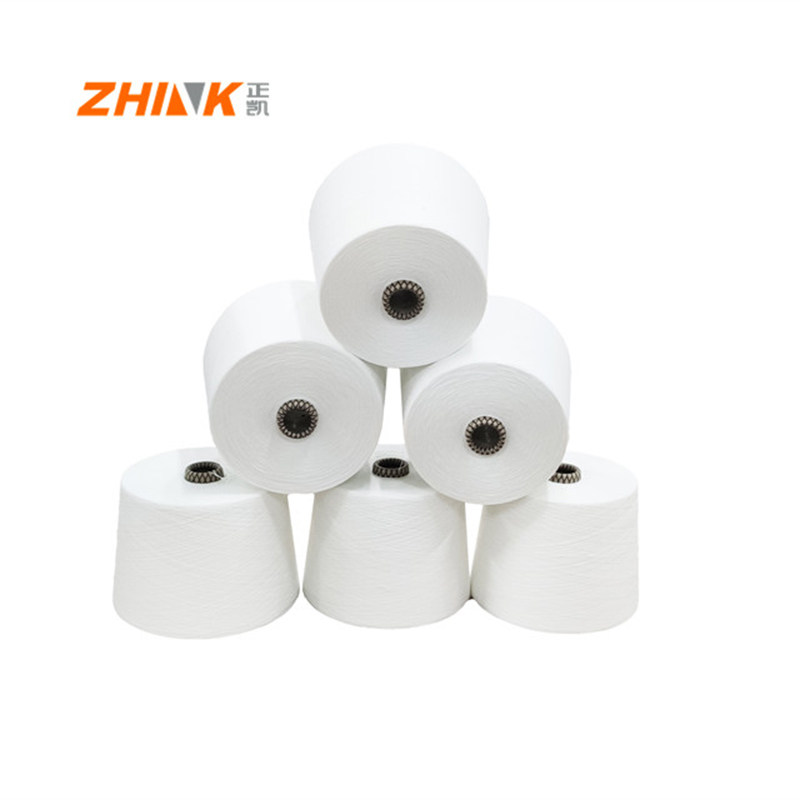
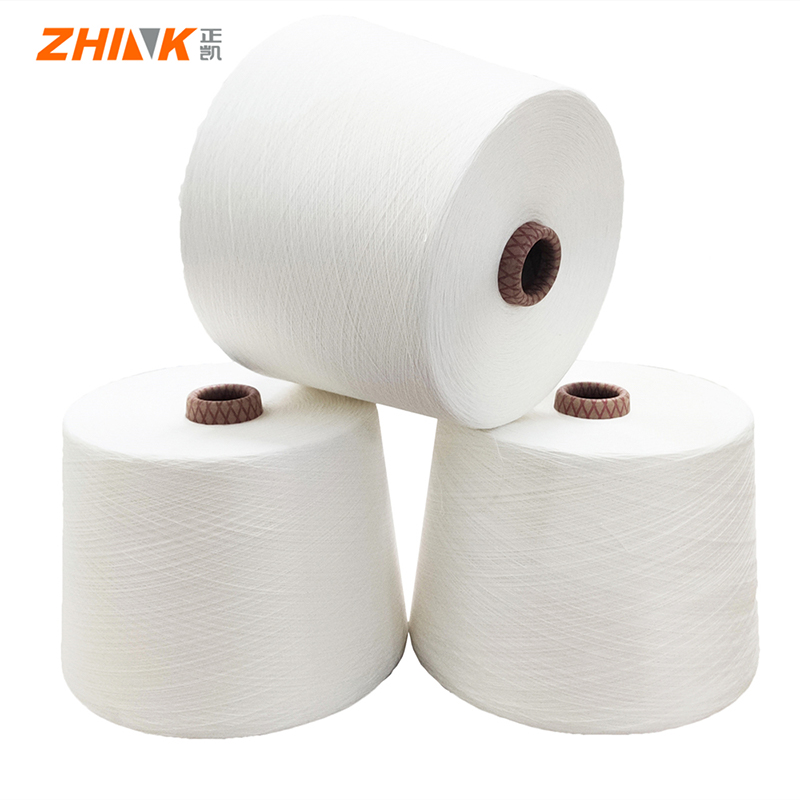
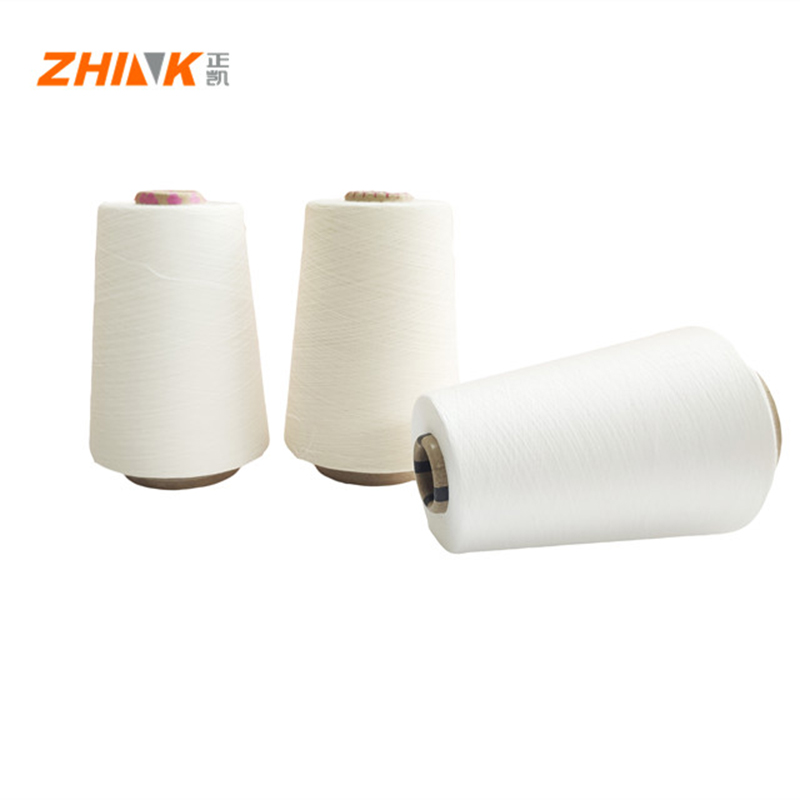
polyester/Combed cotton 80/20 yarn
The Intricacies of Polyester/Combed Cotton 80/20 Yarn
Polyester/Combed Cotton 80/20 Yarn: a blend that's frequently misunderstood yet widely utilized across various industries. Let's explore what makes this combination tick, and why some continue to misjudge its potential.
The Basics of the Blend
Start with the fundamentals: why blend polyester with combed cotton in an 80/20 ratio? Polyester brings strength and durability, while combed cotton introduces softness and comfort. It's a balance that aims to leverage the best of both worlds.
Yet, misconceptions linger. Some folks worry about the synthetic feel of polyester dominating the fabric, but advancements in textile technology have mitigated such concerns. Having worked in the field, I've noticed how this fear often dissipates once potential users see and feel the actual product.
Here at SHANDONG ZHINK NEW MATERIAL CO., LTD, we focus on dispelling these myths by showcasing our yarns' qualities through tactile feedback. Our website, zhinkyarn.com, offers insights into how this blend performs across different applications.
Production Nuances
From an insider's perspective, producing polyester/combed cotton 80/20 yarn isn't as straightforward as it seems. The production process requires a delicate balance—a slight miscalibration, and you end up compromising on texture or strength.
I've seen firsthand how temperature and humidity control play critical roles during the spinning process. Too much moisture, and you'll find the cotton fibers sticking, leading to inconsistencies in the yarn.
Attention to detail during combing is crucial for ensuring a smooth and uniform texture. These practical nuances are often what determine the quality of the end product, something SHANDONG ZHINK NEW MATERIAL CO., LTD prioritizes in every batch.
The Market Dynamics
Diving into market demands, one quickly realizes how versatile the 80/20 yarn is. It's prominently used in apparel, particularly in t-shirts and sportswear, thanks to its appealing combination of comfort and endurance.
For instance, I've watched trends shift, with sustainability taking a front seat. Here lies an interesting challenge: maintaining the blend's benefits while minimizing environmental impact. At Zhink New Material, we're continuously innovating to meet these evolving needs.
But let's not ignore the competitive landscape. Differentiation is key, and it often comes from minimal yet impactful enhancements in yarn characteristics—an area where our research and development investments truly shine.
Challenges and Innovations
Despite its potential, this yarn blend isn't without its challenges. Color fastness can be a concern, particularly during dyeing processes. Here, selecting the right dyes that match both polyester and cotton is vital.
I've been part of teams experimenting with different dye combinations, sometimes hitting roadblocks. Experience has taught us to pivot quickly, refining our techniques to ensure vibrant and lasting hues.
Innovation doesn't stop there. The quest for hypoallergenic finishes has been a significant focus, addressing sensitivities while retaining the yarn's inherent strengths—a journey that ZHINK is proud to lead.
Looking Forward
As we look to the future, what's next for polyester/combed cotton 80/20 yarn? The path hasn't always been straightforward, but the potential innovations are limitless, driven by both technological advances and consumer demands.
Reflecting on past projects, I see a continuous push towards enhancing yarn efficiency without detracting from its appeal. It's about evolving and adapting without losing sight of what makes this blend desirable in the first place.
At https://www.zhinkyarn.com, we remain committed to exploring these avenues, seeking the next breakthrough that will redefine our industry's landscape. It's an exciting time to be part of this sector, and the journey is just beginning.
Related Products
Related Products